


NoonPost NoonPost

NoonPost

  • Home
  • Politics
  • Economy
  • Society
  • Culture
  • Files
  • Long Reads
  • Podcast
AR
Notification Show More
نون بوست
“There Are Nights I Can’t Close My Eyes”: How Gazans Are Living in Homes on the Brink of Collapse
نون بوست
From al-Jolani to Ahmad al-Shara: The Evolution of Syria’s New Leader
نون بوست
When Political Islam Receded in Egypt: Who Filled the Void?
نون بوست
An Extension of Genocide: Gaza’s Detainees Speak Out
نون بوست
A Tightrope Between Survival and Sovereignty: The Syrian Government Faces Normalization Pressures
نون بوست
American Aircraft Carriers: Has the Era of “100,000 Tons of Diplomacy” Ended?
نون بوست
U.S. Regime‑Change Policies: Why They Are Destined to Fail
نون بوست
Transformations of Israeli Judaism: Between the Victim Complex and the Colonizer’s Doctrine
نون بوست
The Gulf’s Balancing Act: Iran, Israel, and Hidden Links
نون بوست
Iraq–Turkey Oil Export Treaty: Why Did Ankara Cancel It After 52 Years?
نون بوست
Syria’s Northeast on Edge: QSD Between Ankara and Damascus
نون بوست
Has Europe Changed Its Stance on Israel… or Just Its Language?
NoonPost NoonPost
AR
Notification Show More
نون بوست
“There Are Nights I Can’t Close My Eyes”: How Gazans Are Living in Homes on the Brink of Collapse
نون بوست
From al-Jolani to Ahmad al-Shara: The Evolution of Syria’s New Leader
نون بوست
When Political Islam Receded in Egypt: Who Filled the Void?
نون بوست
An Extension of Genocide: Gaza’s Detainees Speak Out
نون بوست
A Tightrope Between Survival and Sovereignty: The Syrian Government Faces Normalization Pressures
نون بوست
American Aircraft Carriers: Has the Era of “100,000 Tons of Diplomacy” Ended?
نون بوست
U.S. Regime‑Change Policies: Why They Are Destined to Fail
نون بوست
Transformations of Israeli Judaism: Between the Victim Complex and the Colonizer’s Doctrine
نون بوست
The Gulf’s Balancing Act: Iran, Israel, and Hidden Links
نون بوست
Iraq–Turkey Oil Export Treaty: Why Did Ankara Cancel It After 52 Years?
نون بوست
Syria’s Northeast on Edge: QSD Between Ankara and Damascus
نون بوست
Has Europe Changed Its Stance on Israel… or Just Its Language?
Follow US

Gaza After Anas: A Battlefield Without a Witness

فريق التحرير
Noon Post Published 26 March ,2026
Share
نون بوست
نون بوست

In the early days of the Israeli war on the Gaza Strip, Anas al-Sharif appeared on Al Jazeera’s screen — slight in build, without helmet or vest — at a time when the network’s most prominent journalists were scrambling to cover the overwhelming flood of breaking news and broadcast it to the world.

His first appearances were hesitant, almost shy, as though he had been handed the overflow of sorrow and tragedy. But one by one, the senior correspondents withdrew — killed, wounded, or forced to leave — until Anas, with a voice forged by loss and steeled with defiance, became the Arab world’s foremost eye on the unfolding genocide.

Like every Palestinian journalist who allows his lens to capture Palestinian suffering without diplomatic trimming, Anas endured mounting Israeli threats. But uniquely, he also faced attacks from Arab online smear campaigns — an effort to justify his killing before it happened.

نون بوست

He knew he would not survive. And yet he stayed, until an Israeli airstrike took his life, silencing the last confident voice from Gaza and dimming Palestinian hopes for survival or a truce — hopes that Anas, with his voice and quick movements through the crowds, had so vividly embodied.

What follows is a brief journey through the short life of Anas al-Sharif, swallowed by the genocide he covered, and a reflection on how his assassination aligns with Israel’s strategic interest in imposing full military occupation on the Strip — and the echoes of his loss across Palestine and the Arab world.

“We Survived by a Miracle”

In past interviews describing the horrors of the genocide, Anas would often repeat: “We survived by a miracle,” his survival itself fueling a stubborn resolve to continue reporting to the world.

Lighthearted moments with him were rare, found only in brief truces when he removed his helmet and vest, before donning them again — until the final time, when an Israeli airstrike struck the journalists’ tent near al-Shifa Hospital in Gaza on August 11, killing him along with a full Al Jazeera crew.

Anas was born in Jabalia refugee camp in northern Gaza in 1996. He attended UNRWA schools, graduated from the College of Media at Al-Aqsa University, volunteered at a local media network, and eventually became Al Jazeera’s northern Gaza correspondent.

نون بوست

He rose to prominence only after October 7, 2023, when most journalists — Palestinian, Arab, and foreign — were forced to evacuate before Israel’s ground invasion began at the end of that month.

His defining moment came in his steadfast coverage from the north, bringing live images from places no one else could reach, documenting massacre after massacre despite severe shortages of journalistic equipment, basic supplies, and amid an almost total communications blackout.

Threats and Targeting

This visibility drew the attention of the Israeli military. He received direct threats via calls and messages, alongside defamation campaigns accusing him of Hamas affiliation.

Ordered to leave the north, he refused. In December 2023, an airstrike destroyed his family home, killing his ailing father; the rest of the family had evacuated earlier.

A month later, on January 22, 2024, he was deliberately targeted while trying to get an internet signal to send a live report. Shrapnel tore into his back despite his clearly marked press vest.

From the Indonesian Hospital to al-Shifa to Kamal Adwan, he and the Al Jazeera team documented what others could not: the wounded, the sick, the bereaved. His voice often reached the scene before the cameras, and his presence amid exhausted civilians became a familiar sight.

In January 2025, during live coverage of prisoner exchanges between Palestinian resistance and the Red Cross, he removed his helmet and vest in a rare respite, saying: “Now, I can finally take off this helmet that has weighed me down, and my vest has become part of my body.” Palestinians lifted him on their shoulders in celebration.

Facing the Machine of Genocide

During the truce, Anas’s voice became synonymous with dignity and pride. He moved from square to square, mourning fallen journalist colleagues, documenting displaced Palestinians’ return to the north only to find rubble and unburied remains — and mourning his father among them.

After the truce, Israeli threats against him escalated, accompanied by widespread political and media defamation. In July, the UN Special Rapporteur condemned these threats as “dangerous attempts to silence the last surviving Al Jazeera journalist in northern Gaza,” rejecting Israeli claims that he was a Hamas member and warning against undermining local journalists’ role in documenting atrocities.

Alone Before the Killing Machine

Being “the last surviving Al Jazeera journalist” was a heavy burden. He had already said farewell to colleagues killed in recent months: Ismail al-Ghoul, Rami al-Rifai, Ismail Abu Hatab, Yahya Sbeih, Samar Abu Daqa, Saad Abu Nabhan, Ahmad al-Louh, Duha Sharaf, Hussam Shabat, and others.

نون بوست
FILE PHOTO: Smoke rises from North Gaza after an explosion

On August 11, Anas’s name was added to the list of 237 Palestinian journalists killed by Israeli fire. The army variously called it a mistake, promised investigations, or bluntly admitted to silencing what it called “Hamas’s media voice” — all under the cover of Western political and media complicity.

The Sun of Truth Sets

With his death, the noose around Gaza’s voices tightened further. Israel’s government approved full military occupation of the Strip, paving the way by allowing only a select few — notably Fox News — to enter under military escort, while barring all other foreign journalists.

Israel’s Supreme Court upheld these restrictions, rejecting appeals from international press associations.

Terror and Justification

The killing of a young journalist who covered one of the most brutal wars of the modern era — leaving behind two small children — epitomized the extent of Israeli impunity. The military accused him of being a Hamas operative since 2013, using journalism as cover for “terrorist activities” — allegations Al Jazeera categorically rejected as dangerous and unfounded.

Anas knew such charges were a prelude to his assassination. He prepared his will in advance, later posted on his X account: “If you are reading this, it means Israel has succeeded in killing me and silencing my voice. Do not abandon Gaza.”

نون بوست
Anas Al-sharif 1996-2025

In his final months, he documented starvation, attacks on aid convoys, and the deaths of children from hunger, thirst, and disease. Israeli journalists openly celebrated his killing; Channel 12’s Amit Segal wrote: “I waited for this news for a long, long time.”

Journalist unions and press freedom groups condemned the killing and called for accountability. Al Jazeera held Israel fully responsible, calling it “a deliberate attack on press freedom.”

The Bitter Truth

The bitter truth is that a young journalist spent his final days hungry, under a tattered tent outside a shattered hospital, facing an entire political and media machine determined to criminalize his commitment to his people’s dignity. When he died with five others, it drew only statements of condemnation.

The shocking truth is that Israeli journalists, armed with weapons and cameras, can broadcast their narrative daily to global audiences, while many Arab press associations hesitated even to mourn him.

Anas summed up his life’s purpose in his will: “God knows I gave everything I had to be a pillar and a voice for my people, ever since I opened my eyes in the alleys and streets of Jabalia refugee camp.”

Now, there is no absolution for us, no elegy — and no voice left in Gaza.

Download this article as PDF
Share this Article
Facebook Twitter Whatsapp Whatsapp Telegram Email Copy Link
فريق التحرير
By فريق التحرير تقارير يعدها فريق تحرير نون بوست.
Follow:
Previous Article نون بوست Gaza’s Wounded Between Disability and Neglect
Next Article نون بوست Hezbollah’s Weapons in the Crossfire of Negotiations

Read More

  • U.S. Regime‑Change Policies: Why They Are Destined to Fail U.S. Regime‑Change Policies: Why They Are Destined to Fail
  • The Gulf’s Balancing Act: Iran, Israel, and Hidden Links
  • Iraq–Turkey Oil Export Treaty: Why Did Ankara Cancel It After 52 Years?
  • Syria’s Northeast on Edge: QSD Between Ankara and Damascus
  • Has Europe Changed Its Stance on Israel… or Just Its Language?
part of the design
NoonPost Weekly Newsletter

You May Also Like

U.S. Regime‑Change Policies: Why They Are Destined to Fail

U.S. Regime‑Change Policies: Why They Are Destined to Fail

إسراء سيد Esraa sayed 8 April ,2026
The Gulf’s Balancing Act: Iran, Israel, and Hidden Links

The Gulf’s Balancing Act: Iran, Israel, and Hidden Links

فريق التحرير Noon Post 8 April ,2026
Iraq–Turkey Oil Export Treaty: Why Did Ankara Cancel It After 52 Years?

Iraq–Turkey Oil Export Treaty: Why Did Ankara Cancel It After 52 Years?

فريق التحرير Noon Post 8 April ,2026

هل أوشك الأكراد على إعلان دولتهم؟

فريق التحرير
Noon Post Published 24 January ,2016
Share
resizeimagehandler

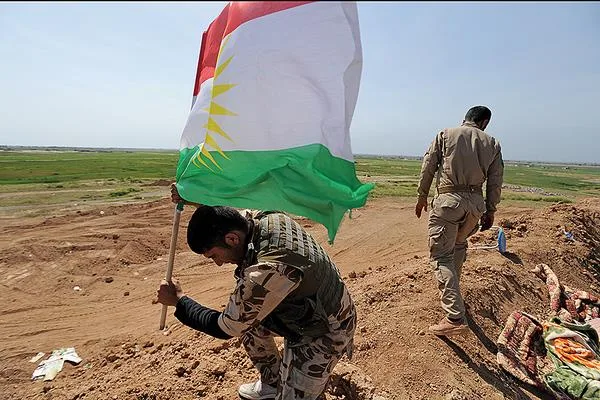
نجح الأكراد بعد عقود من الزمان في اجتذاب التعاطف مع قضيتهم، من باب الترويج لأكبر قومية في العالم لا تمتلك دولة، حيث يتوزع 30 مليون كردي على تركيا والعراق وإيران وسوريا.

استثمر الأكراد في أحداث المنطقة المشتعلة مؤخرًا، وقدموا أنفسهم للعالم بطريقة البديل، في ظل فشل القوى الغربية في الاعتماد على فصائل منظمة أو مجموعات ذات هدف مشترك أثناء الصراعات الدائرة في المنطقة، لاسيما في عملية الحرب على تنظيم الدولة الإسلامية “داعش”.

أداء الأكراد في الحرب مع داعش أعطى فرصة لإحياء قضيتهم واكتساب مساحة جديدة من مشاعر التعاطف الدولي مع قضيتهم، حيث يرى محللون أننا بإمكاننا الحديث عن مجيء اليوم الكردي في الشرق الأوسط، فبحسب تعبير، موتلو جيفير أوغلو، المتخصص في الشؤون الكردية، المارد خرج من القمم، والقضية الكردية الآن قضية إقليمية ودولية، ولا بد أن تعالجها القوى الدولية عاجلًا أو آجلًا.

تمتع الأكراد في العراق بالحكم الذاتي منذ حرب الخليج الأولى عام 1991، ولكن أحلام الاستقلال الكامل لم تتوقف عن مراودتهم يومًا، فاليوم مسعود بارزاني رئيس إقليم كردستان يدعو العالم بأسره للاعتراف بفشل اتفاقية سايكس بيكو التي رسمت الحدود في منطقة الشرق الأوسط وقسمت الأكراد على النحو الآني.

كما دعا البارزاني بشكل واضح قادة المجتمع الدولي للتوصل إلى اتفاق جديد يمهد الطريق لقيام دولة كردية باتت أكثر من أي وقت مضى قريبة من التحول إلى واقع في وجهة نظره، هذا الحديث الذي أدلى به بارزاني إلى صحيفة الجارديان البريطانية ليس مفاجئًا ولا يأتي بجديد، وإنما يعبر عن الحالة التي يقترب منها الأكراد في العراق تحديدًا وهي الاتجاه نحو الاستقلال الكامل.

فقد سبق وصرح رئيس وزراء كردستان العراق، نيجيرفان بارزاني، لهيئة الإذاعة البريطانية منذ عام كامل أنه “من شبه المستحيل” أن يعود العراق كما كان عليه قبل احتلال متشددين إسلاميين للموصل، في إشارة لتنظيم داعش.

واليوم يؤكد مسعود بارزاني نفس الأمر بقوله: إن المجتمع الدولي وبشكل عام بدأ يتقبل بأن العراق وسوريا سوف لن يعودا دولة موحدة من جديد، بسبب الأوضاع المضطربة على مدى العقد الماضي، ولا يمكن أن نفرض التعايش الإلزامي بين المكونات بعد الآن.

يرى الكرد أن البداية ستكون من إقليم كردستان العراق الذي اقترب بدرجة كبيرة من حسم قضية الاستقلال التام عن الحكومة المركزية في العراق، وهو ما تؤكده تصريحات كمال كركوكي، المسؤول الكبير في الحزب الديمقراطي الكردستاني بزعامة بارزاني والقائد العسكري على جبهات القتال مع داعش في كركوك، إذ لا تساوره أية شكوك بأن الاستقلال هو الهدف، وأنه أصبح في متناول اليد، سواء وافق العالم أو لم يوافق.

وأضاف كركوكي لصحيفة كريستيان ساينس مونيتور: “إذا كنا نقاتل من أجل البقاء في العراق كفيدرالية، فإني لن أقاتل داعش دقيقة واحدة، ولن أبقى في هذا الجحيم”، وتابع متسائلًا: “ما هو العراق؟ إن هذا البلد لا يسيطر على أجوائه، ولا يسيطر على أرضه أو حدوده، ولا يسيطر على نفطه ومائه، إنه عراق فاشل”.

قضية داعش في العراق مثلما أبرزت مشكلة الأكراد والدولة الكردية في العراق، فإنها ساهمت في تراجع أولوية الحديث عنها مؤقتًا، إذ إن المشروع الكردي بات مهددًا بمشروع الخلافة الجديد الذي يقوده تنظيم الدولة الإسلامية حينما اقترب من مدن الأكراد وأوشك على اجتياحها.

وهو ما حول التحدي الأكبر أمام الأكراد هو الدفاع عن أنفسهم أمام داعش في الحرب، وتأجيل مسألة إعلان الاستقلال الذي بات بديهيًا في وجهة نظرهم، بعد أن تعامل العالم واحتك معهم في الأحداث الأخيرة، لا سيما وأنه الفصيل الوحيد الذي استطاع إلحاق الهزائم بتنظيم الدولة الإسلامية “داعش” في غير معركة.

لذا حاول البارزاني في حديثه الأخير أن يُقدم نفسه للعالم كحليف قوي، حين أكد أن إقليم كردستان لم يكن يومًا مصدر تهديد لأي من جيرانه، فيما حاول أن يُثبت بالتجربة الأخيرة أن الأكراد عنصر استقرار قادم في المنطقة.

الأكراد الآن أصبحوا يخططون لدولتهم المستقبلية مستغلين حالة الفوضى التي تضرب العراق، في ظل عدم ممانعة من جانب الولايات المتحدة بسبب اعتمادها الأساسي على مقاتلي البيشمركة في الحرب أمام داعش، فالمقاتلون الأكراد استولوا على مدينة كركوك التي تعد من أغنى المدن العراقية بالنفط والتي ينظرون إليها باعتبارها عاصمة بلادهم المستقبلية.

بينما يتجه الإقليم الكردي للتفكير في عملية إعادة رسم حدود الإقليم الذي يرونه مفروض عليهم من قِبل الاستعمار البريطاني والفرنسي والدولة العثمانية، كل ذلك في إطار خطوات الاستعداد لإعلان انفصال الإقليم عن الحكومة المركزية العراقية في بغداد في ظل حالة الفوضى العارمة التي تغرق فيها العراق.

هذا الإقليم الكردي العراقي هو الآن بمثابة بداية الحلم للأمة الكردية في وجهة نظر الأكراد، حيث إنه الحالة الكردية الأنضج التي تتوافر لها عناصر البقاء كالاقتصاد ومؤسسات الحكم الداخلية والحياة السياسية الداخلية والقوات العسكرية والأجهزة الأمنية.

أما بالانتقال إلى الحالة السورية على سبيل المثال فثمة أزمة جغرافية في الوضع الكردي السوري وهي السيطرة على مناطق غير متصلة جغرافيًا إلى حد كبير، ناهيك عن الحالة الكردية السورية الداخلية المتشظية التي تقودها إلى نزاعات تجعل عملية المطالبة بالاستقلال أصعب ما يكون.

بالإضافة إلى المعارضة التركية الشديدة لإقامة أي دولة كردية في الداخل السوري، وهو أمر يعتبره الأتراك خط أحمر بالنسبة لأمنهم القومي، بجانب غياب أي مقومات لإقامة دولة مستقلة كمصادر دخل أو ثروة.

إلا أن مراقبين يرون استحالة عودة الوضع السوري إلى ما كان عليه فيما يخص الأكراد، فربما يبدأ الأكراد في سوريا من حيث بدأ أكراد العراق حينما نجحوا في إقامة حكم ذاتي كونفيدرالي ومع تطور الوقت ربما يصل أكراد سوريا إلى حالة المطالبة بالدولة المستقلة، لكن المطالبة بأعلى نقطة في الهرم في الوقت الحالي هو درب من المستحيل.

واستغلال الحالة السورية السائلة في هذا التوقيت ربما يُساعد في عملية إقامة كيان كردي سوري ولكن غير مستقل بشكل تام، حيث يعتبر الآن الأكراد في سوريا هم الفصيل الوحيد الذي تتفق الولايات المتحدة وروسيا على دعمه عسكريًا دوما أي جدال في الحرب.

أما الحالة الكردية في إيران فتعد الأضعف في هذه الحلقة، إذ لم تأخذ المعارضة للحكومة الإيرانية بعدًا عسكريًا على مستوى الفعل في العراق وتركيا، بعدما نجحت إيران بإخماد التحركات الكردية الإيرانية عن طريق قتل زعيم الحزب الديمقراطي الكردستاني الإيراني عبد الرحمن قاسملو، أثناء اجتماع في فيينا مع ممثلين عن النظام الإيراني عام 1989.

بعد ذلك ظلت حملات قمع الأكراد الإيرانيين مستمرة حتى نهاية التسعينات، حينما استخدمت إيران سياسة جديدة وهي إضافة جزرة إلى العصا المستخدمة مع الأكراد حيث قامت بتعيين بعض الأكراد في مناصب حكومية وقامت بتنصيب أول محافظ كردي لمحافظة كردستان، ومنذ ذلك الوقت والمسألة الكردية في إيران تعاني من التهميش، منتظرة إحياء القضية خارجيًا لربما تستطيع أن تتحرك على إثر ذلك.

وعلى صعيد الأزمة الكردية الكبرى في تركيا فإن اشتعالها مجددًا بعد محاولات احتواء منذ صعود حزب العدالة والتنمية إلى الحكم يُهدد بتراجعات في المسار، فالأكراد في تركيا يريدون استغلال حالة الإقليم شأنهم شأن أكراد العراق وسوريا، لكن الوضع في تركيا مختلف تمامًا، حيث إن طبيعة الدولة التركية بشقيها العلماني المتطرف أو المعتدل لن تقبل بما يريده الأكراد في تركيا من انفصال أو استقلال.

لكن المؤشرات على أي حال تقول إن إقليم الشرق الأوسط يستعد لاستقبال مولود كردي جديد كامل الأهلية في العراق، وهذا يؤكد أن وضع الأكراد يختلف جذريًا عما كان عليه في العقود السابقة، إذ إن القضية الكردية تتقدم إلى الإمام في مسألة استقلال الأقاليم القطرية، فيما لا بد أن يفهم الأكراد أن الحلم الكردي الأكبر الذي يسعى لإقامة دولة كردية موحدة لا يزال بعيد المنال.
TAGGED: أكراد إيران ، أكراد سوريا ، اقتراب الدولة الكردية ، الأكراد في تركيا ، الدولة الكردية
TAGGED: الأكراد
Download this article as PDF
Share this Article
Facebook Twitter Whatsapp Whatsapp Telegram Email Copy Link
فريق التحرير
By فريق التحرير تقارير يعدها فريق تحرير نون بوست.
Follow:
Next Article نون بوست The Stigma of “ISIS”: A Heavy Legacy Haunting Women and Children of Former Members

Read More

  • U.S. Regime‑Change Policies: Why They Are Destined to Fail U.S. Regime‑Change Policies: Why They Are Destined to Fail
  • The Gulf’s Balancing Act: Iran, Israel, and Hidden Links
  • Iraq–Turkey Oil Export Treaty: Why Did Ankara Cancel It After 52 Years?
  • Syria’s Northeast on Edge: QSD Between Ankara and Damascus
  • Has Europe Changed Its Stance on Israel… or Just Its Language?
part of the design
NoonPost Weekly Newsletter
dark

An independent media platform founded in 2013, rooted in slow journalism, producing in-depth reports, analysis, and multimedia content to offer deeper perspectives on the news, led by a diverse young team from several Arab countries.

  • Politics
  • Society
  • Rights & Liberties
  • Opinions
  • History
  • Sports
  • Education
  • Technology
  • Economy
  • Media
  • Arts & Literature
  • Entrepreneurship
  • Travel
  • Cinema & Drama
  • Food
  • Health
  • Culture
  • Latest Reports
  • Files
  • Long Reads
  • Interviews
  • Podcast
  • Interactive
  • Encyclopedia
  • In Pictures
  • About Us
  • Our Writers
  • Write for Us
  • Editorial Policy
  • Advanced Search
Some rights reserved under a Creative Commons license

Removed from favorites

Undo
Go to mobile version