

NoonPost NoonPost

NoonPost

  • Home
  • Politics
  • Economy
  • Society
  • Culture
  • Files
  • Long Reads
  • Podcast
AR
Notification Show More
نون بوست
“There Are Nights I Can’t Close My Eyes”: How Gazans Are Living in Homes on the Brink of Collapse
نون بوست
From al-Jolani to Ahmad al-Shara: The Evolution of Syria’s New Leader
نون بوست
When Political Islam Receded in Egypt: Who Filled the Void?
نون بوست
An Extension of Genocide: Gaza’s Detainees Speak Out
نون بوست
A Tightrope Between Survival and Sovereignty: The Syrian Government Faces Normalization Pressures
نون بوست
American Aircraft Carriers: Has the Era of “100,000 Tons of Diplomacy” Ended?
نون بوست
U.S. Regime‑Change Policies: Why They Are Destined to Fail
نون بوست
Transformations of Israeli Judaism: Between the Victim Complex and the Colonizer’s Doctrine
نون بوست
The Gulf’s Balancing Act: Iran, Israel, and Hidden Links
نون بوست
Iraq–Turkey Oil Export Treaty: Why Did Ankara Cancel It After 52 Years?
نون بوست
Syria’s Northeast on Edge: QSD Between Ankara and Damascus
نون بوست
Has Europe Changed Its Stance on Israel… or Just Its Language?
NoonPost NoonPost
AR
Notification Show More
نون بوست
“There Are Nights I Can’t Close My Eyes”: How Gazans Are Living in Homes on the Brink of Collapse
نون بوست
From al-Jolani to Ahmad al-Shara: The Evolution of Syria’s New Leader
نون بوست
When Political Islam Receded in Egypt: Who Filled the Void?
نون بوست
An Extension of Genocide: Gaza’s Detainees Speak Out
نون بوست
A Tightrope Between Survival and Sovereignty: The Syrian Government Faces Normalization Pressures
نون بوست
American Aircraft Carriers: Has the Era of “100,000 Tons of Diplomacy” Ended?
نون بوست
U.S. Regime‑Change Policies: Why They Are Destined to Fail
نون بوست
Transformations of Israeli Judaism: Between the Victim Complex and the Colonizer’s Doctrine
نون بوست
The Gulf’s Balancing Act: Iran, Israel, and Hidden Links
نون بوست
Iraq–Turkey Oil Export Treaty: Why Did Ankara Cancel It After 52 Years?
نون بوست
Syria’s Northeast on Edge: QSD Between Ankara and Damascus
نون بوست
Has Europe Changed Its Stance on Israel… or Just Its Language?
Follow US

Iran and the Pursuit of an Eastern Front Against the West

هبة بعيرات
Hiba Birat Published 26 March ,2026
Share
نون بوست
نون بوست

Iran’s “Look East” policy reflects both its geopolitical realities and strategic ambition to align with the Eastern bloc comprising China, Russia, and Central Asian nations. It also directly challenges the United States by threatening its interests in the Middle East and contributing to a global shift toward a new bipolarity that undermines post-Cold War American dominance.

But what exactly is the “Look East” policy? How did it emerge, and what are its key drivers? And how has Washington interpreted this pivot? This article explores these questions and assesses the implications of Tehran’s eastern orientation in the broader struggle for global influence.

This analysis is part of the “Memory of Hostility” series, which traces the turbulent trajectory of US-Iran relations—how enmity became a cornerstone of American Middle East policy, justifying arms races, alliances, and sanctions. The series also attempts to forecast the future of this fraught relationship amid rapid regional and global transformations.

Survival Strategies

In the wake of Ayatollah Khomeini’s revolution, Iran adopted the slogan “Neither East nor West,” emphasizing national self-determination and distancing itself from the global powers. Yet, Tehran soon realized the challenge of navigating a polarized world alone.

“Looking East” broadly denotes a foreign policy strategy focused on strengthening economic, political, and strategic ties with Eastern powers—chiefly China and Russia—to reduce dependence on the US and Western institutions.

Iran developed this strategy along two intertwined paths: forging military and economic partnerships with America’s adversaries while countering the crippling sanctions and isolation imposed by Washington. Even under hardline governments, Tehran has often extended overtures to the West, only to be rebuffed, further pushing it eastward.

The policy began to take form in the 1990s, as Iran emerged weakened from the Iran-Iraq War. Isolated in a Sunni Arab world aligned with Washington, Tehran sought economic alternatives and technological advancement. It viewed post-Soviet and East Asian states as a historic opportunity, aiming to transform Iran into an “Islamic Japan.”

Yet initially, “Looking East” was more of a tentative tactic than a coherent foreign policy. Iran’s ideological rigidity, rivalries with regional powers like Turkey and Saudi Arabia, and US influence in Asia hampered early efforts.

Despite past tensions with the Soviet Union, Khomeini expressed early interest in collaboration. In 1979, he indicated willingness to deepen political and economic ties based on mutual respect. During the Iran-Iraq War, the USSR supplied arms to both sides, but under Gorbachev’s “New Thinking,” Iran saw an opening for closer ties.

From Ahmadinejad to Raisi

The “Look East” policy gained traction under the presidencies of Mahmoud Ahmadinejad (2005–2013), Hassan Rouhani (2013–2021), and Ebrahim Raisi (2021–2024). Despite differing foreign policy approaches, all three administrations shared the goal of diversifying foreign relations to mitigate Western sanctions.

Ahmadinejad rose to power after reformist attempts at rapprochement with the West failed. Branded part of the “Axis of Evil” by President George W. Bush and pressured over Iran’s nuclear program, Ahmadinejad sought lifelines in China and Russia, while also courting Latin America’s leftist leaders, such as Hugo Chávez and Evo Morales.

However, his efforts failed to yield a robust Eastern alliance. Eastern states remained wary of Iran’s identity and ambitions. Membership in organizations like the ECO and OIC often hindered rather than helped, given their members’ Western ties.

Rouhani pursued a balanced policy, culminating in the 2015 nuclear deal and sanctions relief, while also deepening ties with Beijing and Moscow. Iran joined the AIIB, the Belt and Road Initiative, and the Eurasian Economic Union during his tenure. Yet Trump’s 2018 withdrawal from the nuclear deal and renewed sanctions pushed Iran further east, as encapsulated by Foreign Minister Javad Zarif’s Asian Cooperation Doctrine.

Rouhani also expanded relations with India, signing a trilateral agreement with Prime Minister Modi and Afghan President Ghani in 2021 to link India to Central Asia via Iran.

Raisi’s presidency marked a return to confrontation with the West and full embrace of Eastern partnerships. Under his leadership, Iran achieved full membership in the Shanghai Cooperation Organization and sought deeper ties with Russia, India, and Southeast Asia, while also improving relations with Saudi Arabia and Gulf neighbors.

The Russian Bear: A Risky Friendship

Though Tehran’s Eastern ambitions extend beyond Moscow and Beijing, the two powers dominate Iran’s strategy to counterbalance US pressure.

While China and Russia share an interest in opposing US hegemony, their dynamics with Iran differ. Russia’s strategic cooperation with Tehran expanded significantly from 2005, with the rise of the IRGC and Ahmadinejad.

Nonetheless, Moscow has often disappointed Tehran. It delayed delivery of the S-300 missile system under Western pressure and restricted nuclear collaboration to civilian projects. Russia even supported UN sanctions from 2006 to 2010.

Ties intensified after the 2022 Ukraine war, with Iran supplying Russia with hundreds of combat drones. In return, Tehran received advanced military hardware. Recent agreements include strategic cooperation in defense, nuclear energy, and trade, with an aim to boost bilateral trade to $12 billion.

Yet economic ties remain lopsided. Russia’s exports to Iran dwarf its imports. Moscow has declined to open its markets to Iranian goods and avoided energy sector cooperation due to competition in global oil markets. Promises to develop the North-South Transport Corridor remain mostly aspirational.

China: Cautious Partner

Beijing is Iran’s largest trading partner and top oil customer. Despite participating in UN sanctions between 2006 and 2010, China resumed oil imports and signed backdoor deals to skirt sanctions.

Chinese oil imports from Iran grew steadily, reaching 1.4 million barrels per day in 2024. Still, Chinese investment dropped from $52 billion in 2014 to $15 billion in 2022 due to US pressure.

In 2021, China and Iran signed a 25-year cooperation plan promising $400 billion in investments, though implementation has been minimal. Military ties remain limited, with naval drills and technology transfers focused on internal security.

Trade with China remains modest: $15.8 billion in 2022 compared to $87.3 billion with Saudi Arabia. China has shown reluctance to jeopardize relations with Gulf states or the US over Tehran.

Disillusionment and Strategic Limitations

Despite symbolic gestures, Beijing and Moscow have consistently prioritized their own interests. They voted for UN sanctions in the past, dragged their feet on military deals, and refused to risk ties with Washington or regional partners.

Russia’s coordination with Israel in Syria and hesitance to deliver arms frustrated Tehran. Similarly, China’s neutrality and economic caution have exposed the limits of this Eastern alignment.

The three capitals share anti-Western rhetoric but lack ideological unity or mutual commitment. Their coordination often serves as leverage in unrelated disputes, like Ukraine or Taiwan.

Is Washington Concerned?

The US views Iran’s Eastern turn as part of its broader challenge to the post-Cold War order. While Tehran’s moves may be symbolic, they reflect a defiant posture that undermines US influence.

Washington has countered with sanctions targeting Iranian and third-party firms and strengthened Gulf alliances to block Tehran’s financing routes. Despite limited integration, Iran’s partnerships with Moscow and Beijing remain a strategic concern, particularly as proxies continue to destabilize the region.

Still, neither Moscow nor Beijing appear willing to fully back Iran. They continue to engage the West and avoid irreversibly aligning with Tehran. For now, Iran remains a useful card in their geopolitical games—but not a partner worth endangering broader interests for.

Download this article as PDF
Share this Article
Facebook Twitter Whatsapp Whatsapp Telegram Email Copy Link
هبة بعيرات
By هبة بعيرات كاتبة، ومحامية ممارسة في ولاية نيويورك الأمريكية، ماجستير في القانون الدولي وحقوق الإنسان.
Follow:
Previous Article نون بوست B’Tselem Calls Gaza Assault “Genocide”—Why Now?
Next Article نون بوست Aid Propaganda in Gaza: Sound Without Substance, and Aggressive Intentions

Read More

  • U.S. Regime‑Change Policies: Why They Are Destined to Fail U.S. Regime‑Change Policies: Why They Are Destined to Fail
  • The Gulf’s Balancing Act: Iran, Israel, and Hidden Links
  • Iraq–Turkey Oil Export Treaty: Why Did Ankara Cancel It After 52 Years?
  • Syria’s Northeast on Edge: QSD Between Ankara and Damascus
  • Has Europe Changed Its Stance on Israel… or Just Its Language?
part of the design
NoonPost Weekly Newsletter

You May Also Like

U.S. Regime‑Change Policies: Why They Are Destined to Fail

U.S. Regime‑Change Policies: Why They Are Destined to Fail

إسراء سيد Esraa sayed 8 April ,2026
The Gulf’s Balancing Act: Iran, Israel, and Hidden Links

The Gulf’s Balancing Act: Iran, Israel, and Hidden Links

فريق التحرير Noon Post 8 April ,2026
Iraq–Turkey Oil Export Treaty: Why Did Ankara Cancel It After 52 Years?

Iraq–Turkey Oil Export Treaty: Why Did Ankara Cancel It After 52 Years?

فريق التحرير Noon Post 8 April ,2026

احتجاز البكاري .. هل كان الانتهاك الأول ضد صحفيي اليمن؟

شيماء الحديدي
شيماء الحديدي Published 31 January ,2016
Share
hmdy-lbkry

11 يومًا من التعذيب النفسي الشديد بمحاكاة محاولات قتلٍ عدة مرات، مع تقييدٍ بالسلاسل والعصابة التي لا تفارق العينين، وعدم السماح بالتواصل مع العالم الخارجي سواء أكان مع الأسرة أو زملاء العمل، قضاها ثلاثة أشخاص بسبب نقلهم الصحفي لمجريات الأمور في دولة اليمن.

إذ قام أفراد ملثمين من ميليشيا الحوثي المسلحة في اليمن باختطاف مراسل الجزيرة حمدي البكاري والمصور عبد العزيز صبري والسائق منير السبئي بإيقاف سيارتهم بمدينة تعز وسط اليمن، وإجبارهم على النزول منها تحت تهديد السلاح، بينما قاموا بتعصيب أعينهم وإخفائهم طيلة 11 يومًا دون أن يتم التبين من مكان احتجازهم، وبعد تحرك قضيتهم بشكل كبير إقليميًا ودوليًا أفرج عن ثلاثتهم ليروّا كيف قضوا تلك الأيام العصيبة.

البكاري الذي أكد أنه لم يُسمح له وزميليه بالحديث فيما بينهم كل تلك المدة، كما روى تعرضهم لمحاكاة إعدام مرات عدة، حيث قال أن الخاطفون كانوا كثيرًا ما يوجهون السلاح لصدره وكأنه خلال ثوانٍ معدودة سيواجه ذات المصير الذي لاقاه عشرات على يد الميلشيا نفسها، لكن تتضح له أن تلك عمليات قتل نفسية وأنه ما يزال حيًا قبل أن يواجه محاكاة أخرى لعملية قتل أو إعدام بعد ساعات قليلة.

الخاطفون أكدوا للصحفي وزميليه أنهم كانوا يريدون قتلهم فعلًا، لكن هناك أوامر ما وصلتهم بألا يفعلوا، فيما قاموا بالتحقيق معهم معصوبي العيون، وأوضح البكاري أنه اتهم بالارتزاق والعمالة، وأخذ الخاطفون يسألونه عن أي فصيل يتبع وعن طيران التحالف والإحداثيات، وذلك قبل أن يلقوا بثلاثتهم بجوار قلعة القاهرة في تعز ليشقوا طريقهم للنجاة.

الصحفي اليمني خرج مؤكدًا أن ما جرى معه وزميليه لن يثنيه عن أداء رسالته الإعلامية ونقل معاناة سكان المدينة –تعز- الذين يواجهون قصفًا يوميًا من جماعة الحوثي وقوات الرئيس المخلوع علي عبد الله صالح، فيما عزا عملية الاختطاف تلك إلى عمليات ترهيب الصحافة وعرقلة عملها في نقل الحقيقة.

الصحفي حمدي البكاري أثناء نقله الأوضاع الإنسانية المتردية في اليمن

فبالتأكيد عملية اختطاف الصحفي حمدي البكاري والمصور عبدالعزيز صبري ليست الأولى التي تجري ضد صحفيين في اليمن، فلا يزال أكثر من 13 صحفيًا يقبعون حاليًا في سجون الحوثيين وتنظيم القاعدة، دون أية إجراءات قانونية، مع منع لعائلاتهم من التواصل معهم أو زيارتهم أو الإطلاع على طبيعة التهم الموجهة إليهم، فضلًا عن آخرين قضوا في عمليات اغتيال.

هذا الأمر ليس غريبًا بالنسبة لبلد تحتل المرتبة 168 من أصل 180 بلدًا في التصنيف العالمي لحرية الصحافة، بحسب تقرير “مراسلون بلا حدود” الذي نشرته مطلع 2015، أوتأتي في المرتبة الرابعة في الدول الأكثر فتكًا بالصحفيين خلال العام 2015، حيث احتل تلك المرتبة بعد تسجيل المؤسسة الدولية قتل 8 صحفيين خلال العام ذاته.

كما قالت المنظمة المعنية بحرية الصحافة في تقريرٍ آخر إن العام 2015 شهد تزايد ملحوظ في عمليات خطف الصحفيين في اليمن من قبل جماعة الحوثي أو تنظيم القاعدة، حيث وثقت اعتقال ما لا يقل  عن 33 صحفيًا – 13 منهم لايزالون رهن الاحتجاز-، مقابل اثنين فقط في العام الذي سبقه.

“الصحفي” في نظر الجماعات اليمنية المسلحة إما عميل أو طرف في الصراع، لذا هو محاط بخطرٍ دائم، حيث لا يُنظر إليه على أنه صحفي يمارس مهنته في نقل الحقيقة من على الأرض، فمنذ انقلاب مليشيا الحوثي وقوات الرئيس المخلوع علي عبد الله صالح في سبتمبر 2014، واجتياحهم العاصمة اليمنية صنعاء وحتى الآن تضاعفت الانتهاكات ضد الصحفيين والمؤسسات الصحفية، حيث اضطرت تلك الانتهاكات مئات الصحفيين للفرار من اليمن إلى أماكن أكثر أمنًا، رغم أن الجماعات المسلحة لازالت تتوعدهم، إلا أنهم أكثر أمنًا مقارنةً بغيرهم ممن لايزالوا في اليمن، فيما توقف نشاط العديد من المؤسسات الصحفية.

بالطبع ليست كل الانتهاكات تقوم بها ميلشيا الحوثي لكن النسبة الأكبر والأكثر إجرامًا تعود إليها، ولا يقف الأمر عند الاعتقال والاحتجاز ومنع ممارسة تلك المهنة وحسب، بل إن الأمر زاد حد استخدام الحوثيين للصحفيين كدروع بشرية، وقد سجلت حالتي قتل في مايو الماضي للصحفيين عبد الله قابل ويوسف العيزري مراسلا قناتي يمن شباب، وسهيل عقب استخدام الحوثيين لهم كدروع بشرية في أحد مخازن الأسلحة التابعة لهم بمنطقة ذمار.

ففي نصف العام الماضي وحده رصدت لجنة الحريات بنقابة الصحفيين اليمنية انتهاكات جمة مورست ضد الصحفيين، تتورط جماعة الحوثي في نحو 80% من إجمالي ما تم رصده، أي نحو 160 انتهاك، فيما توزعت باقي النسبة وهو ما يساوي نحو 40 انتهاك بين جهات مجهولة وتنظيم القاعدة وأخرى حكومية، من بينها 5% من إجمالي الانتهاكات قامت بها قوى التحالف العربي، و6% على يد جهات أمنية.

رصدت بعض المنظمات الحقوقية وقوع صحفيين قتلى على يد التحالف العربي الذي بدأ أولى غاراته نهاية مارس من العام الماضي، فقد سبق حادث اختطاف البكاري بأيام مقتل الصحفي اليمني لدى إذاعة صوت أمريكا “المقداد مجلي” في غارة جوية شنتها قوات التحالف العربي على العاصمة اليمنية صنعاء، وأيضًا المصور التليفزيوني هاشم حمران، الذي لقي حتفه في الثاني والعشرين من الشهر الجاري متأثرًا بجروح أصيب بها نتيجة غارة جوية لطيران التحالف، أثناء قيامه بعمله في مدينة ضحيان في محافظة صعده اليمنية.

تقرير نقابة الصحفيين رصد قتل 10 صحفيين خلال مدة الستة أشهر الأولى من العام المنصرم، ورغم فداحة الجريمة إلا أن القتل مثل نسبة 5% من إجمالي الانتهاكات، وفي نفس تلك المدة كان نحو 55 صحفي ومصور في ظل الملاحقات ما بين اعتقال واحتجاز وخطف ومحاصرة، وتلك النسبة بلغت قرابة ربع مجمل الانتهاكات، فيما سجلت النقابة 48 حالة اعتداء طالت صحفيين ومنازلهم ومؤسسات إعلامية، فيما تعرض 21 آخرين للتهديد والمضايقات وحملات التشهير.

كما أشار التقرير إلى رصد النقابة 8 حالات إيقاف عن العمل أو تهديد بالفصل أو منع مرتبات أو منع الصحفيين من دخول مؤسساتهم، إذ تُشدد جماعة الحوثي التضييق على العاملين في وسائل الإعلام الرسمية مثل الثورة، وكالة سبأ، تلفزيون اليمن، إذاعة صنعاء حيث منعتهم من الوصول إلى أماكن عملهم، وتحدثت النقابة عن مئات صحفيين طالهم هذا النهج.

وسائل الإعلام الحكومية تلك من محطات الإذاعة والتلفزيون وصحيفة الثورة ووكالة الانباء الرسمية سبأ، فقد سيطرت عليها ميلشيا الحوثي بفصل العشرات من العاملين بها وتعيين بدلًا منهم موالين لها،  وقد ذكر التقرير اليمني لنقابة الصحفيين فصل قرابة 300 موظف من أعمالهم في إذاعة صنعاء وحدها.

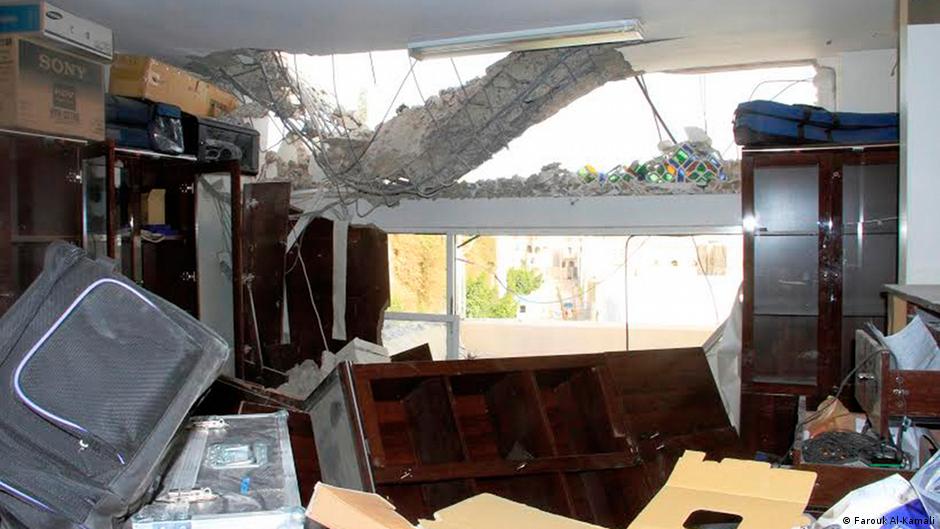
فيما أوقفت نحو 16 مؤسسة عن العمل بعد اقتحام الميلشيا لعدد كبير منها ما بين صحف ووسائل إعلام ومصادرة معدات وآلات تصوير، بينما تم حجب 33 موقعًا الكترونيًا ومحرك بحث،  وتعرض عدد آخر من المواقع للقرصنة، ورصد كذلك تسع حالات إغلاق مكاتب قنوات تلفزيونية وصحف.
نون بوست

ففي صنعاء توقفت صحف المصدر ومأرب برس وأخبار اليوم وصحف أخرى، أما في عدن فقد توقفت عن الصدور صحف عدن الغد والأيام والأمناء والطريق ويافع نيوز، كما اقتحمت مقرات قنوات الجزيرة والعربية والحدث وسكاي نيوز، وأغلقت مليشيات الحوثي مقرات القنوات التلفزيونية في صنعاء، وصادرت أجهزتها، واعتقلت بعض موظفيها، ما اضطر بعض القنوات للبث من خارج اليمن كقنوات سهيل ويمن شباب وبلقيس وأزال وقناتا عدن واليمن الحكوميتان، أما من عجز عن الانتقال فكان مصيره الغلق النهائي والتوقف عن البث.

العاصمة صنعاء التي سيطر عليها الحوثي أواخر العام 2014 باتت شبه خالية من مراسلي وسائل الإعلام الخارجي ومن الصحفيين والصحف المناوئة لجماعة الحوثي، حيث اضطر الصحفيين إلى الخروج إلى مدن أكثر أمنًا أو الخروج من اليمن كلها جراء كل تلك الانتهاكات التي تطالهم وزملاء مهنتهم، فتلك الانتهاكات توصف أنها سابقة نوعية لم تشهدها الحريات الصحفية من أكثر من ربع قرن.
TAGGED: أزمة الحوثيين في اليمن ، الانقلاب الحوثي في اليمن ، البكاري ، الثورة اليمنية ، حرية الصحافة
Download this article as PDF
Share this Article
Facebook Twitter Whatsapp Whatsapp Telegram Email Copy Link
شيماء الحديدي
By شيماء الحديدي صحافية مصرية وباحثة في الشأن الحقوقي
Follow:
Next Article نون بوست The Stigma of “ISIS”: A Heavy Legacy Haunting Women and Children of Former Members

Read More

  • U.S. Regime‑Change Policies: Why They Are Destined to Fail U.S. Regime‑Change Policies: Why They Are Destined to Fail
  • The Gulf’s Balancing Act: Iran, Israel, and Hidden Links
  • Iraq–Turkey Oil Export Treaty: Why Did Ankara Cancel It After 52 Years?
  • Syria’s Northeast on Edge: QSD Between Ankara and Damascus
  • Has Europe Changed Its Stance on Israel… or Just Its Language?
part of the design
NoonPost Weekly Newsletter

You May Also Like

U.S. Regime‑Change Policies: Why They Are Destined to Fail

U.S. Regime‑Change Policies: Why They Are Destined to Fail

إسراء سيد Esraa sayed 8 April ,2026
The Gulf’s Balancing Act: Iran, Israel, and Hidden Links

The Gulf’s Balancing Act: Iran, Israel, and Hidden Links

فريق التحرير Noon Post 8 April ,2026
Iraq–Turkey Oil Export Treaty: Why Did Ankara Cancel It After 52 Years?

Iraq–Turkey Oil Export Treaty: Why Did Ankara Cancel It After 52 Years?

فريق التحرير Noon Post 8 April ,2026
dark

An independent media platform founded in 2013, rooted in slow journalism, producing in-depth reports, analysis, and multimedia content to offer deeper perspectives on the news, led by a diverse young team from several Arab countries.

  • Politics
  • Society
  • Rights & Liberties
  • Opinions
  • History
  • Sports
  • Education
  • Technology
  • Economy
  • Media
  • Arts & Literature
  • Entrepreneurship
  • Travel
  • Cinema & Drama
  • Food
  • Health
  • Culture
  • Latest Reports
  • Files
  • Long Reads
  • Interviews
  • Podcast
  • Interactive
  • Encyclopedia
  • In Pictures
  • About Us
  • Our Writers
  • Write for Us
  • Editorial Policy
  • Advanced Search
Some rights reserved under a Creative Commons license

Removed from favorites

Undo
Go to mobile version