NoonPost NoonPost

NoonPost

  • Home
  • Politics
  • Economy
  • Society
  • Culture
  • Files
  • Long Reads
  • Podcast
AR
Notification Show More
نون بوست
“There Are Nights I Can’t Close My Eyes”: How Gazans Are Living in Homes on the Brink of Collapse
نون بوست
From al-Jolani to Ahmad al-Shara: The Evolution of Syria’s New Leader
نون بوست
When Political Islam Receded in Egypt: Who Filled the Void?
نون بوست
An Extension of Genocide: Gaza’s Detainees Speak Out
نون بوست
A Tightrope Between Survival and Sovereignty: The Syrian Government Faces Normalization Pressures
نون بوست
American Aircraft Carriers: Has the Era of “100,000 Tons of Diplomacy” Ended?
نون بوست
U.S. Regime‑Change Policies: Why They Are Destined to Fail
نون بوست
Transformations of Israeli Judaism: Between the Victim Complex and the Colonizer’s Doctrine
نون بوست
The Gulf’s Balancing Act: Iran, Israel, and Hidden Links
نون بوست
Iraq–Turkey Oil Export Treaty: Why Did Ankara Cancel It After 52 Years?
نون بوست
Syria’s Northeast on Edge: QSD Between Ankara and Damascus
نون بوست
Has Europe Changed Its Stance on Israel… or Just Its Language?
NoonPost NoonPost
AR
Notification Show More
نون بوست
“There Are Nights I Can’t Close My Eyes”: How Gazans Are Living in Homes on the Brink of Collapse
نون بوست
From al-Jolani to Ahmad al-Shara: The Evolution of Syria’s New Leader
نون بوست
When Political Islam Receded in Egypt: Who Filled the Void?
نون بوست
An Extension of Genocide: Gaza’s Detainees Speak Out
نون بوست
A Tightrope Between Survival and Sovereignty: The Syrian Government Faces Normalization Pressures
نون بوست
American Aircraft Carriers: Has the Era of “100,000 Tons of Diplomacy” Ended?
نون بوست
U.S. Regime‑Change Policies: Why They Are Destined to Fail
نون بوست
Transformations of Israeli Judaism: Between the Victim Complex and the Colonizer’s Doctrine
نون بوست
The Gulf’s Balancing Act: Iran, Israel, and Hidden Links
نون بوست
Iraq–Turkey Oil Export Treaty: Why Did Ankara Cancel It After 52 Years?
نون بوست
Syria’s Northeast on Edge: QSD Between Ankara and Damascus
نون بوست
Has Europe Changed Its Stance on Israel… or Just Its Language?
Follow US

Sectarian Disinformation: How Truth Is Lost in the New Syria

مرام موسى
Maram Musa Published 26 March ,2026
Share
نون بوست
نون بوست
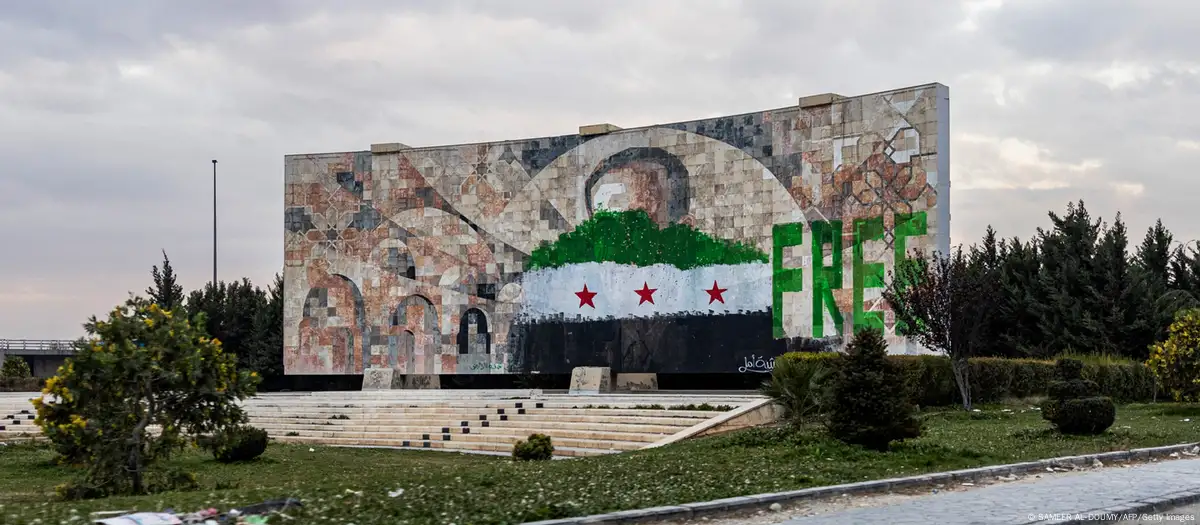
Photo: Samer Al-Doumy (AFP).

In post-Assad Syria, the battles have shifted to the digital realm, where social media platforms have become new arenas for fueling sectarian divisions and stoking communal violence.

With every security flare-up or political upheaval, a flood of fake news and doctored videos emerges, designed to provoke emotions and rekindle hate speech.

As a result, Syrians find themselves immersed in a media landscape saturated with disinformation, where distinguishing fact from fiction has become increasingly difficult.

The recent events in Sweida reveal the depths of this crisis. Armed clashes were accompanied by a wave of fabricated videos falsely claiming massacres or bombings by government forces—footage that was later found to belong to different times and places.

What is striking is the calculated nature of this disinformation, which plays on identity and affiliation, reinforcing divisions within Syrian society.

It exploits an information ecosystem riddled with fragility, mistrust, and a readiness to believe anything that reinforces one’s sectarian or political narrative.

This phenomenon goes beyond mere polarization. It is exacerbated by foreign actors who deploy disinformation as a strategic tool to deepen Syria’s societal fractures. These campaigns capitalize on the institutional collapse that followed the regime’s downfall and on the vacuum left by the absence of a unified official narrative.

In today’s Syria, a piece of fake news is more than just a lie—it is a potential detonator, capable of inciting violence, igniting unrest, or destroying any remaining hope for long-awaited national recovery.

Why Lies Dominate the Syrian Narrative

There’s a well-known adage taught to journalism students, attributed to psychologist Jonathan Foster: “If one person tells you it’s raining and another says it’s sunny, don’t just quote them—look out the window yourself.” The point is clear: verify before believing. Even if you can’t witness an event firsthand, you should consult trustworthy sources—or at least maintain skepticism until truth is confirmed.

This principle is urgently applicable to Syria today, where a torrent of misleading content has flooded the digital space. Far from merely confusing the public, this content has directly contributed to escalating tensions on the ground.

Fact-checking is no longer just a professional duty for journalists—it has become a personal necessity for anyone engaging with online content, especially during moments of security crises or political polarization.

One stark example is a video posted by Lebanese Tawhid Party leader Wiam Wahhab, which purported to show a government airstrike on Sweida. The footage was later revealed to date back to 2022 and depicted a Russian strike on Kharkiv, Ukraine.

The real danger, however, lies not only in distorting public perception or undermining narratives, but in triggering real-world crises. In April, a fake audio recording allegedly insulting the Prophet Muhammad sparked deadly clashes in the predominantly Druze towns of Jaramana and Sahnaya, near Damascus, resulting in numerous casualties, including security personnel.

Although the Interior Ministry later denied the audio’s authenticity, the damage was already done—another painful reminder that a doctored word can be as lethal as a bullet.

Compounding the danger is the phenomenon known as the “illusory truth effect,” where repeated exposure to a piece of information increases its perceived credibility, even if it’s implausible or contradicts one’s own beliefs. In such cases, users tend to share and react to content as though it were real.

This effect is particularly devastating in Syria’s polarized environment. Ahmad Primo, executive director of the “Taqqad” platform, notes that Syria is especially vulnerable to disinformation due to deep societal divides. Every major security event—like those in Sweida in July or on the coast in March—triggers a parallel battle online, where fake news is weaponized to inflame emotional biases.

These observations are echoed in a study titled The Psychology of Fake News, which highlights how fabricated content often leverages intense emotions—shock, fear, anger, moral outrage—to make audiences more susceptible to believing and sharing it. If a story reinforces one’s preexisting beliefs or sectarian identity, the likelihood of spreading it rises dramatically.

This was evident in a video circulated during the Sweida clashes, allegedly showing the al-Hajri militia executing six civilians in the city center. The video actually dated back to 2022 and depicted a field execution by fighters loyal to Laith al-Balous against members of the Raji Falhout group.

A report by the Atlantic Council points out that rumors in Syria have not been mere informational anomalies—they’ve been deliberately weaponized to spread fear and deepen sectarian rifts, especially after the fall of the regime. The report documents how fabricated stories of massacres and looming revenge campaigns created panic in Alawite-majority areas along the coast, intensifying existential anxiety among specific communities.

Throughout the Syrian conflict, regional and international actors have used social media as a covert battleground to manipulate public opinion and dominate narratives. Ahmad Primo emphasizes that these tactics did not end with the fall of the regime.

The Atlantic Council report details coordinated disinformation campaigns by actors such as Iran, Israel, and Hezbollah, exploiting Syria’s broken media landscape to inflame sectarianism and sow distrust—ultimately reshaping the local power dynamic under the cover of information chaos.

In the same vein, a BBC investigative report published in May uncovered intense activity by foreign-linked accounts on X (formerly Twitter) during the coastal rebellion. Of 50,000 posts, 60% originated outside Syria, primarily from Iraq, Yemen, Lebanon, and Iran. One widely shared falsehood claimed that priest from Mar Elias Church had been executed by “Julani’s gangs”—a story later debunked by the church itself.

The investigation also revealed parallel activity by accounts operated from Saudi Arabia and Turkey, which, since November 2024, had published around 100,000 incendiary comments targeting the Alawite community. Many of these posts used explicit sectarian slurs such as “Nusayri,” “infidels,” and “Alawite clique.”

These campaigns appear neither spontaneous nor sporadic, but organized and ongoing. Syrian Information Minister Hamzeh al-Mustafa recently announced that the country is facing sustained cyber-attacks, reporting that some 300,000 accounts from four main countries are actively spreading disinformation.

In this toxic atmosphere, fact-checking platforms have emerged as a critical line of defense. Al Jazeera’s “Sanad” agency, for instance, debunked ten false claims within just 48 hours, including a video allegedly showing President Ahmad al-Shara among fighters in Sweida. The footage was traced back to an earlier visit to rural Idlib in early 2024.

Social media algorithms operate on a simple yet perilous logic: what you engage with, you get more of. Merely watching or sharing a post primes the algorithm to feed you similar content—regardless of its truth. In Syria’s charged environment, this creates a feedback loop that amplifies falsehoods, deepens divisions, and spreads hatred.

Ahmad Primo warns that these algorithms prioritize profit, not truth. They promote the most provocative content, regardless of accuracy. For content creators, who earn money based on view counts, fake news becomes an easy path to virality and profit—fueling an unregulated disinformation market.

In her book How Civil Wars Start—and How to Stop Them, researcher Barbara Walter identifies deep identity-based divisions, particularly when armed and led by opportunistic figures, as key precursors to state collapse. She highlights the role of social media in accelerating this disintegration through algorithms that amplify fear and anger, granting lies a louder voice than facts.

The Information Vacuum in New Syria

While fake news is a global phenomenon, its impact is far more severe in fragile contexts like post-Assad Syria. The sensitive political transition has coincided with the collapse of the state media system, creating a deep information vacuum—a perfect storm for the spread of rumors.

Since the complete shutdown of state media in December, Syrians have come to rely almost entirely on social platforms, especially Facebook, as their primary source of news.

In this vacuum, the power of fabricated content has grown exponentially. With no reliable official sources covering or responding to developments, disinformation thrives.

Primo notes that the transitional government’s failure to fill this gap has worsened the crisis from delays in appointing spokespersons or establishing unified communication platforms to poor coordination between ministries and a confused response to major events like the coastal rebellion or the Sweida clashes.

Its sluggish media performance and imprecise messaging have left a dangerous void.

Primo concedes that the government’s inexperience may partly explain this disarray. Lacking both institutional capacity and crisis-management expertise, the administration faces challenges that even established governments often struggle with—let alone one rising from the rubble of authoritarianism and war.

In Syria’s case, fake news has become a tool of mobilization and incitement, a weapon to demonize opponents and redraw the lines of division. Combating disinformation must now be a national priority.

It is a wake-up call for the transitional government to fill the information gap and build a transparent, effective communication system—one that shields society from digital discord and empowers Syrians to pause and verify before they believe or share.

Download this article as PDF
Share this Article
Facebook Twitter Whatsapp Whatsapp Telegram Email Copy Link
مرام موسى
By مرام موسى صحافية سورية
Follow:
Previous Article نون بوست Between an Exhausted Army and the Far Right’s Ambitions: What’s Next for Gaza?
Next Article نون بوست Repercussions of the Clashes in Sweida

Read More

  • U.S. Regime‑Change Policies: Why They Are Destined to Fail U.S. Regime‑Change Policies: Why They Are Destined to Fail
  • The Gulf’s Balancing Act: Iran, Israel, and Hidden Links
  • Iraq–Turkey Oil Export Treaty: Why Did Ankara Cancel It After 52 Years?
  • Syria’s Northeast on Edge: QSD Between Ankara and Damascus
  • Has Europe Changed Its Stance on Israel… or Just Its Language?
part of the design
NoonPost Weekly Newsletter

You May Also Like

U.S. Regime‑Change Policies: Why They Are Destined to Fail

U.S. Regime‑Change Policies: Why They Are Destined to Fail

إسراء سيد Esraa sayed 8 April ,2026
The Gulf’s Balancing Act: Iran, Israel, and Hidden Links

The Gulf’s Balancing Act: Iran, Israel, and Hidden Links

فريق التحرير Noon Post 8 April ,2026
Iraq–Turkey Oil Export Treaty: Why Did Ankara Cancel It After 52 Years?

Iraq–Turkey Oil Export Treaty: Why Did Ankara Cancel It After 52 Years?

فريق التحرير Noon Post 8 April ,2026

فتح في انتظار اللحظة الفارقة

أحمد قاعود
أحمد قاعود Published 27 January ,2016
Share
ae1d33d222c4e1ebba2476a400b9ab4f

يقول الشاعر محمود درويش “في الانتظار: يصيبني هوس برصد الاحتمالات الكثيرة”.  

ترقب حركة فتح ومعها الشعب الفلسطيني بحذر مرحلة قادمة يكتنفها كثير من الغموض ويدور بشأنها وراء الكواليس أحاديث كثيرة، في اللحظة التي يغادر فيها الرئيس محمود عباس المشهد السياسي ويترك وراءه عرش السلطة الفلسطينية التي ربما تواجه أزمات قد تعصف بكيانها الهش، نحاول أن نفهم ما بين السطور وشكل وملامح المرحلة القادمة، لكن يصعب ذلك لعدم وجود السطور التي تبحث في عرش الرئيس، حينها يذهب القلم لرسم كثير من الأسئلة بحاجة إلى كثير من الإجابات التي تعني كل فرد وفصيل في المجتمع الفلسطيني، في الوطن والشتات، في المدن والقرى والمخيمات وفي السجون والمعتقلات حيث الأسرى من كل ألوان الطيف الفلسطيني.

في النظم الديمقراطية لا تثير مثل هكذا تساؤلات أو إثارة مواضيع ذات علاقة بعرش السلطان أي حساسية أو تشنج باعتبار أن طرحها أو نبشها مسألة طبيعية مرتبطة برحيل الرئيس أو الزعيم بعد انتهاء فترة رئاسته المحددة سلفًا بنص الدستور، سواء لدورة أو دورتين كما في أغلب دساتير الدول الديمقراطية التي لا تجيز الترشح لأكثر من دورتين، وحينها تتنافس الأحزاب في تقديم مرشحيها أو ترشح الشخصيات المستقلة دون أن يقلق ذلك منام الرئيس أو يستنفر أجهزة الأمن في الدولة، ذلك لأن الدستور هو من سيقلع فخامته من على كرسي الحكم ومن الطبيعي أن يستيقظ في الصباح ليرى على مكتبه الصحف وهي تقدم صور وبرامج المتنافسين والمرشحين.

أما في بلاد العرب حيث لا قانون ولا دستور ولا نظام، وحده ملك الموت من يستطيع أن يجعل ذلك الكرسي شاغرًا، في حالتنا الفلسطينية فإن الاستشعار بخطورة المرحلة القادمة والشعور بالمسؤولية تجاه الشعب والقضية كان سبب كتابة هذه السطور دون أن يكون للمناكفة أو المجادلة في هذا المقام أي مكان، ودون الدخول في مناقشة الشرعيات الفلسطينية واستحقاقاتها، فليس ذلك المقصود، إنما يدفع الهم والقلق كل مواطن أن يسعى لمحاولة استكشاف ملامح مرحلة قادمة ربما تبدأ في أي لحظة، هي مرحلة يكتنفها الغموض في بقعة صغيرة لا قول فيها ولا فصل إلا إلى الاحتلال، الذي سيجتهد كثيرًا لاستنساخ الحالة الجريحة في عالمنا العربية.

حين تحولت عدوى الثورات العربية إلى عدوى الصراعات الداخلية وإشغال الشعوب بأنفسها، فأثبتت نجاعتها في تمزيق أوصال الوطن، وإليك ما يجري في سوريا والعراق وليبيا واليمن، هنا يزداد الحرص على وحدة الشعب الفلسطيني وعلى وحدة حركة فتح تحديدًا باعتبار أن المرحلة ستشهد كثير من حالات الشد والجذب والاستقطاب وتحريك مراكز القوة والنفوذ بين أقطابها وقياداتها وكوادرها.

تطرح هذه الورقة جملة من الأسئلة ما أصعب الإجابة عليها وإن اجتهد أحد وأجاب عليها فما أصعب تطبيقها والتوافق عليها، هي من العيار الثقيل، ربما يرى البعض أن المساس ببعضها من المحرمات، لكن من الطبيعي أن تثار ويحتدم الجدل حولها حين يرتبط المصير والقضية والشعب والوطن بمصير الرئيس، حقًا: ماذا بعد رحيل الرئيس محمود عباس؟ ماذا عن مصير السلطة الفلسطينية التي ارتبطت بشخص الرئيس وكانت الهيمنة والسيطرة واضحة على كل مفاصلها؟ ماذا عمن سيخلف الرئيس محمود عباس في منصبه لا بل في مناصبه في ظل مرحلة ستشهد حراكًا تنظيميًا عميقًا على موائد السلطان؟

ماذا عن حركة فتح، الواسعة الممتدة، فيها كثير من مراكز القوة والنفوذ وتتعدد فيها الولاءات لقيادات ورموز وازنة في فتح، كثير منها لا يرى نفسه أقل من منصب الرئيس، بين غزة والضفة والمدن والمخيمات والقرى؟ ما هو دور دحلان في المرحلة المقبلة، الذي سيحزم أمتعته إلى رام الله، وربما لا يمتلك أحد القوة لمنعه من ذلك، خاصة أن البعد الشخصي في خصامه مع الرئيس محمود عباس شكل جوهر الخلاف ومن الطبيعي أن رحيل أحدهما يعني بالنسبة للآخر بداية مرحلة جديدة؟

ما هو مصير التنسيق الأمني مع الاحتلال الذي أوجد شرعيته وأعلن قداسته الرئيس عباس في الوقت الذي طالبت كثير من قيادات فتح بوقفه بل وإعلان القطيعة مع الاحتلال في ظل استمرار عدوانه على الشعب الفلسطيني، وانسدادا الأفق السياسي؟ كيف ستتعامل حماس مع المرحلة واستحقاقاتها وهل سنشهد وتيرة أخرى من التصعيد تحت عنوان الشرعية الفلسطينية، باعتبار أن رئيس المجلس التشريعي هو من سيتولى بحكم الدستور رئاسة السلطة لستين يومًا يجري خلالها انتخاب رئيس جديد، مع الجزم أن الازمة الداخلية الفلسطينية لا تنتهي بالتسليم لصناديق الإقتراع والالتزام بالشرعية الفلسطينية؟

كما أعتقد أن الانتخابات ليست الحل السحري للخلافات القائمة وليست من ستنهي حالة الانقسام الفلسطيني، ولا يمكن الخلاص من الحالة الراهنة الراكدة في رواسب الانقسام إلا عبر صيغة تصالحية تحقق الحد الأدنى من التوافق على كل مفردات واشتقاقات القضية الفلسطينية وأهمها الموقف السياسي وبرنامج المقاومة وإدارة الشأن الداخلي الفلسطيني، كيف ستكون العلاقة مع باقي الفصائل وما هو دورها في تخطي المرحلة وإنهاء الانقسام والتقارب مع فتح باعتبارها من يمسك بزمام الأمور في الضفة الغربية، وإن كانت الأزمة شكلاً تبدو أنها فتحاوية داخلية لكنها من حيث تداعياتها وتفاعلاتها وارتداداتها هي أزمة تخص كل مواطن وفصيل، يفرض عليه الموقف الوطني والأخلاقي استنفار كل الحلول والطروحات التي تسهم في إيجاد صيغة وطنية تحمي فتح من الانزلاقات إلى أتون الصراعات الداخلية التي لا تصب في مصلحة فتح ولا في مصلحة الشعب الفلسطيني.

ماذا عن المقاومة، شرعيتها وسلاحها ورجالها وأسراها، وما هو مصير العملية السياسية حيث لا أفق لها ولا بديل عن المفاوضات إلا المفاوضات؟ ثم ماذا عن شكل العلاقة مع الاحتلال اللاعب الأقوى في الساحة، الذي لا تعنيه فتح ولا حماس إنما تعنيه سلطة تحمي مكتسبات الكيان الصهيوني وأهمها التنسيق الأمني واستمرار الانقسام واستئصال المقاومة والحفاظ على النهج التسووي الذي يريح إسرائيل من ضريبة الاحتلال؟

وهنا تكمن الخطورة على حركة فتح إذا حاولت تخليص الشعب الفلسطيني من هذا الموروث السياسي والأمني الذي أرهق الشعب وحرف بوصلة القضية، وتستطيع فتح تحقيق ذلك الخلاص من خلال قيادة وطنية لم تنسلخ عن تاريخها، بمقدورها أن تتبنى صيغة وطنية جامعة أول من يحميها حماس ومن خلفهم كل مكونات الشعب الفلسطيني، تخرج هذه القيادة عن النمط التقليدي للطبقة السياسية الحاكمة التي بلغت من العمر عتيًا ووهن العظم منها دون أن تقدم جديدًا في ملف الوحدة والمصالحة بل وأكبر من ذلك في مسار التحرير وإنهاء الاحتلال والاستقلال.

لقد قاد محمود عباس الشعب الفلسطيني في مرحلة عنوانها الانقسام والتنسيق الأمني والحصار، واستمر الخطاب السياسي الرسمي طوال عقد من الزمن مسكونًا بالحديث عن الانقسام والفرقة والأزمة، دون نبش ذاكرة العمل الوطني المشترك وترسيخها تعميقها وتأصيلها، والاتجاه نحو قراءة التاريخ بحثًا عن العوامل التي تدعم الوحدة وليس بحثًا عن العوامل التي تدعم الشقاق، وليس لأحد كما لفتح أن تعيد توجيه المسار، في مرحلة هي بلا شك غامضة وتبدو ملامحها سوداء، لكن من عمق الأزمة يأتي الفرج، وربما تكون انفراجة للشعب الفلسطيني ليكون عنوان المرحلة الوحدة الوطنية وحماية ثوابت القضية وأهمها القدس واللاجئين وتحرير الأسرى وفك الحصار وقيام دولة فلسطينية مستقلة ليس على حساب أي شبر من كامل تراب فلسطين، وليست من خلال التنازل عن حق أي لاجئ فلسطيني في العودة حتى وإن تآمر عليه العالم مرة أخرى وشردوه من اليرموك.

يحتاج ذلك إلى مسار عقلاني ناضج ينبعث من روح وطنية وعزيمة كبيرة قادرة أن تصوغ رؤية وطنية تدور في فلكها منظمة التحرير والسلطة والفصائل والبرنامج السياسي والمقاومة، رؤية واعية تبنى على قاعدة تجمع عليها كل مكونات الشعب الفلسطيني، متن القاعدة يقول: إن فلسطين بوحدة أبنائها وثوابت قضيتها وقيم النضال لأجلها هي الصيغة التي لا تقبل الخلاف، وما دون ذلك فهو خلاف مطلوب ومثمر في ظل الوحدة الوطنية، وأما الخلاف على الوطن والانتماء لكل ما يعنيه الوطن فتلك جريمة نكراء، وهذه الصيغة لا تكون إلا إذا كانت الوحدة، نعم: ولتكن جرعة الحديث عن الوحدة وإنهاء الانقسام في هذا المقام زائدة، علينا أن نعترف بأن المشهد السياسي القائم بجموده وركوده لا يخدم فتح ولا حماس قطبي الساحة الفلسطينية، فلا يخدم الأولى في مسارها السياسي، ولا يخدم الثانية في طموحاتها ومشروعها المقاوم، لقد مرت شعوب وأمم كثيرة في مراحل دموية طاحنة من تاريخها، لكنها أرست سفنها في ميناء الوحدة أمة ودولة وشعبًا.

فسجل التاريخ أن بسمارك من أهم الساسة الألمان في القرن التاسع عشر، وتم تدوينه في تاريخ أوروبا والعالم بموحد ألمانيا، وقد صنع تلك الوحدة خلال عقدين من الزمن رغم أن الظروف الدولية توحدت ضده آنذاك، صنعها بمرارة لما أعلن أن المشاكل والقضايا المهمة لا تحل بالخطب بل بالدم والحديد، نعم هي ألمانيا التي كان يحكمها أربعون ملكًا، وكانت مشكلة من أربعمائة ولاية ثم جعلها نابليون ثمانية وثلاثين ولاية، كما دون التاريخ أيضًا ديغول بالأب الروحي للجمهورية الفرنسية الخامسة، الذي قاد بلاده إلى الاستقلال من الجيوش النازية أثناء الحرب العالمية الثانية، إذا هي مسيرة العبور إلى الأمة الواحدة التي قادها قادة وزعماء دأبت ريشة المؤرخين وأقلام الكتاب على نعتهم بالعظماء، هكذا هم لأنهم وحدوا بلادهم فخلد التاريخ ذكراهم ولأنهم كذلك كانوا عظماء.

في واقعنا الفلسطيني لا يوجد ما يشير إلى أن الرئيس محمود عباس يتجه أن يدون التاريخ الفلسطيني أنه من أعاد الوحدة الفلسطينية، الانقسام الفلسطيني طال عمره، وبعدت مسافات الوحدة الوطنية، مع أنها بعيدة قريبة، لا تحتاج إلى الدم والحديد، لكنها تحتاج إلى إرادة سياسية تترجم إلى قرار سياسي، الانقسام الفلسطيني ليس طائفي ولا مذهبي ولا عرقي.

وإذا كانت مظاهر كثيرة الآن هي عنوان للانقسام أو إفراز له فإن هناك عناوين أكثر ما زالت تمثل الوحدة ولا يمكن لها إلا أن تبقى كذلك، مهما تجذر الخلاف أو طال عمر الانقسام، تلك هي البيت الفلسطيني أولاً، الذي يحوي تحت سقفه الواحد في كثير من الحالات أكثر من لون حزبي وتنظيمي وفكري، هي السجن والمعتقل والمعاناة والروابط الاجتماعية وكل شيء في حياتنا اليومية، ناهيك عن عوامل أخرى مثل اللغة والتاريخ والوطن التي وحدت شعوبًا مختلفين في أعراقهم وأديانهم وثقافاتهم، فما بالك ونحن أبناء دين ولغة وتاريخ وديار جمعت بيننا، بل وحتى جمعتنا مع الأخوة المسيحيين رغم اختلاف جزئية الدين والاعتقاد.

هي جملة من التساؤلات في ثناياها كثير من الهم والخوف على مصير شعب وقضية، ناهيك عن تحديات أخرى، فما أكثر المفاجآت في ساحتنا الفلسطينية، لكن ما أجمل أن تكون النهاية كما هي البداية، بقول بليغ للشاعر الكبير محمود درويش “أن تكون فلسطينيًا يعني أن تصاب بأمل لا شفاء منه”، الاعتماد على الله أولاً ومن ثم الرهان على وعي وإدراك أبناء شعبنا الفلسطيني هما الأمل بعبور هذه المحطة دون دماء وأشلاء، ودون تفريط بأي من مكتسبات الشعب الفلسطيني ودون تفريط بوحدة حركة فتح، كما دون تفريط بأي من الثوابت الفلسطينية كثمن سياسي للجلوس على كرسي الرئاسة اثبتت ثلاثة وعشرون عامًا من عمرها لا بل جل عمرها أن كرسي الرئاسة تلك ليس لها من اسمها نصيب.

TAGGED: التنسيق الأمني ، التنسيق الأمني مع إسرائيل ، الرئاسة الفلسطينية ، القضية الفلسطينية ، حركة فتح
Download this article as PDF
Share this Article
Facebook Twitter Whatsapp Whatsapp Telegram Email Copy Link
أحمد قاعود
By أحمد قاعود كاتب وباحث فلسطيني
Follow:
Next Article نون بوست The Stigma of “ISIS”: A Heavy Legacy Haunting Women and Children of Former Members
part of the design
NoonPost Weekly Newsletter
dark

An independent media platform founded in 2013, rooted in slow journalism, producing in-depth reports, analysis, and multimedia content to offer deeper perspectives on the news, led by a diverse young team from several Arab countries.

  • Politics
  • Society
  • Rights & Liberties
  • Opinions
  • History
  • Sports
  • Education
  • Technology
  • Economy
  • Media
  • Arts & Literature
  • Entrepreneurship
  • Travel
  • Cinema & Drama
  • Food
  • Health
  • Culture
  • Latest Reports
  • Files
  • Long Reads
  • Interviews
  • Podcast
  • Interactive
  • Encyclopedia
  • In Pictures
  • About Us
  • Our Writers
  • Write for Us
  • Editorial Policy
  • Advanced Search
Some rights reserved under a Creative Commons license

Removed from favorites

Undo
Go to mobile version