NoonPost NoonPost

NoonPost

  • Home
  • Politics
  • Economy
  • Society
  • Culture
  • Files
  • Long Reads
  • Podcast
AR
Notification Show More
نون بوست
“There Are Nights I Can’t Close My Eyes”: How Gazans Are Living in Homes on the Brink of Collapse
نون بوست
From al-Jolani to Ahmad al-Shara: The Evolution of Syria’s New Leader
نون بوست
When Political Islam Receded in Egypt: Who Filled the Void?
نون بوست
An Extension of Genocide: Gaza’s Detainees Speak Out
نون بوست
A Tightrope Between Survival and Sovereignty: The Syrian Government Faces Normalization Pressures
نون بوست
American Aircraft Carriers: Has the Era of “100,000 Tons of Diplomacy” Ended?
نون بوست
U.S. Regime‑Change Policies: Why They Are Destined to Fail
نون بوست
Transformations of Israeli Judaism: Between the Victim Complex and the Colonizer’s Doctrine
نون بوست
The Gulf’s Balancing Act: Iran, Israel, and Hidden Links
نون بوست
Iraq–Turkey Oil Export Treaty: Why Did Ankara Cancel It After 52 Years?
نون بوست
Syria’s Northeast on Edge: QSD Between Ankara and Damascus
نون بوست
Has Europe Changed Its Stance on Israel… or Just Its Language?
NoonPost NoonPost
AR
Notification Show More
نون بوست
“There Are Nights I Can’t Close My Eyes”: How Gazans Are Living in Homes on the Brink of Collapse
نون بوست
From al-Jolani to Ahmad al-Shara: The Evolution of Syria’s New Leader
نون بوست
When Political Islam Receded in Egypt: Who Filled the Void?
نون بوست
An Extension of Genocide: Gaza’s Detainees Speak Out
نون بوست
A Tightrope Between Survival and Sovereignty: The Syrian Government Faces Normalization Pressures
نون بوست
American Aircraft Carriers: Has the Era of “100,000 Tons of Diplomacy” Ended?
نون بوست
U.S. Regime‑Change Policies: Why They Are Destined to Fail
نون بوست
Transformations of Israeli Judaism: Between the Victim Complex and the Colonizer’s Doctrine
نون بوست
The Gulf’s Balancing Act: Iran, Israel, and Hidden Links
نون بوست
Iraq–Turkey Oil Export Treaty: Why Did Ankara Cancel It After 52 Years?
نون بوست
Syria’s Northeast on Edge: QSD Between Ankara and Damascus
نون بوست
Has Europe Changed Its Stance on Israel… or Just Its Language?
Follow US

Damascus and Moscow: Can Memory and Interests Share the Same Table?

يمان الدالاتي
Yaman Dalati Published 26 March ,2026
Share
نون بوست
نون بوست

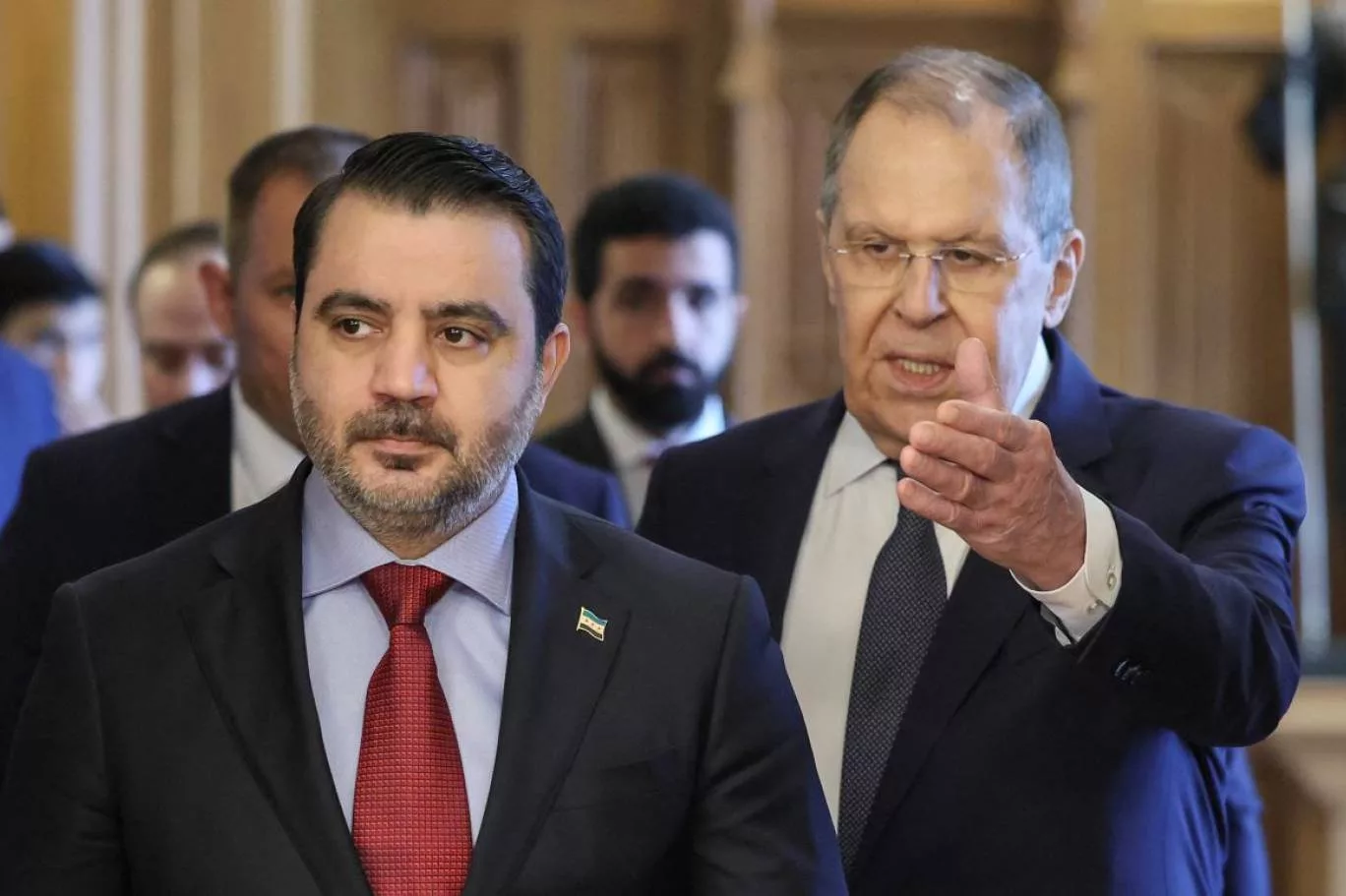
On Thursday, July 31, Moscow hosted Syria’s foreign and defense ministers at the State Guest House—a visit that marks a potential reset in the relationship between Damascus and Moscow.

Syrian Foreign Minister Asaad Al-Shibani met with his Russian counterpart Sergey Lavrov in wide-ranging talks that touched on the future of bilateral relations and raised critical questions about whether Russia, long a staunch backer of the former regime, is now repositioning itself in the Syrian file.

More than a routine diplomatic engagement, the visit carried striking symbolic weight. Lavrov extended an invitation to Syria’s new president, Ahmad Al-Sharaa, to attend the first-ever Russian-Arab summit, scheduled to take place in Moscow in mid-October.

While diplomatically polite, the invitation underscores Russia’s intent to maintain open channels with the new Syrian state—one it had, for years, sought to suppress at its inception.

In light of these developments, a legitimate question arises: Are we witnessing a Russian attempt to forge a new alliance of interests with Damascus, unburdened by a blood-soaked past? Or is this simply a tactical maneuver to minimize political losses?

What Was Discussed?

The meetings included Russia’s Foreign Minister Sergey Lavrov and Defense Minister Andrei Belousov, and focused on political and military cooperation, as well as reassessing previous agreements signed during the former regime’s era.

President Vladimir Putin later received Syria’s foreign minister in what the Syrian Foreign Ministry described as a “historic” meeting. It said the encounter lays the groundwork for a new phase of mutual understanding between the two countries, founded on respect for Syria’s sovereignty and territorial integrity.

During a joint press conference with Lavrov, Al-Shibani affirmed Damascus’s commitment to resetting its relationship with Moscow on a new basis that prioritizes the Syrian people’s interests. He also announced the formation of two committees tasked with reviewing all previous agreements with the Assad regime.
نون بوست
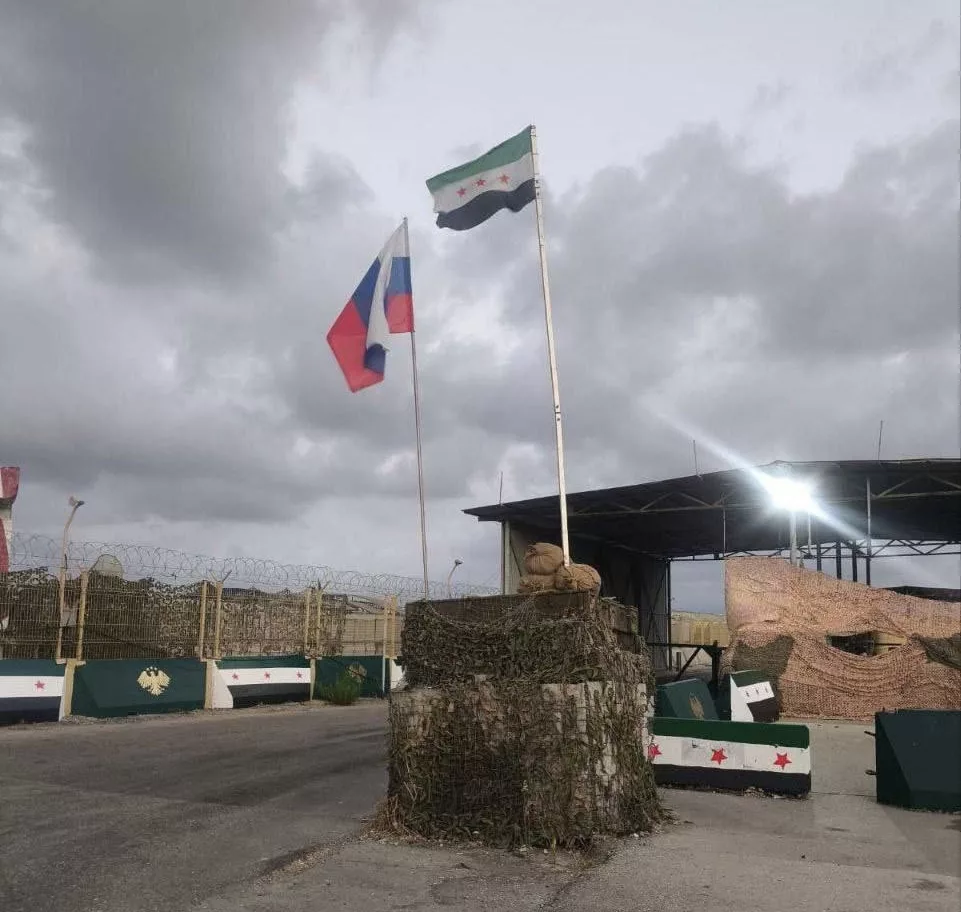
Syrian flag raised for the first time at Russia’s Hmeimim base, signaling a shift in dynamics, activists say.

Lavrov officially invited President Ahmad Al-Sharaa to attend the upcoming Russian-Arab summit—an overture analysts interpret as an attempt by Moscow to reestablish ties with the new Damascus, but through a markedly different political tone than it once used with the previous regime.

At the same press conference, Al-Shibani stated that Syria holds “no hostile intentions toward Israel,” but emphasized its rejection of “any interference in internal affairs” or manipulation of the “minorities card.”

Commenting on the recent escalation in the Suwayda province, he attributed it to “systematic Israeli shelling over the past two weeks,” which forced Syrian troops to withdraw from certain areas—creating a vacuum that was then filled by foreign-linked armed groups.

Lavrov, in turn, reiterated Russia’s support for the International Committee of the Red Cross’s initiative to assist in Suwayda in coordination with the Syrian government. He stressed that the only viable solution lies in “state control,” and denounced Israeli attacks on Syrian territory as violations of international law that “must be stopped.”

It’s worth noting that the Syrian issue was also discussed in a recent phone call between President Putin and Israeli Prime Minister Benjamin Netanyahu. According to a Kremlin statement, the two leaders addressed the “tense situation in the Middle East,” with Putin emphasizing the need to preserve “Syria’s sovereignty and strengthen its internal political stability.”

What Was on the Table?

The talks covered several critical security and military files, most notably the future of Russian military bases in Syria, the Kurdish question, and the reorganization of Syria’s ties with regional and international powers. During the joint press conference, Lavrov thanked Syrian authorities for securing Russia’s bases in Tartus and Hmeimim.

He emphasized that Moscow seeks to expand cooperation with Damascus and supports Syria’s territorial unity, rejecting the notion of the country becoming a stage for geopolitical rivalries.

On the Kurdish issue, Lavrov expressed hope that the upcoming parliamentary elections—scheduled for September 15–20—would be inclusive of all communities and sects. He highlighted the importance of maintaining Kurdish integration within the Syrian state and ensuring their full rights.

This position points to a preliminary alignment between Moscow and Damascus on resolving tensions with the Syrian Democratic Forces (SDF) in the northeast, within the framework of a unified state.

The two sides also agreed to form a Syrian-Russian ministerial committee to review past political and economic agreements—signaling a shared desire to restructure their partnership on new terms. Al-Shibani remarked that bilateral ties are moving toward a “distinct strategic trajectory.”
نون بوست

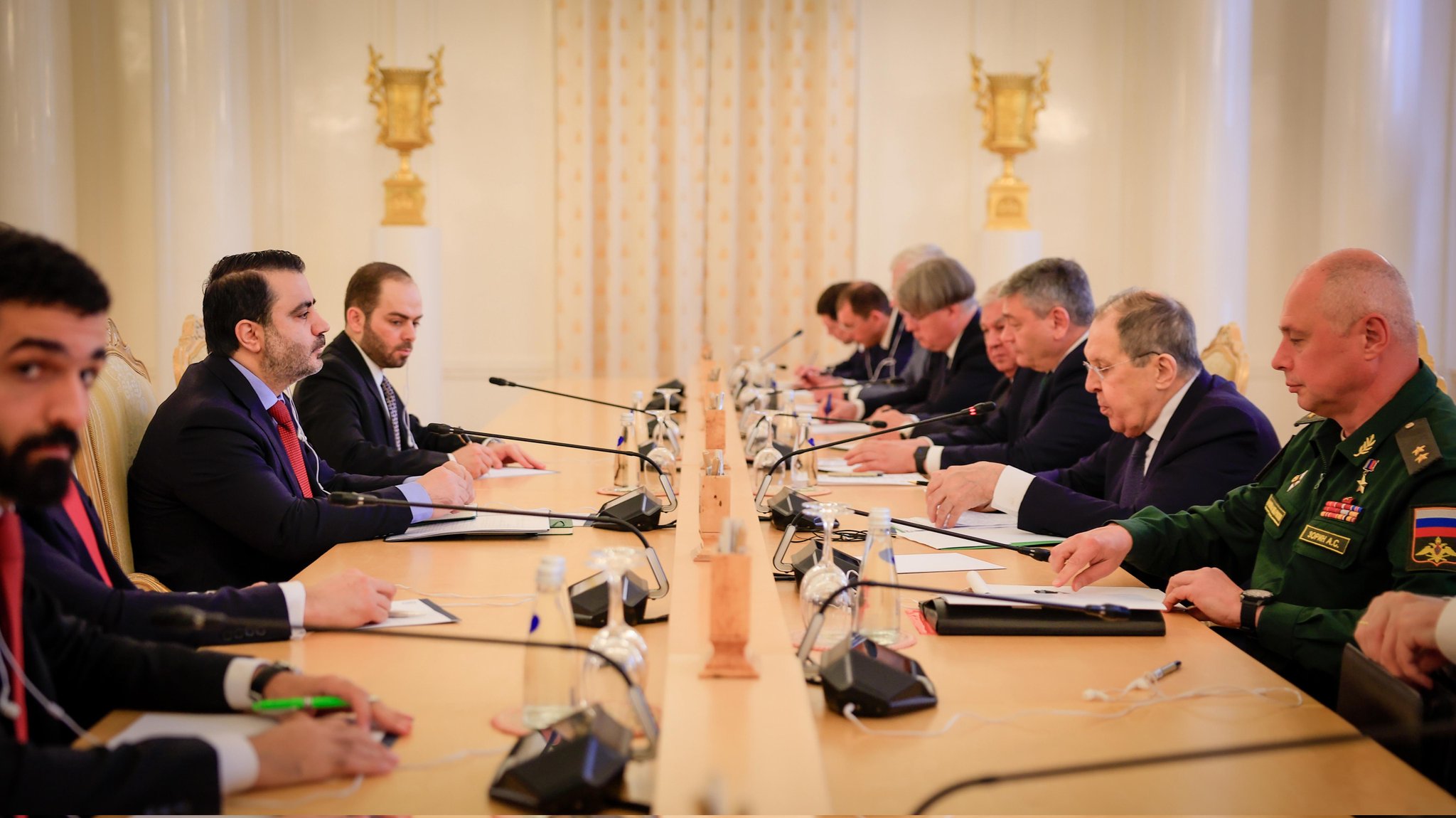
Russia’s Defense Ministry announced that Minister Andrei Belousov’s meeting with his Syrian counterpart, Marhaf Abu Qasra, addressed prospects for defense cooperation and developments in the Middle East.

Photographs of the discussions were released, showing the Syrian foreign minister present. It is likely that Syria’s continued reliance on Russian weaponry—dating back to the 1960s—was also part of the agenda.

How Did Syrians React to the Handshake?

The Damascus–Moscow meeting did not go unnoticed among Syrians. For many, Moscow remains a haunting symbol of death and destruction—a country that shielded Bashar al-Assad from accountability by wielding its UN Security Council veto 17 times.

Among victims’ families and the so-called “guardians of the blood,” the meeting was met with deep unease. Activists resurfaced old comments by Lavrov made during the height of Russia’s bombing campaign in Syrian cities, now circulating with biting sarcasm or open anger.

One widely shared phrase came from the late activist Adham Akrad: “Let Moscow fall, but not Daraa”—a rallying cry that encapsulates rejection of any unconditional rapprochement with a country seen by many as complicit in war crimes. Others described the visit as a “diplomatic disgrace,” no less outrageous than welcoming an Israeli official to occupied Golan.

Still, a more pragmatic camp has emerged. Some Syrians view talks with Moscow as an unavoidable necessity. As a permanent member of the UN Security Council, Russia holds veto power over any legal effort to lift international sanctions on Syria. Without its cooperation, foreign investment cannot enter Syrian markets, nor can companies legally pay taxes to the state—leaving major reconstruction projects effectively frozen.

This visit reveals a mutual effort to redefine the Syrian–Russian relationship in a post-Assad landscape. Yet the path remains fraught with complexity—from the weight of a militarized political legacy to a society deeply divided over what this renewed alliance actually means.

As the new Syrian leadership seeks to renegotiate agreements and open pragmatic channels with former adversaries like Washington and Tel Aviv, pressing questions remain: Can this “restructured” relationship endure such contradictions? Or will it eventually collapse under the burden of memory and clashing strategic calculations?

Download this article as PDF
Share this Article
Facebook Twitter Whatsapp Whatsapp Telegram Email Copy Link
يمان الدالاتي
By يمان الدالاتي صحفية ومحررة في موقع نون بوست
Follow:
Previous Article نون بوست Repercussions of the Clashes in Sweida
Next Article نون بوست Europe’s Recognition of Palestine: Symbol or Shield?

Read More

  • U.S. Regime‑Change Policies: Why They Are Destined to Fail U.S. Regime‑Change Policies: Why They Are Destined to Fail
  • The Gulf’s Balancing Act: Iran, Israel, and Hidden Links
  • Iraq–Turkey Oil Export Treaty: Why Did Ankara Cancel It After 52 Years?
  • Syria’s Northeast on Edge: QSD Between Ankara and Damascus
  • Has Europe Changed Its Stance on Israel… or Just Its Language?
part of the design
NoonPost Weekly Newsletter

You May Also Like

U.S. Regime‑Change Policies: Why They Are Destined to Fail

U.S. Regime‑Change Policies: Why They Are Destined to Fail

إسراء سيد Esraa sayed 8 April ,2026
The Gulf’s Balancing Act: Iran, Israel, and Hidden Links

The Gulf’s Balancing Act: Iran, Israel, and Hidden Links

فريق التحرير Noon Post 8 April ,2026
Iraq–Turkey Oil Export Treaty: Why Did Ankara Cancel It After 52 Years?

Iraq–Turkey Oil Export Treaty: Why Did Ankara Cancel It After 52 Years?

فريق التحرير Noon Post 8 April ,2026

خبر سيء للبكتيريا المقاومة للمضادات الحيوية: النهاية تقترب

فريق التحرير
Noon Post Published 29 January ,2016
Share
quantum-dots-bacteria-1

البكتيريا المضادة للمضادات الحيوية أخطر مما تتوقع، فهي تصيب في الولايات المتحدة وحدها 2 مليون شخصًا، تقتل منهم ما يصل إلى  23 ألف شخص سنويًا، خاصة مع قدرتها على تطوير مناعتها ضد المضادات  الحيوية، والتي تجعل مسألة القضاء عليها شيئًا صعبًا جدًا، لكن هذا البحث الجديد الذي قام به العلماء في جامعة كولورادو بولدر وجد سلاحًا جديدًا تمامًا لقتال هذه الكائنات الصغيرة الخارقة؛ النقاط الكمومية.

النقاط الكمومية هي شيء شبيه بأشباه الموصلات المستخدمة في مجال الإلكترونيات الاستهلاكية، لكن على مقياسٍ نانوي، لدرجة أن بعضها يصل في صغر حجمه، إلى 20 ألف مرة أصغر من شعرة الإنسان، وبفضل العمل على مثل هذا النطاق الصغير، تمكن الباحثون من القيام بتفاعلات سريعة بالغة التحديد على مستوى الخلية، بحيث تستهدف البكتيريا الخطيرة لوحدها دون الإضرار بأي شيء آخر.

وقد قال الأستاذ براشانت ناجبال، الأستاذ المساعد في قسم الهندسة الكيميائية والبيولوجية، والمشارك في الدراسة، إن تقليص أشباه الموصلات إلى النطاق النانوي، هو ما مكنهم من ذلك.

هذه الدراسة الجديدة لم تكن أول دراسة تفكر باستهداف البكتيريا المقاومة على مثل هذا النطاق البالغ الصغر، لكن العمل السابق الذي استخدم الجزيئات النانوية المعدنية المصنوعة من الفضة والذهب، في مهاجمة هذه البكتيريا، كان فيه عيب خطير، تمثل في إضراره بأنسجة الإنسان المحيطة، وهو العيب الذي لا يحدث مع النقاط الكمومية، لأنها تنشّط بواسطة الضوء، وبذلك يستطيع الباحثون أن يضبطوا الجزيئات عبر تغيير الطول الموجي للضوء، كي تهاجم الخلايا المطلوبة فقط، وبمجرد إزالة مصدر الضوء، تصبح النقاط الكمومية خاملة، وأضاف الأستاذ ناجبال، أن هذا العلاج يستطيع أن يتغلب على قدرة هذه البكتيريا الخارقة على التكيف وتطوير المقاومة، بسبب قدرتنا على تغيير هدف النقاط الكمومية، وتفصيلها حسب الوضع الجديد بسرعة.

وقد قال الفريق إنهم يعتقدون أن هذا الإنجاز سوف يسمح لهم بتطوير علاجات سريرية غير ضارة، تعتمد على التكنولوجيا النانوية لمكافحة البكتيريا المقاومة، وقد كانت التجارب مبشرة جدًا، حين قام العلماء باختبار هذه الطريقة على مزارع بكتيريا تم إنماؤها في المعمل، ليجدوا أنها قتلت 92% من البكتيريا المقاومة للأدوية.

وقد قال كبير العلماء معدي الدراسة، أنوشري تشاترجي، إن المضادات الحيوية ليست خط العلاج الأساسي لعلاج العدوى البكتيرية فحسب، بل أيضًا فيروس نقص المناعة البشرية “الإيدز”، والسرطان، مضيفًا أن الفشل في تطوير علاجات فعالة لمكافحة البكتيريا المقاومة لا يغدو في هذه الحالة خيارًا قائمًا، وهو ما تسعى هذه التكنولوجيا لحله.

الأستاذان اللذان أعدا البحث بمساعدة قسم الهندسة البيولوجية والكيميائية، تقدما بكشفهما للحصول على براءة اختراع تكنولوجيا النقاط الكمومية الجديدة في معالجة البكتيريا المقاومة للأدوية، وقد نشرت في مجلة “مواد الطبيعة”، وهي تفتح لنا باب أمل بالغ الواقعية، في هزيمة هذه الكائنات الصغيرة المسؤولة عن واحدة من أكبر المشكلات الصحية في العالم.

TAGGED: البكتيريا المضادة للمضادات الحيوية ، البكتيريا المقاومة للأدوية ، النقاط الكمومية
TAGGED: علوم وتكنولوجيا
Download this article as PDF
Share this Article
Facebook Twitter Whatsapp Whatsapp Telegram Email Copy Link
فريق التحرير
By فريق التحرير تقارير يعدها فريق تحرير نون بوست.
Follow:
Next Article نون بوست The Stigma of “ISIS”: A Heavy Legacy Haunting Women and Children of Former Members

Read More

  • U.S. Regime‑Change Policies: Why They Are Destined to Fail U.S. Regime‑Change Policies: Why They Are Destined to Fail
  • The Gulf’s Balancing Act: Iran, Israel, and Hidden Links
  • Iraq–Turkey Oil Export Treaty: Why Did Ankara Cancel It After 52 Years?
  • Syria’s Northeast on Edge: QSD Between Ankara and Damascus
  • Has Europe Changed Its Stance on Israel… or Just Its Language?
part of the design
NoonPost Weekly Newsletter
dark

An independent media platform founded in 2013, rooted in slow journalism, producing in-depth reports, analysis, and multimedia content to offer deeper perspectives on the news, led by a diverse young team from several Arab countries.

  • Politics
  • Society
  • Rights & Liberties
  • Opinions
  • History
  • Sports
  • Education
  • Technology
  • Economy
  • Media
  • Arts & Literature
  • Entrepreneurship
  • Travel
  • Cinema & Drama
  • Food
  • Health
  • Culture
  • Latest Reports
  • Files
  • Long Reads
  • Interviews
  • Podcast
  • Interactive
  • Encyclopedia
  • In Pictures
  • About Us
  • Our Writers
  • Write for Us
  • Editorial Policy
  • Advanced Search
Some rights reserved under a Creative Commons license

Removed from favorites

Undo
Go to mobile version