NoonPost NoonPost

NoonPost

  • Home
  • Politics
  • Economy
  • Society
  • Culture
  • Files
  • Long Reads
  • Podcast
AR
Notification Show More
نون بوست
“There Are Nights I Can’t Close My Eyes”: How Gazans Are Living in Homes on the Brink of Collapse
نون بوست
From al-Jolani to Ahmad al-Shara: The Evolution of Syria’s New Leader
نون بوست
When Political Islam Receded in Egypt: Who Filled the Void?
نون بوست
An Extension of Genocide: Gaza’s Detainees Speak Out
نون بوست
A Tightrope Between Survival and Sovereignty: The Syrian Government Faces Normalization Pressures
نون بوست
American Aircraft Carriers: Has the Era of “100,000 Tons of Diplomacy” Ended?
نون بوست
U.S. Regime‑Change Policies: Why They Are Destined to Fail
نون بوست
Transformations of Israeli Judaism: Between the Victim Complex and the Colonizer’s Doctrine
نون بوست
The Gulf’s Balancing Act: Iran, Israel, and Hidden Links
نون بوست
Iraq–Turkey Oil Export Treaty: Why Did Ankara Cancel It After 52 Years?
نون بوست
Syria’s Northeast on Edge: QSD Between Ankara and Damascus
نون بوست
Has Europe Changed Its Stance on Israel… or Just Its Language?
NoonPost NoonPost
AR
Notification Show More
نون بوست
“There Are Nights I Can’t Close My Eyes”: How Gazans Are Living in Homes on the Brink of Collapse
نون بوست
From al-Jolani to Ahmad al-Shara: The Evolution of Syria’s New Leader
نون بوست
When Political Islam Receded in Egypt: Who Filled the Void?
نون بوست
An Extension of Genocide: Gaza’s Detainees Speak Out
نون بوست
A Tightrope Between Survival and Sovereignty: The Syrian Government Faces Normalization Pressures
نون بوست
American Aircraft Carriers: Has the Era of “100,000 Tons of Diplomacy” Ended?
نون بوست
U.S. Regime‑Change Policies: Why They Are Destined to Fail
نون بوست
Transformations of Israeli Judaism: Between the Victim Complex and the Colonizer’s Doctrine
نون بوست
The Gulf’s Balancing Act: Iran, Israel, and Hidden Links
نون بوست
Iraq–Turkey Oil Export Treaty: Why Did Ankara Cancel It After 52 Years?
نون بوست
Syria’s Northeast on Edge: QSD Between Ankara and Damascus
نون بوست
Has Europe Changed Its Stance on Israel… or Just Its Language?
Follow US

Torture and Death in Custody: Will It Awaken the Egyptian Street?

عبد الحميد أحمد
Ahmed Abdelhalim Published 26 March ,2026
Share
نون بوست
نون بوست

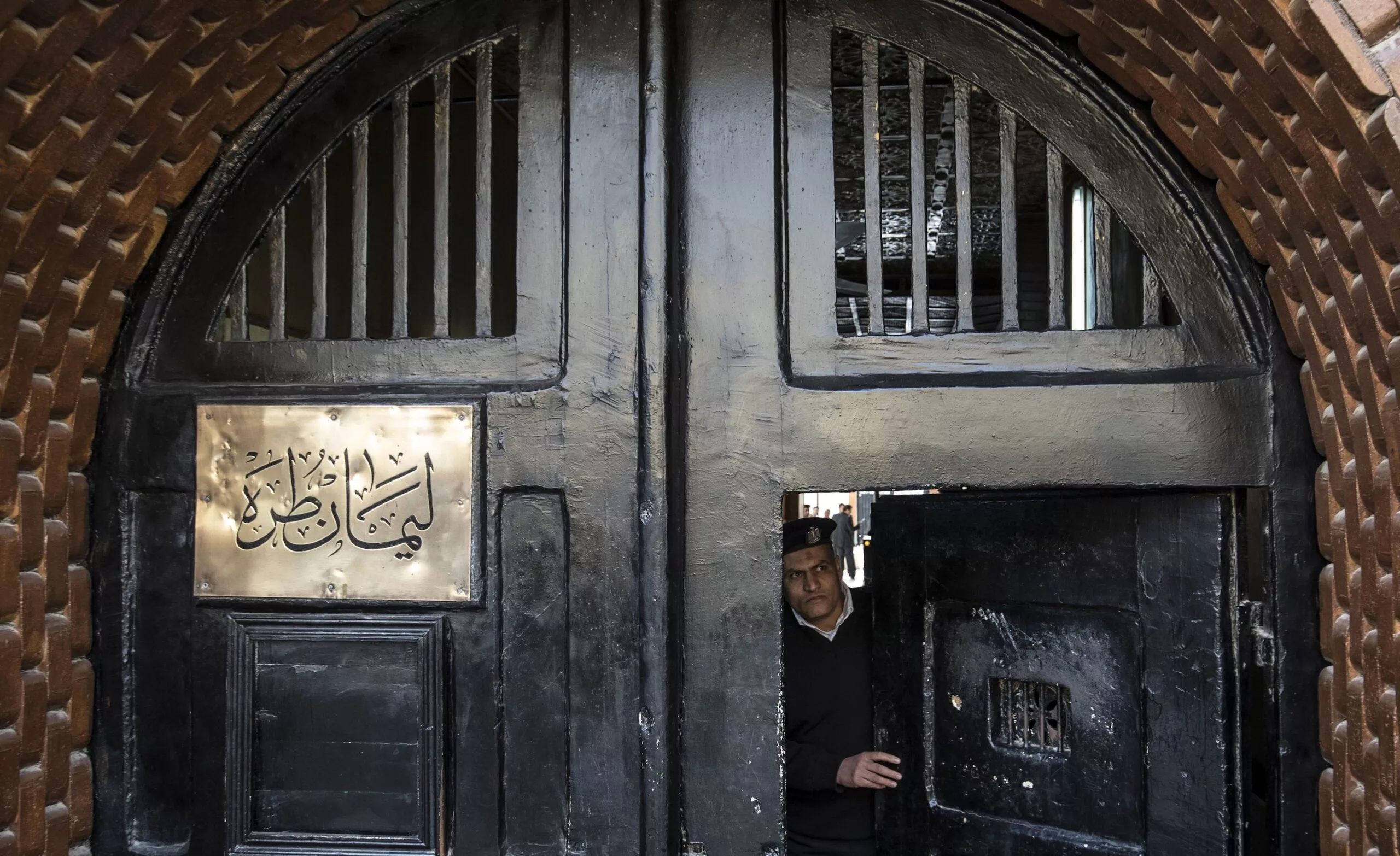
On July 27, violent clashes erupted between residents of Belqas, a town in Egypt’s Dakahlia Governorate, and the police, following the death of 21-year-old Ayman Sabry while in police custody. The protests took place outside the Belqas courthouse, where locals gathered to denounce what they described as a case of death by torture.

Ayman had been arrested on July 19—just ten days before his death—on charges of drug use and possession of a bladed weapon. His family reported visible signs of torture on his body, and his lawyer confirmed he had been tortured by officers at the station.

For many Egyptians, this was neither a new event nor an unfamiliar pattern. Similar incidents have recurred over the years: citizens dying under torture inside detention centers or at the hands of Egypt’s National Security Agency, regardless of whether they were arrested on political or criminal charges. In Egypt, torture is not an aberration or a momentary lapse—it is a systemic practice, rooted in a deeply entrenched security mindset.

This article seeks to explore the historical roots of that mindset and asks whether such recurring brutality—torture that ends in death—might once again ignite public outrage, as it did in January 2011.

Torture as a Historical Doctrine

Since the founding of “modern Egypt” under Muhammad Ali in the early 19th century—particularly during the formation of the Egyptian army in the 1820s—the state’s treatment of its citizens has been marked by dehumanization. Egyptians were seen as expendable bodies, tools in service of the nascent state’s interests.

Within this worldview, Egyptians became instruments of state power, conscripted into the military or the agricultural labor force under quasi-feudal conditions. The state showed little regard for their lives. Those who fled conscription were imprisoned, mutilated, or killed as punishment.

These practices, which verged on symbolic and physical annihilation, laid the groundwork for a political philosophy that viewed the Egyptian populace as property of the state—resources to be used, disciplined, or destroyed in the name of authority.

Even after the 1952 revolution that abolished monarchical rule and established a republic, this mentality endured. While Gamal Abdel Nasser’s regime introduced sweeping reforms—promising equality in education, healthcare, and employment under the banners of Arab socialism and nationalism—the state’s security apparatus remained unshaken in its brutal posture toward ordinary citizens, particularly those without power or privilege.

The post-revolution republic expanded its institutions, especially its security branches, building a sprawling network of agencies and forces capable of dominating every aspect of public life. As this apparatus grew, so too did the scope and sophistication of torture. Eventually, a visit to a police station in Egypt became synonymous with abuse. A common question asked of any detainee: “Were you tortured?”

Under President Abdel Fattah el-Sisi, the situation has only worsened. Security forces have grown more brazen, wielding unchecked power. Torture is now routine in detention centers, according to countless reports by human rights groups and journalists. These accounts include severe abuse and deaths inside police stations and National Security headquarters.

Such cases are no longer perceived as isolated incidents or emotional outbursts by rogue officers. Rather, they are systematic, institutional, and deeply embedded in the fabric of the Egyptian state.

Can Torture Spark Another Revolution?

The January 2011 uprising was ignited, in large part, by police brutality and the rising tide of torture against civilians. The deaths of Khaled Said and Sayed Bilal in the months leading up to the revolution served as catalysts. The choice of January 25—Egypt’s Police Day as the launch date for the protests was a direct challenge to the Ministry of Interior.

What began as a call to end torture quickly evolved into a demand for the fall of the Mubarak regime, which was realized on February 11, 2011.

This prompts a pressing question: could the continued killing of citizens under torture today lead to another mass uprising? The grievances that drove people to the streets in 2011—torture, poverty, repression, and political despair—remain, and have arguably intensified. Still, the likelihood of a new revolution appears slim.

One major reason is that the social and political context has changed dramatically since 2011. In the decade preceding the revolution, Egypt saw a burgeoning of political, rights-based, and labor movements that laid the groundwork for collective action. Civil society was more organized, more visible, and more capable of mobilizing around a common cause.

Today, such infrastructure has all but vanished. There are no active unions, rights organizations, or political entities with the capacity to rally the public around a unified demand—even one as fundamental as ending torture.

Moreover, while Mubarak’s regime, despite its repression, allowed limited space for cultural, political, and civic expression—including human rights organizations that monitored police abuse—the current regime under Sisi has adopted a far more totalitarian posture.

Over the past twelve years, the state has effectively eliminated all public and independent spaces: no politics, no independent arts, no civil society. The only narrative allowed is the state’s narrative.

This climate of fear and repression has been accompanied by widespread violence, including mass arrests, enforced disappearances, and the killing of thousands. Within this environment, the public’s reaction to deaths under torture has become increasingly subdued confined to momentary outrage, rather than organized resistance.

When such deaths occur, they may prompt small, localized protests, like the one recently seen in Belqas. But these demonstrations are swiftly contained through either violent suppression or political maneuvering.

Without an organizing body—political or civil—that can channel collective anger into sustained action, calls to end torture remain diffuse. The current regime continues to operate with a mindset that treats Egyptian bodies as expendable tools. Its very legitimacy is built on violence, more than any prior government. Today, the machinery of repression is not just a symptom of power—it is its core mechanism.

And so, Egyptians continue to suffer, one case at a time, under a regime whose authoritarianism has reached unprecedented depths.

Download this article as PDF
Share this Article
Facebook Twitter Whatsapp Whatsapp Telegram Email Copy Link
عبد الحميد أحمد
By عبد الحميد أحمد صحيفة الرأي العام السودانية
Follow:
Previous Article نون بوست Europe’s Recognition of Palestine: Symbol or Shield?
Next Article نون بوست Iraq’s Armed Groups Stir Debate Once More

Read More

  • U.S. Regime‑Change Policies: Why They Are Destined to Fail U.S. Regime‑Change Policies: Why They Are Destined to Fail
  • The Gulf’s Balancing Act: Iran, Israel, and Hidden Links
  • Iraq–Turkey Oil Export Treaty: Why Did Ankara Cancel It After 52 Years?
  • Syria’s Northeast on Edge: QSD Between Ankara and Damascus
  • Has Europe Changed Its Stance on Israel… or Just Its Language?
part of the design
NoonPost Weekly Newsletter

You May Also Like

U.S. Regime‑Change Policies: Why They Are Destined to Fail

U.S. Regime‑Change Policies: Why They Are Destined to Fail

إسراء سيد Esraa sayed 8 April ,2026
The Gulf’s Balancing Act: Iran, Israel, and Hidden Links

The Gulf’s Balancing Act: Iran, Israel, and Hidden Links

فريق التحرير Noon Post 8 April ,2026
Iraq–Turkey Oil Export Treaty: Why Did Ankara Cancel It After 52 Years?

Iraq–Turkey Oil Export Treaty: Why Did Ankara Cancel It After 52 Years?

فريق التحرير Noon Post 8 April ,2026

جنيف 3: صراع بين إرادة الشعب السوري وقوى المصالح الدولية

فريق التحرير
Noon Post Published 29 January ,2016
Share
1-751779

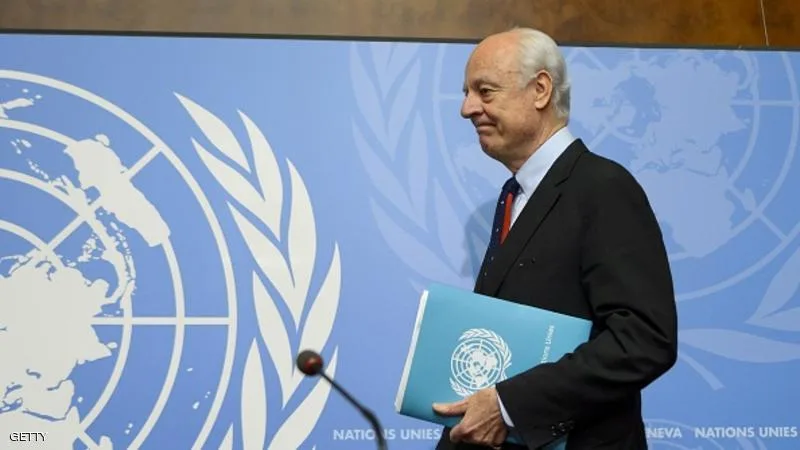
انطلقت اليوم محادثات السلام السورية في جنيف وسط غياب التمثيل الرسمي للهيئة العليا للمفاوضات المشكلة من القوى السورية المعارضة السياسية والمسلحة، بعدما أعلن المبعوث الأممي ستيفان دي ميستورا في وقت سابق أن مؤتمر جنيف 3 سيفتتح اليوم الجمعة بعدما شهد تحولًا من صفة “محادثات” إلى “مشاورات” بحسب ما أعلن مكتب دي ميستورا.

هذه المفاوضات التي انطلقت اليوم بطريقةغير مباشرة يقوم فيها دي ميستورا بمشاورات مع الوفود كل على حدة بعيدًا عن الإعلام، في ظل شغور مقاعد المعارضة واقتصار الأمر على وفد النظام ثم الاجتماع بالجهات الأخرى المشاركة وممثلي ما سُمي بـ”منظمات المجتمع المدني” التي أعلن عنها دي ميستورا، والتي تعتقد المعارضة السورية بأنها كيانات موالية للنظام السوري تم فرضها بالقوة من قبل قوى بعينها في هذه المفاوضات.

حيث وصل إلى جنيف وفد النظام السوري مكون من 15 شخصًا برئاسة بشار الجعفري مندوب سوريا في الأمم المتحدة، بالإضافة إلى وفد أطلق عليه معارضة الداخل ويضم ممثلين عن جبهة التغيير والتحرير.

بينما اشترطت الهيئة العليا للمفاوضات التابعة للمعارضة السورية والمنبثقة عن اجتماع قوى المعارضة في الرياض لحضور مؤتمر جنيف 3 التوصل إلى اتفاق يسمح بدخول المساعدات إلى المناطق المحاصرة من قبل القوات الموالية للرئيس السوري بشار الأسد بالإضافة إلى وقف القصف الروسي وقصف النظام الذي يستهدف المدنيين والإفراج عن المعتقلين.

وعقب اجتماع مع هيئة المفاوضات من قبل المبعوث الأممي في الرياض، أكدت الهيئة إنها لم تتلق إجابات مقنعة لمطالبها بشأن وقف القصف الحكومي وإنهاء الحصار من جانب القوات الموالية للأسد، كما أعربت موسكو عن رفضها للشروط المسبقة بتصريح يقول إن الهدنة الإنسانية ليست شرطًا لبدء مفاوضات جنيف، فيما ألقت موسكو بشروطها كنوع من المساومة على لسان المتحدث باسم الرئاسة الروسية “ديميتري بيسكوف” الذي قال أن “تحقيق الهدنة في سوريا يتطلب إكمال قائمتي المعارضة والمنظمات الإرهابية”.

أما الموقف الأمريكي فقد أتى مخيبًا لآمال الكثيرين بعد تصريحات أمريكية طالبت المعارضة بعدم وضع “الشروط المسبقة” في مقابل مشاركتها بمؤتمر جنيف، حيث رأى المتحدث باسم وزارة الخارجية الأميركية مارك تونر أن “أمام المعارضة فرصة تاريخية للذهاب إلى جنيف واقتراح سبل جادة وعملية لتنفيذ وقف لإطلاق النار”، و”إتاحة وصول المساعدات الإنسانية وغيرها من إجراءات بناء الثقة”.

وقد أتى رد المعارضة السورية على التصريحات الأمريكية على لسان رياض حجاب، المنسق العام للهيئة العليا للمفاوضات التابعة للمعارضة السورية، الذي وصف المجتمع الدولي الدولي وعلى رأسه الولايات المتحدة بالفشل، وذلك بحسب تصريحاته حيث عجزوا عن إيصال عبوة حليب لرضيع يصارع الموت من شدة الجوع جراء حصار النظام السوري له.

حجاب يرى أن المفاوضات التي تريدها المعارضة السورية غير التي تجري حاليًا، حيث لا ترغب المعارضة حاليًا بالمشاركة في محادثات محكوم عليها بالفشل، أتت بالنظام السوري الذي لا يريد حلًا سياسيًا في سوريا ليفشلها.

فيما أكد وفد المعارضة أن عدم ذهابه للمحادثات في جنيف، يعني أنه لن تكون هناك مفاوضات، لكن الدب الروسي ومن خلفه نظام الأسد يرى أن المفاوضات يجب أن تجري ولو أن تقوم بين النظام ونفسه بهذه الصورة التي خرجت اليوم.

من جانب النظام السوري ومن خلفه روسيا وإيران فقد اعترضوا على تركيبة وفد المعارضة السورية، وقد جرت محاولات لفرض شخصيات وفصائل قريبة من موسكو على غرار الاتحاد الديمقراطي الكردي الذي هددت تركيا بالانسحاب من المفاوضات في حال مشاركته، فضلًا عن رفض النظام السوري وموسكو وقف إطلاق النار قبيل انطلاق المفاوضات.

هذه هي وجهة النظر الروسية التي تريد المضي قدمًا في هذه المفاوضات بفرض رأيها على بقية الدول المعنية بالقضية السورية عنوة، والموقف الأمريكي الحالي زاد من تأييد الموقف الروسي في المفاوضات، حيث أكدت المعارضة السورية في تسريبات إنها تعرضت لضغوط من قبل وزير الخارجية الأميركي جون كيري لحملها على المشاركة في مفاوضات جنيف دون شروط مسبقة، مدعيًا بذلك أن ذلك الامتناع عن الحضور يخدم نظام الأسد.

لا يختلف حال الأمم المتحدة في هذه المفاوضات عن حال النظام السوري والولايات المتحدة وروسيا حيث تبنى مبعوثها الأممي نفس الرؤية التي ترى وجوب إجراء المفاوضات دون وجود حد أدنى من الاتفاق أو الضمانات لجانب المعارضة، حيث طلب دي ميستورا في رسالة قال إنها موجهة للسوريين أن يطالبوا جميع الحضور في جنيف بالكف عن ممارستهم بغية التوصل إلى حل للقضية السورية لوقف معاناة الشعب السوري.

هذه الرسالة التي اعتبرتها المعارضة السورية في الجهة الخطأ، حيث أن مطالب وفد المعارضة السوري تخفيف معاناة السوريين قبيل انطلاق المحادثات، وهو ما ترفضه القوى الدولية حتى الآن برفض مطالب الوفد السوري الإنسانية البحتة، لذا فليس هناك أي معنى لرسالة دي ميستورا الأخيرة التي تطالب السوريين أن يعترضوا على ممارسات الأطراف المتنازعة، لأن الطرف المتعنت هو طرف النظام الذي كان أولى أن يتلقى هذه الرسالة.

ما يحدث في جنيف 3 يؤكد أنه صراع بين الإرادات في سوريا، حيث الأجندة الروسية والأمريكية التي لا تُلق بالًا لمعاناة الشعب السوري، في مقابل مطالبات من المعارضة السورية التي شكلت وفدًا بشق الأنفس قيل إنه الوفد الأول في تاريخ الثورة السورية الذي يلقى قبولًا نسبيًا بين أطياف المعارضة المعتدلة في سوريا.

إلا أن هذا الوفد لم تستسيغه روسيا وإيران حلفيتا النظام السوري الحالي في قمع الثورة الشعبية، إذا طالبت روسيا وإيران باستبعاد شخصيات بعينها من وفد المعارضة وضم شخصيات أخرى موالية للنظام، كذلك طالبت الأجندة الروسية الإيرانية بتصنيف كيانات معارضة سورية كجماعات إرهابية أبرزها حركة أحرار الشام وجيش الإسلام باعتبارهم من أبرز الحركات المعارضة المسلحة التي تواجه النظام.

المعارضة التي وحدت نفسها في هذه المفاوضات عبر هذه الهيئة المدعومة من قبل قوى إقليمية كالسعودية وتركيا رفضت هذه الشروط الروسية الإيرانية باعتبارها تعجرفًا وتدخلًا في شؤون اختيار الوفد الذي سيحاورهم كطرف بجانب النظام الأسدي، إذ أن الروس والإيرانيون اختاروا وفد النظام مسبقًا، ويريدون الآن فرض إرادتهم باختيار معارضيه.

القوى الدولية المتدخلة في الصراع تريد أن تجعل مقاليد الحل في مصالحها وحسب، حيث لا تريد روسيا حلا سياسيًا جديًا دون مساومات في قضايا أخرى غير متعلقة بالصراع في سوريا بالأساس، وكذلك تلعب الولايات المتحدة دورها في هذه المفاوضات، ولا يختلف الجانب الداعم للمعارضة السورية عن هذه الأبعاد حيث يتم تصفية حسابات سياسية داخل سوريا، في حين يدفع شعب سوريا منذ 5 سنوات ضريبة هذا التصارع الدولي والإقليمي.

ربما تعد خطوة وفد المعارضة السورية بمقاطعة مفاوضات جنيف هي الأشجع بشأن كسر هذه الحلقة المصالحية الغربية التي تتحكم في الحل بسوريا، والتي تريد إمضاء هذه المفاوضات الشكلية بأي طريقة دون النظر لأي إجراءات حقيقية من شأنها أن تُنهي معاناة هذا الشعب السوري، وبذلك تصبح المعارضة السورية فاعلًا في الصراع دون الاكتفاء بالأدوار الهامشية التي أتقنتها طوال 5 سنوات.

مما يُهدد المفاوضات الغربية الأخيرة بأن تتحول إلى مؤتمرات لمعارضة بشار الأسد الداخلية التي صنعها على عينه والتي انطلقت في أعقاب الثورة السورية، لإيهام المجتمع الدولي والشعب السوري أن ثمة معارضة وطنية تجتمع مع بشار الأسد في لقاءات رتبتها أجهزته الأمنية مسبقًا.

 تلك الصورة التي تصدرها الآن المعارضة السورية لمفاوضات جنيف تعكس الفشل الدولي المريع في حل الأزمة السورية بفعل صراع الإرادات الذي يستبعد الشعب السوري دائمًا منه، ولكن الخطوة الأخيرة للمعارضة ربما تُخبر الولايات المتحدة وسوريا بأن حل الصراع لابد فيه من اجتماع لكافة الأطراف دونما استبعاد.

TAGGED: التدخل الروسي في سوريا ، الحل السياسي في سوريا ، المعارضة السورية ، النظام السوري ، جنيف 3
TAGGED: الأزمة السورية
Download this article as PDF
Share this Article
Facebook Twitter Whatsapp Whatsapp Telegram Email Copy Link
فريق التحرير
By فريق التحرير تقارير يعدها فريق تحرير نون بوست.
Follow:
Next Article نون بوست The Stigma of “ISIS”: A Heavy Legacy Haunting Women and Children of Former Members

Read More

  • U.S. Regime‑Change Policies: Why They Are Destined to Fail U.S. Regime‑Change Policies: Why They Are Destined to Fail
  • The Gulf’s Balancing Act: Iran, Israel, and Hidden Links
  • Iraq–Turkey Oil Export Treaty: Why Did Ankara Cancel It After 52 Years?
  • Syria’s Northeast on Edge: QSD Between Ankara and Damascus
  • Has Europe Changed Its Stance on Israel… or Just Its Language?
part of the design
NoonPost Weekly Newsletter
dark

An independent media platform founded in 2013, rooted in slow journalism, producing in-depth reports, analysis, and multimedia content to offer deeper perspectives on the news, led by a diverse young team from several Arab countries.

  • Politics
  • Society
  • Rights & Liberties
  • Opinions
  • History
  • Sports
  • Education
  • Technology
  • Economy
  • Media
  • Arts & Literature
  • Entrepreneurship
  • Travel
  • Cinema & Drama
  • Food
  • Health
  • Culture
  • Latest Reports
  • Files
  • Long Reads
  • Interviews
  • Podcast
  • Interactive
  • Encyclopedia
  • In Pictures
  • About Us
  • Our Writers
  • Write for Us
  • Editorial Policy
  • Advanced Search
Some rights reserved under a Creative Commons license

Removed from favorites

Undo
Go to mobile version