
NoonPost NoonPost

NoonPost

  • Home
  • Politics
  • Economy
  • Society
  • Culture
  • Files
  • Long Reads
  • Podcast
AR
Notification Show More
نون بوست
“There Are Nights I Can’t Close My Eyes”: How Gazans Are Living in Homes on the Brink of Collapse
نون بوست
From al-Jolani to Ahmad al-Shara: The Evolution of Syria’s New Leader
نون بوست
When Political Islam Receded in Egypt: Who Filled the Void?
نون بوست
An Extension of Genocide: Gaza’s Detainees Speak Out
نون بوست
A Tightrope Between Survival and Sovereignty: The Syrian Government Faces Normalization Pressures
نون بوست
American Aircraft Carriers: Has the Era of “100,000 Tons of Diplomacy” Ended?
نون بوست
U.S. Regime‑Change Policies: Why They Are Destined to Fail
نون بوست
Transformations of Israeli Judaism: Between the Victim Complex and the Colonizer’s Doctrine
نون بوست
The Gulf’s Balancing Act: Iran, Israel, and Hidden Links
نون بوست
Iraq–Turkey Oil Export Treaty: Why Did Ankara Cancel It After 52 Years?
نون بوست
Syria’s Northeast on Edge: QSD Between Ankara and Damascus
نون بوست
Has Europe Changed Its Stance on Israel… or Just Its Language?
NoonPost NoonPost
AR
Notification Show More
نون بوست
“There Are Nights I Can’t Close My Eyes”: How Gazans Are Living in Homes on the Brink of Collapse
نون بوست
From al-Jolani to Ahmad al-Shara: The Evolution of Syria’s New Leader
نون بوست
When Political Islam Receded in Egypt: Who Filled the Void?
نون بوست
An Extension of Genocide: Gaza’s Detainees Speak Out
نون بوست
A Tightrope Between Survival and Sovereignty: The Syrian Government Faces Normalization Pressures
نون بوست
American Aircraft Carriers: Has the Era of “100,000 Tons of Diplomacy” Ended?
نون بوست
U.S. Regime‑Change Policies: Why They Are Destined to Fail
نون بوست
Transformations of Israeli Judaism: Between the Victim Complex and the Colonizer’s Doctrine
نون بوست
The Gulf’s Balancing Act: Iran, Israel, and Hidden Links
نون بوست
Iraq–Turkey Oil Export Treaty: Why Did Ankara Cancel It After 52 Years?
نون بوست
Syria’s Northeast on Edge: QSD Between Ankara and Damascus
نون بوست
Has Europe Changed Its Stance on Israel… or Just Its Language?
Follow US

Iraq’s Armed Groups Stir Debate Once More

فريق التحرير
Noon Post Published 26 March ,2026
Share
نون بوست
نون بوست

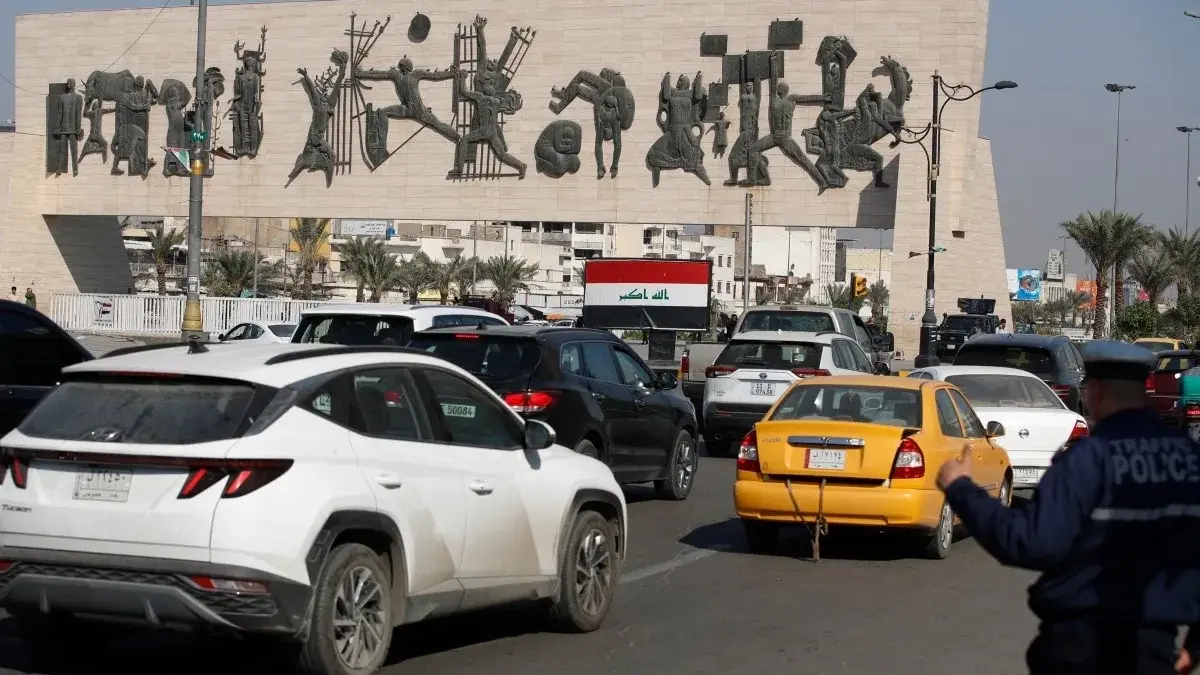
As U.S. pressure mounts to block the passage of the Popular Mobilization Forces (PMF) law currently under discussion in Iraq’s parliament, Prime Minister Mohammed Shia al-Sudani has spoken publicly of government efforts to consolidate control over all weapons under state authority.

In response, armed factions—particularly those aligned with Iran and seen as the primary targets of American pressure—have adopted a more defiant stance.

These groups are acutely aware that Washington’s current strategy seeks to eliminate non-state actors across the Middle East.

The recent security incident in the Dora district, south of Baghdad, highlights the complex challenges of dealing with well-armed factions. The confrontation, sparked by an administrative dispute over replacing the local agricultural director—who is reportedly close to Kataib Hezbollah—quickly escalated.

Armed clashes erupted between members of the group and Iraqi federal police tasked with securing the district, leaving several dead and wounded.

Critically, the attacking force technically falls under the command of the Iraqi Armed Forces’ commander-in-chief. Yet it confronted another state entity, underlining the deeply entrenched complications of dealing with such groups and their weapons.

The Coordination Framework and Crisis Management

In the immediate aftermath of the Dora events, Iraq’s Coordination Framework bloc held an emergency meeting at the home of Ammar al-Hakim, head of the Hikma Movement. The coalition condemned Kataib Hezbollah’s actions and expressed support for the government’s response, which included the arrest of a significant portion of the attacking force.

The statement emphasized the need to prevent future incidents that could jeopardize the Iraqi government’s standing—especially amid growing U.S. calls for disarming militias or incorporating them into the country’s formal security apparatus.

The Framework’s position reveals genuine fears of the country slipping into chaos as inter-factional competition intensifies. These armed groups are vying for greater territorial and resource control amid tightening economic constraints. Agricultural zones like Dora offer lucrative opportunities for control through administrative front operations, enabling these groups to extend their influence.

Despite close ties between leaders of the Coordination Framework and militia heads, a disconnect has emerged over political strategy—particularly concerning the proposed PMF law. Many within the Framework fear passing the legislation could both inflame U.S. opposition and place them under the future sway of the militias themselves.

The proposed bill would significantly bolster the political and security standing of these factions, raising alarms among political elites about the risk of replicating Lebanon’s Hezbollah: a powerful, armed political actor capable of dominating both the political and security spheres. These concerns are amplified by the growing political ambitions of faction leaders seeking to monopolize Shiite political representation and sideline rival figures.

A Rift with the Shrine-Linked PMF Units

In a recent interview, Sheikh Maytham al-Zaidi—commander of the Abbas Combat Division and affiliated with the Shrine-linked PMF units under the Najaf religious authority—highlighted growing divisions between Iran-aligned factions and shrine-loyalist forces. He argued that the current crisis revolves around the PMF’s identity and role, rather than the proposed legislation itself. According to al-Zaidi, Washington’s issue lies not in the existence of the PMF, but in its deep-rooted ties with Iran.

Regarding the Dora incident, al-Zaidi voiced support for the government’s actions, stating that state authority must prevail and that official institutions should not be used to pursue illegal or factional agendas.

Following the Dora clash, the U.S. Embassy in Baghdad released a statement that underscored its concern. The embassy framed the event as a serious challenge to Iraqi sovereignty, particularly as it involved a group the U.S. designates as a terrorist organization. The statement also alluded to the group’s close relationship with Tehran.

This U.S. response reflects more than just a reaction to one event. It forms part of a broader and sustained campaign to pressure the Sudani government on the issue of militias. Recent developments underscore this trajectory from halting salary payments to PMF personnel, to a phone call between U.S. Secretary of State Marco Rubio and Prime Minister Sudani, and repeated U.S. warnings urging factions to cease attacks on the Kurdistan Region. Collectively, these actions point to Washington’s growing desire to reshape the role of armed groups in Iraq.

Militias Stand Their Ground

Despite mounting challenges, armed factions show no sign of relinquishing their weapons. This defiance has been openly expressed by leaders of groups such as Asaib Ahl al-Haq and Kataib Hezbollah, who have vowed never to disarm under any circumstances.

These factions understand that their influence and survival are inseparable from their weaponry. Maintaining their political and economic clout depends on keeping their arms—and rejecting domestic or foreign efforts to dismantle or integrate them into state institutions.

For its part, Iran is equally unwilling to let these groups disarm. Tehran sees the militias as vital to maintaining regional leverage, especially given the setbacks suffered by its allies in Beirut and Damascus. Preserving influence in Iraq is therefore a strategic priority. The recent visit by Quds Force commander Ismail Qaani to Baghdad earlier this month serves as a clear indication of that commitment.

It is evident that these militias have adapted to the pressure, in part by building their own economic and military infrastructures, intricately linked with the Iraqi state. Their integration into state institutions is so complex that neither the Iraqi government nor the U.S. can easily dismantle them.

Despite American warnings, the factions remain confident in their ability to withstand external pressure—because of, rather than in spite of, the blurred line between state and non-state power in Iraq.

Download this article as PDF
Share this Article
Facebook Twitter Whatsapp Whatsapp Telegram Email Copy Link
فريق التحرير
By فريق التحرير تقارير يعدها فريق تحرير نون بوست.
Follow:
Previous Article نون بوست Torture and Death in Custody: Will It Awaken the Egyptian Street?
Next Article نون بوست B’Tselem Calls Gaza Assault “Genocide”—Why Now?

Read More

  • U.S. Regime‑Change Policies: Why They Are Destined to Fail U.S. Regime‑Change Policies: Why They Are Destined to Fail
  • The Gulf’s Balancing Act: Iran, Israel, and Hidden Links
  • Iraq–Turkey Oil Export Treaty: Why Did Ankara Cancel It After 52 Years?
  • Syria’s Northeast on Edge: QSD Between Ankara and Damascus
  • Has Europe Changed Its Stance on Israel… or Just Its Language?
part of the design
NoonPost Weekly Newsletter

You May Also Like

U.S. Regime‑Change Policies: Why They Are Destined to Fail

U.S. Regime‑Change Policies: Why They Are Destined to Fail

إسراء سيد Esraa sayed 8 April ,2026
The Gulf’s Balancing Act: Iran, Israel, and Hidden Links

The Gulf’s Balancing Act: Iran, Israel, and Hidden Links

فريق التحرير Noon Post 8 April ,2026
Iraq–Turkey Oil Export Treaty: Why Did Ankara Cancel It After 52 Years?

Iraq–Turkey Oil Export Treaty: Why Did Ankara Cancel It After 52 Years?

فريق التحرير Noon Post 8 April ,2026

لماذا لا تنجح 25 يناير مرة أخرى؟

ضياء طارق
ضياء طارق Published 30 January ,2016
Share
25-ynyr-1

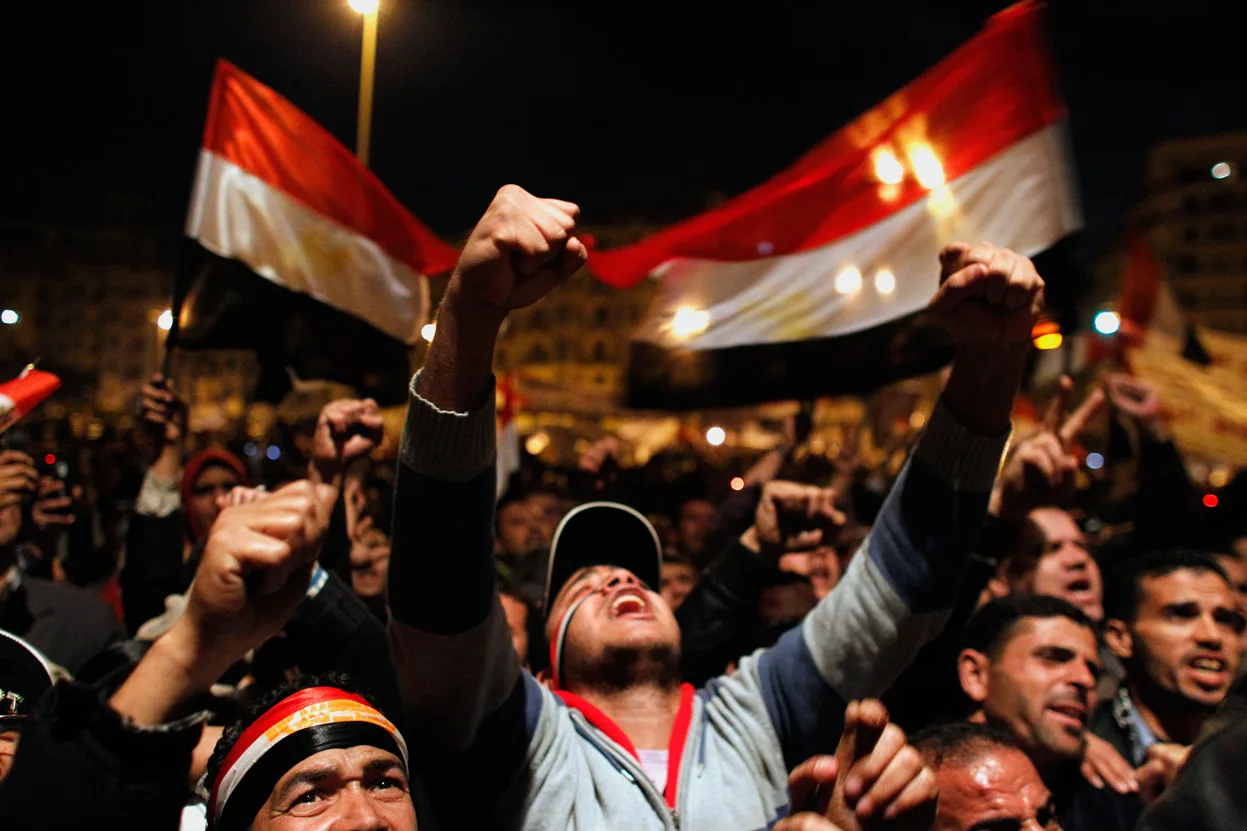
تحل علينا هذه الأيام الذكرى الخامسة لثورة 25 يناير التى نجحت فى إسقاط مبارك قبل عودة الجيش إلى صدارة المشهد عبر انقلاب دموى، من جهتها تحاول الحركات الثورية استثمار تلك الذكرى من أجل زيادة وتيرة الاحتجاج بينما تذهب أحلام البعض إلى تكرار مشهد يناير ورحيل النظام الحالى إلا أن ذلك لن يتحقق فلماذا ؟

سأحاول الإجابة على هذا السؤال من خلال ثلاث أسباب رئيسية :

النظام يتمتع بظهير شعبى “حالة انقسام مجتمعى”

ما يزال نظام 3/7 يتمتع بظهير شعبى يمكنه من البقاء وإن تراجعت حدته وخفت تفاؤله بالمستقبل فالشارع المصرى لا يزال فى حالة انقسام حقيقية تجاه النظام بين مؤيد ومعارض ولا يزال يمتلك النظام كتلة من المؤيدين النشطين المستعدين للدفاع عنه والنزول لتأييده إن أحسوا بالخطر.

لهذا السبب على المعارضة توجيه مزيد من الجهد والعمل إلى عملية الوعى واستقطاب شرائح المجتمع التى ما زالت تؤيد النظام إلى معارضته وذلك باستخدام رسائل ووسائل مناسبة لذلك والتوقف عن مخاطبة الذات وبث رسائل المحنة والحديث عن الانتهاكات الحقوقية البشعة التى تخيف الناس ولنا فى تجربة تشيلى فى اسقاط بينوشيه العبرة ( أنصح بمشاهدة فيلم No ).

بينما المعارضة تبذل أغلب جهدها فى تنظيم المظاهرات الاحتجاجية ومواجهة الشرطة والفرار منها وهى الوسيلة التى تفيد إذا نجحت فى إيصال رسالة إلى المجتمع الذى يشاهدها أو فى حسم الصراع مع السلطة بالمسيرات الحاشدة التى يفشل النظام فى مواجهتها بينما ذلك لا يتحقق من التظاهر لمدة خمس دقائق بأعداد قليلة لذلك أرى أن تلك الخطوة تأتى ثانيا بعد فعاليات قليلة الخطورة وتستهدف توعية عموم الناس وعزل الدكتاتورعن مؤيديه فيقوم وقتها الناس بالتحرك بأنفسهم ومواجهة الشرطة ولا تكون المعارضة نائبة عنهم فى ذلك .

غياب حالة الوحدة

بينما رأينا فى السبب الأول حالة انقسام مجتمعى تجاه السلطة فلدينا هنا حالة انقسام أخرى إلا أنها هذه المرة بين معارضى السلطة أنفسهم وإن خفت حدتها كذلك مع مرور الوقت والمشاركة فى قمع السلطة لهم إلا أنه يظل من العسير الوصول إلى حالة وحدة بين مكونات المعارضة المختلفة حيث تعانى تلك المكونات من حالة عدم ثقة متبادلة فتأتى التحركات الاحتجاجية معبرة عن فصيل أو تيار وليست تعبيرا عن حالة عامة.

أهمية حالة الوحدة المنشودة أن الثورات الشعبية تعتمد بالأساس على الأعداد الضخمة وتنوع تلك الحشود التى لا يستطيع فصيل مهما بلغ عدد مؤيديه حشدهم وحده كما أن كل دكتاتور يعمل بمبدأ “فرق تسد” ولذلك تنجح السلطة الضعيفة فى البقاء على رأس مجتمعات أضعف منها طالما لم تنتبه الأطراف المعارضة إلى الخصم المشترك.

حتى نتغلب على ذلك السبب على كافة الأطراف المعارضة فهم وإدراك حتمية تحقيق الوحدة إن أرادوا كسب الصراع ضد الحكم العسكرى وذلك يكون ببناء الثقة أولا بين بعضهم البعض وتأجيل الخلافات التى يمكن حلها على طاولة التفاوض وفى ميادين السياسة وصناديق الانتخاب لا صناديق الموتى وزنازين الحبس كما يحل النظام الحالى خلافاته مع خصومه.

غياب البديل “رؤية للمستقبل”

ليس ثمة مشروع واضح تعرضه المعارضة على الشعب ليلتف حوله ويشاركهم الثورة من أجله كما ليس ثمة بديل سواء شخص أو مؤسسة يبدو جاهز ليتقدم المسيرة مع نجاح سياسة النظام فى إسقاط كل الرموز وإثبات فشل المدنيين فى الحكم فيلجأ الناس بطبيعة الحال إلى الجيش كمنقذ من الفوضى , يصاحب ذلك شعارات تعود من جديد وترددها أبواق النظام على مسامع الناس مثل ” هنشيل السيسى ونجيب مين ؟! ” وسبقها ” مرشح الضرورة ” وغيرها من الكلمات التى تعودنا سماعها من إعلام مبارك لسنوات.

ومع استمرار غياب رؤية للمستقبل تمس احتياجات عموم الناس ويجدوا فيها مصالحهم الشخصية والحياتية وتكون أيضا واقعية قابلة للتحقق بمعنى أنها لا تكون مجرد أوهام وأحلام خيالية فلا يتوقع من الناس أن تتحرك وتنضم إلى الثورة ; ذلك أن الناس بطبيعتها لا تتحرك إلا إذا اعتقدت أن التغيير سيكون لمصلحتها وأنه قريب المنال وعندما ترى أمامها بديل ومستقبل واضح فالشعوب تخشى الفوضى وتفضل الاستقرار والأمن على حريتها أحيانا كثيرة.

هذه ثلاث أسباب رئيسية أرى أنها تعيق نجاح الموجات الثورية التى تحاول المعارضة تنظيمها سواء يناير الحالية أو ما قبلها أو ما بعدها ما لم يتم التعامل مع الأسباب المذكورة وإصلاحها لمن أراد ثورة شعبية تسقط هذا النظام.

TAGGED: 25 يناير ، اسقاط الانقلاب ، الانقلاب العسكري في مصر ، الثورة المصرية ، ثورة 25 يناير
TAGGED: الثورة المصرية
Download this article as PDF
Share this Article
Facebook Twitter Whatsapp Whatsapp Telegram Email Copy Link
ضياء طارق
By ضياء طارق كاتب مصرى شاب
Follow:
Next Article نون بوست The Stigma of “ISIS”: A Heavy Legacy Haunting Women and Children of Former Members
part of the design
NoonPost Weekly Newsletter
dark

An independent media platform founded in 2013, rooted in slow journalism, producing in-depth reports, analysis, and multimedia content to offer deeper perspectives on the news, led by a diverse young team from several Arab countries.

  • Politics
  • Society
  • Rights & Liberties
  • Opinions
  • History
  • Sports
  • Education
  • Technology
  • Economy
  • Media
  • Arts & Literature
  • Entrepreneurship
  • Travel
  • Cinema & Drama
  • Food
  • Health
  • Culture
  • Latest Reports
  • Files
  • Long Reads
  • Interviews
  • Podcast
  • Interactive
  • Encyclopedia
  • In Pictures
  • About Us
  • Our Writers
  • Write for Us
  • Editorial Policy
  • Advanced Search
Some rights reserved under a Creative Commons license

Removed from favorites

Undo
Go to mobile version