NoonPost NoonPost

NoonPost

  • Home
  • Politics
  • Economy
  • Society
  • Culture
  • Files
  • Long Reads
  • Podcast
AR
Notification Show More
نون بوست
“There Are Nights I Can’t Close My Eyes”: How Gazans Are Living in Homes on the Brink of Collapse
نون بوست
From al-Jolani to Ahmad al-Shara: The Evolution of Syria’s New Leader
نون بوست
When Political Islam Receded in Egypt: Who Filled the Void?
نون بوست
An Extension of Genocide: Gaza’s Detainees Speak Out
نون بوست
A Tightrope Between Survival and Sovereignty: The Syrian Government Faces Normalization Pressures
نون بوست
American Aircraft Carriers: Has the Era of “100,000 Tons of Diplomacy” Ended?
نون بوست
U.S. Regime‑Change Policies: Why They Are Destined to Fail
نون بوست
Transformations of Israeli Judaism: Between the Victim Complex and the Colonizer’s Doctrine
نون بوست
The Gulf’s Balancing Act: Iran, Israel, and Hidden Links
نون بوست
Iraq–Turkey Oil Export Treaty: Why Did Ankara Cancel It After 52 Years?
نون بوست
Syria’s Northeast on Edge: QSD Between Ankara and Damascus
نون بوست
Has Europe Changed Its Stance on Israel… or Just Its Language?
NoonPost NoonPost
AR
Notification Show More
نون بوست
“There Are Nights I Can’t Close My Eyes”: How Gazans Are Living in Homes on the Brink of Collapse
نون بوست
From al-Jolani to Ahmad al-Shara: The Evolution of Syria’s New Leader
نون بوست
When Political Islam Receded in Egypt: Who Filled the Void?
نون بوست
An Extension of Genocide: Gaza’s Detainees Speak Out
نون بوست
A Tightrope Between Survival and Sovereignty: The Syrian Government Faces Normalization Pressures
نون بوست
American Aircraft Carriers: Has the Era of “100,000 Tons of Diplomacy” Ended?
نون بوست
U.S. Regime‑Change Policies: Why They Are Destined to Fail
نون بوست
Transformations of Israeli Judaism: Between the Victim Complex and the Colonizer’s Doctrine
نون بوست
The Gulf’s Balancing Act: Iran, Israel, and Hidden Links
نون بوست
Iraq–Turkey Oil Export Treaty: Why Did Ankara Cancel It After 52 Years?
نون بوست
Syria’s Northeast on Edge: QSD Between Ankara and Damascus
نون بوست
Has Europe Changed Its Stance on Israel… or Just Its Language?
Follow US

Aid Propaganda in Gaza: Sound Without Substance, and Aggressive Intentions

أحمد الطناني
Ahmad Tanani Published 26 March ,2026
Share
نون بوست
نون بوست
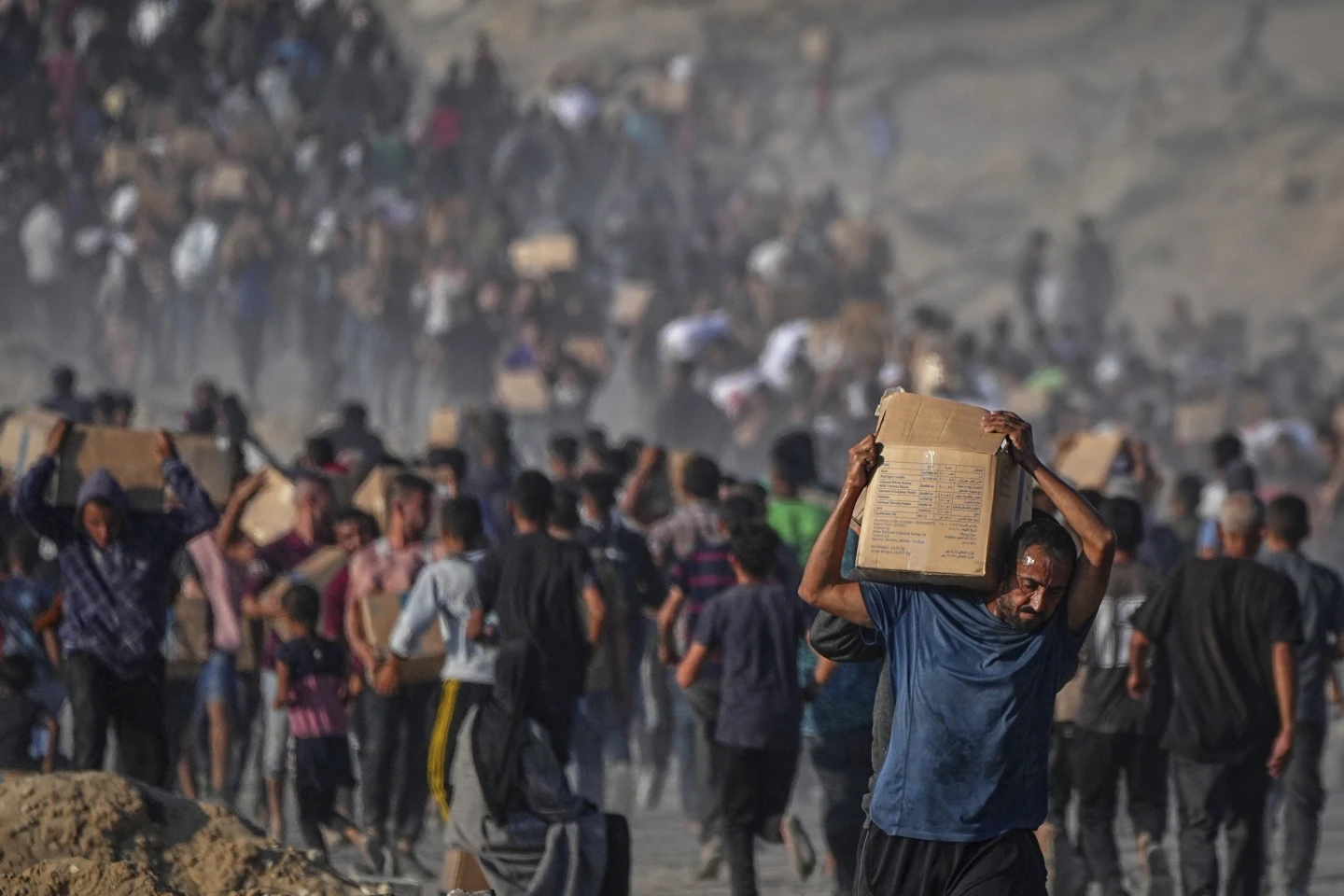
Northern Gaza Strip, June 16, 2025. (AP Photo / Jihad Al-Ashrafi)

The Israeli army spokesperson announced the launch of what were described as “safe” routes for aid entry, the resumption of airdrops, and the implementation of a so-called “humanitarian pause” in the three main areas where Gaza’s population has been forcibly concentrated.

This announcement marked a notable shift, following what could be seen as a setback in ceasefire negotiations. It came on the heels of unexpectedly escalatory statements from both the US and Israel, which contradicted earlier optimism conveyed by mediators to Palestinian resistance factions, most notably Hamas.

Although the announcement coincided with a surge in global media coverage of Gaza’s deepening famine, the timing appears tied to anticipated Israeli military plans. These plans seem aimed not merely at deflecting international criticism, but also at laying the groundwork for renewed escalation in the enclave.

The Clamor of Humanitarianism

Despite the media fanfare that accompanied the Israeli government’s announcement of opening aid corridors—first disclosed by the Israeli army—the coverage seemed orchestrated and exaggerated. Hebrew, Arab, and international media outlets all amplified the move, framing it as a major breakthrough, though it has yielded little tangible impact on the ground.

Details from the Israeli Prime Minister’s Office indicated that, after a closed consultation session held by Prime Minister Benjamin Netanyahu, it was decided to implement a limited “humanitarian pause” in Gaza starting Sunday. The move appeared to be a symbolic gesture aimed at appeasing growing international criticism over Gaza’s catastrophic humanitarian conditions.

Present at the meeting were Defense Minister Yoav Gallant and Foreign Minister Gideon Sa’ar. Notably absent were National Security Minister Itamar Ben Gvir and Finance Minister Bezalel Smotrich—two key figures in the far-right Religious Zionism bloc—who were deliberately excluded.

The statement also announced the resumption of airdropped aid in coordination with international organizations and the establishment of “safe humanitarian corridors” to ensure the passage of UN and NGO convoys delivering food and medicine to civilians.

The exclusion sparked outrage from Ben Gvir, who called the move unjustified, dismissing Netanyahu’s explanation that it respected the Sabbath. “I’m always available in emergencies,” he said, accusing Netanyahu of capitulating to a “false propaganda campaign led by Hamas” and putting Israeli soldiers at risk.

He added that the prime minister’s recent talk of “alternatives to securing hostage releases” had in fact become a “surrender that strengthens Hamas, delays victory, and postpones the return of the hostages.”

Despite extensive Israeli media coverage highlighting inflated truck counts and aid quantities, these figures failed to translate into actual relief. The aid that did enter Gaza was minimal and routed through areas left vulnerable to looting and lawlessness—effectively nullifying any real humanitarian impact.

According to Avi Ashkenazi, military affairs analyst for Israel’s Maariv newspaper, the Southern Command and the Civil Administration orchestrated a “media stunt,” bringing dozens of journalists to the Kerem Shalom crossing to showcase UN food shipments. Military sources claimed the shipments included flour, oil, rice, legumes, pasta, baby products, and canned goods—enough, supposedly, for 1,000 trucks and two-and-a-half weeks of supplies.

This coincided with a coordinated media effort to deny famine conditions in Gaza. Israeli government spokesperson David Mencer told reporters: “There is no famine in Gaza caused by Israel,” alleging instead that Hamas was manufacturing the crisis by blocking aid distribution and looting supplies.

At the same time, the Israeli government continues to ban foreign journalists from entering Gaza to verify the humanitarian situation firsthand. Local journalists remain under constant threat and intimidation. Most recently, Al Jazeera’s Gaza correspondent Anas Al-Sharif faced a targeted incitement campaign for his coverage of famine and civilian collapse.

Humanitarian Blackmail Repackaged

The new Israeli aid plan does not represent a retreat from previous US-backed frameworks, which failed to meet their objectives. Those earlier efforts attempted to substitute existing international institutions, especially UNRWA, with a so-called “Gaza Humanitarian Foundation”—a security entity cloaked in humanitarian rhetoric.

In this context, former US President Donald Trump’s remarks underscored ongoing American support for these mechanisms. He stated that the US had provided $60 million two weeks earlier to deliver food to Gaza, complaining: “Nobody thanked us,” and promising further aid while urging other countries to contribute.

Thus, the Israeli plan can be seen as a repackaged version of the failed US blueprint. At its core lies a strategy of “forced demographic engineering” in Gaza—manipulating aid distribution to three specific overcrowded zones: western Gaza City, the central governorate, and the narrow coastal strip of Al-Mawasi west of Khan Younis.

By geographically restricting aid, Israel aims to impose a new demographic map, preventing displaced residents from returning to destroyed areas. It relies on the absence of organized distribution systems and deliberately refuses to secure aid convoys, creating chaos that enables criminal gangs and opportunists to hijack and resell aid on the black market.

This profiteering class has effectively become part of Israel’s indirect control apparatus, pushing Gazan society toward two options: acquiescence to a local client system, or a slide into chaos, civil conflict, and societal collapse.

In a statement, Hamas condemned the Israeli airdrop policy as a strategy of “managing hunger,” calling it a deceptive and symbolic move meant to whitewash Israel’s image while sidestepping the Palestinian people’s core demands: lifting the siege and ending deliberate starvation policies pursued by Netanyahu’s government.

Hamas warned that the airdrops and so-called humanitarian corridors amount to a deliberate starvation policy—not a remedy—and that these tactics have led to over 1,000 deaths and nearly 6,000 injuries among civilians, constituting war crimes under international law.

Realized Aggressive Intentions

A comparison of Israeli and American rhetoric with developments on the ground reveals that Israel’s latest aid moves are not humanitarian gestures, but rather preparatory steps in a broader military escalation plan targeting Gaza.

Israel’s insistence on reengineering aid mechanisms and its open repudiation of previously negotiated understandings—abandoned by both the Israeli government and US envoy Steve Weitzkopf—underscore its lack of intent to reach a prisoner exchange deal, withdraw from Gaza, or allow unrestricted aid entry.

This trajectory appears aligned between Israel and the US. It was shaped during Netanyahu’s early July visit to Washington—a trip originally aimed at closing gaps and advancing a deal, but which instead marked the launch of a new escalation path.

Former President Trump’s recent statements echoed this direction, aligning with similar calls from Israeli officials. “Hamas doesn’t want a deal to stop the war and free the hostages,” Trump said. “I think they’re going to fall.” He added that the time had come for Israel to escalate and “finish the job.”

Soon after, Netanyahu spoke of exploring “alternative options” to retrieve hostages and dismantle Hamas’s rule, following the recall of Israel’s negotiating team from Doha. According to Axios, the Trump administration is already reassessing its Gaza strategy. Secretary of State Marco Rubio reportedly told Israeli hostage families: “We need to seriously rethink things.”

Israeli officials told Axios they’re unsure whether Trump’s remarks represent a genuine shift or a negotiating ploy, but acknowledged they may amount to a green light for Netanyahu to intensify the war effort using even more extreme military measures.

Domestically, Finance Minister Bezalel Smotrich tacitly supported escalation, telling the Religious Zionism bloc in the Knesset he would not exit the coalition at this stage. “In wartime, decisions aren’t based on politics,” he said. “We’re working on a strategic move. It’s too soon to disclose it, but we’ll soon see whether it works and what direction we’re headed.”

Within Israel’s security cabinet, two competing plans are emerging:

  • Track One, backed by the security and military establishment, seeks to deepen ground control via a “gradual bite” strategy, aiming to seize up to 90% of Gaza’s territory while encircling civilians in three separate enclaves—western Gaza City, the central region, and Al-Mawasi—depriving them of geographical continuity.

  • Track Two, championed by Netanyahu to appease his far-right allies, involves a “gradual annexation” plan—starting with the buffer zone, extending through northern Gaza, and eventually annexing swathes of territory into Israel permanently.

As of now, no final decision has been reached. But the Trump administration has begun pressuring Netanyahu’s government to choose between “total victory” and a “comprehensive truce”—a strategic crossroads with far-reaching implications for the future of the war and Netanyahu’s political fate.

Ultimately, Israel’s revised aid distribution plan is not a humanitarian breakthrough. It is a functional tool within its military campaign—whether for expanded ground control or territorial annexation. It aims to corral the population into isolated pockets and empty the rest of the territory for long-term domination. In this light, it is not relief—it is war by other means, repackaged as aid in a broader strategy of destruction, displacement, and siege.

Download this article as PDF
Share this Article
Facebook Twitter Whatsapp Whatsapp Telegram Email Copy Link
أحمد الطناني
By أحمد الطناني كاتب وباحث في الشأن السياسي
Follow:
Previous Article نون بوست Iran and the Pursuit of an Eastern Front Against the West
Next Article نون بوست How Israel Expands Its Influence Through Minority Alliances

Read More

  • U.S. Regime‑Change Policies: Why They Are Destined to Fail U.S. Regime‑Change Policies: Why They Are Destined to Fail
  • The Gulf’s Balancing Act: Iran, Israel, and Hidden Links
  • Iraq–Turkey Oil Export Treaty: Why Did Ankara Cancel It After 52 Years?
  • Syria’s Northeast on Edge: QSD Between Ankara and Damascus
  • Has Europe Changed Its Stance on Israel… or Just Its Language?
part of the design
NoonPost Weekly Newsletter

You May Also Like

U.S. Regime‑Change Policies: Why They Are Destined to Fail

U.S. Regime‑Change Policies: Why They Are Destined to Fail

إسراء سيد Esraa sayed 8 April ,2026
The Gulf’s Balancing Act: Iran, Israel, and Hidden Links

The Gulf’s Balancing Act: Iran, Israel, and Hidden Links

فريق التحرير Noon Post 8 April ,2026
Iraq–Turkey Oil Export Treaty: Why Did Ankara Cancel It After 52 Years?

Iraq–Turkey Oil Export Treaty: Why Did Ankara Cancel It After 52 Years?

فريق التحرير Noon Post 8 April ,2026

هل يمكن مد جسور التصالح بين ضفتي الخليج العربي؟

خافيير سولانا
خافيير سولانا Published 31 January ,2016
Share
saudi-iran-map

ترجمة وتحرير نون بوست

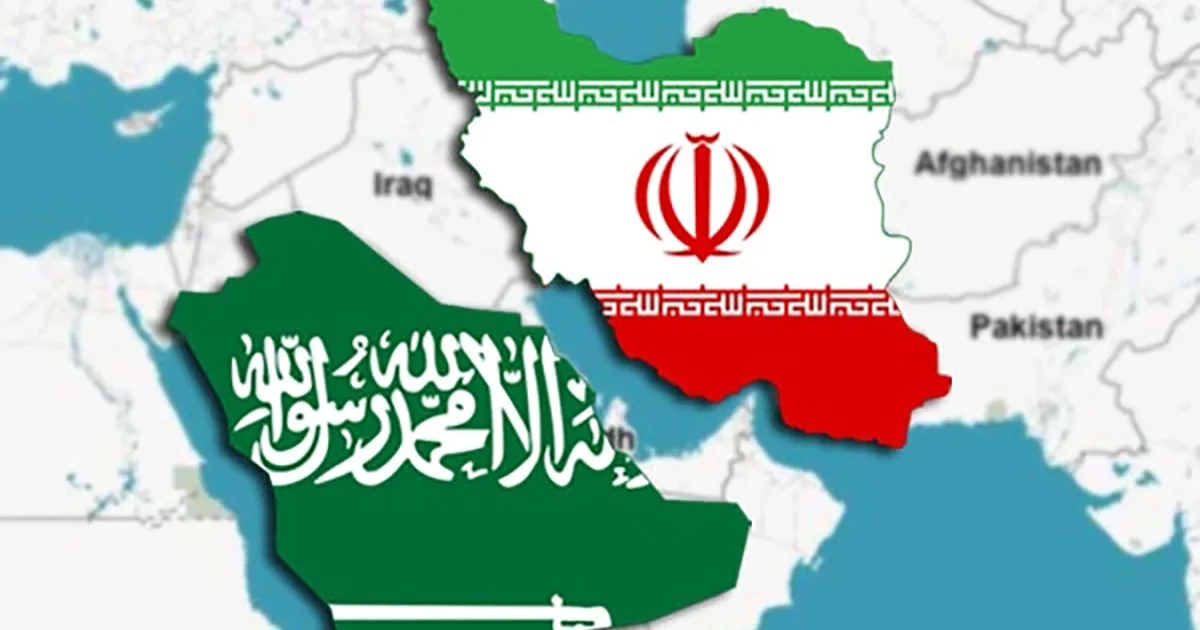
تصاعدت التوترات بين إيران والمملكة العربية السعودية في وقت سابق من هذا الشهر، مع اقتحام المتظاهرين للسفارة السعودية في طهران على خلفية إعدام رجل دين شيعي في المملكة، وبالطبع، فإن هذا الحدث الأخير ليس سوى أحدث مظهر من مظاهر التنافس عميق الجذور بين قوتي الشرق الأوسط، ولكن في الوقت الذي تحكم فيه العداوة المتبادلة علاقة السعودية مع إيران منذ فترة طويلة، إلا أنها ليست حالة مستمرة، كما تُصوَّر في بعض الأحيان؛ فنظرًا لمصالح الدولتين المشتركة، لا تبدو العودة إلى مد جسور التعاون فكرة مستحيلة، رغم الصعوبات الجسيمة التي تعتري تنفيذ ذلك.

حالة الانقسام الطائفي كانت الحجر الأساس في تأسيس هوية البلدين الوطنية؛ فالمملكة العربية السعودية هي القوة السنية الرائدة في العالم العربي، في حين تضم إيران الأغلبية الشيعية، إلا أن خطوط الصدع الطائفية لم تشكل تاريخيًا عنصر المواجهة الدائمة في المنطقة، حيث لم تتحول بلاد فارس إلى الاعتراف بالتشيّع كدين رسمي للبلاد حتى عام 1501 على يد السلالة الصفوية، التي ميّزت نفسها من خلال التشيّع عن جيرانها العثمانيين السنيين، الذين كانوا يحتلون جزءًا من أرض فارس، وخلال القرنين اللاحقين، واجهت بلاد فارس الإمبراطورية العثمانية، قلب الخلافة السنية، سعيًا لاغتنام التفوق الإقليمي.

أما المملكة العربية السعودية، فقد اعتنقت حين تأسيسها في عام 1932 المذهب السني الوهابي كعقيدة رسمية للبلاد، ولكن على الرغم من ذلك، أسست علاقات دبلوماسية مع إيران، وفي ستينيات وأوائل سبعينيات القرن المنصرم، تعمق تعاون البلدين الأمني والسياسي جرّاء بزوغ مصلحتهما المشتركة في مواجهة الحركات المتطرفة التي تهدد ملكياتهما، حيث تعاونتا للحد من تقدم الشيوعية السوفيتيية في العالم العربي، وبرز البلدان كحليفين رئيسيين للغرب خلال الحرب الباردة، وخاصة بالنسبة للولايات المتحدة الأمريكية.

في أواخر سبعينيات القرن الماضي اندلعت معركة  الهويات الطائفية في المنطقة، حيث باشرت المملكة العربية السعودية، مدعومة بالمكاسب المالية الجمة الناجمة عن ارتفاع أسعار النفط، بتوسيع جهودها الأمنية من خلال تصدير الوهابية، وأضحت تنظر إلى إيران باعتبارها تهديدًا مباشرًا بشكل خاص بعد عام 1979، عندما أطاحت الثورة الإسلامية بحكم الشاه وأعلن النظام الإيراني الجديد نفسه كزعيم للشيعة في جميع أنحاء العالم، واستجابة لدعوة إيران لتحرير جميع الشيعة، ضاعفت السعودية جهودها في نشر الوهابية؛ مما أدى إلى تعميق الصراع بين القوتين.

رغم أن الصراع السعودي – الإيراني لم ينعكس بصورة مواجهة مباشرة ما بين البلدين، إلا أنه تمخض عن العديد من حروب الوكالة، بدءًا من الحرب العراقية الإيرانية في ثمانينيات القرن الماضي، وفي الآونة الأخيرة، صاغ الصراع ما بين البلدين مسار الحرب الأهلية في سوريا، التي دعمت فيها إيران نظام الرئيس السوري بشار الأسد، الذي يمثل الطائفة العلوية من الإسلام الشيعي، في حين دعم السعوديون القوى السنية المناهضة للأسد؛ وفي اليمن، نفّذ ائتلاف الدول العربية بقيادة سعودية ضربات جوية لصد المتمردين الحوثييين، بينما عمدت إيران لدعم الشيعة الزيديين الذين يقاتلون الحكومة السنية، وهو الصراع الذي أودى حتى الآن بحياة حوالي 6000 شخصًا على الأقل.

ولكن، كما كان عليه الأمر في الماضي، تبدو المواجهة الأحدث بين القوتين متصلة بالتطورات المحلية الجارية على قدم وساق في الداخل السعودي والإيراني؛ فكلا البلدين تشهدان حاليًا تحولات سياسية واقتصادية هامة قد تتركهما ضعيفتان تجاه التغيرات الخارجية.

على الجانب الأول، تستعد إيران اليوم لانتخاب برلمان ومجلس خبراء قيادة جديدان في فبراير القادم، وفي خضم ذلك، تبدو البلاد في حالة اقتصادية يرثى لها، حيث بلغت نسبة البطالة 11.4% في عام 2014، وترتفع هذه النسبة إلى لتلامس مستويات هائلة ما بين الشباب على وجه الخصوص، وعلى الرغم من أن الاتفاق الدولي حول برنامج إيران النووي أسفر اليوم عن رفع العقوبات، إلا أن الفوائد الاقتصادية لذلك لم تنعكس بنطاق واسع محليًا حتى الآن.

بطبيعة الحال، إذا ما استمرت جهود الرئيس حسن روحاني لفتح إيران على العالم الخارجي، فإن تلك الفوائد ستنعكس في نهاية المطاف لتشعر بها الطبقة الوسطى الإيرانية على نطاق واسع، ولكن لهذا السبب على وجه التحديد، تبدو أغلبية العناصر المحافظة داخل الحكومة الإيرانية متشككة بعمق من جدول روحاني الإصلاحي، جرّاء توجسها من البزوغ المحتمل لمجتمع تعددي أكثر دنيوية، الأمر الذي يُنظر إليه كتهديد داهم على بقاء النظام، من وجهة نظر المحافظين.

في الواقع، وعلى الرغم من أن المرشد الأعلى للجمهورية الإيرانية، آية الله علي خامنئي، قد صدّق على الاتفاق النووي في العام الماضي، إلا أنه أعلن مرارًا وتكرارًا عدم ثقته بالولايات المتحدة، وبالإضافة إلى ذلك، فإن مجلس صيانة الدستور الذي يسيطر عليه المحافظون، والذي يضم ستة علماء دينين يعينهم المرشد الأعلى وستة قضاة يُرشحون من قِبل السلطة القضائية وموافق عليهم من قِبل البرلمان، رفض حتى  الآن 99% من المرشحين الإصلاحيين الذين تقدموا بأوراقهم للانتخابات المقبلة، ومن هذا المنطلق، يبدو أن المعارضة البرلمانية لإصلاحات روحاني ستطرد وتتكثف.

على الجهة المقابلة، تبدو المملكة العربية السعودية على شفا نقطة تحول أيضًا؛ ففي العام الماضي، صعد الملك سلمان بن عبد العزيز آل سعود إلى عرش المملكة إبان وفاة الملك عبد الله، الذي حكم لعقد من الزمان، ومنذ ذلك الحين، عمد سلمان لتغيير تسلسل ولاية عهد المملكة من خلال تعيينه للأمير محمد بن نايف كولي للعهد، ولنجله، الأمير محمد بن سلمان، كنائب لولي العهد، وهذه التغييرات الجارية على قمة الهرم السعودي تتزامن مع التدهور الاقتصادي الحاد الذي تشهده المملكة والناجم عن انهيار أسعار النفط العالمية، حيث استنفدت السعودية إيرادات ميزانيتها لدرجة أن العجز المالي وصل إلى حدود الـ15% من الناتج المحلي الإجمالي في العام الماضي.

ضمن هذا السياق غير المستقر، يبدو بأن قادة إيران والمملكة العربية السعودية يعتقدون بأن استمرار المواجهة ستساعدهم في الحفاظ على سلطتهم، سيّما من خلال تعزيز الفكرة القائلة بأن المزيد من التغيير، خصوصًا في شكل زيادة الانفتاح الاقتصادي أو السياسي، سيكون خطيرًا من منظار الاحتفاظ بالسلطة.

ولهذا، فإن بناء علاقات ودية، أو فعّالة على أقل تقدير، بين قوتي الشرق الأوسط، يبدو احتمالًا ضئيلًا، على الأقل ضمن المستقبل المنظور، ولكن يمكن اتخاذ خطوات لتمنع، بالحد الأدنى، من تصاعد التوتر في العلاقة، وإدانة خامنئي للهجوم على السفارة السعودية، الذي وصفه بأنه ضار للوطن وللإسلام، تبدو خطوة جديرة بالملاحظة في هذا السياق.

ومع ذلك، من غير المرجح أن تساعد هذه الخطوات الخجولة على توصل إيران والسعودية لاتفاق بشأن سوريا في الجولة القادمة من المحادثات الدولية، ولكن إيجاد صيغة اتفاق بغية إنهاء الحرب في اليمن، التي لا تزال في مرحلة أقل تعقيدًا من الحرب السورية وتنطوي على مصالح دولية وإقليمية أضعف، يبقى أمرًا ممكنًا، سيّما في ضوء المتاعب الاقتصادية التي تجابهها السعودية، ومفتاح الحل للأزمة اليمنية يتمثل بالاتفاق على وقف إطلاق النار، تمهيدًا لوضع حل طويل الأجل للصراع اليمني.

في الوقت الذي تتنامى فيه الهوة ما بين إيران والسعودية في عمقها، يمكن لحالات التعاون العملي في مسائل محددة، كمسألة اليمن، أن تساعد على جسر تلك الهوة، وهذا الأمر، إن حصل، من شأنه أن يعود بالفائدة على المنطقة بأسرها.

المصدر: بروجيكت سنديكيت

TAGGED: البرلمان الإيراني ، التصالح السعودي الإيراني ، الصراع السني الشيعي ، الوضع الإيراني ، الوضع السعودي
Download this article as PDF
Share this Article
Facebook Twitter Whatsapp Whatsapp Telegram Email Copy Link
خافيير سولانا
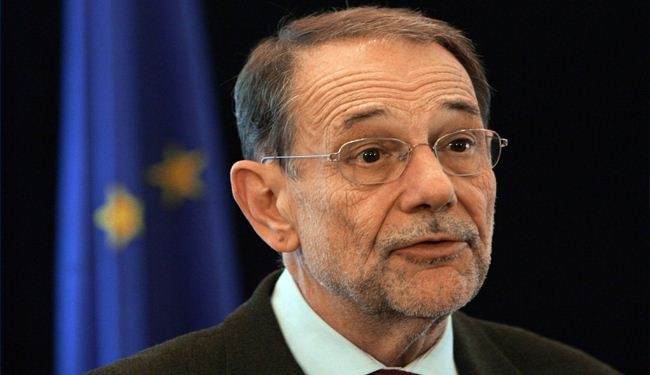
By خافيير سولانا أكاديمي وسياسي إسباني شغل منصب الممثل السامي للسياسة الخارجية والأمنية المشتركة بالاتحاد الأوروبي، أمين عام خلف الأطلسي (الناتو)، ووزير خارجية إسبانيا.
Follow:
Next Article نون بوست The Stigma of “ISIS”: A Heavy Legacy Haunting Women and Children of Former Members
part of the design
NoonPost Weekly Newsletter
dark

An independent media platform founded in 2013, rooted in slow journalism, producing in-depth reports, analysis, and multimedia content to offer deeper perspectives on the news, led by a diverse young team from several Arab countries.

  • Politics
  • Society
  • Rights & Liberties
  • Opinions
  • History
  • Sports
  • Education
  • Technology
  • Economy
  • Media
  • Arts & Literature
  • Entrepreneurship
  • Travel
  • Cinema & Drama
  • Food
  • Health
  • Culture
  • Latest Reports
  • Files
  • Long Reads
  • Interviews
  • Podcast
  • Interactive
  • Encyclopedia
  • In Pictures
  • About Us
  • Our Writers
  • Write for Us
  • Editorial Policy
  • Advanced Search
Some rights reserved under a Creative Commons license

Removed from favorites

Undo
Go to mobile version