NoonPost NoonPost

NoonPost

  • Home
  • Politics
  • Economy
  • Society
  • Culture
  • Files
  • Long Reads
  • Podcast
AR
Notification Show More
نون بوست
“There Are Nights I Can’t Close My Eyes”: How Gazans Are Living in Homes on the Brink of Collapse
نون بوست
From al-Jolani to Ahmad al-Shara: The Evolution of Syria’s New Leader
نون بوست
When Political Islam Receded in Egypt: Who Filled the Void?
نون بوست
An Extension of Genocide: Gaza’s Detainees Speak Out
نون بوست
A Tightrope Between Survival and Sovereignty: The Syrian Government Faces Normalization Pressures
نون بوست
American Aircraft Carriers: Has the Era of “100,000 Tons of Diplomacy” Ended?
نون بوست
U.S. Regime‑Change Policies: Why They Are Destined to Fail
نون بوست
Transformations of Israeli Judaism: Between the Victim Complex and the Colonizer’s Doctrine
نون بوست
The Gulf’s Balancing Act: Iran, Israel, and Hidden Links
نون بوست
Iraq–Turkey Oil Export Treaty: Why Did Ankara Cancel It After 52 Years?
نون بوست
Syria’s Northeast on Edge: QSD Between Ankara and Damascus
نون بوست
Has Europe Changed Its Stance on Israel… or Just Its Language?
NoonPost NoonPost
AR
Notification Show More
نون بوست
“There Are Nights I Can’t Close My Eyes”: How Gazans Are Living in Homes on the Brink of Collapse
نون بوست
From al-Jolani to Ahmad al-Shara: The Evolution of Syria’s New Leader
نون بوست
When Political Islam Receded in Egypt: Who Filled the Void?
نون بوست
An Extension of Genocide: Gaza’s Detainees Speak Out
نون بوست
A Tightrope Between Survival and Sovereignty: The Syrian Government Faces Normalization Pressures
نون بوست
American Aircraft Carriers: Has the Era of “100,000 Tons of Diplomacy” Ended?
نون بوست
U.S. Regime‑Change Policies: Why They Are Destined to Fail
نون بوست
Transformations of Israeli Judaism: Between the Victim Complex and the Colonizer’s Doctrine
نون بوست
The Gulf’s Balancing Act: Iran, Israel, and Hidden Links
نون بوست
Iraq–Turkey Oil Export Treaty: Why Did Ankara Cancel It After 52 Years?
نون بوست
Syria’s Northeast on Edge: QSD Between Ankara and Damascus
نون بوست
Has Europe Changed Its Stance on Israel… or Just Its Language?
Follow US

Controversial Firms Guide Egypt’s Military Privatization

فريق التحرير
Noon Post Published 26 March ,2026
Share
نون بوست
نون بوست

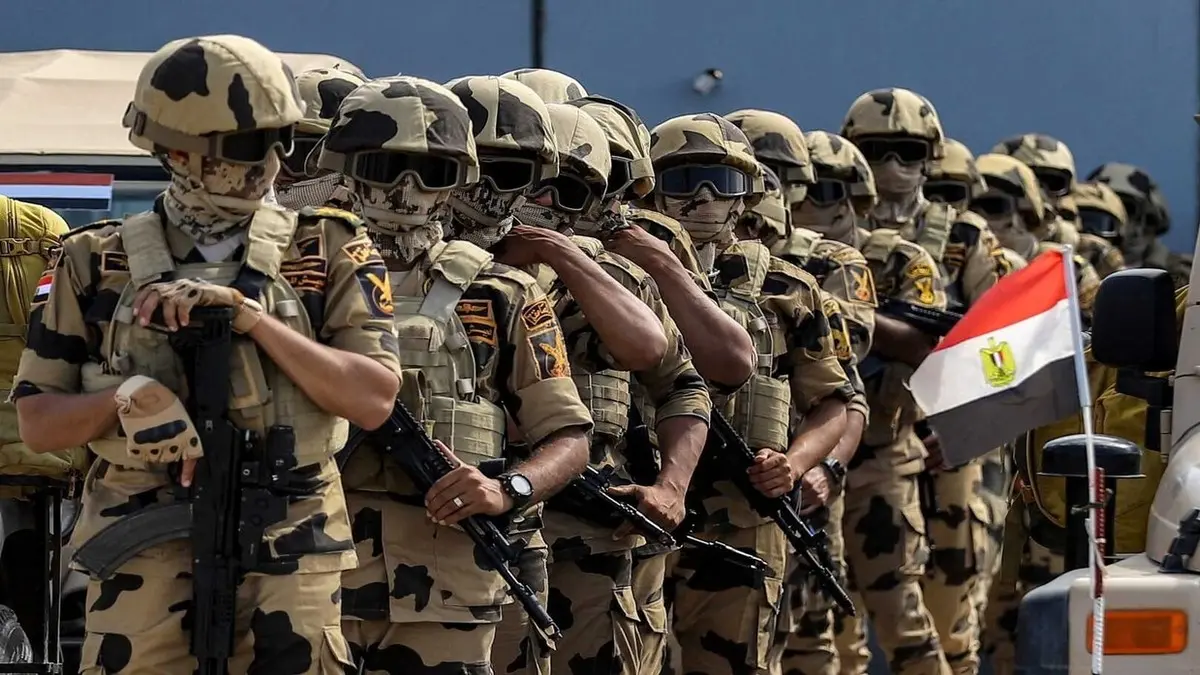
In an unprecedented move, the Egyptian government announced on April 9 that the Sovereign Fund of Egypt (TSFE) would begin restructuring five companies owned by the Armed Forces, following an agreement signed between the military’s National Service Projects Organization (NSPO) and a consortium of local and international consultants.

The companies slated for restructuring include: the National Company for Petroleum Products Distribution (Wataniya), ChillOut fuel stations, the National Company for Bottling Natural Water (Safi), Silo Foods, and the National Roads Company.

This step is part of the agreement signed with the International Monetary Fund (IMF) in December 2022 for a $3 billion loan. In March 2024, the IMF raised the ceiling by an additional $5 billion, bringing the total funding package to $8 billion.

The four-year program is contingent on periodic reviews by Egypt’s Financial and Economic Performance Monitoring Council, which oversees implementation of the required structural reforms. These include the withdrawal of state entities from the economy – including military-owned companies – as well as the publication of annual financial reports for all state and military enterprises.

These conditions were initially set to be met by September 2024, but due to Egypt’s delay in implementation, they were deferred to a later stage, according to IMF documentation.

This decision marks a pivotal turning point after years of foot-dragging over the military’s economic role. It appears the government has finally yielded to international pressure, as the announcement came just ahead of the IMF delegation’s visit to Cairo for the program’s fifth review, held from May 6 to 18, 2025. Egypt is now awaiting official IMF approval to release the program’s largest tranche—$1.3 billion.

This deal, ostensibly a precursor to disclosing and selling the military’s commercial assets for the first time since the army took power in 1952—particularly since the NSPO’s founding and the expansion of the military’s economic empire following the current regime’s rise in 2013—reveals a deeper dimension. This report by Noon uncovers that the three foreign consulting firms involved in the deal maintain active business ties and a physical presence in Israel.

Foremost among them is Boston Consulting Group (BCG), which co-founded the “Gaza Humanitarian Foundation” in cooperation with the Israeli military. Since its launch on May 26, this initiative has resulted in the deaths of around 1,000 Palestinians at the hands of Israeli soldiers and armed guards affiliated with the foundation.

Boston Group: One Hand in Egypt’s Economy, the Other in Gaza’s Siege

A statement by Egypt’s Cabinet detailed the cooperation agreement between TSFE and the NSPO, along with several local and international consulting firms, to restructure and list companies owned by the military organization.

Under the agreement, Boston Consulting Group (BCG) serves as the commercial and strategic advisor. PwC and Grant Thornton are providing tax and accounting consultancy services.

An investigation revealed that all three firms have substantial investments and operations in Israel and maintain close cooperation with the Israeli government.

Founded in the United States in 1963, BCG is one of the world’s top three strategic consulting firms, with around 100 offices in over 50 countries.

According to its official website, BCG holds longstanding ties with the US Department of Defense and various military branches, with contracts in areas like cost management, digital transformation, and operational efficiency.

In October 2024, media reports revealed that BCG helped establish the Gaza Humanitarian Foundation (GHF), a US-Israeli project aimed at dominating the distribution of aid in Gaza, weaponizing food delivery for displacement and military advantage.

BCG played a major role in designing the aid distribution model—including iron-cage-like centers, pricing systems for contractors, and the recruitment of armed personnel to secure convoys and control access points. The firm also managed the project’s financial and logistical operations.

This model led to the deaths of approximately 1,000 Palestinians and injuries to at least 5,900 others, most at aid distribution sites in Rafah, Al-Mawasi, and around Khan Younis.

Palestinians were shot while scrambling for survival—hoping to secure a single box of rice, lentils, pasta, canned goods, and biscuits that might feed a family for a week.

After UN agencies and humanitarian organizations refused to participate in the US-Israeli initiative, condemning it as a tool of military policy, BCG announced its withdrawal from the project on May 30 and terminated its contract with GHF.

Yet the system BCG helped establish continued to claim lives. On July 16, 20 Palestinians were killed when GHF’s hired guards, recruited by BCG, sealed the center’s gates and sprayed pepper gas. Victims were trapped between the gates and an outer wire fence—some dying from the stampede, one stabbed to death.

BCG’s links to Israel date back decades. According to his biography, Israeli Prime Minister Benjamin Netanyahu worked at BCG as an economic advisor between 1976 and 1978 after graduating from MIT.

Since 2010, BCG has operated a Tel Aviv office, providing consulting services to major Israeli companies, especially in tech, energy, defense, and public sectors—many directly tied to the Israeli military and government.

A July 4 investigation by the Financial Times revealed that BCG, alongside a US security firm and an Israeli think tank, devised a plan to relocate 500,000 Palestinians from Gaza by offering $9,000 per person.

Facing a global backlash, BCG did not deny its involvement but announced an internal probe. It admitted the plan violated its ethical standards and dismissed those responsible.

These revelations raise serious concerns about Egypt entrusting sensitive economic and possibly military information to firms directly involved in efforts to starve, kill, and displace Palestinians—posing a broader threat to Egypt’s national security, especially as it hosts waves of Palestinian refugees.

Privatization Advisors Tied to Israeli Military

The Egyptian government’s agreement, signed last month, appointed PwC to provide tax and accounting advisory services for the privatization of military companies under the NSPO.

Data shows that PwC, headquartered in London and founded in 1998, maintains strong ties with the Israeli government. Its services include consulting, auditing, and cybersecurity projects. Many of its experts have military backgrounds.

PwC’s Israeli branch is led by Talia Gazit, a founding partner and head of digital transformation and cybersecurity. She holds the rank of reserve colonel in the Israeli military and previously headed the elite “Mamram” tech unit, which oversees Israel’s military IT infrastructure and trains soldiers in cybersecurity.

According to Mamram’s official website, Gazit is still affiliated with the unit.

In 2019, under Gazit’s leadership, PwC launched a Cyber Experience Center in Beersheba as part of its global cybersecurity initiative, offering advanced services to governments and corporations to protect critical infrastructure from cyber threats.

In 2024, PwC partnered with the OurCrowd Israel Resilience Fund to support Israeli startups affected by the war. The firm declared: “We are proud to support Israel’s resilience,” adding that its role involves fundraising assistance and connecting startups with a global network of CFOs.

The third consulting firm involved, Grant Thornton, also provides tax and accounting advisory for the NSPO privatization. Headquartered in London and founded in 1924, it is the world’s seventh-largest accounting network.

Grant Thornton has operated in Israel since 1955 and is the sixth-largest accounting firm there, with seven offices across cities including Tel Aviv, Jerusalem, and Haifa. It serves several government bodies, including ministries, local authorities, and state-owned enterprises.

Key partners in its Israeli branch have histories of cooperation with the military. Managing partner Mickey Blumenthal holds the rank of Major in the Israeli army, while Joseph Ginosar works with an organization supporting Israeli soldiers.

Given that the NSPO is part of Egypt’s Ministry of Defense and its companies operate under various military branches, partnering with foreign firms closely tied to Israeli and US military and security agencies raises red flags. These firms may gain access to financial data, organizational structures, and possibly even military infrastructure details.

Such concerns are magnified amid ongoing Israeli military operations in Gaza and mounting pressure to forcibly displace Palestinians into Egypt. With Egypt’s military increasingly viewed as a regional counterweight, this partnership raises pressing questions about sovereignty, data security, and strategic vulnerability.

Download this article as PDF
Share this Article
Facebook Twitter Whatsapp Whatsapp Telegram Email Copy Link
فريق التحرير
By فريق التحرير تقارير يعدها فريق تحرير نون بوست.
Follow:
Previous Article نون بوست Assassinating the Witnesses: Why Is Israel Targeting Gaza’s Doctors?
Next Article نون بوست Ankara and Tel Aviv: Intersecting Interests, Clashing Red Lines

Read More

  • Militias and Iran Fuel Iraq’s Oil Crisis Militias and Iran Fuel Iraq’s Oil Crisis
  • Basra’s Water Crisis: Thirst Amid Oil and Salt
  • Chinese Investments in Egypt: Acceptable Privileges, Legitimate Concerns
  • Who Bears the Cost of Egypt's Generosity?
  • Money Laundering in Egypt: The Shadow Economy Devours the State
part of the design
NoonPost Weekly Newsletter

You May Also Like

Militias and Iran Fuel Iraq’s Oil Crisis

Militias and Iran Fuel Iraq’s Oil Crisis

فريق التحرير Noon Post 26 March ,2026
Basra’s Water Crisis: Thirst Amid Oil and Salt

Basra’s Water Crisis: Thirst Amid Oil and Salt

طه العاني Taha Alane 26 March ,2026
Chinese Investments in Egypt: Acceptable Privileges, Legitimate Concerns

Chinese Investments in Egypt: Acceptable Privileges, Legitimate Concerns

عماد عنان Emad Anan 26 March ,2026

التحولات القادمة في السياسة الخارجية التركية

فريق التحرير
Noon Post Published 2 February ,2016
Share
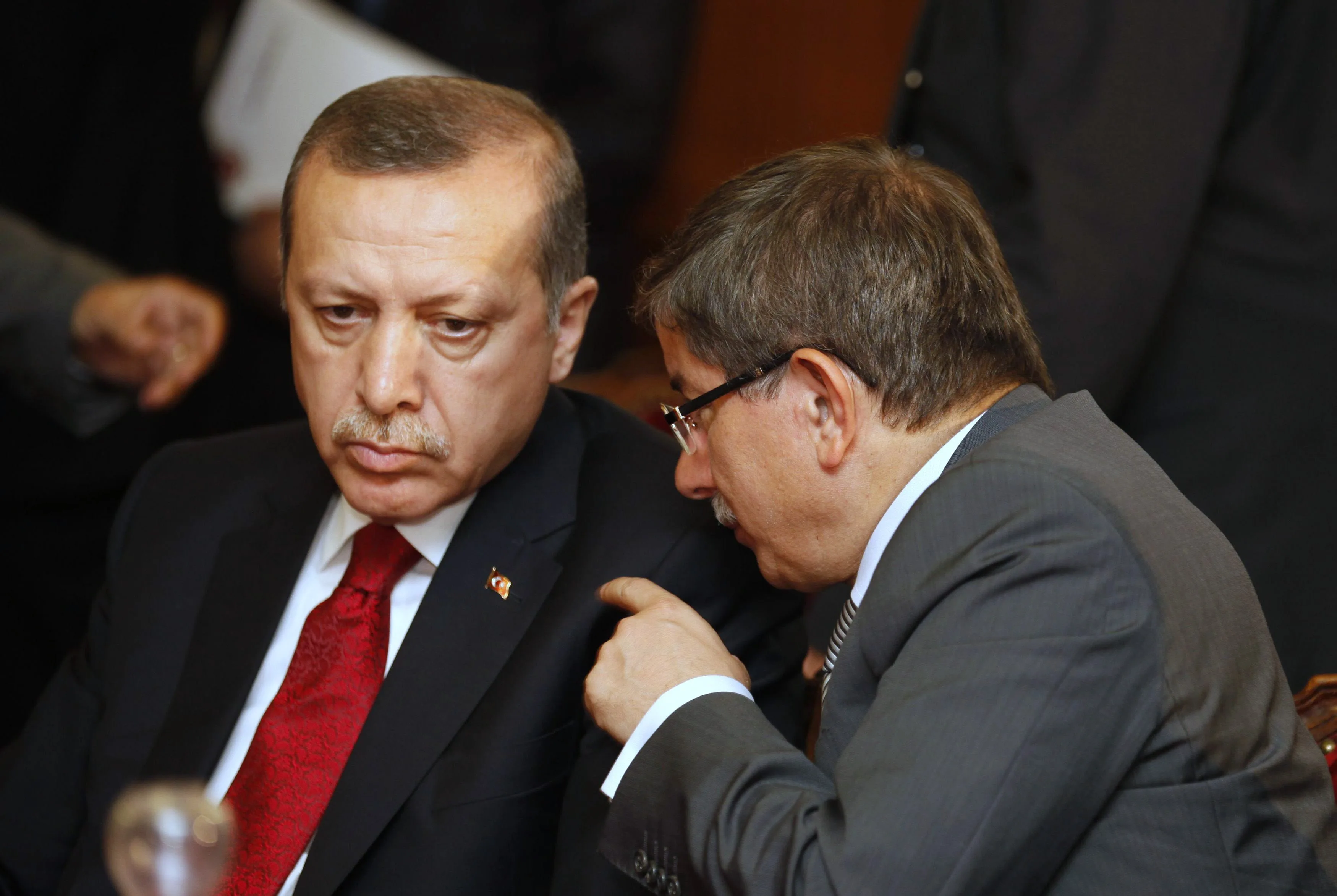
erdogan_ve_davutoglu_reuters

لم يُخفها أردوغان وقالها صراحة للصحافيين المسافرين معه إلى المملكة العربية السعودية في آخر أيام العام المنصرم بعد سؤال من أحدهم عن العلاقات التركية الإسرائيلية وجهود التصالح الجارية بين الطرفين منذ بضعة أشهر: “إسرائيل بحاجة لبلد مثل تركيا في المنطقة، وعلينا نحن أيضًا أن نتقبل حاجتنا لإسرائيل، هذا واقع المنطقة،” بتلك الكلمات إذن أكّد أردوغان الصفحة الجديدة التي فتحتها كل من أنقرة وتل أبيب في علاقتهما المتوترة منذ سنوات، وأحدث مفاجأة في الحقيقة للكثيرين ممن عقدوا الآمال على تركيا في الضغط على إسرائيل بالمنطقة، وهي آمال لم تكن منطقية أبدًا كما سنستعرض في هذا المقال، والذي نناقش فيه التحولات المرتقبة في السياسة الخارجية التركية خلال هذا العام.

تحديّان رئيسيّان باختصار هما اللذان سيرسمان ملامح السياسة التركية في الفترة المقبلة؛ الأول هو تنامي التواجد الروسي، وهو مصدر تهديد تقليدي وتاريخي، في محيط تركيا، أولًا في الشمال بعد استحواذ الروس على شبه جزيرة القرم وتعزيز موقعهم البحري هناك وتدخلهم الواضح في شرق أوكرانيا، وثانيًا في الجنوب عبر الضربات الجوية الروسية المساندة لنظام الأسد والتي امتدت لدعم سياسي، وربما عسكري تحت الطاولة، لحزب الاتحاد الديمقراطي الكردستاني بشمال سوريا والذي تعتبره تركيا إرهابيًا وشقيقًا لحزب العمال الكردستاني، وثالثًا في الشرق كذلك عبر قرار توحيد نظامي الدفاع الجوي الروسي والأرميني، حيث تُعَد أرمينيا حليف روسيا التقليدي في القوقاز في مقابل وجود جيورجيا وأذربيجان داخل المعسكر التركي والغربي عامة، بالإضافة للدور الروسي المعتاد في آسيا الوسطى والمتنافر مع رغبة تركيا بلعب دور فيها.

أما التحدي الثاني، والأقل خطورة نسبيًا، فهو تمدد النفوذ الإيراني في المشرق العربي عسكريًا وسياسيًا، وهو نفوذ واضح بالطبع في علاقة طهران مع النظام السياسي العراقي، والذي لا توقفه سوى داعش في الشرق وحكومة كردستان العراق في الشمال، ونظام الأسد في سوريا الذي تقع داعش إلى غربه وإن كانت جهوده العسكرية منصبة على مواجهة قوى الثورة المختلفة، والمدعومة بالأساس من تركيا ودول الخليج، وهي تعاني تشرذمًا شديدًا بوجه تحالف أكثر صلابة نسيبًا ترعاه إيران على الأرض مع روسيا.

العودة للغرب: احتياج أم تحدي؟

بوجه هذين التحديَّين تجد تركيا نفسها في المقام الأول بحاجة إلى تعزيز تحالفها الغربي، وحلف الناتو على وجه الخصوص أكثر من الاتحاد الأوروبي، فهي تملك جيشًا ورثته عن استراتيجية الحرب الباردة في نهاية المطاف، وهي استراتيجية اعتمدت على الولايات المتحدة في الدفاع الجوي ولم تسعى بجدية لتأسيس نظام دفاع جوي أو نظام صاروخي خاص بتركيا بالنظر لرؤية الجمهورية الانعزالية خلال القرن السابق، وهو ما انعكس بوضوح في الملف السوري الذي ترفض تركيا التدخل العسكري فيه رُغم قدرتها على ذلك على المستوى البري، لأنها ستكون بحاجة لغطاء الناتو الجوي والذي لا يُبدي الحلف استعداده لتفعيله سوى بمواجهة داعش فقط، وهو هدف لا ترى تركيا أنه كفيل بدفعها لساحة المعركة برًا ما لم يضم حزب العمال بالإضافة لضغوط أكبر على نظام الأسد.

على هذا الأساس، تدرك تركيا اليوم مكامن ضعفها أكثر من أي وقت مضى، وهي عدم قدرتها على استخدام قوتها الصلبة وحدها، وحتى تصبح قادرة على إنتاج نظام جوي أو صاروخي خاص بها يعزز من قدرتها على القيام بفعل عسكري منفرد في محيطها، فإنها ستكون مضطرة للاصطفاف مع الناتو بقوة في الفترة المقبلة لتحقيق أهدافها، وبذل أقصى جهودها الدبلوماسية لتحقيق الأهداف الخاصة بها في إطار التحالف الغربي، والهدف الأبرز الآن في الملف السوري هو إقصاء حزب العمال من طاولة الحوار والذي نجحت فيه تركيا بالفعل، وإن كان هدف إضعافه على الأرض في معاقله بسوريا هدفًا أصعب بطبيعة الحال نتيجة الدعم الذي يتلقاه من واشنطن في مواجهة داعش.

الآن نطرح التساؤل الآتي: هل تعزيز التحالف الغربي احتياج تركي أم تحدي سيواجه تركيا؟ في الواقع يمكن اعتبار الاصطفاف مع الناتو احتياج وتحدي في آن، فهو احتياج للأسباب المذكورة أعلاه، والتي تتضمن بشكل أساسي عدم القدرة على الوقوف بوجه روسيا منفردة بالطبع، وهو تحدي أيضًا نتيجة ما يسببه من اعتماد متبادل بين الطرفين لا يتيح لتركيا حرية الحركة العسكرية، والمطلوبة ربما في تلك المرحلة من تاريخ المنطقة لا سيما مع رؤية صناع القرار الحالية في تركيا من ضرورة اضطلاع تركيا بدور أكبر وفعال في الشرق الأوسط سيتطلب سياسة “هجومية” في المستقبل، وليس فقط دفاعية تحمي الحدود التركية فقط كما خلال القرن الماضي.

استراتيجية تركية لاحتواء إيران

إلى جانب الروس كما ذكرنا يمثل التمدد الإيراني السريع في المشرق تحديًا لتركيا، وهو أقل خطورة لأسباب عدة، أهمها أن إيران ليست قوة بحجم روسيا ولا تملك في نفس الوقت تحالفًا دوليًا كحلف الناتو، مما يعني قدرة تركيا على مناطحتها منفردة دون دعم غربي وإن كان الدعم الغربي تعزيزًا مهمًا لأنقرة، وثانيًا أن إيران خطر فقط في إطار منطقة المشرق تحديدًا وليس بشكل عام على غرار الروس، ففي ملف الخليج الفارسي على سبيل المثال لطالما مالت تركيا إلى توازن بين الطرفين الإيراني والسعودي نظرًا لخطورة هيمنة مطلقة لأي منهما وقابلية هيمنة كتلك للتوسع شمالًا نحو المشرق ومنافسة تركيا.

في الوقت الحالي بالطبع تميل تركيا ناحية السعودية نظرًا لهيمنة إيران المتزايدة بوضوح في المشرق، وهو ما انعكس بتأسيس مجلس استراتيجي بين البلدين لأول مرة في تاريخهما، والذي سيكون معنيًا على الأرجح بالتنسيق بين القوتين الأثقل اقتصاديًا وسياسيًا في المنطقة لدعم القوى السورية المعارضة للأسد في المشرق، وكذلك مواجهة النفوذ الإيراني في اليمن والمتواجد عبر الحوثيين، وهي منطقة قريبة من البحر الأحمر لا ترغب تركيا برؤية نفوذ إيراني فيها.

تباعًا، يمكننا فهم المنطق الكامن خلف بناء “قواعد عسكرية تركية” أو مهمات عسكرية دائمة أولها في معسكر بعشيقة بالموصل بالتعاون مع حكومة كردستان العراق، كمحاولة لوقف زحف النظام العراقي وميليشياته الشيعية، وكردستان العراق هي الحليف الأبرز لتركيا في المشرق كما نعرف، والتي تحاول الرياض ضمها في ثنايا التحالف السني، وثانيها في قطر بعد اتفاق عسكري بين الطرفين، وثالثها في الصومال، المقابلة لليمن والمطلة على البحرين الأحمر والعربي، لتدريب القوات الصومالية، وهو الخبر الذي ربما لم يلتفت له كثيرون (الخبر منشور هنا في جريدة صباح التركية).

علاوة على ذلك يأتي الدور على القوة العسكرية الأهم في المنطقة بعد تركيا، وشديدة العداء لإيران أيضًا في كل من المشرق والبحر الأحمر، وهي إسرائيل، والتي يعلم كثيرون أنه ليست ثمة أسباب جغرافية جوهرية للخلاف بينها وبين تركيا، علاوة على أن العداوة بين الطرفين لم تعدو كونها حربًا إعلامية كسب منها الطرفان ربما بعض المكاسب السياسية في وقت ما دون أن تتطور لقطيعة استراتيجية، فالدولة التركية لا ترى أي منطق في تسخير طاقاتها لمواجهة بلد على أسس هوياتية أو أيديولوجية بحتة، كالصراع بين الإسلام والصهيونية، كما أن أصحاب الصراع الرئيسيين، وهُم العرب، متوقفون حتى إشعار آخر عن القيام بدورهم في هذا الصراع بشكل يجعل من العبثي بمكان مناصبة تركيا وحدها لإسرائيل العداء بشكل مفتوح.

ماذا تبقى من “الرؤية العثمانية الجديدة” إذن؟

هل تخلت تركيا عن “عثمانيتها الجديدة” التي طالما تحدث عنها المقربون من صناع القرار في السنوات الأخيرة واعتبرها المحللون السمة الرئيسية للسياسة الخارجية تحت قيادة رجب طيب أردوغان وأحمد داوود أوغلو؟

يمكننا القول في الحقيقة أنه ثمة رؤيتين عثمانيتين، واحدة رومانسية ارتكزت للـ”عثمانية” كهوية وتجلت باستمرار كهوس “العودة للشرق” بين صفوف الحركة الإسلامية (أو ما بعد الإسلامية) في تركيا، وتضمنت تعزيز العلاقات مع الجوار “الإسلامي” دون إدراك التناقضات والصراعات الجغرافية والتاريخية الموجودة في صفوف المنتمين لهذا الجوار، وهي رؤية ورثها حزب العدالة والتنمية على مدار العقد الماضي بينما كان حديث العهد بالسلطة وتعقيدات المشهد الإقليمي والدولي.

أما الرؤية الثانية فهي رؤية واقعية ترتكز للـ”عثمانية” كاستراتيجية وتنظر لتركيا باعتبارها وريثًا للخلافة العثمانية ليس إلا على المستوى الجيوسياسي والتاريخي، بكل الأعباء والأخطار التي واجهتها في الماضي والتي تضمنت بالأساس الروس إلى الشمال والصفويين بإيران إلى الشرق، دون الهوس بالضرورة بوراثة الخلافة على المستوى الهوياتي في المقام الأول وما أملاه ذلك في السابق من “رومانسية إسلامية” إن جاز القول، لا سيما وأن رومانسية كتلك هي نتاج خطاب الحركة الإسلامية بشكل أساسي داخل تركيا ولم تنطبق على الخلافة العثمانية في زمنها، والتي اتسمت بالبراجماتية كما يعرف قراء تاريخها، فقد كان لها أعداء داخل “الجوار الإسلامي” في أوقات كثيرة تحالفت مع الغرب لصدّهم.

ملامح السياسة الخارجية التركية في 2016

إجمالًا، سيكون متوقعًا تعزيز العلاقات بين تركيا والغرب من ناحية، وتركيا والخليج من ناحية، وإن كان الدخول في علاقات أقوى مع الخليج سيظل محدودًا بعدم الانخراط في محاولة السعودية خلق “تحالف سني،” وهو ما رأيناه من موقف محايد نسبيًا للحكومة التركية في أزمة إعدام النمر، والتي لا يصب في مصلحتها بالطبع رسم الصراع بصورة طائفية محضة كما يفعل الإيرانيون والسعوديون، فهي قلقة من إيران كقوة متمددة في المشرق، وتملك أقلية شيعية علوية في الحقيقة لا تود خلق توترات معها بتبني خطابًا إقليميًا “سنيًا.”

التهدئة مع الإمارات ربما تكون في الطريق أيضًا وإن كانت الرغبة في التعاون معها من جانب أنقرة أقل من الرغبة بتعزيز التحالف مع الناتو والسعودية وإسرائيل، فالإمارات التي توترت معها العلاقات نتيجة الملف المصري أولًا، ونتيجة للعلاقة الوثيقة بين تركيا وقطر ثانيًا، لا ينتظر أن تحل محل قطر في الاستراتيجية التركية، خاصة بالنظر لعلاقات أبو ظبي الجيدة بروسيا واختلافها عن السعودية في بعض الملفات بالمشرق واليمن (اقرأ هنا عن التنافر التركي الإماراتي في البلقان)، ولكن لربما تكون الجهود السعودية الراغبة في خلق اصطفاف “سُني”، علاوة على كون الإمارات ثاني أقوى دول الخليج بمواجهة إيران، هي السبب الوحيد في تهدئة براجماتية تركية إماراتية قريبة.

أخيرًا يأتي ملف العلاقات بين تركيا ومصر، والذي يحتمل كما يتداول بعض المحللين بدء المصالحة فيه، وهو مرة أخرى احتمال ضعيف لأسباب عدة، أبرزها أولًا ضعف الدور المصري تمامًا في المشرق، حيث تقبع أولويات تركيا، علاوة على عدم دعم مصر للثورة السورية أصلًا، وهو ما يجعل التقارب مع النظام المصري ليس ذي قيمة كبيرة بالنسبة للاستراتيجية التركية هناك، وثانيًا نتيجة لعدم ترسخ النظام المصري الحالي كـ”أمر واقع” بشكل كافي مثله مثل إسرائيل والإمارات، فالتصالح التركي الإسرائيلي ينبني على وجود إسرائيل كأمر واقع، وأي تهدئة تركية إماراتية ستستند لنفس المعطيات من حيث كون الإمارات كثاني أكبر اقتصاد في الخليج أمرًا واقعًا وبالتالي إضافة مهمة لاحتواء إيران، أما النظام المصري الحالي فلازال الكثيرون لا يعتقدون بحتمية استمراره، وبالنظر لاستمرار تعنّت أروغان الشخصي في قبول أي تهدئة معه، لا يبدو مرجحًا التصالح خلال هذا العام، وعلى الأكثر قد تكون هناك تهدئة تتيح عودة العلاقات الاقتصادية ليس إلا.

TAGGED: الأكراد ، الاتحاد الأوروبي ، الاستراتيجية التركية ، الثورة السورية ، الجيش التركي
Download this article as PDF
Share this Article
Facebook Twitter Whatsapp Whatsapp Telegram Email Copy Link
فريق التحرير
By فريق التحرير تقارير يعدها فريق تحرير نون بوست.
Follow:
Next Article نون بوست The Stigma of “ISIS”: A Heavy Legacy Haunting Women and Children of Former Members

Read More

  • U.S. Regime‑Change Policies: Why They Are Destined to Fail U.S. Regime‑Change Policies: Why They Are Destined to Fail
  • The Gulf’s Balancing Act: Iran, Israel, and Hidden Links
  • Iraq–Turkey Oil Export Treaty: Why Did Ankara Cancel It After 52 Years?
  • Syria’s Northeast on Edge: QSD Between Ankara and Damascus
  • Has Europe Changed Its Stance on Israel… or Just Its Language?
part of the design
NoonPost Weekly Newsletter

You May Also Like

U.S. Regime‑Change Policies: Why They Are Destined to Fail

U.S. Regime‑Change Policies: Why They Are Destined to Fail

إسراء سيد Esraa sayed 8 April ,2026
The Gulf’s Balancing Act: Iran, Israel, and Hidden Links

The Gulf’s Balancing Act: Iran, Israel, and Hidden Links

فريق التحرير Noon Post 8 April ,2026
Iraq–Turkey Oil Export Treaty: Why Did Ankara Cancel It After 52 Years?

Iraq–Turkey Oil Export Treaty: Why Did Ankara Cancel It After 52 Years?

فريق التحرير Noon Post 8 April ,2026
dark

An independent media platform founded in 2013, rooted in slow journalism, producing in-depth reports, analysis, and multimedia content to offer deeper perspectives on the news, led by a diverse young team from several Arab countries.

  • Politics
  • Society
  • Rights & Liberties
  • Opinions
  • History
  • Sports
  • Education
  • Technology
  • Economy
  • Media
  • Arts & Literature
  • Entrepreneurship
  • Travel
  • Cinema & Drama
  • Food
  • Health
  • Culture
  • Latest Reports
  • Files
  • Long Reads
  • Interviews
  • Podcast
  • Interactive
  • Encyclopedia
  • In Pictures
  • About Us
  • Our Writers
  • Write for Us
  • Editorial Policy
  • Advanced Search
Some rights reserved under a Creative Commons license

Removed from favorites

Undo
Go to mobile version