NoonPost NoonPost

NoonPost

  • Home
  • Politics
  • Economy
  • Society
  • Culture
  • Files
  • Long Reads
  • Podcast
AR
Notification Show More
نون بوست
“There Are Nights I Can’t Close My Eyes”: How Gazans Are Living in Homes on the Brink of Collapse
نون بوست
From al-Jolani to Ahmad al-Shara: The Evolution of Syria’s New Leader
نون بوست
When Political Islam Receded in Egypt: Who Filled the Void?
نون بوست
An Extension of Genocide: Gaza’s Detainees Speak Out
نون بوست
A Tightrope Between Survival and Sovereignty: The Syrian Government Faces Normalization Pressures
نون بوست
American Aircraft Carriers: Has the Era of “100,000 Tons of Diplomacy” Ended?
نون بوست
U.S. Regime‑Change Policies: Why They Are Destined to Fail
نون بوست
Transformations of Israeli Judaism: Between the Victim Complex and the Colonizer’s Doctrine
نون بوست
The Gulf’s Balancing Act: Iran, Israel, and Hidden Links
نون بوست
Iraq–Turkey Oil Export Treaty: Why Did Ankara Cancel It After 52 Years?
نون بوست
Syria’s Northeast on Edge: QSD Between Ankara and Damascus
نون بوست
Has Europe Changed Its Stance on Israel… or Just Its Language?
NoonPost NoonPost
AR
Notification Show More
نون بوست
“There Are Nights I Can’t Close My Eyes”: How Gazans Are Living in Homes on the Brink of Collapse
نون بوست
From al-Jolani to Ahmad al-Shara: The Evolution of Syria’s New Leader
نون بوست
When Political Islam Receded in Egypt: Who Filled the Void?
نون بوست
An Extension of Genocide: Gaza’s Detainees Speak Out
نون بوست
A Tightrope Between Survival and Sovereignty: The Syrian Government Faces Normalization Pressures
نون بوست
American Aircraft Carriers: Has the Era of “100,000 Tons of Diplomacy” Ended?
نون بوست
U.S. Regime‑Change Policies: Why They Are Destined to Fail
نون بوست
Transformations of Israeli Judaism: Between the Victim Complex and the Colonizer’s Doctrine
نون بوست
The Gulf’s Balancing Act: Iran, Israel, and Hidden Links
نون بوست
Iraq–Turkey Oil Export Treaty: Why Did Ankara Cancel It After 52 Years?
نون بوست
Syria’s Northeast on Edge: QSD Between Ankara and Damascus
نون بوست
Has Europe Changed Its Stance on Israel… or Just Its Language?
Follow US

Is Syria’s Constitutional Order Being Undermined?

فريق التحرير
Noon Post Published 26 March ,2026
Share
نون بوست
نون بوست

Since the fall of the former Syrian regime on December 8, 2024, the rhetoric of the new Syrian leadership has been dominated by the need to transition from a revolutionary mindset to one focused on state-building and the rule of law.

Interim President Ahmad al-Sharaa has repeatedly emphasized the necessity of establishing a state grounded in law and institutions to ensure long-term stability.

Al-Sharaa has underscored the importance of shifting from revolutionary action to the foundations of governance and justice, asserting that “Syria is a state of law. The law will prevail over everyone.” His statement came in the wake of violent clashes in Syria’s coastal region in March between Ministry of Defense forces and remnants of the previous regime.

These affirmations preceded the official Constitutional Declaration, which Al-Sharaa ratified on March 13. Yet, the document has already seen numerous violations that raise serious questions about the government’s commitment to its provisions.

The Constitutional Declaration, composed of 53 articles, outlines a five-year transitional period and was hailed by Al-Sharaa as “a new chapter in Syria’s history.” However, it has been heavily criticized by rights organizations for granting sweeping powers to the presidency, centralizing authority in the executive branch, and potentially undermining judicial independence.

This report by Noon Post explores the most prominent violations of the Constitutional Declaration, analyzing their legal and political ramifications and presenting expert opinions on their implications for the rule of law and public confidence in Syria’s political process.

Two Presidential Decrees Stir Controversy

On July 9, 2025, President Al-Sharaa issued two decrees. Decree No. 113 established a sovereign wealth fund with legal personality and administrative and financial independence. Decree No. 114 amended Investment Law No. 18 of 2021.

Legal experts criticized both decrees as violations of the Constitutional Declaration, which prohibits the president from enacting laws or legislation.

Commenting on the investment law amendment, attorney Michel Shammas stated that the decree directly contravenes the Declaration, rendering it “absolutely null and void.”

Legal scholar and human rights advocate Mohammad Sabra described the move as not merely a legal error but a blatant disregard for the principle of the rule of law—the very standard the Constitutional Declaration was meant to uphold.

Regardless of the decree’s content, Sabra emphasized that the president is not authorized to legislate or amend laws, a restriction clearly enshrined in the Declaration.

Sabra warned that this is not the first violation of the Declaration, describing it as a dangerous indicator for Syria’s transitional phase, which demands urgent respect for the very laws the executive authority itself introduced.

Economist Dr. Karam Shaar argued that the sovereign fund decree allows the presidency to manage public assets and investments independently of ministries or the legislative authority. He criticized the lack of oversight, noting that reports from the fund are submitted solely to the presidency—something he deemed both opaque and unfair to Syrians.

Article 26 of the Constitutional Declaration stipulates that the People’s Assembly holds legislative authority until a permanent constitution is adopted and new legislative elections are held accordingly.

Article 30 assigns the following responsibilities to the People’s Assembly:

  • Proposing and passing laws

  • Amending or repealing existing legislation

  • Ratifying international treaties

  • Approving the national budget

  • Granting general amnesties

  • Accepting or rejecting resignations of its members and lifting parliamentary immunity

  • Holding hearings for ministers

Decisions are to be made by majority vote.

Article 31 states that the president and ministers exercise executive power within the limits defined by the Declaration. Article 36 permits the president to issue only executive, regulatory, disciplinary, and administrative decisions—based strictly on existing laws.

No Legal Basis for New National Branding

The July 3, 2025 launch of Syria’s new visual identity drew criticism over its legality, with opponents arguing it violates Article 5 of the Constitutional Declaration. The article states: “Damascus is the capital of the Syrian Arab Republic. The state’s emblem and national anthem shall be determined by law.”

The identity was unveiled at the People’s Palace in Damascus with the president, ministers, and officials in attendance. Al-Sharaa described it as an expression of unity and the rebuilding of Syrian identity.

However, Dr. Ahmad Qorbi, a public law expert and member of the committee that drafted the Constitutional Declaration, criticized the launch as an overreach by the executive into the legislative domain. He urged postponing the identity’s formal adoption until it could be approved by the next legislative body.

Attorney Michel Shammas echoed the concern, noting that only a democratically elected legislature can define state symbols, and any move by the transitional government to do so violates the Declaration.

“Unconstitutional” Decrees and Decisions

Dr. Qorbi told Noon Post that any law or decision that contradicts a superior legal text is considered unconstitutional. In Syria’s case, any presidential decree conflicting with the Constitutional Declaration is invalid and subject to annulment.

In the absence of a Constitutional Court, Qorbi said such matters should fall under the jurisdiction of the State Council or the Court of Cassation. Since the visual identity decree is administrative in nature, the State Council should handle its legality and can declare it null for exceeding the presidency’s authority.

According to Qorbi, the presidency’s insistence on launching the new visual identity reflects a broader issue: a lack of commitment to the rule of law. That principle demands decisions be made through institutions and legal frameworks—not personal whims or arbitrary orders.

Whether such a violation occurs once or multiple times is irrelevant, Qorbi argued. The mere knowledge that an action contravenes the Declaration should be enough to justify reversing it and deferring the matter to the legislature.

Shielding Decisions from Judicial Review

Legal experts have also objected to the Supreme Electoral Commission’s decision not to allow appeals against the appointment of sub-committee members responsible for overseeing legislative elections. This effectively insulates the Commission’s decisions from legal scrutiny—contrary to Article 17 of the Constitutional Declaration.

Article 17 consists of three clauses:

  • Penalties are personal; there is no crime or punishment without legal basis

  • The right to litigation, defense, and appeals is guaranteed

  • No law may shield any administrative action or decision from judicial oversight

  • The accused is presumed innocent until proven guilty by final court ruling

Formed by presidential decree on June 13, 2025, the Supreme Electoral Commission is tasked with issuing two key decisions per governorate:

  1. Appointing sub-committees to select the electoral body based on predefined criteria

  2. Proposing candidates to the Minister of Justice for provincial appeals committees

Legal expert Aref Al-Shaal stated on Facebook that the Commission’s failure to open appeals against its sub-committee appointments effectively shields its decisions from both direct and indirect oversight.

He stressed that selecting sub-committee members is even more sensitive than choosing the electoral body, given their potential influence and discretion in determining eligibility—often without clear or objective standards.

Citing Article 17, Al-Shaal insisted that no administrative action should be exempt from judicial review. He urged the Commission to request the formation of a high-level judicial committee within the Ministry of Justice to handle such appeals, thereby aligning with the Declaration.

Noon Post contacted Dr. Nawar Najmeh, spokesperson for the Supreme Electoral Commission, to request comment on these criticisms. No response was received by the time of publication.

Amnesty and Safe Passage for War Crime Suspects

On June 10, 2025, statements made by Hassan Soufan, a member of the Supreme Committee for National Reconciliation, sparked public outrage after he revealed that Fadi Saqr—accused of war crimes against civilians—had been granted safe passage by Syria’s leadership.

Soufan claimed that transitional justice “does not mean prosecuting everyone who served the previous regime” and that accountability is reserved for high-level perpetrators of grave violations. He also stressed that these measures are not a substitute for transitional justice, which falls under the jurisdiction of the National Commission for Transitional Justice.

However, Soufan’s remarks had no legal grounding in the committee’s mandate, which, according to a March 9, 2025 decree, includes: engaging with communities in coastal areas, providing necessary support for their security, and promoting national unity.

The Bar Association branch in Homs condemned Soufan’s comments as a blatant violation of Article 49 of the Constitutional Declaration, which emphasizes victims’ rights to justice. The Association asserted that victims and their families must determine their own interests and that this right cannot be taken from them.

It further noted that victim participation is central to the transitional justice process and that the release of military officers accused of crimes encroaches upon the jurisdiction of the National Commission and contradicts fundamental legal principles. Guilt or innocence should be determined solely by the judiciary.

Article 49 establishes a body for transitional justice tasked with implementing consultative mechanisms centered on victims, including accountability measures, truth-seeking, and honoring the fallen.

Negative Political and Legal Signals

Dr. Ahmad Qorbi warned that breaches of the Constitutional Declaration send troubling messages—first, a lack of respect for the rule of law, and second, a dangerous overreach by the presidency into the legislature’s domain.

He stressed the importance of respecting the principles of the rule of law and the separation of powers—principles often violated under the rule of Bashar al-Assad and the Baath Party. Moving past this legacy requires strict adherence to the very values the previous regime ignored.

Political analyst Abdul Karim Al-Omar offered a more tempered perspective, arguing that such violations are not politically disastrous given the transitional nature of the current phase. Missteps, he said, are to be expected in a country emerging from 14 years of revolution and war.

While acknowledging that these incidents deserve criticism, Al-Omar insisted they do not erode public trust in the state or its leadership. Rather, they serve as a prompt for correction, ensuring the process remains on track.

The Constitutional Declaration was a vital first step toward Syria’s political transition. Yet, repeated violations in its implementation raise serious doubts about the new leadership’s commitment to the rule of law and institutional integrity.

These infractions are troubling not only in substance but in their symbolic and political implications—hinting at a return to centralized governance practices that once fueled the 2011 uprising.

In this critical juncture in Syria’s history, genuine respect for constitutional norms—and the willingness to reverse violations—is essential to rebuild public trust. A state governed by law cannot be built on rhetoric alone. If the revolution ended one-man rule, then ignoring the Declaration paves the way for its return through the back door.

Download this article as PDF
Share this Article
Facebook Twitter Whatsapp Whatsapp Telegram Email Copy Link
فريق التحرير
By فريق التحرير تقارير يعدها فريق تحرير نون بوست.
Follow:
Previous Article نون بوست Demonizing Smotrich and Ben Gvir: A Western Campaign to Whitewash “Israel”
Next Article نون بوست The Hunger Battle: How Gaza’s Mothers Feed Their Children Under Siege

Read More

  • U.S. Regime‑Change Policies: Why They Are Destined to Fail U.S. Regime‑Change Policies: Why They Are Destined to Fail
  • The Gulf’s Balancing Act: Iran, Israel, and Hidden Links
  • Iraq–Turkey Oil Export Treaty: Why Did Ankara Cancel It After 52 Years?
  • Syria’s Northeast on Edge: QSD Between Ankara and Damascus
  • Has Europe Changed Its Stance on Israel… or Just Its Language?
part of the design
NoonPost Weekly Newsletter

You May Also Like

U.S. Regime‑Change Policies: Why They Are Destined to Fail

U.S. Regime‑Change Policies: Why They Are Destined to Fail

إسراء سيد Esraa sayed 8 April ,2026
The Gulf’s Balancing Act: Iran, Israel, and Hidden Links

The Gulf’s Balancing Act: Iran, Israel, and Hidden Links

فريق التحرير Noon Post 8 April ,2026
Iraq–Turkey Oil Export Treaty: Why Did Ankara Cancel It After 52 Years?

Iraq–Turkey Oil Export Treaty: Why Did Ankara Cancel It After 52 Years?

فريق التحرير Noon Post 8 April ,2026

توصيات من رئاسة السودان بدعم إخوان مصر الفارين إليها

فريق التحرير
Noon Post Published 4 February ,2016
Share
ikhwansunoon

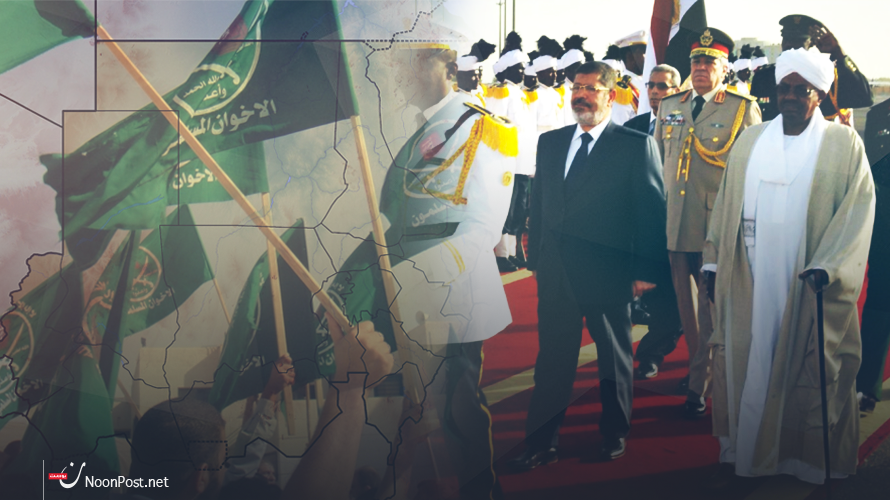
عزل الجيش المصري بقيادة وزير الدفاع عبدالفتاح السيسي الرئيس السابق محمد مرسي من منصبه في الثالث من يوليو عام 2013، وعين بدلًا منه رئيس المحكمة الدستورية العليا آنذاك المستشار عدلي منصور، مستغلًا حالة من السخط الشعبي على حكم جماعة الإخوان المسلمين التي صعدت بمرشحها الرئاسي محمد مرسي إلى سدة الحكم قبل عام من تاريخ انقلاب الجيش عليه.

تزامن مع تحركات الجيش حملات أمنية مكثفة استهدفت قيادات الجماعة وأعضائها من كافة المستويات التنظيمية بالاعتقالات والمحاكمات، فيما ظل أنصار الرئيس المعزول معتصمين في ميداني رابعة العدوية والنهضة مطالبين بعودته وإلغاء كافة الإجراءات التي ترتبت على الانقلاب عليه، حتى قررت السلطات الأمنية التي تولت حكم البلاد في ذلك الوقت فض الاعتصامات بالقوة.

أعقب ذلك تصاعد في وتيرة القمع والعنف تجاه الجماعة وأنصارها من قِبل النظام الجديد الذي قاده في السر وزير الدفاع عبدالفتاح السيسي من خلف المعين عدلي منصور، حتى صعد إلى سدة الحكم بعد ذلك بشكل علني، حيث قتل المئات من أعضاء الجماعة وأنصارها في العديد من التظاهرات التي خرجت رافضة للانقلاب العسكري، واعتقل عشرات الآلاف منهم على خلفية معارضة النظام، وعلى رأسهم القيادات التنظيمية للجماعة من أعضاء مكتب الإرشاد ومجلس الشورى العام وهيئات الجماعة التنفيذية في كافة المحافظات.

لم تشهد الجماعة ضربات أمنية متتالية كهذه من قبل حتى في أحلك الظروف التي عاشتها الجماعة، حيث اعتقل المرشد العام للجماعة ومعه أبرز قياداتها السياسية، ولم تكتف الأجهزة الأمنية باعتقال الصف الأول في الجماعة وتوجيه تهم لهم متعلقة بالإرهاب، بل طالت المطاردة الصفوف الثانية والثالثة في الجماعة، لا سيما من الشباب الفاعل على الأرض.

اكتظت السجون والمعتقلات وأماكن الاحتجاز في مصر بأعضاء جماعة الإخوان المسلمين، ويجري البحث حتى الآن عن بقيتهم، حيث اعتمدت استراتيجية الأمن على اعتقال القيادات التنفيذية التي تولت أي مناصب رسمية داخل الدولة أو ترشحت لأي انتخابات عقدت في السنوات الماضية، وهو الأمر الذي أطلق عليه البعض سياسة تجفيف المنابع التنظيمية للجماعة من قِبل الأمن.

أدركت البقية المطاردة من قيادات وأفراد الجماعة بُعيد عملية فض اعتصامي رابعة العدوية والنهضة أن استمرار تواجدهم داخل مصر يُشكل خطرًا على التنظيم، فقرر البعض منهم بتكليفات رسمية وبتصرفات فردية الخروج من البلاد.

لم يكن في الخارج من قيادات الجماعة سوى الدكتور محمود حسين الذي كان يشغل منصب الأمين العام وقتها بجانب نائب المرشد العام الراحل جمعة أمين، واللذين خرجا بتكليف رسمي من مكتب الإرشاد في مصر قبيل تظاهرات 30 من يونيو التي سبقت تحركات الجيش، وذلك تحسبًا لأي طارئ، وهو تصرف اعتادت الجماعة عليه في أوقات الاضطرابات.

كيف خرج أعضاء الجماعة من مصر بعد فض الاعتصامات؟

أخذت مجموعات من أعضاء الجماعة قرار الخروج من مصر بطرق مختلفة، حيث خرجت القيادات الغير مشهورة عن طريق المطارات والموانئ بصورة قانونية قبيل صدور أي قرارات أمنية بمنعهم من السفر، ولجأ البعض الآخر إلى دفع رشاوى لضباط  بالمطارات والموانئ لتسهيل عبورهم إلى خارج البلاد.

ومع ازدياد الضغط الأمني والملاحقات وصدور قرارات المنع من السفر وتشديد الرقابة على منافذ المطارات باتت عمليات الخروج بطرق شرعية أشبه بالمستحيل، خاصة في حالات القيادات التنفيذية المعروفة لدى الأمن، مما اضطر الجماعة للبحث عن سبل أخرى لخروج أعضائها.

كانت البدائل المتاحة كلها تصب في خانة التهريب عبر الحدود البرية بداية من حدود مصر الغربية مع ليبيا، والحدود الجنوبية مع دولة السودان، لكن مسألة العبور عبر ليبيا كانت أشد صعوبة من أمر المرور عبر السودان، وقد سجلت حالات ضبط للعديد من عناصر الجماعة أثناء محاولات التسلل عبر الحدود الغربية، لعل أبرز هؤلاء القيادات الداعية صفوت حجازي الذي ألقي القبض عليه قبل مدخل الواحات على الحدود الغربية التي تنشط عليها دوريات الجيش.

السودان نقطة الانطلاق

تشهد الحدود المصرية السودانية الكثير من عمليات التهريب الخاصة بالبضائع والبشر، وهو الأمر الذي سهل لأعضاء الجماعة الخروج من خلاله إلى دولة السودان التي مثلت لأعضاء الجماعة نقطة انطلاق إلى العالم، حيث تمكن المئات من أعضاء الجماعة من المرور عبر هذا الطريق البري بين مصر والسودان ومن ثم توفيق أوضاعهم بالسودان ومنها السفر إلى الخارج.

لذا تشكلت قاعدة من إخوان مصر في السودان عن طريق هذا الممر البري، ورغم محاولات عدة من الأمن المصري لضبط هذا الأمر إلا أنه يمكن القول بأنه نشاط غير مرتبط  بالجماعة من الأساس، لأن نشاط التهريب على الحدود المصرية السودانية أعقد من عمليات التهريب البسيطة التي ربما يستفيد منها أعضاء الإخوان فقط للمرور إلى السودان، لكنها موجودة ومستمرة منذ زمن بعيد.

 وقد نجحت عدة عمليات أمنية في إحباط محاولات هروب للعديد من أعضاء الجماعة عبر الحدود البرية الجنوبية، أبرزها إحباط محاولة تهريب لنجل الرئيس السابق محمد مرسي، إلا أن النسبة الأكبر من عمليات المرور عبر الحدود نجحت بشكل كبير.

الجانب المصري يتهم السودان بصورة غير مباشرة بدعم أعضاء الإخوان الفارين إليه، إلا أن الموقف الرسمي السوداني ينفي ذلك دائمًا، وقد خرجت بعض وسائل الإعلام المصرية الموالية للنظام لتردد أحاديث متواترة عن دعم النظام السوداني لجماعة الإخوان المسلمين كون النظام الحاكم في السودان ينحدر من خلفية إسلامية.

ولكن ما حقيقة دعم السودان للإخوان المصريين اللاجئين إليها؟

في الحقيقة لجأ الإخوان إلى عدة دول بعد الانقلاب العسكري كانت في مقدمتهم دولتي قطر وتركيا اللتين رفضتا بصورة أو بأخرى تحركات الجيش ضد الجماعة في مصر، ولجأ البعض الآخر إلى السفر لدولة ماليزيا خاصة من فئة الطلاب، وقد كانت السودان نقطة انطلاق الغالبية إلى هذه الدول.

إلا أنه وبحسب قيادي بالجماعة مقيم في السودان يرى أن دولة السودان هي كبرى الدول التي قدمت دعمًا لأعضاء الجماعة الخارجين من مصر، حتى أنه يراها تتقدم في ذلك على دولتي قطر وتركيا ولكن بدون عملية إعلان رسمي حتى لا تقع الجارة الجنوبية في مصر في حرج مع النظام الجديد الوليد في مصر.

إذ يتواجد الإخوان المصريون في السودان بدون عوائق الإقامة الرسمية نظرًا لعدم حاجة المصريين إلى إجراءات الإقامة في السودان بسبب اتفاقية الحقوق الأربعة التي يتمتع بها المصريون، كما تسهل لهم بعض أجهزة الحكومة الرسمية التحرك في السودان بغية العمل والدراسة، فيما تسهل أيضًا الأجهزة الأمنية السودانية عملية توفيق الأوضاع القانونية لأعضاء الجماعة الداخلين إلى السودان بصورة غير شرعية.

هذا الاحتواء من قِبل النظام السوداني لأعضاء الجماعة الفارين من مصر أوجد حساسية بين النظام المصري بقيادة عبدالفتاح السياسي، والنظام السوداني بقيادة عمر البشير المنحدر من خلفية إسلامية وقائد ما يُسمى بالحركة الإسلامية داخل السودان، هذا الأمر الذي أطلق عليه بعض المراقبين بالتوتر المكتوم الذي لم يظهر على شاشات وسائل الإعلام رغم زيارة السيسي إلى السودان أكثر من مرة في الأوانة الأخيرة.

وثيقة مسربة لاجتماع حكومي سوداني توصي بدعم الإخوان

نون بوست

نون بوست

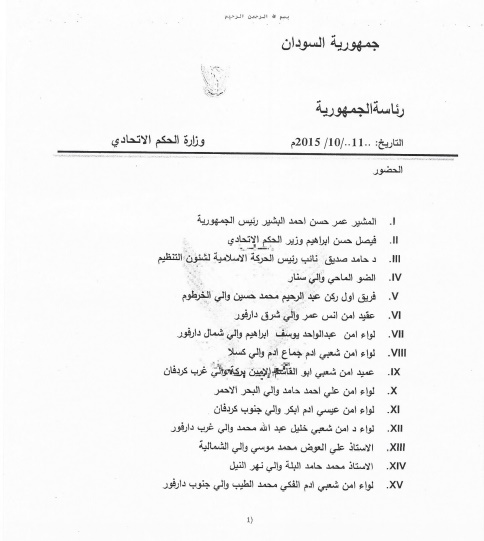
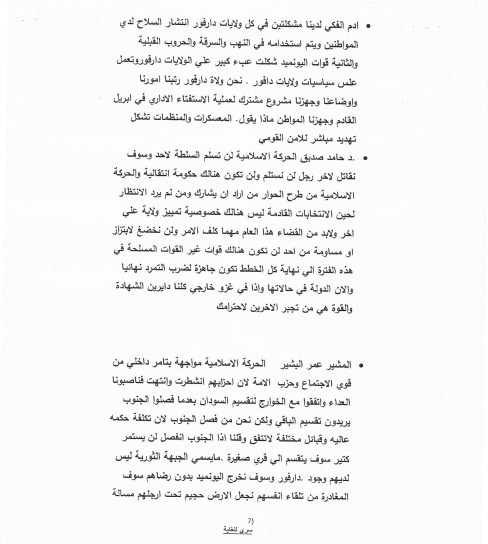
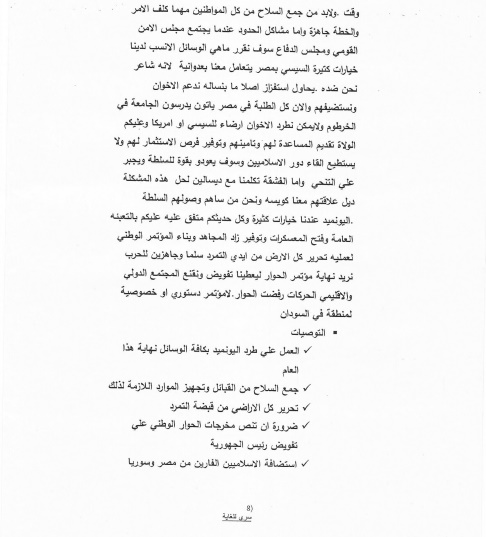
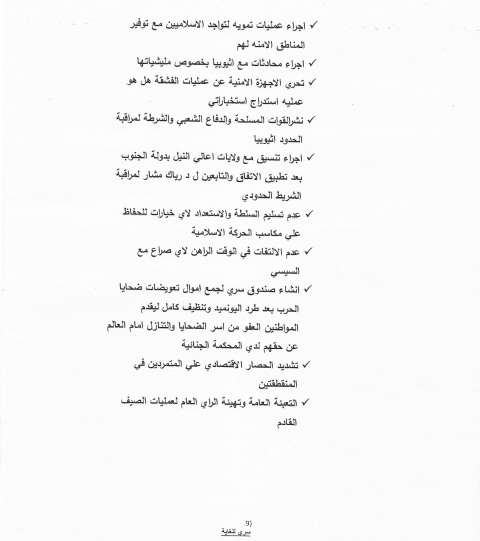
أكدت وثيقة مسربة لاجتماع حكومي سوداني ترأسه الرئيس السوداني المشير عمر حسن البشير بتاريخ الحادي عشر من أكتوبر العام الماضي، قام بنشرها الباحث المتخصص في الشؤون السودانية “إريك ريفز”، تحدثت عن توصيات بمساعدة الإخوان المصريين في السودان وتأمينهم وتوفير فرص الاستثمار لهم.

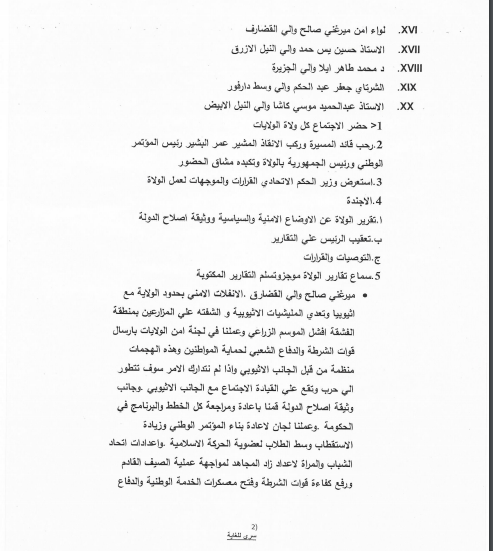
إذ تتحدث الوثيقة عن اجتماع حكومي لقيادات أمنية وإدارية من المستويات العليا في الدولة السودانية حضره كافة الولاة للمحافظات السودانية، وبدأ بتقرير الولاة عن الأوضاع الأمنية والسياسية للبلاد، وأعقبها البشير بتعليقات على تقارير الولاة، ومن ثم أصدر توصيات وقرارات بشأنها.

نون بوست

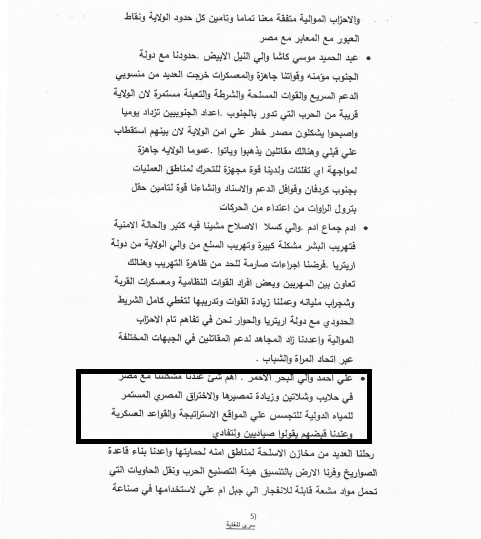
كانت أبرز تعليقات البشير في هذا الصدد تتحدث عن نظرة السيسي العدائية إليهم باعتبارهم أعداء له، كما اشتكى والي البحر الأحمر علي أحمد من الاختراق المصري المتكرر للمياه الدولية والتجسس على المواقع الإستراتيجية والقواعد العسكرية السودانية، وعندما تلقي القوات السودانية القبض عليهم تعلل مصر بكونهم صيادين، ولتفادي هذا أشار والي البحر الأحمر أنهم قاموا بترحيل العديد من مخازن الأسلحة لمناطق آمنة.

نون بوست

هذا وكانت القوات السودانية قد ألقت بالفعل القبض على العديد من المصريين في حوادث متفرقة في الشهور الماضية ووجهت إليهم تهم التجسس، ولكن الجانب المصري تدخل لنفي التهمة عنهم بصفتهم صيادين.

وبالعودة إلى موقف الرئيس السوداني من الإخوان المصريين في السودان فقد أكد أن السيسي يتعامل معهم بعدوانية بسبب استضافتهم للإخوان المصريين، وقد ذكر أن العديد من طلاب الجماعة باتوا يدرسون في الجامعات السودانية، واستبعد البشير في تعليقه طرد الإخوان المسلمين من السودان وتسليمهم للسيسي وأمريكا بحسب وصفه في الوثيقة.

نون بوست

ووجه تعليماته للولاة بتقديم المساعدة لهم وتأمينهم وتوفير فرص الاستثمار لهم، مضيفًا أنه لا يمكن إلغاء دور الإسلاميين، متوقعًا أنهم سوف يعودوا إلى السلطة بحسب ما ورد في الوثيقة المسرية التي حملت وصف سري للغاية.

نون بوست

تظهر هذه الوثيقة الموقف السوداني غير المعلن من جماعة الإخوان المسلمين في مصر، حيث تتمتع الجماعة بعلاقات طيبة بالحركة الإسلامية السودانية والحزب الحاكم، وهو ما ظهر في استضافتهم بعد الانقلاب العسكري، وتسهيل أمور إقامتهم في البلاد.

حيث يدرس العشرات من طلاب الجماعة في مدارس وجامعات السودان الآن، وتمثل السودان معبر للقيادات الإخوانية المصرية إلى الخارج بالتنسيق مع أجهزة الأمن والمخابرات السودانية التي تدخلت في أكثر من حالة تم إلقاء القبض عليها على الحدود المصرية داخل السودان للإفراج عنها، وهو ما يعكس العلاقة القوية بين الطرفين في هذه الآونة، فيما بدأ البعض من رجال أعمال الجماعة في الاستثمار داخل السودان في عدة مشاريع قائمة بالفعل.

بينما تفضل الأجهزة الرسمية السودانية الظهور بموقف أكثر دبلوماسية مع النظام المصري لعدم الدخول في صدام مباشر معه، وكذلك الأمر يفضله الجانب المصري الذي يحاول استمالة الموقف السوداني إلى جانبه في قضية سد النهضة، إلا أن المواقف الداخلية خاصة بين الأجهزة المخابراتية في البلدين تشهد صراعًا غير مسبوق، ولكن بحسب هذه الوثيقة فإنه ليست على أولويات النظام الصراع حاليًا مع السيسي، مع الاستمرار في دعم الإسلاميين القادمين من مصر وتوفير مناطق تمويه لهم داخل السودان.

TAGGED: الإخوان المسلمين ، الإخوان المصريين في السودان ، الانقلاب العسكري في مصر ، الحركة الإسلامية في السودان ، الرئاسة السودانية
TAGGED: الإخوان المسلمون
Download this article as PDF
Share this Article
Facebook Twitter Whatsapp Whatsapp Telegram Email Copy Link
فريق التحرير
By فريق التحرير تقارير يعدها فريق تحرير نون بوست.
Follow:
Next Article نون بوست The Stigma of “ISIS”: A Heavy Legacy Haunting Women and Children of Former Members

Read More

  • U.S. Regime‑Change Policies: Why They Are Destined to Fail U.S. Regime‑Change Policies: Why They Are Destined to Fail
  • The Gulf’s Balancing Act: Iran, Israel, and Hidden Links
  • Iraq–Turkey Oil Export Treaty: Why Did Ankara Cancel It After 52 Years?
  • Syria’s Northeast on Edge: QSD Between Ankara and Damascus
  • Has Europe Changed Its Stance on Israel… or Just Its Language?
part of the design
NoonPost Weekly Newsletter
dark

An independent media platform founded in 2013, rooted in slow journalism, producing in-depth reports, analysis, and multimedia content to offer deeper perspectives on the news, led by a diverse young team from several Arab countries.

  • Politics
  • Society
  • Rights & Liberties
  • Opinions
  • History
  • Sports
  • Education
  • Technology
  • Economy
  • Media
  • Arts & Literature
  • Entrepreneurship
  • Travel
  • Cinema & Drama
  • Food
  • Health
  • Culture
  • Latest Reports
  • Files
  • Long Reads
  • Interviews
  • Podcast
  • Interactive
  • Encyclopedia
  • In Pictures
  • About Us
  • Our Writers
  • Write for Us
  • Editorial Policy
  • Advanced Search
Some rights reserved under a Creative Commons license

Removed from favorites

Undo
Go to mobile version