NoonPost NoonPost

NoonPost

  • Home
  • Politics
  • Economy
  • Society
  • Culture
  • Files
  • Long Reads
  • Podcast
AR
Notification Show More
نون بوست
“There Are Nights I Can’t Close My Eyes”: How Gazans Are Living in Homes on the Brink of Collapse
نون بوست
From al-Jolani to Ahmad al-Shara: The Evolution of Syria’s New Leader
نون بوست
When Political Islam Receded in Egypt: Who Filled the Void?
نون بوست
An Extension of Genocide: Gaza’s Detainees Speak Out
نون بوست
A Tightrope Between Survival and Sovereignty: The Syrian Government Faces Normalization Pressures
نون بوست
American Aircraft Carriers: Has the Era of “100,000 Tons of Diplomacy” Ended?
نون بوست
U.S. Regime‑Change Policies: Why They Are Destined to Fail
نون بوست
Transformations of Israeli Judaism: Between the Victim Complex and the Colonizer’s Doctrine
نون بوست
The Gulf’s Balancing Act: Iran, Israel, and Hidden Links
نون بوست
Iraq–Turkey Oil Export Treaty: Why Did Ankara Cancel It After 52 Years?
نون بوست
Syria’s Northeast on Edge: QSD Between Ankara and Damascus
نون بوست
Has Europe Changed Its Stance on Israel… or Just Its Language?
NoonPost NoonPost
AR
Notification Show More
نون بوست
“There Are Nights I Can’t Close My Eyes”: How Gazans Are Living in Homes on the Brink of Collapse
نون بوست
From al-Jolani to Ahmad al-Shara: The Evolution of Syria’s New Leader
نون بوست
When Political Islam Receded in Egypt: Who Filled the Void?
نون بوست
An Extension of Genocide: Gaza’s Detainees Speak Out
نون بوست
A Tightrope Between Survival and Sovereignty: The Syrian Government Faces Normalization Pressures
نون بوست
American Aircraft Carriers: Has the Era of “100,000 Tons of Diplomacy” Ended?
نون بوست
U.S. Regime‑Change Policies: Why They Are Destined to Fail
نون بوست
Transformations of Israeli Judaism: Between the Victim Complex and the Colonizer’s Doctrine
نون بوست
The Gulf’s Balancing Act: Iran, Israel, and Hidden Links
نون بوست
Iraq–Turkey Oil Export Treaty: Why Did Ankara Cancel It After 52 Years?
نون بوست
Syria’s Northeast on Edge: QSD Between Ankara and Damascus
نون بوست
Has Europe Changed Its Stance on Israel… or Just Its Language?
Follow US

The Story of U.S. Sanctions on Tehran

هبة بعيرات
Hiba Birat Published 26 March ,2026
Share
نون بوست
نون بوست

Since Tehran broke free from Western influence with the Islamic Revolution led by Khomeini in 1979—toppling the Shah, who was backed by the West—Washington has been measuring the depth of this new regime and determining the most effective ways to shape and curb its defiance.

The United States gradually built a massive sanctions apparatus, enacted through presidential executive orders and congressional legislation. These measures targeted Iran’s oil and industrial sectors, military apparatus, and its financial and banking networks. Washington sometimes acted alone and at other times leveraged multilateral alliances, justifying its actions by pointing to terrorism support, nuclear ambitions, and human rights abuses.

Over four and a half decades, Washington experimented with various approaches, adapting strategies depending on the occupant of the White House—from soft diplomacy to a “maximum pressure” campaign—and even covert operations via proxy wars, far from both Washington and Tehran.

Driven to seek alternatives and forge counter-alliances, Tehran entered each escalation with a legacy of regional balances and partnerships. This foundation dimmed fears of chaos when direct U.S.–Iranian confrontations occurred.

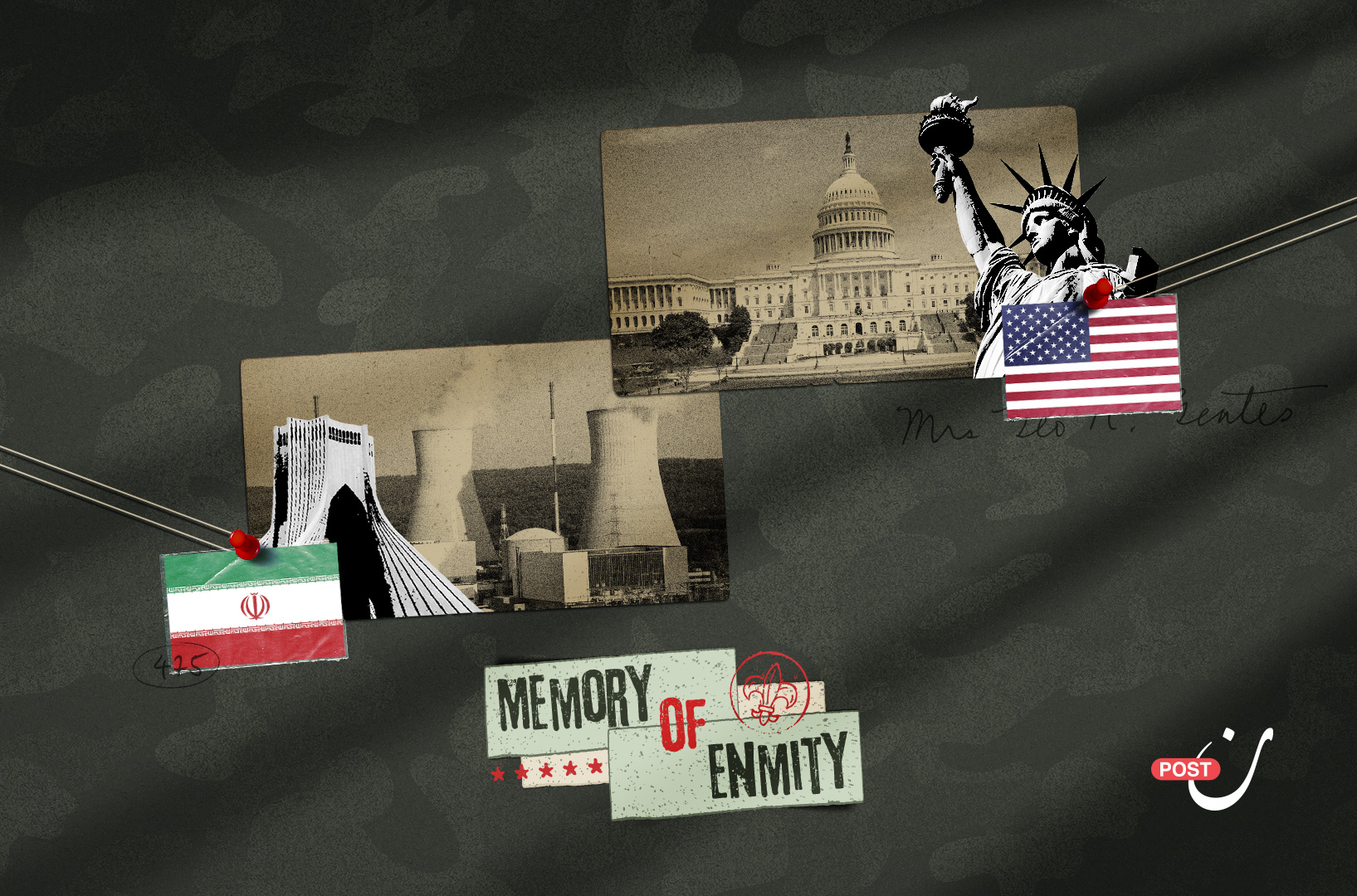
What have been the U.S. sanctions on Tehran? How were they used to isolate the regime and influence global alliances? Have Iranian domestic dissent and internal divisions played a role? What impact did sanctions have on the streets of Tehran? What alternatives did Iran pursue, and why does a power vacuum in Tehran now concern U.S. policy? This article in our “Memory of Hostility” series attempts to answer these and related questions.

A Long Saga of Sanctions

The U.S. began constraining the new Iranian regime soon after the 1979 hostage crisis, in which Iranian students held over 50 Americans hostage for more than 400 days, demanding the Shah’s extradition. By October 7, 2023, the U.S. had enacted approximately 1,615 individual sanction rounds against Iran.

President Carter responded by freezing around $8.1 billion in Iranian assets and imposing a full trade embargo via Executive Order 12170. These sanctions were lifted in 1981 with the Algiers Accords.
They marked the first use of the International Emergency Economic Powers Act (IEEPA), a legal tool enabling U.S. presidents to impose economic restrictions for national security, which became the foundation for future sanctions.

President Reagan broadened the scope, branding Iran a state sponsor of terrorism, banning arms sales, and tightening embargoes—especially during the first Gulf War.

But it wasn’t until the 1990s that comprehensive sanctions truly took shape—as Iran recovered from the Gulf War and revived its nuclear program. Under Clinton, Congress passed the Iran–Libya Sanctions Act (1996), later renamed the Iran Sanctions Act (2006), establishing the basis for targeting third-party entities under “secondary sanctions.”

These sanctions spread across all aspects of Iran’s economy, from energy and petrochemicals to finance, technology, military goods, and dual-use items. They also targeted private individuals and foreign entities involved with Iran’s oil export and financial dealings.

From Diplomacy to Maximum Pressure

Despite imposing new sanctions, Obama sought diplomacy through the JCPOA nuclear deal, temporarily freezing the nuclear program in exchange for lifting primary and secondary sanctions, including financial restrictions. The U.N. arms embargo ended in October 2020 after the U.S. failed to renew it.

Trump abandoned the JCPOA and enacted a sweeping “maximum pressure” campaign: labeling the IRGC a terrorist organization, reimposing nuclear-era sanctions, and enforcing 960 individual and entity sanctions. He also blacklisted 37 Iranian banks, including the National Oil Company. The financial watchdog FATF added Iran to its blacklist.

Biden, constrained by Trump-era legacies, eased some restrictions—releasing limited frozen assets and freeing U.S. detainees—but JCPOA negotiations stalled.

Trump’s return reintroduced even tighter measures: National Security Memorandum 2 (February 2025) reemphasized threats from Iran’s nuclear ambitions, women’s rights abuses, and terrorism. It reinstated Biden-era sanctions and barred trade links with China related to Iranian oil and defense, while engaging intermediaries in Oman for negotiations.

Effect on Tehran’s Streets

The sanctions deeply crippled Iran’s economy and society:

  • Oil sector collapse: Exports fell from ~2.5 million to ~400,000 barrels/day since 2017.

  • Financial isolation: Disconnection from SWIFT-system and banking freezes caused the rial to depreciate ~80%, driving inflation well over the government’s 42% figure.

  • Economic stagnation: Transaction barriers, credit scarcity, and limited trade routes deepened recession.

  • Humanitarian impact: Despite exemptions, sanctions on banks hindered imports of food and medicine. The U.N. human rights rapporteur called the effects “hurtful and unjust,” limiting U.N. food and health responses. Human Rights Watch reported critical shortages in essential drugs and medical equipment, weakening hospitals and hurting patients.

  • Social distress: Rising unemployment and brain drain fueled protests—most notably after Mahsa Amini’s death (2022) and the “Bloody November” fuel protests (2019).

Western Unity and Iran’s Counterweights

The U.S. successfully rallied Europe and the U.N. behind sanctions. The EU adopted ten sanction packages since 2011, targeting Tehran for nuclear activity, human rights abuses, and terrorism—reinforced by a human rights narrative defending Iranian women. Its current sanctions remain effective through April 13, 2026.

The U.N. Security Council imposed nuclear-related constraints from 2006, though never fully extended an oil embargo. The arms embargo lifted in October 2020 due to vetoes from Russia and China.

To evade sanctions, Iran developed a shadow economy using illicit networks:

  • Global smuggling: Reports reveal Iranian and Indonesian airlines (e.g., PT Asia Global Airlines) transported restricted items, including arms, via Oman and Indonesia.

  • Hubs in Dubai: Tehran used multi-national front companies to import banned goods.

  • China oil purchases: China remained the primary buyer, concealing Iranian oil imports via cover routes in UAE, Malaysia, and Oman—only openly declaring imports in 2022.

  • Financial workarounds: Iran turned to crypto and foreign exchange firms in the UAE to funnel petrochemical revenue; firms like PGPICC reportedly laundered billions through proxy networks.

U.S. sanctions extended to these Chinese, Emirati, and Hong Kong entities; the Treasury created a global compliance system targeting weapons, oil, and financial networks.

Sanctions Through Iran’s Internal Lens

Iranian domestic and diaspora opposition views diverge:

  • Some activists welcome sanctions, hoping they pressure the regime and empower internal dissent. Groups like the National Council of Resistance blame corruption and economic collapse on the ruling elite—sometimes attributing unrest (e.g., 2019, 2022 protests) to U.S. influence.

  • Others oppose sanctions, arguing they undermine reform efforts, restrict civil society, and shield hardliners. A piece in The American Conservative highlighted this viewpoint—calling for relief to support internal reformers.

Tehran, in turn, used the protests to justify security crackdowns, label activists as foreign agents, and strengthen its narrative of resisting Western aggression. It promoted a “resistance economy”—relying on domestic production, deepening ties with China and Russia, and blaming external meddling for economic woes.

Download this article as PDF
Share this Article
Facebook Twitter Whatsapp Whatsapp Telegram Email Copy Link
هبة بعيرات
By هبة بعيرات كاتبة، ومحامية ممارسة في ولاية نيويورك الأمريكية، ماجستير في القانون الدولي وحقوق الإنسان.
Follow:
Previous Article نون بوست The Hunger Battle: How Gaza’s Mothers Feed Their Children Under Siege
Next Article نون بوست SDF and Damascus: From Negotiating Table to the Brink of Confrontation?

Read More

  • U.S. Regime‑Change Policies: Why They Are Destined to Fail U.S. Regime‑Change Policies: Why They Are Destined to Fail
  • The Gulf’s Balancing Act: Iran, Israel, and Hidden Links
  • Iraq–Turkey Oil Export Treaty: Why Did Ankara Cancel It After 52 Years?
  • Syria’s Northeast on Edge: QSD Between Ankara and Damascus
  • Has Europe Changed Its Stance on Israel… or Just Its Language?
part of the design
NoonPost Weekly Newsletter

You May Also Like

U.S. Regime‑Change Policies: Why They Are Destined to Fail

U.S. Regime‑Change Policies: Why They Are Destined to Fail

إسراء سيد Esraa sayed 8 April ,2026
The Gulf’s Balancing Act: Iran, Israel, and Hidden Links

The Gulf’s Balancing Act: Iran, Israel, and Hidden Links

فريق التحرير Noon Post 8 April ,2026
Iraq–Turkey Oil Export Treaty: Why Did Ankara Cancel It After 52 Years?

Iraq–Turkey Oil Export Treaty: Why Did Ankara Cancel It After 52 Years?

فريق التحرير Noon Post 8 April ,2026

موتى بالعشرات بمخيم الرقبان بين سوريا والأردن

ديفيد هيرست
ديفيد هيرست Published 5 February ,2016
Share
220163133449347

كشف تقرير للكاتب البريطاني ديفيد هيرست عن مصرع العشرات من اللاجئين خلال الأسبوعين الماضيين في مخيم أقيم للاجئين السوريين في منطقة الرقبان على حدود سوريا مع الأردن، حيث قال هيرست في تقريره الذي نشرته صحيفة “ميدل إيست آي” إن المخيم الذي أقيم في منطقة نائية على الحدود مع الأردن تنقصه التجهيزات اللازمة.

وأضاف الكاتب أن عواصف الشتاء القارص وجراحات الحرب وسوء التغذية والأمراض اجتمعت لتفتك بالضعفاء من هذا الفوج الجديد من اللاجئين الذين شردهم من ديارهم داخل سوريا القصف الروسي وتنكيل تنظيم الدولة، حسب ما أفادت له به مصادر مطلعة.

وتقول المصادر إن معظم الضحايا من الأطفال والنساء وكبار السن، والذين يشكلون جزءا من تجمع جديد للاجئين يقدر عددهم ما بين 18 و19 ألفا انتهى بهم المطاف إلى منطقة الرقبان، ويقع مخيم الرقبان في منطقة حرام حيث تلتقي الحدود الأردنية والسورية والعراقية، والمخيم الذي يبعد ما يقرب من 120 كيلومترا عن أقرب قرية له هي الرويشد، لا توجد فيه سوى بئر مياه واحدة جرى حفرها، ولا توجد فيه طرق معبدة، وقبل عشرة أيام أدى سقوط الأمطار الغزيرة إلى عزله تماما وظلت السبل إليه لما يقرب من عشرة أيام غير نافذة.

وتابع التقرير أن الأحوال الصحية وأوضاع النظافة في غاية السوء، الأمر الذي أدى إلى انتشار التهاب الكبد الوبائي بين قاطني المخيم.

ونقل التقرير تصريحا عن أحد مسؤولي الإغاثة عاد من الرقبان يوم الأربعاء، واشترط عدم الإفصاح عن هويته: “ما بين سبعين إلى مائة لاجئ لقوا مصرعهم خلال الأسبوعين الماضيين في الرقبان بسبب عواصف الشتاء، في الوقت الذي استمر فيه تدفق اللاجئين من كل مكان بما في ذلك منطقة الحجر الأسود، ما لبث هؤلاء يتدفقون على المكان منذ شهور عدة، وبعضهم وصل لتوه”.

وفي معرض وصفه للأوضاع هناك، قال مسؤول إغاثة أردني آخر عاد لتوه من المخيم: “معظم من توفوا هم من الأطفال والنساء والمسنين، وبعض هؤلاء قضوا نحبهم بسبب جراحات أصيبوا بها في الحرب ولم يجدوا من يداويها لهم، كما توفي عدد منهم بسبب الأمراض مثل التهاب الكبد الوبائي. لا يوجد صرف صحي واللاجئون يعانون من نقص في التغذية ثم هناك البرد القارص، وكل هذه عوامل اجتمعت لتقضي عليهم”.

أما زينب الزبيدي، رئيسة جمعية الأيادي البيضاء للتنمية الاجتماعية، وهي واحدة من الوكالات القليلة جدا التي تقدم العون للاجئين في المخيم، فقالت: “لا أبالغ حين أقول إن الكلاب تعيش في أوضاع أفضل من تلك التي يعيش فيها هؤلاء اللاجئون”

وتضيف زينب الزبيدي: “يوجد بعض الأطباء ولكن عددهم غير كاف على الإطلاق، ولا توجد سيارات إسعاف لنقل الحالات المستعجلة والطارئة للعلاج في المستشفيات، ولا توجد مواد طبية كافية. الجيش الأردني يشرف على المخيم ولكن لا توجد منظمات دولية فيما عدا الصليب الأحمر وبعض المنظمات الأردنية مثل جمعيتنا، بل نحن المنظمة الوحيدة تقريبا التي تعمل هناك بشكل منتظم”.

وتابعت: “حتى الأمس (وكان ذلك يوم الأربعاء) كان تعداد اللاجئين في المنطقة يتراوح ما بين 18 و19 ألفا. لا توجد سلطة تنظم الأمور داخل المخيم، والناس يحاولون العيش بشكل طبيعي قدر استطاعتهم، ولكن لا توجد سلطة تفرض النظام والأمن، كما يتعرض اللاجئون من حين لآخر للسرقة”.

ويتم تطعيم أفراد الطواقم الطبية التابعة للجيش قبل دخولهم المخيم، إلا أن نشطاء الإغاثة الأردنيين الذين يدخلون المخيم غير مطعمين.

تقول زينب الزبيدي: “تعيش خمس عائلات في كل خيمة، وهذا يعني أن كل خيمة تؤوي ما بين 30 إلى 40 فردا، وكثير من هؤلاء هم من الفتيات اللواتي تقطعت بهن السبل وانفصلن عن عائلاتهن هربا من ظروف مأساوية في غاية السوء، معظم اللاجئين فروا من بطش تنظيم الدولة ومن بطش نظام الأسد على حد سواء”.

تأتي أخبار الوفيات داخل المخيم في الوقت الذي يتقاطر فيه زعماء ودبلوماسيو العالم على لندن للمشاركة في مؤتمر المانحين بهدف جمع التبرعات للاجئين السوريين، وكانت المملكة المتحدة ومملكة النرويج قد أعلنتا قبل أن تبدأ أعمال المؤتمر بأنهما ستخصصان مبلغا قدره 2.9 مليار دولار على مدى الأعوام الأربعة المقبلة.

تسعى الأمم المتحدة إلى جمع 9 مليارات دولار لهذا العام وحده نظرا لاستمرار تدفق اللاجئين من سوريا بسبب القتال، والذي لم تفلح محادثات السلام في جنيف في وضع حد له.

ما من شك في أن اللاجئين المحصورين في منطقة الرقبان هم الآن في أمس الحاجة إلى أموال المجتمع الدولي.

ترددت زينب الزبيدي في البداية في توجيه أصابع اللوم إلى جهة بعينها جراء الأوضاع المزرية التي يعاني منها سكان المخيم، وقالت إن خدمات الإغاثة التابعة للجيش الأردني مستنزفة تماما، لكنها أضافت: “رغم أنه ليس بإمكانك تحميل المسؤولية إلى جهة بعينها، إلا أن المنظمات الدولية ملامة لأنها لم تقم بما يكفي، ويبدو أنها لم تصح بعد من غفوتها لترى عظم حجم الكارثة، لقد تحمل الأردن الكثير، بل إن 49 بالمائة من سكان الأردن اليوم هم من اللاجئين، ماذا بإمكاننا أن نفعل أكثر من ذلك؟”.

ونقل التقرير عن عضو البرلمان البريطاني أندرو ميتشيل، والذي كان يشغل منصب وزير العون الدولي في حكومة كاميرون الأولى والذي زار مؤخراً الحدود التركية قوله: “تؤكد هذه الظروف المزرية والمأساوية الحاجة الملحة لإزالة جميع العوائق أمام هيئات الإغاثة الدولية حتى تتمكن من الوصول إلى اللاجئين وتقديم العون الذي يحتاجون إليه”، وأضاف: “في الأسبوع الذي ينعقد فيه مؤتمر المانحين في لندن وتتجدد فيها محادثات جنيف، ثمة حاجة طارئة لتحقيق تقدم على المستوى السياسي ولتحسين أوضاع اللاجئين والنازحين وتقديم العون اللازم لهم”.

ولم يجد اللاجئون ملاذا سوى التوجه نحو أبعد نقطة في منطقة نائية عند الحدود الشرقية بسبب اتفاق أبرمه الجيش الأردني مع القبائل في الجانب السوري من الحدود بين البلدين والذي يقضي بغلق الحدود تماما ومنع تسرب اللاجئين عبرها. وفعلاً، تشهد الحدود تواجدا أمنيا مكثفا، كما أن المخيم الرئيس للاجئين في الزعتري عليه حراسة مشددة، ولا يسمح بالدخول إليه أو الخروج منه إلا بإذن مسبق من الأجهزة الأمنية الأردنية.

وكشف ديفيد هيرست أن المخابرات العسكرية في الأردن أحبطت محاولة اغتيال استهدفت مسؤولا عسكريا أردنيا رفيع المستوى أثناء حفل لتخريج الضباط في واحدة من ضواحي العاصمة الأردنية عمان.

ومن الجدير بالذكر أن الأردن هو واحد من ثلاثة أقطار عربية تدعم الهجوم الروسي ضد الثوار في سوريا. ولقد تحدث عاهل الأردن الملك عبد الله سرا وعلانية عبر وسائل الإعلام هذا الأسبوع معبرا عن دعمه لحملة القصف التي يشنها الروس، والتي يعتقد هو أنها أسهمت في تنشيط رد الفعل الغربي المتهاون تجاه تنظيم الدولة.

أما على الحدود، فيتأجج الغضب كلما جاء الناجون السوريون برواياتهم عن المآسي التي يسببها القصف الروسي والذي يدفع بدوره بأفواج جديدة من الناس نحو الحدود مع الأردن هربا من الموت والدمار.

ونقل “ميدل إيست آي” عن أحد العاملين في مجال الإغاثة طلب عدم الإفصاح عن اسمه قوله: “يتحمل القصف الروسي المسؤولية 100 بالمائة عن التدفق الأخير للاجئين. بعض الناس هربوا من داعش (تنظيم الدولة) وبعضهم لاذ بالفرار من بطش النظام، وبعضهم وصلوا من داخل دمشق نفسها”.

وتابع: “لولا القصف الروسي لما شهدنا الأعداد نفسها من اللاجئين. بل إن بعض الناس المحاصرين في حماة وحمص وحلب قطعوا المسافة كلها من شمال سوريا وصولا إلى الحدود الجنوبية الشرقية بحثا عن الأمن والأمان”.

ويؤوي مخيم الزعتري، الذي تعتبر الأوضاع فيه هي الأفضل على الإطلاق بالنسبة للاجئين، ما يقرب من 80 ألف لاجئ سوري من بين ما مجموعه 140 ألف لاجئ مسجلين في المخيمات، بالإضافة إلى ذلك يعيش ما يقرب من 350 ألف سوري في العاصمة عمان، وما يقرب من 125 ألف سوري في مدينة الزرقاء، وما يقرب من 200 ألف سوري في مدينة إربد. ولا غرابة إذن أن يصرح الملك عبد الله هذا الأسبوع في مقابلة مع الـ”بي بي سي” بأن الأردن وصل إلى “نقطة الغليان” قائلاً: “عاجلاً أم آجلاً، أعتقد بأن السد سوف ينهار، وأظن أن هذا الأسبوع مهم جداً بالنسبة للأردنيين الذين يرقبون بشغف ليعرفوا ما إذا كانوا سيحصلون على أي مساعدة، ليس فقط من أجل اللاجئين السوريين بل من أجل مستقبلهم هم أيضا”.

TAGGED: اللاجئون السوريون في الأردن ، مخيم الرقيان ، مخيم الزعتري
TAGGED: اللاجئون السوريون
Download this article as PDF
Share this Article
Facebook Twitter Whatsapp Whatsapp Telegram Email Copy Link
ديفيد هيرست
By ديفيد هيرست مدير تحرير ميدل إيست آي، وكبير الكتاب في الجارديان البريطانية سابقاً
Follow:
Next Article نون بوست The Stigma of “ISIS”: A Heavy Legacy Haunting Women and Children of Former Members

Read More

  • U.S. Regime‑Change Policies: Why They Are Destined to Fail U.S. Regime‑Change Policies: Why They Are Destined to Fail
  • The Gulf’s Balancing Act: Iran, Israel, and Hidden Links
  • Iraq–Turkey Oil Export Treaty: Why Did Ankara Cancel It After 52 Years?
  • Syria’s Northeast on Edge: QSD Between Ankara and Damascus
  • Has Europe Changed Its Stance on Israel… or Just Its Language?
part of the design
NoonPost Weekly Newsletter
dark

An independent media platform founded in 2013, rooted in slow journalism, producing in-depth reports, analysis, and multimedia content to offer deeper perspectives on the news, led by a diverse young team from several Arab countries.

  • Politics
  • Society
  • Rights & Liberties
  • Opinions
  • History
  • Sports
  • Education
  • Technology
  • Economy
  • Media
  • Arts & Literature
  • Entrepreneurship
  • Travel
  • Cinema & Drama
  • Food
  • Health
  • Culture
  • Latest Reports
  • Files
  • Long Reads
  • Interviews
  • Podcast
  • Interactive
  • Encyclopedia
  • In Pictures
  • About Us
  • Our Writers
  • Write for Us
  • Editorial Policy
  • Advanced Search
Some rights reserved under a Creative Commons license

Removed from favorites

Undo
Go to mobile version