NoonPost NoonPost

NoonPost

  • Home
  • Politics
  • Economy
  • Society
  • Culture
  • Files
  • Long Reads
  • Podcast
AR
Notification Show More
نون بوست
“There Are Nights I Can’t Close My Eyes”: How Gazans Are Living in Homes on the Brink of Collapse
نون بوست
From al-Jolani to Ahmad al-Shara: The Evolution of Syria’s New Leader
نون بوست
When Political Islam Receded in Egypt: Who Filled the Void?
نون بوست
An Extension of Genocide: Gaza’s Detainees Speak Out
نون بوست
A Tightrope Between Survival and Sovereignty: The Syrian Government Faces Normalization Pressures
نون بوست
American Aircraft Carriers: Has the Era of “100,000 Tons of Diplomacy” Ended?
نون بوست
U.S. Regime‑Change Policies: Why They Are Destined to Fail
نون بوست
Transformations of Israeli Judaism: Between the Victim Complex and the Colonizer’s Doctrine
نون بوست
The Gulf’s Balancing Act: Iran, Israel, and Hidden Links
نون بوست
Iraq–Turkey Oil Export Treaty: Why Did Ankara Cancel It After 52 Years?
نون بوست
Syria’s Northeast on Edge: QSD Between Ankara and Damascus
نون بوست
Has Europe Changed Its Stance on Israel… or Just Its Language?
NoonPost NoonPost
AR
Notification Show More
نون بوست
“There Are Nights I Can’t Close My Eyes”: How Gazans Are Living in Homes on the Brink of Collapse
نون بوست
From al-Jolani to Ahmad al-Shara: The Evolution of Syria’s New Leader
نون بوست
When Political Islam Receded in Egypt: Who Filled the Void?
نون بوست
An Extension of Genocide: Gaza’s Detainees Speak Out
نون بوست
A Tightrope Between Survival and Sovereignty: The Syrian Government Faces Normalization Pressures
نون بوست
American Aircraft Carriers: Has the Era of “100,000 Tons of Diplomacy” Ended?
نون بوست
U.S. Regime‑Change Policies: Why They Are Destined to Fail
نون بوست
Transformations of Israeli Judaism: Between the Victim Complex and the Colonizer’s Doctrine
نون بوست
The Gulf’s Balancing Act: Iran, Israel, and Hidden Links
نون بوست
Iraq–Turkey Oil Export Treaty: Why Did Ankara Cancel It After 52 Years?
نون بوست
Syria’s Northeast on Edge: QSD Between Ankara and Damascus
نون بوست
Has Europe Changed Its Stance on Israel… or Just Its Language?
Follow US

Selective Memory: Comparing Hamas to the IRA Serves Israel’s Agenda

عماد عنان
Emad Anan Published 26 March ,2026
Share
نون بوست
نون بوست

“It is time for Hamas to relinquish control of Gaza and lay down its arms, just as the Irish Republican Army once did—the situations are comparable.” With this historical analogy, British Foreign Secretary David Lammy attempted to push the Israeli narrative that disarmament is a prerequisite—without guarantees—for ending the campaign of extermination launched by Israeli forces since October 7, 2023.

Lammy, a representative of the same British colonial power that once waged war against the Irish, glosses over a complex, eight-decade conflict that saw the Irish exact heavy losses on the British, including bombing the heart of London near the residence of Iron Lady Margaret Thatcher. Only in the final stretch did the IRA disarm—after a political agreement had been reached to end the war.

In equating Britain with Israel and the Irish Republican Army (IRA) with Hamas, Lammy made a historically neat but substantively flawed comparison. He omitted critical facts: without the IRA’s long and bloody campaign, neither the British colonizer, nor the Europeans, nor even the United States would have come to the negotiating table to strike a peace agreement that ultimately led to the IRA disarming.

Unintentionally, Lammy’s comments also exposed the double standards of the so-called international community, and unmasked the West’s long-standing pretenses of justice and civility.

86 Years of Armed Struggle

The IRA was founded in 1919 to continue the Irish nationalist fight against British occupation—a struggle initiated by 19th-century militant movements, most recently the Irish Volunteers, established in 1913. These groups led major attacks during World War I, most notably the 1916 Easter Rising.

Following that rebellion—what some dubbed the “Easter Revolution”—nationalist militants regrouped under a single umbrella: the Irish Republican Army. Their aim was clear—full liberation from British rule. By 1920, guerrilla warfare had erupted, targeting military barracks, police officers, and collaborators.

The campaign forced Britain to sign the Anglo-Irish Treaty in 1921, splitting the island into two: the partially independent Irish Free State and British-controlled Northern Ireland. This division fractured the IRA—some accepted the compromise, while others continued the fight for full Irish unification.

Thus began a new phase of conflict, nearly a civil war, pitting the pro-treaty government in the south, backed by Britain, against the anti-treaty IRA. Though defeated early on, the IRA did not disband and persisted in its struggle.

From the 1930s to 1960s, the IRA launched attacks in both Ireland and the UK, refining its methods through bombings, ambushes, assassinations, and kidnappings. The July 1972 Belfast bombings alone involved more than 20 explosions, killing nine and injuring 130. Subsequent attacks in Birmingham (1974), Enniskillen (1987), and Warrington (1993) killed dozens more.

Faced with relentless pressure, the British government began backchannel talks with both Irish governments in the mid-1980s, supported by the EU and the US. This resulted in the 1995 Downing Street Declaration between British Prime Minister John Major and Irish Taoiseach John Bruton.

The agreement included the political wing of the IRA—Sinn Féin—as a legitimate negotiating party, in return for the group’s gradual disarmament.

After nearly four years of negotiations, a broadly accepted settlement was reached: semi-unified governance across both parts of Ireland, an autonomous administration in the south, and a public referendum to determine Northern Ireland’s future.

In 2005, after the agreement took effect, the IRA formally abandoned armed struggle and joined the democratic political process to pursue its century-old goal—unifying Ireland.

A Parallel Struggle

There are striking parallels between Hamas and the IRA, from motivations and goals to organizational structure and public support. Both emerged in response to foreign occupation, and both represent marginalized populations.

The IRA championed the cause of Catholic nationalists in Northern Ireland, a group sidelined by British colonial rule. Similarly, Hamas represents a large segment of the Palestinian population—especially in Gaza—seeking independence from Israeli occupation.

Each group has military and political wings: the IRA’s armed resistance was complemented by Sinn Féin; Hamas comprises both the Gaza government and its military arm, the Izz al-Din al-Qassam Brigades.

Both were labeled “terrorist” organizations by opponents and their allies—early in its existence, the IRA faced such designations from the UK, US, and other European countries. Hamas faces similar treatment from Israel, the US, and much of the West.

Both believed liberation required sacrifice, regardless of the cost, and were undeterred by accusations from pacifist or compromising factions.

Each also experienced internal betrayal. The IRA split after the Anglo-Irish Treaty, with some calling for surrender to undermine the movement. Likewise, Hamas has faced betrayal by elements within Fatah, the PLO, and other factions—some of whom have coordinated with Israel to suppress resistance.

Their strategy blends armed resistance with political engagement. The IRA bombed London even as Sinn Féin negotiated peace in Belfast. Hamas continues political negotiations in Doha and Cairo while resistance persists on the ground.

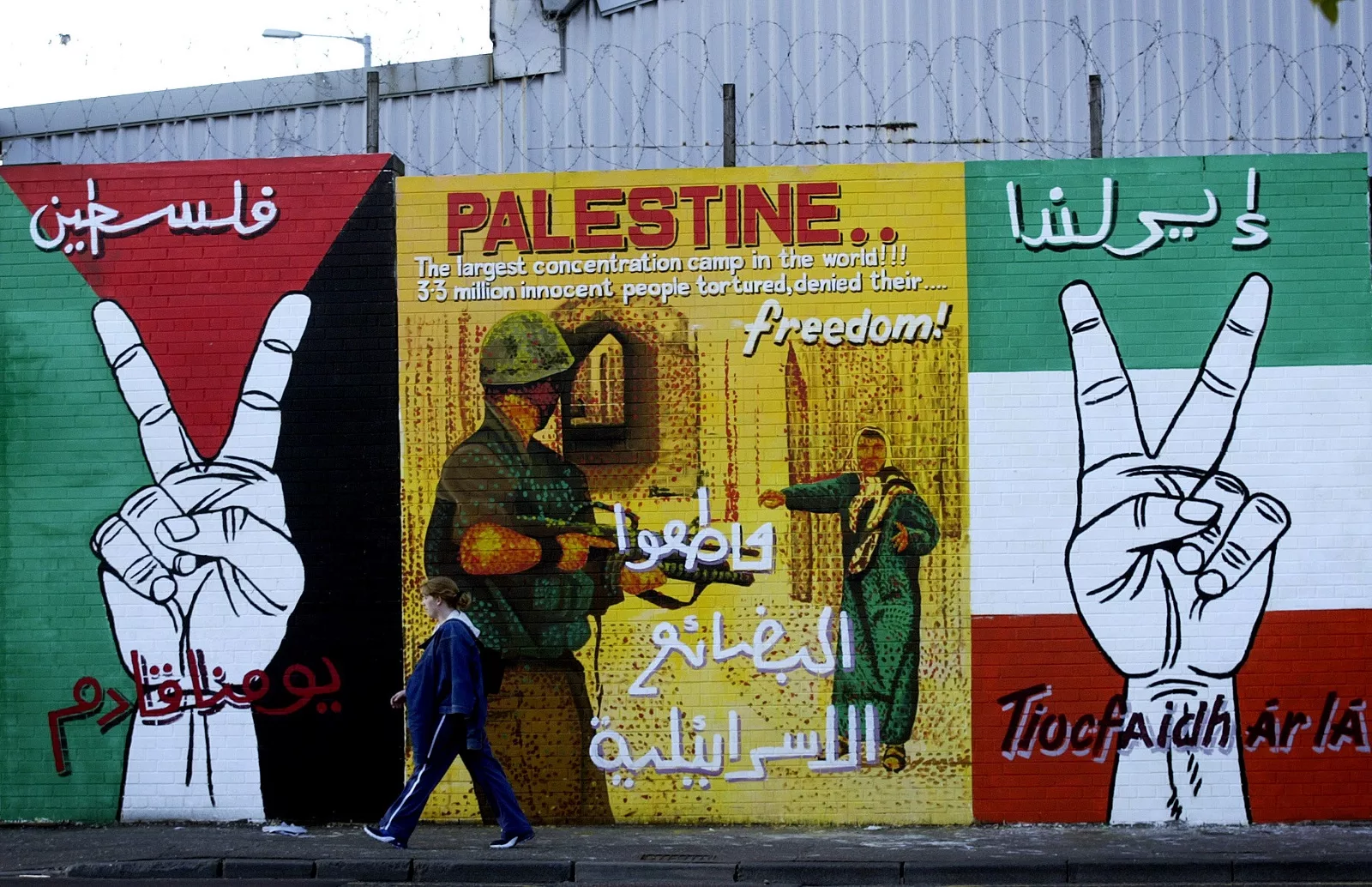
These shared traits have helped forge strong Irish-Palestinian ties. Dublin remains one of Europe’s most vocal defenders of Palestinian rights. Both peoples suffered similar colonial demonization and followed parallel paths of resistance. There are reports of contact and mutual understanding between Palestinian and Irish resistance leaders.

What Lammy Missed—or Chose to Ignore

By invoking only the IRA’s final chapter, Lammy attempted to legitimize Israel’s disarmament demands of Hamas, mirroring Zionist rhetoric with chilling precision. He ignored the long and painful path the IRA took to reach that point, as well as the diplomatic scaffolding—local and international—that made the disarmament possible.

In 1995, the IRA carried out deadly bombings in London and Liverpool, including a failed assassination attempt on Prime Minister Margaret Thatcher—an operation with political and symbolic resonance akin to Hamas’s October 7, 2023 “Al-Aqsa Flood” operation.

Britain, however, did not respond by razing Dublin, starving its population, or destroying basic infrastructure. The British military didn’t target Irish children or women, nor did it impose a total siege.

Nor did the international community stand idle or complicit. European leaders spoke out, and US President Bill Clinton was asked to help mediate peace—unlike today’s silence on Gaza’s devastation.

Britain did not exile IRA leaders or ask Northern Irish civilians to find new homelands under the pretense of turning their land into a “European Riviera,” as is proposed today for Gaza.

On the contrary, the IRA was welcomed into peace talks. Sinn Féin became a governing partner. Meanwhile, Israel and its Western allies seek to erase Hamas from the political landscape entirely, even in post-war scenarios.

Britain, despite its imperial arrogance at the time, only agreed to negotiate with the IRA after nearly a century of armed struggle that cost it dearly. The negotiations saved Britain from further humiliation and bloodshed.

This is exactly what Israel fears: that it too will be forced into negotiations due to continued resistance and the success of Hamas’s guerrilla tactics. Thus, Tel Aviv—backed by Washington and several European capitals—desperately wants to strip Hamas of its weapons and authority, to prevent a repeat of the Irish scenario.

In the end, colonial powers always exhibit a troubling selectivity when reading history. They cherry-pick events to suit their agendas, ignore broader context, and reject narratives that undermine their messaging. That’s precisely what David Lammy did: whether out of ignorance or willful distortion, he parroted Israeli talking points at the expense of historical truth.

Download this article as PDF
Share this Article
Facebook Twitter Whatsapp Whatsapp Telegram Email Copy Link
عماد عنان
By عماد عنان كاتب صحفي وباحث في الإعلام الدولي
Follow:
Previous Article نون بوست Tehran and Washington: Roots of a Deep-Rooted Hostility
Next Article نون بوست What’s Behind Iran’s Shift in Policy Toward Afghan Refugees?

Read More

  • U.S. Regime‑Change Policies: Why They Are Destined to Fail U.S. Regime‑Change Policies: Why They Are Destined to Fail
  • The Gulf’s Balancing Act: Iran, Israel, and Hidden Links
  • Iraq–Turkey Oil Export Treaty: Why Did Ankara Cancel It After 52 Years?
  • Syria’s Northeast on Edge: QSD Between Ankara and Damascus
  • Has Europe Changed Its Stance on Israel… or Just Its Language?
part of the design
NoonPost Weekly Newsletter

You May Also Like

U.S. Regime‑Change Policies: Why They Are Destined to Fail

U.S. Regime‑Change Policies: Why They Are Destined to Fail

إسراء سيد Esraa sayed 8 April ,2026
The Gulf’s Balancing Act: Iran, Israel, and Hidden Links

The Gulf’s Balancing Act: Iran, Israel, and Hidden Links

فريق التحرير Noon Post 8 April ,2026
Iraq–Turkey Oil Export Treaty: Why Did Ankara Cancel It After 52 Years?

Iraq–Turkey Oil Export Treaty: Why Did Ankara Cancel It After 52 Years?

فريق التحرير Noon Post 8 April ,2026

لماذا سوريا؟ صراع التاريخ والجغرافيا والجيوسياسة

عبيدة عامر
عبيدة عامر Published 7 February ,2016
Share
syrian-civil-war2

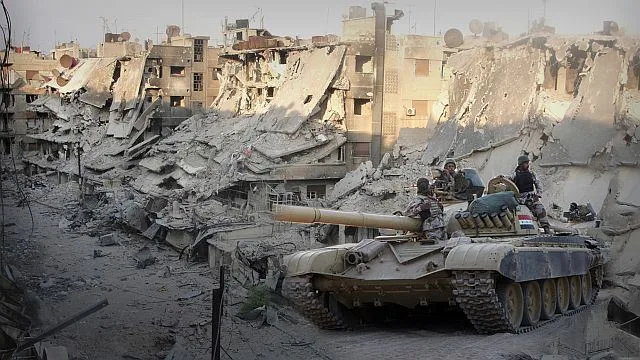
خلال معارك نبل والزهراء، والتي سيطر بها النظام السوري، عبر مليشيا حزب الله ومقاتلي المليشيات الشيعية الأفغان والعراقيين واللبنانيين، وبغطاء جوي روسي كثيف يتبع سياسة “الأرض المحروقة”، على قريتي نبل والزهراء الشيعيتين، أعلنت إحدى تجمعات الثوار الخميس، عن استشهاد 25 من مقاتليها دفعة واحدة، قالت إنهم “خرجوا ولم يعودوا”، لينضموا إلى أكثر من 250 ألف شهيد سبقوهم على يد النظام، ومثلهم من المعتقلين، وملايين النازحين واللاجئين والمهاجرين داخل وخارج سوريا.

هذا العدد الهائل من الخسائر البشرية، ناهيك عن الخسائر المادية، التي قدرها البنك الدولي بخمسة وثلاثين مليار دولار، يطرح سؤالاً – وظاهره محق -: هل كان الأمر يستحق ذلك؟ والجواب: نعم، من كل النواحي، وعلى كل الصعد، فليست الثورة السورية، التي تحولت لحرب شعبية مجرد حدث عابر سيمر في تاريخ السوريين والعرب والمنطقة، لكنه سيكون حدثًا فارقًا له ما له، وعليه ما عليه.

وقبل كل شيء، وقبل أي تفكير مادي ومنطقي؛ ستظل الثورة السورية مساحة التمايز الأخلاقي، إما بالسقوط الأخلاقي، بالوقوف مع القاتل والولوغ في الدم أو مجرد الصمت عنه، أو بكف سكاكينه وصواريخه أو مجرد اتخاذ موقف أخلاقي من القضية؛ بعيدًا عن محاولات الخطاب الإعلامي، عربيًا وغربيًا، تصوير حرب التحرير السورية على أنها حرب أهلية، والمساواة بين القاتل والضحية، بالكم ونوع القتل وبنية الأطراف.

وبأبسط مثال، لا زال النظام السوري – لا تنظيم الدولة، وبطبيعة الحال لا الفصائل المسلحة – مسؤولاً عن مقتل أكثر من 95% من السوريين؛ عدا عن الفرق آلية تشكل الثورة وفصائلها، من مظاهرات مطالبة بالعدالة والكرامة والحرية إلى فصائل تحرر الأرض من المستبد والمحتل والمتطرف، وآلية تشكل النظام القائم على الانقلاب والطائفية والمافيوية.

صراع التاريخ

تمثل الثورة السورية في التاريخ السياسي حالة استثنائية، بكونها أول سؤال مباشر وعملي عن مرحلة “ما بعد الحداثة”، إذ تطرح، وعلى الأرض، سؤال الدولة، إذ جربت في مناطق سوريا كل أنواع الحكم تقريبًا، من الأناركية والحكم الذاتي، إلى الديمقراطية، إلى الحكم بالقوة، إضافة لكونها كشفت زيف ووهم الخطاب الإنسانوي الذي يفترض أنه يميز عالم ما بعد الحرب العالمية الثانية.

ومن جانب آخر، تطرح الثورة السورية وتكشف هشاشة سؤال الهوية والوطن والقومية، خصوصًا في المنطقة العربية التي كانت دائمًا في مساحة رد الفعل بالعصر الحديث؛ إذ فرضت عليها الدولة الاستعمارية، فكافحتها ما استطاعت، ثم فرضت عليها الدولة القومية، فكافحتها ما استطاعت، ثم فرضت عليها الحروب، فكافحتها ما استطاعت، ليجد السوري أو المصري أو الأردني نفسه معرفًا نفسه ضمن هوية لم يخترها، كما لا يعرف تبعاتها ومساحتها؛ وهو ما أعطته الثورة الخيار الكامل في المناطق المحررة لهذه الأسئلة، التي لا زالت محل خلاف واختلاف.

صراع الجغرافيا

وبالارتباط مع سؤال الهوية، طرحت الثورة السورية سؤال ما بعد سايكس بيكو، والدويلات القومية في المنطقة العربية، إذ إن سوريا – والتي تشهد مع الأسف انقسامًا لا توحيدًا للمنطقة وراء معسكر أخلاقي وسياسي – التي كانت بلدًا واحدًا بالقسر والإجبار، بدأت تتحول لدويلات منقسمة عرقيًا وطائفيًا، فأصبحت عمليًا ما بين دويلة علوية، ومشروع كردي انفصالي، ووهم يدعى دولة الخلافة، وأرض يقاتل عنها أبناؤها كل هؤلاء.

ومن جانب آخر، مقابل هذا التشظي؛ تشهد سوريا تمددًا متجاوزًا للحدود ضمن مشاريع إمبريالية توسعية، لا انقسامية صغيرة، فمقابل المشروع الإيراني الممتد عمليًا عبر بغداد إلى حزب الله، نجد المشروع الكردي الذي يتجاوز الحدود الشرقية ليتصل بكردستان العراق ويسعى للاتصال شمالاً بأكراد تركيا، ووهم داعش العدمي، الذي لا يعترف بالأرض ولا بالإنسان.

صراع الجيوسياسة

وبطبيعة الحال، فليست كل هذه المشاريع منطلقة من مجرد أحلام أو أوهام نظرية وهوياتية محضة، بل هي مرتبطة بمصالح جيوسياسية مباشرة لكل طرف من الأطراف، سواء من ناحية الأرض، خارجًا باكتساب مساحات للعمل والتنظيم، وداخلاً من ناحية النفط والثروات الأخرى، أو من ناحية المواقع الإستراتيجية التي تسعى كل الأطراف للسيطرة عليها في صراع تحول لمعركة عالمية بالوكالة.

فلم يكن لحزب الله أو إيران أو روسيا ألا تتدخل بحال من الأحوال، لأن خسارتها لهيمنتها على الأرض وحليفها السياسي والعسكري كان يعني نهاية مشروعها في المنطقة تلقائيًا، وهو ما دفعها للتدخل بشكل مباشر، وبالمقابل؛ فقد مثلت حالة السيولة والفوضى التي عاشتها سوريا حالة استغلها تنظيم الدولة، الذي قام باسم الدين لأجل الدنيا واستغفل الناس.

وبوجه كل هذه الصراعات التوسعية/ الانقسامية، نجد ثلة لا زالت تقاتل عن هذه الأرض لأنها أرضها، وتدافع عن هؤلاء الناس لأنهم أهلها، وهي بالوقت نفسه، تدافع، بدم أبنائها ودموع أمهاتها، عن ثغر أخير لمشروع الأمة وهويتها، أمام المشروع التوسعي الإيراني، والاستعماري الروسي، والانفصالي الكردي، والفاشي الداعشي؛ وبالتالي، فإن وقوف أصدقائها ودعمها ليس منة منهم أو فضل، بل هو واجب الأمة في معركتها الصفرية، الأخلاقي بحكم الدين والنسب والدم، والسياسي الواقعي الواقف مباشرة على حدودها، في مرحلة سيكتبها التاريخ والجغرافيا والواقع، بالدم والدمع.

المصدر: إيوان 24

TAGGED: الثورة السورية ، المنطقة العربية ، النظام السوري ، الهوية ، حزب الله
TAGGED: الثورة السورية
Download this article as PDF
Share this Article
Facebook Twitter Whatsapp Whatsapp Telegram Email Copy Link
عبيدة عامر
By عبيدة عامر كاتب ومدون سوري
Follow:
Next Article نون بوست The Stigma of “ISIS”: A Heavy Legacy Haunting Women and Children of Former Members
part of the design
NoonPost Weekly Newsletter
dark

An independent media platform founded in 2013, rooted in slow journalism, producing in-depth reports, analysis, and multimedia content to offer deeper perspectives on the news, led by a diverse young team from several Arab countries.

  • Politics
  • Society
  • Rights & Liberties
  • Opinions
  • History
  • Sports
  • Education
  • Technology
  • Economy
  • Media
  • Arts & Literature
  • Entrepreneurship
  • Travel
  • Cinema & Drama
  • Food
  • Health
  • Culture
  • Latest Reports
  • Files
  • Long Reads
  • Interviews
  • Podcast
  • Interactive
  • Encyclopedia
  • In Pictures
  • About Us
  • Our Writers
  • Write for Us
  • Editorial Policy
  • Advanced Search
Some rights reserved under a Creative Commons license

Removed from favorites

Undo
Go to mobile version