NoonPost NoonPost

NoonPost

  • Home
  • Politics
  • Economy
  • Society
  • Culture
  • Files
  • Long Reads
  • Podcast
AR
Notification Show More
نون بوست
“There Are Nights I Can’t Close My Eyes”: How Gazans Are Living in Homes on the Brink of Collapse
نون بوست
From al-Jolani to Ahmad al-Shara: The Evolution of Syria’s New Leader
نون بوست
When Political Islam Receded in Egypt: Who Filled the Void?
نون بوست
An Extension of Genocide: Gaza’s Detainees Speak Out
نون بوست
A Tightrope Between Survival and Sovereignty: The Syrian Government Faces Normalization Pressures
نون بوست
American Aircraft Carriers: Has the Era of “100,000 Tons of Diplomacy” Ended?
نون بوست
U.S. Regime‑Change Policies: Why They Are Destined to Fail
نون بوست
Transformations of Israeli Judaism: Between the Victim Complex and the Colonizer’s Doctrine
نون بوست
The Gulf’s Balancing Act: Iran, Israel, and Hidden Links
نون بوست
Iraq–Turkey Oil Export Treaty: Why Did Ankara Cancel It After 52 Years?
نون بوست
Syria’s Northeast on Edge: QSD Between Ankara and Damascus
نون بوست
Has Europe Changed Its Stance on Israel… or Just Its Language?
NoonPost NoonPost
AR
Notification Show More
نون بوست
“There Are Nights I Can’t Close My Eyes”: How Gazans Are Living in Homes on the Brink of Collapse
نون بوست
From al-Jolani to Ahmad al-Shara: The Evolution of Syria’s New Leader
نون بوست
When Political Islam Receded in Egypt: Who Filled the Void?
نون بوست
An Extension of Genocide: Gaza’s Detainees Speak Out
نون بوست
A Tightrope Between Survival and Sovereignty: The Syrian Government Faces Normalization Pressures
نون بوست
American Aircraft Carriers: Has the Era of “100,000 Tons of Diplomacy” Ended?
نون بوست
U.S. Regime‑Change Policies: Why They Are Destined to Fail
نون بوست
Transformations of Israeli Judaism: Between the Victim Complex and the Colonizer’s Doctrine
نون بوست
The Gulf’s Balancing Act: Iran, Israel, and Hidden Links
نون بوست
Iraq–Turkey Oil Export Treaty: Why Did Ankara Cancel It After 52 Years?
نون بوست
Syria’s Northeast on Edge: QSD Between Ankara and Damascus
نون بوست
Has Europe Changed Its Stance on Israel… or Just Its Language?
Follow US

What’s Behind Iran’s Shift in Policy Toward Afghan Refugees?

إسراء سيد
Esraa sayed Published 26 March ,2026
Share
نون بوست
نون بوست

For decades, Iran has been a key player in the Middle East, wielding a broad array of tools to project its influence and achieve strategic goals. Among the most potent of these tools has been the recruitment of foreign fighters—chiefly Afghans—who played pivotal roles in Iran’s proxy wars, most notably in Syria in support of the Assad regime.

But as Iran’s influence has waned in certain areas and as regional and global dynamics have shifted, its reliance on this strategy has markedly diminished. The outlines of a new policy are emerging—one that could be described as an abandonment of the very fighters who once served its interests. This shift raises critical questions about its underlying causes and potential ramifications.

From Shelter to Exploitation

With every war that ravaged their homeland, Afghans have sought refuge in neighboring countries like Iran and Pakistan. Afghan migration to Iran dates back to the Soviet invasion of Afghanistan in 1979, coinciding with Iran’s Islamic Revolution.

At the time, nearly two million Afghans fled to Iran. Today, estimates suggest that as many as six million Afghans—both documented and undocumented—live in Iran. Half of them arrived in 2021 alone, fleeing Taliban rule, and most lack legal documentation.

The majority live as undocumented refugees and migrants in remote villages, far from legal oversight. They work low-wage jobs in construction, retail, agriculture, and manufacturing—without contracts, health insurance, or labor protections—making them especially vulnerable to exploitation.

This massive Afghan presence has long served Iran’s ideological and strategic needs. Many were lured into fighting with promises of monthly salaries ranging from $400 to $1,000, legal residency for themselves and their families, and even Iranian citizenship in some cases. Their families were offered healthcare and education, and in some instances, fighters were promised legal leniency or amnesty in exchange for military service.

These incentives offered a lifeline for many marginalized, impoverished Afghan youths. Iran systematically recruited and weaponized them—many with prior combat experience in Afghanistan—as strategic assets not only in Syria, but also in Iraq, Yemen, and even Lebanon, as part of Tehran’s push to expand its regional footprint.

Refugees on the Frontlines

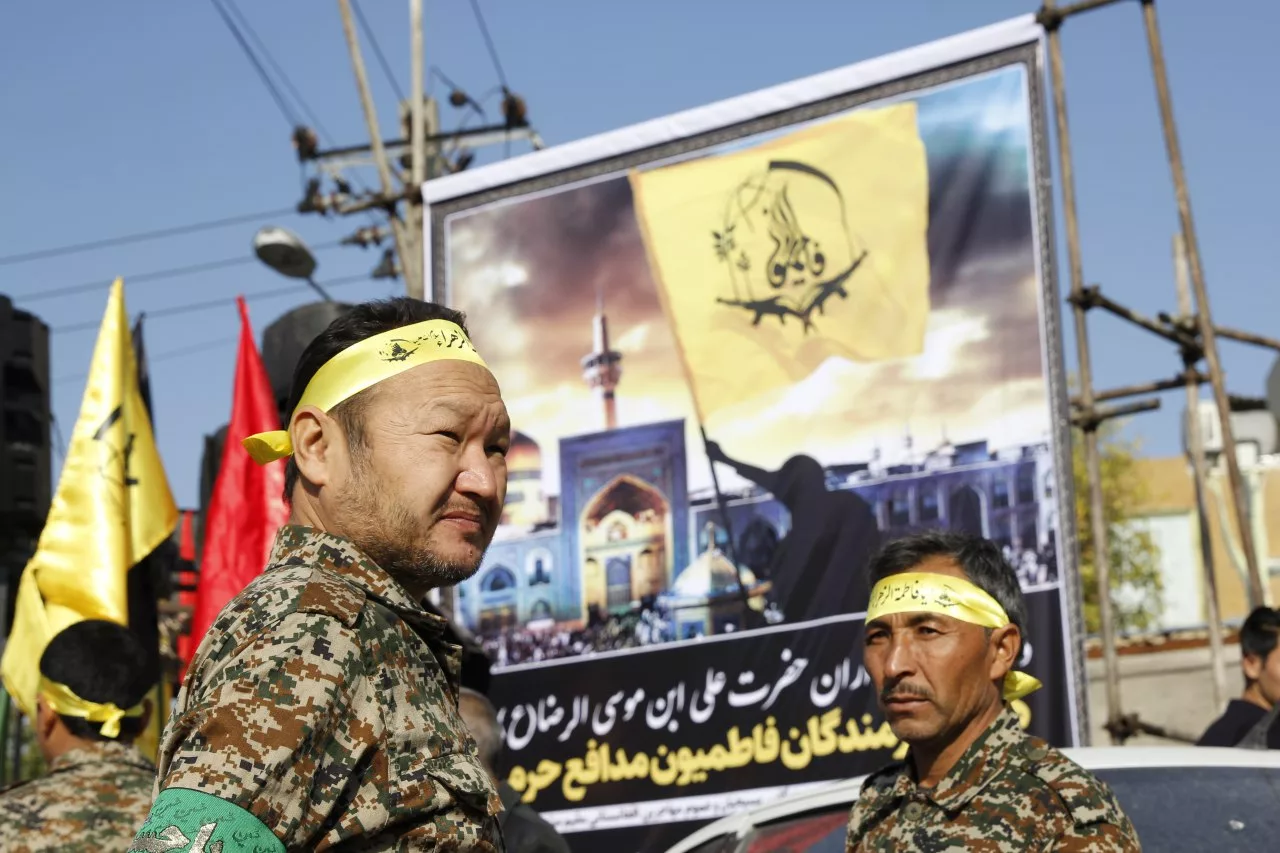
Iran’s exploitation of Afghan refugees in warzones was driven by its broader proxy war strategy. Beyond supporting local militias like Hezbollah, Tehran built a transnational network of fighters, including Afghan Fatemiyoun, Pakistani Zainabiyoun, Iraq’s Popular Mobilization Forces, and Yemen’s Houthis—all under the command of the Quds Force.

This approach provided Iran with a low-cost, highly effective fighting force, minimizing the risk of direct confrontation or domestic casualties. Afghan fighters helped Tehran sustain relatively low financial and political costs in conflicts like Syria, where they were crucial to preserving the “Axis of Resistance” and creating a land corridor from Tehran to Beirut via Baghdad and Damascus—facilitating the movement of arms and fighters.

Iran also capitalized on religious sentiment to frame its interventions as spiritual obligations. Many Afghan fighters, particularly from the Shia Hazara minority, were recruited under the banner of defending sacred shrines in Syria, such as Sayyida Zaynab’s tomb. Units like Fatemiyoun and Zainabiyoun carried religious connotations, bolstering the perception that Iran’s military campaigns were acts of divine justice.

Reports, however, document coercion and forced recruitment, including threats of deportation for refusal to enlist. Some Afghan children as young as 14 were conscripted into Fatemiyoun, highlighting blatant violations of international law and a cruel exploitation of vulnerable populations.

Quiet Abandonment

As conflicts across the region de-escalate and Iran reconfigures its strategic posture, the need for vast numbers of foreign fighters has diminished. What once were considered strategic assets have become burdens.

This shift is most visible in recent mass deportations. Since early 2025, Iran has ramped up expulsions of Afghan refugees. After a March 10 deadline, over 640,000 Afghans have left Iran, 366,000 of them forcibly, according to UNHCR. Many had similar profiles to previous recruits—married, undocumented, and previously considered “untouchable” due to their service.

The latest wave followed Iran’s recent conflict with Israel. UN estimates show nearly 500,000 Afghans have returned home since early June, with daily deportations exceeding 10,000. On some days, up to 40,000 crossed via the Islam Qala border crossing into Herat. Over a 12-day period, that figure reached 300,000. Since January, around one million Afghans have been expelled.

The deportations, often carried out with little notice or planning, have exacerbated the humanitarian crisis in Afghanistan—already mired in economic collapse, Taliban rule, and donor fatigue. The returnees are flooding a country ill-equipped to support them.

A Subtle Purge

Beyond deportations, Iran has halted many of the incentives it once offered. Promised citizenships, stipends, and healthcare have evaporated. Residency permits were revoked or left unrenewed, leaving former fighters exposed and unprotected.

Former fighters now face arrest for “disrupting public order” or “membership in unauthorized armed groups.” Others were jailed for overstaying expired permits—even those who had fought for Iran. Many returned home bearing both physical and psychological scars.

Some have spoken to international media about receiving blunt messages after their service: “Your role is over. Go home. We can’t help you anymore.” One Fatemiyoun veteran lamented, “After the war, we were no longer mujahideen. We were unwanted migrants.”

Families of fallen or injured fighters, particularly those killed in Syria, have also been neglected, receiving little to no support. In contrast, Hezbollah fighters continue to enjoy generous benefits—underscoring Tehran’s preferential treatment of certain militias.

Fatemiyoun and Zainabiyoun fighters, once glorified in Iranian state media, have been scrubbed from military parades and resistance celebrations—a symbolic erasure reflecting their diminished status.

Changing Strategy, Diminishing Influence

Iran’s shifting stance is rooted in changing regional priorities. After years of expansion in Syria, Iraq, Yemen, and Lebanon, Tehran is recalibrating—adopting a more pragmatic, economically driven approach that includes thawing ties with Gulf states like Saudi Arabia.

The de-escalation in Syria, along with Assad’s consolidation of power, has reduced Tehran’s operational needs. Coupled with harsh economic sanctions and budget constraints, Iran is scaling back its foreign military spending, reducing fighter salaries and incentives.

Though Iran provides no direct aid to refugees, state estimates claim their presence costs Tehran around $10 billion annually due to subsidized goods, healthcare, and education.

Amid escalating tensions, particularly the 12-day conflict with Israel, Iran accused several Afghan migrants of espionage. Many were detained, deprived of basic needs, and charged exorbitant fees to cross the border. Iranian courts have since mandated deportations of all undocumented foreigners, further accelerating expulsions.

Iran also faces mounting international criticism over child soldier recruitment, human rights abuses, and the domestic toll of foreign interventions. Many Afghan fighters had little ideological loyalty, joining for financial gain. Some committed abuses that embarrassed Iran, undermining cohesion and complicating reintegration.

An Uncertain Future for Yesterday’s Guests

Iran’s abandonment of its Afghan fighters carries grave humanitarian and security implications. Mass deportations have worsened the plight of Afghans returning to an unstable homeland with few resources.

This policy shift raises ethical and political questions: What obligations do nations bear toward their proxy fighters? What becomes of those discarded after serving foreign agendas?

The UN has warned that forcibly returned, battle-hardened fighters could destabilize the region or fall into the hands of extremist groups. Tehran also fears some may return as security threats. Yet Iran isn’t abandoning proxies wholesale—it’s repositioning them.

It’s unlikely that Iran will completely dismantle Fatemiyoun. Instead, the group could be reconstituted as a reserve militia or rapid-response force, or even integrated into Afghan political life if conditions allow—extending Tehran’s reach.

Gulf states, particularly Saudi Arabia and the UAE, view such networks as existential threats. The fate of Iran’s foreign fighters serves as a chilling reminder of the human cost of geopolitical games—and the fragile future facing those used as instruments of war.

Download this article as PDF
Share this Article
Facebook Twitter Whatsapp Whatsapp Telegram Email Copy Link
إسراء سيد
By إسراء سيد صحفية وباحثة في مجال الإعلام السياسي
Follow:
Previous Article نون بوست Selective Memory: Comparing Hamas to the IRA Serves Israel’s Agenda
Next Article نون بوست Hikmat al-Hijri: From Spiritual Authority to Political Instrument

Read More

  • U.S. Regime‑Change Policies: Why They Are Destined to Fail U.S. Regime‑Change Policies: Why They Are Destined to Fail
  • The Gulf’s Balancing Act: Iran, Israel, and Hidden Links
  • Iraq–Turkey Oil Export Treaty: Why Did Ankara Cancel It After 52 Years?
  • Syria’s Northeast on Edge: QSD Between Ankara and Damascus
  • Has Europe Changed Its Stance on Israel… or Just Its Language?
part of the design
NoonPost Weekly Newsletter

You May Also Like

U.S. Regime‑Change Policies: Why They Are Destined to Fail

U.S. Regime‑Change Policies: Why They Are Destined to Fail

إسراء سيد Esraa sayed 8 April ,2026
The Gulf’s Balancing Act: Iran, Israel, and Hidden Links

The Gulf’s Balancing Act: Iran, Israel, and Hidden Links

فريق التحرير Noon Post 8 April ,2026
Iraq–Turkey Oil Export Treaty: Why Did Ankara Cancel It After 52 Years?

Iraq–Turkey Oil Export Treaty: Why Did Ankara Cancel It After 52 Years?

فريق التحرير Noon Post 8 April ,2026

أنا مسلم لست إرهابيًا .. فلماذا تجسست عليّ شرطة نيويورك لسنوات إذن؟

محمد الشناوي
محمد الشناوي Published 7 February ,2016
Share
dfda

ترجمة وتحرير نون بوست

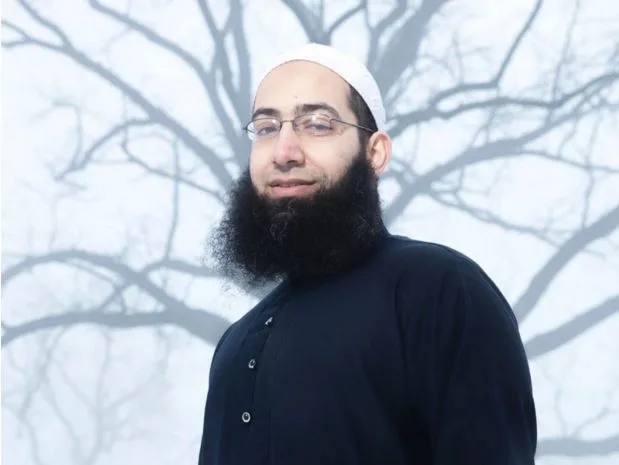
عقب أسبوعين من بداية محاضراتي عن الإسلام في أحد مساجد نيويورك، حدث شيء غريب! فقد أخبرني بعض معارفي ورواد المسجد أن ضباط شرطة قاموا بالاتصال بهم وسألوهم عني وعن محاضراتي، بعد فترة وجيزة بدأت ألاحظ وجود أشخاص مشبوهين بين الحضور، من بينهم رجل محترم، وهو أكثر الأشخاص انتظامًا في الحضور، لكنه دائمًا ما يسقط نائمًا بينما أتحدث.

كان ذلك عام 2003، عندما التحقت بجامعة بروكلين ودرست الأدب الإنجليزي، لقد ترعرعت في مدينة نيويورك وأحببتها، لكنني كنت ألاحظ التمييز ضد المسلمين خاصة بعد أحداث 11 سبتمبر 2001، في هذا العام بعد الهجمات، ازدادت جرائم الكراهية ضد المسلمين عشرات الأضعاف، أردت أن أشجع المسلمين على المحافظة على إيمانهم قويًا رغم تلك الاعتداءات؛ حدثتهم عن التوحيد وزيارة المرضى، عن الشك والسعي الآثم من أجل ملذات آنية، عن خطورة الظلم وعن سعة رحمة الله.

لم أفعل أي شيء خاطىء، دائمًا ما كنت أرفض العنف والإرهاب في دروسي، ورغم ذلك، فلمدة عقد كامل كنت أشعر أنني تحت المراقبة، يلاحقني رجال تنفيذ القانون الغامضين بحثًا عن جريمة لم تحدث.

في عام 2013، تأكدت مخاوفي، فقد اكتشفت من تحقيق قامت به وكالة “أسوشيتد برس” أنني كنت ضحية للرقابة العدائية التي تقوم بها إدارة شرطة نيويورك ضد المسلمين، فعقب أحداث 11 سبتمبر بدأت شرطة نيويورك في تتبع مناطق واسعة تخصنا، قام الضباط سرًا بتصنيف جميع المساجد كمنظمات إرهابية وبدأوا في التجسس على الأئمة وقاموا بتسجيل الخطب، قامت هذه الإدارة بإجراء ما لا يقل عن عشرات التحقيقات الشاملة عن الإرهاب منذ 2001، وغالبًا ما تكون بدون أدلة محددة بارتكاب جرائم جنائية، وبدون حد أدنى من الإشراف القضائي، وقد تُنسب إليك أي اتهامات نتيجة الأنشطة التي تقوم بها ما تُسمى بـ”وحدة الخصائص السكانية” (الديموغرافيا).

جميع التجمعات الإسلامية كانت مستهدفة، من المكتبات وحتى المطاعم، هذه الممارسات حولت الأبرياء إلى أشخاص مشتبه بهم، مما جعلنا نشعر بالعزلة والخوف من الشرطة، ومع استخدام شرطة نيويورك للمخبرين على نطاق واسع توقفنا عن الثقة في جيراننا أيضًا.

وبالرغم من أنني كنت أشك في تجسس الشرطة المحلية على المسلمين الأبرياء فقد تجاوزت قدرتهم على المراقبة أسوأ مخاوفي، لقد كانت الشرطة تتبعني في كل مكان، وفقًا للوثائق التي تم الكشف عنها في التحقيق، في إحدى الأيام، جاء رجل إلى بيتي مدعيًا أنه قد يفعل أي شيء مقابل طعام مصري معين كان والدته الراحلة تصنعه له منذ سنوات، وقد حذرني شخص آخر من أنه قد سُئل عني.

استطاع المخبرون أيضًا التسلل إلى حفل زواجي وقام بتصوير جميع الحاضرين، وكنت مراقبًا أنا وزوجتي صباح هذا اليوم أثناء شراء خواتم الزواج، طبقًا لوثائق الشرطة الداخلية، “ليس لدينا أي معلومات ضد هذه العروس المحظوظة حاليًا، لكننا نأمل أن نحصل على أي معلومات عنها أثناء الخدمة”، كتب ذلك أحد ملازمي شرطة نيويورك في تقريره عني.

بعد أن كشفت أسوشيتد برس عن التحقيقات لم أشعر فقط بالانزعاج، بل كنت مرعوبًا، كنت أشعر أنني أعيش في بيت لا جدران، وعرضة لتحريات الشرطة طوال الوقت، كنت قلقًا باستمرار حول ما قلته وعلى الأشخاص الذين تحدثت معهم، كنت قلقًا أيضًا على زوجتي، أصبحت أشك في كل من حولي حتى الأصدقاء والعائلة، أما الأشخاص خارج مجتمعنا فكانوا يسألون عني دائمًا، يبدو لي أنهم أفراد شرطة سريين أو مخبرين، أما الأصدقاء وزملاء العمل فقد ابتعدوا عني خوفًا من أن تلقي شرطة نيويورك شباكها عليهم.

بعد عام 2013، بدأت بإنشاء فلاتر عقلية أستطيع من خلالها إدارة الخطب التي ألقيها وتراجعت عن الحديث مع زملائي عن أي شيء من شأنه أن يثير الجدل، وفي محاضراتي، قللت من حديثي عن قيم الشجاعة والبطولة الإسلامية خوفًا من أن يعتقد المخبرون – بشكل خاطىء – أنني أشجع على العنف والعدوان، وقد ترددت قبل أن أناقش علنًا الدمار الذي يواجهه المدنيين الأبرياء في العالم الإسلامي، حتى لا يعتقد أحدهم أن حديثي “مناهض للولايات المتحدة”.

ولتبرير هذا التجسس استخدمت شرطة نيويورك أعمالي الخيرية ضدي، حيث قالت إن رحلات التخييم التي أنظمها للأطفال والمراهقين الفقراء ممن أقابلهم غالبًا في دروسي المسجدية هي في الأصل تدريبات عسكرية، في الحقيقة، خلال هذه العطلات، كنا نلعب كرة السلة أو نقوم بمسابقات ركض وسباحة، اتهمتني الشرطة أيضًا أنني أقوم بتحميل المقاطع الأكثر تطرفًا لرجال الدين المتطرفين، وفي الحقيقة لقد كنت أستمع لعدد كبير من المتحدثين أثناء الإعداد لمحاضراتي، قالت الشرطة أيضًا إنها تشك في والدي وأنه كان مقربًا لعمر عبدالرحمن – الذي أُدين في مساعدته بحادث تفجير برج التجارة العالمي عام 1993 – لقد كنت طفلًا في هذا الوقت ولم يتم اتهام والدي أبدًا بأي جريمة، اتهمتني الشرطة أيضًا بتطرف بعض رواد مسجدي ممن لم ألتق بهم أبدًا.

استمرت الشرطة في هذه التحقيقات لعدة سنوات أخرى، حتى بعد أن قرر مكتب التحقيقات الفيدرالية أنني لا أشكل أي تهديد، طبقًا لما قالته أسوشيتد برس.

إنني الآن متفائل بأن هذه السنوات الصعبة قد انتهت. في يونيو 2013، رفعت دعوى قضائية ضد رقابة شرطة نيويورك الواسعة التي تستهدف مسلمي المدينة، وفي الشهر الماضي قامت الشرطة بتسوية هذه القضية معي ومع 5 مدعين آخريين، وقد وافقت الإدارة على عدد من الضمانات الهامة بشأن ممارسات الشرطة؛ من ضمنها حظر التحقيقات التي تقوم على أساس ديني أو عرقي، تخضع هذه التسوية لموافقة المحكمة والتي قد تفرض إصلاحات أخرى لمنع المراقبة المفتوحة لسنوات طويلة، وقد تقوم أيضًا بتعيين جهاز مراقبة مدني يقوم بالتدقيق في أي تحقيقات ترتبط بأنشطة سياسية أو دينية.

إنني لا أتوقع من زملائي المواطنين أن يوافقوا على كل آرائي، مثل اقتناعي بأن الإسلام هو الحقيقة الإلهية التي أوحى الله بها، وأن على جميع المسلمين أن يتبعوا توجيهات القرآن الخالدة، لكن بلادي الولايات المتحدة تحمي قيم المساواة وحرية الدين والتعبير، وعندما تقوم أمريكا باستهداف المسلمين بسب إيمانهم، فهذا الأمر هو اعتداء على تلك القيم وعلى البلد التي أحبها.

المصدر: واشنطن بوست

TAGGED: أحداث 11 سبتمبر ، الأيدلوجية الإسلامية ، الإرهاب ، التجسس ، التمييز ضد المسلمين
TAGGED: الإسلام
Download this article as PDF
Share this Article
Facebook Twitter Whatsapp Whatsapp Telegram Email Copy Link
محمد الشناوي
By محمد الشناوي داعية إسلامي ومساهم في موقع MuslimMatters.org
Follow:
Next Article نون بوست The Stigma of “ISIS”: A Heavy Legacy Haunting Women and Children of Former Members
part of the design
NoonPost Weekly Newsletter
dark

An independent media platform founded in 2013, rooted in slow journalism, producing in-depth reports, analysis, and multimedia content to offer deeper perspectives on the news, led by a diverse young team from several Arab countries.

  • Politics
  • Society
  • Rights & Liberties
  • Opinions
  • History
  • Sports
  • Education
  • Technology
  • Economy
  • Media
  • Arts & Literature
  • Entrepreneurship
  • Travel
  • Cinema & Drama
  • Food
  • Health
  • Culture
  • Latest Reports
  • Files
  • Long Reads
  • Interviews
  • Podcast
  • Interactive
  • Encyclopedia
  • In Pictures
  • About Us
  • Our Writers
  • Write for Us
  • Editorial Policy
  • Advanced Search
Some rights reserved under a Creative Commons license

Removed from favorites

Undo
Go to mobile version