NoonPost NoonPost

NoonPost

  • Home
  • Politics
  • Economy
  • Society
  • Culture
  • Files
  • Long Reads
  • Podcast
AR
Notification Show More
نون بوست
“There Are Nights I Can’t Close My Eyes”: How Gazans Are Living in Homes on the Brink of Collapse
نون بوست
From al-Jolani to Ahmad al-Shara: The Evolution of Syria’s New Leader
نون بوست
When Political Islam Receded in Egypt: Who Filled the Void?
نون بوست
An Extension of Genocide: Gaza’s Detainees Speak Out
نون بوست
A Tightrope Between Survival and Sovereignty: The Syrian Government Faces Normalization Pressures
نون بوست
American Aircraft Carriers: Has the Era of “100,000 Tons of Diplomacy” Ended?
نون بوست
U.S. Regime‑Change Policies: Why They Are Destined to Fail
نون بوست
Transformations of Israeli Judaism: Between the Victim Complex and the Colonizer’s Doctrine
نون بوست
The Gulf’s Balancing Act: Iran, Israel, and Hidden Links
نون بوست
Iraq–Turkey Oil Export Treaty: Why Did Ankara Cancel It After 52 Years?
نون بوست
Syria’s Northeast on Edge: QSD Between Ankara and Damascus
نون بوست
Has Europe Changed Its Stance on Israel… or Just Its Language?
NoonPost NoonPost
AR
Notification Show More
نون بوست
“There Are Nights I Can’t Close My Eyes”: How Gazans Are Living in Homes on the Brink of Collapse
نون بوست
From al-Jolani to Ahmad al-Shara: The Evolution of Syria’s New Leader
نون بوست
When Political Islam Receded in Egypt: Who Filled the Void?
نون بوست
An Extension of Genocide: Gaza’s Detainees Speak Out
نون بوست
A Tightrope Between Survival and Sovereignty: The Syrian Government Faces Normalization Pressures
نون بوست
American Aircraft Carriers: Has the Era of “100,000 Tons of Diplomacy” Ended?
نون بوست
U.S. Regime‑Change Policies: Why They Are Destined to Fail
نون بوست
Transformations of Israeli Judaism: Between the Victim Complex and the Colonizer’s Doctrine
نون بوست
The Gulf’s Balancing Act: Iran, Israel, and Hidden Links
نون بوست
Iraq–Turkey Oil Export Treaty: Why Did Ankara Cancel It After 52 Years?
نون بوست
Syria’s Northeast on Edge: QSD Between Ankara and Damascus
نون بوست
Has Europe Changed Its Stance on Israel… or Just Its Language?
Follow US

The Return of George Ibrahim Abdallah

عبد الحميد أحمد
Ahmed Abdelhalim Published 26 March ,2026
Share
نون بوست
نون بوست

On July 17, French courts ordered the release of Lebanese activist George Ibrahim Abdallah, 74, who has been imprisoned in France since 1984 for his alleged involvement in the assassinations of American and Israeli diplomats.

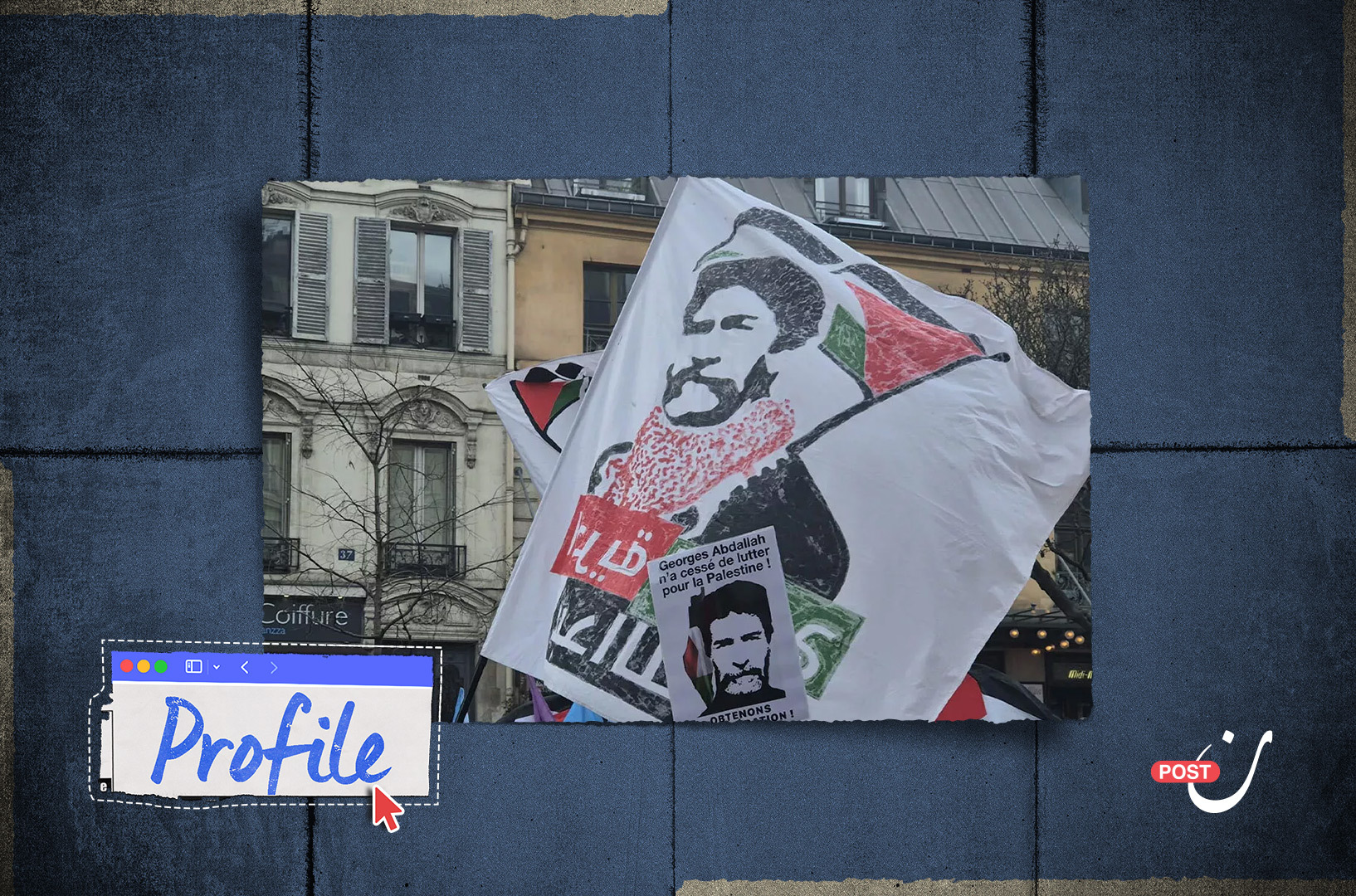
Celebrations erupted in Paris’s Place de la République following the announcement. Tens of thousands gathered, joined by political and human rights groups, as well as French and international media, marking a significant moment after decades of pressure campaigns demanding Abdallah’s release.

But who is George Abdallah—the man the French authorities refused to free for over 40 years? What ideologies and movements did he embrace or help establish? And how did his imprisonment become a symbolic and legal battle against imperialism and Western dominance?

Roots and Radicalization

George Ibrahim Abdallah was born on April 2, 1951, in the heart of Qoubaiyat, a Maronite Christian town in northern Lebanon. After graduating, he worked as a high school teacher but soon chose to abandon the confines of the classroom for a broader struggle—one that transcended sect and village and aligned with the heartbeat of Arab nationalism and the fight to liberate Palestine.

Lebanon in the 1970s was a nation torn apart by a civil war riddled with sectarian and class dimensions. Beneath it all lay a crisis of national identity, encapsulated by the question: “Who does Lebanon belong to?” This turbulent context gave birth to movements and ideologies striving for larger causes.

Amid this upheaval, Abdallah’s political consciousness matured. In 1978, as Israeli tanks stormed through southern Lebanon—leaving behind decimated villages, bloody massacres, and thousands of displaced people—Abdallah was wounded.

The trauma of the invasion and its aftermath marked a turning point in his life, awakening within him a deep awareness of what he saw as Western complicity. That realization propelled him into the path of armed resistance.

In that same year, he shifted allegiance from the Syrian Social Nationalist Party to the Popular Front for the Liberation of Palestine (PFLP), transitioning ideologically from pan-Arab nationalism to Marxist-Leninism—a move that reflected strategic, not incidental, commitment to revolutionary ideals.

His transformation—from a Christian Maronite teacher to a militant revolutionary—illustrates his ideological fluidity. In 1979, Abdallah founded the Lebanese Armed Revolutionary Factions (FARL), a group that included other Maronites trained by the PFLP, underlining his rejection of the narrow sectarian lens through which the Lebanese Civil War is often viewed.

Instead, Abdallah embodied a broader struggle, joining others across ideological lines in fighting Western imperialism and colonial violence, especially in Palestine.

The Armed Struggle

In 1979, George Abdallah and a small circle of friends and relatives established FARL, a group rooted in Marxist-Leninist ideology and committed to anti-imperialism and absolute solidarity with the Palestinian cause.

Their goals extended beyond slogans: they envisioned a Lebanon free of foreign domination—be it French, American, or Israeli—and the establishment of an independent Palestinian state.

FARL’s operations were few but targeted. Between 1981 and 1982, the group carried out five attacks—four of them in France. The most well-known were the assassinations of U.S. military attaché Col. Charles R. Ray and Israeli diplomat Yaakov Bar-Simantov.

The group also claimed responsibility for the 1984 attempted assassination of American Consul Robert O. Homme in Strasbourg. FARL justified these attacks as acts of “armed resistance” in retaliation for the U.S.-backed Israeli invasion of Lebanon.

FARL wasn’t an isolated entity. It built strong ties with other far-left European groups like France’s Action Directe, Italy’s Red Brigades, and Germany’s Red Army Faction. These links were not coincidental—they represented a global movement of revolutionary resistance against imperialism, with shared ideological tenets and common enemies: Western capitalism and Zionist imperialism.

The Trial

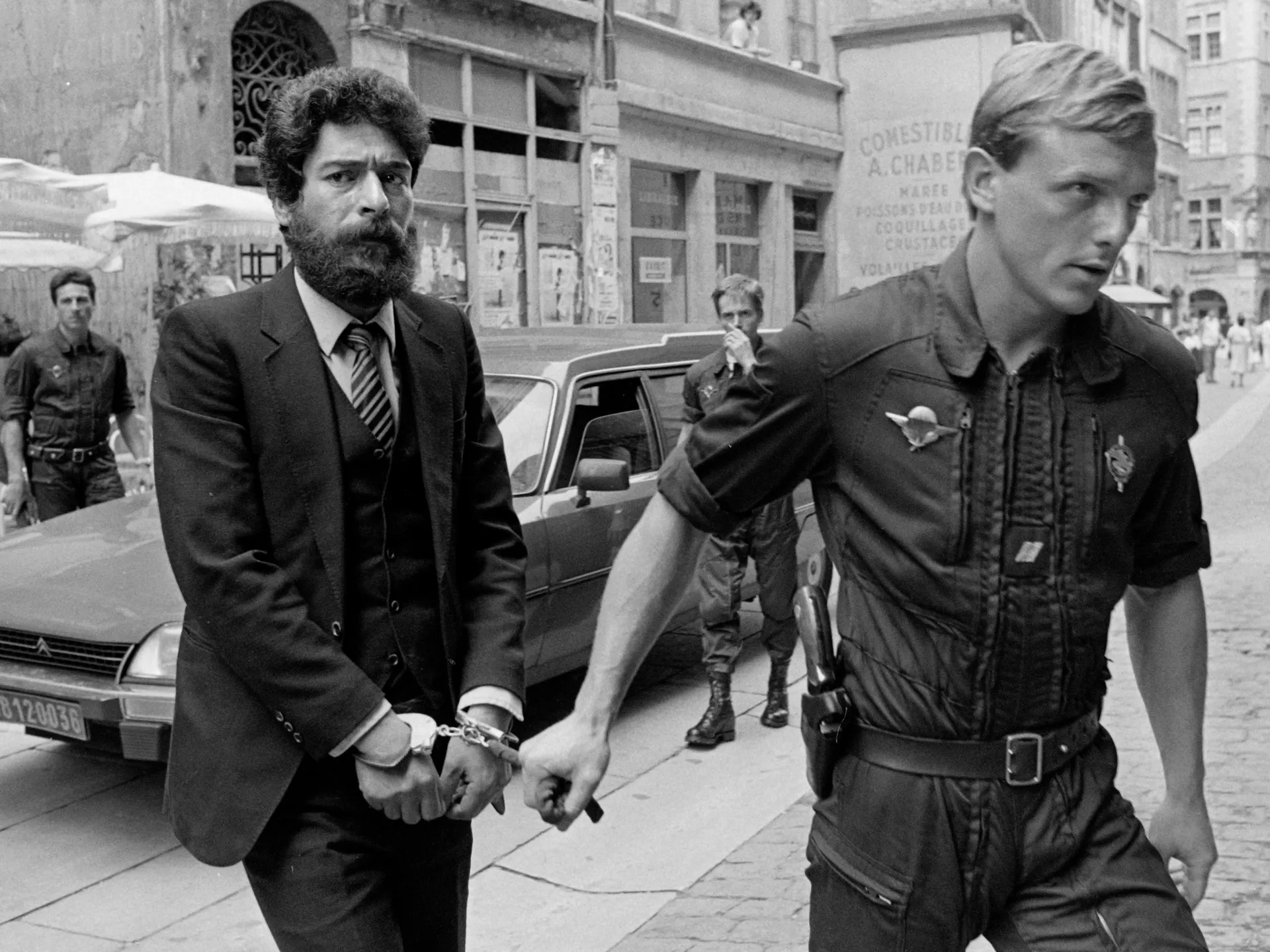
In October 1984, French police arrested George Abdallah in Lyon, initiating a trial process that continues to provoke debate about the nature of French justice.

Initially, he was charged with passport forgery (Algerian and Maltese documents), illegal weapons possession, and involvement in criminal conspiracies. In 1986, he received a four-year sentence.

But the ordeal intensified. After what authorities claimed were “newly discovered” pieces of evidence, he was tried again in 1987 for complicity in the 1982 assassinations of Ray and Bar-Simantov. He was sentenced to life imprisonment, effectively a 15-year minimum term.

The second trial was plagued by controversy: there were allegations of fabricated evidence and a stunning revelation from Abdallah’s former lawyer, Jean-Paul Mazurier, who admitted to being a French intelligence informant under the codename “Simon” between 1984 and 1986. This confession, broadcast on national TV in 1987, seriously undermined the integrity of the judicial process.

Though Abdallah became eligible for parole in 1999, all requests were denied. In 2003, a French court granted him conditional release, but the prosecution appealed—reportedly under intense political pressure. U.S. and Israeli authorities strongly opposed his release and lobbied the French government.

This pressure was palpable in repeated appeals by French justice ministers and in then-Interior Minister Manuel Valls’s 2013 refusal to sign Abdallah’s deportation order, despite court approval. WikiLeaks later revealed that Hillary Clinton had personally urged the French Foreign Minister to block his release.

A Battle Over Narrative

After decades in prison, Abdallah emerged as a symbol of global resistance. His case came to represent the broader struggle against Western and Zionist domination. Many dubbed him “the Arab Nelson Mandela,” emphasizing his status as a political prisoner and freedom fighter.

His story reflects a deep ideological war over who controls the narrative. While Abdallah was jailed for over 40 years for engaging in armed struggle against imperialism and colonialism, European militants from groups like Action Directe and the Red Brigades were released long ago.

Abdallah’s unwavering refusal to “repent” or renounce his beliefs played a key role in the West’s determination to keep him imprisoned.
نون بوست

The dominant Western narrative labeled Abdallah and others like him as “terrorists,” citing their use of violence against the French state. Authorities insisted that his release posed a threat to public order and security.

His freedom was thus conditional upon immediate deportation to Lebanon, in hopes of preventing him from galvanizing political support in France—especially amid current global outrage over the war in Gaza.

Over the years, Abdallah became a symbol for a new generation. Despite immense state repression, activists across France, Lebanon, Palestine, and beyond held annual rallies outside Lannemezan Prison and invoked his name in pro-Palestine protests. Murals, petitions, and banners in universities and labor unions added to the mounting pressure on French courts.

The Return of a Revolutionary

“To the heroes of resistance, a thousand salutations. You are the true guardians of national sovereignty against Zionists, their masters, and all who collude with them. Now, more than ever, we need greater Palestinian-Lebanese unity.”

This was Abdallah’s message from prison after October 7 and the eruption of war in Gaza and Lebanon.

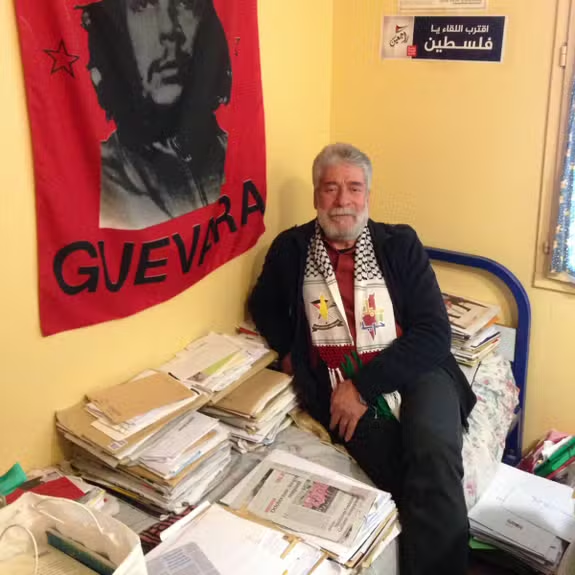
On July 25, he is set to arrive in Lebanon, deported from France. His return marks the homecoming of a man who never strayed from his path. Large crowds—especially young people from across Lebanon’s political spectrum—are expected to greet him as a hero. Celebrations will likely continue for days.
نون بوست

Yet his return is also tinged with melancholy. Lebanon is no longer what it was when Abdallah left. The days of Café Faisal, of revolutionary meetings with figures like George Habash and Wadie Haddad, are long gone.

The Syrian Social Nationalist Party barely functions as a political force. The Popular Front for the Liberation of Palestine survives mostly in murals and the occasional image of Ghassan Kanafani in neglected refugee camps like Shatila.

Today’s Lebanon is far removed from the intellectual, organizational, and journalistic hub it once was. The country has become a consumerist playground—not only of goods, but also of ideas.

Political discourse is reduced to sectarian mobilization and the entrenchment of historical grievances. Since the Taif Agreement, warlords and capital have been locked in a cold war over power and influence.

The Left, too, has collapsed. It now exists only as the occasional lecture by historian Fawwaz Traboulsi, a melancholic oud melody in a dimly lit bar, or a ticketed “cultural” panel discussion.

Still, Abdallah won’t be surprised. From his prison cell, he has followed developments in the Arab world—regime changes, revolutions, wars, the rise and fall of comrades. One thing, however, has not changed: Israeli bombardment.

The same violence that led to his imprisonment over four decades ago is still unfolding, and it reminds him—perhaps even reassures him—that he served those long years for a cause that remains tragically unresolved.

Download this article as PDF
Share this Article
Facebook Twitter Whatsapp Whatsapp Telegram Email Copy Link
عبد الحميد أحمد
By عبد الحميد أحمد صحيفة الرأي العام السودانية
Follow:
Previous Article نون بوست Behind Trump’s Tariffs on Algeria: What Does Washington Want?
Next Article نون بوست The Republic of Deficiency: Why Do Child Labor Tragedies Keep Repeating in Egypt?

Read More

  • U.S. Regime‑Change Policies: Why They Are Destined to Fail U.S. Regime‑Change Policies: Why They Are Destined to Fail
  • The Gulf’s Balancing Act: Iran, Israel, and Hidden Links
  • Iraq–Turkey Oil Export Treaty: Why Did Ankara Cancel It After 52 Years?
  • Syria’s Northeast on Edge: QSD Between Ankara and Damascus
  • Has Europe Changed Its Stance on Israel… or Just Its Language?
part of the design
NoonPost Weekly Newsletter

You May Also Like

U.S. Regime‑Change Policies: Why They Are Destined to Fail

U.S. Regime‑Change Policies: Why They Are Destined to Fail

إسراء سيد Esraa sayed 8 April ,2026
The Gulf’s Balancing Act: Iran, Israel, and Hidden Links

The Gulf’s Balancing Act: Iran, Israel, and Hidden Links

فريق التحرير Noon Post 8 April ,2026
Iraq–Turkey Oil Export Treaty: Why Did Ankara Cancel It After 52 Years?

Iraq–Turkey Oil Export Treaty: Why Did Ankara Cancel It After 52 Years?

فريق التحرير Noon Post 8 April ,2026

ميانمار، أو كيف أفسد الاستعمار مستقبل الملايين؟

فريق التحرير
Noon Post Published 9 February ,2016
Share
screen_shot_2016-02-09_at_11

ذكرت تقارير عبر مصادر مقربة من الجيش الميانماري صباح أمس احتمالية تعديل الدستور بما يسمح بتولي زعيمة المعارضة أونج سان سو كاي رئاسة البلاد، تأتي هذه التقارير كنتيجة متوقعة للمفاوضات التي بدأها حزب العصبة القومية للديموقراطية الذي تتزعمه سو كاي مع مؤسسة الجيش التي سيطرت على البلد لقرابة خمسين عامًا.

بدأت المفاوضات بين سو كاي ورئيس الأركان الميانماري بعد نجاح كاسح للحزب الذي ترأسه الأولى في أول انتخابات حقيقية تشهدها البلاد منذ التسعينات، إلا أن سو كاي كانت وما تزال ممنوعة دستوريًا من تولي رئاسة البلاد لزواجها من أجنبي، ويتطلب التغاضي عن هذا الشرط تصويتًا برلمانيًا بأغلبية الثلثين؛ مما يعني حاجة حزب العصبة القومية لأصوات حزب الوحدة والتنمية المدعوم من الجيش والذي يحوز على 25% من الأصوات.

سو كاي الحائزة على جائزة نوبل ما زالت ممنوعة من الترشح لرئاسة الجمهورية بسبب زيجتها السابقة من البروفيسور البريطاني مايكل أريس، وليست هذه الصلة العائلية الوحيدة ذات الدلالة السياسية في حياة سو كاي، فهي ابنة الجنرال أونج سان المعروف بأبي الأمة البورمية ومؤسس الحزب الشيوعي البورمي.

يستدعي أي حديث عن الواقع السياسي في ميانمار اليوم قضية الاضطهاد المنهجي لمسلمي الروهينجا للأذهان، فالأزمة المستمرة قد شهدت اتساعًا شديدًا في شهرتها مرتين مؤخرًا، الأولى بعد موجة العنف ضد مسلمي الروهينجا عام 2013، والثانية بعد أزمة اللاجئين الروهينجا في المحيط الهندي العام الماضي.

ومن اللافت للنظر أن سو كاي حافظت على التزامها بالصمت فيما يخص هذه القضية على طول حياتها السياسة، حتى إن الدالاي لاما قد أصدر تصريحًا رسميًا يطالبها فيه بفعل المزيد لإنهاء معاناة الروهينجا ردًا على أزمة اللاجئين العام الماضي، كما نقلت التليجراف البريطانية عن مساعد سو كاي تصريحًا بعدم أولوية ملف الروهينجا للحزب في إطار النصر الانتخابي له في نوفمبر الماضي.

من هنا يمكن التساؤل عن الأسباب خلف تجاهل رمز ديموقراطي وحاملة لجائزة نوبل للسلام كسو كاي لمعاناة بشرية كالتي يمر بها الروهينجا، ويمكن الوصول لإجابة هذا السؤال عبر إلقاء النظر على الواقع البورمي اليوم وعلى الأصول التاريخية لتشكل الدولة البورمية الحديثة، وربما يمكن البدء من خلال السؤال التالي:

من هم الروهينجا؟

الروهينجا هم جماعة إثنية تستوطن ولاية آراكان في ميانمار بشكل رئيسي، يتميز الروهينجا باستخدامهم للغة الروهينيجيا وديانتهم بالإسلام، يمثل الروهينجا أقلية مسلمة في بلد يدين أغلبها بالبوذية، كما يتخطى الأمر الجانب الديني للسياسي لما للديانة البوذية من دور محوري في تشكيل وتحديد القومية البورمية لأسباب نناقشها لاحقًا.

وصفت وكالة الأنباء الفرنسية الروهينجا عام 2012 بـ”الأقلية الأكثر اضطهادًا في العالم”، يأتي هذا نتيجة لعدم اعتبار الحكومة البورمية الروهينجا مواطنين من الأساس، حيث يمنع الروهينجا من الحصول على الجنسية البورمية والسفر داخل البلاد أو خارجها، كما تمنع كل أسرة من تربية أكثر من طفلين، بالإضافة إلى تحديد إقامتهم لمجموعة من السجون المفتوحة وإجبار كل رجل على العمل مجانًا ليوم من كل أسبوع لصالح الجيش أو الحكومة، وقد قامت الحكومة بالفعل بمصادرة أغلب الأراضي التي اعتمدوا عليها في الزراعة لصالح مستوطنين بوذيين.

تصر الحكومة البورمية على حقها في عدم ضمان الجنسية للروهينجا، وتبرر ذلك بأنهم مهاجرين غير شرعيين من بلاد مسلمة كبنجلاديش، حتى اليوم يستثنى الروهينجا من أي مسح سكاني في بورما، كما قامت الحكومة العام الماضي بتغيير التسمية الرسمية للروهينجا إلى “البنغال”.

هنا قد يصبح من المناسب أن نلقي نظرة تاريخية على أصل الأزمة.

الأزمة أقدم من ميانمار نفسها

يعود أول أثر تاريخي للمسلمين في ولاية آراكان لعام 1430 بعودة الملك “مين ساو مون” لعرش مملكة “ماروك يو” والتي تمثل اليوم إقليم آراكان بعد ربع قرن من المنفى في بلاد البنغال، عاد الملك لحكم المملكة مع علاقات جيدة جدًا مع سلطنة البنغال المسلمة، وحافظت المملكة على التقاليد الإسلامية في كثير من أوجهها بالرغم من حفاظ ملوكها على الديانة البوذية، عاش المسلمون من مختلف الأصول في تلك الفترة على طول ولاية آراكان بدون مشاكل يسجلها التاريخ.

استمر الوضع في استقرار حتى قيام المملكة البورمية بغزو ولاية آراكان عام 1785، تسجل المصادر لجوء 35 ألف آراكاني في تلك الفترة لحماية الراج البريطاني في الهند هربًا من الاضطهاد البورمي، إذ قام البامار (الإثنية البورمية الرئيسية) بإعدام آلاف الرجال من سكان الإقليم وتهجير أغلب الباقي إلى وسط بورما.

كان التوسع البورمي في تلك الفترة ردًا بشكل أساسي على التوسع البريطاني في شبه الجزيرة الهندية، وكانت المخاوف البورمية حقيقية جدًا، إذ قامت بريطانيا بالسيطرة على بورما تدريجيًا على طول ثلاثة حروب بين 1824 و1885، سيطرت بريطانيا على أغلب الساحل الغربي وشمال بورما (التي تشمل إقليم آراكان) في الحرب الأولى، كما أجبرت البامار على دفع تعويض لبريطانيا المنتصرة قدره مليون جنيه إسترليني.

أصبحت بورما بكاملها إقليمًا تابعًا للهند البريطانية، ومع الاستعمار بدأ الاقتصاد البورمي في التوسع تحت إشراف النخبة الهندية/ البريطانية الجديدة، وبطبيعة الحال كان للمسلمين الهنود العاملين مع الراج البريطاني دور كبير في هذه السيطرة على بورما، توسعت الهجرة من البنغال والهند إلى بورما، كما زاد عدد المسلمين في البلد تدريجيًا لغياب الاضطهاد السابق، لم تتضح آثار هذه التصورات بجلاء حتى بداية الحرب العالمية الثانية.

في إطار الخطة اليابانية للسيطرة الكاملة على شرق أسيا، كان موقع بورما الإستراتيجي شديد الأهمية، بالإضافة للأهمية الإستراتيجية لتوجيه ضربة لمصالح بريطانيا في المنطقة، قامت المخابرات اليابانية بالتواصل مع الناشط القومي أونج سان (والد سو كاي) ودعوته إلى اليابان عام 1940، عاد أونج سان إلى بورما بعد هذه الرحلة حاملًا وعدًا بالتمويل والدعم العسكري للاستقلال البورمي، عاد أونج سان في نفس العام برفقة عدد من الناشطين إلى اليابان لتلقي التدريب العسكري في نفس العام ليشكلوا ما عرف بجيش التحرير البورمي، صدر في هذا الوقت كتاب نسب إلى أونج سان تحت عنوان “مخطط لأجل بورما حرة”، تمحور الكتاب حول الإثنية البامراية والديانة البوذية كمقومات للقومية البورمية، في مقابل العداء الواضح للبريطانيين وأتباعهم من الهنود والمسلمين.

احتلت اليابان بورما بمساعدة جيش التحرير البورمي عام 1942، وتم حل جيش التحرير البورمي لتشكيل جيش الدفاع البورمي تحت قيادة أونج سان ليبدأ في إدارة البلاد تحت الإشرافي الياباني.

كان الرد البريطاني على الهجوم الياباني سريعًا ومتعدد الأوجه، ما يهمنا من هذه الأوجه هو تشكيل ما يعرف بالقوة V، وهي ميليشيا استخباراتية كونتها بريطانيا في بورما قبل الاحتلال الياباني مباشرة، وقوامها من المسلمين من الروهينجا وذوي الأصول البنغالية ممن يتصلون بالراج البريطاني، بدأت هذه القوة في توجيه الضربات المؤلمة للقوات اليابانية والبورمية مباشرة، تشير المصادر التاريخية كذلك لدور القوة في قمع الحراك القومي البوذي في إقليم آراكان تحت إشراف بريطاني بشكل شديد الوحشية، هذه الحقيقة وهذا الدور لم ينس من قِبل البوذيين والقوميين البامار لمسلمي الإقليم أبدًا.

مع بداية تغيير ميزان القوى في الحرب لصالح قوات الحلفاء؛ سارع أونج سان بإعادة حساباته وتواصل مع البريطانيين، ليبدأ جيش الدفاع البورمي بعد ذلك في مساعدة البريطانيين ضد حلفائه السابقين من اليابانيين، كان هذا الانقلاب في مقابل وعد بريطاني ببورما مستقلة، بدأت بعد ذلك ما تعرف اليوم بحرب الاستقلال البورمي ضد المستعمر الياباني (حليف الأمس) تحت إشراف الحليف البريطاني (مستعمر الأمس).

تم اغتيال أونج سان قبل إعلان الاستقلال البورمي بعدة أشهر، إلا أن نواة جيش التحرير البورمي لم تزل حتى يومنا هذا المسيطر الرئيسي على السلطة في ميانمار، ولم تنس هذه النواة وأذرعها في التعليم والإعلام أبدًا دور مسلمي الروهينجا، ليصبح الروهينجا في الخطاب السياسي البورمي تمثيل الآخر والعدو، المختلف دينًا ولغة، حليف العدو العنيف.

يمكن بهذا الشكل فهم عدم إلقاء سو كاي بالًا لملف الروهينجا على الإطلاق بالرغم من نضالها من أجل الديموقراطية والحياة السياسية في ميانمار، فالقليل جدًا من لا يرى مسلمي الروهينجا كأجانب متطفلين وأعداء لكل القيم البوذية والبورمية لميانمار، وأونج سان سو كاي ليست استثناءً من هذا.

TAGGED: الروهينغيا ، المسلمون في ميانمار ، مسلمو الروهينغا ، مهاجرو الروهينغا ، ميانمار
TAGGED: مسلمو ميانمار
Download this article as PDF
Share this Article
Facebook Twitter Whatsapp Whatsapp Telegram Email Copy Link
فريق التحرير
By فريق التحرير تقارير يعدها فريق تحرير نون بوست.
Follow:
Next Article نون بوست The Stigma of “ISIS”: A Heavy Legacy Haunting Women and Children of Former Members

Read More

  • U.S. Regime‑Change Policies: Why They Are Destined to Fail U.S. Regime‑Change Policies: Why They Are Destined to Fail
  • The Gulf’s Balancing Act: Iran, Israel, and Hidden Links
  • Iraq–Turkey Oil Export Treaty: Why Did Ankara Cancel It After 52 Years?
  • Syria’s Northeast on Edge: QSD Between Ankara and Damascus
  • Has Europe Changed Its Stance on Israel… or Just Its Language?
part of the design
NoonPost Weekly Newsletter
dark

An independent media platform founded in 2013, rooted in slow journalism, producing in-depth reports, analysis, and multimedia content to offer deeper perspectives on the news, led by a diverse young team from several Arab countries.

  • Politics
  • Society
  • Rights & Liberties
  • Opinions
  • History
  • Sports
  • Education
  • Technology
  • Economy
  • Media
  • Arts & Literature
  • Entrepreneurship
  • Travel
  • Cinema & Drama
  • Food
  • Health
  • Culture
  • Latest Reports
  • Files
  • Long Reads
  • Interviews
  • Podcast
  • Interactive
  • Encyclopedia
  • In Pictures
  • About Us
  • Our Writers
  • Write for Us
  • Editorial Policy
  • Advanced Search
Some rights reserved under a Creative Commons license

Removed from favorites

Undo
Go to mobile version