NoonPost NoonPost

NoonPost

  • Home
  • Politics
  • Economy
  • Society
  • Culture
  • Files
  • Long Reads
  • Podcast
AR
Notification Show More
نون بوست
“There Are Nights I Can’t Close My Eyes”: How Gazans Are Living in Homes on the Brink of Collapse
نون بوست
From al-Jolani to Ahmad al-Shara: The Evolution of Syria’s New Leader
نون بوست
When Political Islam Receded in Egypt: Who Filled the Void?
نون بوست
An Extension of Genocide: Gaza’s Detainees Speak Out
نون بوست
A Tightrope Between Survival and Sovereignty: The Syrian Government Faces Normalization Pressures
نون بوست
American Aircraft Carriers: Has the Era of “100,000 Tons of Diplomacy” Ended?
نون بوست
U.S. Regime‑Change Policies: Why They Are Destined to Fail
نون بوست
Transformations of Israeli Judaism: Between the Victim Complex and the Colonizer’s Doctrine
نون بوست
The Gulf’s Balancing Act: Iran, Israel, and Hidden Links
نون بوست
Iraq–Turkey Oil Export Treaty: Why Did Ankara Cancel It After 52 Years?
نون بوست
Syria’s Northeast on Edge: QSD Between Ankara and Damascus
نون بوست
Has Europe Changed Its Stance on Israel… or Just Its Language?
NoonPost NoonPost
AR
Notification Show More
نون بوست
“There Are Nights I Can’t Close My Eyes”: How Gazans Are Living in Homes on the Brink of Collapse
نون بوست
From al-Jolani to Ahmad al-Shara: The Evolution of Syria’s New Leader
نون بوست
When Political Islam Receded in Egypt: Who Filled the Void?
نون بوست
An Extension of Genocide: Gaza’s Detainees Speak Out
نون بوست
A Tightrope Between Survival and Sovereignty: The Syrian Government Faces Normalization Pressures
نون بوست
American Aircraft Carriers: Has the Era of “100,000 Tons of Diplomacy” Ended?
نون بوست
U.S. Regime‑Change Policies: Why They Are Destined to Fail
نون بوست
Transformations of Israeli Judaism: Between the Victim Complex and the Colonizer’s Doctrine
نون بوست
The Gulf’s Balancing Act: Iran, Israel, and Hidden Links
نون بوست
Iraq–Turkey Oil Export Treaty: Why Did Ankara Cancel It After 52 Years?
نون بوست
Syria’s Northeast on Edge: QSD Between Ankara and Damascus
نون بوست
Has Europe Changed Its Stance on Israel… or Just Its Language?
Follow US

From Aid to the Frontlines: How the Houthi Militia Undermined Yemen’s Relief Network

بشرى الحميدي
Bushra Alhomidy Published 26 March ,2026
Share
نون بوست

As Yemen enters its eleventh year of war, the country faces a dire economic and humanitarian crisis. With millions relying on international humanitarian assistance to meet their basic needs, the ongoing conflict and policies—particularly those enacted by the Houthi militia—have made aid delivery not only difficult, but often impossible.

Soon after the Houthis seized control of Sanaa in September 2014, they began reshaping the humanitarian landscape by consolidating control over aid operations. They established the Supreme Council for Relief to manage assistance, later transferring these responsibilities to the Foreign Ministry of their unrecognized government.
نون بوست

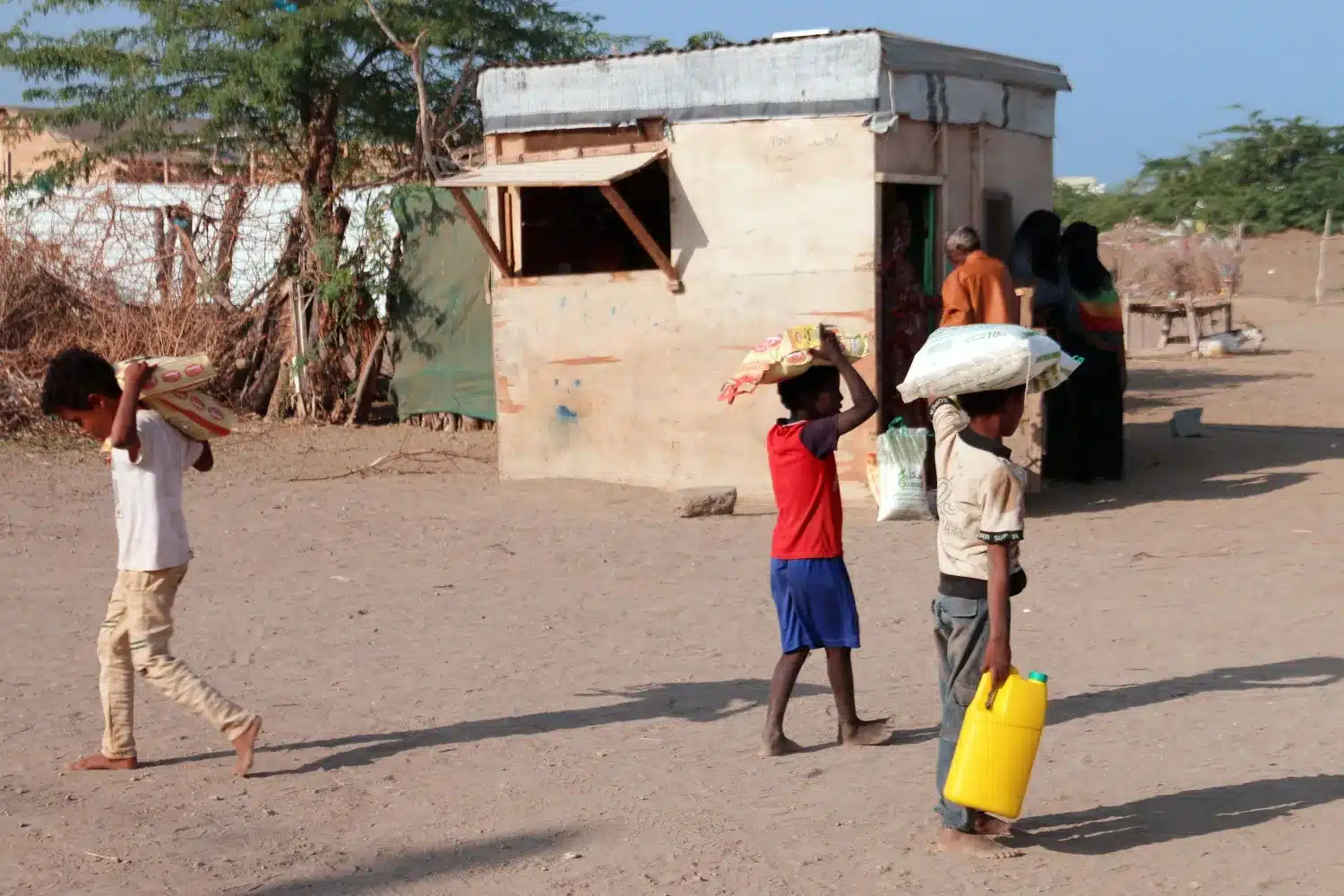
By the end of 2024, the Houthis had succeeded in controlling the flow of international funding. A significant portion of humanitarian aid was redirected to support their military fronts and political ambitions. The group also reportedly used threats and detentions to pressure humanitarian organizations into appointing loyalists to leadership positions and aligning aid projects with their military-political agenda.

Umm Mariam, a 40-year-old vegetable vendor in Sanaa, works from 7 a.m. to 4 p.m. daily. Her modest income is the sole lifeline for her four children amid increasingly harsh living conditions.

She once relied heavily on aid from humanitarian organizations, but that support has drastically diminished. “Before the aid stopped, life was a little easier,” she told Noon Post. “Now, I work harder and longer, but I still can’t guarantee my children a dignified life. Even with all the hours I put in, I can’t meet their basic needs.”

Shrinking Aid

Humanitarian affairs researcher Mohammed al-Muqrami said that Yemen’s humanitarian situation worsened significantly in the first quarter of 2025 due to global reductions in aid.

Al-Muqrami told Noon Post that a wave of Houthi-led kidnappings targeting international organization staff caused widespread disruptions. Many aid groups either scaled back operations or exited Yemen entirely out of fear, leading to a funding shortfall of over 50% compared to previous years.

In June 2025, UN Special Envoy Hans Grundberg called for the immediate release of UN staff arbitrarily detained by the Houthis. Some have been imprisoned since 2021, with 23 humanitarian workers reportedly held for over 1,000 days.

Washington Cuts Aid

In January 2025, President Donald Trump signed an executive order freezing U.S. foreign aid for 90 days to review program effectiveness and alignment with U.S. foreign policy. The order halted funding for foreign governments, NGOs, contractors, and international bodies—cutting about 83% of USAID programs, with remaining initiatives moved to the State Department.

Dr. Abdulqader al-Kharrraz, a prominent academic and head of the “We Will Not Stay Silent” campaign against aid corruption, told Noon Post that U.S. contributions dropped drastically to just $42 million—raising serious concerns over where the funds were going.

“The main reason for this drop is growing donor skepticism. Funds meant for the Yemeni people appear to be indirectly benefiting the Houthi militia instead,” al-Kharraz said.

Humanitarian researcher Mohammed al-Muqrami noted that in 2024, the U.S. accounted for roughly half of Yemen’s total humanitarian aid—making its withdrawal especially devastating.

Humanitarian and Economic Fallout

As the internationally recognized Yemeni government struggles to implement development projects in liberated areas, international organizations continue to fund questionable initiatives in Houthi-controlled regions, worsening the humanitarian crisis.

Economist Mustafa Nasr told Noon Post that the Houthis have pursued a systematic strategy to dominate aid distribution, establishing affiliated entities to manage grants—often misappropriating or selling aid for profit.

“The Houthis not only control aid distribution, but they’ve also threatened and arrested humanitarian workers. Many organizations have had no choice but to leave Houthi-held areas, abandoning millions of people in desperate need,” Nasr added.

The consequences have been dire, especially in governorates like Mahwit, Hajjah, and Amran. Health and education services have deteriorated rapidly, and disease outbreaks have become more common.

In 2025, the UN revised its aid plan for Yemen, reducing the funding target from $2.4 billion to $1.4 billion to assist 8.8 million people—highlighting a significant gap in resources.

Dr. al-Kharraz said that international aid flowing through private banks and exchange houses in both Sanaa and Aden is widening the exchange rate gap between Houthi and government-held areas. “These discrepancies are creating avenues for corruption, even within international organizations.”

Support for Yemen has plummeted from $5 billion in 2018 to just $400 million in 2025.

A report from the UNHCR described Yemen as still suffering from one of the worst humanitarian crises in the world, with 18.2 million people—including 4.5 million internally displaced and over 60,000 refugees—urgently in need of aid.

Al-Muqrami said the situation is worse than ever. “More than 23 million civilians, mostly women and children, need urgent assistance. Yet only 8 million are being reached. The economic collapse, lack of essential services, hyperinflation, and currency depreciation have pushed Yemen to the brink of famine.”

Allegations of Collusion

International aid organizations have faced growing accusations of colluding with the Houthis despite the group’s human rights abuses and designation as a terrorist entity.

Dr. al-Kharraz argued that the Houthis tightened their grip on aid operations by transferring oversight to their foreign ministry in late 2024. “Even with international sanctions in place, these organizations continue working under Houthi supervision in Sanaa and have refused to relocate to Aden,” he said.

He also alleged that a large share of humanitarian funding is funneled directly to the Houthis. “This money is not reaching civilians. It’s funding militias and prolonging conflict.”

Houthi Coercion

Rights activist Hani al-Aswadi said the Houthis have pressured aid agencies to appoint loyalists and steer projects in line with their military-political goals.

Local NGOs not aligned with the Houthis have been shut down, while aid has been diverted to support the militia’s war effort. Black markets for humanitarian goods, overseen by Houthi leaders, have proliferated.

Despite repeated warnings from rights organizations during international forums in Geneva, violations persist unchecked, undermining the effectiveness of humanitarian programs.

Al-Aswadi called on the international community to take firm steps to pressure the Houthis into halting these abuses and ensuring aid reaches those who need it most.

Download this article as PDF
Share this Article
Facebook Twitter Whatsapp Whatsapp Telegram Email Copy Link
بشرى الحميدي
By بشرى الحميدي
Follow:
Previous Article نون بوست The Republic of Deficiency: Why Do Child Labor Tragedies Keep Repeating in Egypt?
Next Article نون بوست Israel Turns Starvation in Gaza into a Strategy of Subjugation

Read More

  • U.S. Regime‑Change Policies: Why They Are Destined to Fail U.S. Regime‑Change Policies: Why They Are Destined to Fail
  • The Gulf’s Balancing Act: Iran, Israel, and Hidden Links
  • Iraq–Turkey Oil Export Treaty: Why Did Ankara Cancel It After 52 Years?
  • Syria’s Northeast on Edge: QSD Between Ankara and Damascus
  • Has Europe Changed Its Stance on Israel… or Just Its Language?
part of the design
NoonPost Weekly Newsletter

You May Also Like

U.S. Regime‑Change Policies: Why They Are Destined to Fail

U.S. Regime‑Change Policies: Why They Are Destined to Fail

إسراء سيد Esraa sayed 8 April ,2026
The Gulf’s Balancing Act: Iran, Israel, and Hidden Links

The Gulf’s Balancing Act: Iran, Israel, and Hidden Links

فريق التحرير Noon Post 8 April ,2026
Iraq–Turkey Oil Export Treaty: Why Did Ankara Cancel It After 52 Years?

Iraq–Turkey Oil Export Treaty: Why Did Ankara Cancel It After 52 Years?

فريق التحرير Noon Post 8 April ,2026

هل يهرب مسيحيو مصر من بلادهم؟

فالنتينا بريمو
فالنتينا بريمو Published 9 February ,2016
Share
925b6204-73d9-4c6f-bb7d-b664bac02977

ترجمة وتحرير نون بوست

“سوف أغادر, لا أريد أن أحيا في تلك البلاد التي لا تمنح عائلتي حريتها” تقول مريم, والتي حصلت على درجة البكالريوس الدولية في التجارة وتتحدث ثلاث لغات بعمر 29 عامًا، ورغم ذلك لم تفلح في العثور على وظيفة في موطنها الأصلي، أما زوجها، المهندس ميكانيكي الذي يعمل في شركة سيارات، فيواجه مشاكل مادية أيضًا، وتعزو مريم هذا الأمر بأنها حالة من التمييز الديني، “لقد حدث هذا في شركتين مختلفتين, كان هناك دائمًا أماكن جديدة متاحة في مراتب أعلى لكنهم كانوا يرفضون تعيينه بها، فهو الموظف المسيحي الوحيد بالمكان, ودائمًا ما يكون هناك شخص آخر أصغر منه بالعمر وبلا خبرة يحصل على تلك الترقية بدلًا منه”،  تقول مريم ذلك بينما تنتظر موافقة السفارة الكندية على طلبها للهجرة.

حالة مريم تتكرر في الواقع مع آلاف المسيحيين المصريين الذين يبحثون عن فرص أفضل في الدول الأجنبية؛ ففي يناير الماضي نشرت مجلة “الإيكونوميست” بحثًا تقول فيه أن أعداد المسيحيين في الشرق الأوسط تتناقص بشكل كبير في حالة نزوج جماعي، حيث تقلص وجودهم في المنطقة من 13.6% من عدد السكان بالمنطقة عام 1910 ليصل إلى 4.2% بحلول عام 2010، كما قالت وثيقة بعنوان “النزوح المستمر”، والتي تتبعت هجرة المسيحيين من الشرق الأوسط, إن هذا الانخفاض النسبي هو” أحد أهم التغيرات في المشهد الديني العالمي”.

وبالرغم من أن المناطق التي شهدت انخفاضًا مثيرًا في عدد السكان المسيحيين هي لبنان وسوريا وفلسطين ومصر (والأخيرة تعد أحد أكبر الدول من حيث الكثافة السكانية المسيحية منذ عام 1910)، إلا أن مصر شهدت تراجعًا سريعًا منذ السبعينيات حيث انخفضت النسبة من 18.7% عام 1910 إلى 10.1% عام 2010، على كلٍ , فقد اعترضت المنظمات المسيحية القبطية المصرية على هذه التقديرات الرسمية حيث ادعت أن الرقم أكبر من ذلك، وفي التقرير الذي نشرته مجلة “هارفرد لسياسات الشرق الأوسط” قدّرت أنه بحلول عام 2025 سوف تتناقص النسبة إلى 8.5% .

هذه الهجرة واسعة النطاق للمسيحيين الأقباط بدأت منذ عمليات تأميم الأصول العشوائية التي قام بها الرئيس الراحل جمال عبدالناصر في الستينيات كما يوضح التقرير الوثائقي “الهجرة من الجذور”،  لكن حالات الهجرة ارتفعت بصورة جذرية عقب ثورة 2011 , مع ازدياد العنف الطائفي والعداوة الإجتماعية والقيود الحكومية التي تجعل الحياة أكثر صعوبة بالنسبة للأقليات الدينية، ليس فقط المسيحيين بل اليهود أيضًا والبهائيين والأقليات من المذاهب المسلمة الأخرى.

أحد أشهر حالات العنف تلك, حدثت في أغسطس 2013 عقب  فض اعتصام الإخوان المسلمين برابعة العدوية, حيث أُحرقت عشرات الكنائس والممتلكات القبطية, وتعرض مئات المسيحيين للاعتداءات والترهيب في عدة محافظات، والأمر أبعد من أن يكون حوادث منفصلة, حيث أشارت منظمة حقوق الإنسان إلى أن حوادث العنف الطائفي استمرت  بعد الإطاحة بالرئيس الإسلامي محمد مرسي عام 2013 , وارتفعت إلى 15 حالة وثقتها اللجنة المصرية للحقوق والحريات بين عامي 2013 و 2014.

” لقد تلقيت تهديدًا بالموت لكنني لن أغادر بلدي أبدًا” يقول مايكل، رجل أعمال من القاهرة يبلغ 53 عامًا، حدث هذا الأمر في صيف 2013 عندما تلقى رجل الأعمال الذي يدير شركة منسوجات إتصالًا هاتفيًا من شخص مجهول، “كان هناك رجل على الطرف الآخر من الهاتف يهددني بالموت إذا لم أغادر البلاد, لقد قال  لي: (فلوسك حلالنا) وأنهم سيأخذون أموالي لأن مصر ستصبح دولة إسلامية، ثم أقفل الخط”، ويضيف مايكل: “لقد تكرر الأمر كثيرًا , حتى أن زوجتي لم تترك أطفالنا يغادرون المنزل أبدًا , لكنني لم أُعر الأمر أي اهتمام , كنت متأكدًا أنه لن يحدث أي شيء”.

يقول رجل الأعمال: “لم يغادر أي من معارفي مصر، وأنا أيضًا لن أغادر، لماذا أتركها؟ كنت لأفعل ذلك لو أن عائلتي بالخارج لكن حياتي كلها هنا، ويجب على جميع المصريين ألا يغادروا وطنهم”.

الأمر مختلف بالنسبة لمريم وزوجها, فإمكانيات الحياة في وطنها لا تساعدها على تحمّل البقاء، “الأمر لا يرتبط فقط بالمسيحيين الذين يغادرون مصر, لكن المشكلة أيضًا أنه لا يوجد وظائف” تقول مريم، لقد قدمت هي وزوجها طلب الهجرة منذ 2011 وأثناء انتظار الموافقة انتقلا مع ابنتهما (16 شهرًا) إلى دولة خليجية, حيث يستطيع زوجها الحصول على راتب أعلى وادخار النقود من أجل الانتقال في المستقبل.

شهدت مريم مغادرة خمس أزواج مسيحيين آخرين لمصر في العام الماضي بحثًا عن حياة أفضل في السويد أو المملكة المتحدة أو كندا، ” إحدى صديقاتي, والتي أصبحت طبيبة ناجحة في المملكة المتحدة, كانت تشعر بالتمييز العنصري باستمرار في الجامعة بسبب دينها” تقول مريم.

” يواجه المسيحيون مشكلات عديدة وليس فقط تطرف الإسلاميين” يقول مينا ثابت, باحث في اللجنة المصرية للحقوق والحريات، ويضيف: “إنهم يواجهون مجتمعًا محافظًا, مجتمع لا يقبل الآخرين, وسلطات لا تحترم حقوق الأقليات, فالوضع لم يتغير منذ حكم مبارك أو المجلس العسكري، في الأسبوع الماضي, تم اعتقال عشر مسيحيين لأنهم حاولوا بناء حائط لكنيسة”.

 وبالرغم من أن الرئيس السيسي كان قد أعلن عن جهوده لمواجهة التطرف, فعلى سبيل المثال منع الدعاة السلفيين من إلقاء الخطب في المساجد, إلا أن منظمات حقوق الإنسان غير الحكومية تدين استمرار البلاد في تطبيق قانون الإلحاد، حيث يقول بعض القادة المسيحيين أن هذه الأداة القانونية تُستخدم لاضطهاد المجتمع القبطي.

ارتفع عدد قضايا الإلحاد – والتي تتضمن إرسال الأشخاص المدانين بإهانة الإسلام إلى السجن –في أعقاب ثورات الربيع العربي عام 2011, لكن المدافعين عن الحريات يقولون أن العدد الإجمالي للقضايا لم يتغير حتى بعد قدوم حكومة أكثر اعتدالًا في عهد السيسي, وذلك طبقًا لتقرير من جريدة ” فورين بولسي”؛ ففي شهر مايو الماضي, تم اعتقال 4 مراهقين تتراوح أعمارهم بين 15 و16 عام في محافظة المنيا لسخريتهم من فيديو خاص بتنظيم الدولة الإسلامية حيث استخدموا عبارات خاصة بالمصليّن المسلمين.

“لقد رأيت العديد من المسيحيين المتهمين بالإلحاد وازدراء الأديان لذا فهم يطالبون باللجوء للدول الغربية ومغادرة مصر, إنهم لا يريدون البقاء في السجن” يقول ثابت, المتخصص في شؤون الأقليات والجماعات المستضعفة.

وبينما غادر العديد من المسيحيين المصريين البلاد نظرًا للظروف الأمنية في السنوات التي أعقبت ثورة 2011, إلا أن غالبيتهم الآن يفعلون ذلك بحثًا عن ظروف معيشية أفضل, وهذا الدافع ليس حكرًا على المسيحيين فقط لكنه ينطبق على جميع المصريين الذين يغادرون البلاد، “لقد غادر العديد من أصدقائي أثناء حكم جماعة الإخوان المسلمين, لقد شاهدت حوالي خمس عائلات يغادرون إلى الولايات المتحدة وكندا وإستراليا وألمانيا, كانوا خائفين من أن تصبح مصر دولة إسلامية, لقد كنت خائفًا أيضًا” يقول جرجس, مهندس في الـ 29 من عمره يسكن في هيليوبلس بمصر الجديدة، لقد قام بإنهاء الاستمارة للحصول على تأشيرة عمل في كندا حيث يخطط هو وزوجته البيروية (من البيرو) للاستقرار هناك، “نحن نرغب في الرحيل لأن الظروف المعيشية أفضل في الخارج, لكن الهجرة ليست سهلة بالنسبة لي, فعندما أتحدث مع أصدقائي المهاجرين يخبرونني أنهم يفتقدون مصر ويحنّون للمقاهي والتجمعات العائلية والحياة الإجتماعية المصرية “.

في إحدى المقالات المثيرة للفكر, تقول المدونة المهاجرة سلمى موسى أن قضية الهوية هي الدافع الرئيسي وراء مغادرة الأقباط المصريين للبلاد، وتلاحظ المدوِنة أنه بينما تقول السردية الرومانسية بأن الأقباط هم “المصريون الأصليون” مما يعطي المجتمع القبطي دورًا مهمًا, فإن صعود الإخوان المسلمين وتعريفهم لمصر كجزء أكبر من الهوية العربية والإسلامية, جعلتهم منفصلين عن المجتمع.

“كل هذه الأسباب الفعلية للهجرة ليست سوى واجهة لإخفاء الشعور المؤلم بفقدان الهوية المصرية, والاختيار الذي يدمي القلب بين أن يكونوا غرباء في وطنهم أو مواطنين في بلد غريبة”.

المصدر: كايروسينس

TAGGED: اضطهاد المسيحيين ، مسيحيو مصر
Download this article as PDF
Share this Article
Facebook Twitter Whatsapp Whatsapp Telegram Email Copy Link
فالنتينا بريمو
By فالنتينا بريمو كاتبة أرجنتينية
Follow:
Next Article نون بوست The Stigma of “ISIS”: A Heavy Legacy Haunting Women and Children of Former Members

Read More

  • U.S. Regime‑Change Policies: Why They Are Destined to Fail U.S. Regime‑Change Policies: Why They Are Destined to Fail
  • The Gulf’s Balancing Act: Iran, Israel, and Hidden Links
  • Iraq–Turkey Oil Export Treaty: Why Did Ankara Cancel It After 52 Years?
  • Syria’s Northeast on Edge: QSD Between Ankara and Damascus
  • Has Europe Changed Its Stance on Israel… or Just Its Language?
part of the design
NoonPost Weekly Newsletter

You May Also Like

U.S. Regime‑Change Policies: Why They Are Destined to Fail

U.S. Regime‑Change Policies: Why They Are Destined to Fail

إسراء سيد Esraa sayed 8 April ,2026
The Gulf’s Balancing Act: Iran, Israel, and Hidden Links

The Gulf’s Balancing Act: Iran, Israel, and Hidden Links

فريق التحرير Noon Post 8 April ,2026
Iraq–Turkey Oil Export Treaty: Why Did Ankara Cancel It After 52 Years?

Iraq–Turkey Oil Export Treaty: Why Did Ankara Cancel It After 52 Years?

فريق التحرير Noon Post 8 April ,2026
dark

An independent media platform founded in 2013, rooted in slow journalism, producing in-depth reports, analysis, and multimedia content to offer deeper perspectives on the news, led by a diverse young team from several Arab countries.

  • Politics
  • Society
  • Rights & Liberties
  • Opinions
  • History
  • Sports
  • Education
  • Technology
  • Economy
  • Media
  • Arts & Literature
  • Entrepreneurship
  • Travel
  • Cinema & Drama
  • Food
  • Health
  • Culture
  • Latest Reports
  • Files
  • Long Reads
  • Interviews
  • Podcast
  • Interactive
  • Encyclopedia
  • In Pictures
  • About Us
  • Our Writers
  • Write for Us
  • Editorial Policy
  • Advanced Search
Some rights reserved under a Creative Commons license

Removed from favorites

Undo
Go to mobile version