


NoonPost NoonPost

NoonPost

  • Home
  • Politics
  • Economy
  • Society
  • Culture
  • Files
  • Long Reads
  • Podcast
AR
Notification Show More
نون بوست
“There Are Nights I Can’t Close My Eyes”: How Gazans Are Living in Homes on the Brink of Collapse
نون بوست
From al-Jolani to Ahmad al-Shara: The Evolution of Syria’s New Leader
نون بوست
When Political Islam Receded in Egypt: Who Filled the Void?
نون بوست
An Extension of Genocide: Gaza’s Detainees Speak Out
نون بوست
A Tightrope Between Survival and Sovereignty: The Syrian Government Faces Normalization Pressures
نون بوست
American Aircraft Carriers: Has the Era of “100,000 Tons of Diplomacy” Ended?
نون بوست
U.S. Regime‑Change Policies: Why They Are Destined to Fail
نون بوست
Transformations of Israeli Judaism: Between the Victim Complex and the Colonizer’s Doctrine
نون بوست
The Gulf’s Balancing Act: Iran, Israel, and Hidden Links
نون بوست
Iraq–Turkey Oil Export Treaty: Why Did Ankara Cancel It After 52 Years?
نون بوست
Syria’s Northeast on Edge: QSD Between Ankara and Damascus
نون بوست
Has Europe Changed Its Stance on Israel… or Just Its Language?
NoonPost NoonPost
AR
Notification Show More
نون بوست
“There Are Nights I Can’t Close My Eyes”: How Gazans Are Living in Homes on the Brink of Collapse
نون بوست
From al-Jolani to Ahmad al-Shara: The Evolution of Syria’s New Leader
نون بوست
When Political Islam Receded in Egypt: Who Filled the Void?
نون بوست
An Extension of Genocide: Gaza’s Detainees Speak Out
نون بوست
A Tightrope Between Survival and Sovereignty: The Syrian Government Faces Normalization Pressures
نون بوست
American Aircraft Carriers: Has the Era of “100,000 Tons of Diplomacy” Ended?
نون بوست
U.S. Regime‑Change Policies: Why They Are Destined to Fail
نون بوست
Transformations of Israeli Judaism: Between the Victim Complex and the Colonizer’s Doctrine
نون بوست
The Gulf’s Balancing Act: Iran, Israel, and Hidden Links
نون بوست
Iraq–Turkey Oil Export Treaty: Why Did Ankara Cancel It After 52 Years?
نون بوست
Syria’s Northeast on Edge: QSD Between Ankara and Damascus
نون بوست
Has Europe Changed Its Stance on Israel… or Just Its Language?
Follow US

What’s Being Planned for Northern West Bank Refugee Camps?

عماد عنان
Emad Anan Published 26 March ,2026
Share
نون بوست
نون بوست
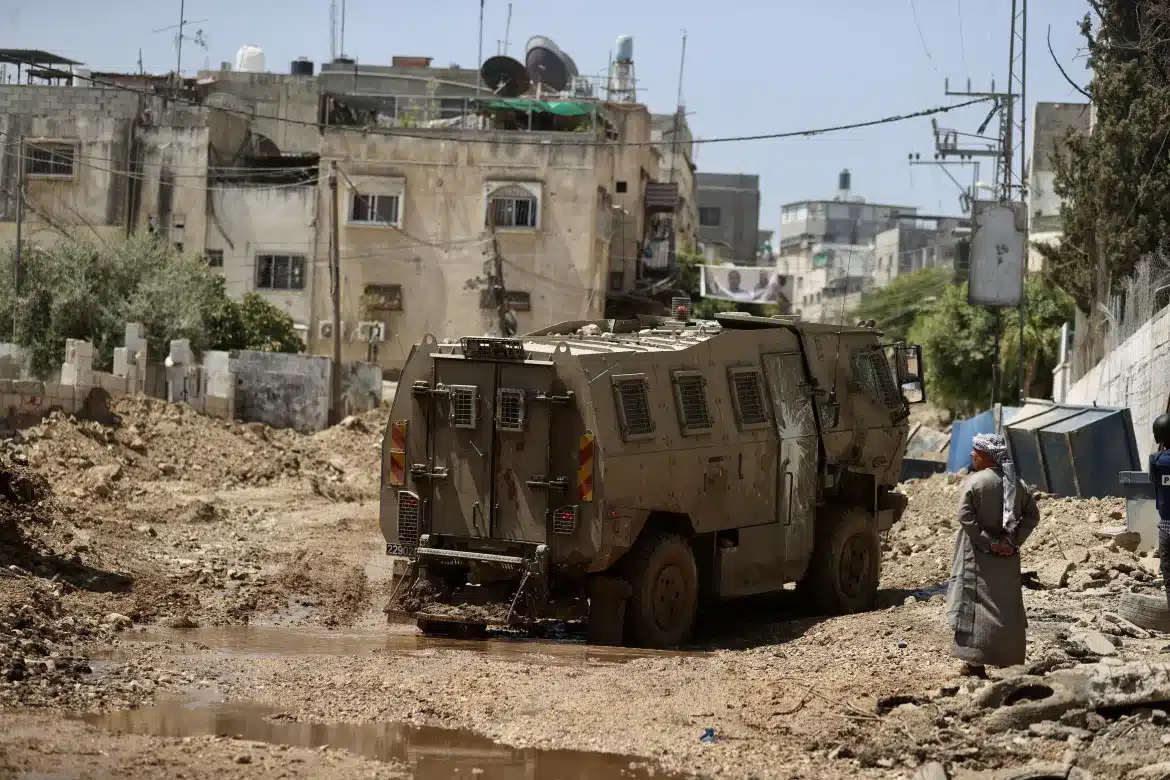
Israeli military vehicle on a bulldozed street in Tulkarm. [Issam Rimawi / Anadolu.

After more than 165 days of relentless Israeli assaults on the Tulkarm refugee camps, attention is shifting to what lies ahead for the camps of the northern West Bank—now under the most extensive military campaign the territory has seen since Operation Defensive Shield in 2002.

The camps, particularly Tulkarm and Nur Shams, have endured unprecedented measures: the forced displacement of thousands, widespread destruction of homes and infrastructure, and the systematic erasure of the camps’ physical and symbolic features.

This strategy has moved beyond traditional military objectives to fundamentally reshape the demographic and spatial landscape of the region.

Amid this escalating crisis, a pressing question emerges: What exactly is being planned? This concern has dominated conversations among camp residents and observers alike, especially following the unexpected visit of U.S. security coordinator Michael Fenzel to Nur Shams.

A move interpreted in light of Washington’s efforts to broker a new security arrangement that aligns with Israeli demands while winning acceptance from the Palestinian Authority (PA).

Camps Under the Blade

Since the launch of Israel’s military operation “Iron Wall”—now entering its sixth month—heavy machinery, led by D9 bulldozers, has relentlessly reshaped the camps in northern West Bank, particularly Tulkarm and Nur Shams.

These ground incursions were preceded by intense shelling, marking the first use of tanks in the West Bank in years, alongside airstrikes and sweeping evacuation orders. The scale of these actions makes clear that the goal extends beyond dismantling armed resistance: the campaign seeks to reconstruct the physical and political identity of the camps.

While the military escalation intensified significantly in January 2025, the groundwork was laid in 2023, when Israel’s military adopted a new strategy during its incursions into Jenin. That strategy included targeting infrastructure, bulldozing streets, and deploying drones to widen the scope of attacks—a model now replicated across other camps.
نون بوست
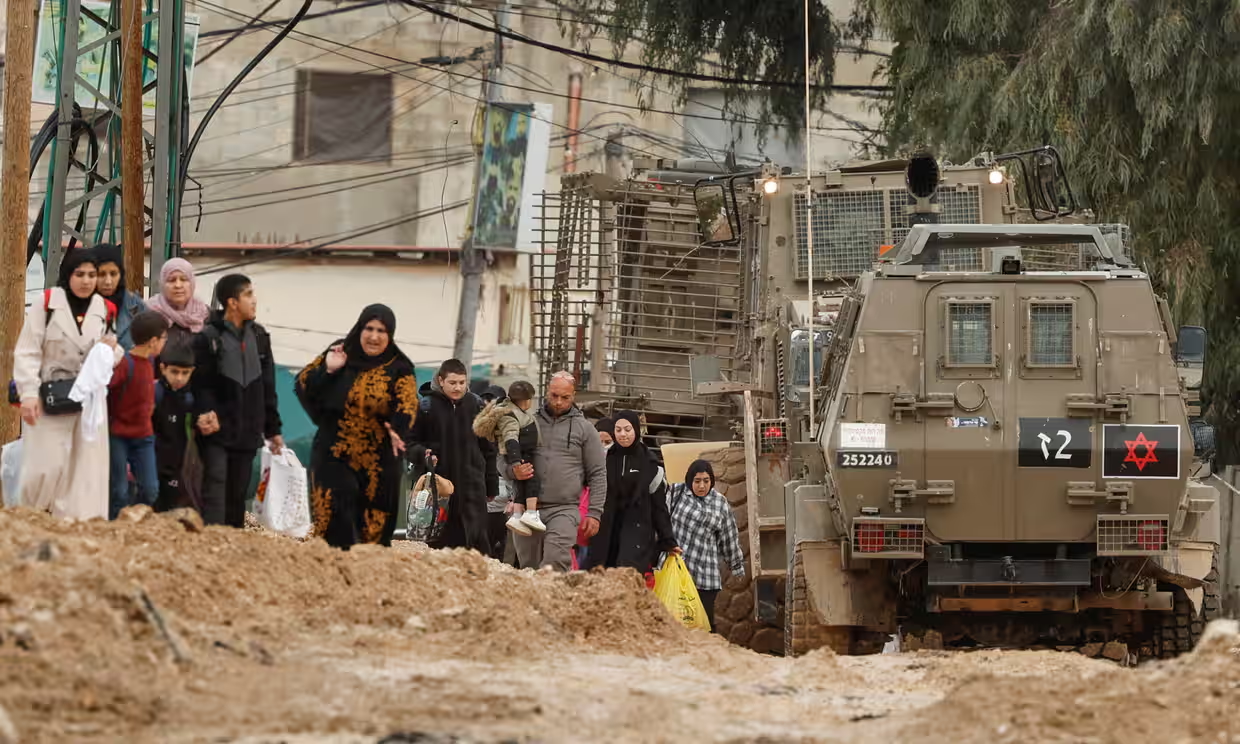
Palestinian families flee Jenin camp through bulldozed roads. (Reuters)

Israel’s aim is increasingly explicit: to transform the densely built, narrow alleyways of these camps—long a challenge for Israeli forces—into open, securitized zones where military operations can proceed freely.

This approach, dubbed “security engineering” by Israeli officials, entails demolishing residential neighborhoods, carving out military access routes, establishing surveillance outposts, and intensifying drone usage. The result is a significant reduction in the ability of Palestinian factions to use these camps as operational bases or community strongholds.

Yet more alarming than the physical devastation is the campaign to dismantle the camps’ symbolic and political identity. Longstanding testaments to the Nakba and key pillars of the Palestinian refugee cause, these camps are being reengineered into ordinary residential areas, stripped of historical resonance and brought under tighter Israeli control.
نون بوست
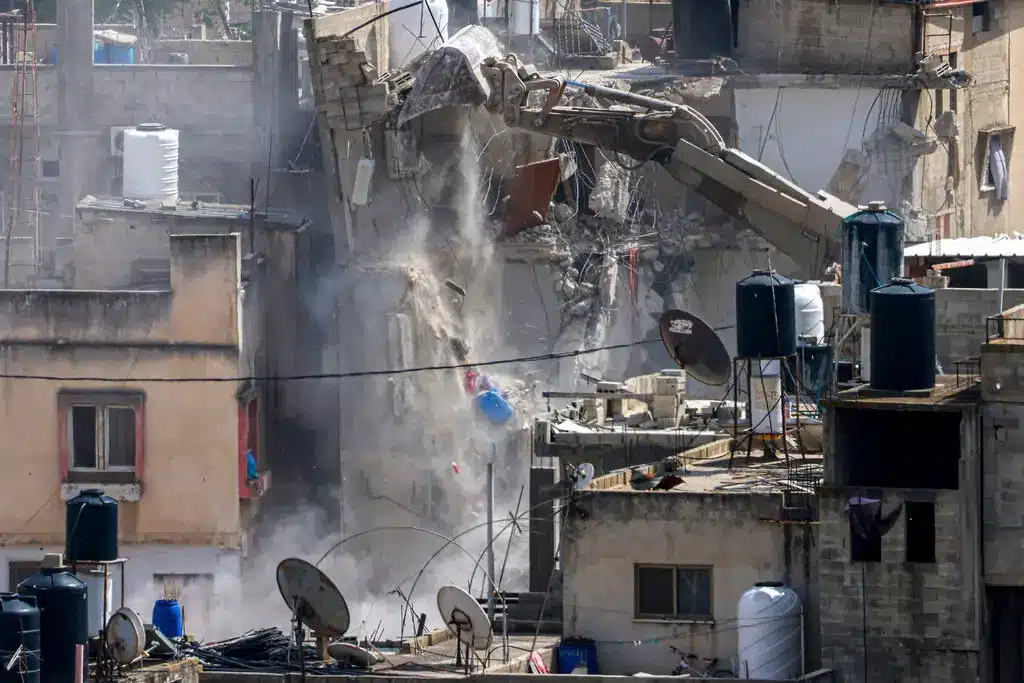
Israeli bulldozer demolishes home in Nur Shams. Photo: Jaafar Ashtiyeh / AFP

The Israeli military has openly stated its intent to “reshape” the camps of Jenin, Tulkarm, and Nur Shams into areas that are easier to govern. One military spokesperson said the goal is to enable “freedom of movement” and prevent future attacks.

According to the Palestinian news agency WAFA, over 600 homes have been completely destroyed in Jenin alone, along with the opening of 15 new roads. In Tulkarm and Nur Shams, at least 400 homes have been razed and more than 2,500 damaged. Both camps remain sealed off, resembling ghost towns.

Estimates indicate that some 40,000 Palestinians have been forcibly displaced, barred even from retrieving essential belongings.

The U.S. Coordinator Visits Nur Shams

A visit by U.S. Security Coordinator for the West Bank, Michael R. Fenzel, to the Nur Shams camp sparked widespread outrage. Accompanied by a Palestinian delegation including the Interior Minister and Tulkarm’s Governor, Fenzel toured the heavily damaged camp amid rising tensions and repeated Israeli incursions—timing that many residents found deeply provocative.

The American and Palestinian delegation surveyed the destruction left by Israeli forces. However, residents voiced staunch opposition, calling the visit a hollow gesture. The head of the camp’s Popular Services Committee declared: “The occupation is destroying our camp.
نون بوست
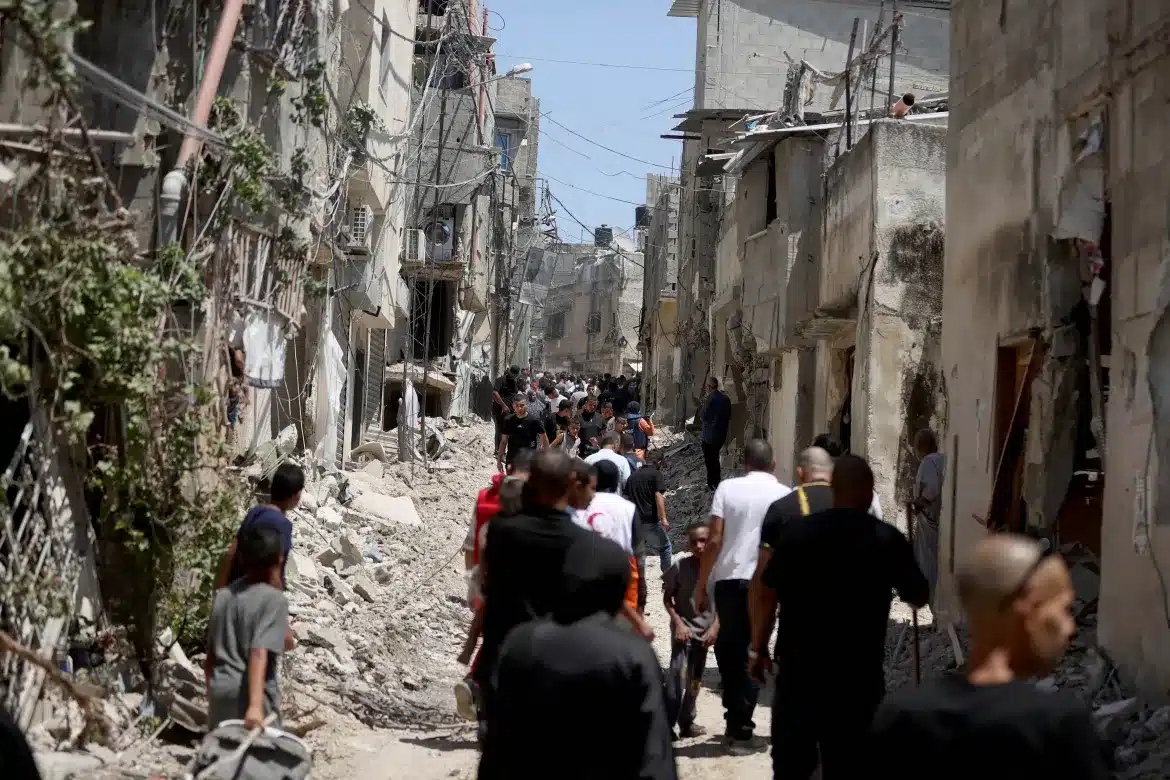
Palestinians inspect damage after Israeli army withdrawal from Tulkarm. Photo: Issam Rimawi / Anadolu Agency

We refuse to receive the American envoy. What we need is for the occupation to leave and for our people to return to their homes.”

Tulkarm Governor Maj. Gen. Abdullah Kamil made a revealing statement: Fenzel had informed him that the Israeli military campaign in Nur Shams had concluded. “Israel told the Americans that it achieved its objectives and halted the demolitions, but military forces remain,” Kamil said.

He added that Israel continues to ban any rebuilding of the roads it carved through the camp, warning of airstrikes should any construction resume. “So what are we supposed to do?” he asked.

On reconstruction, Kamil stated: “Our demand is clear: the occupation must rebuild what it destroyed.” He said this demand was conveyed directly to Fenzel, who responded with promises of U.S. funding for infrastructure projects like water, electricity, and sewage systems.

Commenting on the meeting, Kamil said: “As the Palestinian Authority, we’ll meet with any party that helps us achieve our goals. What matters is the Palestinian position, not the identity of the interlocutor. Whether it’s Americans or Europeans—if it helps alleviate our people’s suffering, we will proceed.”

Fenzel’s Plan: A New Phase of Security Coordination

Michael Fenzel’s recent moves revive attention to a U.S.-drafted security plan, formulated months before the eruption of the “Al-Aqsa Flood” in Gaza. The plan seeks to dismantle armed groups in the northern West Bank and reassert PA control over cities like Jenin and Nablus—now bastions of resistance.

As reported by Axios, the plan was presented to both the Israeli government and the PA during former U.S. Secretary of State Antony Blinken’s regional tour in February 2023, under the banner of “de-escalation.”

Leaked details indicate that the plan centers on creating a special Palestinian security force, trained intensively and deployed in the northern West Bank to dismantle militant networks. The plan was formalized at the U.S.-led Aqaba summit in Jordan, attended by President Biden’s Middle East advisor Brett McGurk and Assistant Secretary of State Barbara Leaf.
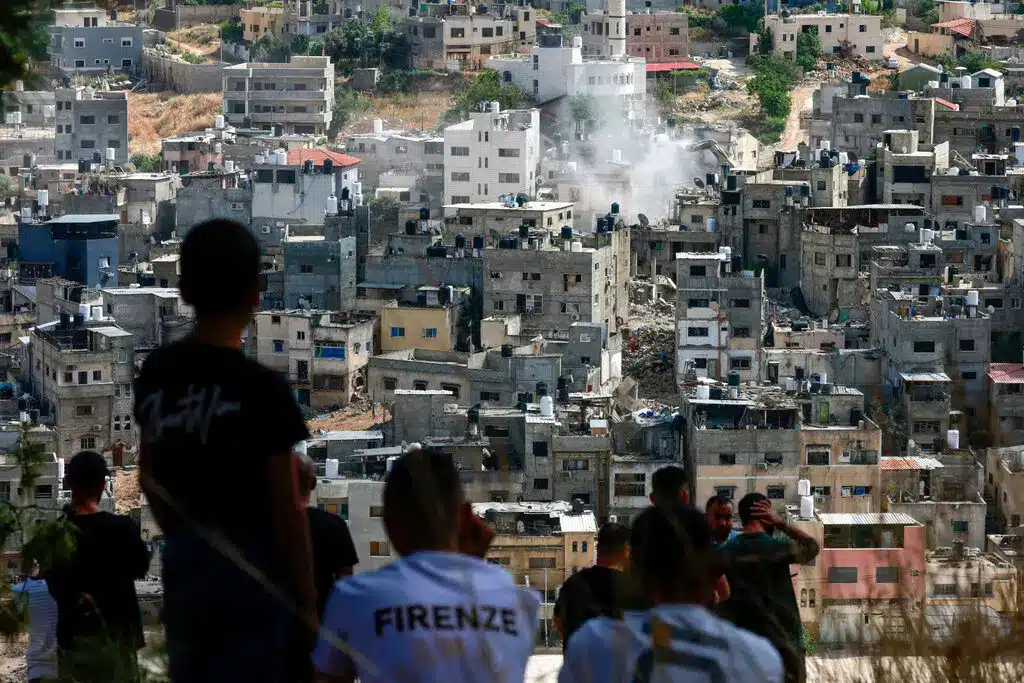
نون بوست
Nur Shams residents watch bulldozer demolish homes from nearby hill. Photo: Jaafar Ashtiyeh / AFP

The Israeli delegation included National Security Advisor Tzachi Hanegbi, then-Shin Bet chief Ronen Bar, and military liaison Maj. Gen. Ghassan Alian. Representing the PA were Hussein al-Sheikh (now PA Vice President), intelligence chief Majed Faraj, and diplomatic advisor Majdi al-Khalidi.

However, the intensifying armed resistance and evolving battlefield dynamics post-“Al-Aqsa Flood” prompted revisions to the plan. The updated version moved away from unilateral PA control toward a model of joint operational coordination with the Israeli military.

This shift was evident in the PA’s “Homeland Protection” campaign in Jenin—a campaign that aligned more closely with Israeli military operations and paved the way for the Iron Wall offensive. The synchronization revealed a deeper layer to Fenzel’s plan: a comprehensive, U.S.-backed security strategy executed through coordinated roles between the PA and Israel.

This coordination continued as Palestinian security forces pursued militants who had fled to nearby villages, while Israeli forces maintained pressure within the camps. This seamless operational synergy reflects the essence of the revised Fenzel Plan: a collaborative dismantling of resistance through synchronized local and external efforts.

The U.S. Security Office: Custodian of Israeli Interests

Fenzel’s role today echoes that of his predecessor, Keith Dayton, who oversaw a formative phase of “security engineering” in the West Bank—dismantling resistance infrastructure and restructuring the PA’s security doctrine to serve Israeli interests.

Appointed in 2005 amid post-Intifada recalibrations, Dayton outlined his vision in 2007 to both the PA leadership and Israeli officials, parallel to peace negotiations between Mahmoud Abbas and then-Prime Minister Ehud Olmert.

Dayton’s role went far beyond advice or training: he directly supervised the dismantling of armed groups and reshaped Palestinian security ideology to view resistance as a threat requiring eradication.

This mission was partly a response to the lessons of the Second Intifada, during which many PA officers joined the fight, especially in the Fatah-linked Al-Aqsa Martyrs Brigades under the leadership of imprisoned figure Marwan Barghouti and with backing from the late President Yasser Arafat.

Dayton’s mission became a pivotal moment in the emergence of a “new” Palestinian Authority under Abbas—one that transformed not only its security apparatus but also the political structure of Fatah, eventually marginalizing factional activism and narrowing the Palestinian political space in the West Bank.

Fenzel’s plan appears to be a continuation of that project, tailored to today’s geopolitical realities and updated American demands. It envisions a “renewed” Palestinian Authority—reengineered politically and militarily to meet U.S. standards and secure limited authority in parts of the West Bank.

This comes as Washington attempts to strike a delicate balance: ensuring the PA remains a viable security partner without directly clashing with the far-right agenda of Benjamin Netanyahu’s government, which continues its policy of creeping annexation and settlement expansion.

In this context, the PA seems eager to demonstrate its relevance—politically and security-wise—by meeting international, particularly American and Israeli, benchmarks and reasserting its role as a “trusted partner.”

This agenda is reflected in a series of policy moves: from Abbas’s statements on disarming resistance groups, to decisions to disarm Palestinian refugee camps in Lebanon, and to Vice President Hussein al-Sheikh’s reinvigoration of security coordination in the West Bank.

These efforts signal the PA’s ambition to expand its role—especially in the “day after” scenario for Gaza—by positioning itself as the central authority capable of restoring order and adhering to the standards demanded by Washington and Tel Aviv.

Download this article as PDF
Share this Article
Facebook Twitter Whatsapp Whatsapp Telegram Email Copy Link
عماد عنان
By عماد عنان كاتب صحفي وباحث في الإعلام الدولي
Follow:
Previous Article نون بوست Ceasefire in Sweida: Agreement Details and Implementation Challenges
Next Article نون بوست How the Hajj Transformed Malcolm X: A Journey Toward Humanity

Read More

  • U.S. Regime‑Change Policies: Why They Are Destined to Fail U.S. Regime‑Change Policies: Why They Are Destined to Fail
  • The Gulf’s Balancing Act: Iran, Israel, and Hidden Links
  • Iraq–Turkey Oil Export Treaty: Why Did Ankara Cancel It After 52 Years?
  • Syria’s Northeast on Edge: QSD Between Ankara and Damascus
  • Has Europe Changed Its Stance on Israel… or Just Its Language?
part of the design
NoonPost Weekly Newsletter

You May Also Like

U.S. Regime‑Change Policies: Why They Are Destined to Fail

U.S. Regime‑Change Policies: Why They Are Destined to Fail

إسراء سيد Esraa sayed 8 April ,2026
The Gulf’s Balancing Act: Iran, Israel, and Hidden Links

The Gulf’s Balancing Act: Iran, Israel, and Hidden Links

فريق التحرير Noon Post 8 April ,2026
Iraq–Turkey Oil Export Treaty: Why Did Ankara Cancel It After 52 Years?

Iraq–Turkey Oil Export Treaty: Why Did Ankara Cancel It After 52 Years?

فريق التحرير Noon Post 8 April ,2026

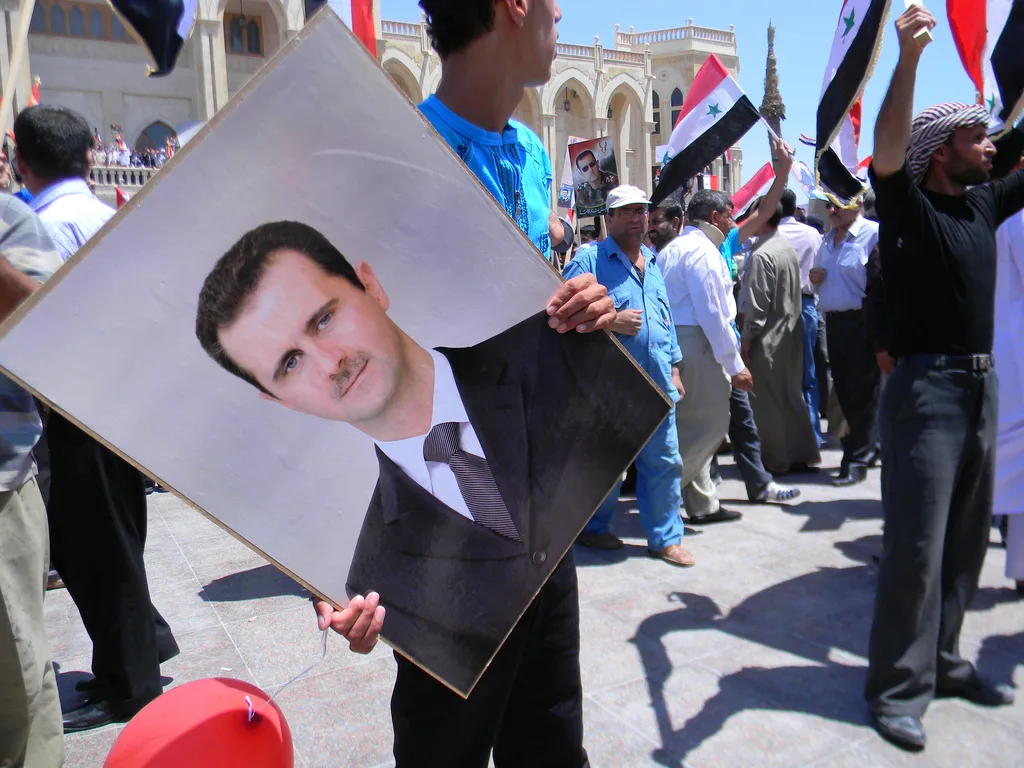
دولة بشار العلوية.. بين براجماتية روسيا وإيران وتاريخ سايكس – بيكو

أحمد عزيز
أحمد عزيز Published 10 February ,2016
Share
189

حينما بدأت الثورة ضد النظام السوري المستبد، كان المتابع لتداعيات الوضع عبر وسائل الإعلام المختلفة يسأل عمن مات، والآن وبعد ما يقرب من ست سنوات، وآلة القتل العلوية تحصد الأخضر واليابس، خصوصًا بعد أن دعمتها روسيا بوسائل جديدة لحصد الآمنين جوًا وبرًا، بات الجميع يتساءل عمن لا يزال حيًا، هذا هو واقع سورية الآن.

الساحل .. نقطة الهروب

وعلى الرغم من الانهيارات المتتالية في صفوف النظام السوري، وداعميه الشيعة سواء حزب الله أو ميليشيا الحرس الثوري الإيراني، وبالطبع الآلة العسكرية والخبرة الحربية الروسية، يخشى الجميع من المحاولات المستميتة للنظام للملمة أوراقه المتناثرة، والتي قد تدفعه في النهاية لخيار وحيد، هو الهروب من دمشق إلى مناطق أو منطقة توفر الحماية له ولما تبقى من جيشه، والوجهة المحتملة هي الانتقال بصحبة العائلات العلوية التي تقطن المحافظات السورية، وهجرتها نحو مناطق الساحل التي تسيطر على معظمها الطائفة العلوية، خصوصًا وأن أتباع النظام يشيعون أن في الساحل وبعض جباله غاز ونفط، ليقنعوا العلويين أنه ستكون لهم دولة غنية، كخطوة باتجاه عزل المنطقة والهيمنة عليها، وبالتالي إنشاء دولته العلوية التي ستكون البذرة الأولى لتقسيم الدولة، وهو احتمال مطروح وبشدة، حيث تسبب الخلافات الأيديولوجية وغياب القيادة الموحدة للمعارضة السورية، في عدم وجود أدوات واضحة للتحكم في سير الأحداث ما بعد سقوط الأسد، مع دخول لاعبين إقليميين ودوليين في ساحة الشطرنج السورية، باتت تهدد المشهد السياسي بمنطقة الشرق الأوسط ككل.

“نون بوست” حاول في التحقيق التالي الوقوف على مآلات الموقف واحتمالاته المستقبلية في حال سارت الأحداث في هذا الاتجاه الذي تسعى إيران وروسيا بالإضافة للنظام طبعًا في الدفع باتجاهه.

التاريخ يعيد نفسه

في البداية، يرى الكاتب السوري المقيم بلندن خير الله المنيف، أن بديل النظام السوري حاليًا للحل الأمني هو السعي وبقوة لإقامة دولة علوية قابلة للحياة، لكن مازالت حمص عقبة في طريقها كونها ثالث أكبر مدينة سورية بعد دمشق وحلب وتسهم بفاعلية في تأمين حدود الدولة العلوية المزعومة.

المنيف يؤكد أن التحركات الروسية الإيرانية الأخيرة تدعم هذا التوجه، خصوصًا أن النظام السوري الذي عرفناه منذ العام 1970 انتهى عمليًا في ظل استمرار الثورة وامتدادها وتوسعها، لكن الدولتين “روسيا وإيران” تدفعان بقوة باتجاه التقسيم والانفصال، مستدعين تاريخ رغبات وفكرة الانفصال القديمة التي بدأت في العام 1923 ، حين أعلنت دولة الانتداب الفرنسي على سوريا قيام الدولة العلوية وعاصمتها مدينة اللاذقية على الساحل السوري، وتضم أجزاءً من محافظات طرطوس وحمص وحماة .

المعارضة ومعضلة داعش

في المقابل، يعتبر الباحث السوري عبدالإله بكور، أن هناك معوقات كبرى تحول بين الرغبة “الروسية – الإيرانية – العلوية” وبين إمكانية تحقيقها على الأرض على الأقل في الوقت الحالي، كون هناك لاعبون فاعلون على الأرض في الداخل السوري يتصدون وبقوة لهذا السيناريو؛ حتى لا يتم اتهامهم بأن ثورتهم على النظام هي من تسببت في تقسيم سوريا وانهيارها.

اللاعبون يحددهم بكور بأنهم هيئة التنسيق الوطني، وهي هيئة يسارية قومية لا تتمازج مع القوى الإسلامية، لكنها ترفض فكرة التقسيم، بالإضافة للمجلس الوطني السوري الذي تأسس بالخارج في يونيو 2011، ويضم بين جنباته جماعة الإخوان المسلمين وتأثيره محدود داخليًا في مسار الأحداث، لكن فكره بعيد تمامًا عن التقسيم، فيما يهيمن الجيش السوري الحر الذي تأسس في يوليو 2011 بعد انشقاق أفراد من جميع الرتب العسكرية من جيش بشار، على الأوضاع في الداخل، ولولا التعطيل المتعمد من ميليشيا داعش الإرهابية، لسيطر على معظم الأراضي السورية التي يحكمها النظام حاليًا، وتشكل قواعد هامة لانطلاقاته وغزواته الدموية تجاه المعارضة والمدنيين السنة.

التفريغ والواقع الديمغرافي

ويضيف، من المعروف أن المكون الديمغرافي السوري قد تكون له اليد العليا في الموقف، وهو ما يفسر عمليات التهجير القسري للسنة وموجة الهجرات الأخيرة المدعومة بقوى إقليمية ودولية، تعمل على تفريغ الداخل السوري – السني منه على وجه الخصوص -؛ لإفساح المجال للشيعة للسيطرة على تلك المناطق، وعلى الرغم من أن المسلمين السنة يشكلون حوالي ثلاثة أرباع سكان سوريا البالغ عددهم حوالي 22 مليون نسمة، أو كانوا قبل الثورة والإبادات، بينهم الأكراد، ونسبة العلويين الموالين للنظام، في حال انضم إليهم الدروز والإثني عشرية والمسيحيون يمثلون الربع الأخير، لكن التفريغ المتوالي قد يدعم فكرة بشار ودولته العلوية، بجانب دعمه لإقامة دولة كردية محتملة في الشريط الحدودي بين سوريا وتركيا والعراق.

دولة محاصرة

لذا – وبحسب بكور – يسعى النظام لفك التشابك بين الواقع الديمغرافي السكاني المتعلق بالهوية الطائفية والدينية للمناطق التي من المحتمل أن تضمها الدولة العلوية، وهي محافظات اللاذقية وطرطوس وحمص وحماة، حيث يختلط السنة والعلويون والمسيحيون في العديد من المدن والقرى، اختلاطًا يكاد يكون تامًا، وهو ما لا يقدر عليه النظام وحده الآن، وإن استطاع بمشاركة إيرانية روسية، فإن دولته تلك محكوم عليها بالإعدام، فكيف تحيا دولة جغرافيًا ضمن محيط وحدود كلها معادية من الناحية الطائفية، فهناك تركيا السنية في الشمال، وأدلب وحلب السنيتان في الشرق، وحماة وحمص من الجنوب الشرقي، وطرابلس اللبنانية السنية في الجنوب؟

النظام ينتحر

الباحث السياسي العراقي حميد الأوسي، يرى أن “نظام ينتحر لا بد أن يقود المعركة إلى حدود أخرى، أيًا كانت نتائجها”، وهو ما يدعم فكرة التقسيم وبقوة، فنظام الأسد يعول على تعاطي قوى إقليمية من الثلاثي الشيعي “الإيراني العراقي اللبناني”، ودولية “روسيا”، مع الفكرة للقضاء على وحدة سورية، وتأجيج حرب طائفية تقضي على ما تبقى من الدولة، بمبدأ إما الحكم أو لا شيء للجميع، مستعينًا بوجود أقلية كردية في الشرق تسعى كذلك للانقسام ويدعمها الأسد لزيادة التوتر بالمنطقة، والضغط على تركيا، فيما يشبه خطة “سايكس – بيكو” لتقسيم المقسم، مع التعويل على أن خلافات المعارضة في الداخل حاليًا تدفع باتجاه دولة سنية بلا أساس موحد، قد تدفع باتجاه نشأة كيانات “إسلامية جهادية” بذرتها داعش، تشكل خطرًا كبيرًا على المنطقة المحيطة ككل، وتخفف بالتالي الضغط على دولته العلوية، كما هو حاصل الآن حيث يحارب داعش قوى المعارضة الإسلامية وينهكها بلا التفات لقوات الأسد.

براجماتية روسيا وإيران

رأي مخالف يدعمنا به المفكر الإسلامي المغربي عبدالحميد البكر، يرى في إمكانية دعم روسيا وإيران لفكرة علوية بشار بعيدة المنال، بتفكير براجماتي نفعي ليس إلا، يعتمد على أن تحقيق إيران وروسيا الهدوء في مناطق نفوذهما أهم لديهما من دعم بشار ذاته، وقيام الدولة العلوية حتى وإن كانت حليفة لإيران وروسيا، فهي مكسب زهيد مقارنة بوجود الدولة السورية ككل كحليف لهما، لذلك ستسعى الدولتين للعمل على إزالة الجماعات السنية المعارضة المدعومة من قِبل أطراف عربية وإقليمية، وهو ما تفعله طائرات بوتين الآن بسوريا؛ لأن البديل هو فوضى مستمرة بالنسبة لروسيا وإيران.

ويدعم البكر وجهة نظره تلك، بأن نفعية روسيا وإيران تدفعهما لرفض توحيد وتحديد مناطق الشيعة في منطقة جغرافية معينة، كونهما تسعيان لما هو أبعد من ذلك، وتعملان على ضم الكيانات غير التابعة لهما الموجودة في المنطقة لمناطق نفوذهما، وهو ما لا يتفق مع طرح الدولة العلوية.

TAGGED: الثورة السورية ، السنة ، الشيعة ، المعارضة السورية ، تقسيم سوريا
TAGGED: الثورة السورية
Download this article as PDF
Share this Article
Facebook Twitter Whatsapp Whatsapp Telegram Email Copy Link
أحمد عزيز
By أحمد عزيز صحفي وكاتب مصري متخصص في الشئون الخارجية والعلاقات الدولية
Follow:
Next Article نون بوست The Stigma of “ISIS”: A Heavy Legacy Haunting Women and Children of Former Members

Read More

  • U.S. Regime‑Change Policies: Why They Are Destined to Fail U.S. Regime‑Change Policies: Why They Are Destined to Fail
  • The Gulf’s Balancing Act: Iran, Israel, and Hidden Links
  • Iraq–Turkey Oil Export Treaty: Why Did Ankara Cancel It After 52 Years?
  • Syria’s Northeast on Edge: QSD Between Ankara and Damascus
  • Has Europe Changed Its Stance on Israel… or Just Its Language?
part of the design
NoonPost Weekly Newsletter
dark

An independent media platform founded in 2013, rooted in slow journalism, producing in-depth reports, analysis, and multimedia content to offer deeper perspectives on the news, led by a diverse young team from several Arab countries.

  • Politics
  • Society
  • Rights & Liberties
  • Opinions
  • History
  • Sports
  • Education
  • Technology
  • Economy
  • Media
  • Arts & Literature
  • Entrepreneurship
  • Travel
  • Cinema & Drama
  • Food
  • Health
  • Culture
  • Latest Reports
  • Files
  • Long Reads
  • Interviews
  • Podcast
  • Interactive
  • Encyclopedia
  • In Pictures
  • About Us
  • Our Writers
  • Write for Us
  • Editorial Policy
  • Advanced Search
Some rights reserved under a Creative Commons license

Removed from favorites

Undo
Go to mobile version