NoonPost NoonPost

NoonPost

  • Home
  • Politics
  • Economy
  • Society
  • Culture
  • Files
  • Long Reads
  • Podcast
AR
Notification Show More
نون بوست
“There Are Nights I Can’t Close My Eyes”: How Gazans Are Living in Homes on the Brink of Collapse
نون بوست
From al-Jolani to Ahmad al-Shara: The Evolution of Syria’s New Leader
نون بوست
When Political Islam Receded in Egypt: Who Filled the Void?
نون بوست
An Extension of Genocide: Gaza’s Detainees Speak Out
نون بوست
A Tightrope Between Survival and Sovereignty: The Syrian Government Faces Normalization Pressures
نون بوست
American Aircraft Carriers: Has the Era of “100,000 Tons of Diplomacy” Ended?
نون بوست
U.S. Regime‑Change Policies: Why They Are Destined to Fail
نون بوست
Transformations of Israeli Judaism: Between the Victim Complex and the Colonizer’s Doctrine
نون بوست
The Gulf’s Balancing Act: Iran, Israel, and Hidden Links
نون بوست
Iraq–Turkey Oil Export Treaty: Why Did Ankara Cancel It After 52 Years?
نون بوست
Syria’s Northeast on Edge: QSD Between Ankara and Damascus
نون بوست
Has Europe Changed Its Stance on Israel… or Just Its Language?
NoonPost NoonPost
AR
Notification Show More
نون بوست
“There Are Nights I Can’t Close My Eyes”: How Gazans Are Living in Homes on the Brink of Collapse
نون بوست
From al-Jolani to Ahmad al-Shara: The Evolution of Syria’s New Leader
نون بوست
When Political Islam Receded in Egypt: Who Filled the Void?
نون بوست
An Extension of Genocide: Gaza’s Detainees Speak Out
نون بوست
A Tightrope Between Survival and Sovereignty: The Syrian Government Faces Normalization Pressures
نون بوست
American Aircraft Carriers: Has the Era of “100,000 Tons of Diplomacy” Ended?
نون بوست
U.S. Regime‑Change Policies: Why They Are Destined to Fail
نون بوست
Transformations of Israeli Judaism: Between the Victim Complex and the Colonizer’s Doctrine
نون بوست
The Gulf’s Balancing Act: Iran, Israel, and Hidden Links
نون بوست
Iraq–Turkey Oil Export Treaty: Why Did Ankara Cancel It After 52 Years?
نون بوست
Syria’s Northeast on Edge: QSD Between Ankara and Damascus
نون بوست
Has Europe Changed Its Stance on Israel… or Just Its Language?
Follow US

SDF Between Damascus Pressure and Waning U.S. Support

زين العابدين العكيدي
Zain Al-Abdin Published 26 March ,2026
Share
نون بوست
نون بوست

A few days ago, a new round of talks took place in the Syrian capital, Damascus, bringing together a delegation from the Autonomous Administration of North and East Syria and representatives of the Syrian government.

The aim was to revive a long-stalled agreement between the two sides. However, the meeting yielded no tangible results, once again raising a familiar question: what is the point of such an agreement if it leads to no practical steps?

The Syrian Democratic Forces (SDF) and their political arm continue to insist on decentralization and the preservation of an independent military structure within the Syrian army—effectively a form of federalism, albeit under the vague label of “decentralization.”

This demand is categorically rejected by the Syrian government, which remains committed to the full implementation of the March 10 agreement, including the complete integration of SDF military and civilian institutions under Damascus’s authority.

Despite significant progress by the Syrian government on domestic and international fronts, the SDF issue remains a destabilizing factor—an open-ended dilemma that could lead to several outcomes, chief among them a new war.

Popular Unrest Against SDF’s Abuses of Arab Communities

It is often said that violence is the last refuge of the weak—and the SDF seems to be embodying that adage in the areas it controls in Syria’s northeast. Amid growing popular discontent in the provinces of Hasakah, Raqqa, and eastern Deir ez-Zor, the SDF has intensified its repressive measures in a desperate attempt to suppress rising dissent and prevent a potential uprising.

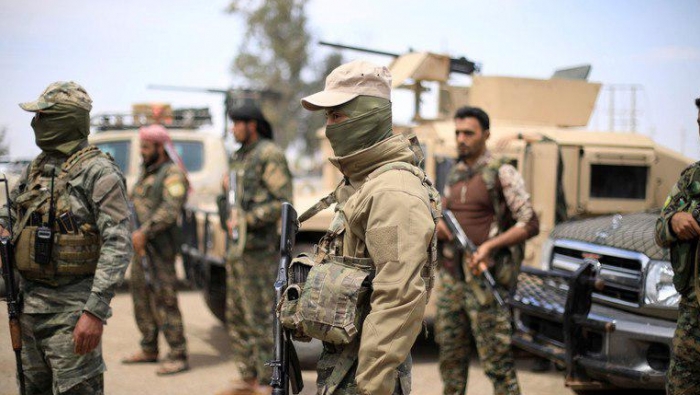
Arbitrary arrests have surged, with the number of detainees exceeding 500, according to local networks. These arrests are often based on flimsy pretexts, such as displaying national flags, slogans supportive of the Syrian state, or President Ahmad al-Shar’a. Even social media posts have triggered detentions, targeting not only adults but also the elderly and children.
نون بوست
Members of (SDF) carry out an arbitrary arrest operation targeting young men in Raqqa.

In a particularly alarming escalation, four civilians—including three children—have been killed by SDF forces in less than two weeks. The latest was 8-year-old Omar al-Yousef in eastern Aleppo on July 11, preceded by 14-year-old Ali al-Ouni in Raqqa on July 2, and 13-year-old Farid al-Huwaish in Deir ez-Zor on June 26.

On July 11, Ala’a Fawaz al-Hardou, a former SDF member who defected, died under torture in a prison in al-Shaddadi, Hasakah.

The abuses extend beyond killings and detentions to include the abduction of children—particularly in the Sheikh Maqsoud neighborhood of Aleppo—and the detention of relatives of wanted individuals, a policy of collective punishment that is fueling mounting tension.

Far from reinforcing SDF’s control, these heavy-handed tactics are deepening public anger and pushing the region toward greater unrest, as the SDF appears increasingly unbalanced and deluded in its belief that control can be maintained through brute force.

Stubbornness and the Illusion of Federalism

In every negotiation with the Syrian government, the SDF continues to demand decentralization as a precondition for any future political deal. But this seemingly administrative demand conceals a deeper agenda: the establishment of a quasi-federal entity with an independent military structure in northeast Syria—a scenario Damascus flatly rejects.

This obstinance reveals a shallow or willful misreading by SDF leadership of the shifting regional and international dynamics, especially the evolving U.S. policy toward Syria and the historic announcement by the Kurdistan Workers’ Party (PKK)—the ideological parent of the YPG/YPJ militias from which the SDF was formed in 2015—to lay down arms after four decades of conflict with Turkey.

That announcement has added to the pressure on the SDF, exposing its shrinking maneuvering room amid growing international calls for dismantling its military infrastructure.

Today, two divergent factions dominate SDF’s leadership:

  • The first, led by Mazloum Abdi, maintains a fragile balancing act between Washington and Damascus, avoiding open confrontations.

  • The second, more hardline faction, led by Khalil Aldar and Ilham Ahmed, and represented by Foza Youssef in negotiations, insists on maintaining SDF’s military autonomy and seeks a semi-independent administration in northeast Syria under a symbolic connection to the Syrian state.

At the conclusion of the July 9 meeting at the Tishreen Palace, the Syrian government openly acknowledged this internal division, pointing to the extremist wing within the SDF’s negotiating team as the primary obstacle to implementing the March 10 agreement, which mandates the dissolution of SDF’s military structure and integration of its institutions into the Syrian state.

This hardline faction, closely aligned with the PKK’s militant ideology, appears to be steering the SDF’s course, blocking all efforts toward reconciliation.

Washington Shifts Position as Patience Wears Thin

In a notable shift, U.S. Special Envoy to Syria Thomas Barak recently expressed clear support for the Syrian government’s stance in its negotiations with the SDF. He criticized what he described as the SDF’s “slow pace” in implementing the integration agreement.

Barak went further, stating bluntly: “There is no path but Damascus,” squarely blaming the SDF for the deadlock in talks. He issued a veiled warning that “time is running out,” and that the continued existence of ethnically-based armed formations—Kurdish or otherwise—would not be tolerated.

“There cannot be armies in sectarian or ethnic uniforms,” he said, adding that “the idea of a Kurdish state or a separate entity for the SDF is off the table.”

Significantly, Barak hinted that the U.S. military presence in Syria “will not be permanent,” a comment many interpreted as a signal of Washington’s gradual disengagement from its unconditional support for the SDF in favor of a political resolution under the umbrella of the Syrian state.

Soon after, an SDF spokesperson appeared on Al Arabiya, declaring that the group is ready to join the Syrian army, stating: “It is natural for the SDF to become part of the national military.” He denied any separatist intentions and confirmed that talks with Damascus were ongoing.

However, the spokesperson also emphasized structural differences between the SDF and the Syrian army, suggesting that a “restructuring” would be necessary—leaving open the question of whether this willingness is genuine or merely a tactic to deflect mounting pressure.

The Endgame: A Ticking Clock

All signs point to Washington having made its decision. The “Kurdish file” is being returned to the Syrian negotiating table in line with a regional and international consensus that the era of autonomous entities outside the Syrian state’s authority is ending. The SDF’s current structure is increasingly seen as an untenable liability—militarily and politically.

Reports suggest the U.S. has given the SDF until mid-August to take meaningful steps toward implementing the agreement. But time is no longer on the SDF’s side. The group’s sole bargaining chip—its role in fighting ISIS—has already been quietly reclaimed by President Ahmad al-Shar’a.

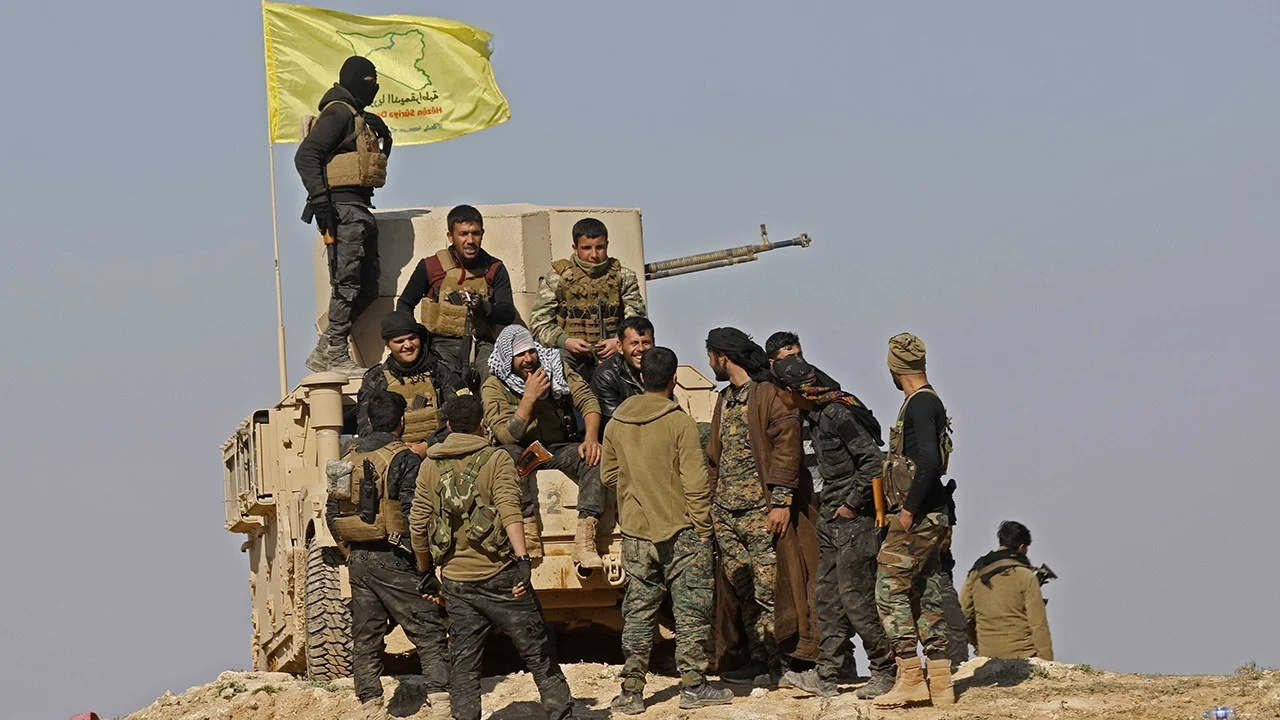
A pivotal moment came on June 22, when a bombing at the Mar Elias Church in the Dwaila neighborhood of Damascus prompted a major shift. Syria’s Ministry of Interior announced that one of the suspects arrested in the Damascus countryside was an Iraqi national and a former resident of the Al-Hol camp in eastern Hasakah. He had escaped the camp and reached Damascus, raising suspicions about the SDF’s role in controlling these areas.
نون بوست

The incident led to a rapid repatriation campaign for Iraqi and Syrian residents of SDF-run camps, and hinted at a change in how the Syrian government is dealing with the SDF—albeit unofficially.

In a notable development, Syrian intelligence forces have arrested numerous SDF-linked cells in Aleppo and Damascus and raided their hideouts after confirming their involvement in sabotage operations within government-held areas. Though belated, these actions aim to contain further instability.

On June 30, Deir ez-Zor Governor Ghassan al-Sayyed Ahmad declared that a military option remains on the table should negotiations fail. He revealed that three fully equipped military divisions were ready to deploy in the northeast if needed. He noted that the SDF’s presence continues to disrupt key infrastructure, including keeping the Deir ez-Zor airport closed due to airspace issues and blocking reconstruction of vital bridges across the Euphrates.

A Military Option: Inevitable, but Not Imminent

There is broad consensus among Syrians—especially in the northeast—on the need for a military campaign to end SDF rule. Many openly call on the government to act, viewing the SDF as obstructing the implementation of the March 10 agreement and serving foreign ambitions to partition the country.

Still, the question remains: Is the Syrian government currently positioned to launch a full-scale offensive?

The short answer is no. Several key obstacles prevent such a move:

  1. The ongoing U.S. military presence and the risk it perceives to ISIS prison camps and displaced persons camps overseen by the SDF.

  2. Turkey’s current preference to avoid escalation with PKK-affiliated groups in Syria until it completes the disarmament process announced by PKK leadership.

  3. The Syrian state’s strategic decision to pursue a peaceful resolution to the SDF issue and avoid further military entanglements as it rebuilds itself diplomatically and institutionally.

But time is running out. With each delay, the pressure on the SDF increases—alongside waning patience in Washington and Ankara. Eventually, the SDF will have little choice but to yield. The hardline faction within its ranks stands to gain nothing, as its bet on military force and regime change is failing.

The Syrian state is gaining international recognition and advancing across multiple fronts. The SDF’s remaining hopes now lie more in fantasy than fact.

A segment of the Kurdish population that supports the SDF still clings to dreams of replicating Iraq’s Kurdistan Region, inspired by figures like Bremer and Barzani. But Syria’s geography, geopolitics, and demography are starkly different.

How can a federation be established in a region that is overwhelmingly Arab? There is no international will to support such a plan. The SDF was created as a wartime formation to fight ISIS—a mission that no longer applies. With a reemergent Syrian state striving for stability and unity, the SDF’s role has effectively expired.

Download this article as PDF
Share this Article
Facebook Twitter Whatsapp Whatsapp Telegram Email Copy Link
زين العابدين العكيدي
By زين العابدين العكيدي صحفي من دير الزور
Follow:
Previous Article نون بوست How the Hajj Transformed Malcolm X: A Journey Toward Humanity
Next Article نون بوست Digital Repression in Yemen: The Internet Became a Tool of Intimidation

Read More

  • U.S. Regime‑Change Policies: Why They Are Destined to Fail U.S. Regime‑Change Policies: Why They Are Destined to Fail
  • The Gulf’s Balancing Act: Iran, Israel, and Hidden Links
  • Iraq–Turkey Oil Export Treaty: Why Did Ankara Cancel It After 52 Years?
  • Syria’s Northeast on Edge: QSD Between Ankara and Damascus
  • Has Europe Changed Its Stance on Israel… or Just Its Language?
part of the design
NoonPost Weekly Newsletter

You May Also Like

U.S. Regime‑Change Policies: Why They Are Destined to Fail

U.S. Regime‑Change Policies: Why They Are Destined to Fail

إسراء سيد Esraa sayed 8 April ,2026
The Gulf’s Balancing Act: Iran, Israel, and Hidden Links

The Gulf’s Balancing Act: Iran, Israel, and Hidden Links

فريق التحرير Noon Post 8 April ,2026
Iraq–Turkey Oil Export Treaty: Why Did Ankara Cancel It After 52 Years?

Iraq–Turkey Oil Export Treaty: Why Did Ankara Cancel It After 52 Years?

فريق التحرير Noon Post 8 April ,2026

لماذا يعمل المهندسون الروس في منشأة غاز لداعش في سوريا؟

جيرين كينار
جيرين كينار Published 12 February ,2016
Share
tuweinan

شارك في هذا المقال راغب صويلو

يدّعي بشار الأسد وروسيا أنهما في حالة حرب مع تنظيم الدولة الإسلامية، لكن منشأة للغاز في شمال سوريا يسيطر عليها التنظيم تشير بشكل واضح إلى وجود علاقات بينه وبين وروسيا ونظام الأسد. ووفقًا لمسؤولين أتراك وثوار سوريين، هذا الموقع أيضًا دليل على التعاون بين تنظيم الدولة الإسلامية وشركة الطاقة الروسية التي لها علاقات مع الرئيس الروسي فلاديمير بوتين.

تقع منشأة الغاز “توينان” على بُعد 60 ميلًا في الجنوب الغربي من عاصمة تنظيم الدولة في محافظة الرق؛ وهي أكبر منشأة من نوعها في سوريا. وتمّ بناؤها من قِبل شركة البناء الروسية “سترويتراتسغاز”، التي يملكها الملياردير الروسي “غينادي تيمتشينكو” المقرّب من بوتين. وترتبط هذه الشركة الروسية بالكرملين بشكل وثيق، وكانت وزارة الخزانة الأمريكية قد فرضت عقوبات على الشركة وغيرها من الشركات التي يملكها “تيمتشينكو”، لمشاركتها في أنشطة “مرتبطة بشكل مباشر مع بوتين”، بعد أزمة أوكرانيا.  

قصة منشأة الغاز المثيرة للجدل تشمل نظام الأسد، وتنظيم الدولة الإسلامية، ورجال أعمال روس من أصل سوري، وجماعات من المعارضة المعتدلة، وسعت جميع هذه الأطراف لتفعيل المنشأة من أجل المزايا المالية واللوجستية التي يمكن أن توفرها لهم.

وكانت الحكومة السورية قد منحت عقد بناء المنشأة إلى شركة “سترويترانسغاز” في عام 2007. واستفادت من هذه الإنشاءات شركة المقاولات السورية “هيسكو” التي كان يملكها رجل الأعمال الروسي السوري جورج حسواني. وفي أكتوبر الماضي، فرضت عليه وزارة الخزانة الأمريكية عقوبات بتهمة التوسط في مبيعات النفط بين تنظيم الدولة الإسلامية ونظام الأسد، لكنه ينفي هذه التهم.

تذهب الشراكة بين شركتي هيسكو وسترويترانسغاز إلى ما هو أبعد من مجرد صفقة واحدة. حيث عملت الشركتان في مشاريع مشتركة في السودان، والجزائر والعراق والإمارات العربية المتحدة منذ عام 2000، ذلك وفقًا لشقيق زوجة حسواني، يوسف عربش، الذي يدير مكتب هيسكو في موسكو.

واستمر البناء بشكل بطيء إلى أن سيطرت فصائل من المعارضة السورية في عملية مشتركة مع جبهة النصرة على المنشأة في يناير عام 2013. وقال أبو خالد، وهو عضو في “لواء قيس القرني” التابع لقوات المعارضة، إنهم “عندما دخلوا المنطقة كان المهندسون والمستشارون الروس قد فرّوا بالفعل، تاركين الموظفين السوريين ورائهم”. وأضاف: “لقد قررنا حماية المصنع. واعتقدنا أنه يعود إلى الشعب السوري بما أنه كان للحكومة السورية”.

ومع بداية عام 2014، سيطر تنظيم الدولة الإسلامية على المنشأة. وقال مسؤول تركي رفيع المستوى إنه بعد الاستيلاء على المنشأة، واصلت شركة سترويترانسغاز بناء المنشأة من خلال شركة المقاولات هيسكو، بإذن من تنظيم الدولة الإسلامية. وادّعى أيضًا أنَّ المهندسين الروس كانوا يعملون في المنشأة لإنجاز المشروع”.

ونشرت صحيفة “تشرين” الحكومية تقريرًا يثبت هذا الادّعاء. وفي يناير عام 2014، بعد أن تمّ الاستيلاء على المنشأة من قِبل تنظيم الدولة الإسلامية، نقلت الصحيفة عن مصادر في حكومة النظام إن “شركة سترويترانسغاز قد أكملت 80 % من المشروع ومن المتوقع أن يتم تسليم المنشأة للنظام خلال النصف الثاني من العام”. لكنَّ التقرير لم يذكر أن هذا المشروع كان تحت سيطرة التنظيم.

ووفقاً لـ “ديفيد باتر”، وهو زميل مشارك في معهد تشاتام هاوس في لندن، والذي رأى رسالة خطيّة من جورج حسواني يشرح فيها تفاصيل المشروع، فإنَّ المرحلة الأولى من الإنتاج في المنشأة بدأت في نهاية عام 2014، وأصبحت تعمل بكامل طاقتها خلال عام 2015. وقال باتر: “بعض الغاز الطبيعي يذهب إلى محطة توليد الكهرباء في حلب، التي تعمل تحت حماية تنظيم الدولة الإسلامية، ويتم ضخ ما تبقى إلى حمص ودمشق”.  

ويقول القيادي أبو خالد إنَّ “المهندسين الروس مازالوا يعملون في المنشأة، وأنَّ حسواني قد توسط في صفقة بين الدولة الإسلامية والنظام السوري لتبادل المنفعة من إنتاج الغاز في هذه المنشأة”. وأضاف: “سمح تنظيم داعش للشركة الروسية بإرسال مهندسين وأفراد طاقم عمل في مقابل حصة كبيرة من الغاز وابتزاز المال”، وعزا هذه المعلومات لقادة في قوات المعارضة التي تقاتل “تنظيم الدولة” بالمنطقة، وأردف: “موظفو الشركة الروسية كانوا يبدلون مناوبة العمل عن طريق القاعدة العسكرية في محافظة حماة”.

رفض حسواني مزاعم وزارة الخزانة الأمريكية بأنه كان يعمل كوسيط في الصفقات النفطية بين تنظيم الدولة الإسلامية ونظام الأسد. لكنه لم ينكر عمل شركة هيسكو المستمر على منشأة الغاز بعد استيلاء تنظيم الدولة الإسلامية عليها.

وذكرت تفاصيل صفقة حقل “توينان” بين تنظيم الدولة الإسلامية وشركة هيسكو لأول مرة في الموقع الالكتروني السوري “الرقة تُذبح بصمت” في أكتوبر عام 2014. وذكر الموقع أن “هيسكو وقّعت على اتفاق مع تنظيم الدولة الإسلامية ووعدته بترك جزء كبير من المنافع له. وفي نوفمبر عام 2015، ذكرت صحيفة “فايننشال تايمز” أنَّ الغاز المنتج في المصنع تمّ إرساله إلى محطة توليد الكهرباء الحرارية التي يسيطر عليها التنظيم في حلب. وينص الاتفاق على إرسال 50 ميجاوات من الكهرباء للنظام، في حين تلقى التنظيم 70 ميجاوات من الكهرباء و300 برميل من المكثفات. وقال المهندسون الذين يعملون في المصنع للصحيفة إن “هيسكو ترسل لتنظيم الدولة الإسلامية ما يقرب من 50 ألف دولار شهريًا لحماية معداتها القيمة”.

وفي حين لا تزال سوريا ممزقة سياسيًا، تدل الصفقة في منشأة الغاز على أن الأطراف المتناحرة مازالت تقوم باتفاقيات اقتصادية وسط الحرب. وفي هذا السياق، يقول “آرون لوند”، رئيس تحرير موقع مؤسسة “كارنيغي” للسلام الدولي، إن “هناك ترتيبات مماثلة تخص الغاز والنفط في جميع أنحاء سوريا. توجد هذه الترتيبات بين داعش والنظام، وبين داعش ومنافسيه من الثوار العرب السُنة، وبين الأكراد والنظام، وبين الأكراد والثوار، وبين الثوار والنظام، وغيرهم.  وأضاف: “هناك الكثير من الاتصالات التجارية غير الرسمية التي ظهرت بين الجماعات المسلّحة والمهربين، أو الأعمال الخاصة لسد الفجوات بين مختلف الأطراف في ظل تقطع أوصال الدولة، بينما يجب أن تبقى المؤسسات الوطنية والبنى التحتية وجزء كبير من الاقتصاد مشترك بالضرورة”.

المصدر: فورين بوليسي – ترجمة إيوان 24

TAGGED: التدخل الروسي في سوريا ، العلاقات بين داعش وروسيا ، تنظيم الدولة الإسلامية
TAGGED: الثورة السورية
Download this article as PDF
Share this Article
Facebook Twitter Whatsapp Whatsapp Telegram Email Copy Link
جيرين كينار
By جيرين كينار صحفية تركية نشرت في العديد من الدوريات والصحف التركية والعالمية
Follow:
Next Article نون بوست The Stigma of “ISIS”: A Heavy Legacy Haunting Women and Children of Former Members

Read More

  • U.S. Regime‑Change Policies: Why They Are Destined to Fail U.S. Regime‑Change Policies: Why They Are Destined to Fail
  • The Gulf’s Balancing Act: Iran, Israel, and Hidden Links
  • Iraq–Turkey Oil Export Treaty: Why Did Ankara Cancel It After 52 Years?
  • Syria’s Northeast on Edge: QSD Between Ankara and Damascus
  • Has Europe Changed Its Stance on Israel… or Just Its Language?
part of the design
NoonPost Weekly Newsletter
dark

An independent media platform founded in 2013, rooted in slow journalism, producing in-depth reports, analysis, and multimedia content to offer deeper perspectives on the news, led by a diverse young team from several Arab countries.

  • Politics
  • Society
  • Rights & Liberties
  • Opinions
  • History
  • Sports
  • Education
  • Technology
  • Economy
  • Media
  • Arts & Literature
  • Entrepreneurship
  • Travel
  • Cinema & Drama
  • Food
  • Health
  • Culture
  • Latest Reports
  • Files
  • Long Reads
  • Interviews
  • Podcast
  • Interactive
  • Encyclopedia
  • In Pictures
  • About Us
  • Our Writers
  • Write for Us
  • Editorial Policy
  • Advanced Search
Some rights reserved under a Creative Commons license

Removed from favorites

Undo
Go to mobile version