

NoonPost NoonPost

NoonPost

  • Home
  • Politics
  • Economy
  • Society
  • Culture
  • Files
  • Long Reads
  • Podcast
AR
Notification Show More
نون بوست
“There Are Nights I Can’t Close My Eyes”: How Gazans Are Living in Homes on the Brink of Collapse
نون بوست
From al-Jolani to Ahmad al-Shara: The Evolution of Syria’s New Leader
نون بوست
When Political Islam Receded in Egypt: Who Filled the Void?
نون بوست
An Extension of Genocide: Gaza’s Detainees Speak Out
نون بوست
A Tightrope Between Survival and Sovereignty: The Syrian Government Faces Normalization Pressures
نون بوست
American Aircraft Carriers: Has the Era of “100,000 Tons of Diplomacy” Ended?
نون بوست
U.S. Regime‑Change Policies: Why They Are Destined to Fail
نون بوست
Transformations of Israeli Judaism: Between the Victim Complex and the Colonizer’s Doctrine
نون بوست
The Gulf’s Balancing Act: Iran, Israel, and Hidden Links
نون بوست
Iraq–Turkey Oil Export Treaty: Why Did Ankara Cancel It After 52 Years?
نون بوست
Syria’s Northeast on Edge: QSD Between Ankara and Damascus
نون بوست
Has Europe Changed Its Stance on Israel… or Just Its Language?
NoonPost NoonPost
AR
Notification Show More
نون بوست
“There Are Nights I Can’t Close My Eyes”: How Gazans Are Living in Homes on the Brink of Collapse
نون بوست
From al-Jolani to Ahmad al-Shara: The Evolution of Syria’s New Leader
نون بوست
When Political Islam Receded in Egypt: Who Filled the Void?
نون بوست
An Extension of Genocide: Gaza’s Detainees Speak Out
نون بوست
A Tightrope Between Survival and Sovereignty: The Syrian Government Faces Normalization Pressures
نون بوست
American Aircraft Carriers: Has the Era of “100,000 Tons of Diplomacy” Ended?
نون بوست
U.S. Regime‑Change Policies: Why They Are Destined to Fail
نون بوست
Transformations of Israeli Judaism: Between the Victim Complex and the Colonizer’s Doctrine
نون بوست
The Gulf’s Balancing Act: Iran, Israel, and Hidden Links
نون بوست
Iraq–Turkey Oil Export Treaty: Why Did Ankara Cancel It After 52 Years?
نون بوست
Syria’s Northeast on Edge: QSD Between Ankara and Damascus
نون بوست
Has Europe Changed Its Stance on Israel… or Just Its Language?
Follow US

Algeria and the European Union: Political Tensions Beneath the Banner of Anti-Money Laundering

فريق التحرير
Noon Post Published 26 March ,2026
Share
نون بوست
نون بوست

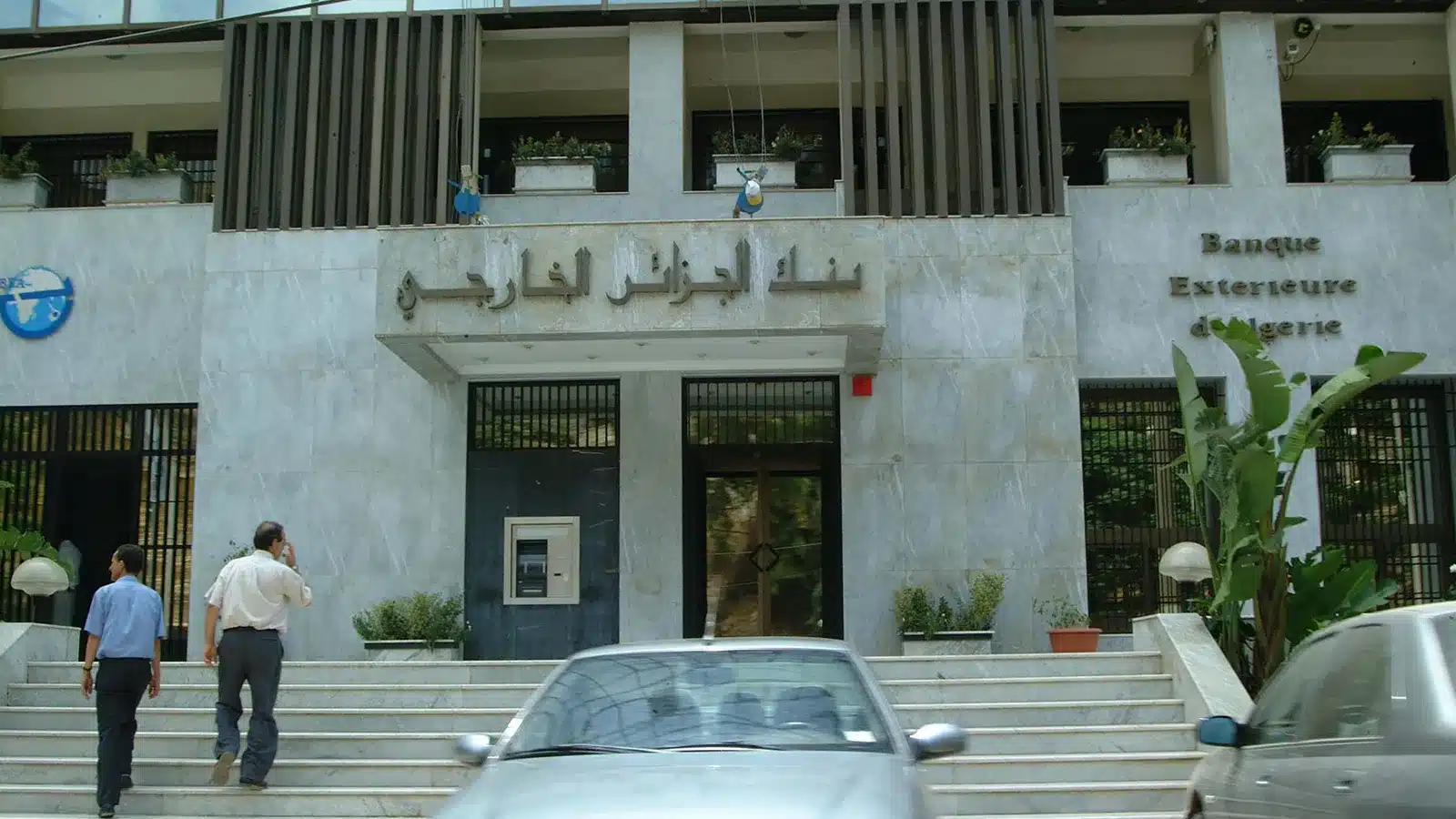
The European Parliament has placed Algeria on its list of high-risk countries for money laundering and terrorist financing, despite the country’s ongoing legislative efforts in this domain.

This designation has become a new point of contention between the two parties, who are currently preparing to revisit the Association Agreement signed over 20 years ago—a pact that, for much of its duration, has overwhelmingly favored the European side.

While Algeria has demonstrated cooperation with European institutions responsible for such assessments and is actively working to update its laws accordingly, its inclusion on this high-risk list raises significant doubts about the motives behind the move.

The timing, amid a period of heightened tension between Algiers and Paris, and the potential role of French right-wing influence, has only added to the suspicions.

Political Context and French Involvement

Last week, the European Parliament approved a decision classifying Algeria as a high-risk country for money laundering and terrorist financing. This measure will subject Algeria’s financial transactions to stricter scrutiny and heightened vigilance within EU institutions. The aim, according to the report, is to mitigate “illicit financing risks” and ensure greater transparency in tracking capital flows.

The European Parliament claims the decision—which will come into effect in the coming weeks—is based on reports identifying “serious deficiencies” in Algeria’s preventive framework, particularly regarding the tracing of funds, monitoring of NGOs, and international judicial cooperation.

As a result, European banks and financial institutions will now be required to implement additional oversight when dealing with their Algerian counterparts.

The decision did not come as a complete surprise. It follows a similar classification issued in early June by the European Commission after the Financial Action Task Force (FATF) placed Algeria on its blacklist. Other countries on this list include Angola, Ivory Coast, Kenya, Laos, Lebanon, Monaco, Namibia, Nepal, and Venezuela—all deemed in need of enhanced oversight for their anti-money laundering regimes.

Headquartered in Paris, the FATF conducts periodic reviews of more than 200 countries’ efforts to combat money laundering and terrorist financing.

While the EU’s designation does not entail formal sanctions or restrictions on trade with Algeria, it nonetheless casts a negative light on the country’s efforts to combat illicit financial activity.

As a consequence, EU banks will now apply tighter controls on payments involving Algerian individuals and institutions, in a bid to more effectively monitor suspicious financial flows.

A Politically Motivated Move?

Although the Algerian government has yet to issue a response to the EU’s designation—consistent with its typical approach to European Parliament resolutions—many observers view the move with skepticism. The decision is based on a report by the FATF, whose headquarters are in France, and it comes at a time when Algerian-French relations are at their lowest point in decades.

French fingerprints on the decision are evident, particularly in statements by French right-wing MEPs. Laurence Trochu, a member of the European Conservatives and Reformists group, described the Algeria designation as “good news” in a post on X (formerly Twitter).

Algerian-French ties have been fraught with tension, leading to the recall of ambassadors amid an aggressive far-right campaign calling for sanctions against Algeria, the cancellation of the 1968 immigration accord, and increased security restrictions targeting Algerian residents in France.

The timing of the EU decision has also raised eyebrows, coinciding with preparations to revise the 2003 Association Agreement—a deal Algeria argues has disproportionately benefited the EU by turning the country into a market for European goods through tariff dismantling. In response, Algeria has introduced protective measures to curb imports.

Over a year ago, in June 2024, the European Union announced it would initiate procedures to resolve disputes with Algeria. At the time, the European Commission issued a statement saying, “The EU has launched a dispute settlement procedure with Algeria,” aiming to “start a constructive dialogue to lift restrictions across several sectors, from agricultural products to automobiles.”

The EU specifically criticized Algeria’s import licensing system—likening it to a de facto import ban—conditional subsidies favoring locally manufactured components for carmakers, and a cap on foreign ownership in companies importing goods to Algeria.

Algeria, for its part, insists that foreign vehicle imports must include at least 30% local integration in manufacturing. It has also retained the 51/49 ownership rule in strategic sectors such as energy, mining, and ports. The EU views these measures as backtracking on the trade liberalization terms of the agreement.

In a cabinet meeting on January 26, President Abdelmadjid Tebboune stated that Algeria’s call to review the Association Agreement with the EU is not driven by disputes, but by a desire to strengthen economic ties based on a “win-win” principle.

He emphasized that the shift toward revisiting the deal is driven by “real economic considerations.” Since the agreement took effect in 2005, Algeria’s exports were mainly hydrocarbons. Today, however, its non-hydrocarbon exports have diversified, particularly in agriculture, mining, cement, and food industries.

Some Algerian economists believe the EU’s money laundering designation may be little more than a pressure tactic ahead of renegotiations—an attempt to preserve the advantages Europe secured when the agreement was first signed. This theory is supported by Algeria’s continued willingness to comply with FATF recommendations.

Algeria’s Legal and Legislative Reforms

Rather than directly responding to the EU’s criticism, Algeria has opted to stay the course on its legislative reforms. The country passed its first anti-money laundering and terrorist financing law in 2005, amending it periodically to stay aligned with international standards. A new version of the law is currently being reviewed by Parliament.

Justice Minister Lotfi Boujemaa presented the draft law on the prevention and combat of money laundering and terrorist financing, stressing the need to “continuously adapt the legal framework to meet international standards, particularly the 40 recommendations of the FATF.”

He added that the updated law reflects “President Abdelmadjid Tebboune’s directives to implement the FATF’s recommendations in order to lift their reservations.”

The Minister’s remarks suggest that Algeria prefers alignment over confrontation—especially given the $22 billion in trade with the EU.

The revised bill includes provisions to ban the activities of individuals and entities listed on Algeria’s national terrorism register. It also introduces measures to freeze or seize their assets and prohibit dealings with them, in line with the UN Security Council’s consolidated sanctions list.

To address external criticisms, the law requires national authorities to cooperate and exchange information with foreign counterparts—either automatically or upon request—in accordance with bilateral and multilateral agreements, thus reaffirming Algeria’s international commitments.

This file has been a top priority for the Algerian government in recent years. The National Committee for the Assessment of Risks Related to Money Laundering, Terrorist Financing, and the Proliferation of Weapons of Mass Destruction held its regular session on March 6.

According to the Ministry of Finance, the meeting aimed to monitor progress across all sectors involved in implementing the FATF-approved action plan, which includes 13 recommended measures designed to enhance Algeria’s national framework and expedite its removal from enhanced monitoring lists.

Despite its cooperation since the mutual evaluation report of 2023, Algeria was still added to the EU’s “grey list” in October 2024, and subsequently to the blacklist. This sequence of events suggests that the issue extends beyond legal reforms, touching on broader political and economic matters that must be resolved before any meaningful renegotiation of the Association Agreement can take place—an agreement that will ultimately shape Algeria’s future partnership with the European Union.

Download this article as PDF
Share this Article
Facebook Twitter Whatsapp Whatsapp Telegram Email Copy Link
فريق التحرير
By فريق التحرير تقارير يعدها فريق تحرير نون بوست.
Follow:
Previous Article نون بوست Muhammad Asad and the Pilgrimage That Reshaped His Worldview
Next Article نون بوست Taiz at the Heart of Yemen’s War: Between Human Devastation and Geopolitical Calculations

Read More

  • Militias and Iran Fuel Iraq’s Oil Crisis Militias and Iran Fuel Iraq’s Oil Crisis
  • Basra’s Water Crisis: Thirst Amid Oil and Salt
  • Chinese Investments in Egypt: Acceptable Privileges, Legitimate Concerns
  • Who Bears the Cost of Egypt's Generosity?
  • Money Laundering in Egypt: The Shadow Economy Devours the State
part of the design
NoonPost Weekly Newsletter

You May Also Like

Militias and Iran Fuel Iraq’s Oil Crisis

Militias and Iran Fuel Iraq’s Oil Crisis

فريق التحرير Noon Post 26 March ,2026
Basra’s Water Crisis: Thirst Amid Oil and Salt

Basra’s Water Crisis: Thirst Amid Oil and Salt

طه العاني Taha Alane 26 March ,2026
Chinese Investments in Egypt: Acceptable Privileges, Legitimate Concerns

Chinese Investments in Egypt: Acceptable Privileges, Legitimate Concerns

عماد عنان Emad Anan 26 March ,2026

تونس تتأهب لأي تدخل عسكري محتمل في ليبيا

فريق التحرير
Noon Post Published 13 February ,2016
Share
441

انطلقت الحكومة التونسية في الاستعداد لمواجهة تداعيات أي تدخل عسكري دولي محتمل في ليبيا، حيث قرر رئيس الحكومة، الحبيب الصيد، أمس الجمعة، تشكيل لجان محلية في المناطق الحدودية مع ليبيا، تحسبًا لأي تطورات قد تعرفها المنطقة، مع تواتر أنباء عن تدخل عسكري وشيك في الجارة الشرقية للبلاد.

وقالت الحكومة في بيان لها أمس: “تحسبًا لتطور الأوضاع في ليبيا ولتداعياتها، أذن الحبيب الصيد رئيس الوزراء، لولاة (محافظي) جهات الجنوب الشرقي (المحافظات الحدودية مع ليبيا)، بتكوين لجان جهوية (محلية) تضم مختلف الأطراف المعنية، قصد اتخاذ الاحتياطات الضرورية، وإعداد خطة عمل على مستوى كل ولاية، للاستعداد للتعامل الناجع والميداني، مع ما قد يطرأ من مستجدات وأوضاع استثنائية”، وأكد الحبيب الصيد ضرورة اتخاذهم التدابير اللازمة لضمان التنسيق والتكامل بين المناطق المعنية، وستعمل اللجان بالتنسيق مع اللجنة الوطنية التي تم إحداثها إثر اجتماع خلية التنسيق الأمني والمتابعة، الثلاثاء الماضي.

وفي اجتماع خلية الأزمة، أقرت الحكومة دعم التعزيزات الأمنية والعسكرية على الحدود مع ليبيا، كما كشف الصيد عن خطة عمل تعدها الحكومة بالتعاون مع وزارة الصحة والشؤون الاجتماعية، للاستعداد لأي طارئ على الحدود.

بدوره أعلن وزير الصحة في تونس سعيد العايدي أمس أن بلاده استعدت على المستوى الطبي لأية ضربة عسكرية محتملة في ليبيا، وأكد العايدي أنه تم ببادرة من رئيس الحكومة وبالتنسيق مع وزارة الخارجية اتخاذ الإجراءات اللازمة وإعداد برنامج في أية من الحالات التي قد يتم فيها التدخل عسكريًا في ليبيا.

وسبق لوزارة الصحة أن أصدرت بيانًا قالت فيه إنها تدرس خططًا عاجلة تحسبًا لتوافد لاجئين من ليبيا في حال شن تحالف غربي ضربات عسكرية ضد تنظيم الدولة الإسلامية.

وقالت الوزارة إنها تدرس خطة طوارئ في المجال الصحي تحسبًا لتدفق اللاجئين والمهاجرين إلى التراب التونسي، هربًا مما قد يحدث في ليبيا من ضربات عسكرية تلوح بها الدول الغربية.

من جهته قال وزير التجارة التونسي محسن حسن في وقت سابق إن وزارته أعدت خططًا لضمان التموين تأهبًا لإمكانية توافد الليبيين بأعداد كبيرة في حال شهدت ليبيا عملية عسكرية ضد تنظيم الدولة الإسلامية.

وصرح وزير التجارة محسن حسن بأن الوزارة تقوم بتخزين كميات هامة من المواد الغذائية لضمان حسن تزويد الأسواق عند توافد الليبيين، كما أوضح أن الخطة تهدف إلى التحكم في الأسعار وضمان عدم ارتفاعها.

في سياق متصل قال رالف شالين، عضو مكتب المفوضية السامية لشؤون اللاجئين التابعة للأمم المتحدة، في مدينة “جرجيس” التونسية (جنوب شرق)، في تصريحات للصحفيين خلال مشاركته مساء أمس الجمعة، في اجتماع بمحافظة “مدنين” لإعداد خطة استباقية لمواجهة أزمة محتملة للاجئين من ليبيا، إن منظمته لن تلجأ إلى إقامة مخيمات على الحدود التونسية الليبية، حال تدفق أعداد كبيرة من اللاجئين الليبيين إلى تونس، في ظل تواتر أنباء عن تدخل عسكري محتمل في الدولة الجارة.

وقال شالين: “حتى الآن لا نعرف هل سيكون هنالك لاجئين أم لا، ولا نعلم العدد الذي من الممكن أن يدخل إلى تونس، ولكننا لن نعيد تجربة إقامة مخيم للاجئين، وسيتم إيواء النازحين المحتملين داخل المناطق السكنية التونسية”.

وأقامت مفوضية اللاجئين في العام 2011، مخيم “الشوشة” الذي يقع على بعد 10 كيلومترًا من الحدود الليبية التونسية، لاستقبال آلاف النازحين من الدولة الجارة، بعد توتر الأوضاع الأمنية هناك، قبل أن يتم إغلاق المخيم رسميًا في 2012.

وطالبت منظمات إغاثة من بينها الهلال الأحمر في محافظتي مدنين وتطاوين جنوب شرق تونس، السلطات بتوفير دعم لوجيستي من سيارات إسعاف ونقل وأدوية ومواد شبه طبية قبل حدوث أي طارئ على الأراضي الليبية.

من جهة أخرى جدد رئيس البرلمان التونسي، محمد الناصر عقب لقاء جمعه ظهر أمس الجمعة بسفير أمريكا لدى تونس دانيال روبنسن، ووزيرة خارجيتها الأسبق مادلين أولبرايت، تأكيد بلاده على تمسكها بالحل السلمي في ليبيا ورفضها للتدخل العسكري في أراضيها، معربًا عن مخاوفهم من الأوضاع التي تشهدها جارتهم الشرقية.

وقال الناصر إنه أبلغ الضيفين، بمخاوف تونس من الوضع في ليبيا، مضيفًا أن اللقاء تطرق إلى مسألة التدخل الأجنبي في الأراضي الليبية، لكن من الواضح أنه لا توجد خطة حاليًا، وكل ما يُروج عن احتمال التدخل فيها، مازال مجرد أخبار واحتمالات، إذ لا شيء يؤكد وجود توجه نحو الحرب”، وتابع: “كل أمر من هذا النوع ( التدخل العسكري)، يهم تونس، ومن الطبيعي التفاهم معنا، وإعلامنا بكل شيء قد يحدث.

وأشارت مصادر أمنية أنه من المنتظر أن يتم فتح معبر راس الجدير ببن قردان (محافظة مدنين) لعبور التونسيين فقط، في حين أنه سيتم استقبال اللاجئين الليبيين وغيرهم عبر معبر الذهيبة وازن من محافظة تطاوين، وذلك تحسبًا لأي هجمات عسكرية ضد ليبيا.

وتخشى تونس من انعكاسات أمنية واقتصادية محتملة في حال نفذ تحالف دولي ضربة عسكرية بليبيا في وقت تشهد فيه البلاد نموًا اقتصاديًا متدنيًا واضطرابات اجتماعية مطالبة بالتنمية والتشغيل.

TAGGED: استعدادات تونس ، الأزمة الليبية ، التدخل العسكري في ليبيا ، الحدود التونسية الليبيبة ، الوضع التونسي
Download this article as PDF
Share this Article
Facebook Twitter Whatsapp Whatsapp Telegram Email Copy Link
فريق التحرير
By فريق التحرير تقارير يعدها فريق تحرير نون بوست.
Follow:
Next Article نون بوست The Stigma of “ISIS”: A Heavy Legacy Haunting Women and Children of Former Members

Read More

  • U.S. Regime‑Change Policies: Why They Are Destined to Fail U.S. Regime‑Change Policies: Why They Are Destined to Fail
  • The Gulf’s Balancing Act: Iran, Israel, and Hidden Links
  • Iraq–Turkey Oil Export Treaty: Why Did Ankara Cancel It After 52 Years?
  • Syria’s Northeast on Edge: QSD Between Ankara and Damascus
  • Has Europe Changed Its Stance on Israel… or Just Its Language?
part of the design
NoonPost Weekly Newsletter

You May Also Like

U.S. Regime‑Change Policies: Why They Are Destined to Fail

U.S. Regime‑Change Policies: Why They Are Destined to Fail

إسراء سيد Esraa sayed 8 April ,2026
The Gulf’s Balancing Act: Iran, Israel, and Hidden Links

The Gulf’s Balancing Act: Iran, Israel, and Hidden Links

فريق التحرير Noon Post 8 April ,2026
Iraq–Turkey Oil Export Treaty: Why Did Ankara Cancel It After 52 Years?

Iraq–Turkey Oil Export Treaty: Why Did Ankara Cancel It After 52 Years?

فريق التحرير Noon Post 8 April ,2026
dark

An independent media platform founded in 2013, rooted in slow journalism, producing in-depth reports, analysis, and multimedia content to offer deeper perspectives on the news, led by a diverse young team from several Arab countries.

  • Politics
  • Society
  • Rights & Liberties
  • Opinions
  • History
  • Sports
  • Education
  • Technology
  • Economy
  • Media
  • Arts & Literature
  • Entrepreneurship
  • Travel
  • Cinema & Drama
  • Food
  • Health
  • Culture
  • Latest Reports
  • Files
  • Long Reads
  • Interviews
  • Podcast
  • Interactive
  • Encyclopedia
  • In Pictures
  • About Us
  • Our Writers
  • Write for Us
  • Editorial Policy
  • Advanced Search
Some rights reserved under a Creative Commons license

Removed from favorites

Undo
Go to mobile version