NoonPost NoonPost

NoonPost

  • Home
  • Politics
  • Economy
  • Society
  • Culture
  • Files
  • Long Reads
  • Podcast
AR
Notification Show More
نون بوست
“There Are Nights I Can’t Close My Eyes”: How Gazans Are Living in Homes on the Brink of Collapse
نون بوست
From al-Jolani to Ahmad al-Shara: The Evolution of Syria’s New Leader
نون بوست
When Political Islam Receded in Egypt: Who Filled the Void?
نون بوست
An Extension of Genocide: Gaza’s Detainees Speak Out
نون بوست
A Tightrope Between Survival and Sovereignty: The Syrian Government Faces Normalization Pressures
نون بوست
American Aircraft Carriers: Has the Era of “100,000 Tons of Diplomacy” Ended?
نون بوست
U.S. Regime‑Change Policies: Why They Are Destined to Fail
نون بوست
Transformations of Israeli Judaism: Between the Victim Complex and the Colonizer’s Doctrine
نون بوست
The Gulf’s Balancing Act: Iran, Israel, and Hidden Links
نون بوست
Iraq–Turkey Oil Export Treaty: Why Did Ankara Cancel It After 52 Years?
نون بوست
Syria’s Northeast on Edge: QSD Between Ankara and Damascus
نون بوست
Has Europe Changed Its Stance on Israel… or Just Its Language?
NoonPost NoonPost
AR
Notification Show More
نون بوست
“There Are Nights I Can’t Close My Eyes”: How Gazans Are Living in Homes on the Brink of Collapse
نون بوست
From al-Jolani to Ahmad al-Shara: The Evolution of Syria’s New Leader
نون بوست
When Political Islam Receded in Egypt: Who Filled the Void?
نون بوست
An Extension of Genocide: Gaza’s Detainees Speak Out
نون بوست
A Tightrope Between Survival and Sovereignty: The Syrian Government Faces Normalization Pressures
نون بوست
American Aircraft Carriers: Has the Era of “100,000 Tons of Diplomacy” Ended?
نون بوست
U.S. Regime‑Change Policies: Why They Are Destined to Fail
نون بوست
Transformations of Israeli Judaism: Between the Victim Complex and the Colonizer’s Doctrine
نون بوست
The Gulf’s Balancing Act: Iran, Israel, and Hidden Links
نون بوست
Iraq–Turkey Oil Export Treaty: Why Did Ankara Cancel It After 52 Years?
نون بوست
Syria’s Northeast on Edge: QSD Between Ankara and Damascus
نون بوست
Has Europe Changed Its Stance on Israel… or Just Its Language?
Follow US

Money Laundering in Egypt: The Shadow Economy Devours the State

عماد عنان
Emad Anan Published 26 March ,2026
Share
نون بوست
نون بوست

On April 27, 2025, Egypt’s Public Prosecution announced via its official Facebook page that Prosecutor General Mohamed Shawky had referred 237 cases to the economic criminal courts within just one year, all involving money laundering charges.

According to the statement, the Economic and Money Laundering Prosecution had conducted investigations into these cases as part of a broader effort to combat illicit financial activity and support transparency across personal and institutional financial transactions.

The total sums involved exceeded 7.7 billion Egyptian pounds, $319.3 million, €4.1 million, and £552.9 thousand across various bank accounts in both local and foreign currencies—amounting to an estimated $467 million in total.

The announcement, however, omitted key details such as the identities of the accused, the nature of the violations, and the activities used to launder the funds.

Around the same time in 2024, the Ministry of Interior reported the arrest of eight individuals accused of laundering 900 million Egyptian pounds derived from drug trafficking operations in the governorates of Dakahlia and Cairo.

The ministry’s statement explained that the suspects attempted to legitimize the proceeds by establishing businesses, purchasing property and vehicles, and investing in agricultural lands—efforts to conceal the money’s illicit origins under a veneer of legitimacy.

Between these two announcements—and many others like them—a consistent theme emerges: official commendations of Egypt’s regulatory efforts to combat money laundering. But while authorities celebrate such actions, they also underscore the scale of the threat such crimes pose to Egypt’s already-strained economy, deterring clean investments and potentially positioning Cairo as a rival to Dubai—not as a hub for global finance, but as a haven for laundering dirty money.

Yet the real alarm lies in what’s left unsaid. The staggering figures raise pressing questions: How can a country that is a signatory to international anti-money laundering agreements refer 237 cases in a single year involving nearly half a billion dollars? If this is merely the discovered portion, what about the undiscovered? Logic dictates that the actual volume of laundered money is likely far higher.

The United Nations defines money laundering as “the processing of criminal proceeds to disguise their illegal origin.” The 1988 Vienna Convention adds that laundering involves “the conversion or transfer of property, knowing that such property is derived from a crime, for the purpose of concealing or disguising its illicit origin.”

A Complex Map

Egypt’s money laundering ecosystem has evolved over decades into a sprawling, multifaceted phenomenon. Crimes range from drug, arms, and antiquities trafficking to bribery, corruption, embezzlement, tax evasion, cyber fraud, and digital currency-related schemes.

Methods vary: funneling funds through multiple banks, establishing shell companies, leveraging third-party accounts, foreign investments, stock purchases, and most notably, real estate and vehicle acquisitions. Entertainment venues—cinemas, bars, cafés—and beauty and massage parlors are also frequent fronts for laundering operations.

Egyptian law imposes harsh penalties. According to Anti-Money Laundering Law No. 80 of 2002 (as amended), penalties include fines proportional to the laundered sums, asset confiscation, business bans, and—in cases involving financial institutions—suspension or revocation of licenses. Prison sentences range from three to seven years and may include both incarceration and fines.

A Fertile Ground

Egypt’s informal economy—unregulated, untaxed, and absent from official economic metrics—has become a fertile breeding ground for money laundering. Referred to colloquially as the “black market” or “grey economy” (a term coined by Nobel laureate Sir Arthur Lewis), this sector includes self-employment, undeclared labor, and untaxed enterprises.

Despite the lack of official figures, estimates suggest it comprises 40–60%—some say over 70%—of Egypt’s formal economy, with around 2 million informal businesses accounting for over half the nation’s total enterprises.

Approximately 4 million Egyptians work in this sector, contributing an estimated 362.1 billion pounds in production—11.1% of GDP—and 8.7 billion pounds in capital investment. Ashraf Abdel Ghany, head of the Egyptian Tax Experts Association, estimates its size exceeds 3 trillion pounds.
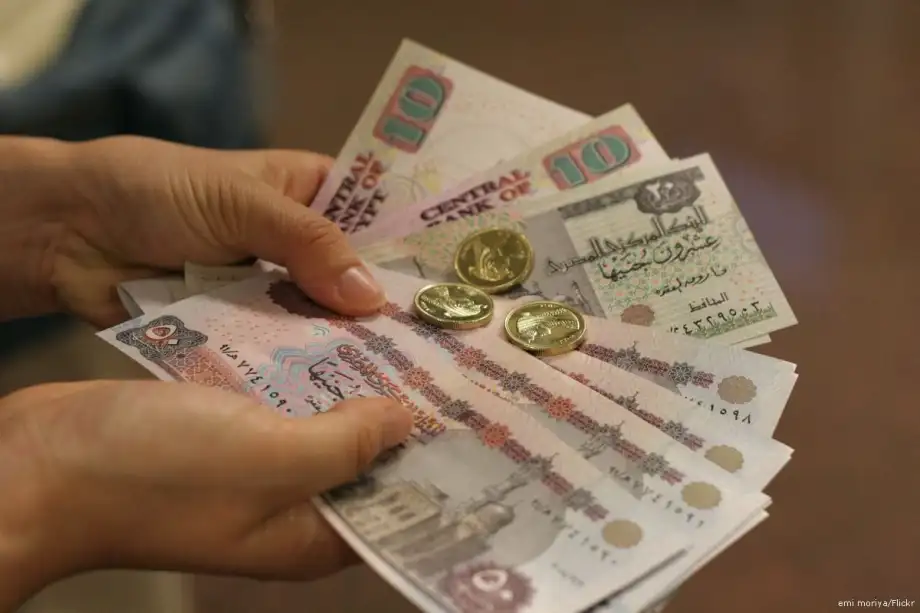
نون بوست

With two-thirds of economic activity effectively off the books and shielded from oversight, Egypt presents ideal conditions for illicit finance. These gaps attract criminals from around the world seeking safe havens for laundering dirty money.

In September 2020, the Ministry of Interior reported 1,600 tax evasion and public funds theft cases—including eight major money laundering operations worth 1.3 billion pounds. Six months earlier, the Administrative Control Authority arrested an MP for accepting a 300,000-pound bribe from a real estate company in Cairo.

In February that year, authorities dismantled a massive laundering network involving 17 suspects, who used fictitious accounts under names of deceased persons and expatriates, and created shell companies to transfer nearly 1.69 billion pounds ($108 million). A separate group was arrested around the same time in Alexandria and Cairo for laundering 160 million pounds ($10.3 million).

The Corruption Connection

Money laundering thrives in corrupt environments—each perpetuating the other. Although Egypt has made strides in anti-corruption efforts, corruption remains deeply entrenched, fueling the spread of laundering, bribery, and related crimes.

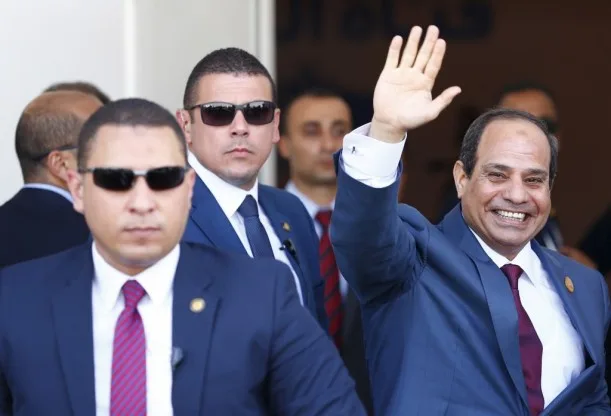
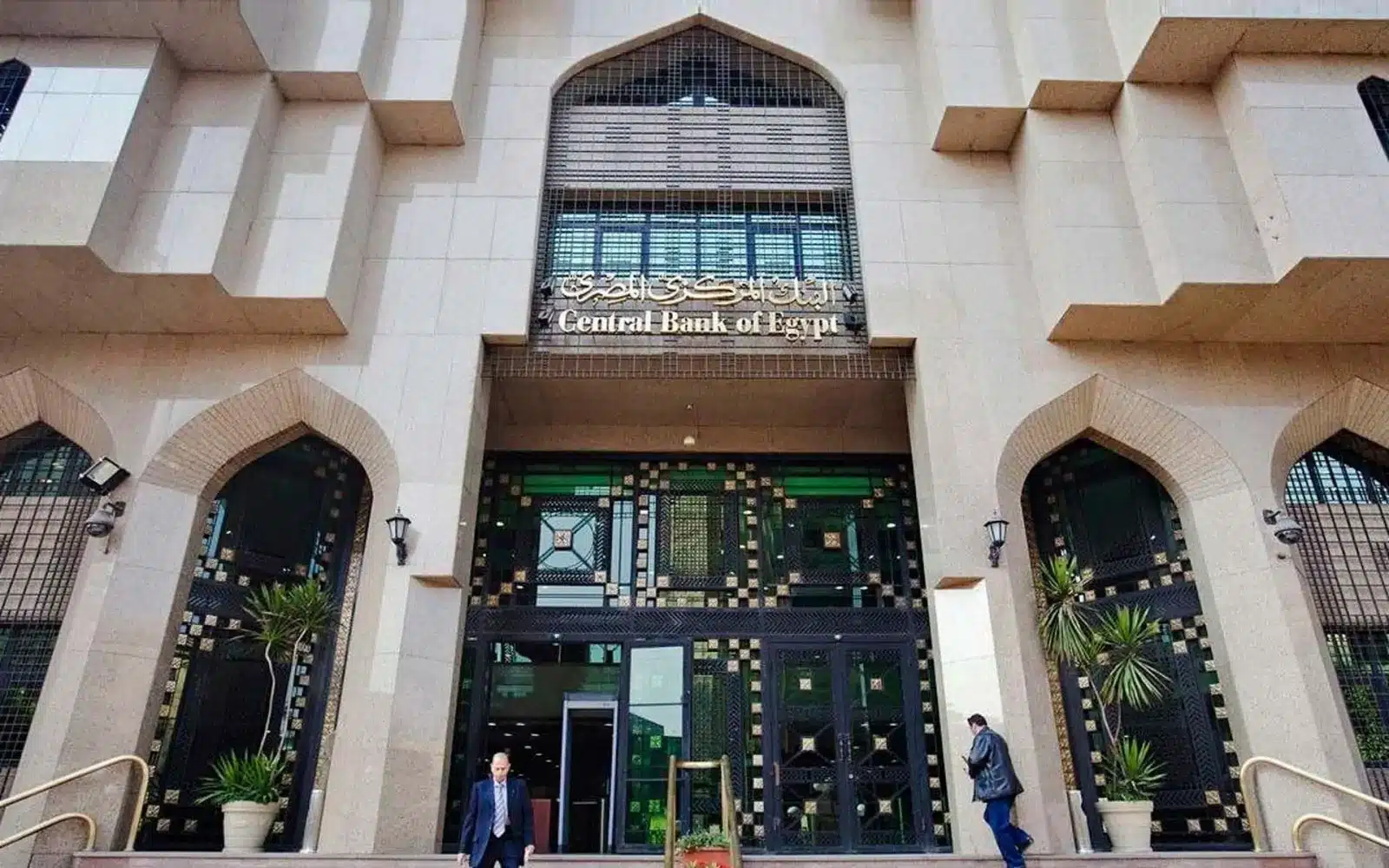
Egypt was among the first to sign the 2003 UN Convention Against Corruption, and in 2002, it established the Anti-Money Laundering and Terrorist Financing Unit under the Central Bank. Upon assuming power in 2014, President Abdel Fattah el-Sisi launched the “National Anti-Corruption Strategy,” citing Article 218 of the Constitution, which mandates institutional cooperation in fighting corruption and promoting transparency.

In 2017, Egypt founded the National Academy for Anti-Corruption as an educational arm of the Administrative Control Authority, offering training in anti-corruption sciences and policies. In July 2022, Law No. 154 further expanded the powers of the Anti-Money Laundering Unit.

These institutions operate through three pillars: legislative frameworks, empowered oversight bodies, and crucially, political will. Yet after a decade, Egypt fell in Transparency International’s 2024 Corruption Perceptions Index to 130th out of 180 nations, scoring just 30 out of 100—a sharp decline from the previous year’s 35.

The index evaluates bribery, embezzlement, abuse of office, lack of transparency, patronage, whistleblower protections, and restricted access to public information. According to Zakaria Azmi, former chief of staff under President Mubarak, corruption in Egypt has reached “neck-deep” proportions.

Oversight—Advanced but Insufficient

Egypt’s central bank-affiliated Anti-Money Laundering Unit has led a modernized surveillance system, securing numerous convictions. The state has updated its regulatory tools to address rising cybercrime, aiming to reassure domestic and foreign investors.

However, enforcement remains inconsistent. Online fraud and cyber-laundering continue to surge, aided by weak inter-agency coordination, outdated systems, and limited public awareness.

Digital advancements have drastically increased laundering activity. Cybercriminals exploit banking vulnerabilities to make cross-border transfers and manipulate accounts. Competing illegal networks race to exploit these cracks.

Central Bank reports acknowledge that weak oversight and poor enforcement have created ideal conditions for money laundering. Political sensitivities often prevent full disclosure of suspects’ identities and affiliations—especially when foreigners are involved—fueling opacity and compounding the crisis.

In sum, Egypt’s economy has become a major hub for illicit finance. Despite considerable state efforts, these are not enough. Combating money laundering requires comprehensive, well-resourced plans rooted in political will. Without that, corruption will continue to corrode the national economy and derail any hopes of sustainable development. The question remains: will the will to act emerge?

Download this article as PDF
Share this Article
Facebook Twitter Whatsapp Whatsapp Telegram Email Copy Link
عماد عنان
By عماد عنان كاتب صحفي وباحث في الإعلام الدولي
Follow:
Previous Article نون بوست From Coup Attempt to Dismantling Terrorism: Nine Years That Transformed Turkey
Next Article نون بوست The Extraordinary Journey of Lady Evelyn Cobbold to Mecca

Read More

  • Militias and Iran Fuel Iraq’s Oil Crisis Militias and Iran Fuel Iraq’s Oil Crisis
  • Basra’s Water Crisis: Thirst Amid Oil and Salt
  • Chinese Investments in Egypt: Acceptable Privileges, Legitimate Concerns
  • Who Bears the Cost of Egypt's Generosity?
  • Algeria and the European Union: Political Tensions Beneath the Banner of Anti-Money Laundering
part of the design
NoonPost Weekly Newsletter

You May Also Like

Militias and Iran Fuel Iraq’s Oil Crisis

Militias and Iran Fuel Iraq’s Oil Crisis

فريق التحرير Noon Post 26 March ,2026
Basra’s Water Crisis: Thirst Amid Oil and Salt

Basra’s Water Crisis: Thirst Amid Oil and Salt

طه العاني Taha Alane 26 March ,2026
Chinese Investments in Egypt: Acceptable Privileges, Legitimate Concerns

Chinese Investments in Egypt: Acceptable Privileges, Legitimate Concerns

عماد عنان Emad Anan 26 March ,2026

رغم فشل الثورة في مصر، الديكتاتور لن يستمر

ستيفاني توماس
ستيفاني توماس Published 14 February ,2016
Share
egy-sisi-611x416

ترجمة وتحرير نون بوست

لطالما عانى المصريون من سوء الحكم، في أحسن الأحوال، أو من الوحشية، في أسوأ الأحوال، من قِبل قادتهم، سواء تحت حكم العثمانيين، البريطانيين، الناصريين، أو تحت حكم الرئيس حسني مبارك الذي استمر لمدة 30 عامًا؛ لذا، بدلًا من أن نسأل لماذا فشلت الثورة في مصر قبل خمس سنوات، دعونا نلوم الحقيقة المؤسفة التي وصل إليها زعماء ما بعد الثورة الذين كان من المفترض بهم أن يقودوا الشعب ولكنهم فشلوا في هذه المهمة، تمامًا كما فشل أسلافهم.

عانى المواطنون المصريون من سوء الحكم من قِبل أول رئيس مصري منتخب ديمقراطيًا، الرئيس محمد مرسي، زعيم جماعة الإخوان المسلمين؛ فمرسي كان متعجرفًا ساعيًا لاغتصاب السلطة بدافع من الغباء السياسي لا من المنهج الإسلامي، وبالمختصر، كان مرسي ضعيف الخبرة السياسية أكثر من كونه حاكمًا شريرًا أو خبيثًا، وبالتأكيد لم يكن “إرهابيًا”، كما نعته الرئيس عبد الفتاح السيسي إلى جانب جميع أعضاء جماعة الإخوان المسلمين الآخرين.

خُذل المصريون أيضًا من قِبل السياسيين الليبراليين والعلمانيين الذين غلّبوا مصالحهم الذاتية على العمل الجاد لتأسيس تحالفات قوية وأحزاب ومنابر، فصحيح أنهم اعتنقوا القيم الديمقراطية التعددية ولكنهم طبقوا هذه القيم بشكل انتقائي؛ ففي في عام 2013، على سبيل المثال، اختاروا دعم الإطاحة العنيفة بمرسي بدلًا من إجراء تصويت ديمقراطي لخلعه من منصبه.

نون بوست

المتظاهرون ضد الرئيس محمد مرسي في ميدان التحرير في القاهرة 3 يوليو 2013.

المثال الحي الآخر على نفعية السياسيين الليبراليين والعلمانيين هو المصري الحائز على جائزة نوبل، محمد البرادعي، الذي لعب دورًا سياسيًا خجولًا لمدة عامين، قضاها خادمًا لطموحاته السياسية بدلًا من التشمير عن ساعديه لبناء العملية السياسية، ومن ثم انضم إلى حكومة السيسي المؤقتة، ليستقيل بعد شهر من وقوع مجزرة رابعة، والتي ذهب ضحيتها حوالي 800 شخصًا من أنصار الإخوان المسلمين الذين قُتلوا على يد قوات الأمن.

بالإضافة إلى ذلك، خُذل المصريون من جيل أبنائهم وبناتهم، الذين كانت براعتهم، في كثير من الأحيان، في تنظيم أنفسهم على الإنترنت بغية الاحتجاج لأي سبب كان، أكبر من مهارتهم في حماية المكتسبات التي حققوها جرّاء الاحتجاجات؛ فبعد قتال الجيش لكامل عامي 2011 و 2012، دعم الكثير من الناشطين الشباب الجهود العسكرية للإطاحة بمرسي في ربيع عام 2013، لدرجة أنهم تظاهروا في ميادين مصر عندما دعاهم السيسي لإظهار دعمهم لقراره للإطاحة بمرسي، ولكونهم قد ألفوا هذا النمط، كان لا بد لهم أن يضرّسوا ويحتجوا في نهاية المطاف على حكم السيسي، وهذا ما حصل حقًا، ولكن مع ذلك، فإن أيًا من هؤلاء الناشطين الشباب لا يستحق أن يُرمى في السجن، حيث يرزح الكثيرون تحت وطأة الألم والحرمان.

عندما كنت أغطي احتجاجات ميدان التحرير في عام 2011، شكّلت الثورة المصرية مصدر إلهام هائل لي لأترك وظيفتي في التلفزيون، لأعود إلى مصر وأشهد صناعة المستقبل الواعد، لقد عشت بسعادة في القاهرة كطالبة أدرس اللغة العربية في تسعينيات القرن الماضي، وتطلعت للعمل ضمن الجامعة الأمريكية في القاهرة، التي كانت مشبعة بطاقة وإمكانيات ما بعد الثورة.

عندما وصلت إلى مصر في سبتمبر 2011، باشرت التحالفات المبرمة والشعارات الرومانسية، كشعار الجيش والشعب يد واحدة، التي انطلقت في ميدان التحرير، باتخاذ منحى سيء، حيث قام المجلس الأعلى للقوات المسلحة، وهي الهيئة العسكرية المؤقتة التي حلت محل مبارك، بقمع المتظاهرين بعنف متمعًا بالحصانة من العقاب، وكانت الواقعة الأخطر في هذا السياق هي الحادثة التي أضحت تُعرف باسم مذبحة ماسبيرو، والتي التقطت خلالها الكاميرات التلفزيونية مركبة مدرعة عسكرية تدعس المتظاهرين الأقباط الهاربين، وعندما اكتسحت جماعة الإخوان المسلمين الانتخابات البرلمانية عامي 2011 و 2012، عمدت الجماعات المعارضة العلمانية العقيمة إلى اتباع نهج الشيطنة السياسية تجاه الجماعة.

في الدائرة الأقرب إليّ، سادت مجموعة المواطنين المتمكنين والصاخبين سياسيًا، وسائل الإعلام المحررة، وفئة من المفكرين الذين يرتدون ملابسًا متأنقة لتتناسب مع “شياكة الثورة”؛ فأحد الأستاذة في الجامعة تحوّل إلى سياسي، أطال شعره، وارتدى معطفًا وسروالًا قصيرًا، ولم يعد يهتم بإلقاء المحاضرات، لدرجة أنه في بعض الأحيان كان يلقي المحاضرة من سيارته عبر مكبر صوت الهاتف، كما عمد أحد السفراء السابقين، الذي تسلم منصب عمادة إحدى الكليات، إلى إلقاء المواعظ عن قيم الحرية المدنية والديمقراطية في بدلاته الأنيقة، ولكنه انضم على الفور إلى الحكومة العسكرية المؤقتة بعد مرسي، كما تعاونت كوادر ناشطي ساحة التحرير المتأنقين سرًا مع الجيش لتأجيج “الحركة الشعبية” ضد مرسي.

نون بوست

المتظاهرون يشاركون في مظاهرة بمناسبة الذكرى السنوية الأولى للانتفاضة المصرية في ميدان التحرير في القاهرة 25 يناير 2012.

بالإضافة إلى ذلك، خُذل شعب مصر حتى من القادة الذين ولدوا من رحم الثورة؛ فعندما غادرت القاهرة في يونيو 2013، معظم الأشخاص الذين أعرفهم في الجامعة كانوا يؤيدون العودة إلى الحكم العسكري، ورضخوا للتدابير العنيفة وغير الليبرالية التي تنطوي على ذلك كأمر واقع ومفروغ منه، لدرجة أن أحد الأشخاص العاقلين صاغ الأمر بعبارة بسيطة قائلًا: “ليبراليو مصر غير الليبرالين”.

النظام الحالي في مصر، بقيادة السيسي، يُظهر مدى ملائكية نظام مبارك، حيث يبرر نظام السيسي القمع باسم الأمن والاستقرار، يمنع الاحتجاجات، يحظر الجماعات السياسية أو يشلّها، ويروّج لنهج الاستقطاب من قِبل وسائل الإعلام المنصاعة لحكمه بخنوع.

ضمنت الفوضى المتوسعة في المنطقة، وخاصة في ليبيا وسوريا واليمن، مقاليد الحكم للسيسي، فهذه الأزمات شكّلت ناقوس خطر يدق مذكرًا المصريين، في حال نسيانهم، عمّا قد تسفر عنه الحركات الديمقراطية غير الناضجة، وبالتلازم مع ذلك، تصاعدت موجة الاعتقالات وحالات “الاختفاء القسري” التي استهدفت الصحفيين والناشطين في مجال الحقوق المدنية، مما اضطر الحكومة المصرية للاعتراف باعتقال المئات بطريقة غير مشروعة.

في الأسبوع الماضي، اعتبرت حادثة اكتشاف جثة جوليو ريجيني، وهو طالب دكتوراه إيطالي بالغ من العمر 28 عامًا، على قارعة الطريق مع علامات تعذيب ظاهرة عليه، أمرًا مقلقًا بشكل خاص، لأن قوات الأمن المصرية عادة من تحتفظ بوحشيتها لتطبقها حصريًا على المصريين، وعلى الرغم من الجهود المتواصلة المبذولة من قِبل السلطات الإيطالية، لن تحصل أسرة ريجيني على أي معلومات مؤكدة حول ما حصل للشاب جوليو، تمامًا كعشرات الآلاف من المصريين الذين لن يعرفوا البتة حقيقة وفاة أحبابهم بإعدمات حصلت خارج نطاق القضاء.

لن يتغير الكثير على الأرجح في المدى القصير؛ وربما سيستمر السيسي بتأدية مهامة خارج مصر بشكل أفضل من الداخل، حيث سيعزز ويعظم من دوره كخط دفاع ضد الدولة الإسلامية في سيناء، ومن المرجح أن يعمد للمناورة للانخراط في أي تحالف إقليمي يُشكل لإدارة الأزمات في ليبيا وسوريا واليمن، وستستمر مصر بتلقي الدعم الدولي والمساعدات العسكرية رغم التدابير الاستبدادية والقمعية التي يمارسها النظام، كما سيستمر التسعين مليون مصريًا بالنضال تحت رحمة ارتفاع أسعار الغذاء، ارتفاع معدلات البطالة، سوء الرعاية الصحية، رداءة التعليم، والحكومة غير الخاضعة للمساءلة.

ولكن أين هو الجانب المشرق من كل ذلك؟ الجانب المشرق يتمثل بالحقيقة البسيطة للثورة المصرية، بغض النظر عن نتائجها المثيرة للجدل؛ فقد أظهر المصريون بأنهم قادرون على عزل القادة الذين يخدمونهم بشكل سيئ، سواء أكان ذلك من خلال نهج صحيح أو ساخر أو متلوّن، كما أظهر المصريون أيضًا قدرتهم على الاستقرار وتحويل الولاءات السياسية، وهو نهج سيء للديمقراطية، ولكنه مفيد للتخلص من الحكومات المستبدة.

مع مرور الوقت، واستمرار تجاوزات السيسي، سيتم تشكيل تحالفات جديدة بين حلفاء غير متوقعين؛ فالمتعاطفون مع الإخوان المسلمين قد يتحالفون مرة أخرى مع الجماعات العلمانية، الفصائل العسكرية قد تجد في جماعة الإخوان حليفًا مفيدًا ضد الرئيس المارق، الأصوات في وسائل الإعلام ستبدأ بالبزوغ والتوسع، كما أن الانتقادات على وسائل الاعلام الاجتماعية ستؤسس لجبهة من الغضب العارم، وفي أحد الأيام، سيتم استبدال السيسي،  ولن يحصل ذلك ربما بعملية ديمقراطية، وآمل، في نهاية المطاف، أن يخدم من سيحل مكانه، كائنًا من يكن، الشعب المصري بشكل أفضل.

المصدر: رويترز

TAGGED: أزمات المصريين ، الإخوان المسلمين ، الجنرال السيسي ، حكم السيسي
Download this article as PDF
Share this Article
Facebook Twitter Whatsapp Whatsapp Telegram Email Copy Link
ستيفاني توماس
By ستيفاني توماس صحفية وأكاديمية شغلت منصب المدير المشارك في مركز أدهم للتلفزيون والصحافة الرقمية في الجامعة الأمريكية في القاهرة.
Follow:
Next Article نون بوست The Stigma of “ISIS”: A Heavy Legacy Haunting Women and Children of Former Members

Read More

  • U.S. Regime‑Change Policies: Why They Are Destined to Fail U.S. Regime‑Change Policies: Why They Are Destined to Fail
  • The Gulf’s Balancing Act: Iran, Israel, and Hidden Links
  • Iraq–Turkey Oil Export Treaty: Why Did Ankara Cancel It After 52 Years?
  • Syria’s Northeast on Edge: QSD Between Ankara and Damascus
  • Has Europe Changed Its Stance on Israel… or Just Its Language?
part of the design
NoonPost Weekly Newsletter

You May Also Like

U.S. Regime‑Change Policies: Why They Are Destined to Fail

U.S. Regime‑Change Policies: Why They Are Destined to Fail

إسراء سيد Esraa sayed 8 April ,2026
The Gulf’s Balancing Act: Iran, Israel, and Hidden Links

The Gulf’s Balancing Act: Iran, Israel, and Hidden Links

فريق التحرير Noon Post 8 April ,2026
Iraq–Turkey Oil Export Treaty: Why Did Ankara Cancel It After 52 Years?

Iraq–Turkey Oil Export Treaty: Why Did Ankara Cancel It After 52 Years?

فريق التحرير Noon Post 8 April ,2026
dark

An independent media platform founded in 2013, rooted in slow journalism, producing in-depth reports, analysis, and multimedia content to offer deeper perspectives on the news, led by a diverse young team from several Arab countries.

  • Politics
  • Society
  • Rights & Liberties
  • Opinions
  • History
  • Sports
  • Education
  • Technology
  • Economy
  • Media
  • Arts & Literature
  • Entrepreneurship
  • Travel
  • Cinema & Drama
  • Food
  • Health
  • Culture
  • Latest Reports
  • Files
  • Long Reads
  • Interviews
  • Podcast
  • Interactive
  • Encyclopedia
  • In Pictures
  • About Us
  • Our Writers
  • Write for Us
  • Editorial Policy
  • Advanced Search
Some rights reserved under a Creative Commons license

Removed from favorites

Undo
Go to mobile version