







NoonPost NoonPost

NoonPost

  • Home
  • Politics
  • Economy
  • Society
  • Culture
  • Files
  • Long Reads
  • Podcast
AR
Notification Show More
نون بوست
“There Are Nights I Can’t Close My Eyes”: How Gazans Are Living in Homes on the Brink of Collapse
نون بوست
From al-Jolani to Ahmad al-Shara: The Evolution of Syria’s New Leader
نون بوست
When Political Islam Receded in Egypt: Who Filled the Void?
نون بوست
An Extension of Genocide: Gaza’s Detainees Speak Out
نون بوست
A Tightrope Between Survival and Sovereignty: The Syrian Government Faces Normalization Pressures
نون بوست
American Aircraft Carriers: Has the Era of “100,000 Tons of Diplomacy” Ended?
نون بوست
U.S. Regime‑Change Policies: Why They Are Destined to Fail
نون بوست
Transformations of Israeli Judaism: Between the Victim Complex and the Colonizer’s Doctrine
نون بوست
The Gulf’s Balancing Act: Iran, Israel, and Hidden Links
نون بوست
Iraq–Turkey Oil Export Treaty: Why Did Ankara Cancel It After 52 Years?
نون بوست
Syria’s Northeast on Edge: QSD Between Ankara and Damascus
نون بوست
Has Europe Changed Its Stance on Israel… or Just Its Language?
NoonPost NoonPost
AR
Notification Show More
نون بوست
“There Are Nights I Can’t Close My Eyes”: How Gazans Are Living in Homes on the Brink of Collapse
نون بوست
From al-Jolani to Ahmad al-Shara: The Evolution of Syria’s New Leader
نون بوست
When Political Islam Receded in Egypt: Who Filled the Void?
نون بوست
An Extension of Genocide: Gaza’s Detainees Speak Out
نون بوست
A Tightrope Between Survival and Sovereignty: The Syrian Government Faces Normalization Pressures
نون بوست
American Aircraft Carriers: Has the Era of “100,000 Tons of Diplomacy” Ended?
نون بوست
U.S. Regime‑Change Policies: Why They Are Destined to Fail
نون بوست
Transformations of Israeli Judaism: Between the Victim Complex and the Colonizer’s Doctrine
نون بوست
The Gulf’s Balancing Act: Iran, Israel, and Hidden Links
نون بوست
Iraq–Turkey Oil Export Treaty: Why Did Ankara Cancel It After 52 Years?
نون بوست
Syria’s Northeast on Edge: QSD Between Ankara and Damascus
نون بوست
Has Europe Changed Its Stance on Israel… or Just Its Language?
Follow US

The Disappearance of “Israel” as a Model: Why Do We Believe in Prophecies?

فريق التحرير
Noon Post Published 26 March ,2026
Share
نون بوست
نون بوست

Humans have long been fascinated by what the future holds. Our innate curiosity compels us not only to interpret the present but to reach beyond it—seeking glimpses of tomorrow.

Throughout history, certain individuals have claimed the ability to foresee events before they unfold. Such claims often earned them reverence and status among their communities. Ancient civilizations heavily relied on seers before undertaking significant endeavors—be it wars, famines, or political decisions.

The Greeks, for instance, had their oracles and soothsayers like Shaqq ibn Anmar and the priestess Zabraa.

At its core, prophecy is defined as foretelling future events based on intuition or deduction. In religious traditions, it’s the domain of prophets entrusted with divine messages.

Muhammad Rushdi, in his book The City of the Arabs in the Age of Ignorance and Islam, argued that some people possess a luminous soul and keen temperament—traits that enable them to access hidden knowledge through spiritual insight and detachment from material distractions.

Human Nature and the Allure of Prophecy

Human reasoning typically adheres to the principle of cause and effect. Every outcome, it assumes, stems from a preceding cause. But even when people account for all known variables, unpredictable environmental, human, or cosmic forces can disrupt the expected chain of events.

This uncertainty is why prophets and seers never offer guarantees. They may analyze present trends, but they cannot account for every disruptive force. The philosopher David Hume referred to this as the “lack of a traceable causal mechanism.” Even under controlled lab conditions, genetic mutations can occur—how much more unpredictable, then, is the natural world?

Philip Tetlock, a professor at UC Berkeley, tested the accuracy of 82,361 predictions made by 284 experts over ten years. He found their success rate no better than chance—suggesting that most predictions are no more reliable than a roll of the dice. This raises an important question: why are people still drawn to prophecy?

The French thinker Gustave Le Bon offered a compelling answer: crowds are driven more by imagination than by logic or lived experience. As a result, emotionally charged, imaginative narratives often have more influence than rational, evidence-based arguments.

Prophecies as a Source of Hope

Prophecies—especially optimistic ones—can ignite the imagination and fuel hope. They create mental images of a desired future, often providing solace in times of despair. By presenting a vision of a better tomorrow, they can shift how individuals perceive and respond to their present circumstances.

Such forward-looking beliefs encourage optimism, diverting attention from past traumas. This enhances one’s ability to plan and act, driven by a hopeful outlook. A prophecy can thus become a motivational force, steering people toward tangible goals they may not have pursued otherwise.

Even in the absence of real change, those who believe in positive prophecies may feel uplifted. This stems from their newfound optimism about the future, which positively impacts their mental well-being and motivates them to pursue their plans more earnestly.

Moreover, there’s a reinforcing social dimension: the more people believe in a prophecy, the more effort is directed toward its fulfillment. Take, for example, economic predictions about the rise of a new cryptocurrency. As more people buy into it, belief strengthens, further fueling demand.

One recent case is the prophecy broadcast by Lebanese astrologer Layla Abdul Latif on New Year’s Eve, foretelling the collapse of a Middle Eastern country. When war broke out on October 7, many interpreted this as validation of her prophecy, assuming “Israel” was the target. The prophecy’s apparent fulfillment led to increased public calls for action, spurred by a belief that the end of Israel was imminent.

The Fallout of Failed Prophecies

When prophecies fail, the psychological impact can be profound. Believers often experience cognitive dissonance—they resist acknowledging the complexity and unpredictability of real-world systems. People are emotionally invested in favorable visions of the future, so when those visions collapse, the disappointment can be severe, even if the prophecy had previously inspired action.

Positive prophecies that promise change without effort can be especially harmful. By cultivating false hope, they may discourage preparation for setbacks. When reality contradicts expectations, the resulting disillusionment can be devastating.

Psychological studies show that people tend to overestimate their control over future events. When a forecast proves accurate, they credit their abilities. But when it fails, they may blame themselves, experts, or even question their spiritual beliefs and fate itself.

he Prophecy of Israel’s Demise

Prophecies often draw on historical patterns. In the case of Israel, analysts have predicted its collapse by comparing it to empires like the Islamic Caliphate and the Roman Empire, which disintegrated after reaching their zenith.

In 1952, David Ben-Gurion declared that “The State of Israel was established on part of the Land of Israel”—a statement that reveals an enduring expansionist vision. This, to some, suggests a familiar arc: expansion followed by overreach and eventual collapse.

Such predictions have led to two dominant mindsets: one marked by fear and insecurity about the region’s future, and another inspired by liberation movements in colonized countries like Vietnam and Algeria—where resistance preceded independence. This alternate perspective imagines Israel’s end not through overextension, but through sustained resistance.

Ultimately, prophecies—whether realized or not—exert a powerful psychological and behavioral influence. Their credibility hinges on the personality and platform of the person delivering them, as well as the collective social mood. Positive prophecies can mobilize hope and action, while negative ones may breed anxiety and unrest.

And when a prophecy fails, it can lead to either despair or relief, depending on one’s expectations. In both cases, belief in prophecy reflects a deeper human yearning for clarity in a world full of uncertainty and flux.
Download this article as PDF
Share this Article
Facebook Twitter Whatsapp Whatsapp Telegram Email Copy Link
فريق التحرير
By فريق التحرير تقارير يعدها فريق تحرير نون بوست.
Follow:
Previous Article نون بوست Why Has Artifact Smuggling from Yemen Increased During the War?
Next Article نون بوست “Apo’s Story”: Abdullah Öcalan’s Journey From Dreaming of a State to Imprisonment on the Island

Read More

  • U.S. Regime‑Change Policies: Why They Are Destined to Fail U.S. Regime‑Change Policies: Why They Are Destined to Fail
  • The Gulf’s Balancing Act: Iran, Israel, and Hidden Links
  • Iraq–Turkey Oil Export Treaty: Why Did Ankara Cancel It After 52 Years?
  • Syria’s Northeast on Edge: QSD Between Ankara and Damascus
  • Has Europe Changed Its Stance on Israel… or Just Its Language?
part of the design
NoonPost Weekly Newsletter

You May Also Like

U.S. Regime‑Change Policies: Why They Are Destined to Fail

U.S. Regime‑Change Policies: Why They Are Destined to Fail

إسراء سيد Esraa sayed 8 April ,2026
The Gulf’s Balancing Act: Iran, Israel, and Hidden Links

The Gulf’s Balancing Act: Iran, Israel, and Hidden Links

فريق التحرير Noon Post 8 April ,2026
Iraq–Turkey Oil Export Treaty: Why Did Ankara Cancel It After 52 Years?

Iraq–Turkey Oil Export Treaty: Why Did Ankara Cancel It After 52 Years?

فريق التحرير Noon Post 8 April ,2026

من قال إن الأنظمة لا تُسقط نفسها؟

محمود العناني
محمود العناني Published 16 February ,2016
Share
sysy_1

طبيب الفلاسفة في زينته

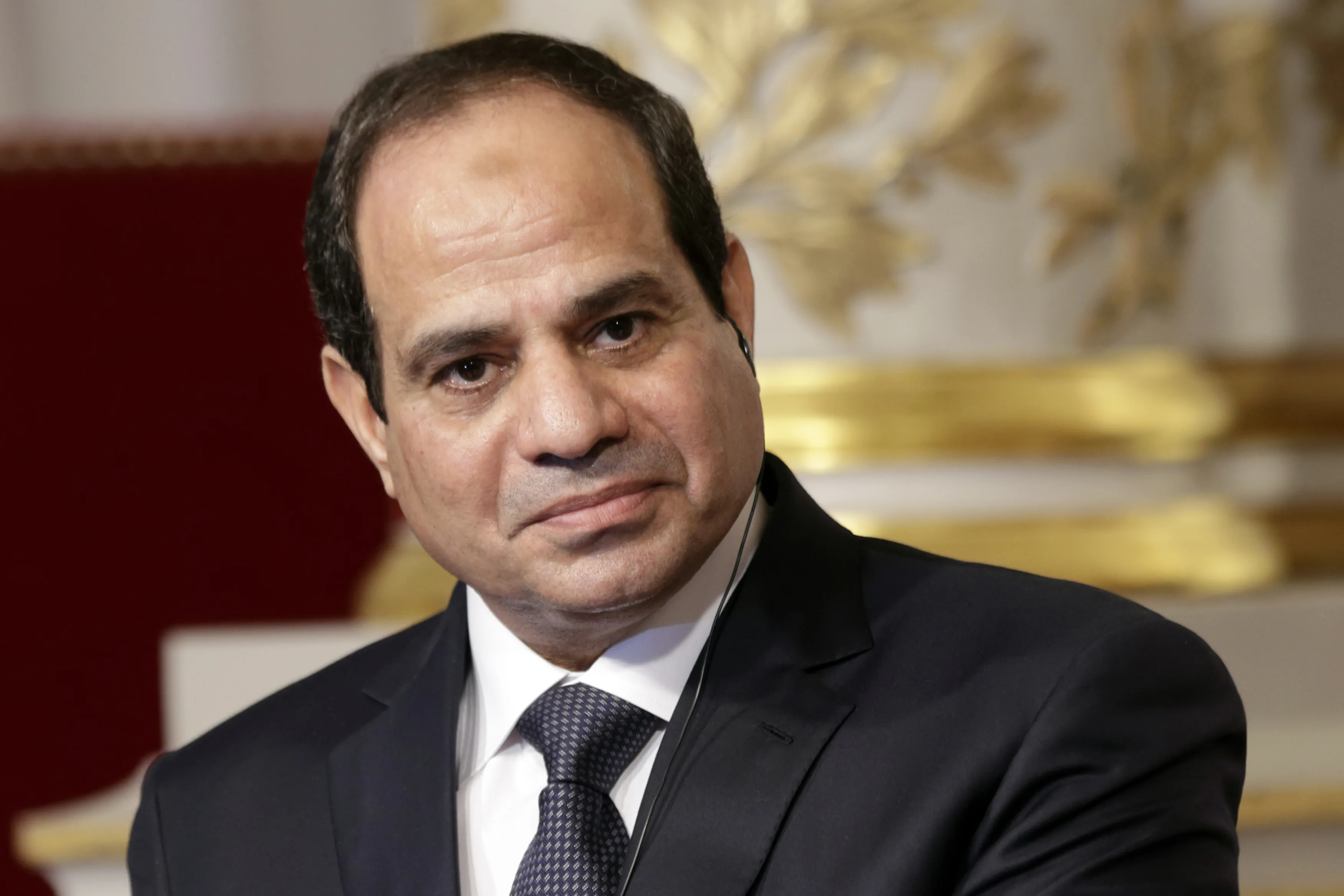
نبدأ من الحدث الأبرز الآن على الساحة السياسية وغير السياسية المصرية، فعوالم السياسية الآن في مصر لم تعُد حكرًا على أبنائها المشتغلين بها، فشكرًا لثورة يناير المجيدة على هذه الإتاحة، وما أعنيه هنا، هو خطاب السيد طبيب الفلاسفة الأعظم، عبدالفتاح السيسي في مجلس نوابه، ولكي أكون صريحًا معكم بعض الشيء، فاهتمامنا بخطاب الرئيس المعظّم، يجب أن يكون أقلّ بكثير من اهتمامنا، من النثريات التي يُنعم علينا بها هو ونظامه من آن لآخر، موكبه المهيب أقرب مثال.

فالرجل أغلق القاهرة تمامًا من أجل وصوله إلى مجلس النواب، رغم أنه سيصل بالطائرة أصلًا إلى أقرب نقطة التي سينطلق بها بضعة كيلومترات إلى مقر المجلس.

تابعت ككثيرين ردود أفعال المؤيدين لهذا السفاح قبل معارضيه، عن مدى التحصينات الأمنية التي صنعتها حاشيته، ليخرج علينا في أبهى زينته.

وبذكر مجلس النواب، فلا ضير أن ننصح رئيس هذا المجلس أن يخصص من وقته هو ووكيليه، القليل للمداومة عند أحد مدرسي اللغة العربية، على الأقل ليصحح لهم قراءة نص، يتقن قراءته أصدقاء أخي الأصغر في الصف السادس الابتدائي.

مجدي تقتاق والثورة المستمرة

يقولون إن الأنظمة تواجه بالسخرية، لكن أن تكون هذه السخرية هي إحدى مفرزات ماكينات التأييد السيساوي، فهو أمر شديد الأهمية، يتحفنا المصمم العزيز مجدي تقتاق مع كُل حدث سياسي بتصميماته العبقرية لتأييد فخامة الزعيم، لتتحول ذات التصاميم إلى مادة هامة، لصناع السخرية على مواقع التواصل الاجتماعي، عمومًا ودون الدخول في تفاصيل كثيرة، أنصحكم بمتابعته.

يعجبني كثيرًا من أصبحوا غير عابئين بهذا الرجل ولا قراراته، قدر اهتمامهم بلسانه، فكما قال الأستاذ وائل قنديل، إن أفضل عقاب للسيسي هو أن تعطيه ميكرفون وتطلب منه أن يتكلم، فمن يسخر منه كما سخريته من نفسه؟

سياسة “الحيطان ليها ودان” التي يتقن التعامل في مساحتها كُل المصريين أصبح واضحًا أن أنصار السيسي قبل معارضيه يتعاملون بها، فهم يعلمون مدى قمع الدولة وتجبرها، ومدى “غشومية” مخبري وأمناء الشرطة، الذين يعلمون أيضًا أنهم مرتشون وفسدة وبلطجية، لكن “الحيطان ليها ودان يا صاحبي”.

ضد الجميع

حدثني عن أي فئة لا يعاديها النظام، بالتأكيد غير أدوات قمعه، الجيش والشرطة والقضاء، الذين تُفتح لهم خزائن البلد بما وسعت، بينما تُغلق في وجه حمَلة بطاقات التموين، الذين يخبرهم الوزير بأن المخازن مليئة بالسلع المدعمة، فيرد التجار، أن المتوفر فقط هي المياه المعدنية والملح، وأسعارهم أغلى من المحال الأهلية أصلًا!

حدثني عن جمعيات الخير التي أغلقها النظام، وهي الجمعيات التي كانت تجبر فشل الدولة على مدار عقود من علاج للمرضى، وتزويج لغير القادرين، وإعالة اليتامى والأرامل، وجمع أطفال الشوارع من تحت كباري القاهرة وإعادة تأهيلهم مجتمعيًا، بالمناسبة، الصورة التي انتشرت لزوج يهدي زوجته مجموعة ورود بمناسبة عيد الحُب، هي صورة لزوجين أسسا جمعية أهلية، لجمع أطفال الشوارع وإعادة تأهيلهم، ويقبعون الآن في السجون بتهم واهية.

أخبرني ماذا يفعل السيسي بموظفي الحكومة في كُل القطاعات الإدارية، أكذبني القول، وأخبرني أن ازدياد الأسعار سيتوقف قريبًا.

أين الأقاليم من التنمية، أين سيناء والصعيد ووجه بحري من الخطط الخمسية، التي أصبحت محط سخرية المواطنين، ثُم أي أقاليم تلك التي ترجو التنمية، بينما لا تتحمل الإسكندرية موجة أمطار شتوية، ثم هل رأيت أسعار شرائح الكهرباء الجديدة التي لا تأتي أصلًا؟

هذه السلطة، تقف ضد الجميع؛ ضد السياسين، ضد الصحفيين، ضد المحامين ضد الأطباء، ضد الغلابة وحتى الباعة الجائلين، وضد الخريجين وحملة الماجيستير والدكتوراة، هذه السلطة تقف ضد كُل فئات المجتمع، هذه السلطة، لا تحمل عوامل بقائها، هذا الانقلاب العسكري سيُسقط نفسه بنفسه، بفشله وفساده وقمعه وعمالته وتبعيته وجهله، سيُسقط نفسه، فمن قال إن الأنظمة لا تُسقط نفسها؟!

TAGGED: إسقاط الانقلاب ، الانقلاب العسكري في مصر ، الثورة المصرية ، انقلاب مصر ، ثورة 25 يناير
TAGGED: إنقلاب مصر
Download this article as PDF
Share this Article
Facebook Twitter Whatsapp Whatsapp Telegram Email Copy Link
محمود العناني
By محمود العناني كاتب صحفي ومنتج أفلام مصري.
Follow:
Next Article نون بوست The Stigma of “ISIS”: A Heavy Legacy Haunting Women and Children of Former Members

Read More

  • U.S. Regime‑Change Policies: Why They Are Destined to Fail U.S. Regime‑Change Policies: Why They Are Destined to Fail
  • The Gulf’s Balancing Act: Iran, Israel, and Hidden Links
  • Iraq–Turkey Oil Export Treaty: Why Did Ankara Cancel It After 52 Years?
  • Syria’s Northeast on Edge: QSD Between Ankara and Damascus
  • Has Europe Changed Its Stance on Israel… or Just Its Language?
part of the design
NoonPost Weekly Newsletter
dark

An independent media platform founded in 2013, rooted in slow journalism, producing in-depth reports, analysis, and multimedia content to offer deeper perspectives on the news, led by a diverse young team from several Arab countries.

  • Politics
  • Society
  • Rights & Liberties
  • Opinions
  • History
  • Sports
  • Education
  • Technology
  • Economy
  • Media
  • Arts & Literature
  • Entrepreneurship
  • Travel
  • Cinema & Drama
  • Food
  • Health
  • Culture
  • Latest Reports
  • Files
  • Long Reads
  • Interviews
  • Podcast
  • Interactive
  • Encyclopedia
  • In Pictures
  • About Us
  • Our Writers
  • Write for Us
  • Editorial Policy
  • Advanced Search
Some rights reserved under a Creative Commons license

Removed from favorites

Undo
Go to mobile version