

NoonPost NoonPost

NoonPost

  • Home
  • Politics
  • Economy
  • Society
  • Culture
  • Files
  • Long Reads
  • Podcast
AR
Notification Show More
نون بوست
“There Are Nights I Can’t Close My Eyes”: How Gazans Are Living in Homes on the Brink of Collapse
نون بوست
From al-Jolani to Ahmad al-Shara: The Evolution of Syria’s New Leader
نون بوست
When Political Islam Receded in Egypt: Who Filled the Void?
نون بوست
An Extension of Genocide: Gaza’s Detainees Speak Out
نون بوست
A Tightrope Between Survival and Sovereignty: The Syrian Government Faces Normalization Pressures
نون بوست
American Aircraft Carriers: Has the Era of “100,000 Tons of Diplomacy” Ended?
نون بوست
U.S. Regime‑Change Policies: Why They Are Destined to Fail
نون بوست
Transformations of Israeli Judaism: Between the Victim Complex and the Colonizer’s Doctrine
نون بوست
The Gulf’s Balancing Act: Iran, Israel, and Hidden Links
نون بوست
Iraq–Turkey Oil Export Treaty: Why Did Ankara Cancel It After 52 Years?
نون بوست
Syria’s Northeast on Edge: QSD Between Ankara and Damascus
نون بوست
Has Europe Changed Its Stance on Israel… or Just Its Language?
NoonPost NoonPost
AR
Notification Show More
نون بوست
“There Are Nights I Can’t Close My Eyes”: How Gazans Are Living in Homes on the Brink of Collapse
نون بوست
From al-Jolani to Ahmad al-Shara: The Evolution of Syria’s New Leader
نون بوست
When Political Islam Receded in Egypt: Who Filled the Void?
نون بوست
An Extension of Genocide: Gaza’s Detainees Speak Out
نون بوست
A Tightrope Between Survival and Sovereignty: The Syrian Government Faces Normalization Pressures
نون بوست
American Aircraft Carriers: Has the Era of “100,000 Tons of Diplomacy” Ended?
نون بوست
U.S. Regime‑Change Policies: Why They Are Destined to Fail
نون بوست
Transformations of Israeli Judaism: Between the Victim Complex and the Colonizer’s Doctrine
نون بوست
The Gulf’s Balancing Act: Iran, Israel, and Hidden Links
نون بوست
Iraq–Turkey Oil Export Treaty: Why Did Ankara Cancel It After 52 Years?
نون بوست
Syria’s Northeast on Edge: QSD Between Ankara and Damascus
نون بوست
Has Europe Changed Its Stance on Israel… or Just Its Language?
Follow US

The Hajj Journey of Sikandar Begum

أحمد سيف النصر
Ahmed Seif EL-Nasr Published 26 March ,2026
Share
نون بوست
نون بوست

Since the 19th century, South Asian Muslims experienced a transformation in their self-awareness as a result of contact with European ideas under colonialism. With the decline of the Mughal Empire in the early 18th century, hundreds of semi-independent principalities emerged, gradually aligning themselves with the British—especially after Britain consolidated control over India by the mid-19th century.

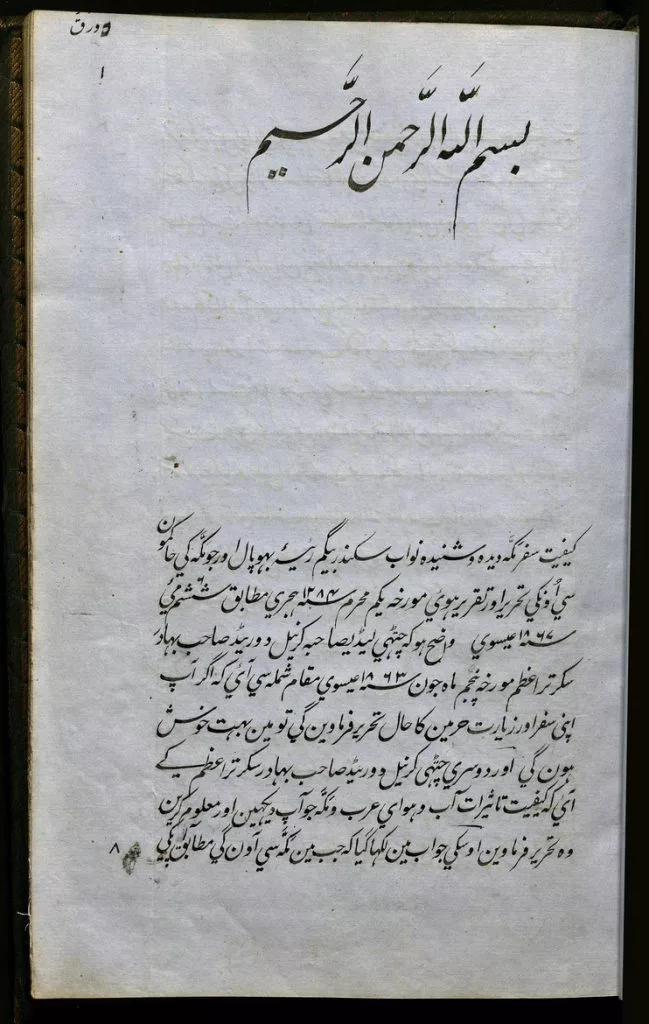
Among the most notable of these was the central Indian principality of Bhopal, which was ruled by four women, the most prominent of whom was Sikandar Begum. In 1864, she performed the Hajj and resided in the Hijaz for six months, documenting her pilgrimage in a book titled A Princess of Bhopal’s Account of the Hajj, the first published Hajj narrative by an Indian woman.

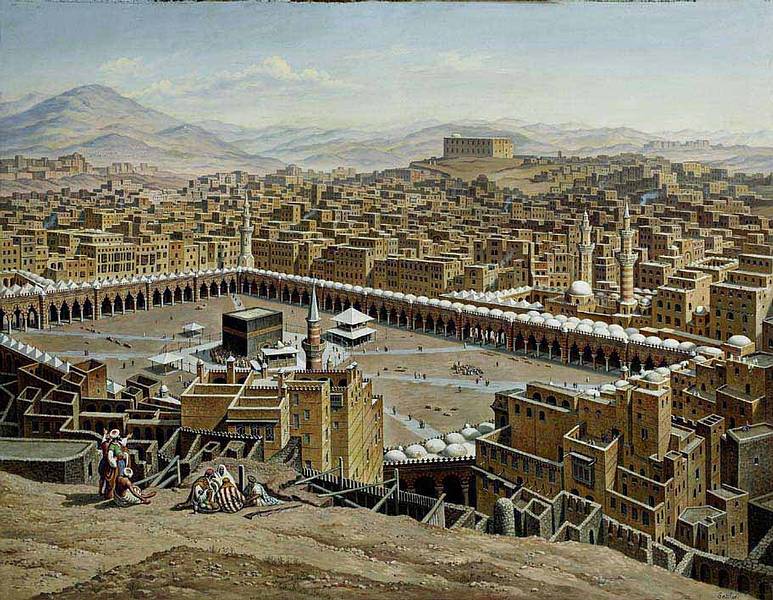
In her account, Sikandar Begum offered a critical and vivid depiction of her pilgrimage, expressing personal impressions of Mecca and its inhabitants. She boldly addressed the region’s religious, social, and political conditions, capturing a vibrant portrait of life in the Hijaz before the advent of modern transportation transformed the pilgrimage in the 20th century.

From India to Jeddah

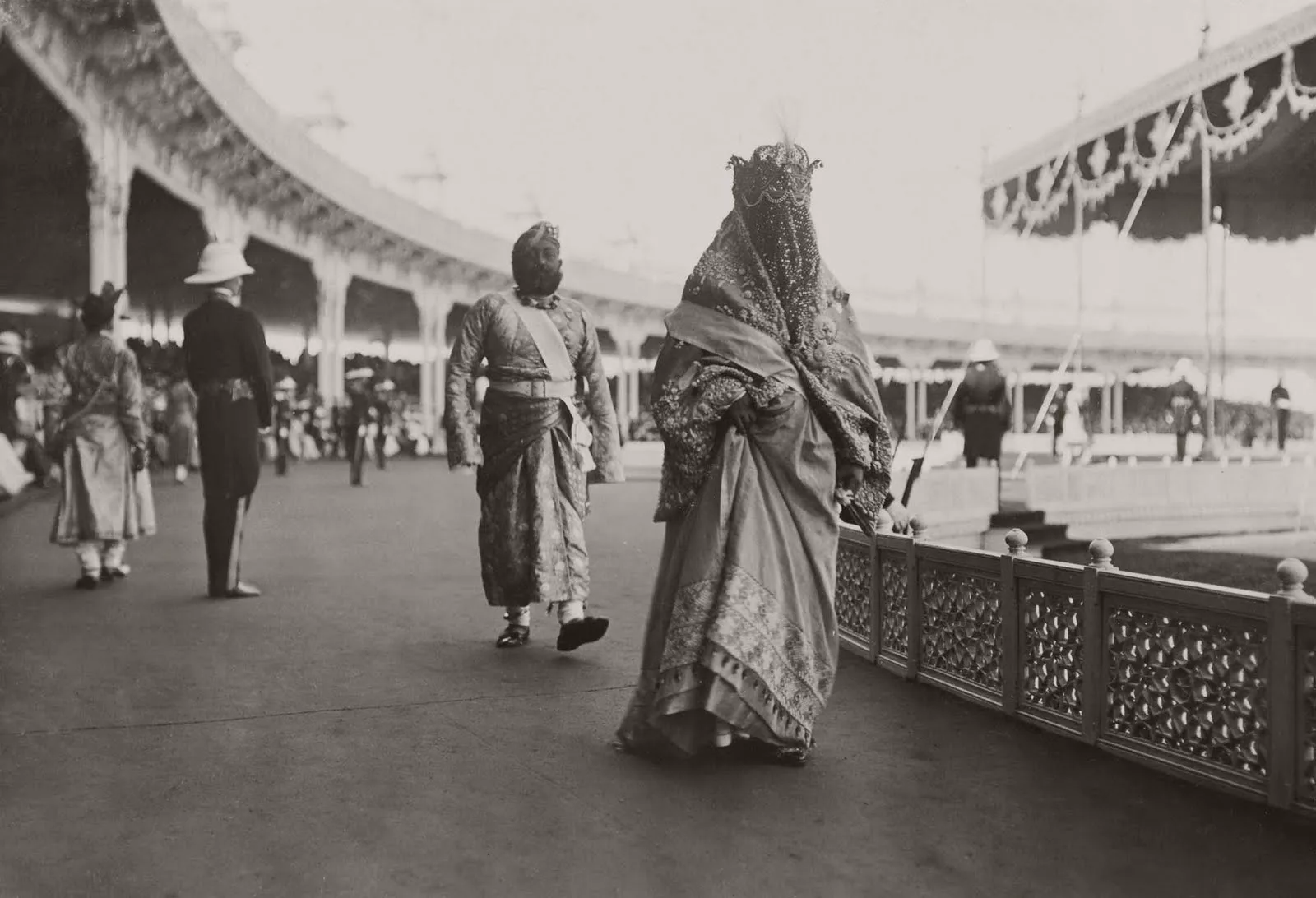
Born in August 1818, Sikandar Begum received an exceptional education, equipping her for excellence in governance and politics. During the 1857 Indian Rebellion, she sided with the British, securing their political support in the aftermath.

Her reign was marked by ambitious reforms—fiscal, military, and social. She paid off Bhopal’s debts, overhauled its revenue and judicial systems, developed the police, transportation, education, and civil administration, and established hospitals and schools with a special focus on women’s education.
نون بوست

She also changed Bhopal’s official language from Persian to Urdu. Her rule is widely considered Bhopal’s golden age.

Despite her deep engagement in state affairs, Sikandar Begum saw herself as a devout Muslim who maintained the five daily prayers and harbored a sincere longing to perform the Hajj. She regarded the pilgrimage as the pinnacle of her belonging to the global Muslim ummah.

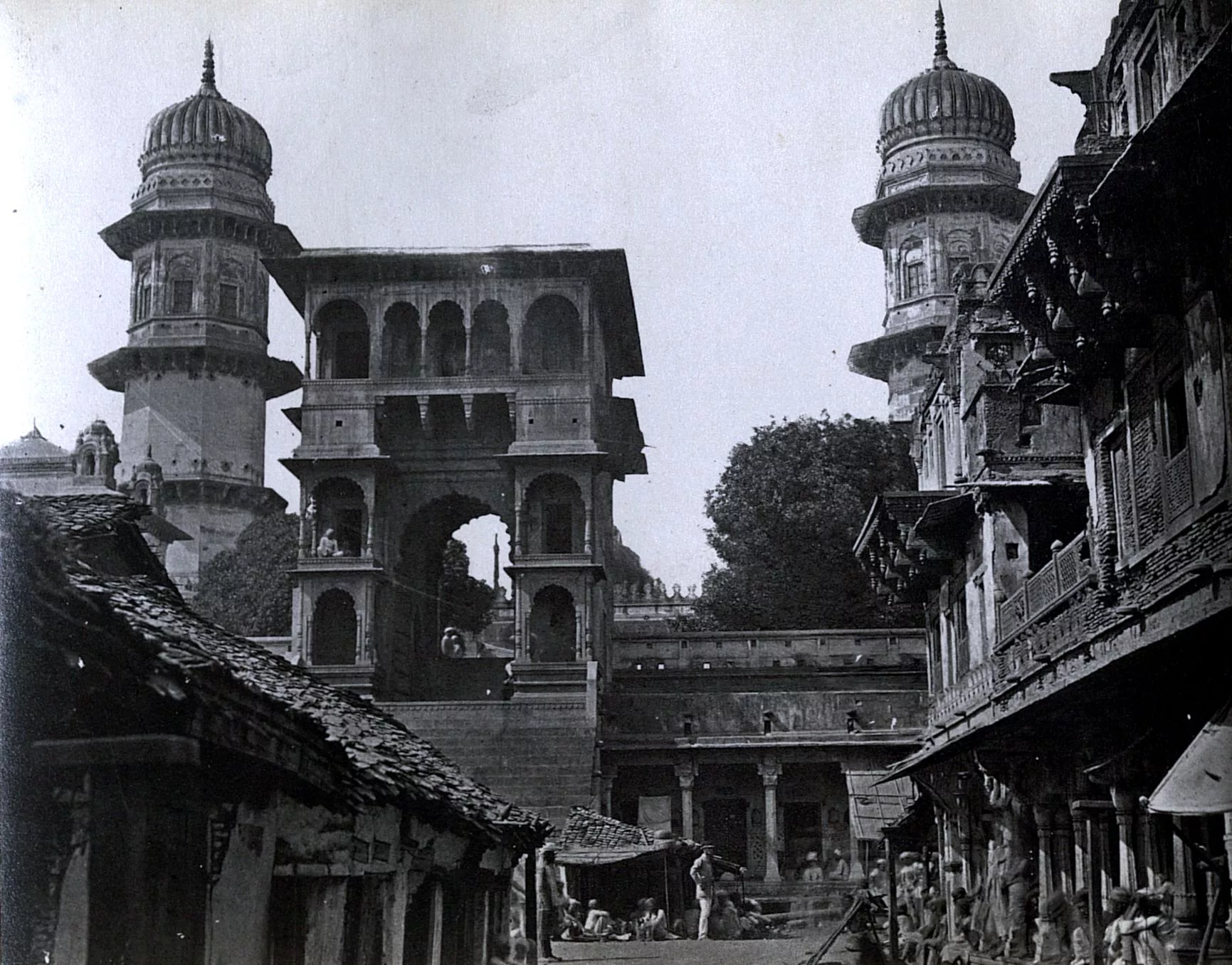
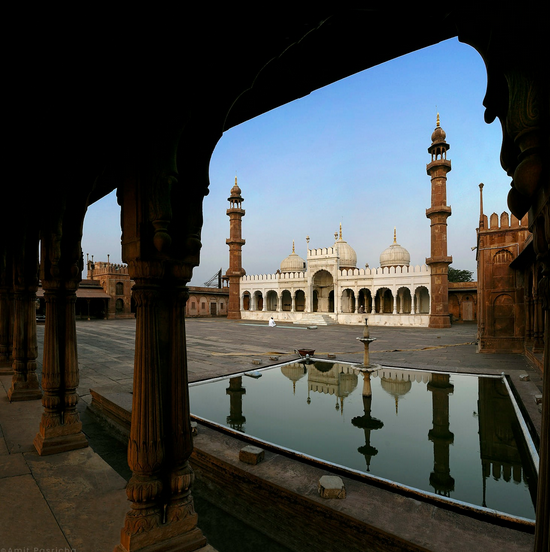
Late in life, she resolved to embark on the pilgrimage. Before departing Bhopal, she prayed two rak’ahs at the Mamola Sahib Mosque near her palace, recited Qur’anic verses and supplications, then retreated to the Farhat Afza garden, where she spent two days finalizing state matters and preparing for her journey.

Sikandar Begum began her pilgrimage on 5 November 1863 (22 Jumada al-Awwal 1280 AH), accompanied by a caravan of about 1,500 pilgrims from Bhopal, most of them women—including her mother. The group traveled to Mumbai, then sailed on three chartered ships carrying enough provisions for a year, along with jewelry, clothes, and charitable donations intended for the poor of Mecca and Medina.

The four-month voyage across the Indian Ocean to Jeddah was uneventful, and the caravan arrived at the port on 23 January 1864 (13 Sha’ban).

Upon entering the city the next day, she was met with lit lanterns and celebratory gunfire. When she inquired about the occasion, some locals said it marked the Ottoman Sultan’s birthday, while others claimed it was in celebration of Laylat al-Bara’ah (mid-Sha’ban).

She stayed in a simple lodging of square, palm-frond huts—military-camp-like dwellings with open wall vents and no ceilings to keep out the sun. This type of shelter accommodated all pilgrims, with more lavish sections reserved for nobility.
نون بوست

In Jeddah, Sikandar Begum expressed admiration for the local sweets—fruit-filled cakes and jams—but also noted the severe scarcity of clean drinking water, which had to be fetched from reservoirs a mile and a half away.

Eventually, she departed Jeddah for Wadi Dhul-Tuwa, where she was greeted by 80–90 foot soldiers and 60–70 cavalrymen. She declined to proceed with them, insisting on first bathing in the well of Dhul-Tuwa in accordance with prophetic tradition.

In the Heart of Mecca

Sikandar Begum arrived in Mecca on the night of 27 January 1864 (17 Sha’ban 1280 AH), as the call to prayer echoed through the city. Entering through Bab al-Salam, she paused reverently at the Station of Abraham, recited traditional supplications, and performed the arrival circumambulation followed by the sa’i between Safa and Marwah. She then headed to a rented house for her stay in Mecca.

Interestingly, unlike many pilgrims who describe their emotional reactions upon seeing the Kaaba, Sikandar Begum did not recount a deeply spiritual experience. Her focus remained on critiquing the cultural and social aspects of the pilgrimage rather than introspective religious reflections.

She chronicled a wide array of observations—weather, horses, sweets, vegetables, windmills, and luxurious gender-segregated bathhouses. She praised the Arabian horses as noble and expensive, was captivated by Mecca’s moonlight, and admired the city’s ornate carpets and sofas.
نون بوست

“Mecca is not cold, but the heat begins about an hour before sunrise, just like during the day. The moonlight in Mecca is splendid, as the air is dry, the sky cloudless, and the horizon unpolluted.” (p. 168)

She noted that Mecca’s call to prayer was heard five times daily, as in India, but an additional call was made at night. At sunset, locals supplicated and praised God, and at sunrise, they recited verses from the Qur’an and traditions of the Prophet and his four successors.

She observed widespread camel, cow, goat, and sheep herding, with no buffalo. Donkeys and mules were fast but poorly fed, and stray dogs, cats, and insects were abundant.

The Meccans, she noted, consumed large quantities of meat, tea, and ghee. Bedouins, she wrote, preferred raw foods—honey, dates, clarified butter, and even locusts. She was surprised by the absence of salt in local cuisine despite the abundance of pickles.
نون بوست

Meccan houses, she said, were multi-storied and lacked courtyards. She detailed their food, dress, and lifestyle, noting that dancing and singing were officially banned, though women sang and clapped during weddings.

On water access, she reported that wells were rare and expensive. Poorer residents were barred from the springs controlled by soldiers. A water bag cost half a qirsh, though nobles received their supply for free. She was granted access to the water she needed.

Hijazi clothing varied widely—urban dwellers wore traditional garb, while Bedouins dressed in skins and palm-frond headdresses. There was no standard attire in Mecca, as each person wore what was customary in their homeland.

Sikandar Begum described stark disparities in living conditions, documented the bustling slave market, and detailed the daily lives of enslaved Africans and Georgians who cleaned, cooked, fetched water, and lit lamps during the Hajj. She also discussed social norms around concubinage.

“The slave market in Mecca is lively, and men and women of various nationalities are displayed… Many are sold by locals to pilgrims.” (p. 120)

The Princess’s Critiques

Sikandar Begum’s critical perspective was shaped by her status as a ruler of a principality of 9,000 square miles with nearly one million people. She did not hide her disappointment with Mecca’s conditions and had open disputes with the Sharif of Mecca and the Pasha of Jeddah, rooted in deep cultural and linguistic misunderstandings.
نون بوست

She admitted feeling alienated by the region’s customs and communication barriers, noting that despite their shared faith, she could not establish genuine rapport with Arabs or Turks.

“I began to question the purpose of coming to Mecca for worship.” (p. 126)

Diverse Social Concerns

She criticized local behavior, calling Meccans greedy, harsh, lazy, and corrupt. She decried rampant bribery and dishonest business dealings, comparing them to violent Indian tribes.

She was appalled by the normalization of begging:

“Meccans are wealthy but stingy and gluttonous. Everyone begs—young or old, male or female, noble or poor—and they are never satisfied with what they receive.” (p. 112)

She harshly judged Meccan women, describing them as loud and heavyset, and was especially shocked by prevalent polygamy, noting some women had ten marriages, and most cases involved at least two.

One of the most disturbing revelations for her was the underground sale and consumption of alcohol in Mecca and Jeddah—particularly among Turks and Indians—something she found outrageous in the holy cities.

She also noted varying levels of religious knowledge, with city dwellers possessing basic education, while mountain tribes remained nearly ignorant of Islamic teachings.

Rampant Corruption

She lamented widespread corruption among Ottoman officials and the necessity of bribing customs agents, despite receiving poor treatment. Her belongings were looted by Bedouins upon arrival, and she was furious over exorbitant taxes and theft—including the kidnapping of her mother.

“The Bedouins unloaded our belongings from the camels, scattering and stealing much of it. We couldn’t tell what was lost or stolen.” (p. 78)

She criticized the lack of essential infrastructure—no railways, no telegraph service between Mecca and Medina, or even Jeddah. Her outspoken critique of Ottoman mismanagement stands out:

“If the Sultan gave me the three million rupees he spends yearly on Mecca and Medina’s upkeep, I’d assign the job to my daughter and son-in-law, and you’d see how I’d run things properly.” (p. 164)

Medina: A Journey Abandoned

Although eager to visit Medina, Sikandar Begum canceled her plans due to security threats from Bedouin attacks on the route. Lacking enough soldiers or funds to hire guards, she feared extortion or worse.

Eventually, she returned to Jeddah, then sailed to Aden for coal, before arriving in Mumbai on 21 July 1864. While she returned disillusioned, her granddaughter’s Hajj in the early 20th century was a far more uplifting and spiritually resonant experience.

Download this article as PDF
Share this Article
Facebook Twitter Whatsapp Whatsapp Telegram Email Copy Link
أحمد سيف النصر
By أحمد سيف النصر كاتب وصحفي مصري
Follow:
Previous Article نون بوست “Apo’s Story”: Abdullah Öcalan’s Journey From Dreaming of a State to Imprisonment on the Island
Next Article نون بوست The PKK Between a Bitter Peace and a Difficult Future

Read More

  • U.S. Regime‑Change Policies: Why They Are Destined to Fail U.S. Regime‑Change Policies: Why They Are Destined to Fail
  • The Gulf’s Balancing Act: Iran, Israel, and Hidden Links
  • Iraq–Turkey Oil Export Treaty: Why Did Ankara Cancel It After 52 Years?
  • Syria’s Northeast on Edge: QSD Between Ankara and Damascus
  • Has Europe Changed Its Stance on Israel… or Just Its Language?
part of the design
NoonPost Weekly Newsletter

You May Also Like

U.S. Regime‑Change Policies: Why They Are Destined to Fail

U.S. Regime‑Change Policies: Why They Are Destined to Fail

إسراء سيد Esraa sayed 8 April ,2026
The Gulf’s Balancing Act: Iran, Israel, and Hidden Links

The Gulf’s Balancing Act: Iran, Israel, and Hidden Links

فريق التحرير Noon Post 8 April ,2026
Iraq–Turkey Oil Export Treaty: Why Did Ankara Cancel It After 52 Years?

Iraq–Turkey Oil Export Treaty: Why Did Ankara Cancel It After 52 Years?

فريق التحرير Noon Post 8 April ,2026

إذا فشل إيقاف الحرب في سوريا، ستكون داعش أصغر مشكلة يواجهها الغرب

مايكل كلارك
مايكل كلارك Published 17 February ,2016
Share
2559

ترجمة حفصة جوده

يجري الآن تقليص الحملة العسكرية ضد الدولة الإسلامية وتنحيتها في مشهد جانبي مع دخول الحرب الأهلية في سوريا طورًا جديدًا من منطلق ” إفعلها أو انسحب”، بينما تقوم القوات الروسية المشاركة بلعبة مغايرة تهدف لحماية قوات بشار الأسد من الانهيار، إلى مهاجمة قوات المعارضة المدعومة من الغرب، مع تزويد قوات الأسد بدبابات “تي 90” لتضييق الخناق على حلب.

بالنسبة للحلفاء الغربيين فالوقت آخذ في النفاد، وجدول الأعمال الذي تقوم به روسيا والأسد وإيران يشكل تحالفًا فعليًا للحفاظ على سوريا القديمة – بالرغم من وقف إطلاق النار الذي وافقت عليه القوى الكبرى في ميونخ الجمعة الماضية- ولم يثنيهم شيء عن المشاركة في الموت والدمار.

يقدرّ المركز السوري للأبحاث السياسية أن وفيات الحرب السورية قد تخطت 400.000 شخصًا، وأكثر من نصف السوريين (حوالي 22 مليون مواطن) لاجئين في الداخل أو الخارج، والحرب الأهلية – وليست ظاهرة داعش- هي المسؤولة عن 90% من القتل والتهجير، ويبدو أن هجمات قوات الأسد هي المسؤولة عن أكثر من ثلاث أرباع ذلك.

تشير أخبار يوم إلى حدوث غارات جوية على مستشفى أطباء بلا حدود، وتتهم المنظمة حكومة الأسد والقوات الروسية بهذا الأمر.

كان الاتفاق في ميونخ يفترض “وقف الأعمال القتالية” بين الأطراف المتصارعة خلال أسبوع، وقد حذرت روسيا من حتمية وقوع حرب عالمية ثالثة إذا لم يتم تنفيذ أي شيء، بينما حذرت السعودية – بشكل أقل مصداقية – أنها مستعدة للتدخل البري في سوريا.

في الواقع، يعتقد الروس أنهم يحتاجون فقط لبضع أسابيع أخرى للقضاء على معارضي الأسد، وأن اتفاق وقف إطلاق النار لن يتم تنفيذه قريبًا بما فيه الكفاية لمنع ذلك، بينما يعرف السعوديون – المنشغلون بحربهم الفاشلة في اليمن – أنهم لن يستطيعوا ترجيح كفتهم ضد تحالف روسيا والأسد وإيران.

يأمل الأوروبيون والولايات المتحدة والأمم المتحدة أن يتمكنوا من تأكيد ترتيبات وقف إطلاق النار- على الأقل لخلق طريقة من شأنها أن تساعد على اجتياز هذه الفوضى، والخدعة هنا هي إقناع روسيا بأنها ستستفيد بشكل أكبر من وقف إطلاق النار بدلًا من الاندفاع سريعًا للأمام.

البديل هنا هو القبول بظهورالأسد وحلفاؤه في موسكو وطهران كمنتصرين في الحرب الأهلية، ليقوموا بعدها بافتتاح الحرب ضد داعش في سوريا، بينما تقوم القوات الغربية بسحق داعش في العراق والأماكن الأخرى، ولكن تكلفة هذه الأمر ستكون باهظة سياسيًا، حيث سيتم تقويض السياسات الغربية في الشرق الأوسط والأماكن الأخرى، ولن يقدم انتصار الأسد أي سلام، ولو ضئيل، لسوريا.

التدخل البريطاني في المنطقة لمواجهة ظاهرة داعش عام 2014 كان مفهومًا ولم يكن خاطئًا بالضرورة، وقد كان ديفيد كاميرون محقًا عندما قال أن الحملة ضد داعش تحرز تقدمًا.

وبالرغم من مقاطع الفيديو المروعة والوحشية فإن داعش واقعة تحت الضغط، فهي لم تحقق أي انتصارات سهلة منذ انتقالها إلى منطقة غير محصنة  بتدمر في مايو العام الماضي، بل تخسر أراضيها لصالح القوات الكردية في العراق وسوريا، ومعركة الموصل-مركز داعش في العراق- ليست عنّا ببعيد.

قامت داعش برفع حصارها عن دير الزور في سوريا، بينما تواصل القوات الكردية تقدمها باتجاه عاصمة داعش في الرقة، أما البنية التحتية الإقتصادية لداعش فقد تم تفكيكها؛ ففي الشهر الماضي تم خفض رواتب المجاهدين إلى النصف، بينما أصحبت داعش مذعورة بشدة من الجواسيس والخونة.

لكن هذا لا يعني أن داعش ستُهزم بشكل حاسم في وقت قريب، إلا إذا كان هناك من هو مستعد لدعم القوات الكردية – قليلة الموارد- في حربها ضد داعش للنهاية، وإلى أن يحدث ذلك، ستظل داعش تسيطر على بعض الأراضي، الناس، الرهائن، العبيد، وستحظى بولاء بقية السنّة في المنطقة.

حتى لو استطاعت القوات الغربية احتواء داعش وتقويضها من خلال نقاط ضعفها، فنحن نواجه الآن بعض الحقائق القاسية.

أولًا، داعش ليست الأزمة، فهي أحد أعراض الحرب الأهلية داخل الإسلام في الشرق الأوسط، بين السنة والشيعة وبين المتعاطفين مع التيار السائد والمتعاطفين مع التيار المتطرف من السُنّة.

ثانيًا، الصراع الذي تعد داعش أحد أعراضه هو صراع بين إيران والمملكة العربية السعودية للهيمنة على المنطقة، ويمكن تعريفه بأنه صراع ديني، لكنه بالأساس صراع حول الطموحات السياسية غير المتوقفة لاثنتين من أبرز وأهم القوات في المنطقة.


ثالثًا، القيادة الدولية المضطربة لأوباما، مع ظهور روسيا كلاعب قوي في المنطقة, حول الشرق الأوسط مرة أخرى لساحة حروب بالوكالة؛ فالروس يخشون حقاً من انتشار عدوى إرهاب الشرق الأوسط ضمن مجتمعاتها الإسلامية الخاصة، وبالنسبة لهم التعامل مع الحكومات السيئة أفضل من التعامل مع الجماعات غير الحكومية السيئة أيضًا، بينما تخشى الولايات المتحدة من أن قدرتها على تحقيق الاستقرار في المنطقة والحفاظ على مصداقيتها مع حلفائها الإقليميين، ستنهار بصورة قاتلة إذا ابتعدت عن المنطقة.

وكشريك أصغر للولايات المتحدة، تستطيع بريطانيا التعايش مع احتواء داعش والتعامل مع التحديات الإرهابية الناشئة، لكن التدفق الجامح من اللاجئين إلى أوروبا تعد مشكلة مختلفة وأزمة إنسانية أيضًا.

تستطيع بريطانيا خلق قضية سياسية مشتركة مع ألمانيا لطرح نهج أكثر تماسكًا من قِبل الاتحاد الأوروبي بشأن اللاجئين، والضغط على شركائها في الخليج للقيام بالكثير، الكثير جدًا.

عسكريًا، التهديد الذي أصدرته السعودية في ميونخ يجب تصديقه، فإذا لم تنجح إتفاقية وقف إطلاق النار قريبًا، لن يكون هناك ما يدفع الإيرانيين والروس والأسد للتراجع بينما هم متقدمون، وسيكون فقط بإمكان القوات البرية العربية من السعودية والأردن والإمارات، المدعومين بقوة من اللوجستية الغربية والمخابرات والقوى الجوية والخبراء الفنيين، التصدي لقوات الأسد ومؤيديه ودفعهم لاتخاذ خيار إستراتيجي لصالح الموقف.

بإمكان الولايات المتحدة فقط أن تقوم بهذا العمل مع السعوديين والآخرين، وبإمكان بريطانيا فقط أن تجذب الحلفاء الأوروبيين البارزين.

سيكون هذا بلا شك تصعيدًا خطيرًا للصراع، ولكن في ظل الغياب الحقيقي لوقف إطلاق النار, فمن المحتم أن يتصاعد الصراع على أي حال، حيث تقوم القوات الروسية والمليشيات الإيرانية بتمكين عودة الأسد الانتقامية للسيطرة مرة أخرى على البلاد المحطمة.

وإذا كانت نتيجة ذلك في نهاية المطاف السماح للأسد بالتعامل مع داعش في الرقة ودير الزور، فسوف يعاني الغرب مع مشاكل إستراتيجية أكبربكثير في المنطقة ككل.

منذ خمسة عشر عامًا مضت، لم تظهر خيارات صعبة كتلك، ولكن بعد العراق وأفغانستان تبدو جميع الخيارات قاتمة.

يستطيع الغرب الآن اختيار مسعى خطيرًا للتسوية، أو الاستمرارفي سياسته الفاترة التي تنذر بحرب طويلة وفشل إستراتيجي في المنطقة- بينما ينتظر مئات الآلاف من البائسين على أعتاب أوروبا.

المصدر: الغارديان

TAGGED: الأزمة السورية ، داعش ، سوريا ، مؤتمر ميونيخ ، وقف إطلاق النار
TAGGED: الأزمة السورية
Download this article as PDF
Share this Article
Facebook Twitter Whatsapp Whatsapp Telegram Email Copy Link
مايكل كلارك
By مايكل كلارك مدير معهد الخدمات الملكي المتحد لدراسات الأمن والدفاع
Follow:
Next Article نون بوست The Stigma of “ISIS”: A Heavy Legacy Haunting Women and Children of Former Members

Read More

  • U.S. Regime‑Change Policies: Why They Are Destined to Fail U.S. Regime‑Change Policies: Why They Are Destined to Fail
  • The Gulf’s Balancing Act: Iran, Israel, and Hidden Links
  • Iraq–Turkey Oil Export Treaty: Why Did Ankara Cancel It After 52 Years?
  • Syria’s Northeast on Edge: QSD Between Ankara and Damascus
  • Has Europe Changed Its Stance on Israel… or Just Its Language?
part of the design
NoonPost Weekly Newsletter
dark

An independent media platform founded in 2013, rooted in slow journalism, producing in-depth reports, analysis, and multimedia content to offer deeper perspectives on the news, led by a diverse young team from several Arab countries.

  • Politics
  • Society
  • Rights & Liberties
  • Opinions
  • History
  • Sports
  • Education
  • Technology
  • Economy
  • Media
  • Arts & Literature
  • Entrepreneurship
  • Travel
  • Cinema & Drama
  • Food
  • Health
  • Culture
  • Latest Reports
  • Files
  • Long Reads
  • Interviews
  • Podcast
  • Interactive
  • Encyclopedia
  • In Pictures
  • About Us
  • Our Writers
  • Write for Us
  • Editorial Policy
  • Advanced Search
Some rights reserved under a Creative Commons license

Removed from favorites

Undo
Go to mobile version