NoonPost NoonPost

NoonPost

  • Home
  • Politics
  • Economy
  • Society
  • Culture
  • Files
  • Long Reads
  • Podcast
AR
Notification Show More
نون بوست
“There Are Nights I Can’t Close My Eyes”: How Gazans Are Living in Homes on the Brink of Collapse
نون بوست
From al-Jolani to Ahmad al-Shara: The Evolution of Syria’s New Leader
نون بوست
When Political Islam Receded in Egypt: Who Filled the Void?
نون بوست
An Extension of Genocide: Gaza’s Detainees Speak Out
نون بوست
A Tightrope Between Survival and Sovereignty: The Syrian Government Faces Normalization Pressures
نون بوست
American Aircraft Carriers: Has the Era of “100,000 Tons of Diplomacy” Ended?
نون بوست
U.S. Regime‑Change Policies: Why They Are Destined to Fail
نون بوست
Transformations of Israeli Judaism: Between the Victim Complex and the Colonizer’s Doctrine
نون بوست
The Gulf’s Balancing Act: Iran, Israel, and Hidden Links
نون بوست
Iraq–Turkey Oil Export Treaty: Why Did Ankara Cancel It After 52 Years?
نون بوست
Syria’s Northeast on Edge: QSD Between Ankara and Damascus
نون بوست
Has Europe Changed Its Stance on Israel… or Just Its Language?
NoonPost NoonPost
AR
Notification Show More
نون بوست
“There Are Nights I Can’t Close My Eyes”: How Gazans Are Living in Homes on the Brink of Collapse
نون بوست
From al-Jolani to Ahmad al-Shara: The Evolution of Syria’s New Leader
نون بوست
When Political Islam Receded in Egypt: Who Filled the Void?
نون بوست
An Extension of Genocide: Gaza’s Detainees Speak Out
نون بوست
A Tightrope Between Survival and Sovereignty: The Syrian Government Faces Normalization Pressures
نون بوست
American Aircraft Carriers: Has the Era of “100,000 Tons of Diplomacy” Ended?
نون بوست
U.S. Regime‑Change Policies: Why They Are Destined to Fail
نون بوست
Transformations of Israeli Judaism: Between the Victim Complex and the Colonizer’s Doctrine
نون بوست
The Gulf’s Balancing Act: Iran, Israel, and Hidden Links
نون بوست
Iraq–Turkey Oil Export Treaty: Why Did Ankara Cancel It After 52 Years?
نون بوست
Syria’s Northeast on Edge: QSD Between Ankara and Damascus
نون بوست
Has Europe Changed Its Stance on Israel… or Just Its Language?
Follow US

Occupied Golan Heights: Six Decades of Israeli Greed

فريق التحرير
Noon Post Published 26 March ,2026
Share
نون بوست
نون بوست

For nearly six decades, Israel’s position on the strategically significant Golan Heights—seized with remarkable ease in the 1967 June War—has evolved from official annexation, unrecognized by any country except the United States (and only belatedly, under Donald Trump), to tentative negotiation during the Madrid Conference.

And even acceptance of full withdrawal as outlined in the so-called “Rabin Deposit.” Yet more recently, Israel has shifted to outright refusal to negotiate and insists on the Golan’s “Israeli” identity as a precondition—an impossible threshold aimed at raising the stakes in any future talks with a new Syria.

The Fall of the Golan

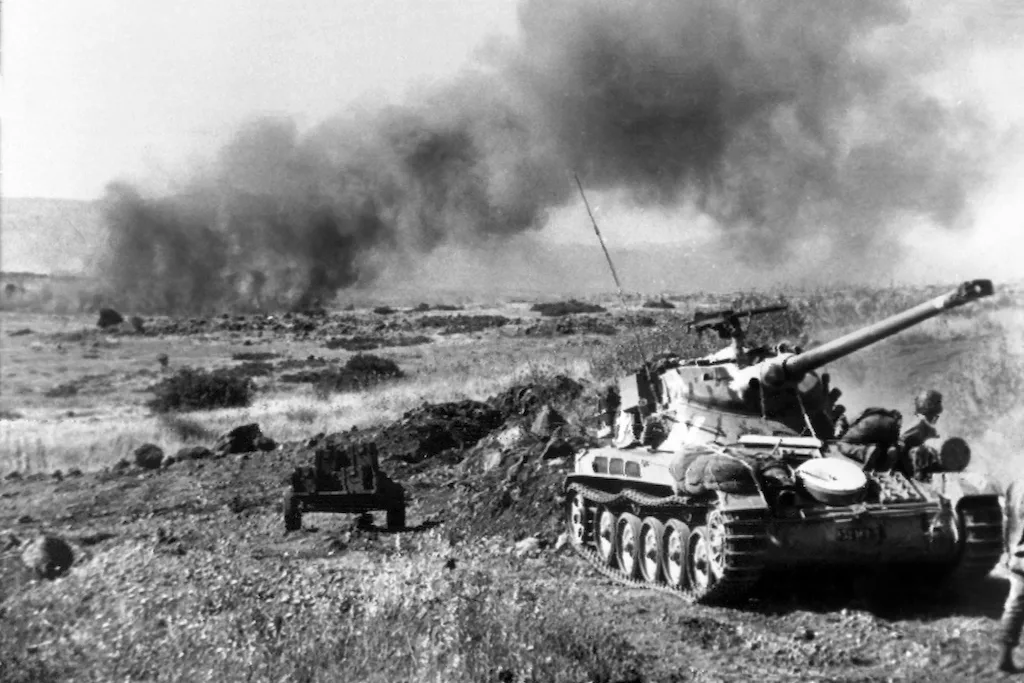
Israel captured the Golan Heights during the 1967 war with minimal resistance, despite the area’s formidable fortifications and strategic location. Syrian soldiers fought with courage and self-sacrifice, yet in the absence of any serious or professional military strategy. The Ba’athist regime declared the territory lost even as battles and resistance raged on, later claiming that the Golan was a fair price for the regime’s survival.

In October 1973, Syrian troops again fought valiantly and managed to reclaim limited territory. However, the final days of the war were marked by collapse, due largely to the lack of coordination between Damascus and Cairo. Once again, the Syrian leadership fell short of matching the determination and sacrifices of its people.

Following the war, US Secretary of State Henry Kissinger brokered a disengagement agreement in 1974, under which UNDOF forces were deployed solely on the liberated Syrian side—against strategic logic that called for a presence on both sides.

The arrangement was widely perceived as a concession by the Syrian regime to ensure American tolerance of its continued rule, enabling it to act freely in Lebanon against the Palestinian resistance and nationalist forces, while consolidating Israeli and American dominance.

This dynamic was later encapsulated by Rami Makhlouf’s infamous 2011 remark at the outset of the Syrian uprising: “The regime’s security is Israel’s security.”
نون بوست
French-made Israeli tanks in combat during the June 1967 war in the Golan Heights (AFP).

Since 1974, the Golan front has remained the quietest among all the borders surrounding occupied Palestine. Not a single shot has been fired in nearly half a century.

In 1980, Israel formally annexed the Golan, an act rejected by the United Nations, global powers, and the Golan’s own residents, who have held fast to their Syrian national and Arab identity. The United States did not recognize the annexation until Donald Trump’s presidency.

Negotiations: Ebbs and Flows

The Madrid Conference in 1991 and subsequent agreements—Oslo (1993), Wadi Araba (1994), and Camp David (1979)—breathed new life into regional diplomacy based on the “land for peace” formula and UN Resolutions 242 and 338. President Hafez al-Assad demanded full withdrawal from 1967-occupied territories in return for a peace deal, following the Egyptian and Jordanian models.

The most significant development came with Prime Minister Yitzhak Rabin’s so-called “deposit,” delivered to US Secretary of State Warren Christopher, in which Rabin expressed willingness to withdraw to the June 4, 1967 lines—conditional on normalization steps. Assad accepted the terms, and talks were based on this understanding.

In the late 1990s, Israeli PM Ehud Barak attempted to isolate the Palestinians by prioritizing negotiations with Syria. While the talks faltered, they didn’t collapse entirely, despite Barak’s disregard for Rabin’s deposit and his refusal to withdraw fully from the Golan. When Bill Clinton’s administration later attempted to revive the Palestinian track, talks collapsed again at Camp David II, followed by the eruption of the Second Intifada in 2000.

Under George W. Bush, formal negotiations were replaced by backchannel message exchanges. In a symbolic gesture, Bashar al-Assad once sent a full pot of hummus to Israeli PM Ehud Olmert’s office. But the peace track disintegrated completely after Israel’s 2008 war on Gaza.

Which also led to Olmert’s fall and the return of Benjamin Netanyahu, in alliance with right-wing leaders like Ehud Barak, Avigdor Lieberman, and Benny Gantz—before Netanyahu ultimately consolidated power alongside extremists like Bezalel Smotrich and Itamar Ben Gvir.
نون بوست
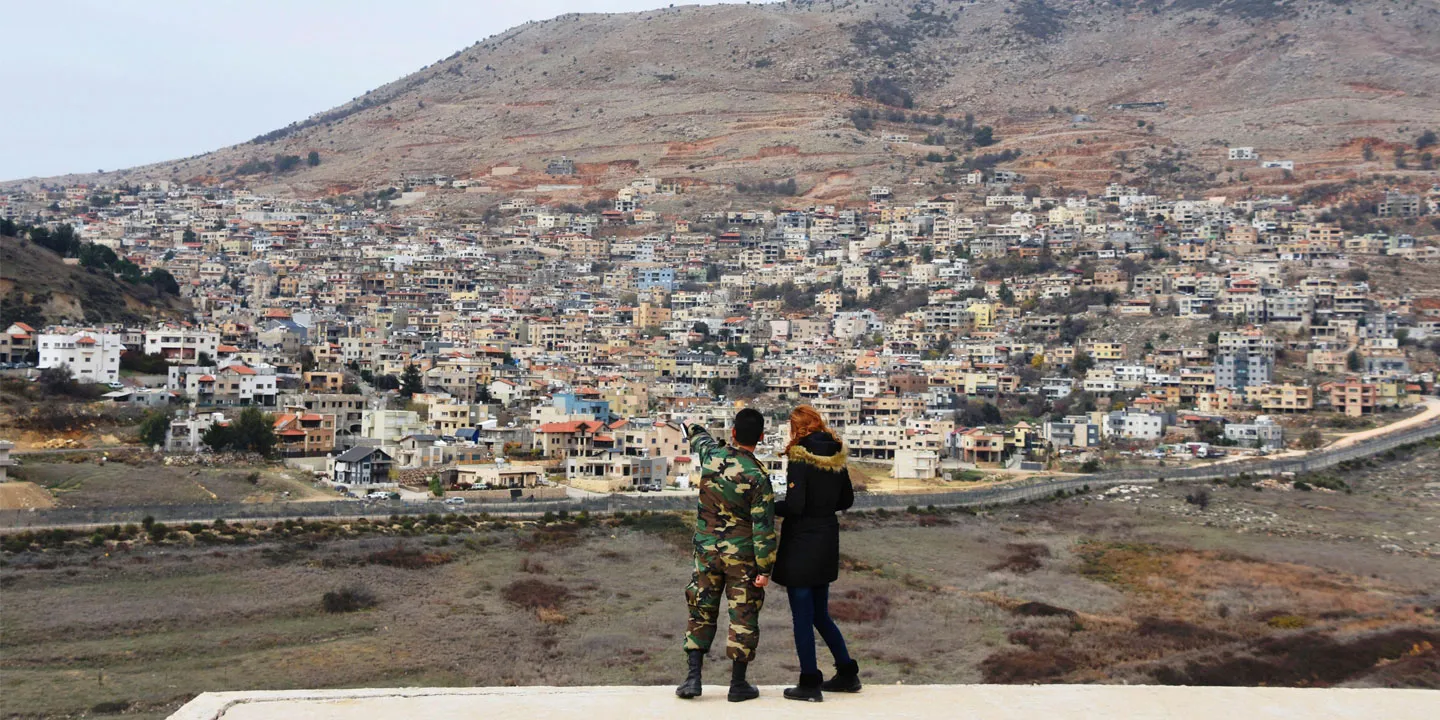
The occupied Golan Heights on December 23, 2017, in the Quneitra region of southwestern Syria. Photo: Kyodo / Associated Press (AP).

Secretary of State John Kerry later tried to revive multi-track peace efforts under President Obama, appointing Arab-American George Mitchell as envoy. But the Arab Spring—particularly Assad’s brutal crackdown on the Syrian revolution—derailed any hope of a peace deal or international backing to rehabilitate the Syrian regime.

Israel then declared the Golan file closed, asserting it would never return the land, nor negotiate with a regime that murders its own people—even as it engaged in similar policies toward Palestinians. With Russian intervention from 2015 onward, Israel quietly accepted Assad’s survival, on condition it could act freely against Iranian entrenchment and maintain calm on the Golan front.

The most pivotal shift came with Trump’s recognition of Israel’s annexation. President Biden, notably, has not reversed this decision—effectively removing the issue from the international agenda.

After Assad…

The Assad regime fell in December, a long-anticipated event ever since the revolution began with children scrawling “Down with the dictator” on school walls in Daraa, or perhaps even earlier, with Mohamed Bouazizi’s self-immolation in Tunisia. Russia’s deepening entanglement in Ukraine since 2022 also played a role, as Moscow had propped up Assad from 2015 after Iran and its militias failed to do so.

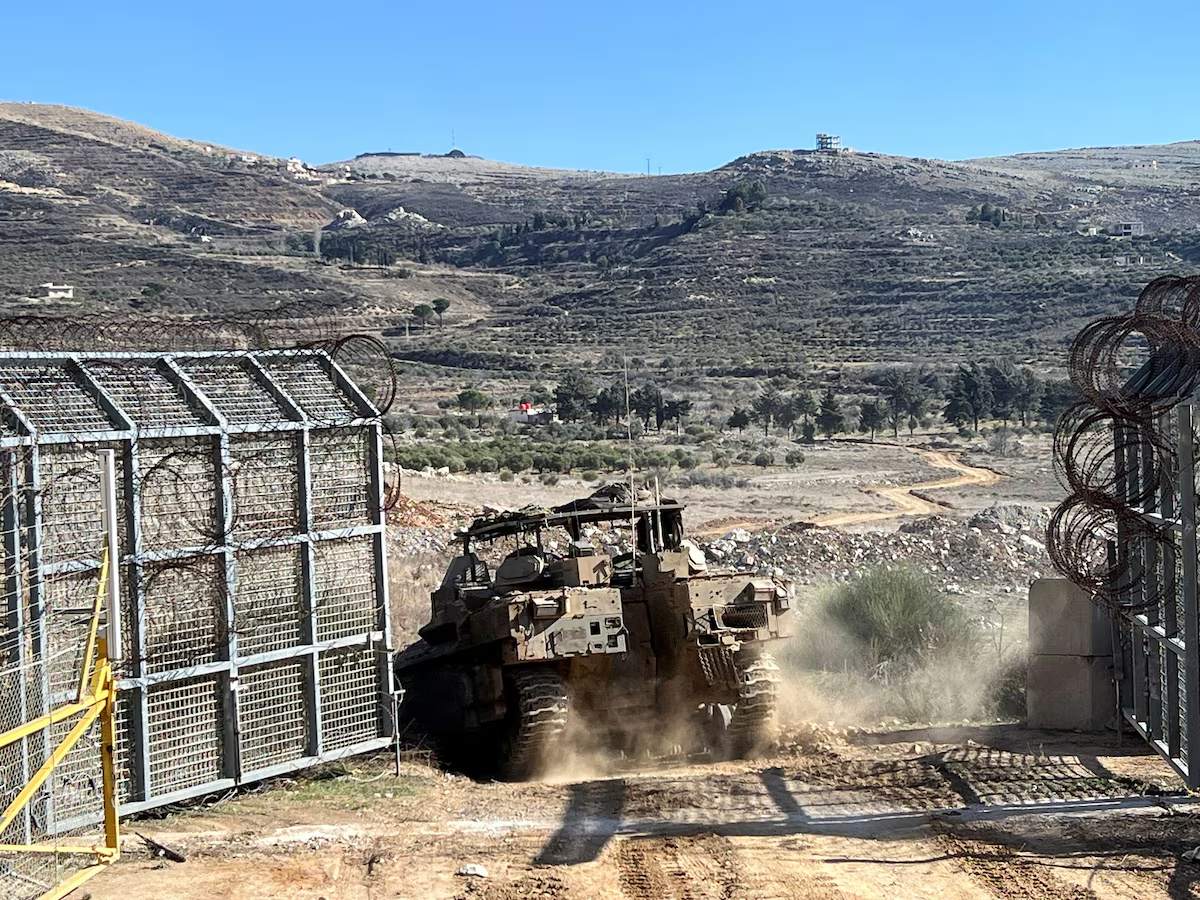
Following the regime’s collapse, Israel’s greed reached new heights, embodying the Hebrew concept of chutzpah—a term so brazen it defies translation, though “audacity” or “shamelessness” come close. Israel sought to insert itself into Syria’s reconstruction through criminal raids and interventions aimed at disrupting the emergence of a new Syrian state.
نون بوست
An Israeli APC crosses into Syria at the Golan ceasefire line, December 13, 2024. Reuters / Avi Ohayon.

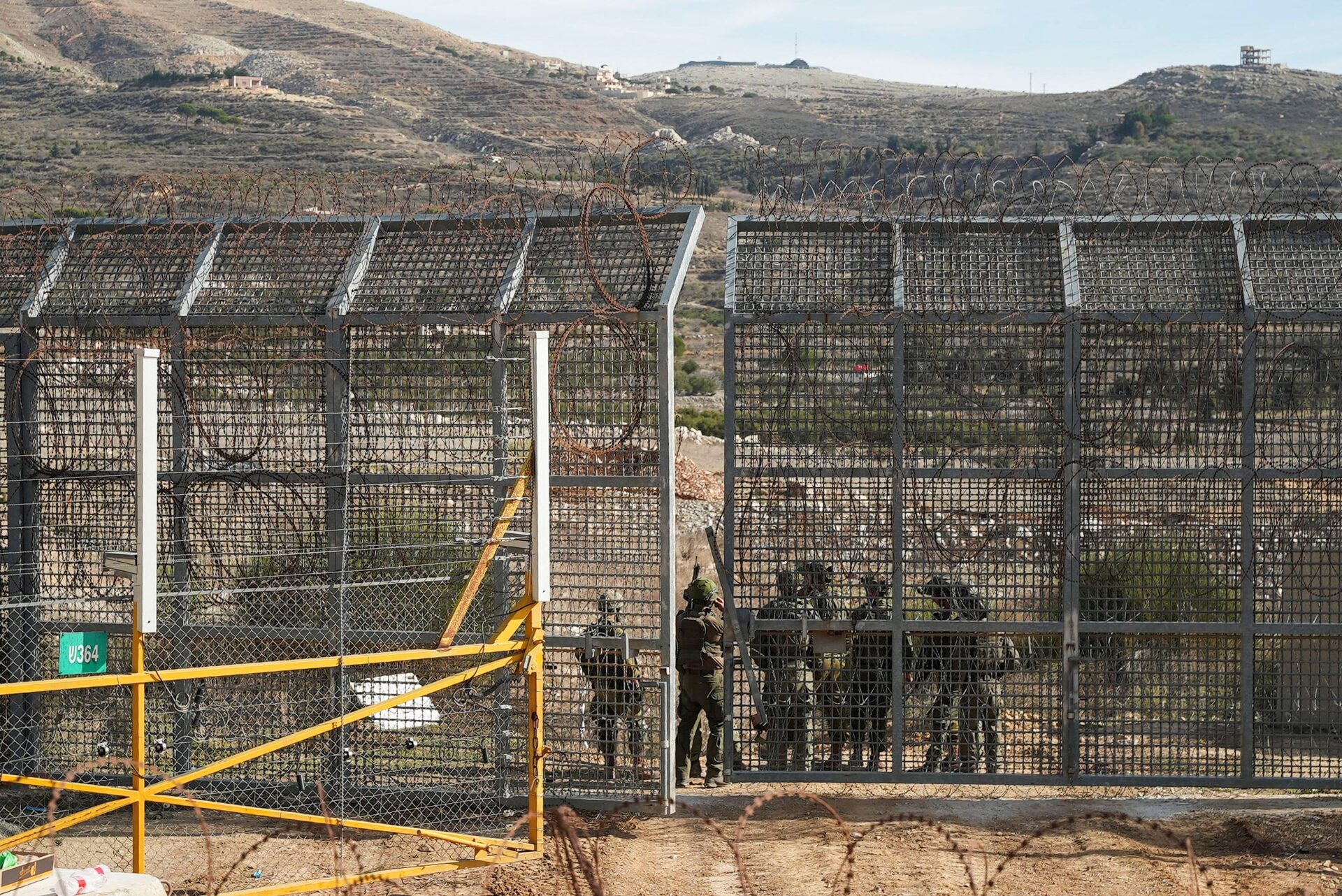
These included bombings, raids, and illegal incursions, all under the guise of “protecting minorities”—while in reality violating the 1974 disengagement agreement and occupying parts of the buffer zone.

Israel was eventually forced to retreat tactically in the face of a broad Arab–Turkish–international umbrella supporting Syria’s rebirth. It then pivoted to feigning interest in peace and normalization, on the impossible condition that Syria accept Israel’s annexation of the Golan. This duplicity revealed Israel’s true aim: not peace, but a security arrangement akin to UN Resolution 1701 in Lebanon—a refreshed version of the 1974 agreement.

Ultimately, Israel’s priority remains to cement the status quo, hold on to the Golan and Shebaa Farms, and reject any negotiation grounded in the Arab Peace Initiative, “land for peace,” or international legitimacy—flawed as that may be.

Download this article as PDF
Share this Article
Facebook Twitter Whatsapp Whatsapp Telegram Email Copy Link
فريق التحرير
By فريق التحرير تقارير يعدها فريق تحرير نون بوست.
Follow:
Previous Article نون بوست Raids and Captures in Gaza: When the Battlefield Becomes a Language of Negotiation
Next Article نون بوست On the 30th Anniversary: What Parallels Exist Between Srebrenica and Gaza?

Read More

  • U.S. Regime‑Change Policies: Why They Are Destined to Fail U.S. Regime‑Change Policies: Why They Are Destined to Fail
  • The Gulf’s Balancing Act: Iran, Israel, and Hidden Links
  • Iraq–Turkey Oil Export Treaty: Why Did Ankara Cancel It After 52 Years?
  • Syria’s Northeast on Edge: QSD Between Ankara and Damascus
  • Has Europe Changed Its Stance on Israel… or Just Its Language?
part of the design
NoonPost Weekly Newsletter

You May Also Like

U.S. Regime‑Change Policies: Why They Are Destined to Fail

U.S. Regime‑Change Policies: Why They Are Destined to Fail

إسراء سيد Esraa sayed 8 April ,2026
The Gulf’s Balancing Act: Iran, Israel, and Hidden Links

The Gulf’s Balancing Act: Iran, Israel, and Hidden Links

فريق التحرير Noon Post 8 April ,2026
Iraq–Turkey Oil Export Treaty: Why Did Ankara Cancel It After 52 Years?

Iraq–Turkey Oil Export Treaty: Why Did Ankara Cancel It After 52 Years?

فريق التحرير Noon Post 8 April ,2026

“رعد الشمال”.. بداية صعود نجم قوة إسلامية مؤثرة إقليميًا

أحمد عبد الظاهر
أحمد عبد الظاهر Published 18 February ,2016
Share
rd_lshml

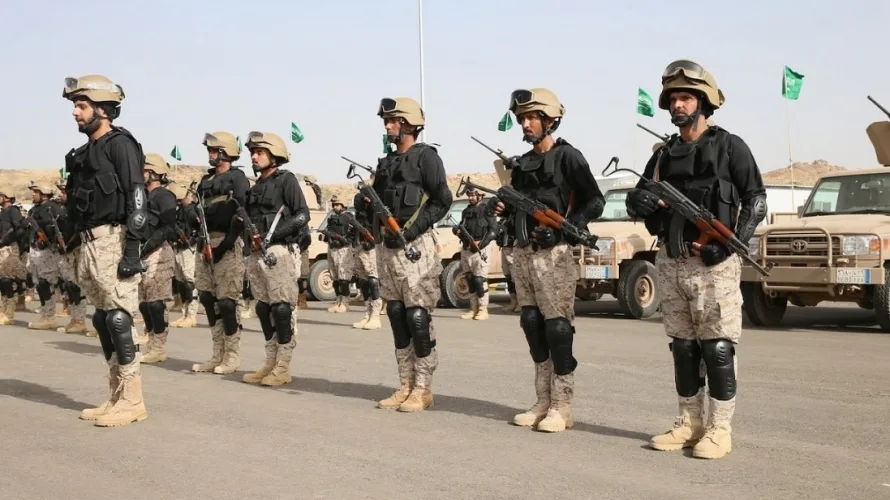
بدأت في المملكة العربية السعودية خلال هذا الأسبوع مناورات “رعد الشمال” التي وصفتها وكالة الأنباء السعودية “واس” بأنها الأضخم في تاريخ المنطقة.

وبدأت وفود عشرين دولة في التوافد إلى أراضي المملكة، للمشاركة في المناورات التي انطلقت في الرابع عشر من شهر فبراير الجاري، في مدينة الملك خالد العسكرية بمدينة حفر الباطن شمال المملكة، بالإضافة إلى قوات درع الجزيرة التي تضم جيوش دول مجلس التعاون الخليجي.

تستمر تلك المناورات قرابة خمسة وعشرين يومًا، والتي تعتبر أول تعاون عسكري لدول التحالف الإسلامي، الذي أُعلن عنه في 15 ديسمبر من العام الماضي بقيادة المملكة العربية السعودية، بهدف محاربة الإرهاب بجميع أشكاله، وتدعيم القدرات العسكرية لدول التحالف لمواجهة جميع التحديات.

تحديات إقليمية

وتأتي تلك المناورات في وقت تشهد فيه المنطقة بصفة عامة، والسعودية بصفة خاصة، تحديات إقليمية، تتمثل في النفوذ الإيراني المتنامي، ورغبتها الجامحة في التوسع على حساب أمن واستقرار دول المنطقة، خاصة بعد رفع العقوبات الدولية عنها، وحصولها على عشرات المليارات المجمدة في بنوك أوروبا وأمريكا.

ولذلك تسعى المملكة لوضع حد للتدخلات الإيرانية في شؤون دول المنطقة كما في العراق واليمن وسوريا ولبنان، وبالتالي فإن تلك المناورات هي امتداد وخطوة جديدة على طريق التحالفات التي دشنتها المملكة بداية من التحالف العربي في اليمن.

ويرى مراقبون أن تلك المناورات ربما تأتي استكمالاً لعاصفة الحزم في اليمن، ومن الممكن أن تشارك تلك القوات في عمليات ضد الانقلاب الحوثي في اليمن؛ لوضع حد للأزمة والتوتر على الحدود الجنوبية، لتتفرغ بعدها المملكة لإدارة الملف السوري، الذي يشكل هو الآخر تهديدًا إقليميًا لها، خاصة بعد إعلان الرياض صراحة عزمها التدخل البري في سوريا، وإرسالها لعشرين طائرة لقاعدة إنجرليك التركية لتكون بداية لعمليات عسكرية في الأراضي السورية.

التأهب لأي مواجهة مع روسيا

رغبة المملكة في التدخل البري في سوريا قوبل برفض من روسيا، بل وتهديد من جانب المسؤولين الروس بأن تلك القوات ربما تدخل في مواجهة مع القوات الروسية، وبالتالي تأتي تلك المناورات لتكون رسالة قوية لموسكو بأن أي تهور سيعرض روسيا لحرب ومواجهة مع جيوش التحالف الإسلامي التي لن تسمح بدورها بأن تتعرض المملكة قائدة التحالف لأي تهديد.

تدرك المملكة أيضًا أن كونها عضوًا في التحالف الدولي ضد الإرهاب بقيادة الولايات المتحدة لا يعني أن تتدخل واشنطن للدفاع عن المملكة ومصالحها ضد التهديدات الإيرانية والروسية، بمعنى آخر فإن الرياض لا تأمن مكر الأمريكان الذين يتصرفون بطريقة براجماعية من منطلق المصلحة، ودليل ذلك التدخل الإيراني والروسي في سوريا الذي لم يكن له أن يتم إلا بضوء أخضر من واشنطن؛ لتتحول سوريا لساحة صراع إقليمي بين روسيا وإيران من جهة والسعودية وتركيا من جهة أخرى، خاصة بعد رفض واشنطن دعم قوات المعارضة بالسلاح النوعي لحسم المعارك ضد النظام.

تراجع وانحسار الدور الأمريكي

مواقف واشنطن المتناقضة التي تلعب على جميع الأحبال، وتتعاون مع جميع القوى المختلفة التوجهات والأيدولوجيات جعلها وسيط غير نزيه، لا يلبي طموح دول المنطقة وجعلها تتجه لأن تأخذ هي زمام المبادرة في تحديد مستقبل المنطقة ومصيرها، خاصة بعد التراجع الأمريكي في كثير من الملفات، كما في العراق وسوريا وليبيا.

وبداية ذلك كان في عملية عاصفة الحزم التي يرى بعض المراقبين أن السعودية اتخذت قرار التدخل ضد الانقلاب في اليمن بمعزل عن أمريكا، وبالتالي تأتي مناورات رعد الشمال كمؤشر لنشاة كيان إسلامي إقليمي فاعل ومؤثر وقادر على اتخاذ القرار والدفاع عن مصالح شعوب ودول المنطقة العربية والإسلامية.

تطلعات شعوب المنطقة

تلبي مناورات رعد الشمال، وفقا للمراقبين، طموح شعوب المنطقة بأن يكون لها قوة ودرع يحميها، ويمكّن لها الخروج من عباءة الهيمنة لأمريكا والغرب، يؤهل للمنطقة اتخاذ القرارات المصيرية والحاسمة في ظل التحديات الدولية والإقليمية الراهنة، خاصة إذا علمنا أن تلك المناورات تتم بمشاركة 20 دولة، تضم جيوش أقوى دول المنطقة بما يقارب 150 ألف جندي و300 طائرة ومئات الدبابات والآليات الحربية والمتطورة.

ولذلك يمكن القول أن تلك المناورات هي الأكبر والأضخم في تاريخ المنطقة من حيث العتد والعتاد، بداية صعود نجم قوة إسلامية إقليمية فاعلة ومؤثرة، تكسر احتكار الغرب للقوة وتضع حدًا لتدخلات الغير في شؤون المنطقة ومصائر شعوبها.

TAGGED: التحالف الإسلامي ، التدخل البري في سوريا ، التدخل العسكري في سوريا ، الثورة السورية ، الحرب على الإرهاب
TAGGED: الحرب على الإرهاب
Download this article as PDF
Share this Article
Facebook Twitter Whatsapp Whatsapp Telegram Email Copy Link
أحمد عبد الظاهر
By أحمد عبد الظاهر كاتب وصحفي مصري
Follow:
Next Article نون بوست The Stigma of “ISIS”: A Heavy Legacy Haunting Women and Children of Former Members
part of the design
NoonPost Weekly Newsletter
dark

An independent media platform founded in 2013, rooted in slow journalism, producing in-depth reports, analysis, and multimedia content to offer deeper perspectives on the news, led by a diverse young team from several Arab countries.

  • Politics
  • Society
  • Rights & Liberties
  • Opinions
  • History
  • Sports
  • Education
  • Technology
  • Economy
  • Media
  • Arts & Literature
  • Entrepreneurship
  • Travel
  • Cinema & Drama
  • Food
  • Health
  • Culture
  • Latest Reports
  • Files
  • Long Reads
  • Interviews
  • Podcast
  • Interactive
  • Encyclopedia
  • In Pictures
  • About Us
  • Our Writers
  • Write for Us
  • Editorial Policy
  • Advanced Search
Some rights reserved under a Creative Commons license

Removed from favorites

Undo
Go to mobile version