NoonPost NoonPost

NoonPost

  • Home
  • Politics
  • Economy
  • Society
  • Culture
  • Files
  • Long Reads
  • Podcast
AR
Notification Show More
نون بوست
“There Are Nights I Can’t Close My Eyes”: How Gazans Are Living in Homes on the Brink of Collapse
نون بوست
From al-Jolani to Ahmad al-Shara: The Evolution of Syria’s New Leader
نون بوست
When Political Islam Receded in Egypt: Who Filled the Void?
نون بوست
An Extension of Genocide: Gaza’s Detainees Speak Out
نون بوست
A Tightrope Between Survival and Sovereignty: The Syrian Government Faces Normalization Pressures
نون بوست
American Aircraft Carriers: Has the Era of “100,000 Tons of Diplomacy” Ended?
نون بوست
U.S. Regime‑Change Policies: Why They Are Destined to Fail
نون بوست
Transformations of Israeli Judaism: Between the Victim Complex and the Colonizer’s Doctrine
نون بوست
The Gulf’s Balancing Act: Iran, Israel, and Hidden Links
نون بوست
Iraq–Turkey Oil Export Treaty: Why Did Ankara Cancel It After 52 Years?
نون بوست
Syria’s Northeast on Edge: QSD Between Ankara and Damascus
نون بوست
Has Europe Changed Its Stance on Israel… or Just Its Language?
NoonPost NoonPost
AR
Notification Show More
نون بوست
“There Are Nights I Can’t Close My Eyes”: How Gazans Are Living in Homes on the Brink of Collapse
نون بوست
From al-Jolani to Ahmad al-Shara: The Evolution of Syria’s New Leader
نون بوست
When Political Islam Receded in Egypt: Who Filled the Void?
نون بوست
An Extension of Genocide: Gaza’s Detainees Speak Out
نون بوست
A Tightrope Between Survival and Sovereignty: The Syrian Government Faces Normalization Pressures
نون بوست
American Aircraft Carriers: Has the Era of “100,000 Tons of Diplomacy” Ended?
نون بوست
U.S. Regime‑Change Policies: Why They Are Destined to Fail
نون بوست
Transformations of Israeli Judaism: Between the Victim Complex and the Colonizer’s Doctrine
نون بوست
The Gulf’s Balancing Act: Iran, Israel, and Hidden Links
نون بوست
Iraq–Turkey Oil Export Treaty: Why Did Ankara Cancel It After 52 Years?
نون بوست
Syria’s Northeast on Edge: QSD Between Ankara and Damascus
نون بوست
Has Europe Changed Its Stance on Israel… or Just Its Language?
Follow US

On the 30th Anniversary: What Parallels Exist Between Srebrenica and Gaza?

عماد عنان
Emad Anan Published 26 March ,2026
Share
نون بوست
نون بوست

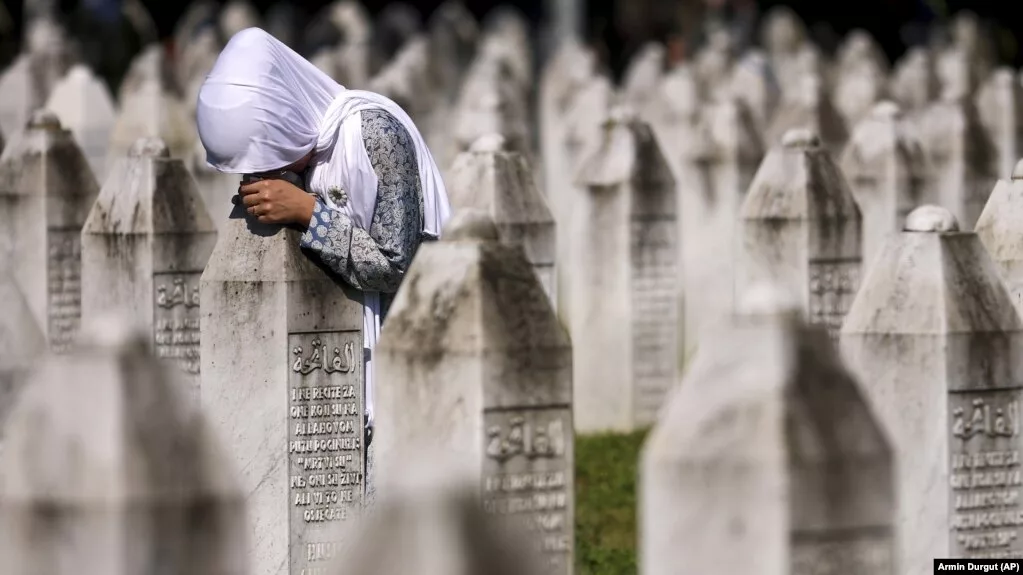
Three decades ago, Europe witnessed its worst massacre since World War II when Bosnian Serbs, led by Radovan Karadžić and Ratko Mladić, carried out a campaign of ethnic cleansing against the Muslim population of the Bosnian town of Srebrenica. In July 1995, approximately 8,372 people—mostly elderly men, children, and women—were slaughtered.

As the world marks the 30th anniversary of this atrocity, the massacre remains a stark symbol of systematic ethnic cleansing. It exposed Europe’s darker face, stripped away the veneer of Western “humanitarianism,” and became an indelible stain on humanity’s conscience and a permanent scar on international morality.

In just 12 days, the Srebrenica massacre shook the foundations of global justice and ripped deep fissures through the edifice of so-called civilization. Eyewitness accounts laid bare the scale of the atrocities, making it a historical benchmark for criminality, racism, and betrayal.

For years, Srebrenica stood as the most grotesque example of ethnic cleansing—until the war on Gaza arguably eclipsed it. Gaza has emerged as a horrifying chapter in the annals of human cruelty, a stark rupture in the narrative of supposed global morality, and a stain that continues to darken the face of an already compromised international order.

Srebrenica and Gaza—two Muslim towns separated by three decades—mirror each other in tragedy. Both dreamed of sovereignty and self-determination, resisted brutal oppressors, and were ultimately betrayed. Both were left with mass graves, collective trauma, and a lasting mark of shame on the forehead of humanity.

The Cost of Resistance

Following Bosnia and Herzegovina’s declaration of independence from the Socialist Federal Republic of Yugoslavia on March 1, 1992—and recognition by the US and EU soon thereafter—a fierce struggle broke out among Bosniaks, Croats, and Serbs.

The Muslim-majority Bosnian government sought to defend its sovereignty, but Bosnian Serbs, supported by neighboring Serbia, launched a campaign of harassment under the guise of protecting Serbian minorities.

In response, the UN Security Council passed Resolution 819 in 1993, declaring Srebrenica a “safe area” free from armed conflict. However, Bosnian Serb forces ignored the mandate and launched a ruthless assault on the town. Despite a desperate defense, the Bosniaks were overwhelmed by superior firepower and regional backing.

The echoes of this betrayal resonate in Gaza. When Palestinians launched Operation Al-Aqsa Flood in defiance of decades of occupation and deterrence, Israel responded with unrestrained violence. Over 200,000 Palestinians have been killed or injured, and nearly 2 million displaced—20 times the displacement seen during the Bosnian war, according to UN estimates.

Siege as Strategy

Atrocities follow a familiar script. The sieges of both Srebrenica and Gaza demonstrate how despots deploy collective punishment. In April 1992, Serbian militias laid siege to Bosnian towns, encircling Srebrenica and bombarding it mercilessly. They withdrew troops from Croatia to reinforce the assault.
نون بوست
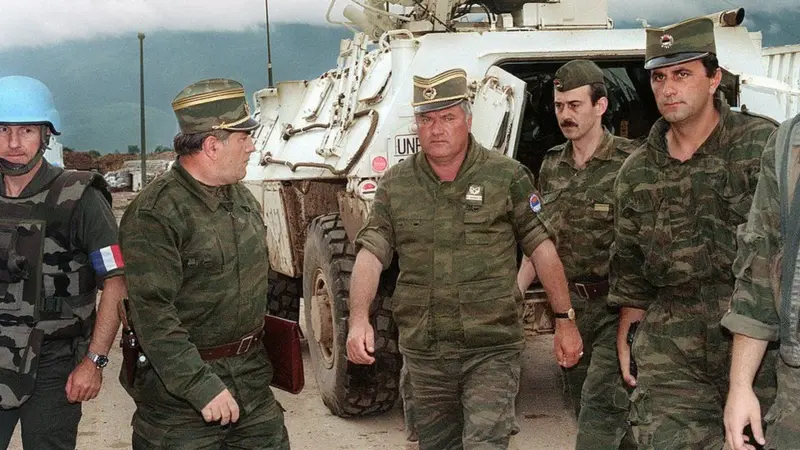
Ratko Mladić (center) led the Bosnian Serb units that carried out the Srebrenica massacre.

The 12-day siege isolated the town completely. Resistance fighters, armed only with hunting rifles, were soon overwhelmed. The fall of nearby Zvornik marked the beginning of the end.

In Gaza, the siege has lasted over 640 days—perhaps the longest in modern history. Land, sea, and air blockades have turned a 365 km² strip into a prison for over two million residents, condemned to slow death by starvation, thirst, and bombardment.

Pillaging as Doctrine

During the Bosnian genocide, Serbian authorities encouraged civilians and gangs to loot Muslim homes—stealing valuables, torching what they couldn’t carry. In just under two weeks, 300 Muslim villages were razed, over 3,000 people killed, and hundreds of women raped. Children were beheaded in front of their parents as acts of terror.

In Palestine, settlers enjoy similar impunity, greenlit by far-right Israeli leaders. They’ve seized Palestinian lands, torched homes and farms, and looted property—often under the protection of Israeli forces. Extremist ministers have armed settlers, enabling further crimes against civilians.

Mass Executions

On July 11–12, 1995, Bosnian Serb forces captured hundreds of civilians—women, children, and the elderly—and held them in the Ratonač detention center. There, Ratko Mladić personally assured them they would be freed in prisoner exchanges.

Days later, they were transported to killing fields and executed. The International Court estimates 4,000–5,000 were killed; many bodies were buried in mass graves, others left to rot.
نون بوست
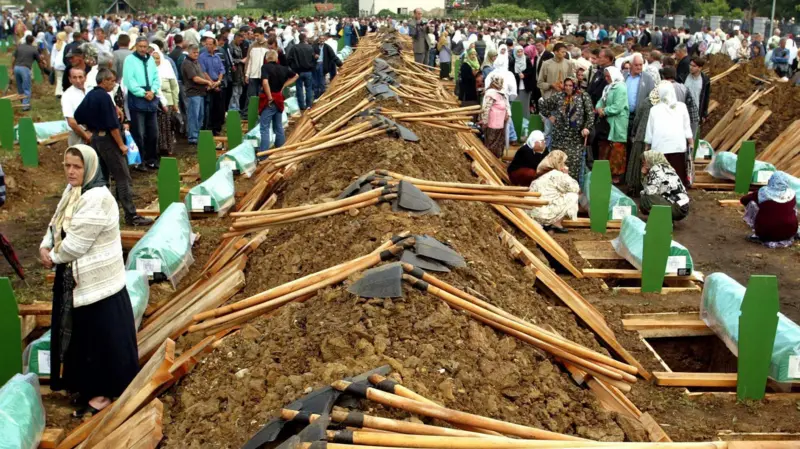
One of the mass burials for Srebrenica victims in 2003.

By 2006, 42 mass graves had been uncovered around Srebrenica, with an additional 22 suspected sites. Over 7,000 remains remain unidentified.

Similar horrors have unfolded in Gaza. Thousands—including civilians, medics, and rescue workers—have been detained. Testimonies point to mass killings, systematic torture, and group burials. Survivors recount horrific abuse while imprisoned.

Scorched Earth

Serb forces destroyed everything—hospitals, public infrastructure, and food supplies—to starve the resistance into submission. The strategy worked; the town collapsed swiftly.

Dr. Ilijaz Pilav, a Bosnian survivor and field doctor during the genocide, likened the suffering in Gaza to that of Srebrenica. “My soul and mind still bear the scars,” he said. Lacking medicine or experience, he conducted operations with bare essentials, often saving lives through sheer will.
نون بوست
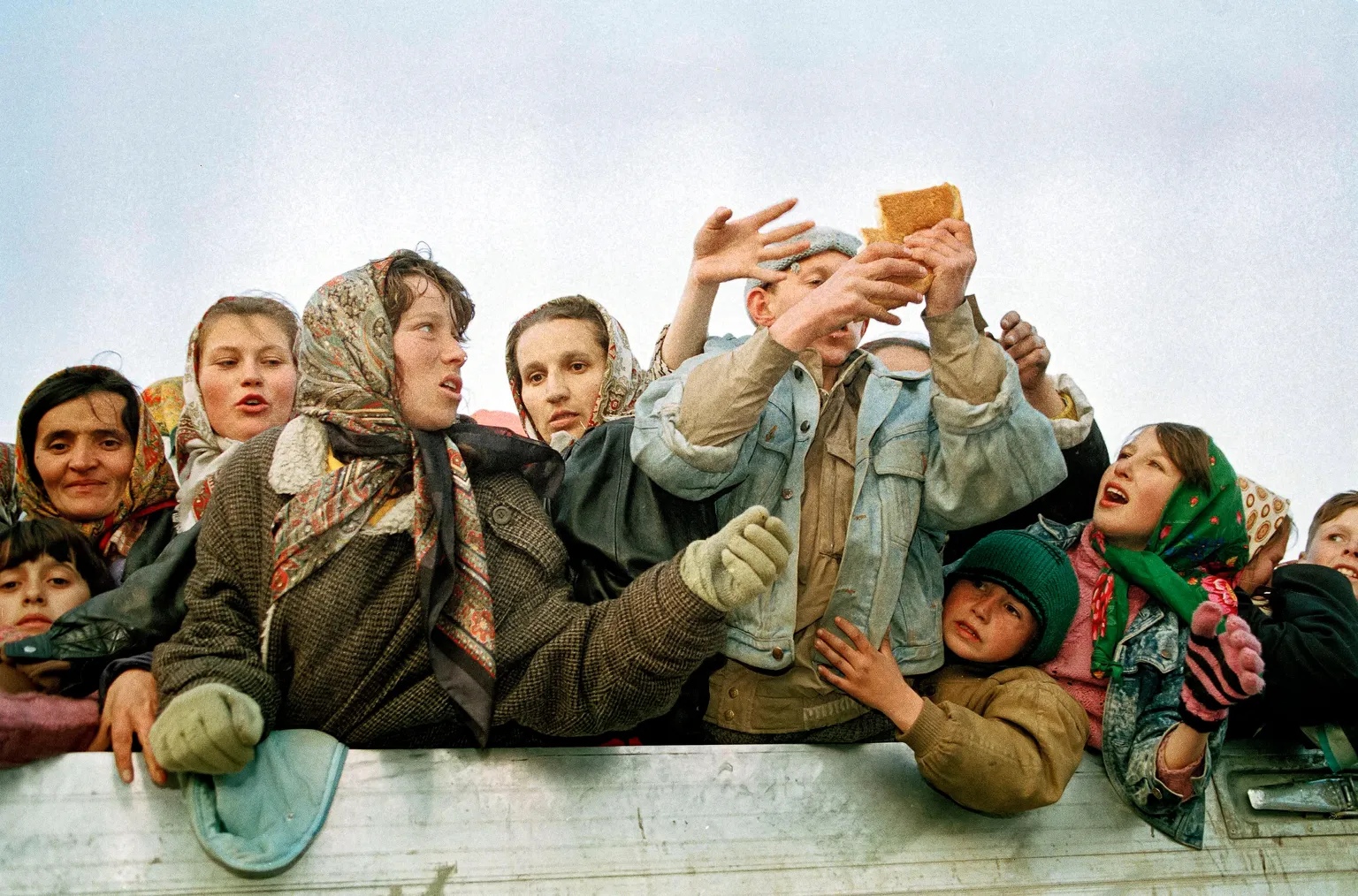
March 29, 1993: Evacuated Srebrenica refugees scramble for bread upon arriving in Tuzla, Bosnia.

Gaza’s suffering is more extreme. Israel has bombed hospitals, arrested doctors, blocked aid, and torched refugee camps and UN shelters—turning Gaza into a graveyard of life. Yet, unlike Srebrenica’s swift collapse, Gazans have endured for over 640 days.

The “Safe Zones” Trap

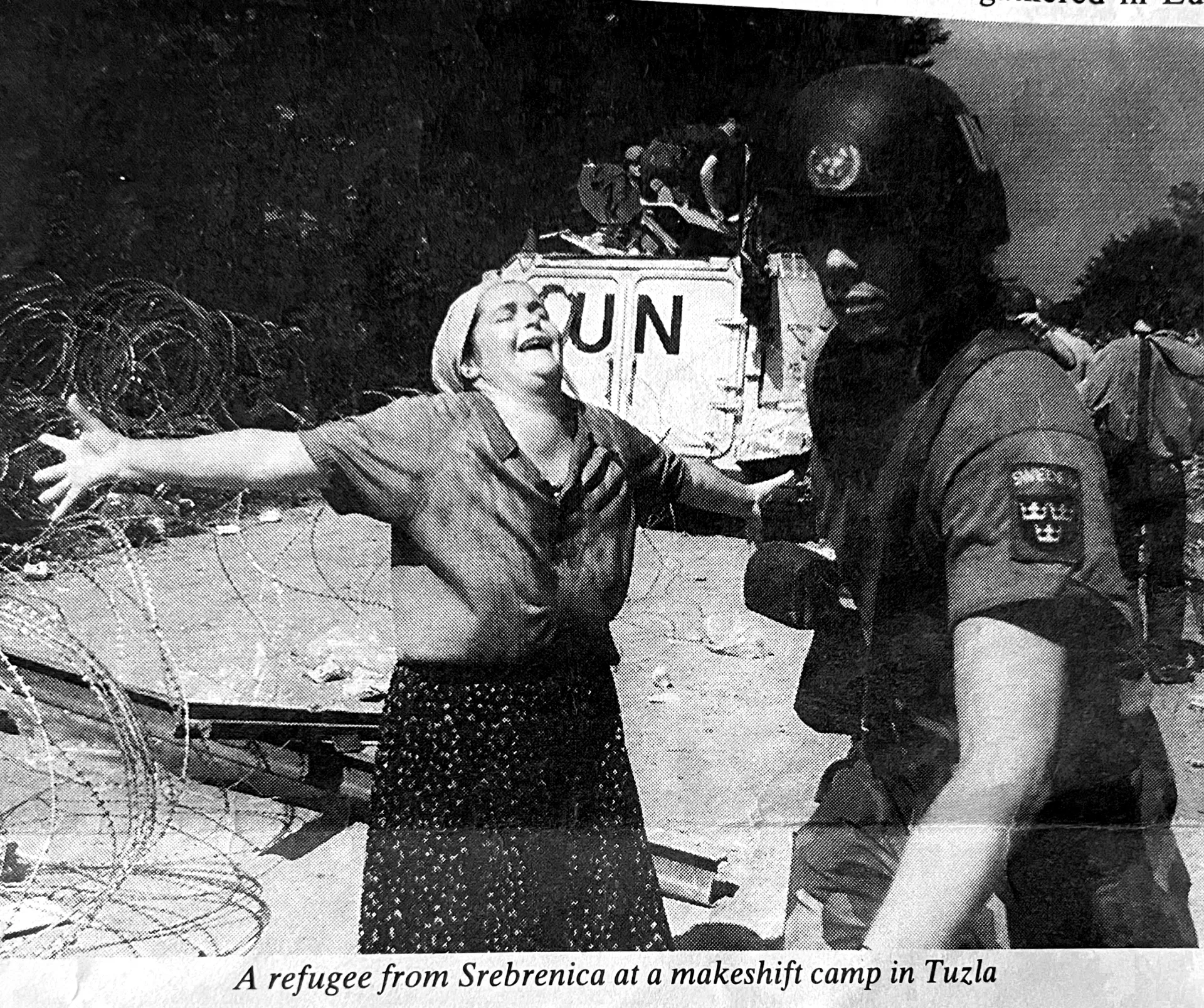
Pilav also recounted the so-called “safe route” after Srebrenica’s fall. Fifteen thousand people fled on what was dubbed the “Trail of Death.” Over six days and nights, they endured landmines, gas attacks, and ambushes. Few survived.
نون بوست

Gaza’s “safe corridors” have proven just as deadly. Civilians were lured with promises of aid or evacuation, only to be bombed en route or at distribution points.

International Betrayal

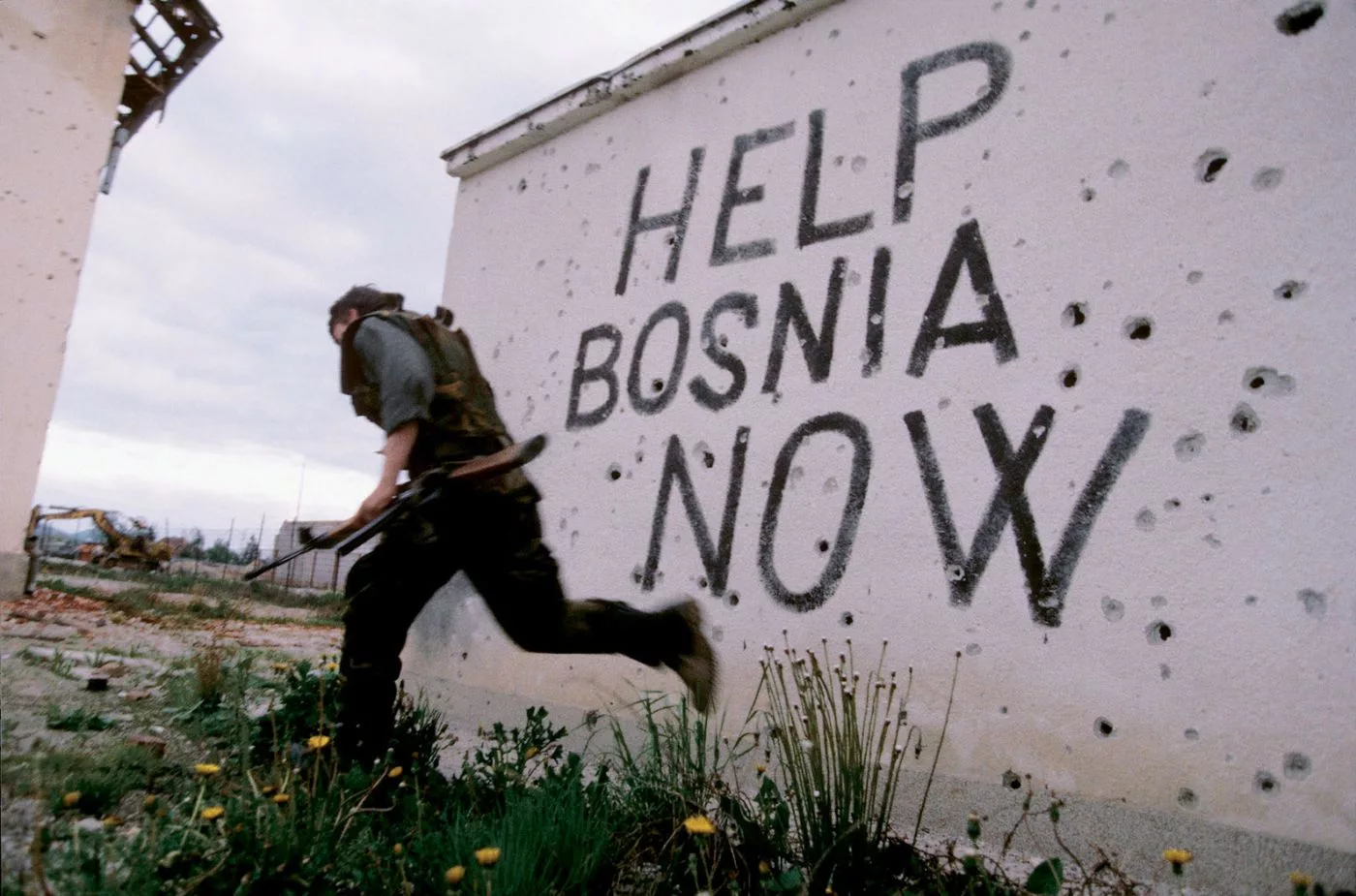
The international community failed Srebrenica. UN Resolution 819 was ignored. Dutch UN troops stationed in the area—tasked with protecting civilians—surrendered Muslims to Mladić’s forces. Over 8,000 men and boys were executed. The Mothers of Srebrenica sued the Dutch government for its complicity.
نون بوست

Today, the world’s silence on Gaza is arguably more appalling. The UN and Security Council offer only hollow statements. With unflinching US support, Israel enjoys diplomatic impunity. If justice had been served after Srebrenica, perhaps today’s crimes would never have occurred.

Despite the time gap, Srebrenica and Gaza are twin tragedies. They remain enduring symbols of humanity’s failure, international hypocrisy, and the moral collapse of global governance. Both towns stand as open wounds in the body of justice, testifying to a world that allows genocide—again and again.

Download this article as PDF
Share this Article
Facebook Twitter Whatsapp Whatsapp Telegram Email Copy Link
عماد عنان
By عماد عنان كاتب صحفي وباحث في الإعلام الدولي
Follow:
Previous Article نون بوست Occupied Golan Heights: Six Decades of Israeli Greed
Next Article نون بوست Ibn al-Tayyib’s Pilgrimage: Between Hope and Hardship

Read More

  • U.S. Regime‑Change Policies: Why They Are Destined to Fail U.S. Regime‑Change Policies: Why They Are Destined to Fail
  • The Gulf’s Balancing Act: Iran, Israel, and Hidden Links
  • Iraq–Turkey Oil Export Treaty: Why Did Ankara Cancel It After 52 Years?
  • Syria’s Northeast on Edge: QSD Between Ankara and Damascus
  • Has Europe Changed Its Stance on Israel… or Just Its Language?
part of the design
NoonPost Weekly Newsletter

You May Also Like

U.S. Regime‑Change Policies: Why They Are Destined to Fail

U.S. Regime‑Change Policies: Why They Are Destined to Fail

إسراء سيد Esraa sayed 8 April ,2026
The Gulf’s Balancing Act: Iran, Israel, and Hidden Links

The Gulf’s Balancing Act: Iran, Israel, and Hidden Links

فريق التحرير Noon Post 8 April ,2026
Iraq–Turkey Oil Export Treaty: Why Did Ankara Cancel It After 52 Years?

Iraq–Turkey Oil Export Treaty: Why Did Ankara Cancel It After 52 Years?

فريق التحرير Noon Post 8 April ,2026

بالصور: تركيا و 3 سنوات من الهجمات الإرهابية

فريق التحرير
Noon Post Published 18 February ,2016
Share
تفجيرات أنقرة في تركيا

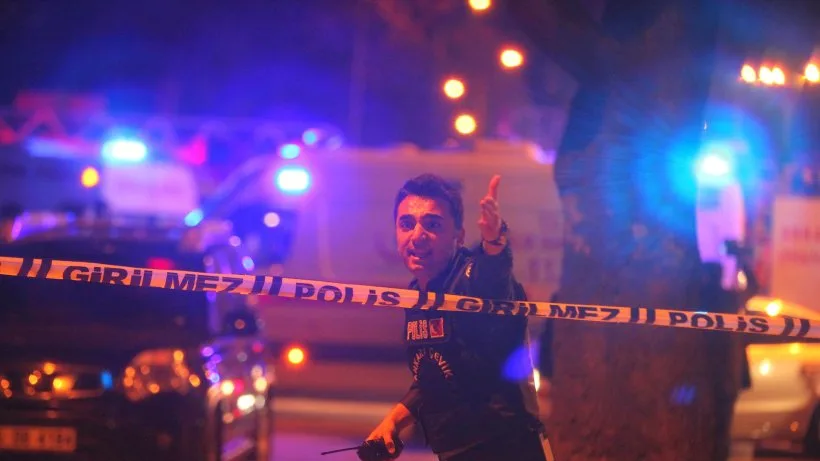
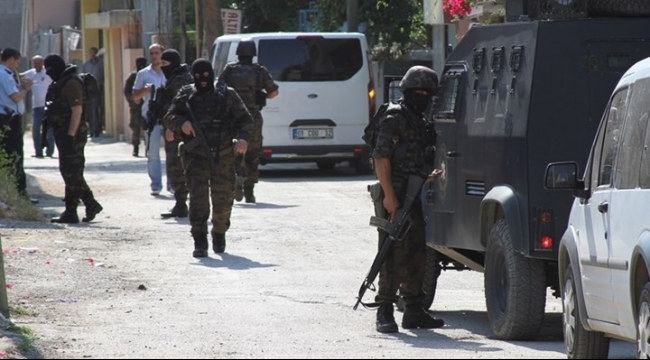
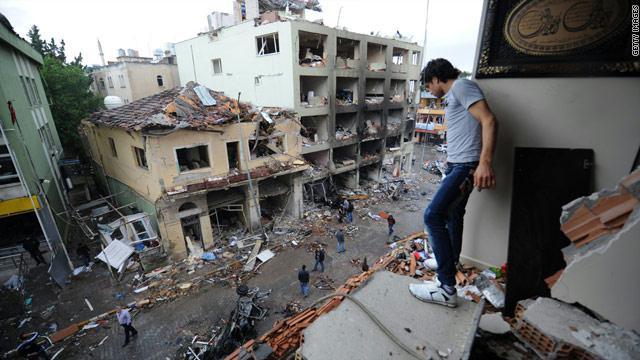
فتحت الحادثة الإرهابية بالأمس التي وقعت في قلب العاصمة التركية أنقرة ملف الهجمات الإرهابية المستمرة في استهداف الداخل التركي من جهات متعددة منذ قرابة 3 سنوات بشكل مستمر، حيث تُعاني تركيا من ويلات تفجيرات غادرة تستهدف مناطق حيوية في البلاد لأغراض انتقامية.

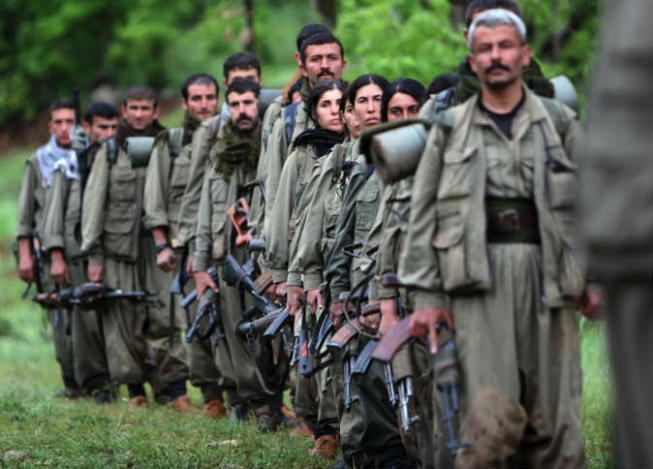
ترواحت مسؤولية تنفيذ هذه الهجمات بين تنظيم الدولة الإسلامية “داعش”، وعناصر حزب العمال الكردستاني الذي يخوض صراعًا مسلحًا مع الحكومة التركية، فيما يتحدث بعض المحللين عن ضلوع أجهزة مخابراتية في الإعداد لتنفيذ مثل هذه الهجمات لأغراض سياسية.

نحاول في هذا التقرير إلقاء الضوء على أبرز الحوادث الإرهابية التي ضربت الداخل التركي خلال فترة الثلاثة أعوام الماضية مع توضيح مسؤولية تنفيذها سواء عبر إعلانات سلطات الأمن التركية أو تبني صريح من أحد الأطراف.

* تفجير أنقرة “حافلات هيئة الأركان”

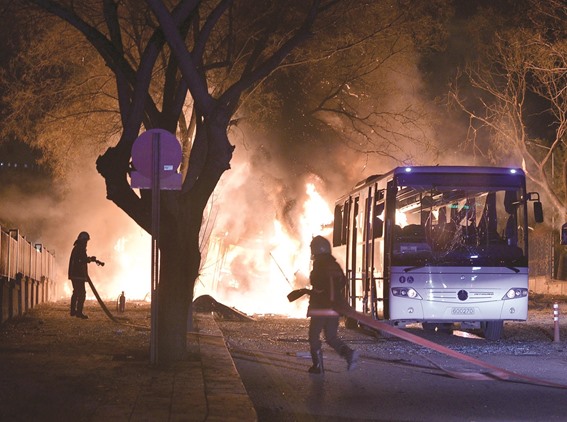
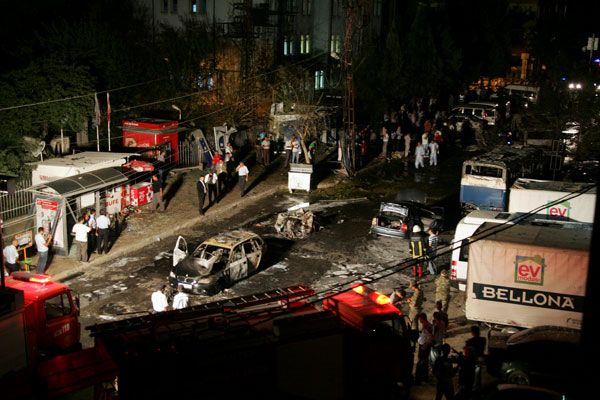
حيث استهدفت سيارة مفخخة حافلات نقل عسكرية تابعة لهيئة الأركان التركية مساء أمس الأربعاء 17 فبراير في شارع إينونو بالعاصمة التركية أنقرة، وهو ما أدى إلى إلحاق أضرار بـ 3 حافلات نقل عسكرية، وسيارة مدنية خاصة، فضلاً عن تحطم نوافذ السيارات، التي تصادف مرورها وقت وقوع التفجير.

نون بوست

أسفر هذا الحادث الإرهابي عن مقتل 28 شخصًا وجرح 61 آخرين في منطقة حساسة في قلب أنقرة قرب ساحة كيزيلاي التي تضم وزارات عدة إضافة إلى مقر رئاسة أركان الجيش والبرلمان التركي.

روى شهود عيان للحادث، بأن أحد الإرهابيين قادة سيارة مفخخة نحو الحافلات التي كانت تقل أعدادًا من الموظفين، ولدى تقاطع مروري تم تفجير السيارة التي دمرت الحافلة الوسطى التي كانت تُقل ما بين 20 إلى 25 موظفًا ما بين مدني وعسكري.

المعطيات الأولية للتحقيقات، أفادت بأن العملية تم تنفيذها عن طريق سيارة مفخخة من نوع Cherokee”” تحمل لوحة رقمية مزورة “34 “KK 3340، وتبين بعد ذلك أن السيارة مسجلة في سجلات مواصلات مدينة إسطنبول، وقد تمت سرقتها من صاحبها الأصلي خلال تواجدها في مدينة إزمير.

هذ وقد أعلنت الحكومة التركية أن الأجهزة الأمنية نجحت في حل لغز التفجير بعد العثور على جزء من جثة منفذ الهجوم الإرهابي، وبعد إجراء الفحوصات على بصمات الأصابع، تبين أنه مواطن سوري الجنسية يدعى صالح نجار، دخل إلى تركيا مع اللاجئين الذين توافدوا خلال عمليات النزوح، فيما أكد رئيس الوزراء أحمد داوود أوغلو أن حزب الاتحاد الديموقراطي الكردي هو من يقف خلف منفذ تفجير أنقرة بالأمس.

* تفجير السلطان أحمد بإسطنبول

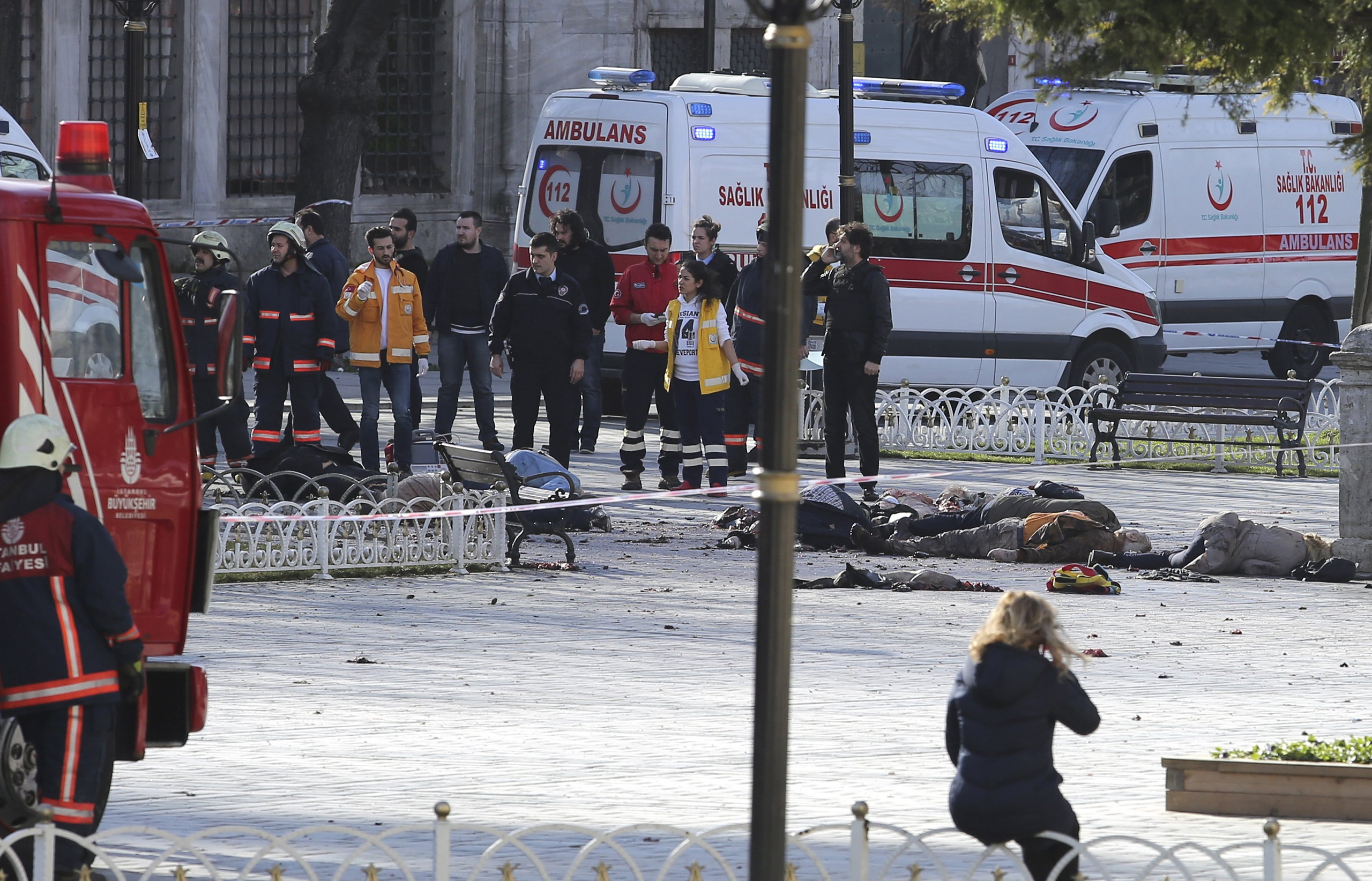
وقع هذا التفجير في منطقة مسجد السلطان أحمد السياحية في مدينة إسطنبول التركية، صباح الثلاثاء 12 يناير هذا العام ، حيث فجر انتحاري نفسه في فوج سياحي غالبيته من الألمان، وهو ما أوقع 15 قتيلًا وعشرات من الجرحي.

السلطات التركية أعلنت أن المنفذ سوري الجنسية يُدعى نبيل فضلي منتمٍ لتنظيم الدولة الإسلامية “داعش”.

نون بوست

* هجوم مطار صبيحة غوكتشين

وقع هذا الهجوم بتاريخ  23 من ديسمبر عام 2015 على مدرج الطائرات التابع لمطار صبيحة غوكتشين في الجانب الآسيوي من مدينة إسطنبول التركية.

نفذ الهجوم بواسطة قذائف الهاون وقد تبنته جماعة تسمى “صقور حرية كردستان” المرتبطة بحزب العمال الكردستاني، وقد خلف الحادث وقوع قتيلة كما أدى إلى إصابة سيدة أخرى.

* تفجيرات أنقرة “محطة القطار”

اهتزت العاصمة التركية أنقرة صباح السبت الموافق 10 أكتوبر 2015 بانفجارين نفذهما انتحاريان أثناء مسيرة لنشطاء موالين للأكراد ويساريين عماليين خارج محطة القطارات الرئيسية.

نون بوست

الهجمات كانت الأعنف في تاريخ الجمهورية التركية، حيث أسفرت عن مقتل 97 شخصًا، فضلًا عن إصابة 246 آخرين، وهو الأمر الذي أسفر عنه إقالة مدير أمن العاصمة التركية أنقرة على خلفية اتهامه بالتقصير الأمني.

في الوقت الذي وجهت فيه الحكومة التركية أصابع الاتهام نحو تنظيم “داعش” بشأن هذا الاعتداء.

* إطلاق نار بقصر دولمة بهتشه

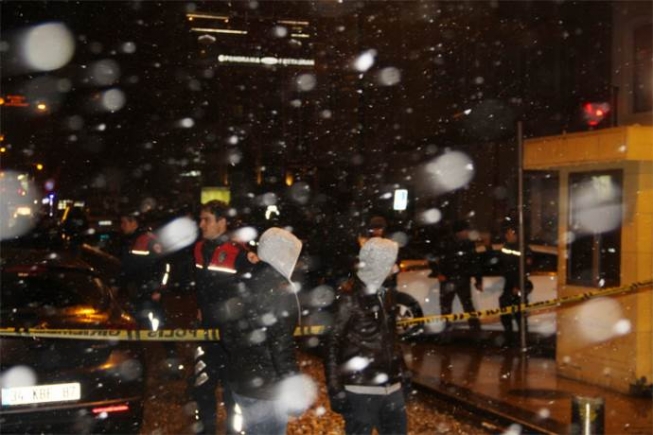
هاجم مسلحان القصر التاريخي الواقع على مضيق البوسفور، وقد شهدت ساحة القصر التاريخي تبادل لإطلاق النار بين المهاجمين المزودين بقنابل يدوية وأسلحة آلية من جانب، وقوات الشرطة المسؤولة عن تأمين القصر من جانب آخر بتاريخ 19 أغسطس عام 2015.

نون بوست

الهجوم نسب إلى المجموعة اليسارية “جبهة حزب التحرير الشعبي الثوري” وهي حزب يتبنى الفكر اليساري الثوري في تركيا.

* هجوم انتحاري في أغري شرق تركيا

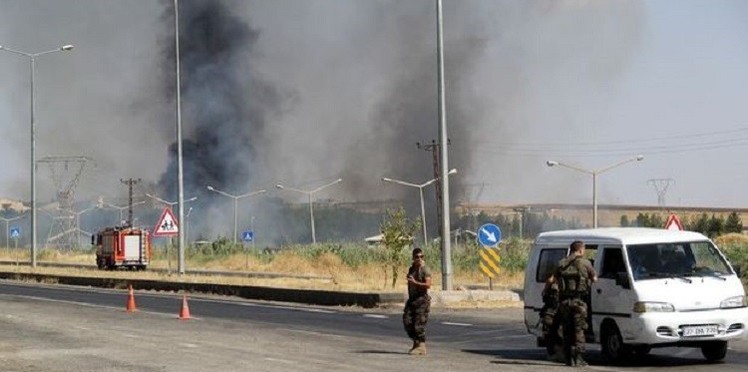
نفذ عناصر من حزب العمال الكردستاني الذي تصنفه أنقرة إرهابيًا هجومًا انتحاريًا على مخفر للدرك في قضاء “دوغو بايزيد” بولاية أغري شرقي تركيا في 8 أغسطس من العام 2015، ما أدى إلى مقتل جنديين وإصابة 24 آخرين.

ووفقا لوكالة الأناضول التركية فإن “هجومًا انتحاريًا بواسطة جرار زراعي معبأ بنحو طنين اثنين من المتفجرات استهدف، مخفر “قره بولاك” الذي يبعد نحو 15 كيلومترًا عن قضاء “دوغو بايزيد”، على الطريق نحو ولاية إغدير.

* تفجير سروج

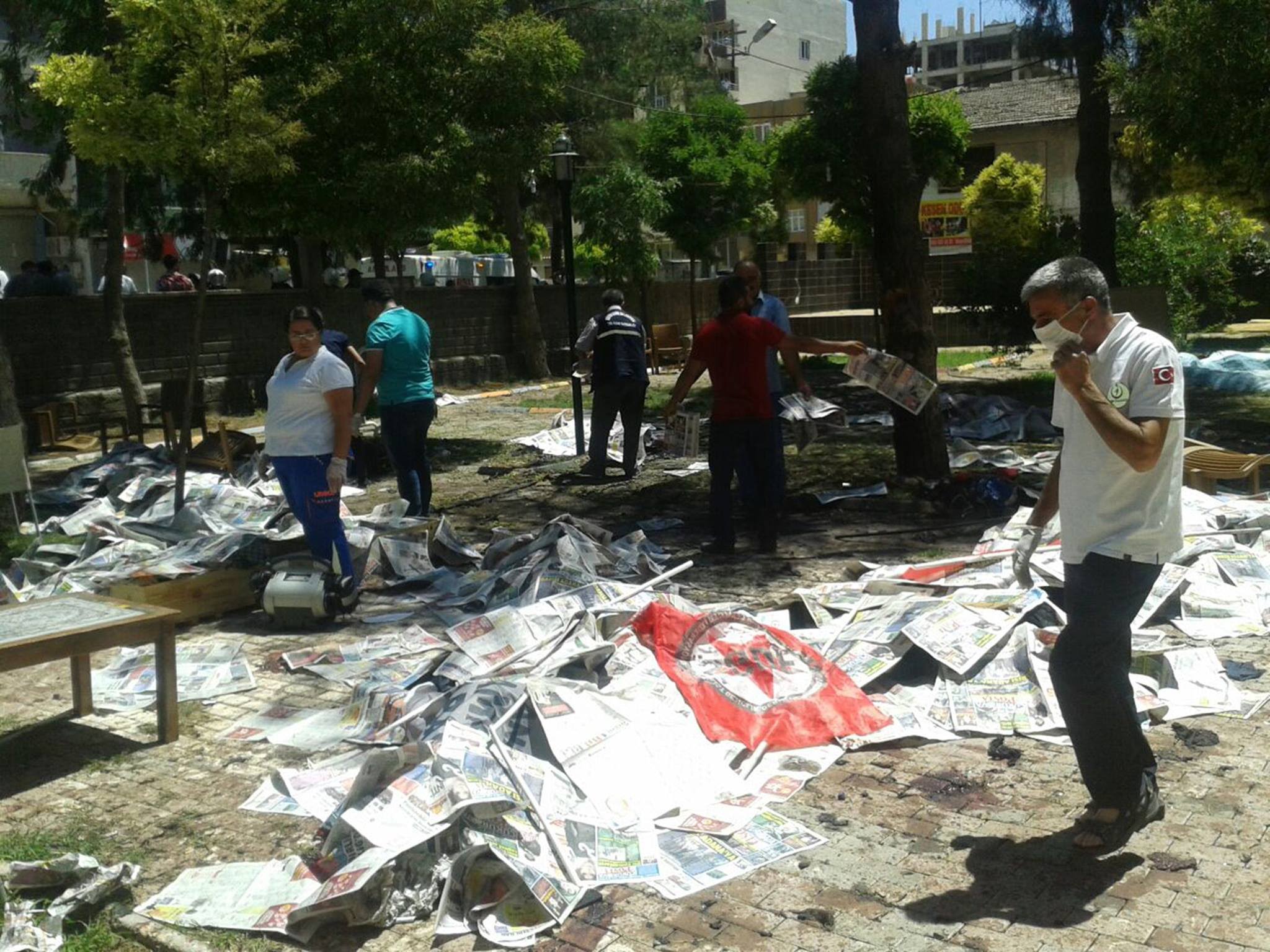
وقع هجوم انتحاري في مدينة سروج التابعة لمحافظة شانلي أورفة التركية في منتصف نهار 20 يوليو من العام 2015، حيث استهدف التفجير تجمعًا لاتحاد الشباب الاشتراكي في حديقة مركز أمارا الثقافي أثناء مؤتمر صحفي لتوضيح الجهود المبذولة لإعادة إعمار عين العرب كوباني من جديد بعد حصارها من قبل تنظيم الدولة الإسلامية “داعش”.

نون بوست

سقط جراء هذا الهجوم 34 قتيلًا وقرابة 100 جريح، وقد أعلنت السلطات التركية فيما بعد عن شخصية منفذ التفجير وهو عبد الرحمن آلاغوز وهو على صلة بتنظيم الدولة الإسلامية “داعش” بحسب إعلان الحكومة التركية.

كان رد فعل حزب العمال الكردستاني على هذا التفجير هو إعلان سقوط الهدنة مع الحكومة التركية، والدخول في صراع مسلح مع الجيش التركي بدأ بقتل ضابطي شرطة، وكان ذلك بمثابة انتهاء لفترة عملية السلام الكردية مع الحكومة التركية التي كانت قد بدأت عام 2009.

* حادثة المدعي العام

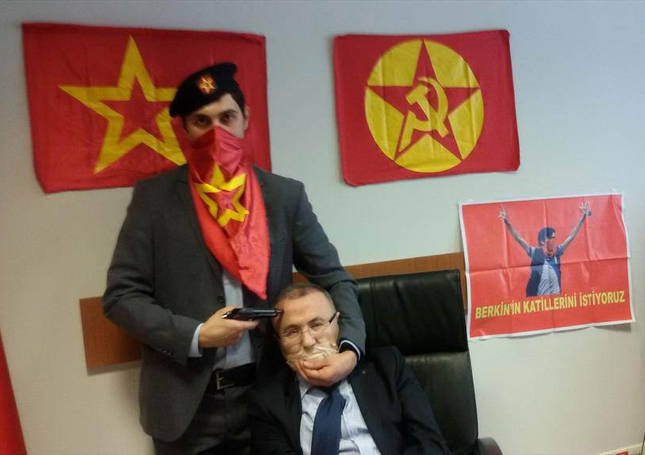
أعلنت السلطات التركية مطع أبريل عام 2015 عن وفاة المدعي العام محمد سليم كيراز، الذي احتجزه مسلحون في مكتبه بالقصر العادلي بمدينة إسطنبول، نتيجة لإصابته بجروح بليغة بعد إطلاق النار عليه خلال محاولة لاختطافه، فيما قتل مسلحان بعد تبادل لإطلاق النار مع الشرطة.

نون بوست

هذا وقد أعلن حزب الجبهة الشعبية لتحرير الشعب اليساري مسؤوليته عن محاولة الاختطاف والقتل.

يذكر أن كيراز كان يتولى يتولى عمليات التحقيق في قضية الشاب، بركين ألوان، الذي فارق الحياة، جراء إصابته بقنبلة مسيلة للدموع، خلال احتجاجات منتزه غيزي في منطقة تقسيم بإسطنبول، عام 2013.

* هجوم مديرية السياحة في إسطنبول

في مطلع شهر يناير من العام 2015 استهدف تفجير مديرية السياحة في قسم الشرطة بمنطقة السلطان أحمد في إسطنبول.

نون بوست

وقد كشفت السلطات التركية عن اسم منفذة الهجوم الانتحاري الذي أدى إلى مقتل شرطي وإصابة آخر جراء التفجير، الذي نفذته أليف سلطان كالسان، من جبهة حزب التحرير الشعبي الثوري التركية.

 * هجوم الريحانية

وقع في 11 مايو من العام 2013 تفجير لسيارتين مفخختين في بلدة ريحانلي “الريحانية” التابعة لمحافظة هاتاي على مقربة من الحدود التركية السورية، مما أسفر مقتل 46 شخصًا، بينهم 35 تركيًا.

نون بوست

وقد اتهمت سلطات الأمن التركية الحكومة السورية بالضلوع في العملية، حيث أكدت مصادر أمنية تركية أن التحقيقات اكتملت بشقها الأكبر، وقد تقرر أن الشبكة التي نفذت الهجوم والعناصر المرتبطة بها على صلة بأجهزة المخابرات المؤيدة للنظام السوري.

* هجوم غازي عنتاب

نُفذ الهجوم في 20 أغسطس من العام 2012 عبر تفجير نفذته عناصر مسلحة تابعة لحزب العمال الكردستاني، وهو ما أوقع  حصيلة 10 قتلى و66 جريحًا.

نون بوست

حيث وقع الهجوم في اليوم الثاني من عيد الفطر في مدينة غازي عنتاب بتفجير نفذه تنظيم (بي كي كي) الإرهابي.

جدير بالذكر أن هذه هي أبرز الحوداث التي وقعت في إطار ثلاثة أعوام بدافع الإرهاب سواء كان المنفذ من الداخل التركي أو مرتبط  بمجموعات خارجية، فيما يجدر الإشارة إلى أن العمليات متبادلة بين حزب العمال الكردستاني وقوات الجيش التركي بشكل شبه يومي.

حيث بلغت العمليات الإرهابية لمنظمة “بي كا كا” ذروتها في العام 2015، مقارنة بالأعوام السابقة منذ انطلاق مسيرة السلام الداخلي في تركيا، تلك العمليات التي تزايدت في المناطق المجاورة لمواقع الشرطة، والتي سجلت زيادة في الشهور السبعة الأولى من عام 2015، حتى بلغت 1267 هجومًا على الأمن التركي.

نون بوست

حيث أظهرت الإحصائيات الأمنية لسبعة أشهر فقط، وقوع 1083 عملًا مرتبطًا بالعنف، منها 154 هجومًا مسلحًا، و172 تفجيرًا، و351 اعتداءً بواسطة حجارة أو عصي، و19 حالة خطف، و47 عملية إحراق متعمدة، و241 اعتداءً بواسطة قنابل المولوتوف، و69 عملية تهديد.

TAGGED: الإرهاب في تركيا ، تفجير أنقرة ، تفجير السلطان أحمد ، تفجيرات ، حصاد الإرهاب
TAGGED: محاربة الإرهاب
Download this article as PDF
Share this Article
Facebook Twitter Whatsapp Whatsapp Telegram Email Copy Link
فريق التحرير
By فريق التحرير تقارير يعدها فريق تحرير نون بوست.
Follow:
Next Article نون بوست The Stigma of “ISIS”: A Heavy Legacy Haunting Women and Children of Former Members

Read More

  • U.S. Regime‑Change Policies: Why They Are Destined to Fail U.S. Regime‑Change Policies: Why They Are Destined to Fail
  • The Gulf’s Balancing Act: Iran, Israel, and Hidden Links
  • Iraq–Turkey Oil Export Treaty: Why Did Ankara Cancel It After 52 Years?
  • Syria’s Northeast on Edge: QSD Between Ankara and Damascus
  • Has Europe Changed Its Stance on Israel… or Just Its Language?
part of the design
NoonPost Weekly Newsletter
dark

An independent media platform founded in 2013, rooted in slow journalism, producing in-depth reports, analysis, and multimedia content to offer deeper perspectives on the news, led by a diverse young team from several Arab countries.

  • Politics
  • Society
  • Rights & Liberties
  • Opinions
  • History
  • Sports
  • Education
  • Technology
  • Economy
  • Media
  • Arts & Literature
  • Entrepreneurship
  • Travel
  • Cinema & Drama
  • Food
  • Health
  • Culture
  • Latest Reports
  • Files
  • Long Reads
  • Interviews
  • Podcast
  • Interactive
  • Encyclopedia
  • In Pictures
  • About Us
  • Our Writers
  • Write for Us
  • Editorial Policy
  • Advanced Search
Some rights reserved under a Creative Commons license

Removed from favorites

Undo
Go to mobile version