NoonPost NoonPost

NoonPost

  • Home
  • Politics
  • Economy
  • Society
  • Culture
  • Files
  • Long Reads
  • Podcast
AR
Notification Show More
نون بوست
“There Are Nights I Can’t Close My Eyes”: How Gazans Are Living in Homes on the Brink of Collapse
نون بوست
From al-Jolani to Ahmad al-Shara: The Evolution of Syria’s New Leader
نون بوست
When Political Islam Receded in Egypt: Who Filled the Void?
نون بوست
An Extension of Genocide: Gaza’s Detainees Speak Out
نون بوست
A Tightrope Between Survival and Sovereignty: The Syrian Government Faces Normalization Pressures
نون بوست
American Aircraft Carriers: Has the Era of “100,000 Tons of Diplomacy” Ended?
نون بوست
U.S. Regime‑Change Policies: Why They Are Destined to Fail
نون بوست
Transformations of Israeli Judaism: Between the Victim Complex and the Colonizer’s Doctrine
نون بوست
The Gulf’s Balancing Act: Iran, Israel, and Hidden Links
نون بوست
Iraq–Turkey Oil Export Treaty: Why Did Ankara Cancel It After 52 Years?
نون بوست
Syria’s Northeast on Edge: QSD Between Ankara and Damascus
نون بوست
Has Europe Changed Its Stance on Israel… or Just Its Language?
NoonPost NoonPost
AR
Notification Show More
نون بوست
“There Are Nights I Can’t Close My Eyes”: How Gazans Are Living in Homes on the Brink of Collapse
نون بوست
From al-Jolani to Ahmad al-Shara: The Evolution of Syria’s New Leader
نون بوست
When Political Islam Receded in Egypt: Who Filled the Void?
نون بوست
An Extension of Genocide: Gaza’s Detainees Speak Out
نون بوست
A Tightrope Between Survival and Sovereignty: The Syrian Government Faces Normalization Pressures
نون بوست
American Aircraft Carriers: Has the Era of “100,000 Tons of Diplomacy” Ended?
نون بوست
U.S. Regime‑Change Policies: Why They Are Destined to Fail
نون بوست
Transformations of Israeli Judaism: Between the Victim Complex and the Colonizer’s Doctrine
نون بوست
The Gulf’s Balancing Act: Iran, Israel, and Hidden Links
نون بوست
Iraq–Turkey Oil Export Treaty: Why Did Ankara Cancel It After 52 Years?
نون بوست
Syria’s Northeast on Edge: QSD Between Ankara and Damascus
نون بوست
Has Europe Changed Its Stance on Israel… or Just Its Language?
Follow US

Who Bears the Cost of Egypt’s Generosity?

فريق التحرير
Noon Post Published 26 March ,2026
Share
نون بوست
نون بوست

In mid-June 2025, the Egyptian parliament approved Protocol No. 2 appended to the Double Taxation Avoidance Agreement signed between Egypt and the UAE in November 2019 in Abu Dhabi. The agreement, ratified by President Abdel Fattah el-Sisi through Republican Decree No. 558 of 2020, was published in the official gazette.

This new protocol formally designates “Abu Dhabi Developmental Holding Company”—one of the world’s largest sovereign wealth funds—as an official entity eligible for sweeping tax exemptions on its investments in Egypt.

The company will only pay taxes in its home country, while Egypt’s Sovereign Fund will be granted reciprocal privileges in the UAE, although it remains obligated to pay taxes on its domestic operations.

The move sparked widespread criticism, especially as it comes during Egypt’s most severe economic crisis in years, with ballooning budget deficits and mounting pressure from international financial institutions to increase revenue by expanding the tax base and reducing exceptional exemptions that cost the treasury billions annually.

Meanwhile, ordinary Egyptians and small businesses are facing successive increases in fees and taxes.

Unequal Gains

Egyptian authorities portray the new protocol as a balanced agreement rooted in mutual interests. The Parliamentary Planning and Budget Committee praised it as a vital step toward fostering bilateral economic cooperation and encouraging reciprocal investments at a time when Egypt struggles to attract foreign capital.

However, this policy is based on a flawed premise: that generous tax incentives are the optimal way to attract foreign investment. In reality, foreign investors often prioritize legal and administrative reforms, anti-corruption measures, infrastructure efficiency, workforce capabilities, and strong domestic demand over mere tax breaks.

Behind the government’s fervent support lie clear contradictions. A closer reading of the agreement reveals significant imbalances in economic priorities and a stark disparity in the benefits it offers. Available data suggests the exemptions overwhelmingly favor the Emirati side.

The UAE is known for its lenient tax regime. It does not impose substantial tax burdens on companies and applies limited tax measures, only recently introducing modest corporate tax rates well below global standards.

In this context, the supposed benefits offered to Egypt’s Sovereign Fund in the UAE appear economically negligible. The deal, in substance, resembles a lopsided arrangement where Egypt gives up significant tax revenue from a foreign entity aggressively expanding its foothold in vital sectors of its economy.

More than just a tax issue, this imbalance underscores a wider disparity in investment volumes. Emirati capital is deeply entrenched in Egypt’s economy, with stakes in strategic sectors, while Egypt’s investments in the UAE remain minimal and confined to niche activities. As a result, the reciprocal privileges granted to Egypt are largely symbolic.
نون بوست

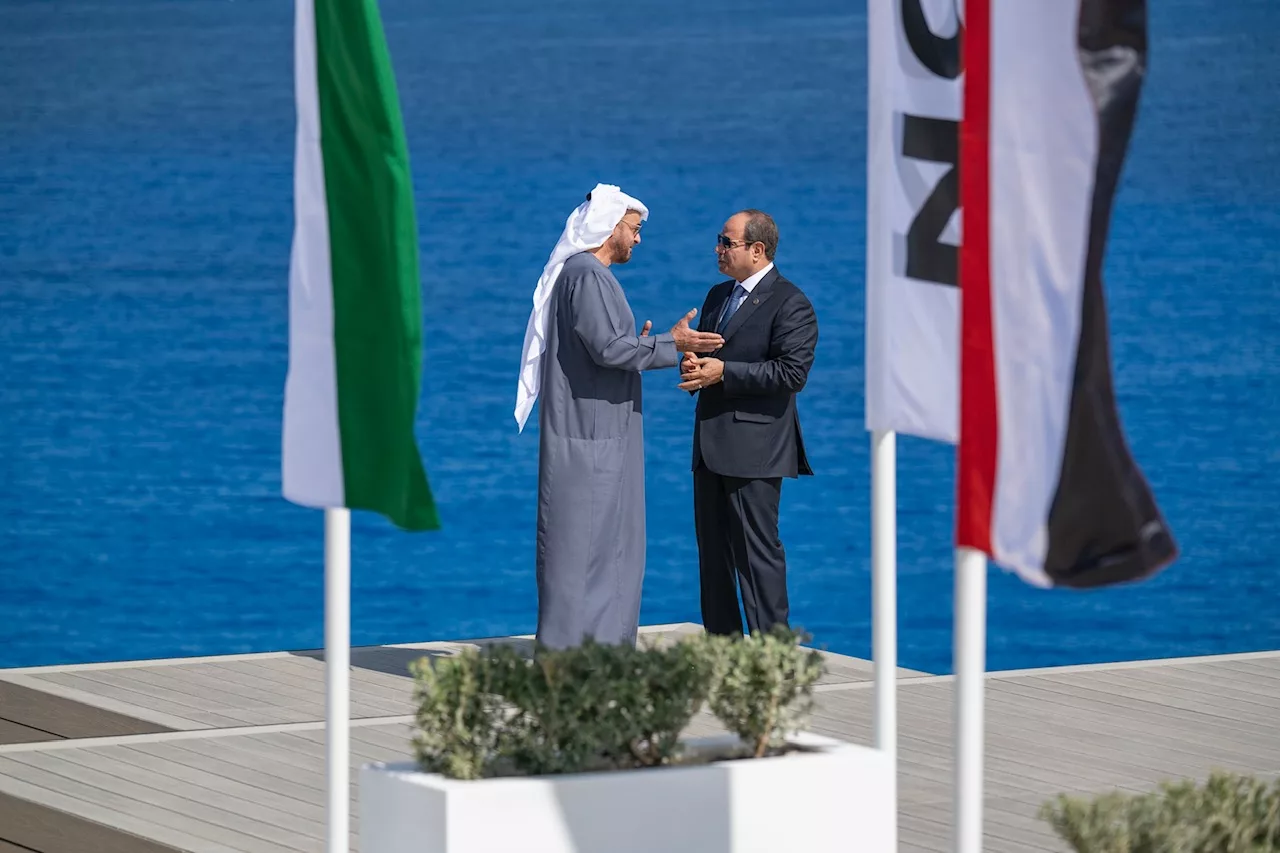
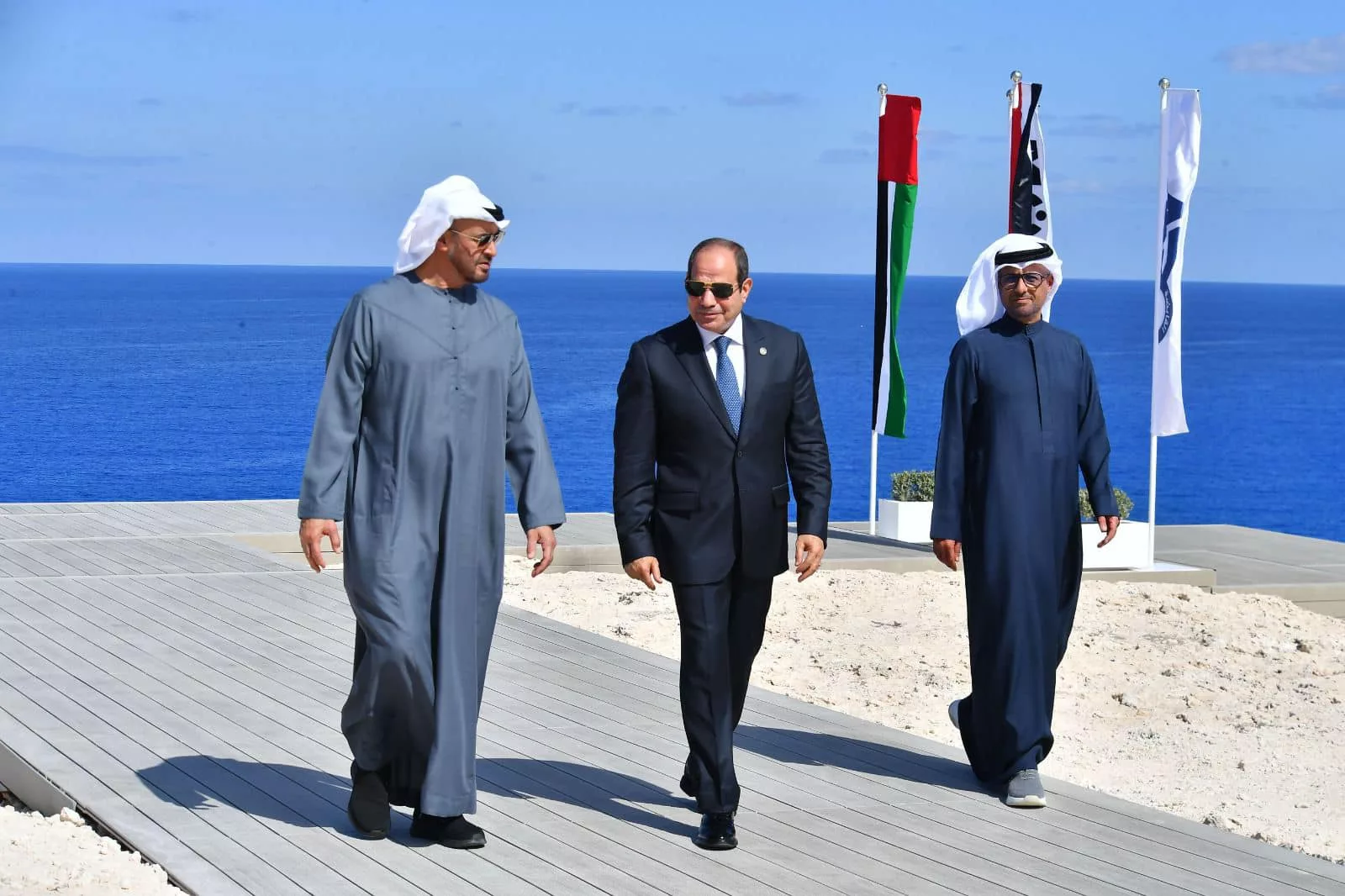
Take for instance the Abu Dhabi holding company—established in 2018 under the leadership of Sheikh Tahnoun bin Zayed, the Deputy Ruler of Abu Dhabi. In a short span, it has become one of the region’s most powerful investment entities, managing tens of billions in assets and holding investments across Egypt’s energy, food security, and pharmaceutical sectors.

Notably, the firm recently acquired stakes ranging from 25% to 35% in three Egyptian petroleum companies—Ethydco, the National Drilling Company, and ELAB—for a combined $800 million.

Additionally, Abu Dhabi Ports, a subsidiary, secured a 50-year renewable usufruct agreement to develop the “Kizad East Port Said” zone, granting Egypt’s Suez Canal Economic Zone Authority a mere 15% of project revenues.

The new protocol grants the Emirati company tax exemptions on its profits and investment returns within Egypt, affecting key sectors crucial to Egypt’s public finances. This renders its investments exceptionally profitable across the board.

Meanwhile, there’s little transparency or data on the size and scope of Egypt’s sovereign investments in the UAE, casting doubt on the claim of mutual benefit.

These exemptions grant Emirati capital a sweeping advantage: benefiting not only from the depreciated Egyptian pound and undervalued public assets, but also from exemptions on income taxes, capital gains, dividends, and interest earnings.

Such taxes constitute a major portion of any investment’s returns and could have generated billions for the Egyptian treasury—resources urgently needed to fund social services and offset the foreign currency crunch straining the local economy.

This skew in economic policy undermines the principle of reciprocity and turns the tax exemptions into one-sided gains for the UAE, at a time when Egypt’s public finances are under extreme pressure.

Exclusive Exemptions

As Egypt rushes to grant generous tax relief to Gulf investment entities—especially Abu Dhabi Holding—it faces intensifying pressure from the International Monetary Fund (IMF) to rein in such privileges. The IMF emphasizes the need for fair competition between public and private sectors and improving tax collection as key components of fiscal sustainability.

In its October 2023 review of Egypt’s economic performance, the IMF warned that unchecked tax exemptions deprive the budget of vital revenue, particularly in a context of rising inflation and soaring debt burdens.

The IMF cautioned that over-reliance on tax-exempt investments could worsen fiscal imbalances and widen the gap between state revenues and expenditures, jeopardizing the country’s capacity to meet social and development obligations.

In line with IMF requirements, Egypt’s government approved a draft law in February 2024 to scrap tax exemptions for public entities involved in commercial activities. However, it notably excluded military-affiliated projects, which dominate key sectors of the economy.
نون بوست

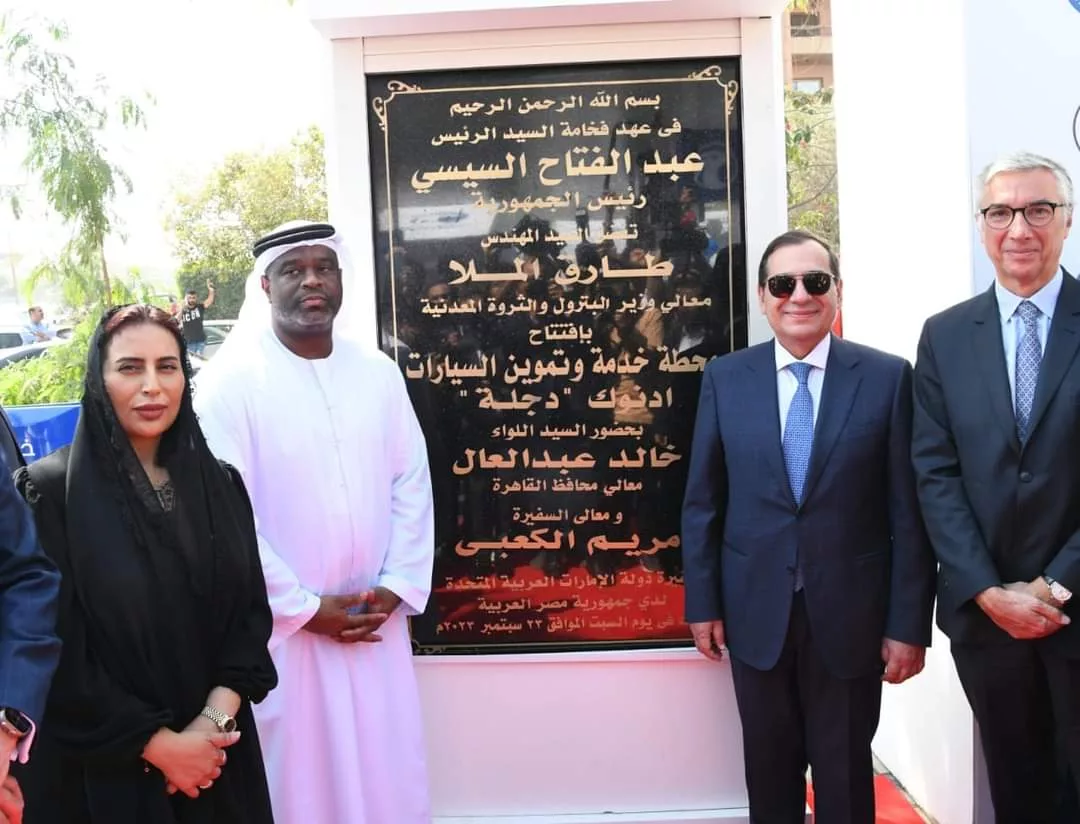
Despite this partial move, the government continues to grant sweeping exemptions to major foreign investors such as Abu Dhabi Holding. The firm has been involved in high-profile projects like the Ras El Hekma deal and continues to enjoy preferential treatment that reflects an Egyptian economic strategy aimed at attracting Gulf capital—even at the expense of domestic fiscal balance.

By contrast, other international entities have faced resistance. In November 2023, Euroclear—a global securities settlement platform—requested a tax exemption on Egyptian treasury bonds and bills as a precondition for giving Egypt access to international debt markets. To date, Cairo has not issued a formal response.

Observers note that Egypt’s leniency toward Gulf investors must be seen within a broader political and regional context. Countries like the UAE and Saudi Arabia have long supported Egypt through large central bank deposits, extensive investments, and direct financial aid.

Since Egypt’s economic crises began to snowball in 2016, the government’s dependency on Gulf backing has deepened, creating a nexus between politics and economics. This has resulted in preferential treatment for Gulf firms—particularly Emirati ones—raising questions about fairness and long-term benefit.

Within this dynamic, Abu Dhabi Holding has strengthened its position by acquiring stakes in five top-tier Egyptian firms listed on the stock exchange, most of which generate hard currency revenue.

The $1.8 billion deal included Commercial International Bank (Egypt’s largest private bank), Abu Qir Fertilizers, Misr Fertilizers Production Company, Alexandria Container & Cargo Handling, and Fawry for digital payments.

These companies are among Egypt’s most prominent, appearing on Forbes’ list of the 50 most powerful Egyptian firms, with a combined market value nearing $10 billion and assets totaling nearly $19.6 billion. Collectively, they account for about 39% of the EGX30 index.

Between April 2022 and June 2024—roughly two and a half years since the acquisitions—Abu Dhabi Holding generated operating returns of $890 million, excluding capital gains from surging stock prices. This is nearly half of its initial investment, an impressive performance given the timeframe.

With each new acquisition, concerns over transparency, asset valuation, and the actual impact of these investments on the broader economy continue to grow. Official figures often showcase these deals as successes, yet their benefits rarely trickle down to everyday Egyptians.

Many fear that Egypt is increasingly becoming a haven for foreign capital seeking generous tax shelters, without ensuring tangible gains for a struggling economy grappling with high poverty rates and deep structural challenges.

Who Pays the Price?

Tax revenues are the backbone of any national budget, enabling governments to fund vital sectors such as education, healthcare, and infrastructure. In Egypt’s case, this is even more critical given soaring external debt and diminished revenue streams due to weak economic performance and currency volatility.

By waiving taxes on massive foreign investments, Egypt’s treasury forfeits much-needed income that could alleviate fiscal deficits or improve living standards. Meanwhile, ordinary Egyptians bear the brunt of rising costs amid declining currency value, inflated prices, and deteriorating services.

This reflects a broader economic strategy that prioritizes foreign investors over basic public needs. The growing tax burden on the poor and middle class—via indirect taxes and fees on utilities like electricity and water—further entrenches inequality.

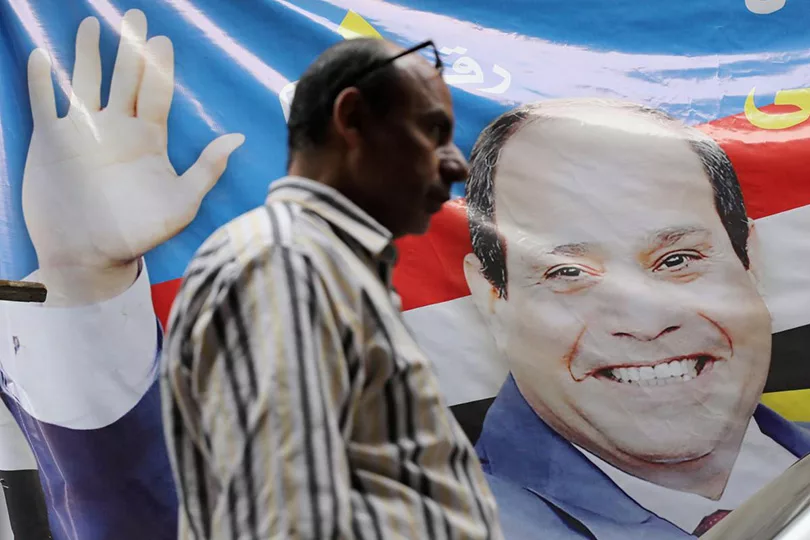
Egypt’s latest budget relies almost entirely on tax revenue, targeting over 2.6 trillion pounds—accounting for 85% of total revenue, up from 77% the previous year. These taxes disproportionately impact low- and middle-income citizens, who pay half of all tax revenue through income and VAT.
نون بوست

VAT alone is expected to generate more than 780 billion pounds, a 43% increase from the previous fiscal year. This means ordinary Egyptians will face significantly higher taxes, even as subsidies like fuel support have been cut.

These tax hikes coincide with ballooning debt servicing costs—interest and principal payments on loans—which consume about 65% of the state budget. New borrowing in the upcoming fiscal year is set to exceed 3.5 trillion pounds. In this context, the government increasingly turns to citizens’ pockets to cover the gaps left by its failed policies.

Policies endorsed by a compliant parliament are exacerbating inequality and widening the gap between rich and poor. This heightens the risk of future social unrest, especially in the absence of credible economic reforms or measures that promote equitable wealth distribution.

Against this backdrop, the generous incentives granted to foreign—particularly Gulf—capital, and to certain domestic entities exempt from tax obligations, raise fundamental questions: Who truly shoulders Egypt’s tax burden? And how sustainable is an economic model that overburdens citizens while enriching powerful investors?

Despite its fragility and growing poverty, Egypt’s economy appears to be subsidizing one of the region’s most powerful sovereign funds—offering tax breaks and privileged access to undervalued assets. Whether these policies are just, beneficial, or sustainable remains an open question.

Download this article as PDF
Share this Article
Facebook Twitter Whatsapp Whatsapp Telegram Email Copy Link
فريق التحرير
By فريق التحرير تقارير يعدها فريق تحرير نون بوست.
Follow:
Previous Article نون بوست Ibn al-Tayyib’s Pilgrimage: Between Hope and Hardship
Next Article نون بوست Gaza Talks: Resistance Flexes, Netanyahu Stalls at Morag

Read More

  • Militias and Iran Fuel Iraq’s Oil Crisis Militias and Iran Fuel Iraq’s Oil Crisis
  • Basra’s Water Crisis: Thirst Amid Oil and Salt
  • Chinese Investments in Egypt: Acceptable Privileges, Legitimate Concerns
  • Money Laundering in Egypt: The Shadow Economy Devours the State
  • Algeria and the European Union: Political Tensions Beneath the Banner of Anti-Money Laundering
part of the design
NoonPost Weekly Newsletter

You May Also Like

Militias and Iran Fuel Iraq’s Oil Crisis

Militias and Iran Fuel Iraq’s Oil Crisis

فريق التحرير Noon Post 26 March ,2026
Basra’s Water Crisis: Thirst Amid Oil and Salt

Basra’s Water Crisis: Thirst Amid Oil and Salt

طه العاني Taha Alane 26 March ,2026
Chinese Investments in Egypt: Acceptable Privileges, Legitimate Concerns

Chinese Investments in Egypt: Acceptable Privileges, Legitimate Concerns

عماد عنان Emad Anan 26 March ,2026

لماذا لا يمكن لا لروسيا ولا للغرب أن ينتصرا في سوريا؟

ديفيد هيرست
ديفيد هيرست Published 19 February ,2016
Share
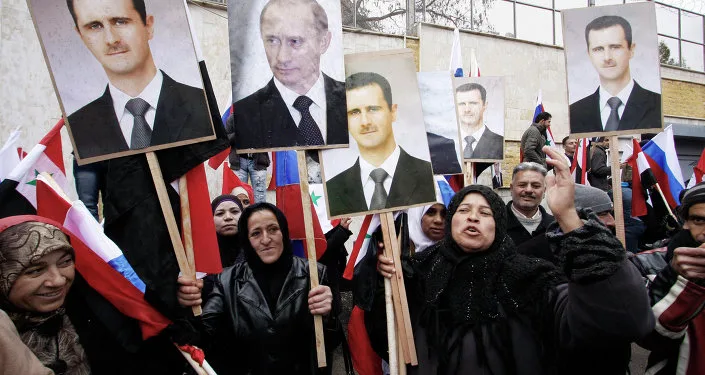
مظاهرة مؤيدة للأسد وبوتين

منذ سقوط الاتحاد السوفياتي، ساد التباين في العلاقة بين روسيا والولايات المتحدة. أيا كان المزاج، لقد تأرجح البندول من حالة من الشغف الشديد بالغرب وأنماط الحياة فيه إلى التعبير عن مشاعر قومية في غاية العداء له، لم تتوقف نخبة السياسة الخارجية الروسية عن إعطاء الجماهير الغربية محاضرات من الوعظ ملوحة في وجوهها بإصبع التنبيه والتحذير. ويتعمق إحساس روسيا بالغدر والخيانة لأن اعتبار الروس أوروبيين يمثل بالنسبة لهم قضية هوية.
 
والتباين في هذا الخطاب واضح: لقد خرج الغرب من قاعة المحاضرات. ولكم نطق الرؤساء المتعاقبون في الولايات المتحدة الأمريكية بصيغ (لم يكونوا هم مقتنعين بها) مفادها أن روسيا قوة عظمى، رغم أنهم لم يترددوا في خرق المعاهدات معها. لقد تعاملت واشنطن مع أوكرانيا كما لو كانت قضية أوروبية إلا أن الولايات المتحدة أكثر قلقاً بشأن مظاهر الاستقواء التي تمارسها بيجين في بحر جنوب الصين.
 
يمكن للشريك المهمل أن يتسبب من حين لآخر بإلحاق أضرار تفوق تلك التي يتسبب بها الخصم. فزعيم مثل فلاديمير بوتين، الذي يستقي من بئر راكدة من القومية الروسية (من النوع الذي عبر عنه لاعب نادي لوكوموتيف في الدوري الأوروبي الذي انعقد في تركيا)، يحتاج إلى استراتيجيات أخرى لجلب الاهتمام على مسرح السياسة الدولية. ومثال ذلك تلك الصواريخ التي يطلقها كيم جونغ أون في الهواء ليذكر جيرانه بأن كوريا الشمالية ماتزال حية ترزق.
 
لقد تحقق ذلك لبوتين في سوريا. فخلال شهور قليلة وقصيرة تمكنت الغارات الجوية الروسية من ترجيح كفة الحكومة في الحرب الدائرة بين قواتها وقوات الثوار، وتمكنت روسيا من اغتيال عدد من قادة الثوار، وسعت إلى إملاء من ينبغي أن يعتبروا ثواراً سوريين شرعيين ومن لا ينبغي أن يصنفوا كذلك. وفرضت روسيا نفسها لتصبح جزءاً من التحالف الدولي ضد تنظيم الدولة وضمنت مقعدها في كل واحد من المنتديات الدولية التي طرحت فيها قضية سوريا للنقاش.
 
حينما يتعلق الكلام بسوريا، تجد وزير الخارجية الأمريكي جون كيري لا ينفك عن تبادل الرأي بشكل منتظم مع وزير الخارجية الروسي سيرجيه لافروف، بغض النظر عما إذا كان يعتقد بأن لافروف، أو بالفعل رئيس الاستخبارات العسكرية الروسي، له أي نفوذ على الرئيس السوري بشار الأسد. ولربما لا يتمتع أي من الرجلين بمثل هذا النفوذ على أية حال.
 
وكانت النتيجة الحتمية لذلك أن الزعماء العرب ذهبوا، الواحد تلو الآخر، يعربون عن إجلالهم لموسكو، كانت البداية مع مصر والأردن ودولة الإمارات العربية المتحدة. ثم جاء الدور في يناير على أمير قطر، وما لبث ملك البحرين حمد بن عيسى أن لحق بهم حين أهدى بوتين “سيف النصر” المصنوع من الفولاذ الدمشقي. فما كان من بوتين إلا أن دعا ضيفه إلى التزلج معه على السفوح التي تعتلي سوتشي. ولعل الملك حمد لم ينتبه إلى أن تلك كانت مقبرة لشعب مسلم آخر، هم الشركس، كانت قد أبادته عن بكرة أبيه روسيا القيصرية. على كل حال اعتذر الملك البحريني عن قبول الدعوة.
 
لقد تمكن بوتين في سوريا من استعادة موطئ القدم الروسية في الشرق الأوسط والذي جرى التخلي عنه من قبل حينما خضع رئيس وزرائه ديمتري ميدفيديف وتساوق مع التدخل الذي قاده تحالف النيتو في ليبيا.
 
تلك كانت في حينه استراتيجية بوتين للدخول، فما هي استراتيجيته للخروج يا ترى؟
 
ستكون الولايات المتحدة الأمريكية هي أول من يخبر الروس بأن قانون التدخل الأجنبي الأول ينص على ما يلي: إذا ما تسببت في تفكيك دولة فإنك تملكها. إذا كانت روسيا قد دخلت كقوة مقاتلة فاعلة، فإنها تملك الفوضى التي ترثها.
 
وها هو بوتين يرث بلدا يعيش ما لا يقل عن 28 بالمائة من سكانه في مخيمات لجوء في الخارج في كل من تركيا ولبنان والأردن. ويرث حربا أهلية تدخل عامها السادس تسببت في مقتل وإصابة أعداد من المدنيين تفوق بمراحل تلك الأعداد التي سقطت جراء الغزو الأمريكي للعراق. ويرث ساحة تعمقت فيها جذور التيارات الدينية المتطرفة المقاتلة. ويرث المسؤولية عن قنابل البراميل التي يلقي بها نظام الأقلية على رؤوس المدنيين من أبناء الأغلبية السنية، مما تسبب في الدفع بأمواج من اللاجئين نحو الحدود. رغم أن الأردن حليف لروسيا إلا أنه يحمل على عاتقه عبء المأساة الإنسانية التي يولدها التدخل الروسي في سوريا. وإذا استمر معدل تهجير المدنيين تحت سطوة الهجمات التي تشنها قوات الحكومة فإن نصف السكان يوشكون أن ينتهي بهم المطاف خارج بلدهم.
 
ما هي الفرص الآنية للتوصل إلى وقف لإطلاق النار في مثل هذه الظروف؟ صفر. وما هي فرص التوصل إلى مصالحة بين السنة والشيعة؟ اسألني عن ذلك تارة أخرى بعد عشرة أعوام.
 
لقد باتت سوريا الموحدة هي الاحتمال الأبعد نتيجة للضغوط المادية الهائلة التي تمارس عليها، وفي أفضل الأحوال سوف تتجزأ سوريا إلى ثلاثة قطاعات: دولة كردية في الشمال، ودولة علوية في الغرب، وصحراء سنية شاسعة ستنطلق منها الهجمات التي ستجد لتنفيذها معيناً لا ينضب من المتطوعين الانتحاريين.
 
ليست خارطة سوريا تلك نتاجا عارضا لحرب استمرت خمسة أعوام، وليست أيضا نتيجة حصرية لوصول المقاتلين المتشددين وانخراطهم في صفوف تنظيم الدولة وجبهة النصرة. وإنما هي امتداد طبيعي للاستراتيجية التي انتهجها الأسد لقتال ما كان في البداية مجرد حركة احتجاجية سلمية متعددة الأديان والمذاهب.
 
متعددة الأديان؟ نعم، بالتأكيد، هكذا كانت. لقد طواها النسيان الآن، ولكن شعارها في مارس 2011 كان: “الله واحد، الشعب السوري واحد”.
 
يقول ميشيل كيلو، المعارض السوري من اللاذقية والمنفي إلى باريس، متذكراً كيف تفاعل المجتمع المسيحي مع الأحداث في درعا:
 
“كانت الثورة حينها في ربيعها. وكانت سلمية. كانت تأخذ شكل مهرجان وطني، أو ما يشبه العيد. شارك فيها الجميع، وبأعداد متزايدة، رغم أن النظام بدأ باستخدام السلاح الحي ضد المتظاهرين. كان معظم المتظاهرين من الشباب، كان ذلك ما يمكن أن تطلق عليه وصف المجتمع المدني. المسيحيون انتهجوا سبيلاً آخر، كان الشباب منهم منخرطين في الثورة، أما المسيحيون من الطبقة الوسطى فوقفوا على الحياد أو لم يتخذوا قراراً بعد، وأما زعماء الكنيسة فكانوا بأعداد كبيرة مع النظام. ولقد قام أحد نواب البطريرك باستدعاء جهاز المخابرات للقبض على الشباب الذين توافدوا على مكتبه للاحتجاج على موقف الكنيسة، وذلك على الرغم من أنه لم يكن حينها ثمة ما يظهر أن رجال الدين الأرثوذكس كانوا يقفون في صف النظام. أما رجال الدين الكاثوليك والمارون فكانوا مع النظام قولاً واحداً رغم أنهم كانوا باستمرار يشكون من أن النظام كان يفرض عليهم اتخاذ موقف واضح لصالحه”.
 
وانطلاقاً من صداقته وعلاقته الوثيقة بالبطريرك الأرثوذكسي، حاول ميشيل كيلو إقناعه بتغيير موقفه. ويقول في ذلك: “كانت العلاقة بيننا جيدة. طلب مني تزويده بتقارير شهرية حول الوضع في سوريا. وحينما وقع اعتقالي اتصل ببشار الأسد وطلب منه إطلاق سراحي، وقال لزوجتي: “الحزب الواحد لا يرى أحداً سوى ذاته، وجميعنا سجناء عند بشار”، هذا ما قاله لها. وأنا من طرفي قلت له إن المجتمع السوري سينطلق مع الربيع العربي وأنه يتوجب على الكنيسة أن تتخذ موقفا مناهضا للعنف وأن تدعو إلى حل ما وأن تحول دون إطالة الأزمة، لأن النظام اختار أن يستخدم العنف ضد الشعب”.
 
سألته، وقلت له: “يا صاحب العطوفة، لو أن يسوع المسيح كان هنا الآن، ففي أي جانب سيقف؟ هل سيكون داخل الدبابة يطلق النار على الناس ويقتلهم أم سيكون منخرطا في صفوف المتظاهرين يطالب بالحرية؟ إذا كنت لا تستطيع الدفاع عن حرية السوريين، فإن عليك التنحي، لكن، من المحزن أن قيادة الكنيسة لم تتجاوب”.
 
جورج صبرا، المسيحي الأرثوذكسي، الذي أصبح أول رئيس للمجلس الوطني السوري، وبرهان غليون، السني الذي أصبح رئيس المجلس الوطني الانتقالي، وفدوى سليمان، الممثلة المتحدرة من أصول علوية، هؤلاء كانوا الوجوه غير الطائفية للربيع العربي في سوريا.
 
لقد شكل إقبال الناس من كل الطوائف والمذاهب على المشاركة في الحركة الاحتجاجية تهديداً قاتلاً للنظام الاستبدادي العلماني، فشهر الأسد كافة الأسلحة المتوفرة لديه واستخدم كافة الوسائل المتاحة لإقحام الحراك الشعبي السلمي في نفق الطائفية. فكما هو موثق بشكل جيد، عمد الأسد إلى إطلاق سراح الجهاديين المتشددين من سجن صدنايا، والذين ما لبثت أعدادهم أن تضاعفت إثر الهروب الجماعي بعد ذلك بعامين من سجن أبو غريب في العراق. وحينما استولت جبهة النصرة على مدينة إدلب قام سلاح الجو التابع للأسد بقصف الأحياء المسيحية في المدينة، كما هو موثق بالصوت والصورة. كما استخدم النظام الشبيحة، وهم عناصر علوية مسلحة، لارتكاب فظائع طائفية ضد القرى السنية، وما كان من المليشيات الإيرانية وحزب الله إلا أن أتموا مهمة تحويل صراع وطني إلى نزاع طائفي.
 
لقد آتت استراتيجية الأسد أكلها، حيث تمكن من إنشاء واقع بإمكانه أن يبقى بسببه على قيد الحياة ولكنه واقع يستحيل بسببه أن تبقى سوريا كياناً واحداً موحداً.
 
بالنسبة للمتطرفين المتدينين، كانت سوريا حلما ما لبث أن تحقق في أرض الواقع: أرض مقطعة الأوصال، ونبع لا ينبض من السنة المحبطين والمتظلمين، وانقسام، وكل قوى الأرض تتداعى عليك وتسعى بلا جدوى إلى قهرك. وهنا تكمن الخطيئة الكبرى التي يرتكبها بوتين ومعه قوات الحرس الجمهوري الإيراني إذ يزجون بقواتهم في أتون القتال داخل سوريا.
 
لا يتعلق الصراع بنزاع على الأرض، ولن يحله تقسيم البلاد وتجزئتها، وإنما يتعلق بالسلطة وبالهوية وبمن يمثل ويحمي المسلمين السنة. لا روسيا ولا إيران لديهما استراتيجية للخروج من هذه الورطة. فإحداهما تمثل الأرثوذكسية المسيحية بينما تمثل الأخرى الثيوقراطية الشيعية الأصولية. لا يملك أي منهما السلطة أو الإذن بالإملاء على العرب السنة كيف يحكمون أنفسهم في أرضهم، وستظل القوتان في نظر أغلبية السكان قوتين أجنبيتين، وسوف تقابلان بالمقاومة نفسها التي قوبلت بها القوى الأجنبية الغازية التي سبقتهما.

المصدر: ميدل إيست آي / ترجمة عربي 21

TAGGED: التدخل الروسي في سوريا ، التدخل الغربي في الشرق الأوسط ، الثورة السورية
TAGGED: الأزمة السورية
Download this article as PDF
Share this Article
Facebook Twitter Whatsapp Whatsapp Telegram Email Copy Link
ديفيد هيرست
By ديفيد هيرست مدير تحرير ميدل إيست آي، وكبير الكتاب في الجارديان البريطانية سابقاً
Follow:
Next Article نون بوست The Stigma of “ISIS”: A Heavy Legacy Haunting Women and Children of Former Members
part of the design
NoonPost Weekly Newsletter
dark

An independent media platform founded in 2013, rooted in slow journalism, producing in-depth reports, analysis, and multimedia content to offer deeper perspectives on the news, led by a diverse young team from several Arab countries.

  • Politics
  • Society
  • Rights & Liberties
  • Opinions
  • History
  • Sports
  • Education
  • Technology
  • Economy
  • Media
  • Arts & Literature
  • Entrepreneurship
  • Travel
  • Cinema & Drama
  • Food
  • Health
  • Culture
  • Latest Reports
  • Files
  • Long Reads
  • Interviews
  • Podcast
  • Interactive
  • Encyclopedia
  • In Pictures
  • About Us
  • Our Writers
  • Write for Us
  • Editorial Policy
  • Advanced Search
Some rights reserved under a Creative Commons license

Removed from favorites

Undo
Go to mobile version