NoonPost NoonPost

NoonPost

  • Home
  • Politics
  • Economy
  • Society
  • Culture
  • Files
  • Long Reads
  • Podcast
AR
Notification Show More
نون بوست
“There Are Nights I Can’t Close My Eyes”: How Gazans Are Living in Homes on the Brink of Collapse
نون بوست
From al-Jolani to Ahmad al-Shara: The Evolution of Syria’s New Leader
نون بوست
When Political Islam Receded in Egypt: Who Filled the Void?
نون بوست
An Extension of Genocide: Gaza’s Detainees Speak Out
نون بوست
A Tightrope Between Survival and Sovereignty: The Syrian Government Faces Normalization Pressures
نون بوست
American Aircraft Carriers: Has the Era of “100,000 Tons of Diplomacy” Ended?
نون بوست
U.S. Regime‑Change Policies: Why They Are Destined to Fail
نون بوست
Transformations of Israeli Judaism: Between the Victim Complex and the Colonizer’s Doctrine
نون بوست
The Gulf’s Balancing Act: Iran, Israel, and Hidden Links
نون بوست
Iraq–Turkey Oil Export Treaty: Why Did Ankara Cancel It After 52 Years?
نون بوست
Syria’s Northeast on Edge: QSD Between Ankara and Damascus
نون بوست
Has Europe Changed Its Stance on Israel… or Just Its Language?
NoonPost NoonPost
AR
Notification Show More
نون بوست
“There Are Nights I Can’t Close My Eyes”: How Gazans Are Living in Homes on the Brink of Collapse
نون بوست
From al-Jolani to Ahmad al-Shara: The Evolution of Syria’s New Leader
نون بوست
When Political Islam Receded in Egypt: Who Filled the Void?
نون بوست
An Extension of Genocide: Gaza’s Detainees Speak Out
نون بوست
A Tightrope Between Survival and Sovereignty: The Syrian Government Faces Normalization Pressures
نون بوست
American Aircraft Carriers: Has the Era of “100,000 Tons of Diplomacy” Ended?
نون بوست
U.S. Regime‑Change Policies: Why They Are Destined to Fail
نون بوست
Transformations of Israeli Judaism: Between the Victim Complex and the Colonizer’s Doctrine
نون بوست
The Gulf’s Balancing Act: Iran, Israel, and Hidden Links
نون بوست
Iraq–Turkey Oil Export Treaty: Why Did Ankara Cancel It After 52 Years?
نون بوست
Syria’s Northeast on Edge: QSD Between Ankara and Damascus
نون بوست
Has Europe Changed Its Stance on Israel… or Just Its Language?
Follow US

An Interview with the Palestinian Center for the Enforcedly Disappeared

فريق التحرير
Noon Post Published 26 March ,2026
Share
نون بوست
نون بوست

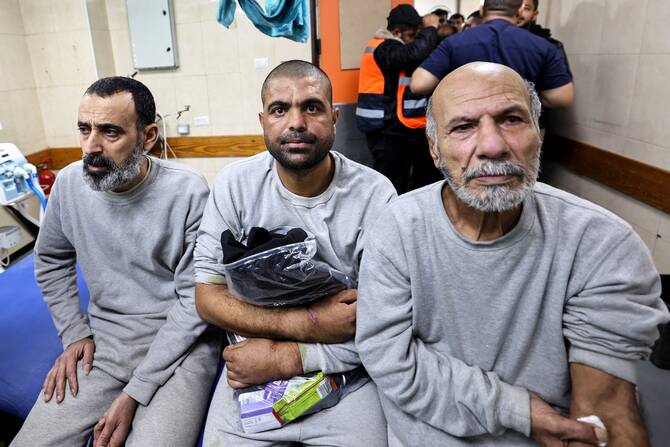
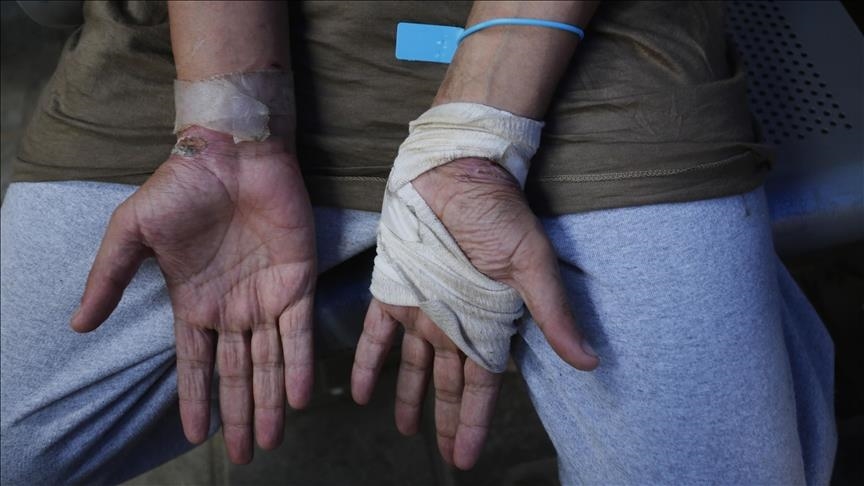
During Israel’s genocidal war on the Gaza Strip, the toll has extended beyond death, destruction, and displacement. Thousands of Gazans have vanished without a trace—an added layer of tragedy for their families—who fear that stray animals may have consumed their loved ones’ bodies. This fear has been heightened by horrifying scenes of scattered corpses in the streets, languishing amid packs of starving dogs and cats, compelling relatives to tirelessly scour for any sign of the missing.

Due to Israel’s lack of transparency regarding the fate of the disappeared, families have turned to social media to seek their children. They share photos via private WhatsApp and Telegram groups, appeal to international organizations—especially the International Committee of the Red Cross—and approach former detainees released from Israeli prisons, hoping for any answers.

Arising from this dire situation and urgent humanitarian need, the Palestinian Center for the Enforcedly Disappeared was founded to give voice to families searching for their missing loved ones. It endeavors to answer their most anguished questions: Are they imprisoned in Israeli jails? Have their bodies been vaporized under bombardment? Or have they been reduced to skeletal remains after being scavenged by animals?

Noon Post interviewed Ghazi al-Majdalawi, head of the research unit at the Center, about its role in locating the disappeared, the obstacles it faces in monitoring, documenting, and searching—even as it interacts with families and relevant bodies like the Red Cross.

Q: How did the idea of founding the Palestinian Center for the Enforcedly Disappeared come about? What was the driving motive behind this humanitarian initiative?
A: The idea emerged due to the sharp rise in enforced disappearances resulting from the Israeli aggression on Gaza. In the face of this humanitarian disaster, there was an urgent need for a specialized platform to document data. Our core motivation was to highlight families’ suffering and pursue the truth behind their missing loved ones using legal and media tools.

Q: Who runs the center? Do any of you have personal experience of losing a loved one?
A: Our team comprises human rights professionals, activists, and journalists specializing in documentation and humanitarian work. Many have themselves lost relatives or friends during the aggression, which intensifies both their commitment and empathy in this work.

Q: Do you only document cases, or do you also conduct active searches? What methodology do you follow to document them?
A: Our role includes documentation, legal and media advocacy, and active search efforts. Our legal team has confirmed the status of some individuals, proving they were detained in Israeli prisons. Documentation is handled via an electronic platform where families submit their details. We then verify the information directly with them before officially registering each case in our database.

Q: How many missing persons are currently registered? How are families using the platform?
A: The number of missing and forcibly disappeared individuals ranges from 8,000 to 10,000. Since launching the platform, we have recorded many cases, with more than 200 formally verified so far. Families continue to submit reports, determined to learn the fate of their loved ones.
نون بوست

Q: Why does the occupation deliberately disappear Palestinians, and how does that affect social structure?
A: Forced disappearance is used as a repressive tool to break Palestinian morale and sow fear. It wreaks havoc on the social fabric: thousands of families live in anxiety and uncertainty toward the fate of their children, creating deep psychological scars—particularly among women and children, who bear the weight of loss and the burden of protracted waiting.

Q: Have you achieved any breakthroughs? To what extent has the center helped families discover information about their missing?
A: Despite challenges, the center’s legal team has successfully revealed the fate of several missing persons. Meanwhile, our platform has enabled many families to file previously unregistered cases, bolstering legal and media pressure to uncover what is happening to the disappeared.

Q: What are the main challenges you face in documenting these cases?
A:

  • The ongoing aggression prevents access to areas where disappearances occurred.

  • Israel refuses to disclose the fate of detainees or the disappeared.

  • There is a lack of modern equipment and technology to identify remains—especially since DNA testing cannot enter Gaza.

  • Financial and logistical shortcomings limit our operational capacity.

Q: What are your primary needs to continue this critical humanitarian work?
A: We urgently require stronger legal and international support to pressure Israel for disclosure, along with financial and technological resources—particularly search equipment and DNA testing tools—to identify unknown remains.
نون بوست

Q: Are you cooperating effectively with government or international bodies to support your efforts?
A: We’re striving to build partnerships with international organizations such as the Red Cross and human rights institutions. However, we have yet to see any serious action from UN bodies like the UN Working Group on Enforced or Involuntary Disappearances.

Q: How does the closure of crossings affect your work—especially regarding equipment and technical needs?
A: The blockade on crossings poses a major obstacle. It prevents the entry of vital search equipment—such as heavy machinery needed to extricate victims from rubble—and DNA testing kits essential for identifying unidentified remains. Furthermore, the Israeli siege limits field teams’ mobility and access to all affected locations, complicating search efforts.

Download this article as PDF
Share this Article
Facebook Twitter Whatsapp Whatsapp Telegram Email Copy Link
فريق التحرير
By فريق التحرير تقارير يعدها فريق تحرير نون بوست.
Follow:
Previous Article نون بوست From Damascus to the Kaʿba: Julbī’s Pilgrimage
Next Article نون بوست Ibn Battuta’s… The Beginning of a Gateway to the World

Read More

  • U.S. Regime‑Change Policies: Why They Are Destined to Fail U.S. Regime‑Change Policies: Why They Are Destined to Fail
  • The Gulf’s Balancing Act: Iran, Israel, and Hidden Links
  • Iraq–Turkey Oil Export Treaty: Why Did Ankara Cancel It After 52 Years?
  • Syria’s Northeast on Edge: QSD Between Ankara and Damascus
  • Has Europe Changed Its Stance on Israel… or Just Its Language?
part of the design
NoonPost Weekly Newsletter

You May Also Like

U.S. Regime‑Change Policies: Why They Are Destined to Fail

U.S. Regime‑Change Policies: Why They Are Destined to Fail

إسراء سيد Esraa sayed 8 April ,2026
The Gulf’s Balancing Act: Iran, Israel, and Hidden Links

The Gulf’s Balancing Act: Iran, Israel, and Hidden Links

فريق التحرير Noon Post 8 April ,2026
Iraq–Turkey Oil Export Treaty: Why Did Ankara Cancel It After 52 Years?

Iraq–Turkey Oil Export Treaty: Why Did Ankara Cancel It After 52 Years?

فريق التحرير Noon Post 8 April ,2026

البرلمان الأوروبي يصوت لمنع تصدير السلاح للسعودية

فريق التحرير
Noon Post Published 26 February ,2016
Share
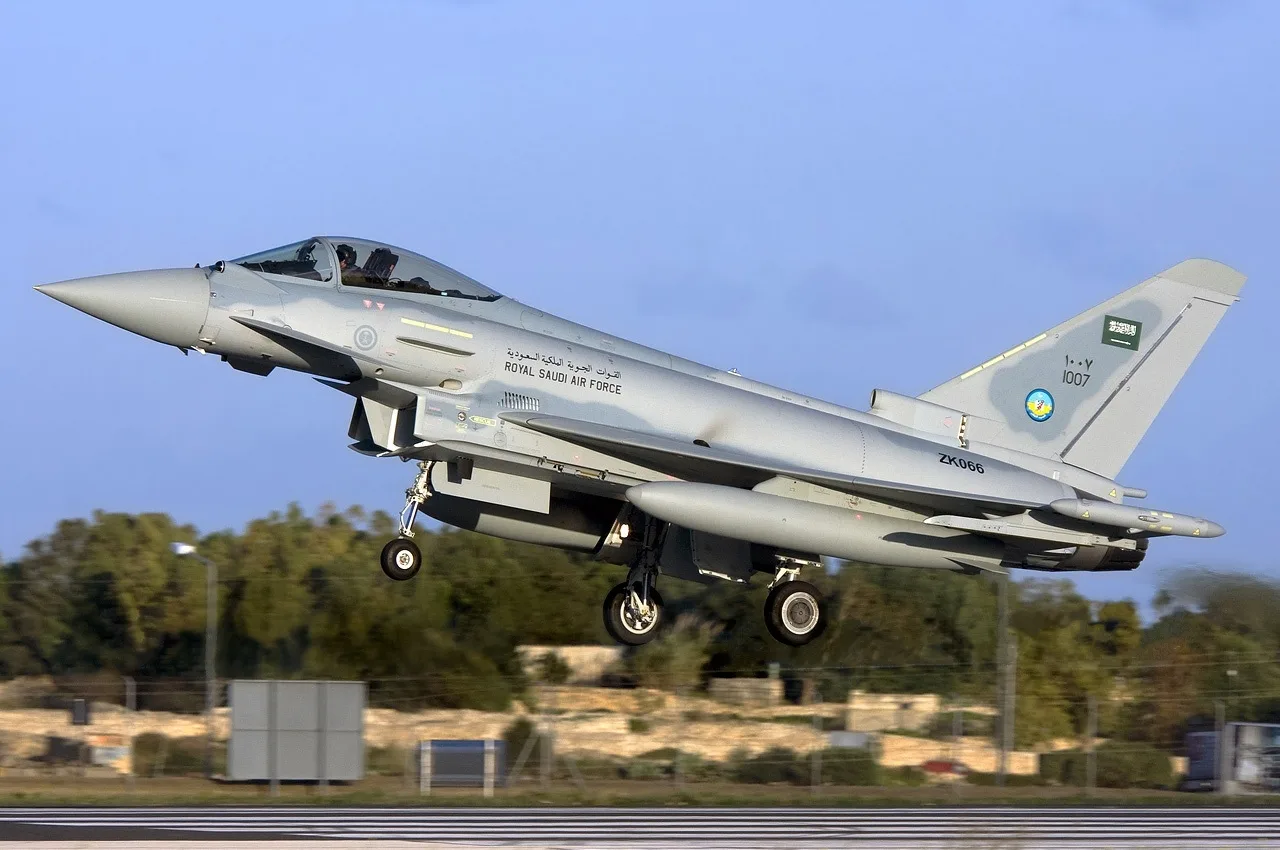
saudi_arabia_-_eurofighter_ef-2000_typhoon

أعلن البرلمان الأوروبي في جلسته المنعقدة أمس بالعاصمة البلجيكية بروكسل عن تصويت أغلبية من أعضاءه بالموافقة على البدء في حظر أوروبي لتصدير السلاح للمملكة العربية السعودية. برر الأعضاء القرار بالنتائج “المروعة” للتدخل العسكري السعودي في اليمن مما خلق “حالة إنسانية كارثية”.
يأتي القرار بعد أسابيع قليلة من إعلان الأمم المتحدة عن نقدها لنتائج التدخل السعودي في اليمن على حياة المدنيين اليمنيين.

جدير بالذكر أن القرار أتى بعد محاولة فاشلة من المملكة السعودية للضغط على عدد من أعضاء البرلمان الأوروبي للتصويت ضد هذا القرار في الأيام القليلة الماضية، إذ طلب عدد من الدبلوماسيين السعوديين في عدد من العواصم الأوروبية اللقاء بعدد من أعضاء البرلمان الأوروبي لمناقشة الأمر، كما قام السفير عبد الرحمن الأحمد سفير المملكة في بروكسل بإرسال رسالة من أربع صفحات إلى كافة أعضاء البرلمان الأوروبي مطالبًا إياهم بالتصويت ضد القرار، كما قام بالدفاع عن التدخل العسكري السعودي في اليمن.

وصف السفير السعودي التدخل السعودي في اليمن بالضرورة لمواجهة الإرهاب المنطلق من اليمن؛ ليذكر أسماء تنظيمات القاعدة والدولة الإسلامية كأمثلة على ذلك.
كما أكد على أن هذا التدخل كان ردًا على “مناداة الغرب المملكة بلعب دور أكبر في مواجهة التهديدات الإرهابية في اليمن”، ليستكمل قائلًا إن “تداعيات عدم تدخلنا في الصراع اليمني كان يمكن أن تكون أكثر خطورة مما قد يتخيل أي أحد في الغرب”.

كان من المفترض أن يتم التصويت على القرار في الرابع من الشهر الجاري، إلا أن عدد من المصادر قد أكدت أن تأجيل التصويت حتى الأمس كان نتيجة لضغوط دبلوماسية سعودية.
من المثير للانتباه في الأمر أن هذا القرار لا يمثل أكثر من خط إرشادي لسياسة الدول الأعضاء داخل الاتحاد الأوروبي، أي أنه لا يلزم أي عضو بوقف صادرات السلاح للسعودية في حقيقة الأمر، إلا أن التهافت السعودي على محاولة منع إصداره يدل على محاولات حثيثة لحفظ ما تبقى من ماء وجه المملكة في الساحة الدولية.

كما شهد ذات اليوم الصادر فيه القرار زيارة رئيس الوزراء البريطاني ديفيد كاميرون إلى مصانع شركة BAE Systems، الشركة البريطانية التي تحتل المركز الثاني عالميًا في إنتاج وتصدير السلاح، كانت زيارة كاميرون تحديدًا إلى مصانع إنتاج الطائرة العسكرية “يوروفايتر تايفون”؛ وكان الهدف الرئيسي من الزيارة الاحتفال بالعقود التي أبرمتها الشركة مع السعودية لتوريد طائرات من ذات الطراز بقيمة 3 مليار جنيه إسترليني، وصف كاميرون الجهود والضغوطات التي تقوم بها الحكومة البريطانية على حكومات السعودية وعمان والكويت لشراء المعدات العسكرية من الشركة بـ “البديعة”.

إذا ما وضعت هذه التصريحات التي قد ترقى لتحدي قرار البرلمان الأوروبي صراحة إلى جانب الصمت المطبق لحكومات دول كفرنسا وألمانيا وإسبانيا والسويد؛ يستطيع المرء أن يبدأ في رسم صورة سريعة عن فشل مثل هذا القرار في تحقيق أي نتيجة ملموسة كحمل أجهض قبل ولادته أصلًا.
إذ بينما تتصدر بريطانيا قائمة مصدري السلاح الأوروبيين إلى السعودية، تتبعها مباشرة فرنسا بتجارة مقدارها قرابة 627 مليون دولار في العامين الماضيين فقط تتنوع بين أنظمة دفاع جوي وحواسيب طائرات ومدافع، تتبع إسبانيا ذلك مباشرة بمبلغ 537 مليون دولار وسويسرا بـ 305 مليون دولار من مدافع الهاوتزر، بينما وصلت صادرات السويد وألمانيا إلى السعودية من قطع غيار الدبابات والأسلحة الشخصية إلى قرابة 411 مليون دولار، كل هذه الأرقام في العامين الماضيين فقط.

لا عجب إذن في أن السعودية تحتل اليوم المركز الثاني في قائمة أكبر مستوردي السلاح عالميًا، كما تشير عدة توقعات إلى تصدرها القائمة مع خطط الاستحواذ والتسليح للعام الجديد، ومن هنا يمكن للمرء أن يبدأ في فهم الدور الذي قد يقوم به لاعب يملك الكثير من المال والقدرة الشرائية من الضغط على القوى العالمية، خصيصًا في وقت يخيم فيه شبح الكساد على أغلب الدول الغربية.

الأمثلة الممكن ضربها على هذه العلاقة المتضاربة كثيرة، خصيصًا مع النظر على حالات مثل العلاقة السعودية السويدية على سبيل المثال، فلم يمر أكثر من عام على سحب السعودية لسفيرها من ستوكهولم اعتراضًا على تعليقات وزيرة الخارجية السويدية شديدة الحدة فيما يخص اختراقات حقوق الإنسان والنساء خصيصًا في السعودية.
كما لم يمر الكثير من الوقت على طلب الحكومة الفرنسية بشكل غير رسمي من بطانة العاهل السعودي إلغاء حجز وإغلاق الشاطئ الخاص في الريفيرا في الحادثة الشهيرة.

يبدو في نهاية الأمر أن أوروبا مازالت تتعامل مع المملكة السعودية ككيس نقود ضخم من الممكن استثماره في تدوير عجلة الصناعات الحربية وغيرها كسوق كرة القدم على سبيل المثال، إلا أن الرهانات السعودية شديدة الخطورة وغير محسوبة العواقب قد تقف في طريق استمرار هذا الوضع المربح للطرفين؛ خصيصًا في سياق إقليمي شديد الاشتعال.

TAGGED: #عاصفة_الحزم ، الأزمة اليمنية ، البرلمان الأوروبي ، سباق التسلح
Download this article as PDF
Share this Article
Facebook Twitter Whatsapp Whatsapp Telegram Email Copy Link
فريق التحرير
By فريق التحرير تقارير يعدها فريق تحرير نون بوست.
Follow:
Next Article نون بوست The Stigma of “ISIS”: A Heavy Legacy Haunting Women and Children of Former Members

Read More

  • U.S. Regime‑Change Policies: Why They Are Destined to Fail U.S. Regime‑Change Policies: Why They Are Destined to Fail
  • The Gulf’s Balancing Act: Iran, Israel, and Hidden Links
  • Iraq–Turkey Oil Export Treaty: Why Did Ankara Cancel It After 52 Years?
  • Syria’s Northeast on Edge: QSD Between Ankara and Damascus
  • Has Europe Changed Its Stance on Israel… or Just Its Language?
part of the design
NoonPost Weekly Newsletter

You May Also Like

U.S. Regime‑Change Policies: Why They Are Destined to Fail

U.S. Regime‑Change Policies: Why They Are Destined to Fail

إسراء سيد Esraa sayed 8 April ,2026
The Gulf’s Balancing Act: Iran, Israel, and Hidden Links

The Gulf’s Balancing Act: Iran, Israel, and Hidden Links

فريق التحرير Noon Post 8 April ,2026
Iraq–Turkey Oil Export Treaty: Why Did Ankara Cancel It After 52 Years?

Iraq–Turkey Oil Export Treaty: Why Did Ankara Cancel It After 52 Years?

فريق التحرير Noon Post 8 April ,2026
dark

An independent media platform founded in 2013, rooted in slow journalism, producing in-depth reports, analysis, and multimedia content to offer deeper perspectives on the news, led by a diverse young team from several Arab countries.

  • Politics
  • Society
  • Rights & Liberties
  • Opinions
  • History
  • Sports
  • Education
  • Technology
  • Economy
  • Media
  • Arts & Literature
  • Entrepreneurship
  • Travel
  • Cinema & Drama
  • Food
  • Health
  • Culture
  • Latest Reports
  • Files
  • Long Reads
  • Interviews
  • Podcast
  • Interactive
  • Encyclopedia
  • In Pictures
  • About Us
  • Our Writers
  • Write for Us
  • Editorial Policy
  • Advanced Search
Some rights reserved under a Creative Commons license

Removed from favorites

Undo
Go to mobile version