
NoonPost NoonPost

NoonPost

  • Home
  • Politics
  • Economy
  • Society
  • Culture
  • Files
  • Long Reads
  • Podcast
AR
Notification Show More
نون بوست
“There Are Nights I Can’t Close My Eyes”: How Gazans Are Living in Homes on the Brink of Collapse
نون بوست
From al-Jolani to Ahmad al-Shara: The Evolution of Syria’s New Leader
نون بوست
When Political Islam Receded in Egypt: Who Filled the Void?
نون بوست
An Extension of Genocide: Gaza’s Detainees Speak Out
نون بوست
A Tightrope Between Survival and Sovereignty: The Syrian Government Faces Normalization Pressures
نون بوست
American Aircraft Carriers: Has the Era of “100,000 Tons of Diplomacy” Ended?
نون بوست
U.S. Regime‑Change Policies: Why They Are Destined to Fail
نون بوست
Transformations of Israeli Judaism: Between the Victim Complex and the Colonizer’s Doctrine
نون بوست
The Gulf’s Balancing Act: Iran, Israel, and Hidden Links
نون بوست
Iraq–Turkey Oil Export Treaty: Why Did Ankara Cancel It After 52 Years?
نون بوست
Syria’s Northeast on Edge: QSD Between Ankara and Damascus
نون بوست
Has Europe Changed Its Stance on Israel… or Just Its Language?
NoonPost NoonPost
AR
Notification Show More
نون بوست
“There Are Nights I Can’t Close My Eyes”: How Gazans Are Living in Homes on the Brink of Collapse
نون بوست
From al-Jolani to Ahmad al-Shara: The Evolution of Syria’s New Leader
نون بوست
When Political Islam Receded in Egypt: Who Filled the Void?
نون بوست
An Extension of Genocide: Gaza’s Detainees Speak Out
نون بوست
A Tightrope Between Survival and Sovereignty: The Syrian Government Faces Normalization Pressures
نون بوست
American Aircraft Carriers: Has the Era of “100,000 Tons of Diplomacy” Ended?
نون بوست
U.S. Regime‑Change Policies: Why They Are Destined to Fail
نون بوست
Transformations of Israeli Judaism: Between the Victim Complex and the Colonizer’s Doctrine
نون بوست
The Gulf’s Balancing Act: Iran, Israel, and Hidden Links
نون بوست
Iraq–Turkey Oil Export Treaty: Why Did Ankara Cancel It After 52 Years?
نون بوست
Syria’s Northeast on Edge: QSD Between Ankara and Damascus
نون بوست
Has Europe Changed Its Stance on Israel… or Just Its Language?
Follow US

Nāṣir Khusraw: A Pilgrimage of Transformation

أحمد سيف النصر
Ahmed Seif EL-Nasr Published 26 March ,2026
Share
نون بوست
نون بوست

In the 4th–5th centuries AH, the Islamic East witnessed a power struggle between two rival dynasties: the Sunni Abbasids in Baghdad and the Shiʿi Fatimids in Cairo. Each sought symbolic control over Mecca, which was more than a pilgrimage destination—it served as a potent emblem of political and religious legitimacy across the Islamic world.

At the dawn of the 5th century AH, Nāṣir Khusraw—a Persian poet and bureaucracy rising within the Ghaznavid and Seljuq courts—led a life of luxury, immersed in poetry, banquets, and wine, while pursuing worldly pleasures.

Approaching his forties, a profound inner turmoil began to eclipse his former joys. He drifted into deep despondency, haunted by the transience of his lifestyle. One troubled night, he fell into a dream that would irrevocably change the course of his life.

In his vision, an enigmatic figure rebuked him sharply for his excessive drinking and frivolous behavior, questioning, “How long will you continue to drink?” Khusraw defended his habit as an escape from worldly woes. But the mysterious interlocutor insisted that oblivion would never bring true peace. When Khusraw asked, “Where can I find reason and wisdom?” the figure replied, “Whoever strives will find,” then gestured toward Mecca and vanished.

Awaking with clarity, Khusraw resolved to transform his life. He performed ablution, prayed, and invoked God to aid him in forsaking sin. He pledged to undertake the pilgrimage, hoping it would rescue him from the crisis that had consumed him for forty years. He wrote:

“When I awoke from sleep, the vision stood before me in full, and deeply moved me. I said to myself: I have awakened from last night’s slumber, and it is time I awaken from the sleep of the forty years past. I pondered deeply and found that I would not find happiness unless I renounced all my former behavior.”

In our series “A Thousand Paths to Mecca,” we trace the force behind the millions of caravans that threaded through continents, seas, and deserts, all converging on the sacred direction burning in hearts long before it reached the feet. We explore pilgrims’ footsteps across eras and cultures—each bearing stories that culminate at the threshold of the Blessed House.

From Khurāsān to Mecca

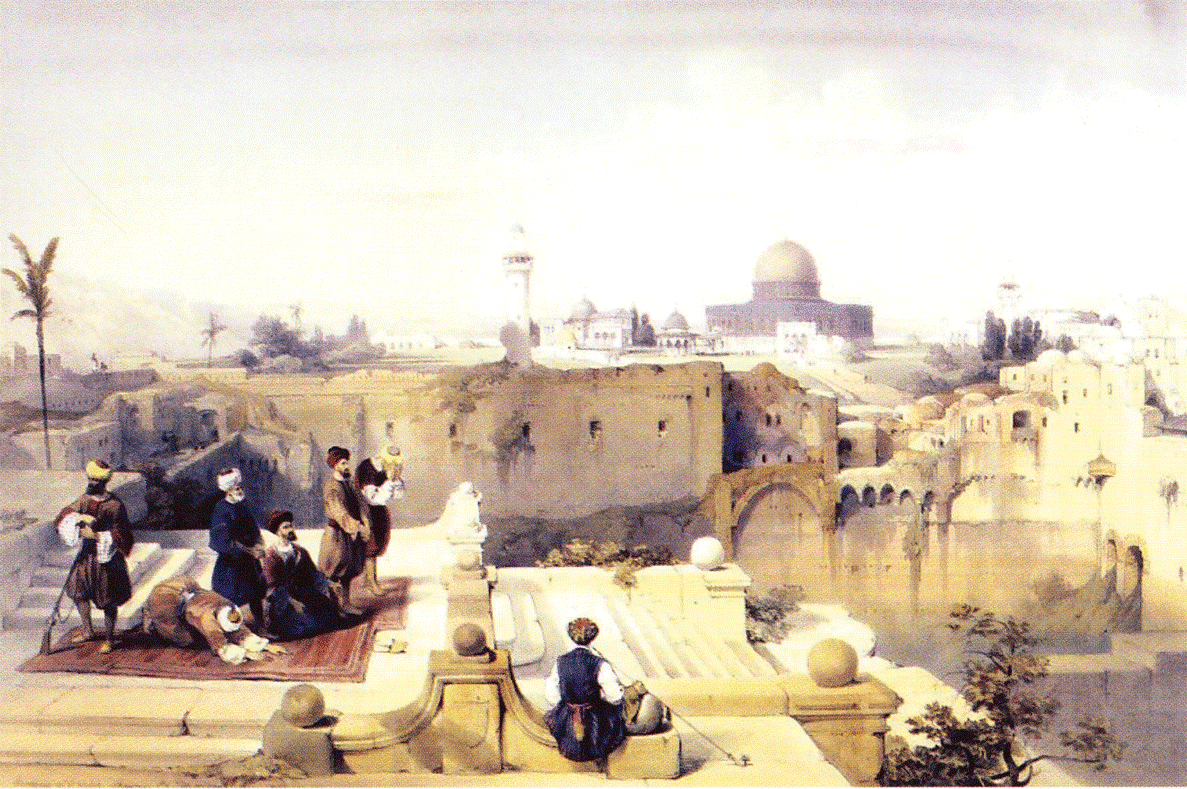
In Rabīʿ I 438 AH, Khusraw sold most of his assets, settled his debts, resigned from the Seljuq administration, and left behind the palaces and politics of Khurāsān. With his younger brother and Indian slave in tow, he set out from Marw (modern Turkmenistan), journeyed to Nishapur in northeastern Iran, then northwards to the Caspian, through Anatolia, and onward to Syria—visiting Hama, Tripoli, Beirut, Saida, Tyre, Acre, Haifa. In Jerusalem (5 Ramaḍān 438 AH), he visited the Dome of the Rock and Prophet’s Tombs, and prayed in Al-Aqsa, nearing the prayer niche dedicated to the Second Caliph, ʿUmar ibn al-Khaṭṭāb.

By mid-Ḍu‑l-Qaʿdah, he left Jerusalem for Mecca, arriving a decade later to perform the Hajj. He then journeyed back north to Jerusalem, before traveling overland to Fatimid Cairo.

Residing in Cairo for three years, he met Sultan al-Muʾizz li‑Dīn Allāh, attended Ismaʿīlī-dīni lectures by al-Shīrāzī, and converted to Ismaʿīlīsm under his influence.
نون بوست

During his stay, he completed Hajj four times. The second pilgrimage was on behalf of the Fatimid Sultan by sea. The third took place with the caravan of provisions and the Kiswa (covering) sent from the Fatimid court. On the fourth, he remained six months in Mecca, documenting his experience in his renowned Safarnama—one of the earliest Persian travel-hajiograhies—detailing the political, social, and cultural reality of 5th-century AH pilgrimage life.

The Hijāz Through Khusraw’s Eyes

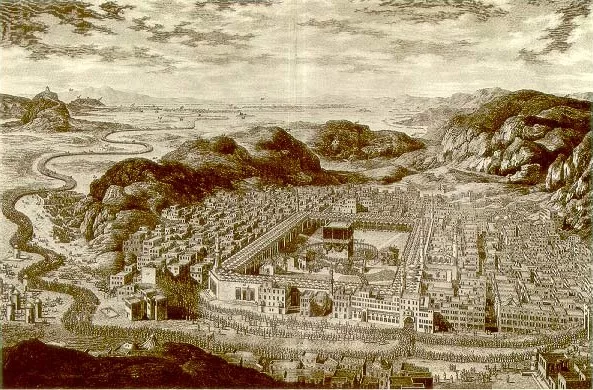
Khusraw admired the Kaʿba with reverence and drew a vivid picture of the rituals, cityscape, alleys, souks, urban texture, security apparatus, and the procession to ʿArafat. He noted the surrounding steep mountains enclosed by fortified walls, the arid land save for trees near the Kaʿba’s western gate (Bab Ibrahim), and the symbolic whiteness of the Fatimid Kiswa—a statement against the Abbasid black—surrounding structures such as the Zamzam well, Hajj fountain, and oil repository.

He observed chests inside the Haram used to store pilgrims’ belongings, originating from diverse regions like Maghreb, Egypt, Syria, Rome, Iraq, Khurāsān, and Mā Warāʾ al-Nahr. He described the plains of ʿArafat, the masjid where pilgrims prayed two units led by the Prophet Ibrahim, the Ḥajrat al-Jaʿrānah—four farsakhs north of Mecca—with two wells attributed to the Prophet and ʿAlī. Pilgrims baked dough there, sending bread across lands for blessing, and pointed out a rock from which Bilāl al-Habashī is said to have performed the call to prayer.

Khusraw detailed communal rituals—drumming to mark prayer times and the start of pilgrimage seasons, recital of the Qur’ān copied in ʿAlī ibn al-Zayd’s script, and pilgrims circling it with shaved heads. He listed 18 gates of the Haram, though names varied over centuries—a clue to historiographical change.

Population figures reveal about 2,000 Meccans and 500 outsiders. He marveled at rare fruits and vegetables and the bustling pilgrim season markets. A market before Mount Marwah hosted 20 shops for cupping and barber services, plus an apothecary market where Moroccan dinars were standard exchange. He noted that scholars were exempt from tax—he was welcomed by a prince accordingly.

Infrastructure & Patronage

He praised Abbasid water works: wells, reservoirs, cisterns, pilgrim lodgings, and campgrounds built by Baghdad’s caliphs. Provincial rulers too, such as Ibn Shaddāl of Aden, provided water to Mecca and ʿArafat via underground channels, completing cistern projects for pilgrims. Independent water vendors fetched water from nearby wells like Biʾr al-Zāhid, and the emir of Mecca lived in al-Barqah—four farsakhs north—surrounded by trees, water, and a private troop.
نون بوست

Khusraw recorded social and natural hazards of Hajj: Bedouin extortion, floods at Juhfah (the miqāt for Maghrebī pilgrims), famine caused by drought—wheat priced at 16 Moroccan dinars during his second pilgrimage in 439 AH—and plague-driven mob retreats to Egypt. In 440 AH, the Fatimid Sultan formally suspending Hajj due to famine.

The Hard Road Home

Post fourth-Hajj, he journeyed via southern Yemen. Braving deserts, he survived a bandit attack with his companions. After three grueling months, he arrived in al‑Baṣrah, impoverished and unable to enter even a public bath. He traveled through Isfahan and reached his birthplace, Balkh, in Jumādā al‑Ākhirah 444 AH, aged 50.

Although Sunni—or, as some claim, Twelver Shīʿī—early in life, Khusraw embraced Ismaʿīlīsm in Egypt. He was appointed the daʿī of Khurāsān and later hajjāt (a rank for Ismaʿīlī missionaries). Serving as a contender to spread the Fatimid creed, he was eventually seen as a threat by the Seljuqs, forcing him east to Badakhshān. There he settled in Yamgān, under local protection, and spent his final 25 years before passing in 481 AH—buried there.

A traveler of profound insight, Khusraw emerged a changed man after his pilgrimage. His post‑444 AH works reflect a total transformation: he renounced vanity to dedicate himself to spiritual and intellectual pursuits as a faithful follower of the Fatimid movement.

Download this article as PDF
Share this Article
Facebook Twitter Whatsapp Whatsapp Telegram Email Copy Link
أحمد سيف النصر
By أحمد سيف النصر كاتب وصحفي مصري
Follow:
Previous Article نون بوست 12 Years Since the July 3 Declaration… Where Are al‑Sisi’s Partners Today?
Next Article نون بوست How the Palestinian Peasant Built His Home

Read More

  • U.S. Regime‑Change Policies: Why They Are Destined to Fail U.S. Regime‑Change Policies: Why They Are Destined to Fail
  • The Gulf’s Balancing Act: Iran, Israel, and Hidden Links
  • Iraq–Turkey Oil Export Treaty: Why Did Ankara Cancel It After 52 Years?
  • Syria’s Northeast on Edge: QSD Between Ankara and Damascus
  • Has Europe Changed Its Stance on Israel… or Just Its Language?
part of the design
NoonPost Weekly Newsletter

You May Also Like

U.S. Regime‑Change Policies: Why They Are Destined to Fail

U.S. Regime‑Change Policies: Why They Are Destined to Fail

إسراء سيد Esraa sayed 8 April ,2026
The Gulf’s Balancing Act: Iran, Israel, and Hidden Links

The Gulf’s Balancing Act: Iran, Israel, and Hidden Links

فريق التحرير Noon Post 8 April ,2026
Iraq–Turkey Oil Export Treaty: Why Did Ankara Cancel It After 52 Years?

Iraq–Turkey Oil Export Treaty: Why Did Ankara Cancel It After 52 Years?

فريق التحرير Noon Post 8 April ,2026

ثالوث وبائي يهدد منظومة الصحة في مصر

عماد عنان
Emad Anan Published 1 March ,2016
Share
lsh

( الفقر – الجهل – المرض) الثالوث المدمر لأي مجتمع مهما كانت إمكانياته، لذا فالدول الساعية إلى تحقيق الحدود الدنيا من الحياة الكريمة تستهدف في المقام الأول القضاء على هذا الثالوث المرعب، والقادر على إسقاط المواطن بالضربة القاضية ومن ثم انهيار المجتمع بكافة أركانه.

والدول التي لا تبالي لهذا المثلث الكارثي تكتب بأيديها شهادة وفاتها التاريخية، إذ أنها تبني بنفسها معاول الهدم، وتقدم للفشل هدية على طبق من ذهب، ليصول ويجول في مجتمع فقد شعبه هويته الثقافية بأمية تجاوزت نصف عدده، ويحيا ما يزيد عن 40% منه تحت مستوى خط الفقر العالمي، ويتصدر أفراده التصنيف الدولي في الإصابة بالإمراض والأوبئة.

“نون بوست” تسعى في هذا التقرير إلى إلقاء الضوء على أبرز ملامح الخريطة الصحية لمصر في الآونة الأخيرة، للوقوف على حجم الكارثة الحقيقية، وما ينتظر الملايين من هذا الشعب الذي وقع ضحية حكومات عقيمة وأنظمة رخوة تلاعبت بحياته من أجل تثبيت أركانها حتى وصل الوضع إلى ما هو عليه ألان.

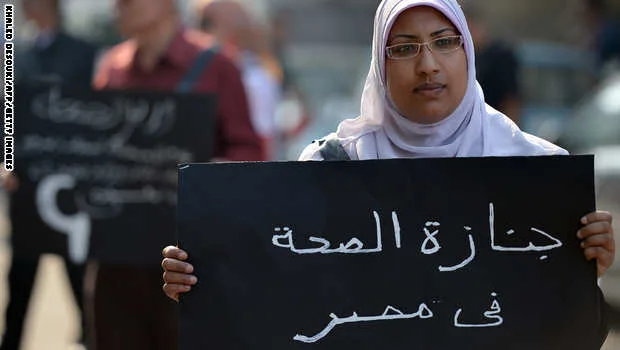
جاء إعلان الدكتور أحمد عماد الدين، وزير الصحة الحالي، عن وجود الباعوضة الناقلة لفيروس “زيكا” بمحافظتي المنيا وأسيوط، بالرغم من البيانات الصادرة عن الوزارة مرارا وتكرارا والتي نفت وجود هذا المرض داخل مصر، ليضع الكثير من علامات الاستفهام حول المخاطر التي تهدد مستقبل المنظومة الصحية في مصر، لاسيما بعد حالة الرعب التي سادت بين المصريين عقب هذه التصريحات الوزارية.

الوضع الصحي في مصر ” كارثة”

التقارير والإحصائيات الصادرة عن منظمة الصحة العالمية بشأن الوضع الصحي في مصر أقل ما يقال عنها أنها ” كارثية” إذ تحمل بين ثناياها أرقاما وبيانات تصيب الملايين من هذا الشعب بالذهول وتحمل في فحواها العشرات من البلاغات الرسمية التي يجب أن تقدم ضد من حكموا هذا البلد طيلة العقود الأخيرة، وأوصلوها إلى هذا الوضع الذي فاق الدول المستعمرة والقابعة في غياهب النسيان.

في أحدث تقرير لمنظمة الصحة العالمية كشف عن احتلال مصر للمركز الأول عالميا في الإصابة بمرض فيروس ” سي ” والفشل الكلوي، إذ هناك ما يقرب من 9ملايين مصري مريض بفيروس ” سي ” ، و2.6مليون مريض بالفشل الكلوي، إضافة إلى ما يزيد عن 5 ملايين مصاب بمرض السكري.

المقلق فيما كشفه التقرير أن نسبة الإصابة ببعض هذه الأمراض في زيادة مرعبة  تصل في بعضها إلى 22% سنويا كما هو الحال في فيروس ” سي ” بما يعني أن الفيروس يصيب نحو 165٫000 شخص في مصر كل عام، وهو ما أكد عليه الدكتور حلمى أباظة، أستاذ الجهاز الهضمي والكبد بجامعة الإسكندرية.

ملايين الضحايا في مصر مابين فتك الأوبئة والإلهاء السياسي

على مدار تاريحها الطويل تعرضت لمصر لهجمات شرسة من الأوبئة التي تسببت في وفاة الملايين من المصريين من بينهم أطفال ونساء وشيوخ نتيجة التقاعس عن إسعافهم أو توفير الأمصال الوقائية لهم.

ومابين 1347م وهو العام الذي شهد أول تلك الهجمات بمرض الطاعون على أهالي القرى المصرية وحتى عام 2016 م حيث ظهور فيروس ” زيكا ” مرورا بالعديد من الأوبئة الأخرى، عاش الشعب المصري إما فريسة فشل المنظومة الصحية أو ضحية إلهاءه عن قضاياه السياسية الهامة.

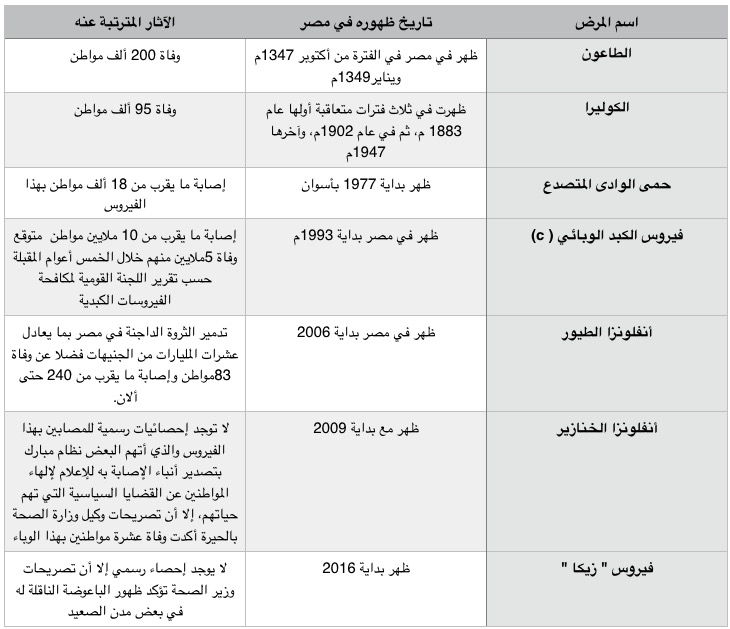
” نون بوست” يستعرض من خلال الجدول التالي أبرز الأمراض الوبائية التي تعرضت لها مصر خلال تاريخها، وما أسفرت عنه من خسائر في الأرواح والأموال.

نون بوست


خريطة الأمراض الوبائية في مصر

من يدقق النظر في المسوح التي تجريها وزارة الصحة المصرية للكشف عن ملامح خريطة المرض في مصر يصاب بالدهشة والذهول، إذ أن الدولة صاحبت الأرقام القياسية في الإصابة بالأمراض المختلفة، كان أخر مسحي صحي أجرته عام 2006م، وحتى ألان لم يصدر أي مسح جديد يحدد الأمراض الوبائية في مصر، وهو ما كشف عنه الدكتور علاء غنام، مدير برنامج الحق في الصحة، والذي أكد إن خريطة المرض في مصر تتغير باستمرار، مطالبًا وزارة الصحة بإصدار إحصائيات حديثة كل عامين بخريطة الأمراض.

وتبعا لأخر إحصائية لوزارة الصحة فإن أكثر الأمراض التي تسبب الوفاة في مصر هي، القلب، الأوعية الدموية، الجهاز الدوري، السكتات القلبية، أمراض الجهاز التنفسي، الفشل الكلوي، أمراض الكبد ومضاعفاته، وتوجد بصورة ملحوظة في معظم محافظات الجمهورية، بينما تظهر أنفلونزا الطيور بشكل واضح في محافظات الصعيد والمحافظات الحدودية والريف أكثر من الحضر.

المسح أشار إلى تفاوت نسب انتشار أمراض السرطان والقلب والجهاز التنفسي بكل المحافظات سواء في المحافظات الحدودية أو الحضرية أو الريفية أو الصعيد، كما أن مرض السكر يؤثر في 7% من المصريين وتنتشر أمراض القلب والأوعية الدموية على نطاق واسع.

التقرير الصادر عن الوزارة المعنية بشئون الصحة في مصر أشار إلى أن أبرز الأمراض القاتلة هو الإصابة بفيروس الكبد الوبائي (C)، وأن نسبة الإصابة به في المناطق الريفية وصلت إلى 92% بينما في المناطق الحضرية 81 %، وينتشر في محافظات الحدود بنسبة 79%.

انتشر في الآونة الأخيرة – كما يقول التقرير المسحي –  مرض الالتهاب الرئوي ومضاعفاته بصورة كبيرة بمحافظتي الدقهلية والقليوبية، في حين بلغ انتشار مرض أنفلونزا الخنازير في محافظات الدلتا 53% من نسبة الإصابات، والقاهرة الكبرى 34%، والصعيد 10% والمدن الحدودية 3%، من نسبة الإصابات به.

ومن الأمراض المعدية التي كشف عنها التقرير أيضا والتي تظهر بصورة موسمية «الغدة النكافية»، ودائمًا تظهر مع بداية الموسم الدراسي في محافظات الشرقية والقاهرة والغربية والجيزة والمنيا والقليوبية، فيما يأتي مرض حمى الوادي المتصدع الذي ينتقل من الحيوان للإنسان ويوجد في الأبقار والماشية والخنازير،كما دخل المرض مصر لأول مرة في أغسطس 1977 بأسوان، وحدث التفشي الوبائي من المرض خلال عامين بأسوان والشرقية والإسماعيلية وقنا والجيزة وبلغت الحالات المصابة به 18 ألف حالة.

كما ظهر مرض الجذام فجأة في مناطق بالصعيد، خصوصًا في مركزى قنا وإسنا، ثم امتد إلى نجع حمادي وأصاب ما يقرب من 529 مواطنًا، بعد أن أعلنت وزارة الصحة أن معدل انتشار المرض وصل إلى أقل من حالة واحدة من بين كل 10 آلاف شخص منذ عام 1994.

” النفي ” سلاح الحكومة في محاربة الوباء

لم تنجح وزارة الصحية في مواجهة تلك الهجمات بالشكل المطلوب، إذ أكتفت باستخدام سلاح ” النفي ” فقط في مواجهة ما تردد بشأن الإصابة بهذه الأمراض، وهو ما اتضح بصورة جلية مع بداية ظهور مرض أنفلونزا الطيور بداية2006.

تصريحات وزير الصحة المصري وقتها الدكتور حاتم الجبلي نفت تماما ظهور هذا الفيروس في أي منطقة بربوع مصر المختلفة، لكن بعد أن انتشر الأمر وبدأ ظهور حالات متعددة، اعترفت الوزارة حينها بالمرض لكن بعد أن حصد أرواح المئات من المصريين.

 لكن من الواضح أن بعض المسئولين في مصر مصابون بذاكرة سمكية، تفقدهم قيمة الاستفادة من التجارب السابقة، وهو ما ظهر في طريقة تعامل نفس الوزير ” الجبلي ” مع بداية ظهور حالات مصابة بأنفلونزا الخنازير، حيث سارع إلى نفي وجود أي إصابة بهذا المرض، لكن سرعان ما تراجع كما فعل مع مرض أنفلونزا الطيور بعد انتشاره.

ومن باب أن التاريخ يعيد نفسه، يبدوا أن الذاكرة السمكية لم تكن من نصيب وزراء مبارك فقط، فهاهو الدكتور خالد مجاهد، المتحدث باسم وزارة الصحة، والذي نفى وجود أنفلونزا الخنازير بمصر خلال الفترة الحالية، يتعرض لموقف حرج أصاب مصداقيته في مقتل وذلك حين أعلن الدكتور علاء عثمان، وكيل وزارة الصحة بالبحيرة، عن وفاة 10 مواطنين بعد إصابتهم بالمرض الوبائي، مما أحدث حالة من الجدل وعدم المصداقية لدى المواطنين تجاه نفي “الصحة” انتشار فيروس زيكا، وسبب لهم رعبا؛ خاصة أن منظمة الصحة العالمية أعلنت عدم وجود علاج للفيروس حتى اليوم، كما أكدت أنه ينتقل بعدة طرق، أخطرها الاتصال الجنسي، الأمر الذي دفع العديد من البلدان إلى رفع حالة الطوارئ وإحكام السيطرة على الوافدين من الدول الأخرى بالمطارات؛ لتلافي انتشار الفيروس بأي صورة.

الأطباء: صحة المصريين في خطر ..والحكومة ” محلك سر “

استنكر عدد كبير من الأطباء تراخي الحكومة في التعامل مع الأمراض الوبائية، محذرين من مغبة هذه السياسة الفاشلة والتي تهدد مستقبل صحة الملايين من الشعب المصري القابع معظمه في مستنقعات الفقر والجهل ومن ثم المرض.

الأطباء حذروا من أن استمرار الخريطة الوبائية في مصر بهذه الطريقة يعني دخولها مرحلة ” الخطر” لاسيما في ظل تراجع الميزانية المخصصة للصحة فضلا عن تأخرها في جدول أولويات الحكومة.

الدكتور ماجد حسان، أستاذ الفيروسات، طالب وزارة الصحة باتخاذ جميع الإجراءات الوقائية التي تحول دون انتشار مثل هذه الأمراض الوبائية، والذي عبر عن استنكاره الشديد لتجاهل الحكومة لمثل هذه الإجراءات اللازمة لاسيما بعد إعلان وزير الصحة عن وجود الباعوضة الناقلة لمرض زيكا بمحافظتي المنيا وأسيوط.

حسان طالب بضرورة البحث عن سبل الوقاية من الفيروس؛ عن طريق منظمة الصحة العالمية، والعمل على توفير أمصال للوقاية من الفيروس الخطير، وغيرها من الفيروسات الوبائية الأخرى”، فضلا عن ضرورة الإسراع في ردم الترع والمصارف والتخلص من القمامة، حتى نتلافى انتشار الباعوضة الناقلة للمرض ، وحتى لا تتكرر كارثة انتشار “زيكا”، كما حدث مع الأمراض التي طرقت أبواب مصر كأنفلونزا الطيور والخنازير.

من جانبه حذر الدكتور علاء نوح، أستاذ أمراض الكبد من الاستهانة بوجود مثل هذه الأوبئة، سواء كانت طيور او خنازير ومؤخرا زيكا، مشيرا انه وإن كانت مصر لم تسجل حالة إصابة واحدة حتى ألان إلا أننا عرضة لانتشار هذا المرض في أي وقت.

نوح طالب الحكومة بالقيام بمسئولياتها تجاه المواطنين المعرضين لمزيد من الإصابة بالأوبئة والأمراض الفتاكة، مشيرا أن التراخي الذي يتلمسه المواطن من قبل المسئولين كفيل وحده أن يميت المئات منهم بالإحباط.

TAGGED: إنفلونزا الخنازير ، الأمراض الوبائية ، الصحة في مصر ، المنظومة الصحية في مصر ، انتشار فيروس زيكا
Download this article as PDF
Share this Article
Facebook Twitter Whatsapp Whatsapp Telegram Email Copy Link
عماد عنان
By عماد عنان كاتب صحفي وباحث في الإعلام الدولي
Follow:
Next Article نون بوست The Stigma of “ISIS”: A Heavy Legacy Haunting Women and Children of Former Members

Read More

  • U.S. Regime‑Change Policies: Why They Are Destined to Fail U.S. Regime‑Change Policies: Why They Are Destined to Fail
  • The Gulf’s Balancing Act: Iran, Israel, and Hidden Links
  • Iraq–Turkey Oil Export Treaty: Why Did Ankara Cancel It After 52 Years?
  • Syria’s Northeast on Edge: QSD Between Ankara and Damascus
  • Has Europe Changed Its Stance on Israel… or Just Its Language?
part of the design
NoonPost Weekly Newsletter

You May Also Like

U.S. Regime‑Change Policies: Why They Are Destined to Fail

U.S. Regime‑Change Policies: Why They Are Destined to Fail

إسراء سيد Esraa sayed 8 April ,2026
The Gulf’s Balancing Act: Iran, Israel, and Hidden Links

The Gulf’s Balancing Act: Iran, Israel, and Hidden Links

فريق التحرير Noon Post 8 April ,2026
Iraq–Turkey Oil Export Treaty: Why Did Ankara Cancel It After 52 Years?

Iraq–Turkey Oil Export Treaty: Why Did Ankara Cancel It After 52 Years?

فريق التحرير Noon Post 8 April ,2026
dark

An independent media platform founded in 2013, rooted in slow journalism, producing in-depth reports, analysis, and multimedia content to offer deeper perspectives on the news, led by a diverse young team from several Arab countries.

  • Politics
  • Society
  • Rights & Liberties
  • Opinions
  • History
  • Sports
  • Education
  • Technology
  • Economy
  • Media
  • Arts & Literature
  • Entrepreneurship
  • Travel
  • Cinema & Drama
  • Food
  • Health
  • Culture
  • Latest Reports
  • Files
  • Long Reads
  • Interviews
  • Podcast
  • Interactive
  • Encyclopedia
  • In Pictures
  • About Us
  • Our Writers
  • Write for Us
  • Editorial Policy
  • Advanced Search
Some rights reserved under a Creative Commons license

Removed from favorites

Undo
Go to mobile version