NoonPost NoonPost

NoonPost

  • Home
  • Politics
  • Economy
  • Society
  • Culture
  • Files
  • Long Reads
  • Podcast
AR
Notification Show More
نون بوست
“There Are Nights I Can’t Close My Eyes”: How Gazans Are Living in Homes on the Brink of Collapse
نون بوست
From al-Jolani to Ahmad al-Shara: The Evolution of Syria’s New Leader
نون بوست
When Political Islam Receded in Egypt: Who Filled the Void?
نون بوست
An Extension of Genocide: Gaza’s Detainees Speak Out
نون بوست
A Tightrope Between Survival and Sovereignty: The Syrian Government Faces Normalization Pressures
نون بوست
American Aircraft Carriers: Has the Era of “100,000 Tons of Diplomacy” Ended?
نون بوست
U.S. Regime‑Change Policies: Why They Are Destined to Fail
نون بوست
Transformations of Israeli Judaism: Between the Victim Complex and the Colonizer’s Doctrine
نون بوست
The Gulf’s Balancing Act: Iran, Israel, and Hidden Links
نون بوست
Iraq–Turkey Oil Export Treaty: Why Did Ankara Cancel It After 52 Years?
نون بوست
Syria’s Northeast on Edge: QSD Between Ankara and Damascus
نون بوست
Has Europe Changed Its Stance on Israel… or Just Its Language?
NoonPost NoonPost
AR
Notification Show More
نون بوست
“There Are Nights I Can’t Close My Eyes”: How Gazans Are Living in Homes on the Brink of Collapse
نون بوست
From al-Jolani to Ahmad al-Shara: The Evolution of Syria’s New Leader
نون بوست
When Political Islam Receded in Egypt: Who Filled the Void?
نون بوست
An Extension of Genocide: Gaza’s Detainees Speak Out
نون بوست
A Tightrope Between Survival and Sovereignty: The Syrian Government Faces Normalization Pressures
نون بوست
American Aircraft Carriers: Has the Era of “100,000 Tons of Diplomacy” Ended?
نون بوست
U.S. Regime‑Change Policies: Why They Are Destined to Fail
نون بوست
Transformations of Israeli Judaism: Between the Victim Complex and the Colonizer’s Doctrine
نون بوست
The Gulf’s Balancing Act: Iran, Israel, and Hidden Links
نون بوست
Iraq–Turkey Oil Export Treaty: Why Did Ankara Cancel It After 52 Years?
نون بوست
Syria’s Northeast on Edge: QSD Between Ankara and Damascus
نون بوست
Has Europe Changed Its Stance on Israel… or Just Its Language?
Follow US

June 30 and the Fall of Egypt’s Political Diversity

فريق التحرير
Noon Post Published 26 March ,2026
Share
نون بوست
نون بوست

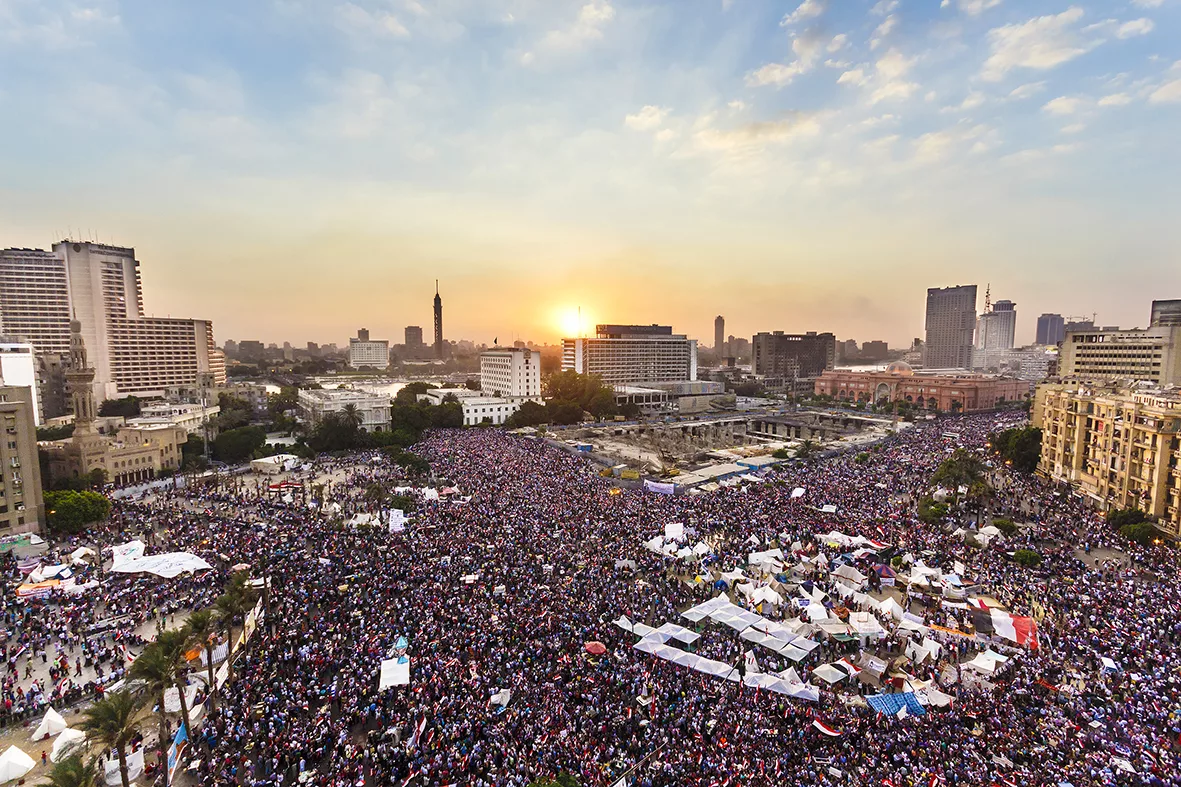
In the second decade of the new millennium, Egypt underwent one of its most significant political transformations in modern history. It began with the January 25 Revolution of 2011, which toppled a regime that had lasted thirty years, and unleashed an unprecedented opening in the political and party landscape, spanning the full spectrum from the far right to the far left.

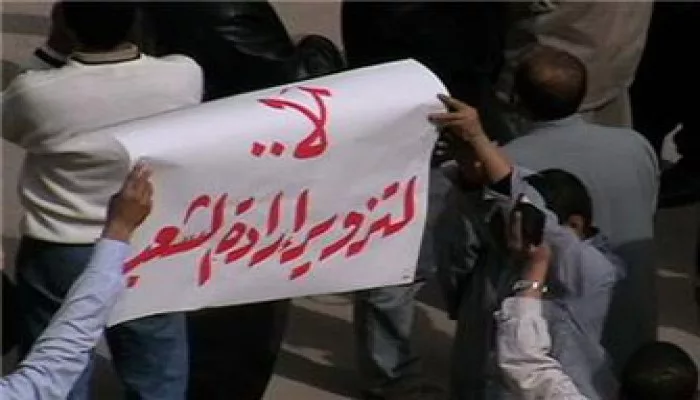
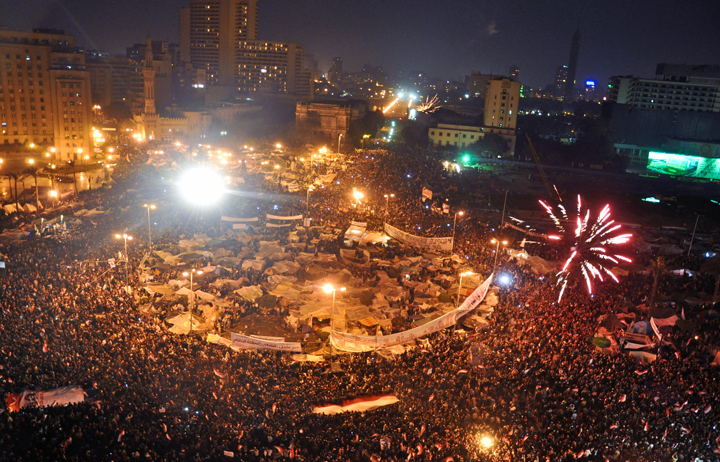
But that dream soon curdled into a nightmare. As polarization escalated, the crisis reached its peak on June 30, 2013, when angry crowds took to the streets demanding the removal of the democratically elected president, accusing him of failure and of Islamizing the state. The military, led by Abdel Fattah el-Sisi, stepped in, ousted the president on July 3, 2013, and introduced a new roadmap.

Supporters saw this as a corrective to the revolution and a rescue of the country, while opponents considered it a coup against Egypt’s first democratic experiment and a return to military rule.

In any case, this event triggered a political earthquake that dramatically reshaped the landscape. It did more than remove the Muslim Brotherhood from power as the June 30 protesters had demanded—it also killed off the most diverse political experiment in Egypt’s history, undoing the gains won after the January 2011 uprising.

Between the moment of opening and the moment of closure, a deep political crisis emerged — one whose effects persist to this day. In this report, Noon Post shines a light on Egypt’s multiparty landscape during those pivotal years, tracing the major shifts between the dream born in the streets of January and a reality now confined and monopolized.

Before the January Uprising

Under Gamal Abdel Nasser, Egypt was a one-party state; no new parties were allowed. His successor, Anwar Sadat, allowed a limited political space in the mid‑1970s, giving rise to three parties: the Arab Socialist Party, the Socialist Liberal Party, and the Progressive Unity Party.

In 1978, Sadat founded the National Democratic Party (NDP) as the political arm of his regime. After his assassination, Hosni Mubarak took over the party and retained its grip on all political aspects. Though nominal opposition parties existed, there was no real political pluralism.

By the early 2000s, two genuine opposition parties appeared: Ayman Nour’s Al‑Ghad (founded in 2004) and the Democratic Front (2007), led by Osama Ghazali Harb after splitting from the NDP. The Muslim Brotherhood also participated through electoral alliances.
نون بوست

Yet, from 2006, political liberalization reversed dramatically—rigged elections, curbs on liberties, and the 2007 constitutional amendments strengthened control over parties via a state‑dominated Party Affairs Committee.

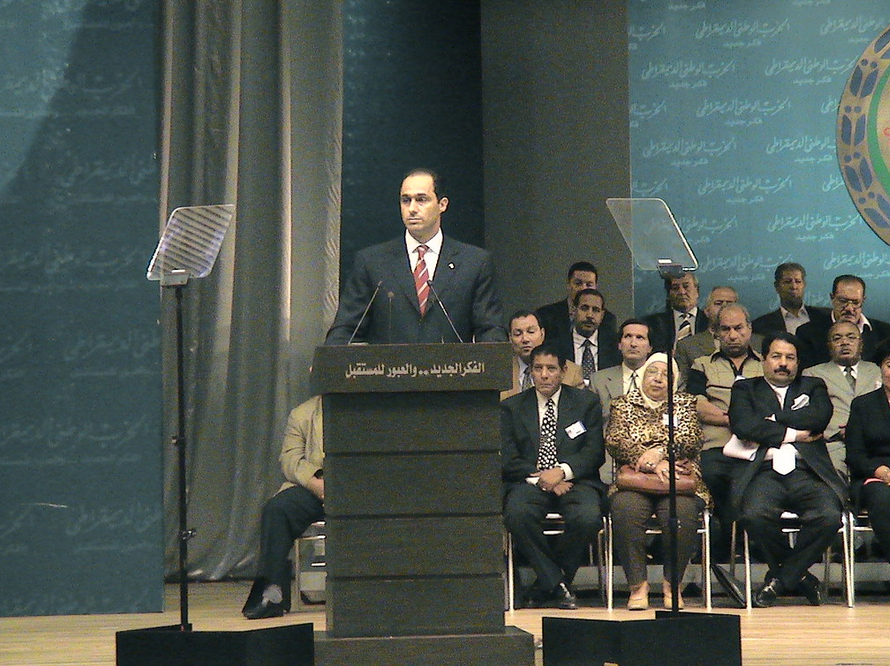
Disillusionment deepened, especially as Gamal Mubarak emerged as a powerful figure backed by business interests, security forces, and cultural elites. Although 24 parties were officially registered, most were paper entities with no popular base. Widespread fraud in the 2010 parliamentary elections—where the NDP seized 420 of 508 seats—together with mounting economic and social crises, set the stage for the January uprising.

Egypt’s Political Spring

The 2011 revolution dismantled not just the regime but the constraints on public space. Freedoms surged: new political entities emerged, revolutionary movements gained ground, and activists established dozens of parties.

Within a year, the number of parties jumped from 24 to 68. New voices from Islamist, Christian, liberal, leftist, revolutionary, Salafi, and Sufi backgrounds entered the scene. The Brotherhood formed the Freedom and Justice Party. The Wasat Party offered a more moderate Islamic option. The Salafi al-Nour Party, a political wing of Alexandria’s Salafi movement, won second place in the 2011‑12 parliamentary vote.

The 2012 presidential elections were historic: open debates, competitive candidates, and the sense that “voices finally mattered.” Numerous post-uprising parties emerged: the Constitution Party, Egypt Strong Party (formed by presidential hopeful Abdel Moneim Aboul Fotouh), Al-Ghad Al-Thawra, Egyptian Conference Party (Amr Moussa), National Movement Party (Ahmed Shafiq), and the Free Egyptians Party (led by Naguib Sawiris). Ex-NDP figures formed their own, often derisively called “remnants” parties.
نون بوست

Labor, leftist, Nasserist, and secular parties also flourished—Karama, Democratic Labor, People’s Socialist Alliance, and the Communist Party. Mixed liberal-leftist outfits like the Social Peace Party and Egyptian Liberation Party appeared too. Breakaway Brotherhood dissidents founded parties such as Leadership and Renaissance.

Sufi orders entered politics via the Social Tolerance Party. Even elements of the Egyptian Islamic Jihad and Jihadi groups formed the Construction and Development Party, the Democratic Jihad Party, and the Islamic Party.

In Cairo, Salafist parties like al-Asalah and al-Raya (led by Hazem Salah Abu Ismail) gained momentum. Five Christian-referenced parties emerged. Youth movements such as April 6 and the Revolutionary Socialists, along with student activism and coalition-building (e.g., youth, human rights, professional groups) energized political life.

The Fall from the Summit

Despite diverse hopes, the post-revolution forces failed to unite over excluding the military from politics. Many liberal and secular parties aligned with the military against Islamists, undermining the popular will and fracturing the progressive path.

A few months into Mohamed Morsi’s presidency, opposition groups—from civil to ex-NDP figures—coalesced into the National Salvation Front. They called for military intervention, rejected Morsi’s proposed roadmap, and demanded early elections.

The military had widespread media backing; anti-Muslim Brotherhood parties supported the Tamarod movement, which mobilized the June 30 protests that culminated in Morsi’s ouster on July 3, 2013.
نون بوست

The consequences were clear: the pluralistic moment of post-January politics was crushed. Many marginalized communities were shut out; leftist and liberal parties lost relevance, and Islamist opposition was silenced, imprisoned, or banned. Former January parties splintered under pressure, chose exile, disbanded despairingly, or faced legal persecution.

Though some secular parties had backed the 2013 coup, the regime quickly marginalized them too—engineering an electoral system against them and allowing security infiltration. Meanwhile, pro-regime, security-aligned parties proliferated.

Today, political participation is hostage to security approval: new parties must align with the regime. Parliament has no real oversight role and simply rubber-stamps decisions. In effect, President Sisi has recreated a closed, authoritarian model reminiscent of NDP-era authoritarianism, institutionalized via the 2014 creation of the Future of the Nation Party under military intelligence oversight. Meanwhile, the fundamental questions raised by January—democracy, justice, and the military’s role—remain unanswered.

Download this article as PDF
Share this Article
Facebook Twitter Whatsapp Whatsapp Telegram Email Copy Link
فريق التحرير
By فريق التحرير تقارير يعدها فريق تحرير نون بوست.
Follow:
Previous Article نون بوست Sisi’s Waning Narrative on June 30 Anniversary
Next Article نون بوست Moroccan Migration: A Century in Motion

Read More

  • U.S. Regime‑Change Policies: Why They Are Destined to Fail U.S. Regime‑Change Policies: Why They Are Destined to Fail
  • The Gulf’s Balancing Act: Iran, Israel, and Hidden Links
  • Iraq–Turkey Oil Export Treaty: Why Did Ankara Cancel It After 52 Years?
  • Syria’s Northeast on Edge: QSD Between Ankara and Damascus
  • Has Europe Changed Its Stance on Israel… or Just Its Language?
part of the design
NoonPost Weekly Newsletter

You May Also Like

U.S. Regime‑Change Policies: Why They Are Destined to Fail

U.S. Regime‑Change Policies: Why They Are Destined to Fail

إسراء سيد Esraa sayed 8 April ,2026
The Gulf’s Balancing Act: Iran, Israel, and Hidden Links

The Gulf’s Balancing Act: Iran, Israel, and Hidden Links

فريق التحرير Noon Post 8 April ,2026
Iraq–Turkey Oil Export Treaty: Why Did Ankara Cancel It After 52 Years?

Iraq–Turkey Oil Export Treaty: Why Did Ankara Cancel It After 52 Years?

فريق التحرير Noon Post 8 April ,2026

تريد أن تعمل أقل وأن تكسب وقتًا أكثر؟ اشترِ أقل!

ميشيل ماكجاخ
ميشيل ماكجاخ Published 2 March ,2016
Share
12

ترجمة حفصة جودة

تأتي بريطانيا في ذيل القائمة الأوروبية عندما يتعلق الأمر بالاستهلاك، لكن ينبغي أن لا ننظر للأمر بصورة سلبية، فقد نكون في طليعة الاتجاه الإيجابي نحو اتجاه شراء أكثر عمقًا.

أظهرت البيانات الأخيرة الصادرة من مكتب الإحصاء الوطني تناقص متوسط استهلاك الفرد للموارد عما كان عليه منذ عِقدٍ مضى، مسجلًا انخفاضًا من 15 طنًا للمواد الغذائية عام 2001 إلى 10 أطنان عام 2013، كما أننا نستهلك كميات أقل من المواد الغذائية للفرد أكثر من أي دولة أوروبية أخرى، عدا إسبانيا.

وفي حين أن المستشار جوروج أوسبورن (وزير الخزانة البريطانية)  قد لا يعجبه وقع ذلك، لأنه، وبصرف النظر عن كل شيء، الاستهلاك له حصة الملك في عملية موازنة الحسابات، إلا أن الاستهلاك بصورة أقل ليس أمرًا سيئًا.

يرجع جزء من هذا الانخفاض إلى رقمنة الكتب (تحويلها إلى مصادر رقمية) والأقراص المدمجة وأقراص الفيديو، والتخلي عن الموارد الثقيلة مثل أجهزة الكمبيوتر المكتبية ومسجلات الفيديو، ولكن لا يمكننا إنكار أثر الاتجاه المتزايد لدى بعض الأشخاص الذين سئموا من الإنفاق والاستهلاك، وأنا منهم، في تخفيض نسبة الاستهلاك.

أحد رؤساء “إيكيا” أطلق على ما يحدث اسم “ستائر الذروة” – أي إدراك أنك لن تستطيع الاستمرار في شراء الأشياء بنفس المعدل ونفس الكمية كما كنت تفعل سابقًا، ومؤخرًا أصبح هناك اتجاه نحو التنظيم، بفضل المنظِمة المحترفة ماري كوندو.

قد يكون ذلك هو رد فعلنا على العالم الذي يخبرنا أن الكثير هو الأفضل، حيث نصبح منبهرين بشراء الأشياء الأحدث والألمع من الرفوف؛ إنه النظام الذي يشجعنا على إقحام أنفسنا في العمل لثمان ساعات في اليوم من أجل شراء المزيد من الأشياء، ثم يخبرنا أن هذه الأشياء ليست لامعة بما فيه الكفاية وأنها بحاجة للتحديث، لذا يجب علينا العودة إلى العمل مجددًا.

ربما قد بدأنا في إدراك أن الاستهلاك المستمر يماثل الجري في حلقة مفرغة- نحن نحصل على “لا شيء” سريعًا، وتطاردنا بطاقات الائتمان والسحب المالي الزائد.

في الثلاثينيات من القرن العشرين تنبّأ جون ماينرد كينيز أننا سوف نعمل 15 ساعة في الأسبوع، وأن الناس سيقضون أوقات فراغهم في الأنشطة الترفيهية لأن احتياجاتهم المادية ستكون قد تم تلبيتها.

وفي مكان ما على طول الخط، تغيرت قواعد اللعبة والاحتياجات المادية- أو ما ينبغي أن يكون من الاحتياجات – لقد تضخمت، وهذا يعني أن العمل لمدة 15 ساعة أسبوعيًا يبدو أمرًا مضحكًا، خاصة مع ارتفاع تكلفة الإيجارات والعقارات والخدمات.

بالطبع، يرجع جزء من انخفاض الاستهلاك إلى نقص الأموال المتاحة للإنفاق، والسبب في ذلك ارتفاع تكاليف المعيشة، وعقود العمل غير المحددة بوقت (أي أن تكون متاحًا للعمل طوال اليوم) وانخفاض الحد الأدنى للأجور، هناك الكثيرون ممن لا يملكون ما يكفي لتغطية الاحتياجات الأساسية أكثر من ذلك، ناهيك عن الاحتياجات الإضافية.

إذا أردنا أن نطبق رؤية كينيز، فنحن بحاجة لأن تكون الأجور كافية بالفعل للمعيشة بينما نعمل لمدة 15 ساعة فقط أسبوعيًا، لكن في تلك اللحظة هناك من يكافحون للبقاء على قيد الحياة بينما يعملون ضعف هذا الوقت.

ومع ذلك، فهؤلاء الذين يستطيعون تغطية نفقاتهم الأساسية يمكنهم الاقتداء بكتاب كينيز، إذا استطعنا تحجيم الإنفاق، فلن نكون بحاجة للكثير من العمل، وحينها نستطيع استرجاع أوقات فراغنا من أصحاب العمل والمحالّ التجارية.

وبدلًا من العمل أكثر لشراء أشياء لا نحتاجها، يمكننا الإنفاق بشكل أقل، والعمل وقتًا أقل، لنحصل على المزيد من الوقت، وأنا أعلم أي من تلك السيناريوهات يجذبني أكثر.

لا يعني ذلك التوقف عن الإنفاق تمامًا، وترقيع الجوارب للأبد، فجزء من الاقتصاد في الاستهلاك يعني شراء أصناف أقل ذات جودة أفضل في أوقات هبوط الأسعار (التنزيلات)، بدلًا من الإنفاق على أصناف منخفضة التكلفة من مصادر مشكوكٌ فيها.

يمكننا الإنفاق على ما نحتاجه بالفعل بدلًا من شراء كل ما نريد.

عندما يتعلق الأمر باقتصاد المملكة المتحدة، فأرقام الاستهلاك لن تُطرب آذان أوسبورن، لكن عندما يتعلق بالاقتصاد المنزلي، فالاستهلاك بصورة أقل والحصول على ما نحتاجه فقط بدلًا من وجود “الكثير” دائمًا، قد يكون دفعة قوية.

المصدر : الغارديان

TAGGED: أفكار اقتصادية ، المجتمع
TAGGED: الاقتصاد
Download this article as PDF
Share this Article
Facebook Twitter Whatsapp Whatsapp Telegram Email Copy Link
ميشيل ماكجاخ
By ميشيل ماكجاخ صحفية اقتصادية مستقلة تعيش حاليا عامًا من عدم الإنفاق
Follow:
Next Article نون بوست The Stigma of “ISIS”: A Heavy Legacy Haunting Women and Children of Former Members
part of the design
NoonPost Weekly Newsletter
dark

An independent media platform founded in 2013, rooted in slow journalism, producing in-depth reports, analysis, and multimedia content to offer deeper perspectives on the news, led by a diverse young team from several Arab countries.

  • Politics
  • Society
  • Rights & Liberties
  • Opinions
  • History
  • Sports
  • Education
  • Technology
  • Economy
  • Media
  • Arts & Literature
  • Entrepreneurship
  • Travel
  • Cinema & Drama
  • Food
  • Health
  • Culture
  • Latest Reports
  • Files
  • Long Reads
  • Interviews
  • Podcast
  • Interactive
  • Encyclopedia
  • In Pictures
  • About Us
  • Our Writers
  • Write for Us
  • Editorial Policy
  • Advanced Search
Some rights reserved under a Creative Commons license

Removed from favorites

Undo
Go to mobile version