NoonPost NoonPost

NoonPost

  • Home
  • Politics
  • Economy
  • Society
  • Culture
  • Files
  • Long Reads
  • Podcast
AR
Notification Show More
نون بوست
“There Are Nights I Can’t Close My Eyes”: How Gazans Are Living in Homes on the Brink of Collapse
نون بوست
From al-Jolani to Ahmad al-Shara: The Evolution of Syria’s New Leader
نون بوست
When Political Islam Receded in Egypt: Who Filled the Void?
نون بوست
An Extension of Genocide: Gaza’s Detainees Speak Out
نون بوست
A Tightrope Between Survival and Sovereignty: The Syrian Government Faces Normalization Pressures
نون بوست
American Aircraft Carriers: Has the Era of “100,000 Tons of Diplomacy” Ended?
نون بوست
U.S. Regime‑Change Policies: Why They Are Destined to Fail
نون بوست
Transformations of Israeli Judaism: Between the Victim Complex and the Colonizer’s Doctrine
نون بوست
The Gulf’s Balancing Act: Iran, Israel, and Hidden Links
نون بوست
Iraq–Turkey Oil Export Treaty: Why Did Ankara Cancel It After 52 Years?
نون بوست
Syria’s Northeast on Edge: QSD Between Ankara and Damascus
نون بوست
Has Europe Changed Its Stance on Israel… or Just Its Language?
NoonPost NoonPost
AR
Notification Show More
نون بوست
“There Are Nights I Can’t Close My Eyes”: How Gazans Are Living in Homes on the Brink of Collapse
نون بوست
From al-Jolani to Ahmad al-Shara: The Evolution of Syria’s New Leader
نون بوست
When Political Islam Receded in Egypt: Who Filled the Void?
نون بوست
An Extension of Genocide: Gaza’s Detainees Speak Out
نون بوست
A Tightrope Between Survival and Sovereignty: The Syrian Government Faces Normalization Pressures
نون بوست
American Aircraft Carriers: Has the Era of “100,000 Tons of Diplomacy” Ended?
نون بوست
U.S. Regime‑Change Policies: Why They Are Destined to Fail
نون بوست
Transformations of Israeli Judaism: Between the Victim Complex and the Colonizer’s Doctrine
نون بوست
The Gulf’s Balancing Act: Iran, Israel, and Hidden Links
نون بوست
Iraq–Turkey Oil Export Treaty: Why Did Ankara Cancel It After 52 Years?
نون بوست
Syria’s Northeast on Edge: QSD Between Ankara and Damascus
نون بوست
Has Europe Changed Its Stance on Israel… or Just Its Language?
Follow US

Moroccan Migration: A Century in Motion

يونس أوعلي
Youness Ouali Published 26 March ,2026
Share
نون بوست
نون بوست

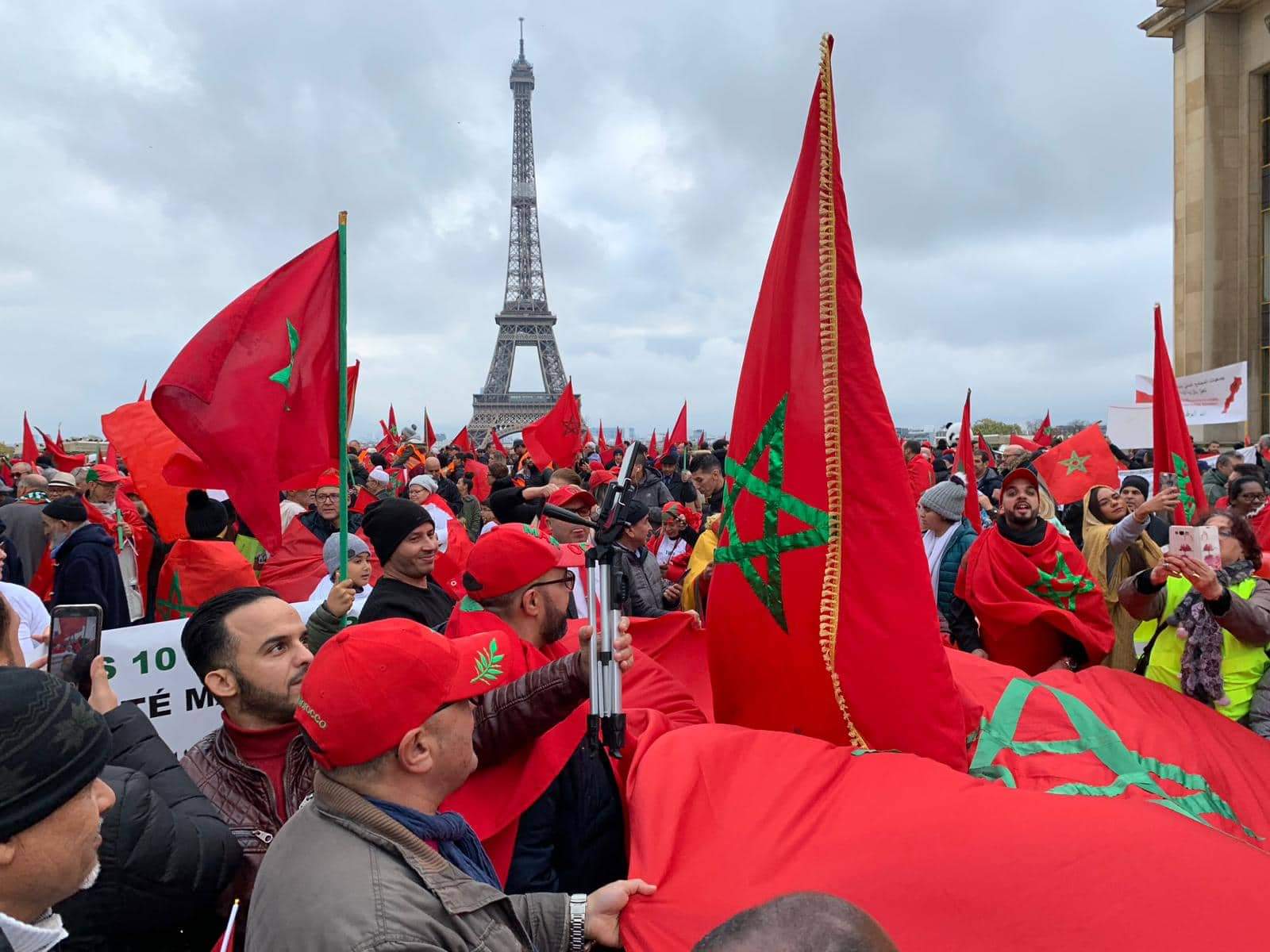
The idea of leaving Morocco’s villages, plains, and cities for Europe and the Gulf was not merely an escape from poverty and narrow horizons; for Morocco’s youth, it represented the first step toward finding a country broad enough for their dreams and ambitions, a place in this world where Moroccans could be more than marginal figures in fragile economies.

The global Moroccan community is estimated at between 6 and 6.5 million people, spread across approximately 100 countries. Over five million are officially registered with the Kingdom’s consulates. In addition, there is a significant number of Moroccans born in Morocco but residing abroad, as well as those born overseas to one or two Moroccan parents who hold dual nationality.

Europe remains the primary destination for Moroccan migrants, receiving about 89% of the diaspora. France leads with over one million Moroccans as of 2020, followed by Spain—which recorded the fastest growth in Moroccan population between 1990 and 2020. Moroccan presence has also increased in the Gulf, Italy, and Scandinavia, including Sweden and Norway.

According to a study by the Economic, Social and Environmental Council, Moroccan migration has gone through three main stages. The first, from 1965 to 1985, was linked primarily to labor in mining, heavy industry, and construction—governed by bilateral labor agreements with countries like France, the Netherlands, Germany, and Belgium.

The second stage, from 1985 to 2000, focused on agriculture in Spain and Italy. Since the beginning of the 21st century, the third stage has been marked by the migration of skilled professionals across various fields and of agricultural and labor workers to Europe, the Americas, and the Gulf.

The First Generation of Migrants

The initial waves of Moroccan migration to Europe date back to the French and Spanish protectorates beginning in 1912, when colonial powers—especially France—needed labor for mines and factories, prompting recruitment from young Moroccans.

During this era, the French colonial authorities prioritized control over occupied territories, mobilizing human and material resources to support France’s economy and military arsenal, particularly during World War I. Toward that end, France’s War Ministry established the “Colonial Labor Organization,” responsible for managing Moroccan labor—imposing rigorous selection and employment processes across sectors to serve colonial interests.

After World War I ended, most laborers returned home due to the temporary nature of their contracts. But France’s economic boom reopened migration channels by 1936, culminating in a decree on July 13, 1938, which created France’s first official migration office.

Between 1938 and 1940, this office organized three batches of around 5,000 Moroccan workers each. The first two were assigned to agriculture—especially sugar beet cultivation—and the third directed to munitions factories and French military units, with many participating in World War II.
نون بوست
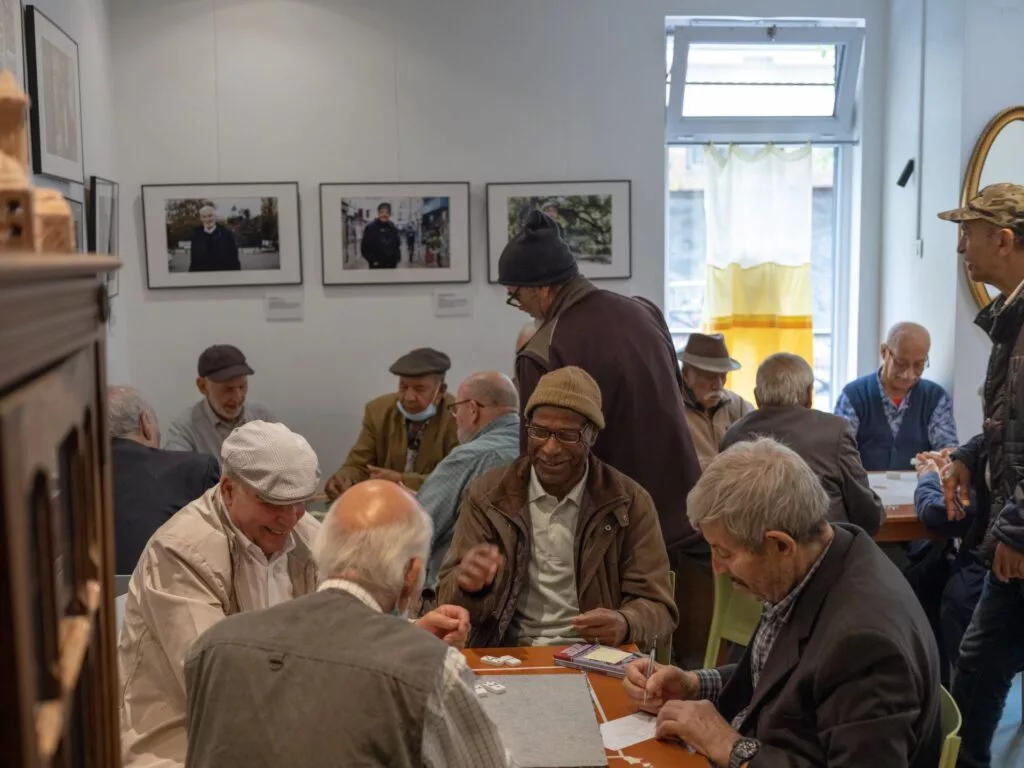
Café “Ayyam Zaman” in France (Ruba Guginini)

By the 1960s, Moroccan migration expanded unprecedentedly and diversified in destinations, extending beyond France to Belgium, the Netherlands, Germany, the UK—and to countries like Spain and Italy that were not traditional migrant destinations. Despite this diversification, France remained the primary destination.

Earlier migration to France was often coercive, driven by strict geographic selection—authorities recruited from specific Moroccan regions to meet agricultural and mining needs—creating tight geographic clusters of migrants in certain French districts.

In contrast, migration to the Gulf was not a direct result of colonial ties but emerged gradually after World War II due to Gulf states’ demand for labor. Initially, Moroccans migrated to Lebanon and Syria, and then to Gulf countries such as Saudi Arabia and Kuwait during the early oil boom. Migration was initially limited to seasonal or temporary contracts for artisans and skilled manual workers.

As oil prices rose and major construction boomed in Saudi Arabia, the UAE, and Kuwait, Moroccan government and private agencies began organizing work contracts. Moroccans began arriving not only as laborers, but also as nurses, technical staff, teachers, and administrators.

Morocco’s Migration Broker

The name “Moga” became iconic in the memory of Moroccan migration to France. A former military officer at the Office of Tribal Affairs in Guelmim (south Morocco) during the post-independence era, Moga’s mastery of local languages made him an ideal liaison between France and southern Moroccan regions during the large-scale recruitment of workers in the 1960s.

After his military service, Moga joined the French National Mining Company, grappling with labor shortages as French workers shunned the mines due to harsh conditions. He proposed an ambitious plan: recruit thousands of young Southerners to work in French mines.

Moga personally traveled to villages in Ouarzazate, Taroudant, Tiznit, and Tafraout, coordinating with Moroccan authorities to organize recruitment campaigns. These recruitment drives were sometimes persuasive and occasionally coercive. Candidates were required to be between 18 and 30 years old and weigh at least 55 kilograms. Selection was based solely on a physical exam under the scorching southern sun: no interviews or skills tests.

A green mark on the participant’s chest signified acceptance—leading to travel from Agadir to Casablanca and then to France—while a red mark signified rejection, sometimes viewed as a stigma in the villages. Folk songs mockingly referenced the “Moga failures.”

The migration of the 1960s and ’70s was not a solo enterprise—it was institutional and organized, involving both the French state and local Moroccan authorities. It transformed rural youth into mass laborers deployed to European mines, driven by hazy hopes of a better future rooted in nostalgic ties to the homeland.

During this period, the first generation of migrants joined labor and union movements in France, such as the National Union of Migrant Workers. They fought for migrant workers’ rights—especially those in the automotive industry—and gained access to healthcare, social benefits, and retirement, despite having received no formal training beforehand.

Moroccans in a Different Way

What began as male-dominated, short-term contracts gradually progressed into family-based migration. Spouses and children joined earlier migrant workers, turning temporary laborers into permanent residents, and eventually forming stable families in host countries.

This shift led to a rise in diaspora births, resulting in Europe’s second and third generations of Moroccans. By 2019, about 2.29 million individuals of Moroccan origin had been born in Europe—most of whom have spent their entire lives in the diaspora.

This settlement raises questions about integration. Although most Moroccan families preserved their cultural and religious traditions, they were clearly influenced by European environments. A generation emerged, fluent in a hybrid identity: mixing Moroccan Arabic or Amazigh with European languages, blending musical tastes, artistic preferences, and living styles that reflect multiple identities.

Far from being mere continuations of early migrant labor, these generations are playing a prominent role in forging a new Moroccan presence in Europe. Many have attained prominent positions in major European companies and institutions, challenging the outdated stereotype of the migrant laborer.

Moroccan Identity and the Far Right

In the context of rising right-wing populism and extremist discourse in Europe—targeting Muslim communities, accusing them of non-integration, extremism, and threatening European values—Moroccan migrants live in profound anxiety.

A Pew Research Center report documented rising anti-Muslim sentiment in these countries, affecting young Moroccans in schools and the job market.

Far-right parties in Europe adopt a hostile stance toward Muslims, perceiving them as a direct threat to “Christian nationalism in the continent.” In the Netherlands, Geert Wilders of the Freedom Party repeatedly attacked Muslims, calling to shut borders and even introduced legislation in 2018 to close mosques.

In Germany, the Alternative für Deutschland (AfD) openly denounces Islam as alien to Germany, labeling it the opposite of the German constitution, and warning of the “Islamization of the country.” This rhetoric has translated into frequent incitement of hostility and aggression toward Muslim communities.

In Italy, Matteo Salvini’s Lega has gone further, accusing Muslim immigrants of “spreading anti-Semitism” and claiming they represent the “nucleus of an Islamic caliphate” intent on conquering Europe—calling for urgent actions to counter this scenario and urging nationalists to assume power “before it’s too late.”

Though sometimes exaggerated, these extreme narratives reflect a political mood on the rise in certain European countries—leveraging demographic and economic anxieties to scapegoat migrants through every crisis and subject them to ongoing pressure.

From the first generation working in mines to the current generation in senior positions, the Moroccan diaspora’s journey represents a complex arc of adaptation and resistance. It began in colonial-era short-term labor but quickly evolved into stability that has helped reshape Europe’s identity itself.

Download this article as PDF
Share this Article
Facebook Twitter Whatsapp Whatsapp Telegram Email Copy Link
يونس أوعلي
By يونس أوعلي روائي وكاتب مغربي
Follow:
Previous Article نون بوست June 30 and the Fall of Egypt’s Political Diversity
Next Article نون بوست Basra’s Water Crisis: Thirst Amid Oil and Salt

Read More

  • U.S. Regime‑Change Policies: Why They Are Destined to Fail U.S. Regime‑Change Policies: Why They Are Destined to Fail
  • The Gulf’s Balancing Act: Iran, Israel, and Hidden Links
  • Iraq–Turkey Oil Export Treaty: Why Did Ankara Cancel It After 52 Years?
  • Syria’s Northeast on Edge: QSD Between Ankara and Damascus
  • Has Europe Changed Its Stance on Israel… or Just Its Language?
part of the design
NoonPost Weekly Newsletter

You May Also Like

U.S. Regime‑Change Policies: Why They Are Destined to Fail

U.S. Regime‑Change Policies: Why They Are Destined to Fail

إسراء سيد Esraa sayed 8 April ,2026
The Gulf’s Balancing Act: Iran, Israel, and Hidden Links

The Gulf’s Balancing Act: Iran, Israel, and Hidden Links

فريق التحرير Noon Post 8 April ,2026
Iraq–Turkey Oil Export Treaty: Why Did Ankara Cancel It After 52 Years?

Iraq–Turkey Oil Export Treaty: Why Did Ankara Cancel It After 52 Years?

فريق التحرير Noon Post 8 April ,2026

دليل رحلتك هذا العام إلى أوروبا بأرخص التكاليف

فريق التحرير
Noon Post Published 2 March ,2016
Share
hwaml

يصدر تقرير مؤشر باك باكر ” “Europe Backpacker Index الأوروبي لكل من يهوى السفر والسياحة في القارة العجوز، وذلك لمساعدة المسافرين على تخطيط رحلات عطلتهم بشكل جيد وبأرخص التكاليف، عن طريق تصنيف 56 مدينة أوروبية في مؤشر لمستوى المعيشة بحيث تستطيع أن تُقارن تكلفة نفقات كل رحلة في كافة هذه المدن، ومن خلال ذلك تستطيع أن تُحدد ما هو الأنسب لميزانيتك.

باك باكر الأوربي يُسهل على المسافرين الخيارات، فعلى سبيل المثال يستطيع السائح الأمريكي أن يعرف وجهته السياحية الأرخص في ظل انخفاض أسعار العملات في العالم أمام الدولار في الفترة الأخيرة، إذ انخفضت عملة تركيا والسويد والدنمارك والنرويج أمام اليورو والدولار مما يوفر وجهات سياحية أكثر من ممتازة للسائحين من الولايات المتحدة في أروع بلدن أوروبا وأنشطهم سياحيًا، كذلك رصد باك باكر أن انخفاض عملة بريطانيا “الجنيه الإسترليني” جعل من مدينتي لندن وأدنبرة أقل كلفة في المعيشة من أعوام سابقة لذا ستكونا مقصدًا سياحيًا هامًا في 2016.

يعتمد مؤشر باك باكر على تصنيف أسعار الإقامة في الفنادق في البلدان المختلفة، عن طريق حساب تكاليف ليلة واحدة بأقل كلفة في موقع جيد نسبيًا من ترشيحات نزلاء سابقين في المدن الموجودة في المؤشر، كذلك يعتمد المؤشر على تصنيف وسائل المواصلات العامة التي هي بالتأكيد أرخص من تكلفة الخاصة، وكذلك أسعار 3 وجبات اقتصادية في اليوم الواحد للفرد، وكلفة متوسطة لزيارة موقع ثقافي أو سياحي للزائر بهذا يمكن حساب يوم لسائح في كافة بلدان أوروبا عن طريق هذه المحددات.

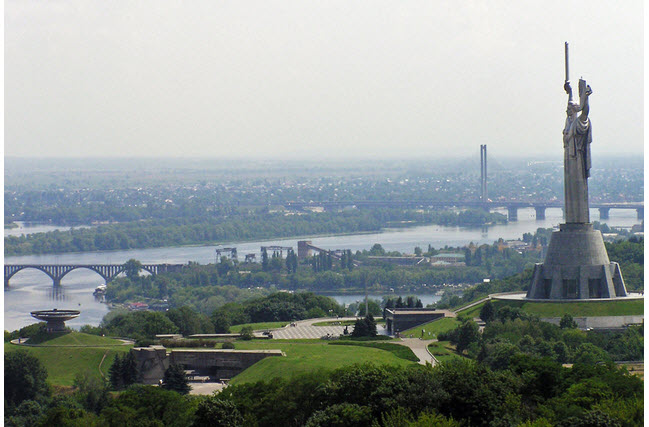
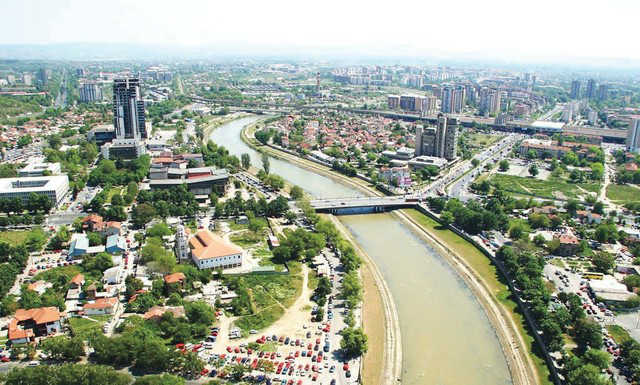
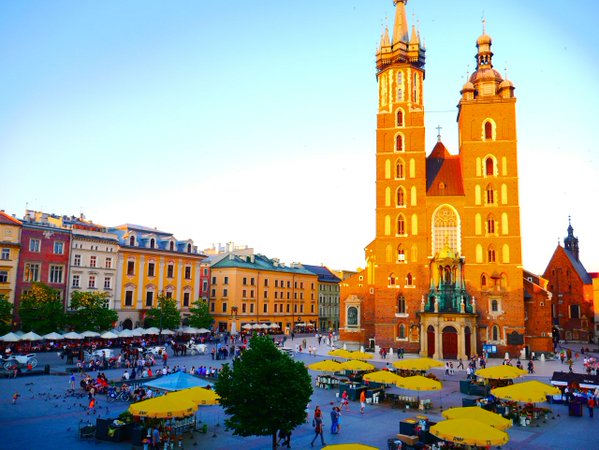
وجد المؤشر أن العاصمة الأوكرانية كييف، والعاصمة الرومانية بوخارست، ومدينة كراكوف البولندية هي الأقل كلفة من غيرها في أوروبا في تصنيف هذا العام، بينما صنف المؤشر مدن زيورخ والبندقية، والعاصمة الفنلندية هلسنكي، من المدن الأكثر غلاءً طبقًا للمحددات السابقة.

نون بوست

العاصمة الأوكرانية كييف

نون بوست

العاصمة الرومانية بوخارست

نون بوست

مدينة كراكوف البولندية

واتضح من المؤشر أنه لكي تقضي يومًا في العاصمة الأوكرانية كييف بإقامة جيدة وباستخدام المواصلات العامة وأكل 3 وجبات اقتصادية يوميًا فإن ذلك قد يكلفك 22.84 دولارًا في اليوم، أما نفس هذه المحددات فإنك مضطر لدفع 118.20 دولارًا في اليوم في مدينة زيورخ السويسرية لقضاء يوم واحد.

فيما أظهر المؤشر عدة مفاجآت للجمهور أبرزها أن مدينتين مثل ستوكهولم السويدية وكوبنهاجن الدنماركية المعروفتين بغلاء الأسعار صاروا اليوم في نفس المستوى مع العاصمة الفرنسية باريس والهولندية أمستردام، وهو تطور سينعكس على سياحة الأوربيين بالطبع الذين يمتلكون صورة ذهنية عن التكلفة العالية في هذه المدن.

المؤشر يُظهر أن الأسعار في المدن الإسكندنافية لم تعد كالأسعار القديمة التي كانت مكلفة للغاية، لكن المؤشر أثبت بالأرقام بأنه يمكنك التوجه إلى الشمال مقابل مبالغ زهيدة وأنت مطمئن للغاية من أي وجهة أنت قادم منها، وعبر أي وسيلة مواصلات حتى لو كانت الأغلى عن طريق الجو فثمة عروض تجعل السفر جوًا أرخص بكثير من الماضي.

نون بوست

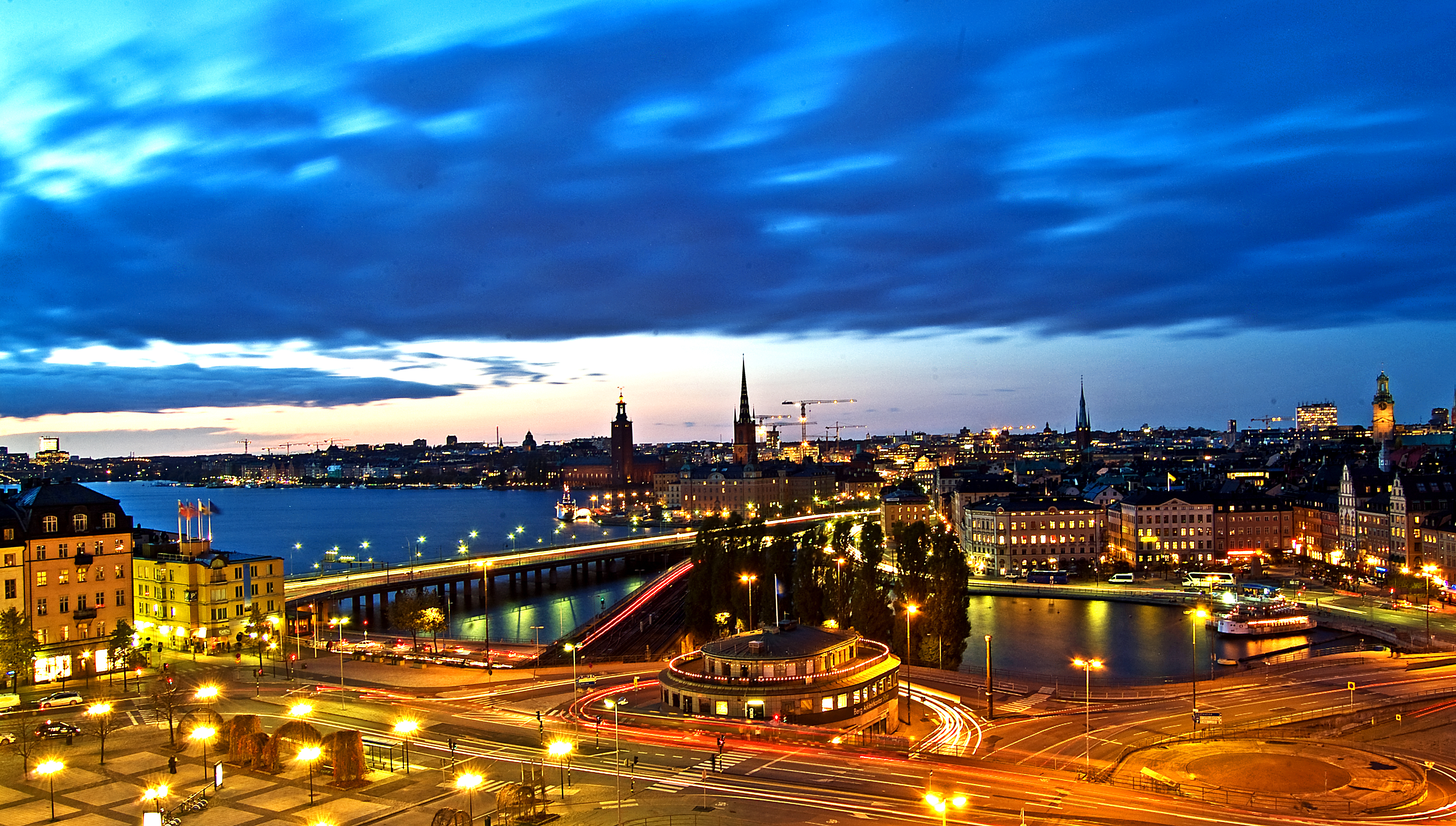
مدينة إستكهولم السويدية

على سبيل المثال يمكنك السفر إلى النرويج التي كانت الإقامة فيها مكلفة حد الرفاهية غير الموجودة في متناول الكثير من الأوروبيين، انخفضت فيها الأسعار بمعدل الثلث تقريبًا، وبات يمكنك العثور على فنادق عالية المستوى في قلب العاصمة أوسلو ومدينة برجن مقابل 120 دولارًا تقريبًا في الليلة الواحدة.

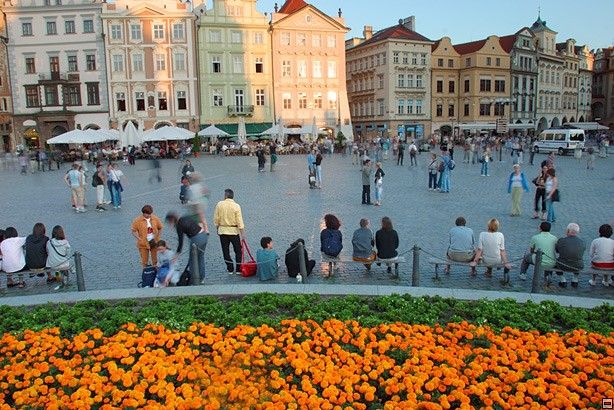
وترشح وكالات ومواقع السفر المتخصصة وفقًا لمؤشر باك باكر الأوروبي مدن كراكوف وبودابست وبراغ، كأفضل المدن الأوروبية وأقلها كلفة التي يمكنك زيارتها في عام 2016.

كما رشح البعض مدينة إسطنبول التركية وبالتحديد الجهة الواقعة في الجانب الآسيوي من البلاد كوجهة سياحية مناسبة ورخيصة التكلفة هذا العام بسبب انخفاض العملة التركية بنسبة وصلت حد 30% تقريبًا، بالرغم من أن الأسعار في تركيا كانت زهيدة قبل انخفاض عملتها النقدية، وبالقياس على ذلك يمكنك بكل سهولة المبيت في أحد الفنادق في مدينة إسطنبول التركية بمبالغ تصل إلى 30 دولارًا في الليلة الواحدة.

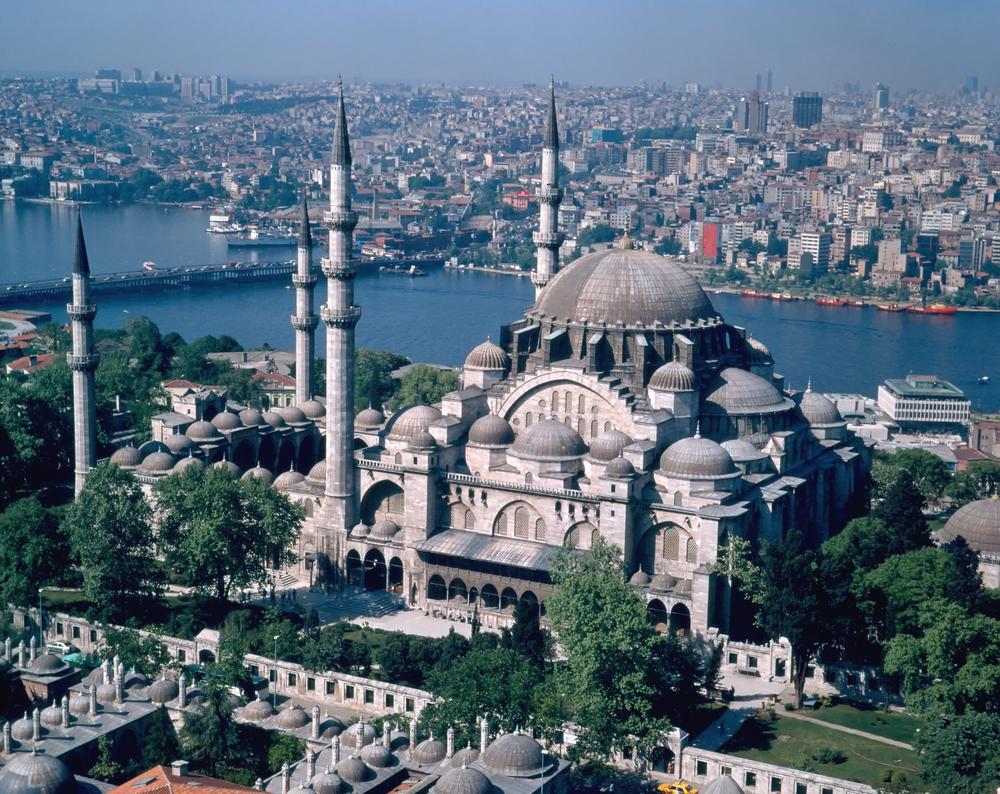
نون بوستمدينة إسطنبول التركية

كذلك أتت آيسلندا ضمن أفضل ترشيحات الوجهات السياحية الرخيصة لهذا العام، حيث يمكنك المبيت في أحد فنادقها الصغيرة مقابل نحو 20 دولارًا لليلة الواحدة، بالإضافة إلى أن معظم المزارات الجميلة فيها رخيصة أو شبه مجانية.

للإطلاع على تصنيف المؤشر بالكامل لأرخص 56 مدينة أوروبية للسياحة في 2016 من هنا​

TAGGED: أرخص المدن ، أوروبا ، السفر ، السياحة ، رحلات
Download this article as PDF
Share this Article
Facebook Twitter Whatsapp Whatsapp Telegram Email Copy Link
فريق التحرير
By فريق التحرير تقارير يعدها فريق تحرير نون بوست.
Follow:
Next Article نون بوست The Stigma of “ISIS”: A Heavy Legacy Haunting Women and Children of Former Members

Read More

  • U.S. Regime‑Change Policies: Why They Are Destined to Fail U.S. Regime‑Change Policies: Why They Are Destined to Fail
  • The Gulf’s Balancing Act: Iran, Israel, and Hidden Links
  • Iraq–Turkey Oil Export Treaty: Why Did Ankara Cancel It After 52 Years?
  • Syria’s Northeast on Edge: QSD Between Ankara and Damascus
  • Has Europe Changed Its Stance on Israel… or Just Its Language?
part of the design
NoonPost Weekly Newsletter

You May Also Like

U.S. Regime‑Change Policies: Why They Are Destined to Fail

U.S. Regime‑Change Policies: Why They Are Destined to Fail

إسراء سيد Esraa sayed 8 April ,2026
The Gulf’s Balancing Act: Iran, Israel, and Hidden Links

The Gulf’s Balancing Act: Iran, Israel, and Hidden Links

فريق التحرير Noon Post 8 April ,2026
Iraq–Turkey Oil Export Treaty: Why Did Ankara Cancel It After 52 Years?

Iraq–Turkey Oil Export Treaty: Why Did Ankara Cancel It After 52 Years?

فريق التحرير Noon Post 8 April ,2026
dark

An independent media platform founded in 2013, rooted in slow journalism, producing in-depth reports, analysis, and multimedia content to offer deeper perspectives on the news, led by a diverse young team from several Arab countries.

  • Politics
  • Society
  • Rights & Liberties
  • Opinions
  • History
  • Sports
  • Education
  • Technology
  • Economy
  • Media
  • Arts & Literature
  • Entrepreneurship
  • Travel
  • Cinema & Drama
  • Food
  • Health
  • Culture
  • Latest Reports
  • Files
  • Long Reads
  • Interviews
  • Podcast
  • Interactive
  • Encyclopedia
  • In Pictures
  • About Us
  • Our Writers
  • Write for Us
  • Editorial Policy
  • Advanced Search
Some rights reserved under a Creative Commons license

Removed from favorites

Undo
Go to mobile version