NoonPost NoonPost

NoonPost

  • Home
  • Politics
  • Economy
  • Society
  • Culture
  • Files
  • Long Reads
  • Podcast
AR
Notification Show More
نون بوست
“There Are Nights I Can’t Close My Eyes”: How Gazans Are Living in Homes on the Brink of Collapse
نون بوست
From al-Jolani to Ahmad al-Shara: The Evolution of Syria’s New Leader
نون بوست
When Political Islam Receded in Egypt: Who Filled the Void?
نون بوست
An Extension of Genocide: Gaza’s Detainees Speak Out
نون بوست
A Tightrope Between Survival and Sovereignty: The Syrian Government Faces Normalization Pressures
نون بوست
American Aircraft Carriers: Has the Era of “100,000 Tons of Diplomacy” Ended?
نون بوست
U.S. Regime‑Change Policies: Why They Are Destined to Fail
نون بوست
Transformations of Israeli Judaism: Between the Victim Complex and the Colonizer’s Doctrine
نون بوست
The Gulf’s Balancing Act: Iran, Israel, and Hidden Links
نون بوست
Iraq–Turkey Oil Export Treaty: Why Did Ankara Cancel It After 52 Years?
نون بوست
Syria’s Northeast on Edge: QSD Between Ankara and Damascus
نون بوست
Has Europe Changed Its Stance on Israel… or Just Its Language?
NoonPost NoonPost
AR
Notification Show More
نون بوست
“There Are Nights I Can’t Close My Eyes”: How Gazans Are Living in Homes on the Brink of Collapse
نون بوست
From al-Jolani to Ahmad al-Shara: The Evolution of Syria’s New Leader
نون بوست
When Political Islam Receded in Egypt: Who Filled the Void?
نون بوست
An Extension of Genocide: Gaza’s Detainees Speak Out
نون بوست
A Tightrope Between Survival and Sovereignty: The Syrian Government Faces Normalization Pressures
نون بوست
American Aircraft Carriers: Has the Era of “100,000 Tons of Diplomacy” Ended?
نون بوست
U.S. Regime‑Change Policies: Why They Are Destined to Fail
نون بوست
Transformations of Israeli Judaism: Between the Victim Complex and the Colonizer’s Doctrine
نون بوست
The Gulf’s Balancing Act: Iran, Israel, and Hidden Links
نون بوست
Iraq–Turkey Oil Export Treaty: Why Did Ankara Cancel It After 52 Years?
نون بوست
Syria’s Northeast on Edge: QSD Between Ankara and Damascus
نون بوست
Has Europe Changed Its Stance on Israel… or Just Its Language?
Follow US

Sudan on the Edge of Ethnic War

فريق التحرير
Noon Post Published 26 March ,2026
Share
نون بوست
نون بوست

Sudan is heading toward a dangerous escalation, as reports indicate that the clash between the National Army and the Rapid Support Forces (RSF) has shifted from a military struggle for power to ethnic-based killing—a slide into communal war and a mire of societal chaos. This is the very trap that has long been warned against domestically and internationally.

United Nations Under‑Secretary‑General Virginia Gamba, in her role as the Secretary‑General’s Special Advisor on the Prevention of Genocide, warned in a June 23 briefing to the UN Human Rights Council in Geneva that certain ethnic groups are being deliberately targeted amid the intensifying conflict between the Army and the RSF, emphasizing that the latter “are continuing ethnically motivated attacks against the Zaghawa, Masalit, and Fur tribes.”

The UN’s representative stressed that the risk of genocide, war crimes, and crimes against humanity in Sudan remains extremely high, amid ongoing ethnically driven assaults by the Rapid Support Forces. She pointed out that “both parties—the army and the RSF—have committed serious human rights violations.”

This surge comes at a moment when all indicators had pointed to a victory by the army led by Abdel Fattah al-Burhan and the decline of RSF leader Mohamed Hamdan Dagalo (Hemedti). After the RSF suffered heavy losses and was stripped of most gains since the conflict began—and with optimism that the war was nearing its end—the militia abruptly re-emerged, regaining momentum and raising questions about who is behind its comeback and to what end.

The “generals’ war” that erupted in April 2023 between al-Burhan’s army and Hemedti’s RSF has claimed tens of thousands of lives and displaced nearly 13 million people (with approximately 4 million fleeing abroad), creating a humanitarian crisis designated as the worst worldwide by UN agencies. So where do things go from here?

Ethnic Killing as RSF Methodology

Differing roots—no matter how distant, even dating back centuries—is reason enough for killing. Even if we pray in the same mosque, shop in the same market, or work together, this specter has haunted Sudanese dreams for decades.

Such ugly ethnic targeting has recurred in Sudan, most brutally in Darfur, which teetered on the brink of secession time and again. It also emerged in the Blue Nile region, until numerous efforts helped douse its flames.

But the generals’ war saw the RSF revive every dormant wolf for maximum gain—national, humanitarian, and ethical concerns be damned. Among its worst excesses were ethnically motivated killing and violence, attempting to achieve through these crimes what they failed to win on the battlefield.

A UN report revealed that between 10,000 and 15,000 people were killed on ethnic grounds in the city of El Geneina in West Darfur between April and June 2023. Observers alerted the Security Council that “intense violence” occurred, accusing the RSF and allied Arab and African militias of targeting the Masalit—the African ethnic tribe—in attacks that may amount to war crimes and crimes against humanity, with widespread sexual violence reported as well.

The RSF’s dominance in Darfur has been driven by three main logistical lines: aligned Arab communities (notably with UAE ties), complex financial networks (foreign funding, gold revenue, companies linked to RSF, about 50 in various sectors), and new weapon routes through Chad, Libya, and South Sudan (mercenaries from Chad and forces loyal to Khalifa Haftar).

Sudanese rights activist Hassan Abbas told Noon Post that the RSF is adept at exploiting ethnic and sectarian rhetoric to achieve battlefield goals, often before the current war, based on a “divide and conquer” approach aimed at fostering intertribal resentment—particularly against non-Arab African tribes.

He noted that ethnic hostility runs deep in Sudanese society and travels with refugees abroad. Among displaced Sudanese, tribal origin often precedes national identity, widening divisions and fracturing communal unity.

Once Hemedti and his RSF force entered the struggle against the military, they deployed every weapon in their arsenal to erode the army’s legitimacy and dismantle national cohesion. Chief among these tactics was nationalistic fervor and ethnic-based killing aimed at attacking the community at its roots.

RSF Resurgence: A Controversial Awakening

On May 20, the Sudanese army achieved full control of Khartoum and stripped RSF of much of its long-held gains, prompting jubilant hope that the war was nearing its end and displaced families began preparing to return home.

But the army’s advance subsequently stalled, limiting itself to defensive positions. This reprieve allowed RSF to regroup, strike back across regions—from El Fasher to Khartoum North, and eastward to strategic logistical cities—reaffirming that the war is far from over.

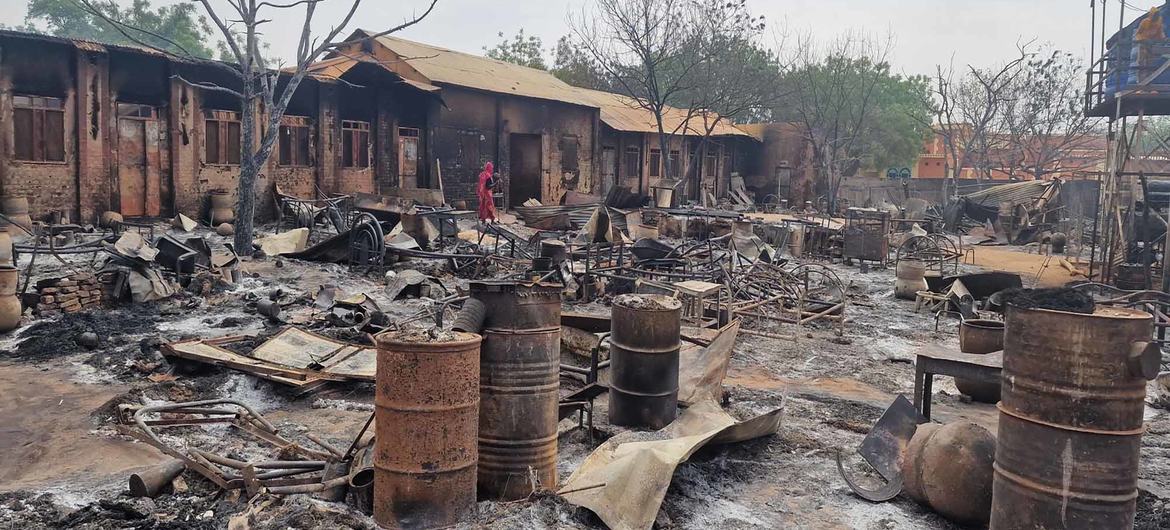
Hemedti’s militias have now reverted to scorched-earth tactics—targeting hospitals, airports, schools, electric and water infrastructure, roads, and public transport—to paralyze Sudan and sow fear, sending a clear psychological message aimed at breaking the army’s civilian support.

Notably, the RSF has launched drone attacks on multiple towns and states, including Port Sudan—the government’s new administrative capital—targeting its airbase, fuel depots, and infrastructure. These assaults demonstrated the militia’s ability to strike nationwide, aided by drones reportedly supplied by foreign allies.

Claims—both official and unofficial—have implicated the UAE behind this resurgence, citing steady political, military, and economic support for the RSF, which helped rebalance the battlefield after the army’s initial upper hand.

Peace or Reproducing Crisis?

“Between the lines of the U.S. Secretary of State’s recent meeting with the Quartet, worrying signs suggest the West seeks not peace that ends the war, but an agreement that preserves a fragile balance between state and rebellion…,” wrote Sudanese academic Yasser Mahjoub Al‑Hussein on Al Jazeera Arabic.

He criticizes the quartet (UAE, Saudi Arabia, UK, U.S.) for initiatives that aim to keep Sudan in a stalemate rather than cultivated peace rooted in reality.

He argues that as the army nears a military victory, international mediation risks neutralizing it politically. “The conditional peace proposed on the international agenda… doesn’t align with facts on the ground but rather with power politics,” he added, warning that depriving the army of translating victory into political legitimacy risks undermining the national institution, diluting civil transformation, and eroding public confidence in politics.

“The Sudanese who rallied behind the army… will feel their sacrifices wasted if the perpetrators are reintegrated into power.”

He concludes that the gravest danger in an incomplete victory is that it yields mere coexistence, not true peace: a fighting force standing for statehood alongside rebels benefiting from a fragile status quo. True peace must rest on justice, state restoration, and hope—not glossed-over politics. Otherwise, Sudan risks yet another recomposition of its crisis.

Thus, Sudan’s bleeding continues: killing for identity, political purge, ethnically driven genocide, unyielding displacement, and power conflicts at the state’s expense—all while international actors shape the narrative to suit their agendas, indifferent to a 50-million‑strong nation teetering on the brink, despite stark warnings of a humanitarian catastrophe and a collective moral collapse.
Download this article as PDF
Share this Article
Facebook Twitter Whatsapp Whatsapp Telegram Email Copy Link
فريق التحرير
By فريق التحرير تقارير يعدها فريق تحرير نون بوست.
Follow:
Previous Article نون بوست Basra’s Water Crisis: Thirst Amid Oil and Salt
Next Article نون بوست Egypt’s Security Narrative: A Tool of Repression

Read More

  • U.S. Regime‑Change Policies: Why They Are Destined to Fail U.S. Regime‑Change Policies: Why They Are Destined to Fail
  • The Gulf’s Balancing Act: Iran, Israel, and Hidden Links
  • Iraq–Turkey Oil Export Treaty: Why Did Ankara Cancel It After 52 Years?
  • Syria’s Northeast on Edge: QSD Between Ankara and Damascus
  • Has Europe Changed Its Stance on Israel… or Just Its Language?
part of the design
NoonPost Weekly Newsletter

You May Also Like

U.S. Regime‑Change Policies: Why They Are Destined to Fail

U.S. Regime‑Change Policies: Why They Are Destined to Fail

إسراء سيد Esraa sayed 8 April ,2026
The Gulf’s Balancing Act: Iran, Israel, and Hidden Links

The Gulf’s Balancing Act: Iran, Israel, and Hidden Links

فريق التحرير Noon Post 8 April ,2026
Iraq–Turkey Oil Export Treaty: Why Did Ankara Cancel It After 52 Years?

Iraq–Turkey Oil Export Treaty: Why Did Ankara Cancel It After 52 Years?

فريق التحرير Noon Post 8 April ,2026

“إنتو مين؟!”، بل من أنت يا سيسي؟

ديفيد هيرست
ديفيد هيرست Published 3 March ,2016
Share
عبدالفتاح السيسي

ثمة تشابه واضح بين عدد قليل من القادة العرب اليوم وبين العقيد معمر القذافي، الديكتاتور الليبي الذي واجه نهاية مروّعة. يأتي هذا التشابه من اقتباس بعضهم لعبارات القذافي التي قالها من تحت أنقاض مبنى دمرته الغارات الجوية الامريكية في عام 1986.

استخدم القذافي تلك العبارة للتنديد بالثورة الليبية بعد شهر من انطلاقها، وصرخ في وجه شعبه قائلًا: “مَن أنتم؟”

لقد سُجّلت كلماته في التاريخ. إنها كلمات تعبر عن غضب وعدم فهم ديكتاتور يفقد سيطرته. والسؤال هنا: ما الذي دفع الرئيس المصري عبد الفتاح السيسي أن يقتبس تلك الكلمات في خطابه الذي ألقاه الأسبوع الماضي؟

“انتوا مين؟ مفيش حد يقدر يقرب من مصر … “أقسم بالله العظيم اللي هيقرب من مصر هشيله من على وش الأرض.”

وقال السيسي أيضًا إنّه وحده يعلم ما يقوم به، وأن كل مصري يجب أن يتبرع بجنيه لمصر في كل صباح. وأنه سيبيع نفسه من أجل مصر، وأن الوقت ما زال مبكرًا لتطبيق الديمقراطية في مصر، وأنَّ المصريين يجب ألّا يستمعوا إلى أي شخص دونه.

وأضاف السيسي: “بقول لكل المصريين، لو بتحبوا مصر صحيح اسمعوا كلامي أنا بس”.

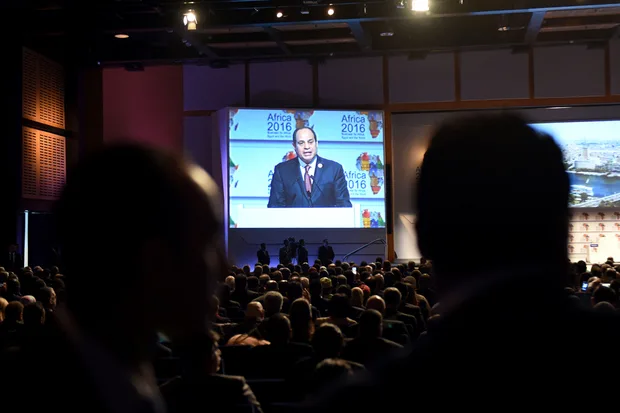
وامتزجت نوبات من الضحك الهستيري الصاخب ضد حكومته مع دموع الحزن عند مشاهدة خطابه. أن يقوم رئيس مصري بمثل هذا الأداء في مؤتمر إطلاق مشروع بعنوان “استراتيجية مصر للتنمية المستدامة … رؤية مصر لعام 2030″، فهو أمر لا يصدق، تعرض على إثره لموجة عارمة من السخريةعلى وسائل التواصل الاجتماعي.

لم يكن هذا الخطاب الأول الذي يتسبب في تشكّك أنصاره في حكمه؛ ففي اجتماع آخر، طالب السيسي المصريين بشد الحزام عندما افتتح سلسلة من المشاريع التنموية في عدد من المحافظات. وقال إنَّ دعم المياه يكلّف الدولة 40 مليون جنيه مصري يوميًا، وهو عبء لم تعد الدولة قادرة على تحمله.

وأضاف: “الدولة لا يمكن أن تستمر على هذا النحو. ليس لأنها لا تريد ذلك ولكن ببساطة لأنها لا تستطيع”.

وفي طريقه إلى المؤتمر، سار الموكب الرئاسي على سجادة حمراء تمتد لثلاثة أميال. وأوضح العميد إيهاب القهوجي أن السجادة الحمراء جلبت “الفرح والطمأنينة للمواطن المصري، وأن شعبنا وأرضنا وقواتنا المسلحة دائمًا قادرة على تنظيم أي شيء بطريقة سليمة”.

ولكنَّ الأسواق المالية في مصر لا ترى الأمور بهذه الطريقة. لقد تراجع الجنيه المصري إلى مستويات قياسية في السوق السوداء ليصل سعر الدولار إلى تسعة جنيهات مصرية، مما زاد الضغط على الحكومة لخفض قيمة الجنية. كما انخفضت احتياطيات العملات الأجنبية إلى النصف منذ قيام الثورة في عام 2011، من 36 مليار دولار في 25 يناير 2011، إلى 16.4 مليار دولار اليوم. هذا على الرغم من ضخ ما يصل إلى 50 مليار دولار من السعودية والإمارات والكويت التي حصل عليها السيسي في أغسطس عام 2013 وحتى يناير عام 2014، إلى جانب مبلغ 12 مليار دولار حصل عليه السيسي في مارس 2014 في خطة الإنقاذ من المأزق المالي الذي تعاني منه البلاد. تعادل الاحتياطيات الأجنبية الآن قيمة ثلاثة أشهر من الواردات، وهو الحد الأدنى من الاحتياطي الذي أوصى به صندوق النقد الدولي.

جفت المصادر التقليدية من العملات الأجنبية، وانهارت السياحة التي تنتج من 9 إلى 11 بالمئة من العملة الأجنبية، بنسبة 46 بالمئة الشهر الماضي مقارنة بالفترة السابقة من العام الماضي. وانخفضت عائدات قناة السويس في السنة التي تمّ فيها توسيع القناة بتكلفة قدرها 8.2 مليار دولار. وادّعى رئيس هيئة قناة السويس، الفريق مهاب مميش، أنَّ التوسع سيؤدي إلى مضاعفة الإيرادات السنوية بقيمة 13.5 مليار دولار بحلول عام 2023. وفي العام الماضي، انخفضت إيرادات القناة من 5.5 مليار دولار إلى 5.2 مليار دولار.

يقف الاستثمار الأجنبي الآن عند 40 بالمئة عما كان عليه في عام 2007، على الرغم من أن موقف المستثمر الأجنبي على وجه الخصوص يجب أن يكون محل اهتمام السيسي. على الجانب الآخر، تثبت المملكة العربية السعودية، تحت إدارة الملك سلمان، أنها أقل حميمية مع مصر مما كانت عليه في عهد الملك عبد الله، الذي موّل الانقلاب العسكري في مصر.

هناك عدد من الأسباب لبرود العلاقة بين الرياض والقاهرة. لقد ناضلت الدائرة الداخلية للملك عبد الله بقوة ضد انفصال سلمان، كما فعلت وسائل الإعلام المصرية التي كانت خاضعة لهم. كما تعاني المملكة من أزمة نقدية نتيجة انهيار أسعار النفط، وهو ما أدى إلى الضغط على الدول المنتجة للنفط الصخري الأمريكي للخروج من السوق.

ولكن ربما السبب غير المعلن الأكثر أهمية هو أنَّ بطانة الملك سلمان لم تعد ترى السيسي، شخصيًا، كرهان مضمون. وهذا لا يعني أنَّ المملكة العربية السعودية على وشك التخلي عن اعتقادها بأن مصر لا يمكن أن تحكم إلّا من خلال رجل عسكري. ولكن قد يعني أنَّ الملك لن يدخل في نوبة حداد إذا ما تمّ استبدال الجنرال المصري بآخر، وهو السيناريو الأكثر احتمالًا الآن.

ربما لا يمكننا ملاحظة الدليل على هذا الخط السعودي المتشدد الجديد ولكنه موجود. في ديسمبر الماضي، وافقت السعودية على استثمار 30 مليار ريال (8 مليار دولار) في مصر عبر الصناديق العامة والسيادية لمساعدة مصر في التغلب على أزمة العملة الأجنبية.

وذكر موقع بلومبرج أن وعود التمويل أشارت إلى أن المملكة ظلّت ملتزمة بدعم مصر على الرغم من تراجع أسعار النفط والحرب في اليمن. وذكرت صحيفة المصري اليوم أنَّ الجانب السعودي في مجلس التنسيق السعودي المصري رفض عددًا كبيرًا من المشاريع، التي من شأنها أن تجتذب استثمارات بقيمة 8 مليار دولار. ووفقًا لتلك المصادر الصحفية، تبدو المفاوضات صعبة، خاصة مع نظرة الجانب السعودي لهذه المشاريع من منظور تجاري.

لقد ولّت الأيام التي تعجب فيها السيسي من كمية الأموال التي تمتلكها دول الخليج (“عندهم فلوس زي الرز“). وهناك الكثير من الدلائل على معاناة مصر من ضائقة مالية، بالإضافة إلى نقص الأدوية لأنَّ صناعة المستحضرات الصيدلانية المصرية يجب أن تدفع ثمن المواد الخام بالدولار. في ديسمبر من العام الماضي كان هناك نقص في 232 صنفًا من الأدوية، بما في ذلك 43 صنفًا ليس لهم بديل.

وذكرت مؤسسة  Biopharma Dive: “تتم مراجعة أسعار الأدوية من قِبل وزارة الصحة المصرية، وهذا يعني أن تكاليف المواد الخام تُقتطع في هوامش الشركات المنتجة. وكان أثر ذلك على المنتجين هو وقف صناعة بعض الأدوية لتقليل الخسائر.”

ذكرت وكالة أخبار الخليج أن شركة إير فرانس / كيه إل إم لم تتمكّن من نقل أرباح بقيمة 100 مليون جنيه مصري خارج البلاد منذ أكتوبر الماضي بسبب نقص الدولار.

وقال سيس يورسيم، مدير فرع الشركة في مصر: “إنها مشكلة خطيرة جدًا لأنه يتم حظر جميع عائداتنا في البنوك، ولكن في الوقت نفسه مازالت التكاليف التي تتحملها الشركة سارية مثل تأجير الطائرات، والوقود، ورواتب الموظفين وغيرها من الخدمات التي يجب دفعها بالدولار، فكيف تظنون أننا سنتمكن من مواصلة هذه العمليات؟ “

تمّ تحويل شحنة من الغاز الطبيعي المسال من شركة بريتيش بتروليوم إلى البرازيل في يناير الماضي بعد أن جمدت مصر الدفع حتى مارس، كما ذكرت وكالة انترفاكس. وقالت إنَّ مصر تدين بــ 3 مليار دولار لشركات النفط العالمية، وهي ديون من غير المرجح أن يتم سدادها قبل نهاية عام 2017.

إنَّ العالم تضيّق الخناق على السيسي تدريجيًا، وهذا هو السبب في انفصاله عن الواقع في ظل تعمّق أزمة حكمه. ولذلك، فإنَّ سلوك السيسي غير مفهوم حتى لأنصاره.

ربما يجدر بالسيسي إنشاء حكومة خاضعة له أو على الأقل مجموعة أوليغاركية يمكنها أن تشاركه عبء الحكم. ولكن يبدو أنه فعل العكس تمامًا، ولعب دور الفرعون المفوض من الله، الذي يحمل وحده مصير مصر في يده.

لقد دمر هذا الفرعون طريقه نحو مليارات لا تحصى من الدولارات. وفي هذه العملية، تجاهل معظم الذين دعموا انقلابه على الرئيس المنتخب ديمقراطيًا. ومع مرور الوقت، لم يعد بمقدور السيسي أن يلومهم على الفوضى التي تجتاح مصر. كما أنَّ النقد الصريح في وسائل الإعلام هو عرَض من أعراض عدم الرضا بين أنصاره. وفي نهاية المطاف، سيستهلك السيسي كل الأعذار مثلما استنفذ القذافي كل الكلمات.

وسيتساءل مرة أخرى: “مَن أنتم؟ وستكون الإجابة هذه المرة “نحن مصر.”

المصدر: ميدل إيست آي / ترجمة: إيوان 24

TAGGED: الانقلاب العسكري في مصر ، الدعم الخليجي لمصر ، تسريبات مكتب السيسي
TAGGED: انقلاب مصر
Download this article as PDF
Share this Article
Facebook Twitter Whatsapp Whatsapp Telegram Email Copy Link
ديفيد هيرست
By ديفيد هيرست مدير تحرير ميدل إيست آي، وكبير الكتاب في الجارديان البريطانية سابقاً
Follow:
Next Article نون بوست The Stigma of “ISIS”: A Heavy Legacy Haunting Women and Children of Former Members
part of the design
NoonPost Weekly Newsletter
dark

An independent media platform founded in 2013, rooted in slow journalism, producing in-depth reports, analysis, and multimedia content to offer deeper perspectives on the news, led by a diverse young team from several Arab countries.

  • Politics
  • Society
  • Rights & Liberties
  • Opinions
  • History
  • Sports
  • Education
  • Technology
  • Economy
  • Media
  • Arts & Literature
  • Entrepreneurship
  • Travel
  • Cinema & Drama
  • Food
  • Health
  • Culture
  • Latest Reports
  • Files
  • Long Reads
  • Interviews
  • Podcast
  • Interactive
  • Encyclopedia
  • In Pictures
  • About Us
  • Our Writers
  • Write for Us
  • Editorial Policy
  • Advanced Search
Some rights reserved under a Creative Commons license

Removed from favorites

Undo
Go to mobile version