NoonPost NoonPost

NoonPost

  • Home
  • Politics
  • Economy
  • Society
  • Culture
  • Files
  • Long Reads
  • Podcast
AR
Notification Show More
نون بوست
“There Are Nights I Can’t Close My Eyes”: How Gazans Are Living in Homes on the Brink of Collapse
نون بوست
From al-Jolani to Ahmad al-Shara: The Evolution of Syria’s New Leader
نون بوست
When Political Islam Receded in Egypt: Who Filled the Void?
نون بوست
An Extension of Genocide: Gaza’s Detainees Speak Out
نون بوست
A Tightrope Between Survival and Sovereignty: The Syrian Government Faces Normalization Pressures
نون بوست
American Aircraft Carriers: Has the Era of “100,000 Tons of Diplomacy” Ended?
نون بوست
U.S. Regime‑Change Policies: Why They Are Destined to Fail
نون بوست
Transformations of Israeli Judaism: Between the Victim Complex and the Colonizer’s Doctrine
نون بوست
The Gulf’s Balancing Act: Iran, Israel, and Hidden Links
نون بوست
Iraq–Turkey Oil Export Treaty: Why Did Ankara Cancel It After 52 Years?
نون بوست
Syria’s Northeast on Edge: QSD Between Ankara and Damascus
نون بوست
Has Europe Changed Its Stance on Israel… or Just Its Language?
NoonPost NoonPost
AR
Notification Show More
نون بوست
“There Are Nights I Can’t Close My Eyes”: How Gazans Are Living in Homes on the Brink of Collapse
نون بوست
From al-Jolani to Ahmad al-Shara: The Evolution of Syria’s New Leader
نون بوست
When Political Islam Receded in Egypt: Who Filled the Void?
نون بوست
An Extension of Genocide: Gaza’s Detainees Speak Out
نون بوست
A Tightrope Between Survival and Sovereignty: The Syrian Government Faces Normalization Pressures
نون بوست
American Aircraft Carriers: Has the Era of “100,000 Tons of Diplomacy” Ended?
نون بوست
U.S. Regime‑Change Policies: Why They Are Destined to Fail
نون بوست
Transformations of Israeli Judaism: Between the Victim Complex and the Colonizer’s Doctrine
نون بوست
The Gulf’s Balancing Act: Iran, Israel, and Hidden Links
نون بوست
Iraq–Turkey Oil Export Treaty: Why Did Ankara Cancel It After 52 Years?
نون بوست
Syria’s Northeast on Edge: QSD Between Ankara and Damascus
نون بوست
Has Europe Changed Its Stance on Israel… or Just Its Language?
Follow US

Yemen’s Shadow Enforcers: The Zainabiyyat

إسراء سيد
Esraa sayed Published 26 March ,2026
Share
نون بوست

Amid Yemen’s years of war and conflict, the Ansar Allah movement—known as the Houthis—has created sectarian security and military apparatuses against its opponents since its coup.

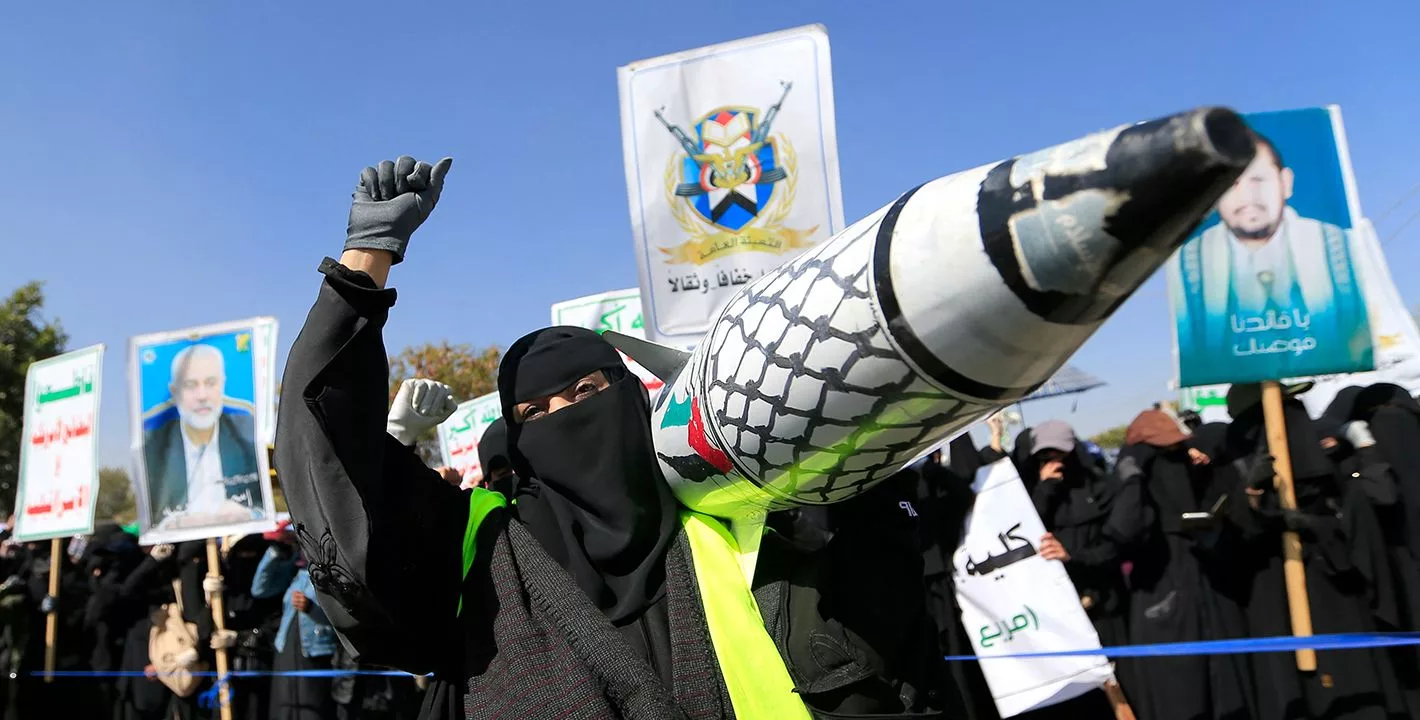
Among these, the all‑female military brigades called the “Zainabiyyat” stand out as one of the most dangerous covert entities the Houthis have deployed to repress women across this war-torn country.

In this report, we track one of the lesser‑known origin stories of this highly trained female military faction, trusted with carrying out raids and arrests. Operating beyond the law and outside state authority, it answers neither to the Interior Ministry nor to any legal oversight.
نون بوست

We ask: Who is behind this apparatus? Who comprises it, how is it structured, and how did it infiltrate Yemen’s social fabric? Where were its operatives trained, and who supervises them?

Origins of the Houthi Female Brigades

The seeds of the Houthi female brigades began over a decade ago in the movement’s main detention center in Saada governorate. The first signs emerged during the six devastating wars the Houthis waged against President Ali Abdullah Saleh’s government—starting in June 2004—and costing billions in budget losses and thousands of dead, injured, disabled, and displaced people.

But the first unofficial armed female formation emerged during the Houthi takeover of government institutions and the September 21, 2014, seizure of Sana’a, when the Houthis found it necessary to expand the Zainabiyyat’s role.

Since then, this covert female apparatus has escalated its extralegal security operations. Its leadership is nebulous and secretive, drawing from marginalized socio-economic groups—those muḥmašshīn, often of African descent, who suffer from poverty and racial discrimination.

Trained to raid, arrest female activists, disperse women-led protests, spy, entrap opponents and terrorize their families and property, they also monitor opinions and track women in private gatherings, wedding halls, and workplaces. They organize ideological sessions in social events.

The establishment of these brigades stems from the Houthis’ dire shortage of male fighters. The so-called “Women’s Committee” within the movement—reportedly overseen by one of Abdul-Malik al-Houthi’s sisters—recruits from schools, universities, poor families, vocational centers, and even prisons.
نون بوست

Through intimidation and sectarian incitement, the Houthis have recruited hundreds of girls in Sana’a and beyond. Widows and impoverished women have been drawn in due to lost incomes, forced to join this extremist apparatus.

Absolute loyalty to Houthi ideology is the primary criterion for selection. Leadership posts are passed through tribal or familial lineage, ensuring obedience to the group’s orders—even involving human rights abuses.

Evolution and Training

Initially tasked with intelligence and logistics—collecting information on opponents, supporting pro-Houthi gatherings, and spreading ideology among women—the Zainabiyyat gradually moved from surveillance to direct enforcement, arrests, and suppression.

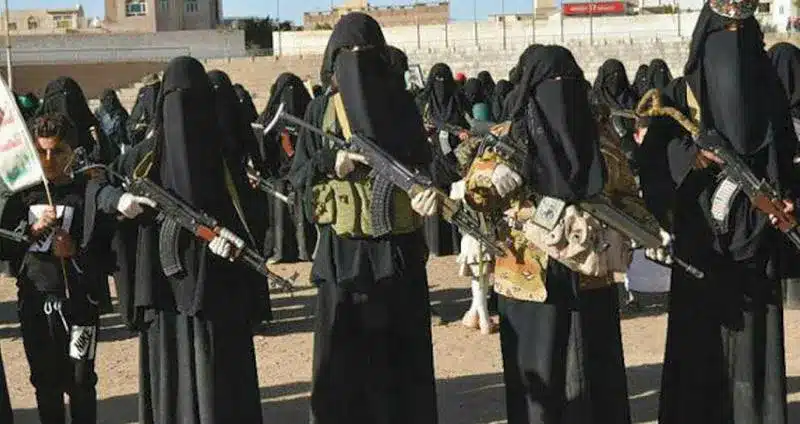
The first combat-trained group, composed of wives, relatives, and close affiliates of senior Houthi leaders, was trained in Yemen under instructors from Iran, Lebanon, and Iraq. This mirrors Iran’s Basij women’s factions and ISIS’s Hisbah, earning the Zainabiyyat a reputation for extremist enforcement.
نون بوست

Their presence became public during a 2017 military parade in Sana’a. By 2020, they were officially militarized—receiving ranks like lieutenant, captain, and lieutenant-colonel—as they were deployed to frontlines with financial incentives.

Roles and Capabilities

Although their exact structure is obscure, estimates suggest thousands of them—over 5,000 women—trained in firearms, explosives, vehicle operations, and raids. Training sites range from schools and sports facilities to universities in Sana’a, with selected leaders trained abroad in Iran and Lebanon under IRGC protocols.

Their units, including Zainabiyyat brigades, the Women’s Authority group, Zahra brigades, and the Preventive Intelligence Division, execute raids, kidnappings, espionage, and frontline tasks, led by wives and relatives of Houthi leaders.

The “Preventive Espionage” wing poses the greatest threat to civil liberties—penetrating women’s gatherings, private homes, and protest spaces—leveraging access denied to male forces.

The most feared group is the “Amniyat,” affiliated with Houthi security forces reporting directly to the movement’s leader. They suppress women’s protests, raid homes, arrest female activists, and assault women in marches across Sana’a.

An “electronic brigade” disseminates propaganda, recruits online, spreads misinformation, and lures opponents into Houthi-held territory for arrest.

Zainabiyyat members often operate under pseudonyms on social media, pretending to represent various Yemeni factions while spreading rumors, defamation, and sectarian narratives, monitoring even WhatsApp discussions.

They also raid women’s mosques in Sana’a and imposed ideology at social gatherings, fully permeating different social strata.

Reports reveal abductions of young women in Sana’a, only to be released after sectarian re-education programs. Freed women are often coerced to recruit friends into training camps or fanatic circles linked to the Fatimiyyat recruitment network.

Controversial allegations also involve recruiting women and children via schools—instilling jihadist ideology from elementary age—under the directive of “Abu Ali al-Hakim,” Abdullah Yahya al-Hakim.
نون بوست
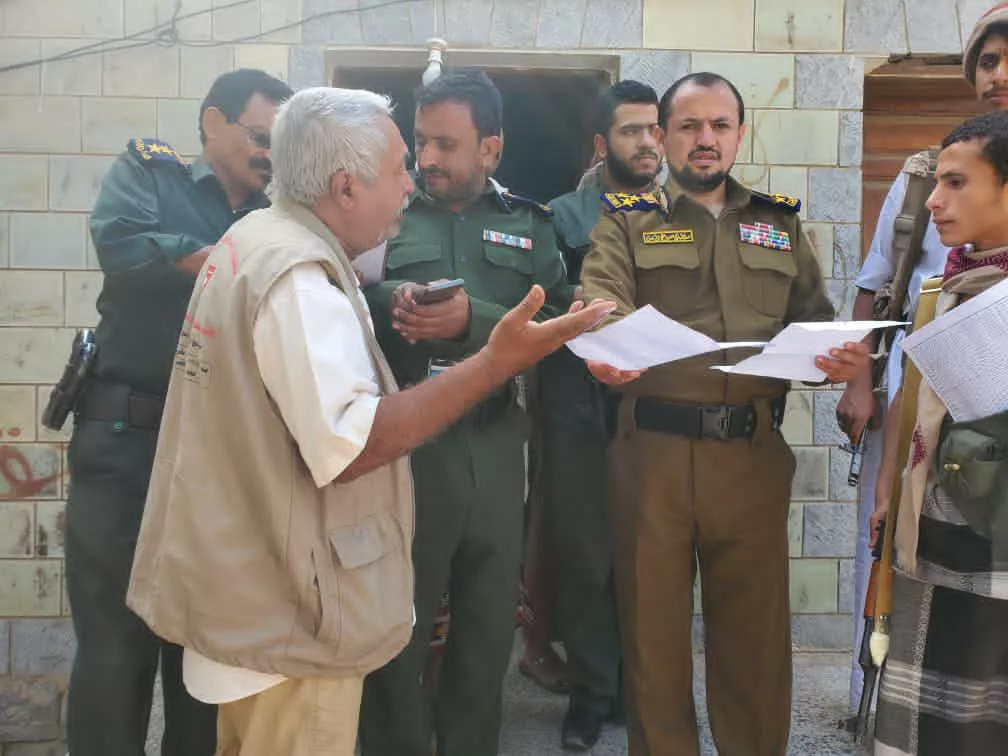
The Director of the Criminal Investigation Department in Sana’a, Sultan Zaben, is the direct overseer of all “Zainabiyyat” formations.

Some detainees accused of moral crimes were released only after cooperating, then used to target tribal leaders, businessmen, party figures, and others with threats and blackmail.

Yemen’s Human Rights Minister, Mohamed Askar, said the Zainabiyyat tracked and persecuted members of the General People’s Congress party and their families via illegal raids and arrests.

Their abuses extended beyond violence and intimidation: during a raid on December 2, 2017, on GPC leaders’ homes, they looted valuables, gold, and jewelry—and similar abuses continued as they coercively collected over $100,000 from women for the war effort.

After October 7, 2023, they pressured women in Sana’a, Ibb, and Hajja to attend pro-Palestine events and donate to support Houthi missile and drone forces.

A Dark Watchtower of Abuses

Since their origin as an intelligence arm, UN and rights groups have repeatedly documented the Zainabiyyat’s abuses—including sexual violence—against female students involved in protests or political activity.

This prompted the UN to form a sister group, the Fatimiyyat, to assume recruitment and indoctrination duties, allowing Zainabiyyat to remain focused on repression and combat.

A UN panel’s report identified Sultan Zabn (“Abu Saqr”), head of criminal investigation in Sana’a, as the direct overseer of these brigades. He was sanctioned in February 2021 for using female units for surveillance, espionage, and torture.

The panel documented arbitrary arrests, looting, sexual assault, beatings, torture, and facilitating rape in Sana’a’s secret detention centers.

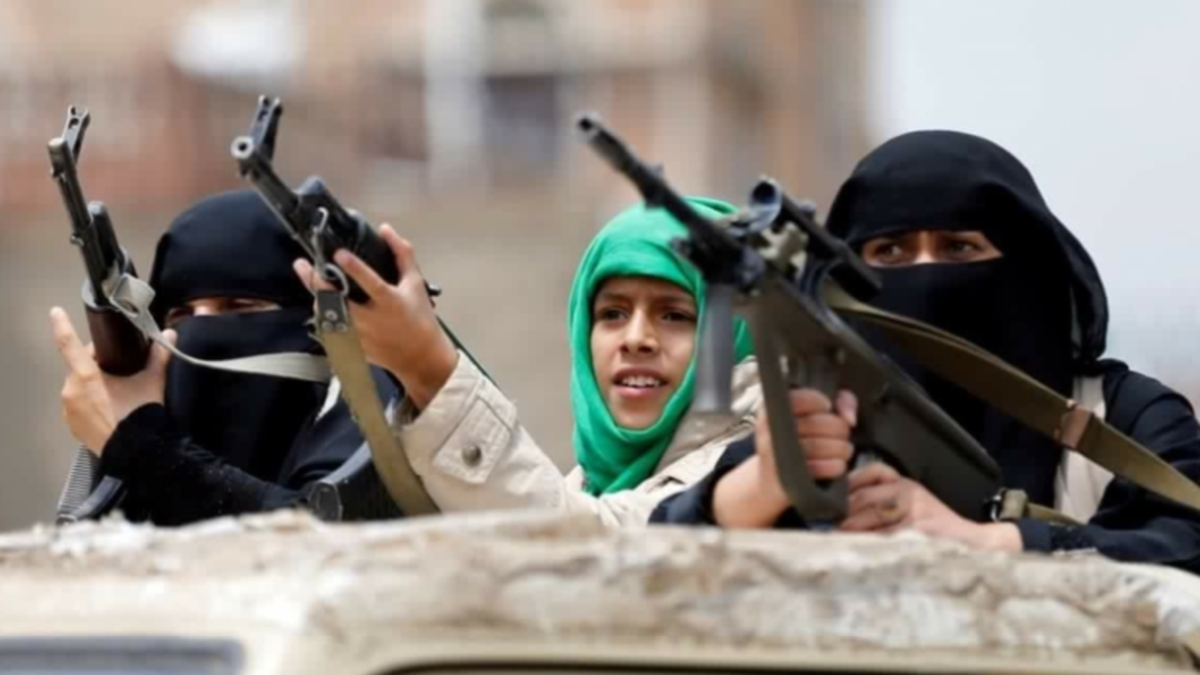
Combat-trained Zainabiyyat—some carrying rocket launchers and rifles, including underage girls—have been recorded in operational roles.

One activist recounted being abducted, tortured, physically assaulted, sexually harassed, and threatened with rape to force a confession of cooperating with the Saudi-led coalition.

A November report by the Yemeni Network for Rights and Freedoms documented 1,444 violations from December 2017 to October 2022—ranging from abduction, arbitrary detention, looting, sexual assault, torture, rape facilitation, attacks on protesters in Houthi areas, and forced recruitment of school and university girls.

The UN continues to hold classified attachments exposing the Zainabiyyat’s war crimes and crimes against humanity, warning that their growing size and capability could eliminate civil freedoms in Houthi-controlled territories.

Download this article as PDF
Share this Article
Facebook Twitter Whatsapp Whatsapp Telegram Email Copy Link
إسراء سيد
By إسراء سيد صحفية وباحثة في مجال الإعلام السياسي
Follow:
Previous Article نون بوست Militias and Iran Fuel Iraq’s Oil Crisis
Next Article نون بوست Israel’s Manufactured Victimhood

Read More

  • U.S. Regime‑Change Policies: Why They Are Destined to Fail U.S. Regime‑Change Policies: Why They Are Destined to Fail
  • The Gulf’s Balancing Act: Iran, Israel, and Hidden Links
  • Iraq–Turkey Oil Export Treaty: Why Did Ankara Cancel It After 52 Years?
  • Syria’s Northeast on Edge: QSD Between Ankara and Damascus
  • Has Europe Changed Its Stance on Israel… or Just Its Language?
part of the design
NoonPost Weekly Newsletter

You May Also Like

U.S. Regime‑Change Policies: Why They Are Destined to Fail

U.S. Regime‑Change Policies: Why They Are Destined to Fail

إسراء سيد Esraa sayed 8 April ,2026
The Gulf’s Balancing Act: Iran, Israel, and Hidden Links

The Gulf’s Balancing Act: Iran, Israel, and Hidden Links

فريق التحرير Noon Post 8 April ,2026
Iraq–Turkey Oil Export Treaty: Why Did Ankara Cancel It After 52 Years?

Iraq–Turkey Oil Export Treaty: Why Did Ankara Cancel It After 52 Years?

فريق التحرير Noon Post 8 April ,2026

الحواسيب الكمية والمخابرات: خنجر في اليد، أم في الظهر؟

فريق التحرير
Noon Post Published 5 March ,2016
Share
image00

في 2014 سرب الموظف السابق في الاستخبارات الأمريكية “إدوارد سنودين” وثائق سرية، كشفت للعالم خطة تجسس لوكالة الأمن القومي، التي خصصت ما يقرب من 80 مليون دولار لبناء حاسوب كمومي، يهدف إلى اختراق أي نوع من التشفيرات على الإنترنت، تلك التي تحمي بيانات البنوك والمستشفيات وأكثر الأهداف سرية لدى الحكومات والمؤسسات والمواطنين في كل أرجاء العالم، وقد أطلقت على مشروعها اسم “اختراق الأهداف الصعبة”.

لا بد أن هذا جعلك تشعر بالقلق على رسائلك الخاصة الموجودة في صندوق واردك الآن، وهذا حقك، فهذا المشروع يشبه مشروع “مانهاتن”، الذي جرى منذ 75 عامًا عندما كانت دول العالم تتسابق للحصول على القنابل الذرية، لكن السلاح الذي يسعى الجميع له هذه المرة هو “الحاسوب الكمي” أو الكمومي Quantum Computer.

تعرية العالم: الحواسيب الكمية خطة تنصت المخابرات القادمة

الكمبيوتر التقليدي الذي تقوم باستخدامه الآن يستخدم الثنائيات أو “البتات”، والتي تخزن في شكل واحد أو صفر، أما حواسيب الكوانتم فإنها تستخدم وحدة تخزينية مختلفة للبيانات تسمى “الكيوبيت”، والذي يعتمد على فكرة غاية في السحرية والغموض تسمى “التراكب الكمي”، الذي يسمح له بالتواجد في عدة حالات في نفس الوقت، مثل أن يكون صفرًا وواحد في نفس الوقت، ولذلك، فإن الحواسيب الكلاسيكية قادرة على ممارسة عملية حسابية واحدة فقط في اللحظة، أما الحواسيب الكمومية فإن خواصها الغريبة وغير المفهومة حتى الآن، تسمح لها بإجراء عدة عمليات متوازية في نفس الوقت.

في كل مرة تدخل على موقع إنترنت يبدأ عنوانه بـ “HTTPS“، فإن البيانات التي تقوم بإرسالها أو استقبالها تكون مشفرة بمفتاح تشفيري عام، وهو الشيء الذي كان اختراعًا ثوريًا في السبعينات، فقبل ذلك، كان التشفير شيئًا حصريًا للجواسيس والحكومات.

 الحاسوب الكمي قادر على اختراق أقوى أساليب التشفير العام الحالية، مثل خوارزمية التشفير RSA، التي يعتمد أمانها على طولها البالغ بسبب عدم وجود خوارزميات حتى الآن قادرة على تحليل عدة عوامل بسرعة عالية، فصحيح أنه في 2009 استطاعت الوسائل الكلاسيكية أن تفك شفرة خوارزمية RSA مكونة من 768 بت، لكنك ستتفاجأ عندما تعرف أن هذا استغرق سنتين متواصلتين ومئات من الحواسيب، أما كسر شفرة تصل بطولها إلى 1024 بت، وهو الرقم التقليدي للمعاملات التجارية على الإنترنت، فإن هذا سيستغرق وقتًا أطول بألف مرة، الحواسيب الكمية قادرة على فك هذه الشفرة أسرع بكثير، اعتمادًا على قدرة أدائها للعمليات بشكل متوازٍ.

الوثيقة المسربة ذكرت بالنص: “إن تطبيق التكنولوجيا الكمية على خوارزميات التشفير يهدد بتأثيرات دراماتيكية على قدرات الحكومة الأمريكية على كلٍ من حماية اتصالاتها، والتنصت على اتصالات الحكومات الأجنبية”.

الاستخبارات الأمريكية في قلق من وصول أحد قبلها لهذه التكنولوجيا، وهو ما أعربت عنه في الوثائق المسربة عندما ذكرت منافسي الولايات المتحدة في الوصول إلى الحواسيب الكمومية مثل الاتحاد الأوروبي وسويسرا، هذا التسريب هو لكمة في وجه الشركة الكندية التي قامت ببيع أنظمة حاسوب كمومية أولية لجوجل وناسا، تسمى “دي ويف”، فمع أن الشركة تقر أنها لا تبيع أجهزة حاسوب كمومية كاملة الوظيفة، وأنها غير قادرة على فك التشفيرات، إلا إنها استطاعت أداء عمليات حسابية بسرعة كمومية في مجموعة متنوعة من المهام الحاسوبية.

هناك تحديان صعبان في بناء الحواسيب الكمومية، الأول هو طبيعتها بالغة الهشاشة لأنها تتكون من ذرات مفردة وفوتونات وإلكترونات، ولذلك، فإنك إذا فشلت في حمايتها من البيئة المحيطة فإنها سوف تكون بلا قيمة، أما الثاني، والأكثر صعوبة على الإطلاق، فهو رفع عدد “الكيوبيتات” التي تكون هذا الحاسوب.

الخبراء يقولون إن العقبة الأعظم أمام كسر التشفير بحاسوب كمومي هو في بناء حاسوب به عدد كافٍ من الكيوبيتات، بسبب هشاشة وضعها المعروفة، لكن الوكالة نجحت بالفعل في الحصول على بعض الكيوبيتات، والتي وصفتها الوثيقة المسربة بأنها “سيطرة كمومية كاملة على اثنتين من كيوبيتات مصنوعة من أشباه الموصلات”، وهي خطوة عظيمة، لكنها ما تزال خطوة صغيرة على الطريق نحو بناء حاسوب كمومي ضخم.

وكالة الأمن القومي تحارب للوصول إلى ذلك، لكن، بحسب وثائق سنودين، فإن الوكالة هي أبعد ما تكون عن تحقيقه، كل الملايين المذكورة تستخدم للتجربة واختبار ما إن كان بالإمكان بناء نظام قائم على “خوارزمية شور” الرياضية الشهيرة للتحليل الكوانتي لعديدات الحدود، وليس هناك أي ذكر عن وجود خوارزمية كوانتية لفك الشفرات.

خنجر في اليد أم في الظهر؟

في أغسطس 2015، أعلنت وكالة الأمن القومي الأمريكية في صفحة غامضة على موقعها الإلكتروني أن خوارزميات التشفير، التي أنفقت عقدًا من الزمان وهي تقول للعالم إنها أفضل تشفير للمعلومات السرية، أصبحت غير آمنة الآن، هذا يعني أن عليها أن تبحث عن تشفيرات جديدة، والسبب هو شيء واحد: الحواسيب الكمومية.

الوكالة قالت إن عليها أن “تتصرف الآن” في ظل التقدم الحاصل في سباق الحواسيب الكمومية، لكن إليك الفكرة، لا أحد حتى الآن يعرف كيف يستطيع بناء تشفير مضاد للحواسيب الكمومية، كل ما استطاعت وكالة الأمن القومي فعله هو إخبار الشركات التي تبني الأنظمة الجديدة أن تستخدم خوارزميات معينة، وأن تبحث وضع معايير جديدة مع المعهد الوطني للمعايير والتكنولوجيا، يعتقد أنها سوف تنجو في عصر “ما بعد الكوانتم”.

الحواسيب الكمومية التي تستخدم “خوارزمية شور”، قادرة على معرفة الأرقام الأولية المكونة للشفرة العامة واسعة الانتشار RSA، كما سبق وذكرنا، كما أنها قادرة على كسر نظام ترميز ديفي – هيلمان، ونظم المنحنيات الإهليلجية، وهو الشيء الذي يجعل معظم مفاتيح ترميز العصر الحديث غير آمنة.

ومع أن الحديث مبكر عن الحواسيب الكمومية العملية القادرة على الاختراق، إلا أن بداية هذا العصر لن تعني موت تكنولوجيا التشفير الحالية بشكل كلي، فهناك أساليب ترميز عامة أقل شهرة بين الجمهور من التي نستخدمها الآن، مثل ماك ليس، والخوارزميات القائمة على التشابكات، ومع أنها أقل فعالية من تلك التي نستخدمها الآن، إلا أنها الآن آمنة – كما يُعتقد – ضد الحواسيب الكمومية.

الصيغة التي يُعتَقد أنها سوف تكون الملجأ الأفضل للتشفير، قائمة على رياضيات “التشابكات”، المكونة من شبكات من نقاط متكررة متعددة الأبعاد، وهذه الشفرة تعتمد في قوتها، على صعوبة إيجاد المعلومات المخبأة في شبكة مكونة من مئات الأبعاد المكانية، إلا إذا كنت تعرف الطريق السري.

إدارة أمن المعلومات التابعة لوكالة الأمن القومي قامت بتطوير قائمتها من المجموعة B من الخوارزميات الإهليلجية، وقد أعلنت بصراحة عن تهديد الحواسيب الكمية قائلة إنها سوف تبدأ الانتقال إلى خوارزميات مقاومة للحواسيب الكمومية في المستقبل غير البعيد، مضيفة أنها تعمل مع شركائها في جميع أنحاء الدولة، بالإضافة إلى هيئات المعايير، كي تتأكد من وجود خطة واضحة للوصول إلى مجموعة جديدة من الخوارزميات مطورة بطريقة منفتحة وشفافة، لتكوّن الأساس للجيل الجديد من خوارزميات التشفير.

“المجموعة B“، هي عائلة من خوارزميات التشفير المعتمدة من قبل وكالة الأمن القومي الأمريكية، وهي جزء من برنامج تحديث التشفير في الوكالة، ومع أن خوارزميات الوكالة تكون في العادة غير قابلة للاستخدام إلا في أجهزة مبنية بشكل خاص، إلا أن المجموعة B، عامة، ويمكن استخدامها في أي شيء، هذا لا يعني أنها من الدرجة الثانية أو أنها سهلة الكسر أو أي شيء من هذا القبيل، لهذا تستخدم لحماية أسرار الولايات المتحدة بالتعاون مع المجموعة A.

نحن نعتقد أن الحواسيب الكمية القادرة على العمل بشكل حقيقي، لن تظهر قبل سنين طويلة، لكن طريقة تصرف وكالة الأمن القومي إزاء أمر الحواسيب الكمية، يجعلنا في حالة تساؤل عميق: هل هي أقرب مما نظن؟

TAGGED: الحواسيب الكمومية ، الكيوبيت ، تقنية التشفير ، خوارزميات التشفير ، وكالة الأمن القومي الأمريكية
TAGGED: أمن المعلومات
Download this article as PDF
Share this Article
Facebook Twitter Whatsapp Whatsapp Telegram Email Copy Link
فريق التحرير
By فريق التحرير تقارير يعدها فريق تحرير نون بوست.
Follow:
Next Article نون بوست The Stigma of “ISIS”: A Heavy Legacy Haunting Women and Children of Former Members

Read More

  • U.S. Regime‑Change Policies: Why They Are Destined to Fail U.S. Regime‑Change Policies: Why They Are Destined to Fail
  • The Gulf’s Balancing Act: Iran, Israel, and Hidden Links
  • Iraq–Turkey Oil Export Treaty: Why Did Ankara Cancel It After 52 Years?
  • Syria’s Northeast on Edge: QSD Between Ankara and Damascus
  • Has Europe Changed Its Stance on Israel… or Just Its Language?
part of the design
NoonPost Weekly Newsletter
dark

An independent media platform founded in 2013, rooted in slow journalism, producing in-depth reports, analysis, and multimedia content to offer deeper perspectives on the news, led by a diverse young team from several Arab countries.

  • Politics
  • Society
  • Rights & Liberties
  • Opinions
  • History
  • Sports
  • Education
  • Technology
  • Economy
  • Media
  • Arts & Literature
  • Entrepreneurship
  • Travel
  • Cinema & Drama
  • Food
  • Health
  • Culture
  • Latest Reports
  • Files
  • Long Reads
  • Interviews
  • Podcast
  • Interactive
  • Encyclopedia
  • In Pictures
  • About Us
  • Our Writers
  • Write for Us
  • Editorial Policy
  • Advanced Search
Some rights reserved under a Creative Commons license

Removed from favorites

Undo
Go to mobile version