NoonPost NoonPost

NoonPost

  • Home
  • Politics
  • Economy
  • Society
  • Culture
  • Files
  • Long Reads
  • Podcast
AR
Notification Show More
نون بوست
“There Are Nights I Can’t Close My Eyes”: How Gazans Are Living in Homes on the Brink of Collapse
نون بوست
From al-Jolani to Ahmad al-Shara: The Evolution of Syria’s New Leader
نون بوست
When Political Islam Receded in Egypt: Who Filled the Void?
نون بوست
An Extension of Genocide: Gaza’s Detainees Speak Out
نون بوست
A Tightrope Between Survival and Sovereignty: The Syrian Government Faces Normalization Pressures
نون بوست
American Aircraft Carriers: Has the Era of “100,000 Tons of Diplomacy” Ended?
نون بوست
U.S. Regime‑Change Policies: Why They Are Destined to Fail
نون بوست
Transformations of Israeli Judaism: Between the Victim Complex and the Colonizer’s Doctrine
نون بوست
The Gulf’s Balancing Act: Iran, Israel, and Hidden Links
نون بوست
Iraq–Turkey Oil Export Treaty: Why Did Ankara Cancel It After 52 Years?
نون بوست
Syria’s Northeast on Edge: QSD Between Ankara and Damascus
نون بوست
Has Europe Changed Its Stance on Israel… or Just Its Language?
NoonPost NoonPost
AR
Notification Show More
نون بوست
“There Are Nights I Can’t Close My Eyes”: How Gazans Are Living in Homes on the Brink of Collapse
نون بوست
From al-Jolani to Ahmad al-Shara: The Evolution of Syria’s New Leader
نون بوست
When Political Islam Receded in Egypt: Who Filled the Void?
نون بوست
An Extension of Genocide: Gaza’s Detainees Speak Out
نون بوست
A Tightrope Between Survival and Sovereignty: The Syrian Government Faces Normalization Pressures
نون بوست
American Aircraft Carriers: Has the Era of “100,000 Tons of Diplomacy” Ended?
نون بوست
U.S. Regime‑Change Policies: Why They Are Destined to Fail
نون بوست
Transformations of Israeli Judaism: Between the Victim Complex and the Colonizer’s Doctrine
نون بوست
The Gulf’s Balancing Act: Iran, Israel, and Hidden Links
نون بوست
Iraq–Turkey Oil Export Treaty: Why Did Ankara Cancel It After 52 Years?
نون بوست
Syria’s Northeast on Edge: QSD Between Ankara and Damascus
نون بوست
Has Europe Changed Its Stance on Israel… or Just Its Language?
Follow US

Escalation with Iran: Is U.S. Direct Intervention Imminent?

عماد عنان
Emad Anan Published 26 March ,2026
Share
نون بوست

The Israeli-Iranian confrontation is escalating daily, moving toward a level of unrestrained intensity. Contrary to recent indications suggesting the conflict was nearing its end, current developments reveal that we are still in its early stages. Any talk of a swift conclusion is premature.

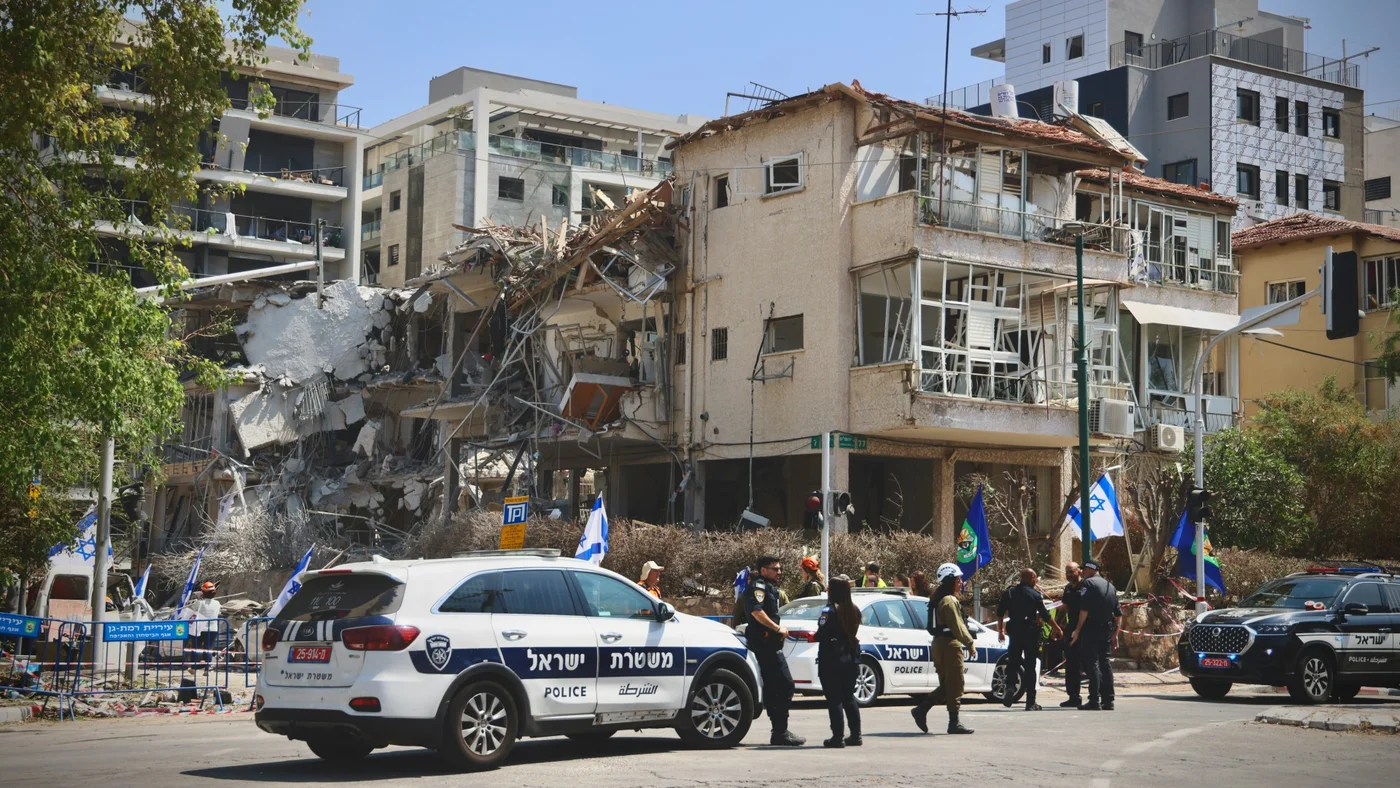
On the morning of June 19, Iran launched between 20 and 30 missiles toward wide areas in Israel. According to Hebrew media, the attack injured 137 Israelis, and video footage showed significant destruction in Beersheba. This latest barrage, the fourteenth since the conflict began, is the largest and most impactful in the past 48 hours.

Iranian state media reported that the intended target was the Israeli army’s intelligence and command headquarters, which houses thousands of soldiers, digital command systems, cyber warfare operations, and surveillance networks.
نون بوست

This escalation comes as former U.S. President Donald Trump adopts an increasingly hostile stance toward Iran, demanding its surrender as a condition for ending the war. He insists on the complete abandonment of Iran’s nuclear program and submission to American terms at the negotiating table.

Supreme Leader Ali Khamenei rejected these demands outright, and Trump implied he could target Khamenei directly, though he postponed such action for the time being.

The recent strike revitalized Iran’s military momentum after a relative lull, sending a clear message to both the U.S. and Israel that Tehran is committed to escalating until its goals are achieved. Meanwhile, Washington is still deliberating over whether to engage directly in the conflict, amid internal divisions. Israel, for its part, has intensified its threats of retaliation.

Channel 12 in Israel reported that since June 13, Iranian missiles have killed 24 people, injured 838, and displaced around 5,000 residents. The question now is whether this latest escalation will compel Trump to make a final decision.

Tehran: A Gradual Shift in Escalation Strategy

Since the beginning of its confrontation with Israel, Iran has adopted a fluctuating strategy that alternates between escalation and de-escalation. The first day saw an intense assault with more than 200 missiles and drones launched in waves overnight. This initial intensity was followed by reduced barrages—50, then 30, then 20 missiles over successive days—leading to the latest round involving about 30 missiles and the potential for more throughout the day.

This variation reflects Iran’s evolving objectives. Initially, the aim was to create chaos and fear among Israelis, forcing them into shelters and prompting Israel to declare a state of emergency and exhaust its military resources. This was achieved through mass use of cruise and ballistic missiles and drones.

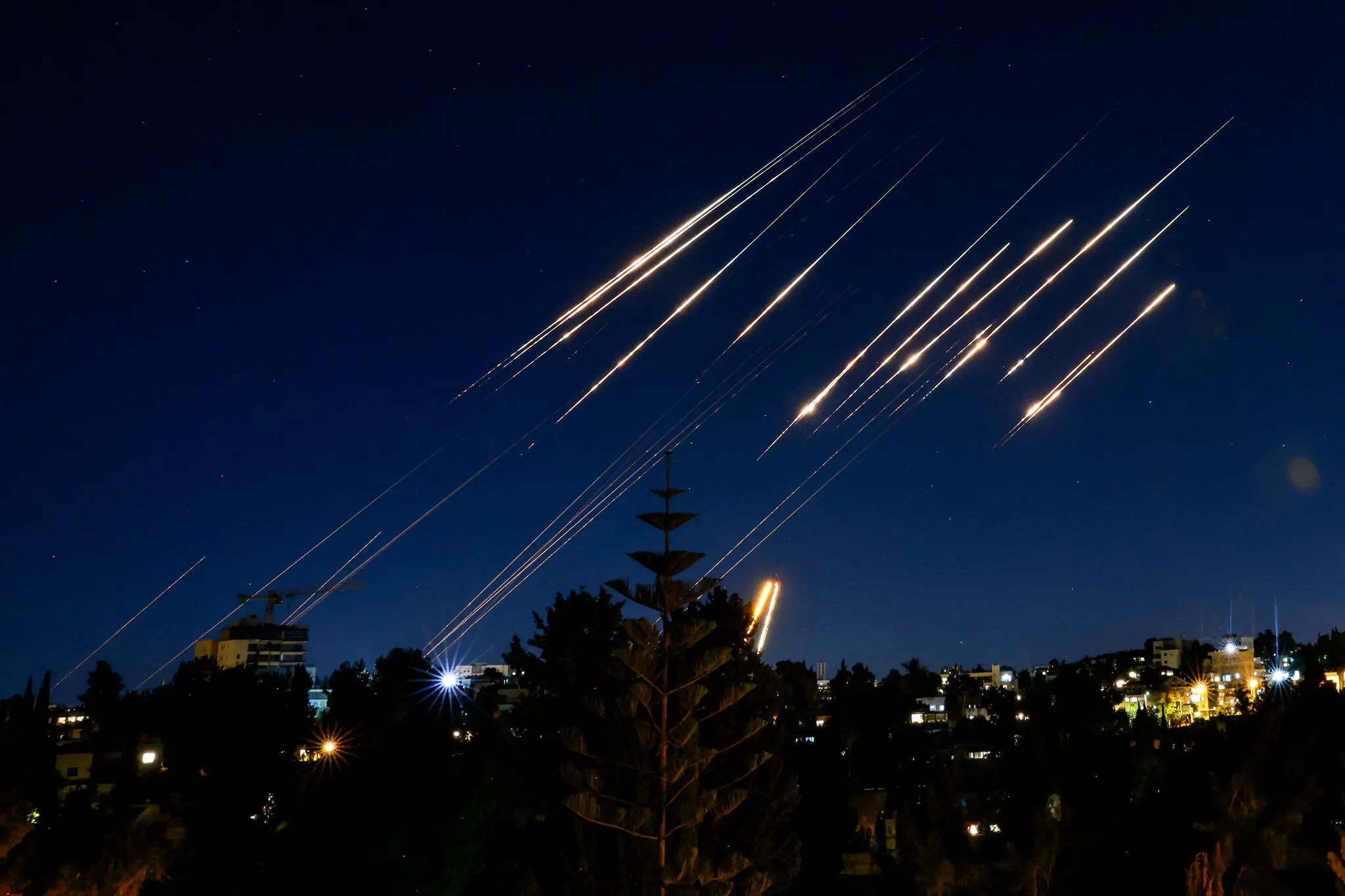
Once that goal was met, Iran shifted to a second phase: targeting strategic military, security, and logistical sites with high-precision, high-tech hypersonic missiles like Khoramshahr, Sejjil, Qassem, Emad, Fattah, and Zelzal. These missiles, which can reach speeds of Mach 11–16 and carry warheads over 1,000 kg, are capable of penetrating fortified defenses and causing significant damage to concrete-reinforced targets.
نون بوست
Missiles fired from Iran in the sky over Jerusalem, on Saturday.Credit…Menahem Kahana/Agence France-Presse — Getty Images

Through this strategy, Tehran seeks to undermine U.S. and Israeli assessments suggesting a decline in Iran’s daily missile capability. Iran emphasizes that effectiveness—not sheer numbers—is what matters.

The Islamic Revolutionary Guard Corps (IRGC) warned that no place in Israel is safe and that Israeli air defense systems have become ineffective. It added that the Israeli economy cannot withstand the next phase of attacks.

Analysts suggest that Iran may be using new, unidentified missile technologies capable of blinding radar systems, noting that selected targets—such as a military hospital in Beersheba and the Israeli stock exchange—were deliberately chosen to demonstrate that strategic and economic sites are now within range.

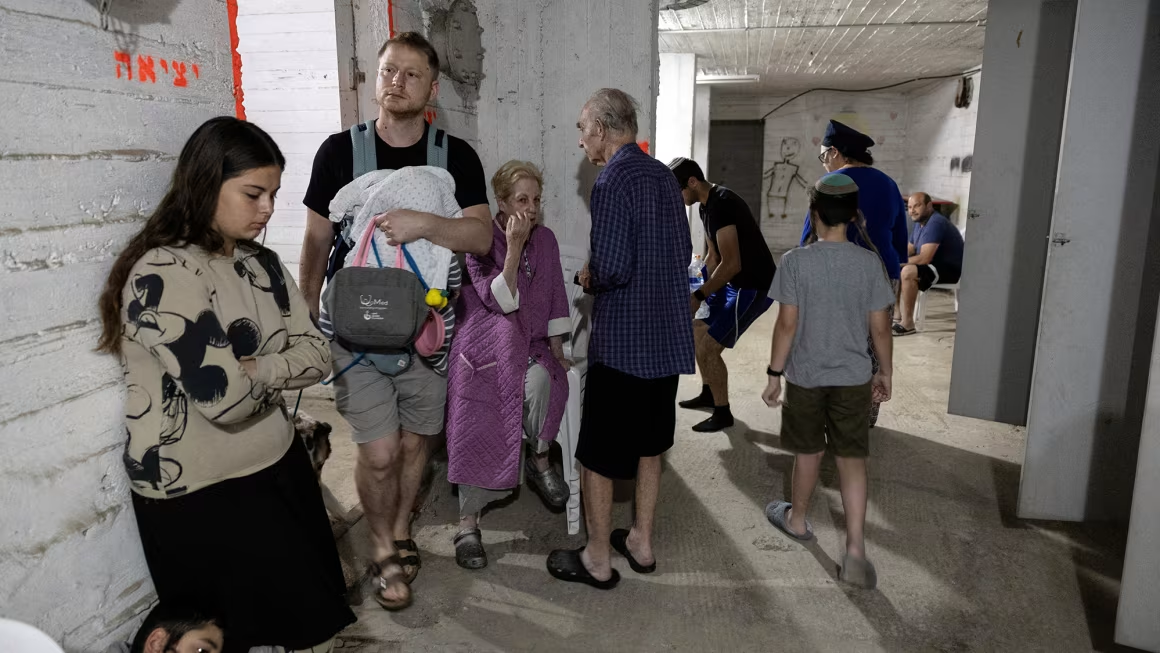
Beyond immediate destruction, such strikes could destabilize Israeli society and increase pressure on Prime Minister Benjamin Netanyahu to justify his preparations for war with a powerful adversary like Iran. Iran now dominates Israel’s airspace, forcing millions into shelters for days.

Toward U.S. Intervention?

Iran’s latest strikes and the resulting Israeli losses may push Trump toward formally joining the war, potentially through joint operations with Israeli air forces targeting Iranian nuclear facilities. Several factors could influence this decision:

  • Israel’s portrayal of itself as a victim has intensified, especially following the Soroka hospital strike. Media coverage of the damage has contrasted with previous Israeli censorship during the conflict, increasing pressure on pro-Israel lobbies in Washington.

  • The symbolic weight of Israel as a Western ally, and fears of its weakening defense capabilities amid soaring costs—estimated at $28 billion—are also driving concern.

  • Trump’s fear of domestic backlash if Iran emerges emboldened, potentially affecting his support from the pro-Israel lobby and Republican party backers.

  • Constitutional checks: some lawmakers are working to limit Trump’s ability to declare war without Congressional approval, especially as Iran has not attacked U.S. assets directly.

Since the conflict began, Trump has faced competing pressures from within his own party: hardliners pushing for full-scale intervention, and pragmatists like Tucker Carlson and Steve Bannon arguing that this is not America’s war.
نون بوست
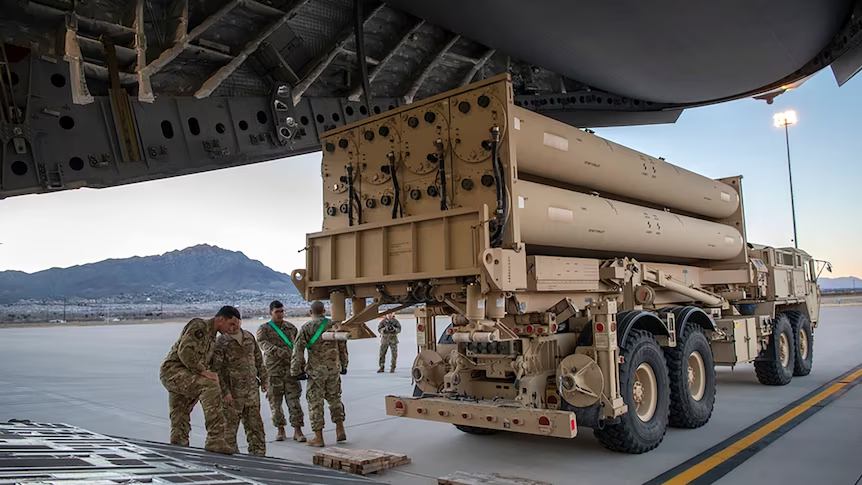
The US says it is sending Israel a THAAD battery to bolster the country’s air defences. (AP: US Air Force/Cory Payne)

Meanwhile, regional powers are warning of dangerous consequences. Russia has warned that U.S. involvement would escalate tensions uncontrollably, while China has called for diplomatic solutions. Intelligence reports suggest that Iran has positioned its proxies in Iraq, Yemen, and Lebanon for retaliation if the U.S. joins the fight. The IRGC may also target U.S. bases and mine the Strait of Hormuz to trap American warships.

Reflecting Washington’s uncertainty, the U.S. military has redeployed aircraft and naval assets to safer locations. According to Reuters, American forces were moved from Bahrain and Qatar to mitigate potential Iranian strikes.

The U.S. has roughly 18 permanent military installations in the region, with an estimated 30,000 troops—possibly rising to 50,000 since the Red Sea crisis in October 2024.

Prospects for Negotiation

Despite signs pointing to a protracted conflict, some believe that this level of escalation may eventually push all sides—willingly or not—toward negotiations.

The New York Times cited a senior Iranian official suggesting that Tehran could accept Trump’s offer for direct talks. Iranian Foreign Minister Abbas Araghchi is reportedly open to ceasefire discussions with Israel, though Supreme Leader Khamenei remains opposed.

Trump has claimed that Iran has expressed interest in talks, stating that “an agreement is still possible,” though he has not made a final decision on next steps.

For now, both sides continue trading blows and escalating tensions, as the U.S. navigates internal and international pressures. The conflict teeters between a potential diplomatic breakthrough and a wider regional war. Each strike raises the stakes in a game of brinkmanship, with the world watching who will blink first.

Download this article as PDF
Share this Article
Facebook Twitter Whatsapp Whatsapp Telegram Email Copy Link
عماد عنان
By عماد عنان كاتب صحفي وباحث في الإعلام الدولي
Follow:
Previous Article نون بوست Israel’s Manufactured Victimhood
Next Article نون بوست No Shelter for Palestinians in Israel’s Wars

Read More

  • U.S. Regime‑Change Policies: Why They Are Destined to Fail U.S. Regime‑Change Policies: Why They Are Destined to Fail
  • The Gulf’s Balancing Act: Iran, Israel, and Hidden Links
  • Iraq–Turkey Oil Export Treaty: Why Did Ankara Cancel It After 52 Years?
  • Syria’s Northeast on Edge: QSD Between Ankara and Damascus
  • Has Europe Changed Its Stance on Israel… or Just Its Language?
part of the design
NoonPost Weekly Newsletter

You May Also Like

U.S. Regime‑Change Policies: Why They Are Destined to Fail

U.S. Regime‑Change Policies: Why They Are Destined to Fail

إسراء سيد Esraa sayed 8 April ,2026
The Gulf’s Balancing Act: Iran, Israel, and Hidden Links

The Gulf’s Balancing Act: Iran, Israel, and Hidden Links

فريق التحرير Noon Post 8 April ,2026
Iraq–Turkey Oil Export Treaty: Why Did Ankara Cancel It After 52 Years?

Iraq–Turkey Oil Export Treaty: Why Did Ankara Cancel It After 52 Years?

فريق التحرير Noon Post 8 April ,2026

بالصور: فلسطين ما قبل 1948

فريق التحرير
Noon Post Published 6 March ,2016
Share
apol2

هذه المرة نتناول فلسطين من وجهة نظر أخرى، ليست من وجهة نظر الاحتلال، ولا من وجهة نظر اللاجئين الفلسطينين حول العالم، ولا من حصار غزة، ولا من صراع المستوطنين مع أصحاب الأرض، بل من صور طمسها التاريخ ولكن لم يمحها أو ينساها، صور فلسطين ما قبل الـ1948، الأرض التي حملت أكبر مزيج مختلط من الأديان والأجناس قبل الاحتلال الإسرائيلي، بداية من حقبة المسيح مرورًا بالرومان، الفرس، العرب، الأتراك، الصليبين، والتتار، ومن ثم الغربيين من الفرنسيين والبريطانيين، الصور الآتية توضح شوارع القدس والناصرة وبيت لحم وهي مليئة بالجيوش البريطانية تسيطر على كل مكان كما فعل الرومان قبلهم بقرون طويلة.

نون بوست

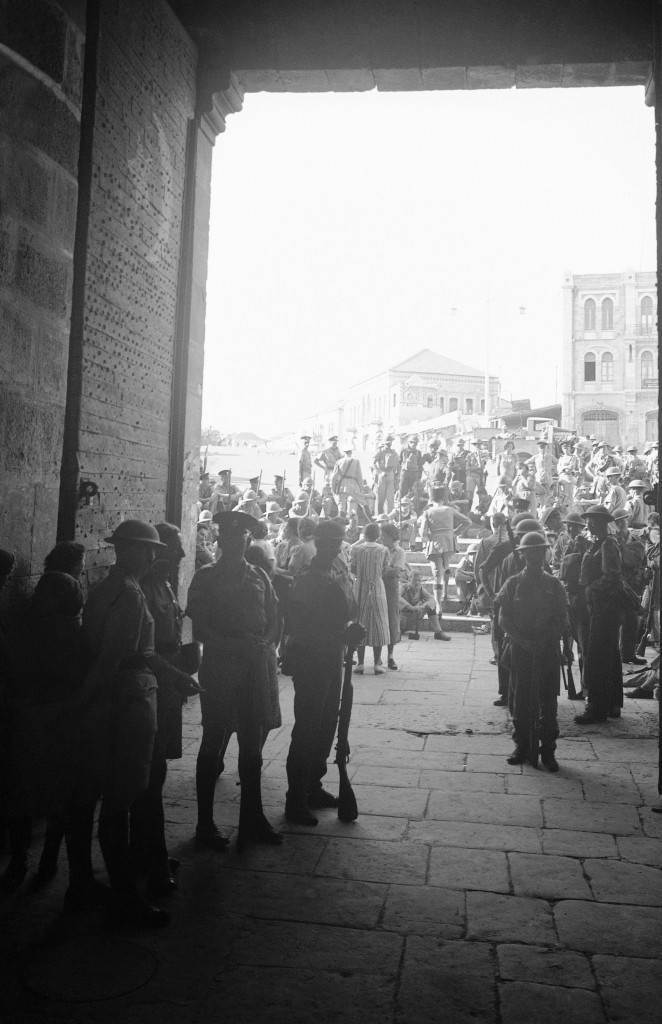
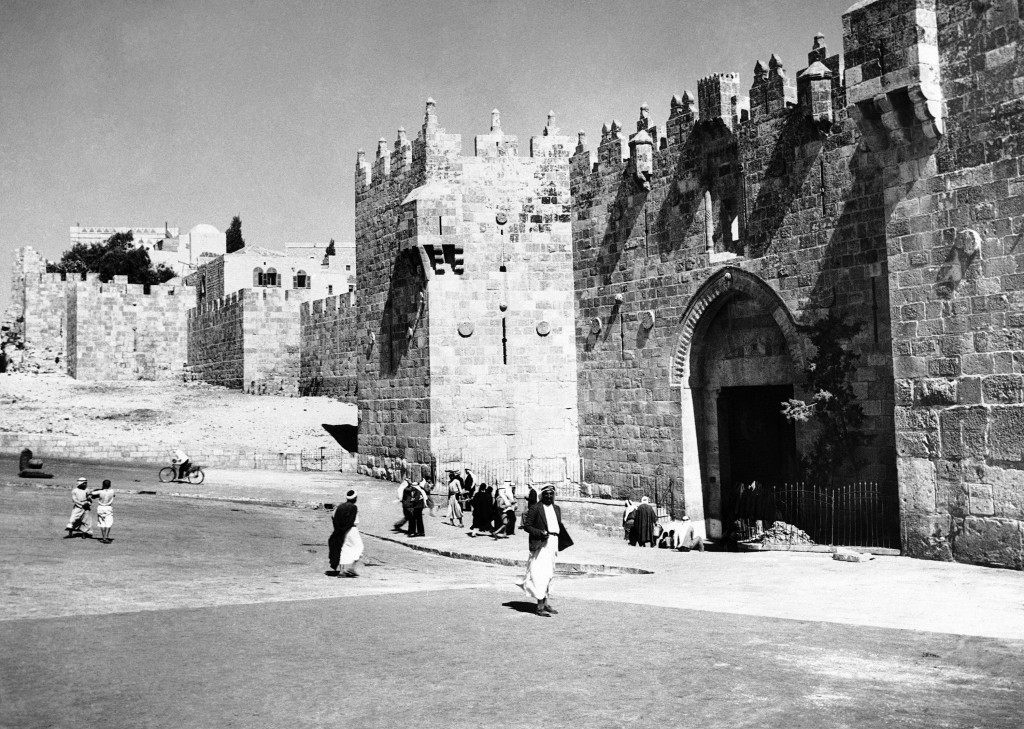
نوفمبر 1938، جنود الانتداب البريطاني بعد استيلائهم على مدينة القدس، عند مدخل “بوابة دمشق”/ آسوشيتد برس

في 29 نوفمبر 1947، قرر المجلس الأعلى للأمم المتحدة خطة تقسيم الانتداب البريطاني لأرض فلسطين، حيث انتهى الانتداب البريطاني رسميًا في 14 مايو 1948، وأعلن ديفيد بن غورين رئيس المؤسسة الصهيونية ولادة وطن لليهود مُعترف به عالميًا بدولة إسرائيل.

نون بوست


نون بوست

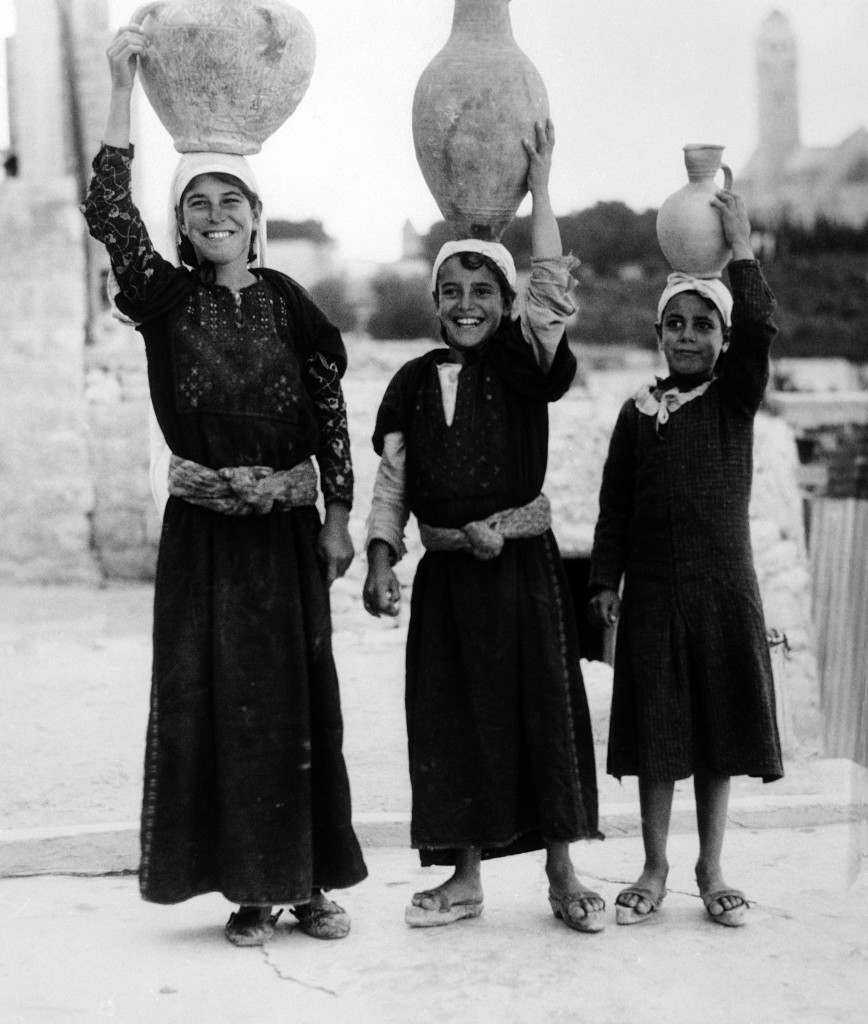
سبتمبر 1938، الصورة لفتيات يحملن جرات من الطين بعد ملأها بماء النبع، وهم يرتدون ملابس تقليدية يُقال بأنها تشبه تلك التي كانت ترتديها النساء أيام المسيح عليه السلام، أُخذت الصورة على جبل الزيتون في القدس/ آسوشيتد برس

نون بوست

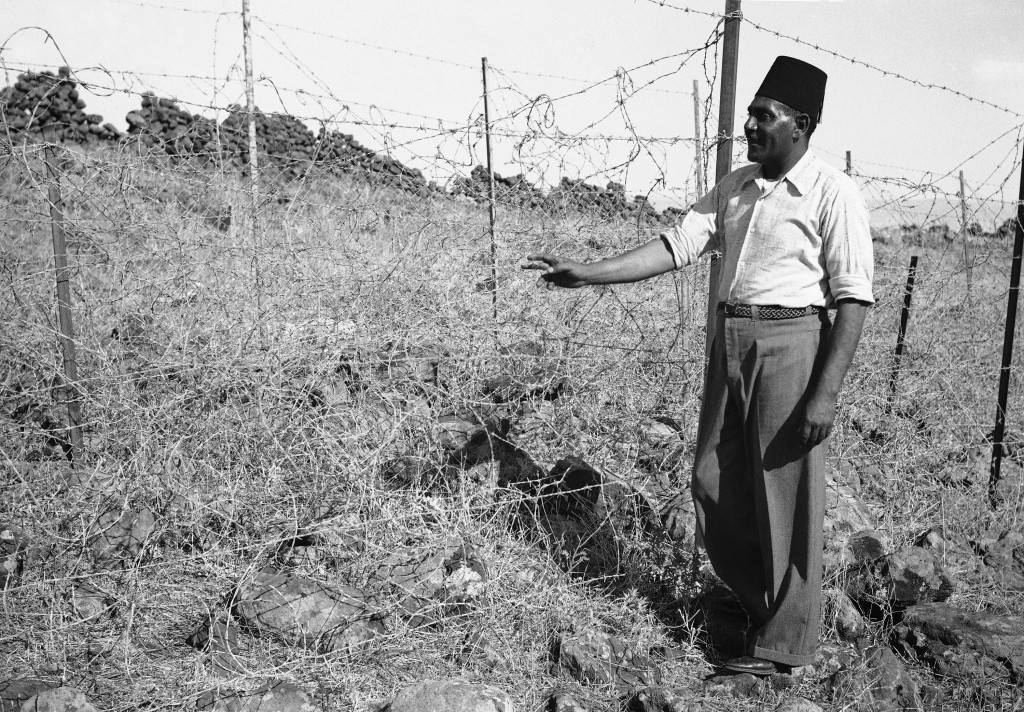
رجل يقف بجوار السلك الشائك الذي أسسه الانتداب البريطاني على الحدود اللبنانية السورية مع فلسطين والذي بلغت تكلفته 500.000 دولار/ آسوشيتد برس

نون بوست

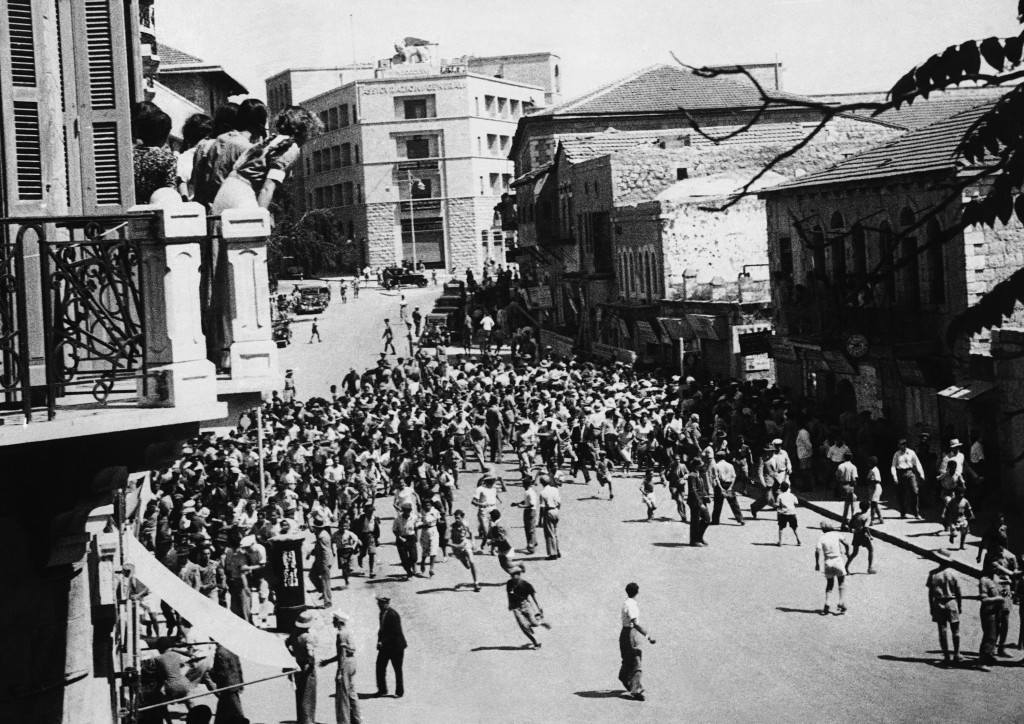
مايو 1939، الشرطة تستخدم الهراوات لتفريق مظاهرة لليهود في القدس خرجوا اعتراضًا على قرارات الانتداب البريطاني لمنح فلسطين بعض الحقوق في الأرض/ آسوشيتد برس

نون بوست

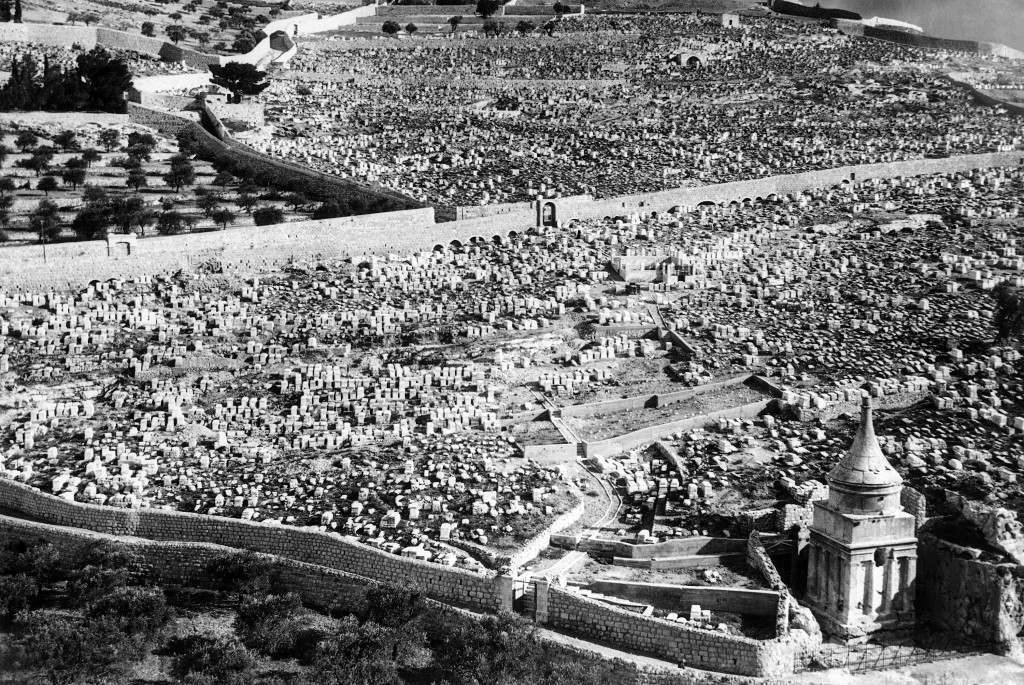
واحدة من أكبر مقابر اليهود على منحدرات جبل الزيتون، معظمهم هم قتلى العصابات الصهيونية في 1948/ آسوشيتد برس

نون بوست

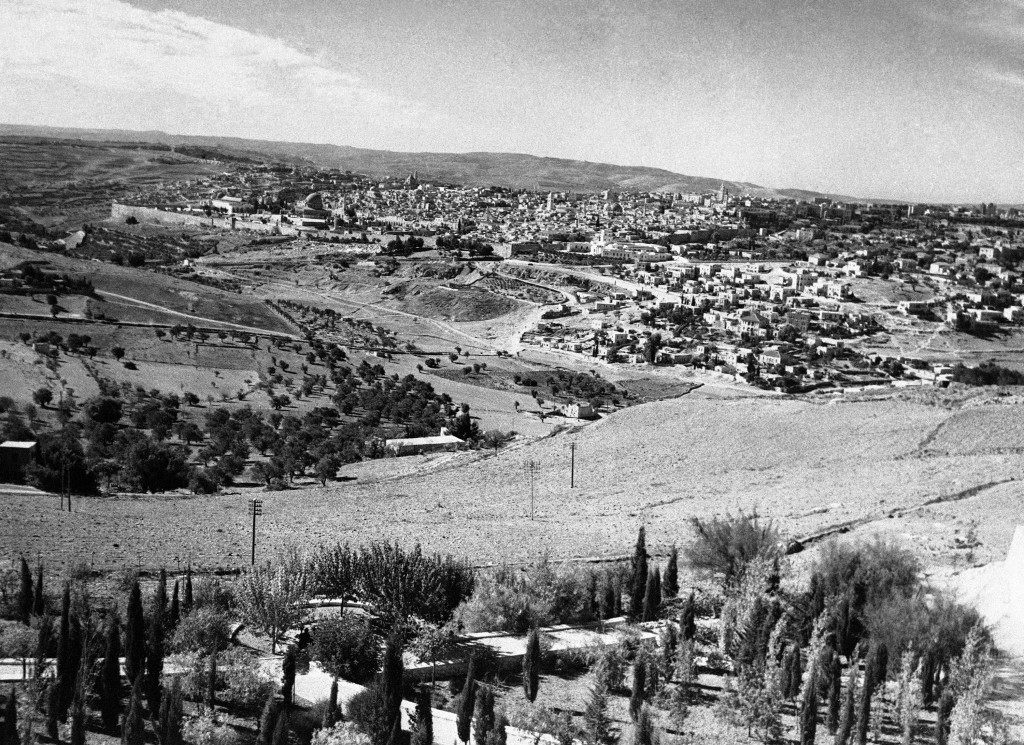
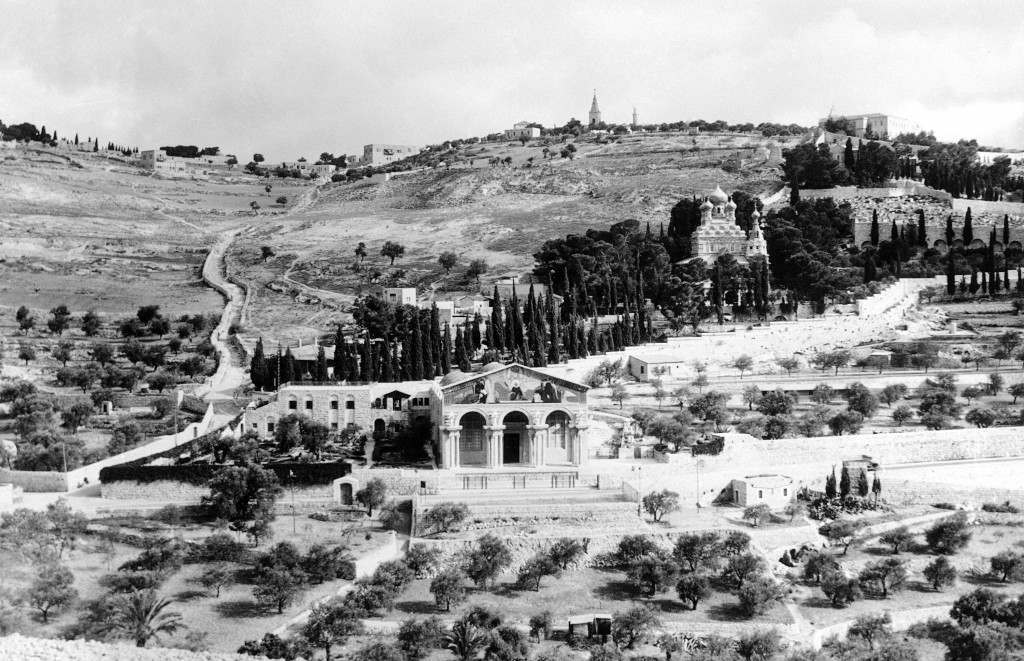
يوليو 1939، جبل الزيتون في القدس، وهو الجبل المقدس في الإنجيل/ آسوشيتد برس

نون بوست

يونيو 1939، تعرضت القدس للعديد من المناوشات العنيفة بين العرب واليهود، بوابة دمشق التي شهدت أحداثًا أثرت في التاريخ الفلسطيني والتاريخ اليهودي/ آسوشيتد برس

نون بوست

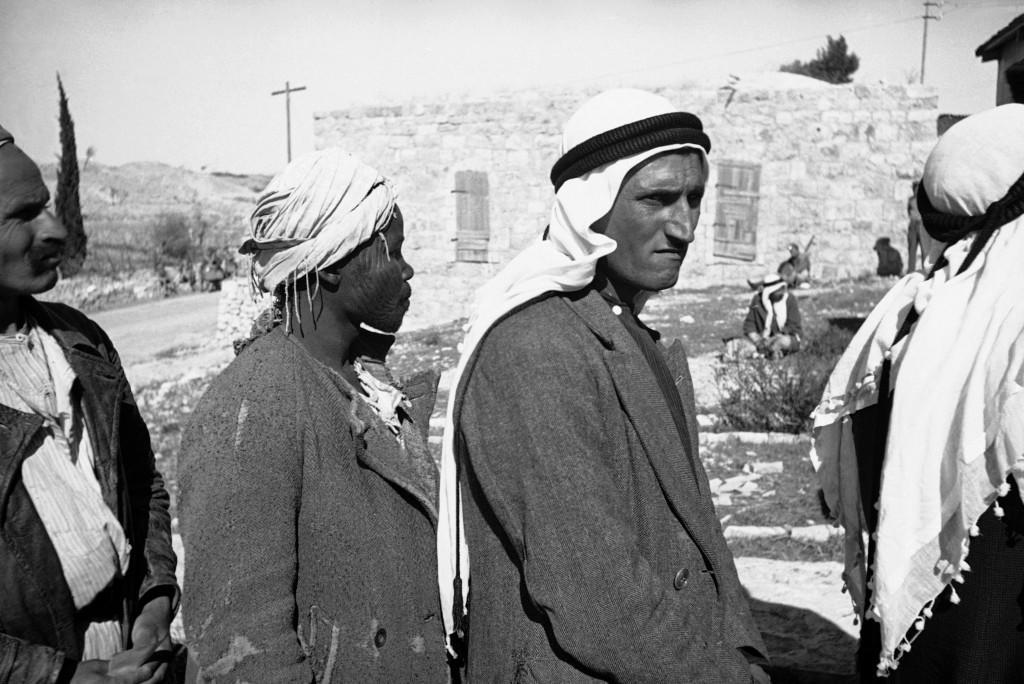
يونيو 1939، القبض على فلسطينين مشتبه بهم على أنهم ثوار من المتمردين من قِبل قوات الانتداب البريطاني/ آسوشيتد برس

نون بوست

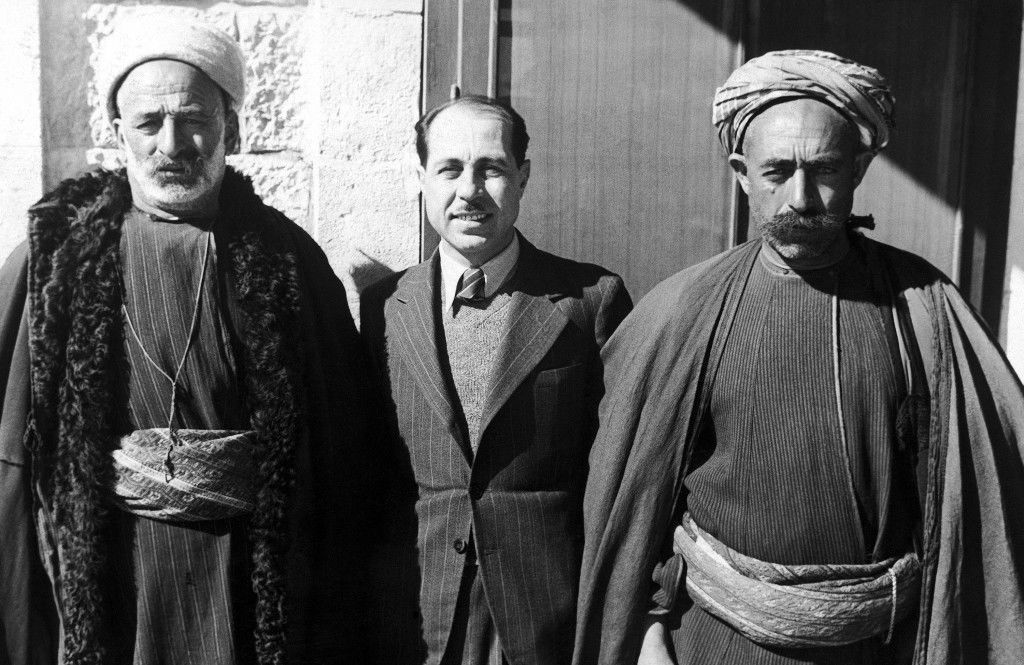
نوفمبر 1939، فخري النشاشيبي، عضو في لجنة الدفاع العربي، النشاشيبي هي واحدة من العائلات المعروفة في فلسطين، الصورة مأخوذة في الحي العبري في القدس/ آسوشيتد برس

نون بوست

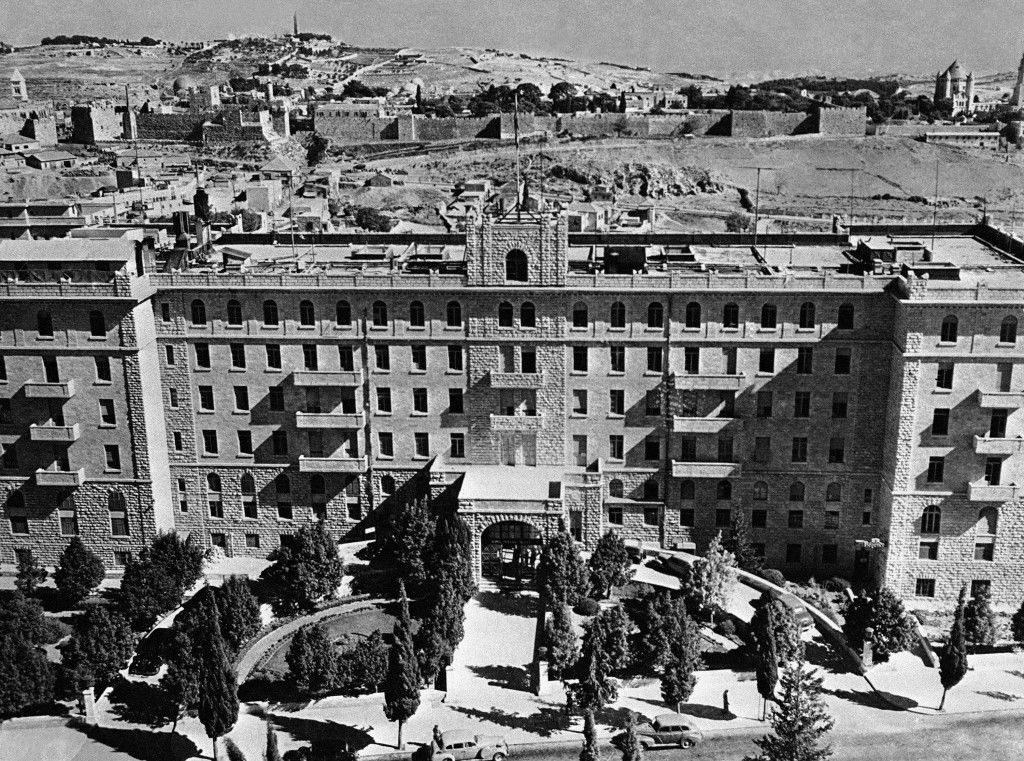
نوفمبر 1945، فندق الملك ديفيد، حيث مكث العديد من جنرالات الجيش، وفي الخلفية يوجد حائط المبكي في القدس وجبل الزيتون/ آسوشيتد برس

نون بوست

نوفمبر 1945، الشباب العرب المتطوعين في ثكنات الجيش البريطاني في القدس، حيث كان يتم تدريبهم على كيفية التعامل مع الإرهابيين، كما كان يتم تدريبهم على استخدام الأسلحة في الأغراض الاحتفالية/ آسوشيتد برس

نون بوست

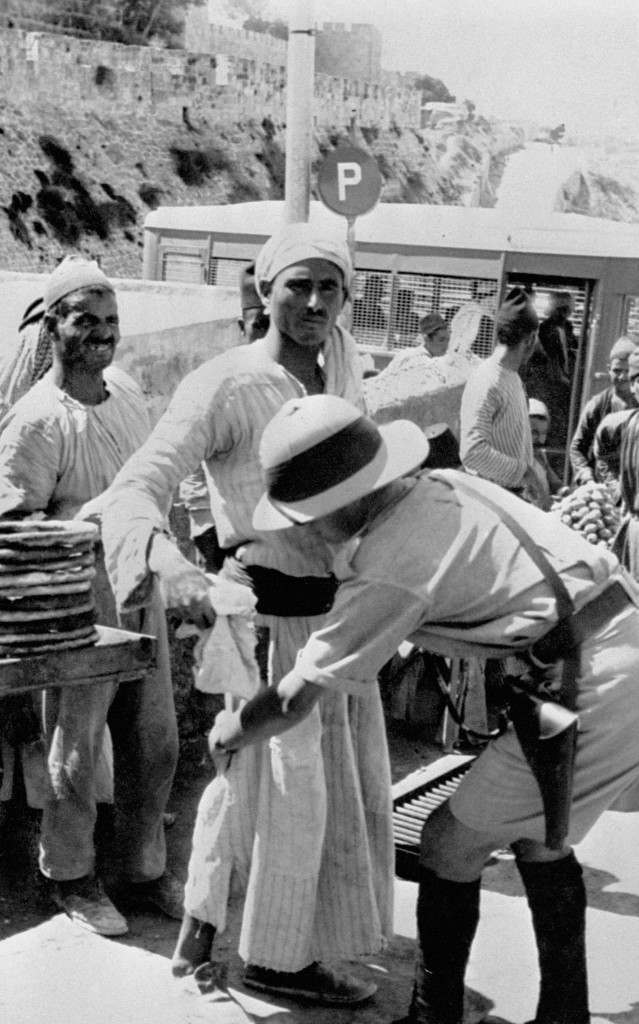
قوات “الحارس الأسود”، وهي فرقة من الجيش البريطاني الملكي، تقوم بتفتيش مواطنين فلسطينين في القدس أثناء فترة الانتداب البريطاني في فلسطين/ آسوشيتد برس

نون بوست

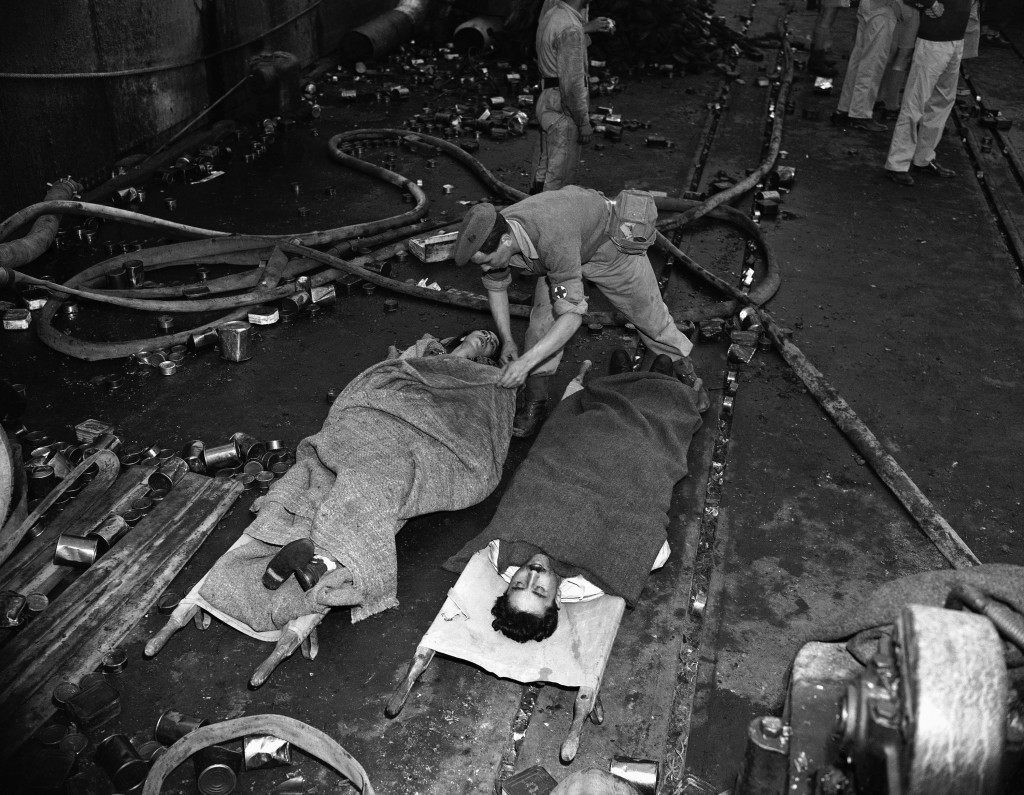
ديسمبر 1946، لاجئون يهود مرضى، بعد إخراجهم من سفينة اللاجئين التابعة للكنيست الإسرائيلي بالقرب من ميناء حيفا، فلسطين/ آسوشيتد برس

نون بوست

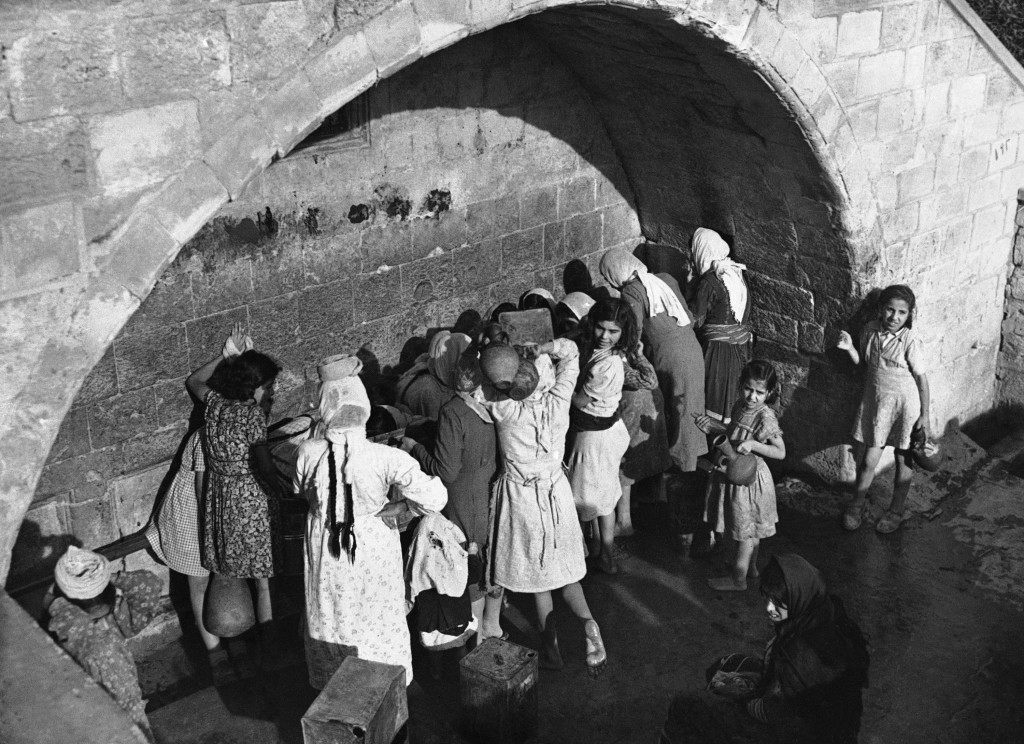
ديسمبر 1947، نساء فلسطينيات يملأن جراتهم بالماء من نبع في الناصرة، فلسطين/ آسوشيتد برس

نون بوست

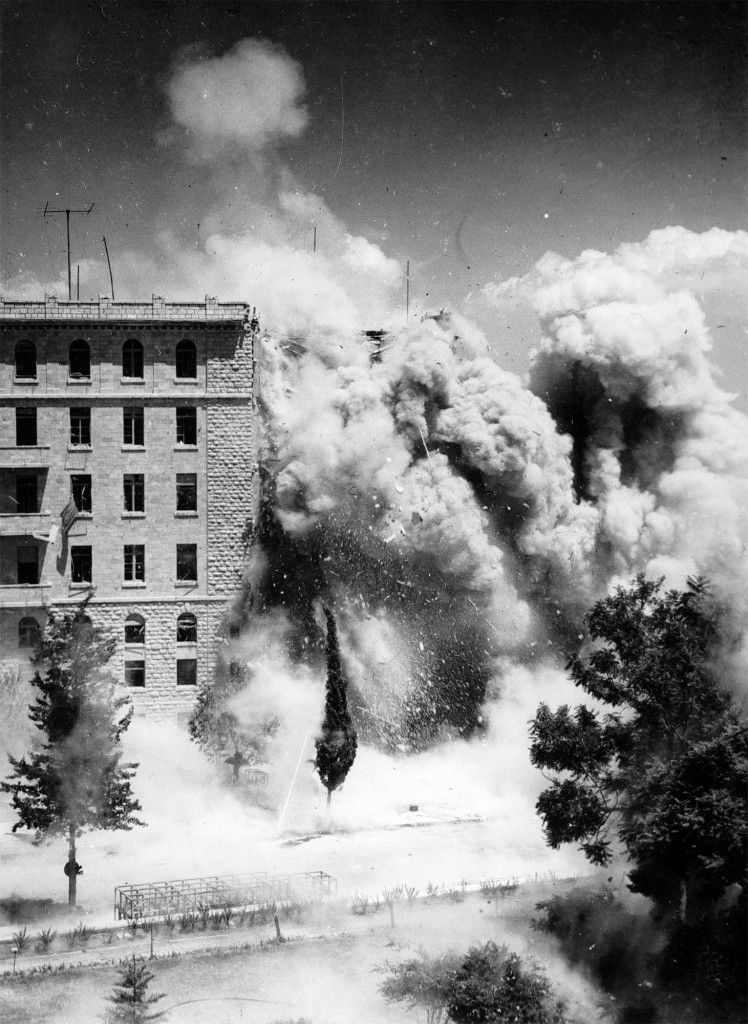
تفجير الجزء الرئيسي من فندق ديفيد، أثناء عمليات الإخلاء في 1946، في القدس، فلسطين/ آسوشيتد برس

نون بوست

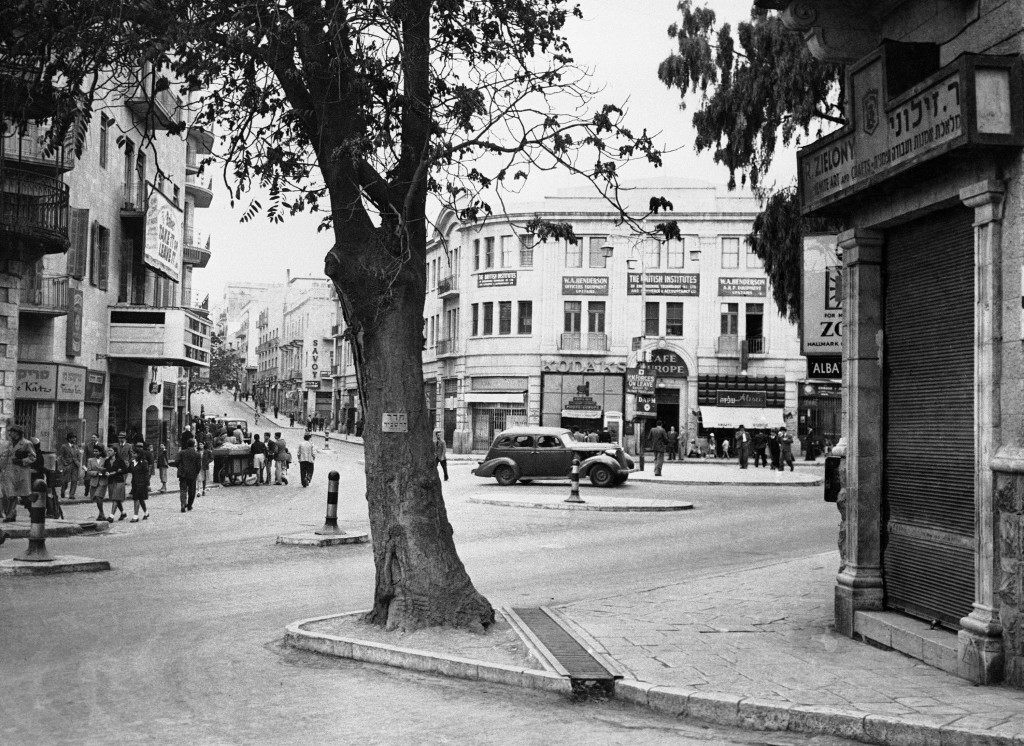
نوفمبر 1945،الشارع الرئيسي في القدس، في منطقة ميدان زيون/ آسوشيتد برس

نون بوست

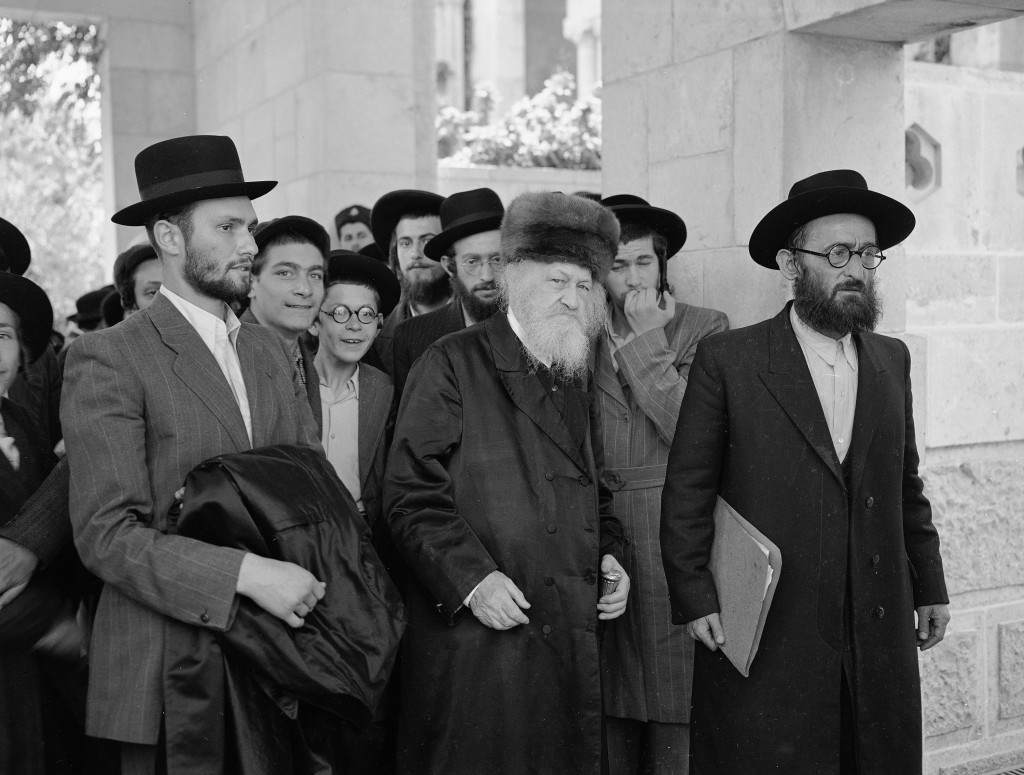
اليهود الأرثوذكس أثناء إحدى جلسات المجلس الأعلى للأمم المتحدة في القدس في يوليو 1947/ آسوشيتد برس

نون بوست

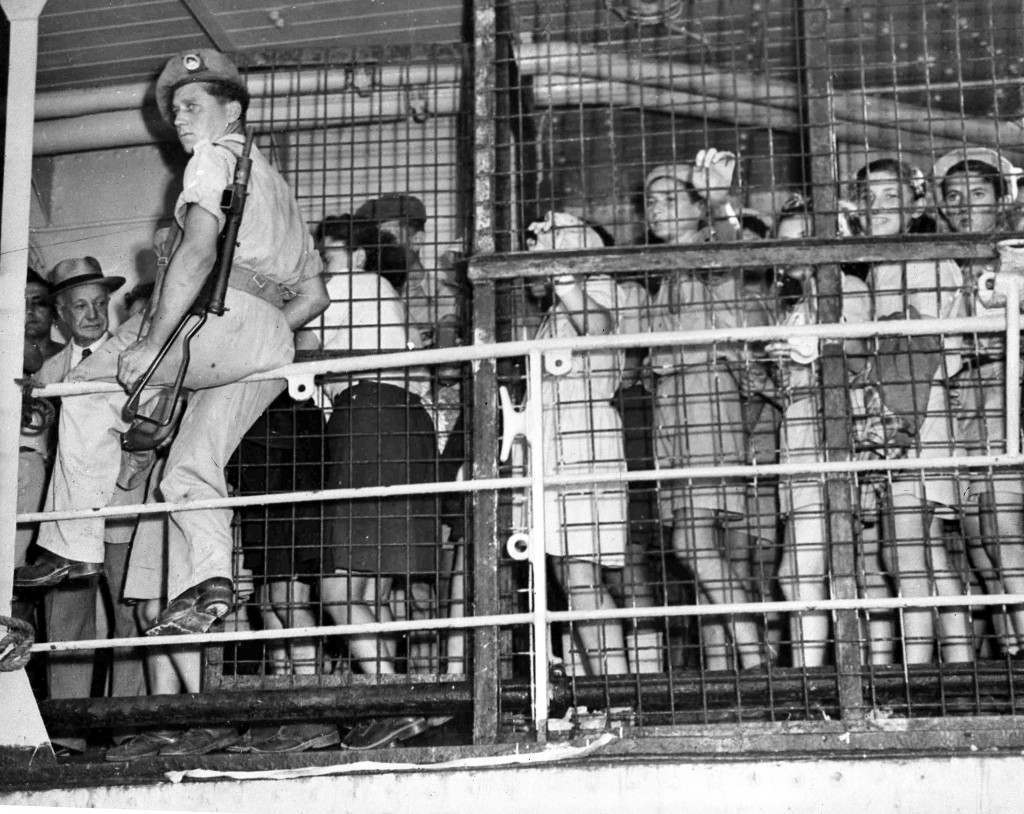
ضابط مسلح من الجيش البريطاني بجوار قفص بداخله أطفال يهود يتامى، فقد معظمهم والديه في الحرب العالمية الثانية، يستعدون لترحيلهم إلى حيفا بعد أن تم ترحيلهم من قبرص ليعيشوا هناك في فلسطين في أغسطس 1947/ آسوشيتد برس

نون بوست

سكان تل أبيب يقومون بإحاطة سيارات أعضاء اللجنة الخاصة بفلسطين من الأمم المتحدة في يونيو، 1947/ آسوشيتد برس

نون بوست

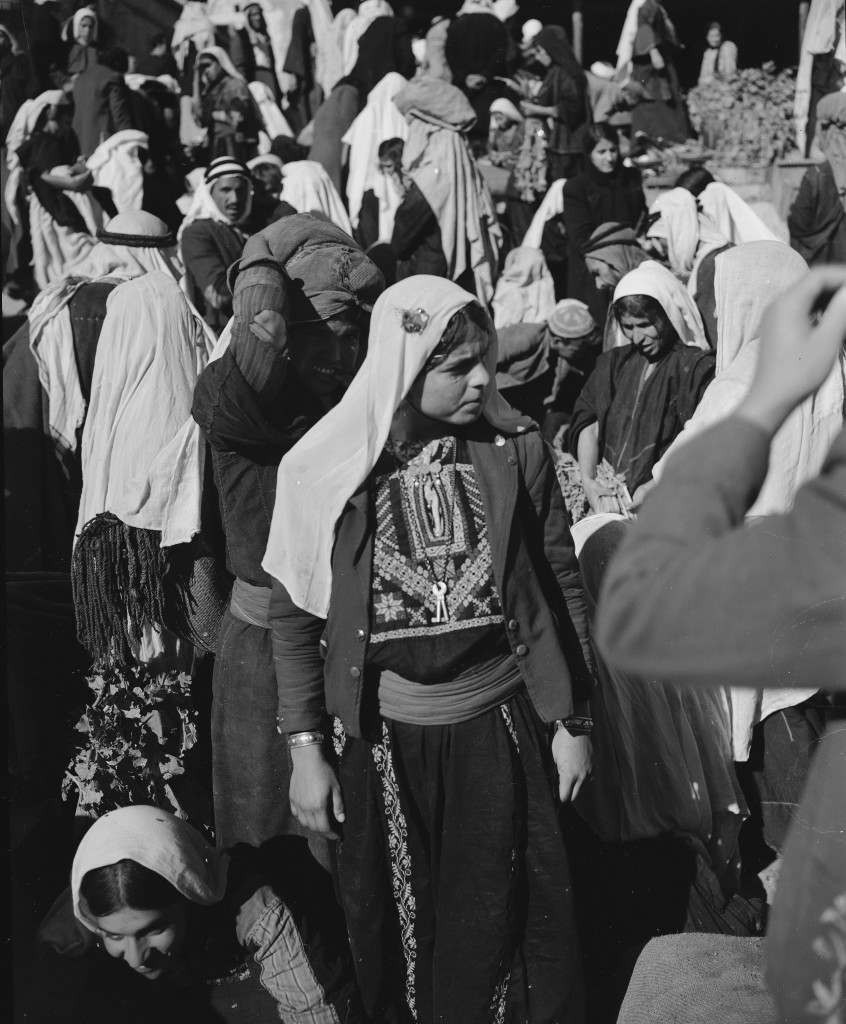
فتيات عربيات يرتدين الزي الفلسطيني التقليدي وهن يقمن بالتسوق في بيت لحم، فلسطين/ آسوشيتد برس

نون بوست

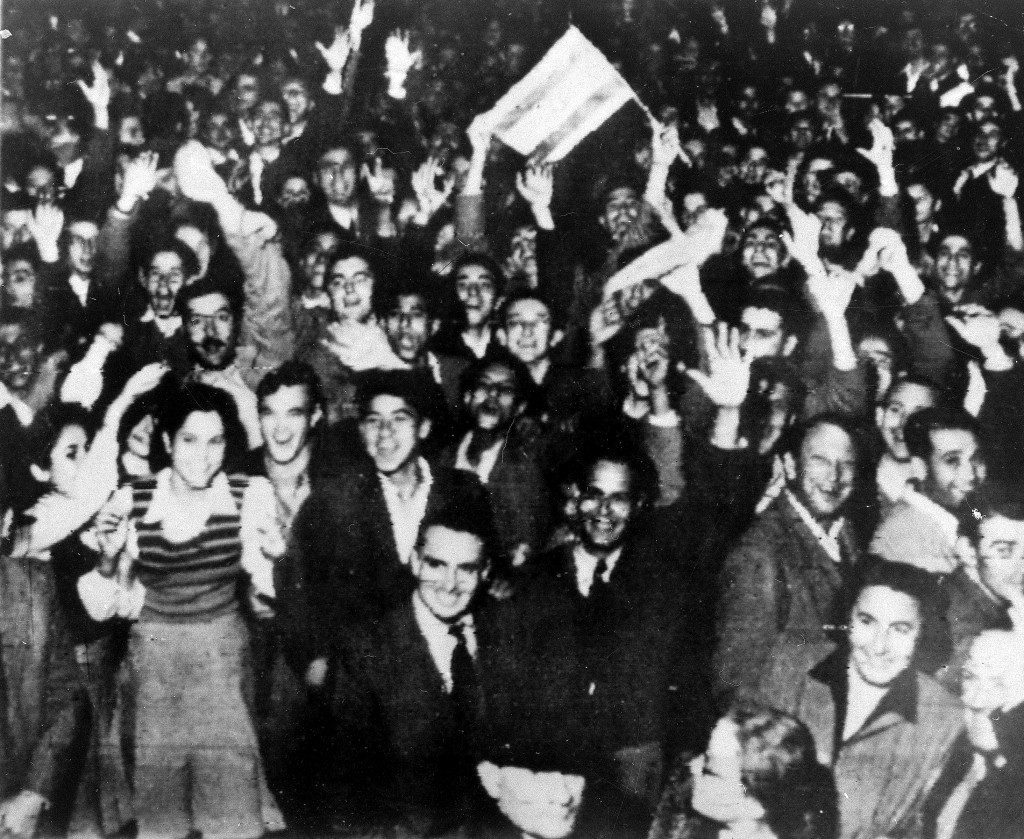
نوفمبر 1947، احتفالات في شوارع تل أبيب بعد إعلان الامم المتحدة قرار انقسام فلسطين إلى دولتين، تل أبيب، إسرائيل

نون بوست

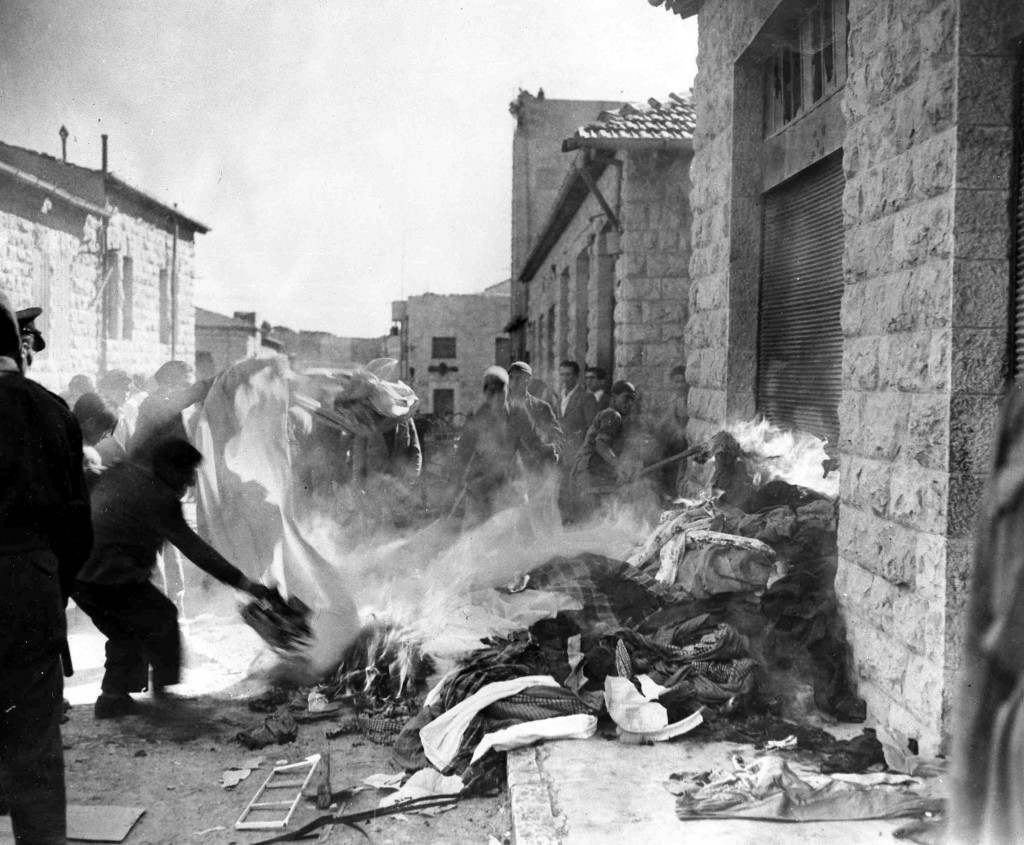
الفلسطينيون يحرقون ممتلكات اليهود في إضراب دام 3 أيام اعتراضًا على قرار الأمم المتحدة على تقسيم الدولة إلى دولتين، ديسمبر 1947/ آسوشيتد برس

نون بوست

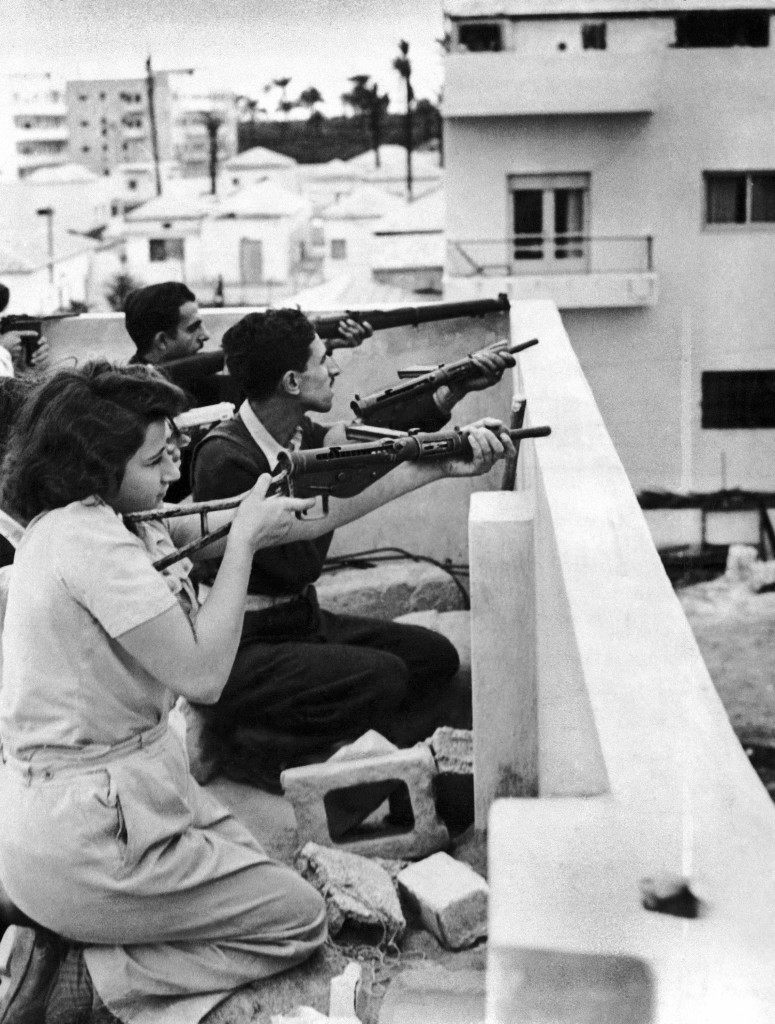
القوات المسماة بالتنظيم العسكري لحماية أرض إسرائيل، تعتلي أسطح المنازل في تل أبيب استعدادًا لاطلاق النار على أي هجوم عربي، ديسمبر 1947، تل أبيب، إسرائيل/ آسوشيتد برس

نون بوست

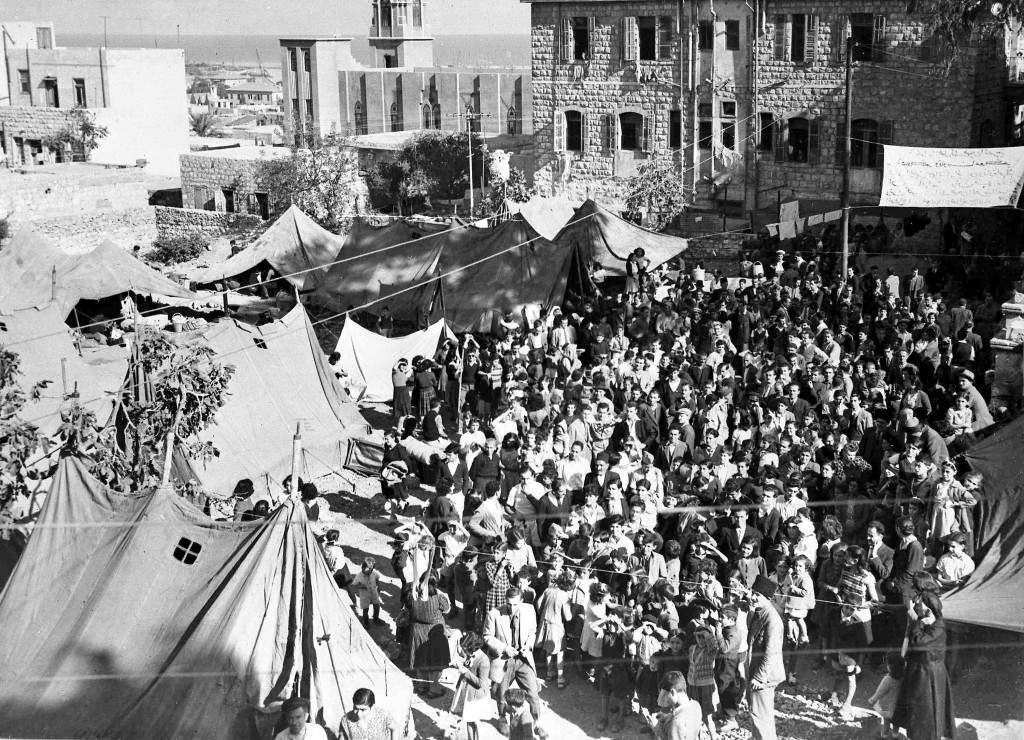
الفلسطينون الأرمنيون يفترشون أرض الكنيسة الأرمنية في القدس، ينتظرون ترحيلهم إلى أرمينيا التي كانت تتبع الاتحاد السوفيتي في ذلك الوقت/ آسوشيتد برس

نون بوست

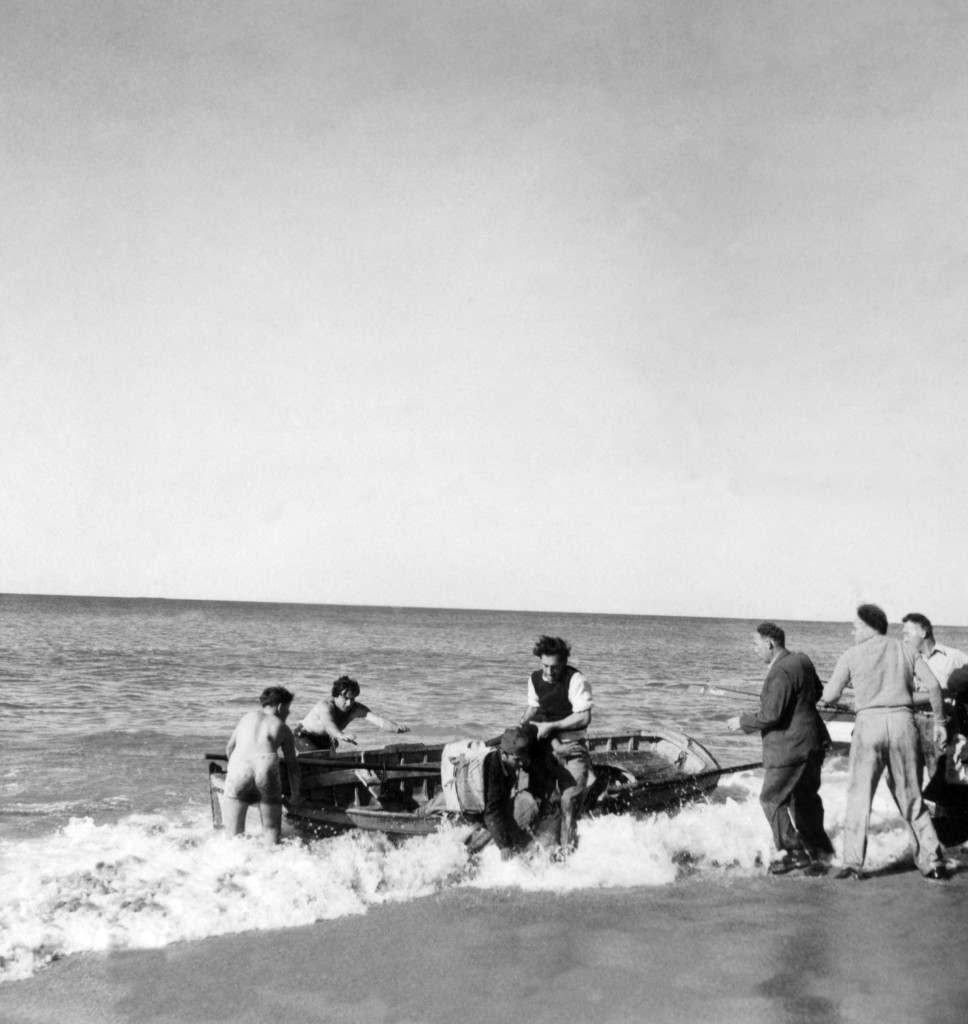
قوارب الأمم المتحدة تصل شواطئ حيفا حاملة اليهود الموعودين بالحياة في حيفا، يناير 1948/ آسوشيتد برس

نون بوست

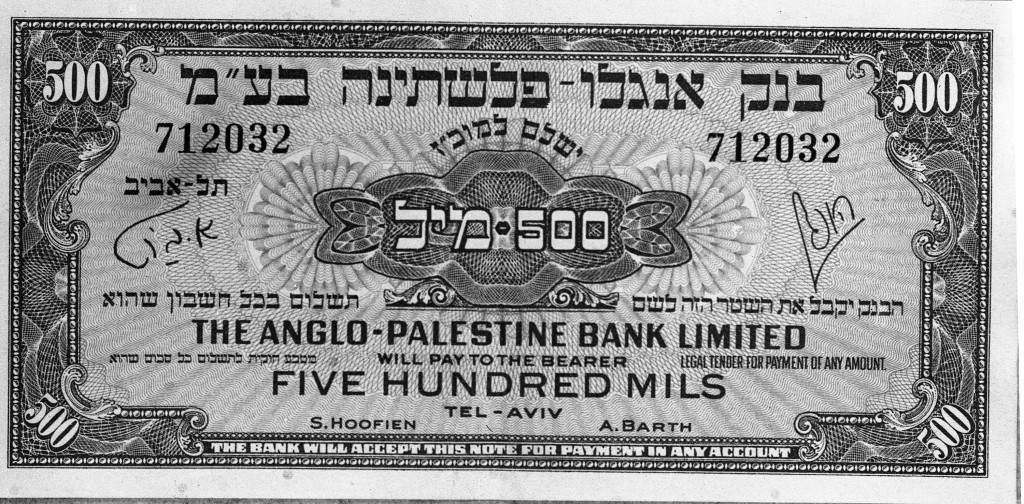
أغسطس 1948، اطلاق العملة الإسرائيلية الشيكل لتحل محل الجنيه الفلسطيني

TAGGED: إسرائيل ، الأراضي الفلسطينية ، الانتداب البريطاني ، التاريخ ، المدن الفلسطينية
TAGGED: تقارير مصورة
Download this article as PDF
Share this Article
Facebook Twitter Whatsapp Whatsapp Telegram Email Copy Link
فريق التحرير
By فريق التحرير تقارير يعدها فريق تحرير نون بوست.
Follow:
Next Article نون بوست The Stigma of “ISIS”: A Heavy Legacy Haunting Women and Children of Former Members

Read More

  • U.S. Regime‑Change Policies: Why They Are Destined to Fail U.S. Regime‑Change Policies: Why They Are Destined to Fail
  • The Gulf’s Balancing Act: Iran, Israel, and Hidden Links
  • Iraq–Turkey Oil Export Treaty: Why Did Ankara Cancel It After 52 Years?
  • Syria’s Northeast on Edge: QSD Between Ankara and Damascus
  • Has Europe Changed Its Stance on Israel… or Just Its Language?
part of the design
NoonPost Weekly Newsletter
dark

An independent media platform founded in 2013, rooted in slow journalism, producing in-depth reports, analysis, and multimedia content to offer deeper perspectives on the news, led by a diverse young team from several Arab countries.

  • Politics
  • Society
  • Rights & Liberties
  • Opinions
  • History
  • Sports
  • Education
  • Technology
  • Economy
  • Media
  • Arts & Literature
  • Entrepreneurship
  • Travel
  • Cinema & Drama
  • Food
  • Health
  • Culture
  • Latest Reports
  • Files
  • Long Reads
  • Interviews
  • Podcast
  • Interactive
  • Encyclopedia
  • In Pictures
  • About Us
  • Our Writers
  • Write for Us
  • Editorial Policy
  • Advanced Search
Some rights reserved under a Creative Commons license

Removed from favorites

Undo
Go to mobile version