NoonPost NoonPost

NoonPost

  • Home
  • Politics
  • Economy
  • Society
  • Culture
  • Files
  • Long Reads
  • Podcast
AR
Notification Show More
نون بوست
“There Are Nights I Can’t Close My Eyes”: How Gazans Are Living in Homes on the Brink of Collapse
نون بوست
From al-Jolani to Ahmad al-Shara: The Evolution of Syria’s New Leader
نون بوست
When Political Islam Receded in Egypt: Who Filled the Void?
نون بوست
An Extension of Genocide: Gaza’s Detainees Speak Out
نون بوست
A Tightrope Between Survival and Sovereignty: The Syrian Government Faces Normalization Pressures
نون بوست
American Aircraft Carriers: Has the Era of “100,000 Tons of Diplomacy” Ended?
نون بوست
U.S. Regime‑Change Policies: Why They Are Destined to Fail
نون بوست
Transformations of Israeli Judaism: Between the Victim Complex and the Colonizer’s Doctrine
نون بوست
The Gulf’s Balancing Act: Iran, Israel, and Hidden Links
نون بوست
Iraq–Turkey Oil Export Treaty: Why Did Ankara Cancel It After 52 Years?
نون بوست
Syria’s Northeast on Edge: QSD Between Ankara and Damascus
نون بوست
Has Europe Changed Its Stance on Israel… or Just Its Language?
NoonPost NoonPost
AR
Notification Show More
نون بوست
“There Are Nights I Can’t Close My Eyes”: How Gazans Are Living in Homes on the Brink of Collapse
نون بوست
From al-Jolani to Ahmad al-Shara: The Evolution of Syria’s New Leader
نون بوست
When Political Islam Receded in Egypt: Who Filled the Void?
نون بوست
An Extension of Genocide: Gaza’s Detainees Speak Out
نون بوست
A Tightrope Between Survival and Sovereignty: The Syrian Government Faces Normalization Pressures
نون بوست
American Aircraft Carriers: Has the Era of “100,000 Tons of Diplomacy” Ended?
نون بوست
U.S. Regime‑Change Policies: Why They Are Destined to Fail
نون بوست
Transformations of Israeli Judaism: Between the Victim Complex and the Colonizer’s Doctrine
نون بوست
The Gulf’s Balancing Act: Iran, Israel, and Hidden Links
نون بوست
Iraq–Turkey Oil Export Treaty: Why Did Ankara Cancel It After 52 Years?
نون بوست
Syria’s Northeast on Edge: QSD Between Ankara and Damascus
نون بوست
Has Europe Changed Its Stance on Israel… or Just Its Language?
Follow US

Joining the Freedom Flotillas Is a Moral Duty: MyCARE’s CEO Speaks

سجود عوايص
Sujoud Awais Published 26 March ,2026
Share
نون بوست

MyCARE (Humanitarian Care Malaysia) is one of Malaysia’s leading humanitarian NGOs. It was founded in 2010 as Aqsa Syarif and rebranded as MyCARE in 2014 to serve as a coordinating umbrella for several humanitarian organizations including Aqsa Syarif, i4Syria, Salam Iraq, and Rose2Rose.

From its inception, MyCARE has pursued a vision that extends beyond traditional relief to organized humanitarian work rooted in ethical imperatives that transcend borders. That is why Palestine and its people have been central to its humanitarian and political agenda—driven by a belief that justice is incomplete without liberation from occupation and oppression.

This commitment has been clearly visible through MyCARE’s field participation in convoys and flotillas aimed at breaking the siege of Gaza, most notably the Freedom Flotilla (MV Mavi Marmara), which attracted global attention in 2010.

The organization also took part in the Viva Palestine convoy that traveled overland from London to Gaza, as part of an international grassroots effort to break not just the physical blockade but also the political and media isolation imposed on the Gaza Strip. Its engagements continued with the Women’s Boat to Gaza in 2016, the Return Boat in 2018, and strong preparatory and media support for the planned 2024 Freedom Flotilla.
نون بوست

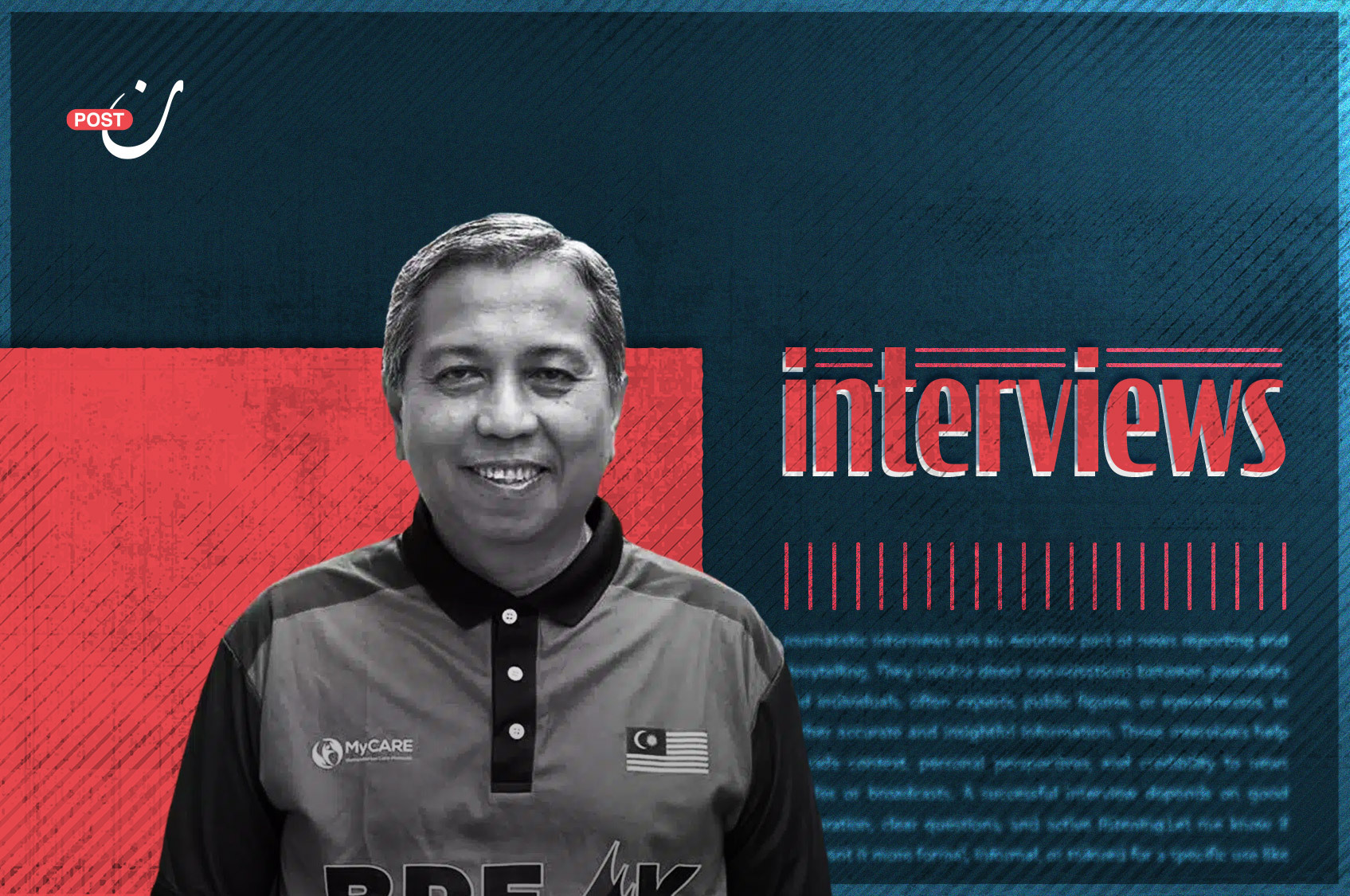
To highlight the significance of land convoys and sea flotillas in challenging Israel’s siege of Gaza, Noon Post interviews Mr. Qamar al-Zaman Shaher al-Anwar, CEO of MyCARE Malaysia and one of its founding leaders. He holds bachelor’s and master’s degrees in electrical engineering and worked for more than 25 years in major tech companies before transitioning to humanitarian work in 2013 via Aqsa Syarif.

With the merger of multiple Malaysian aid organizations into MyCARE at the start of 2014, al-Zaman continued his humanitarian efforts as its CEO. Under his leadership, MyCARE launched missions to Gaza, Syria, Lebanon, Aceh, Somalia, and Bangladesh, and helped open the NGO’s official office in Gaza.

Over a decade of humanitarian leadership, al-Zaman has played a key role in strengthening Malaysian solidarity with vulnerable communities worldwide—especially in Palestine—and in expanding MyCARE’s network of international humanitarian partnerships.

Q1: What inspired MyCARE’s participation, and as CEO, how do you assess the overall impact of these missions in challenging the siege on Gaza?

From its founding, MyCARE adopted a strategy that goes beyond providing relief supplies or financial assistance. It embraced clear advocacy aimed at revealing the true extent of Palestinian suffering, especially in besieged Gaza. Participation in the MV Mavi Marmara flotilla in 2010 and the Viva Palestine convoy from London to Gaza marked a turning point in its practical engagement with international solidarity efforts.

Subsequent missions included the Women’s Boat to Gaza in 2016 and the Return Boat in 2018. Remarkably, many leaders of these flotillas have been non-Muslims from Western countries—signaling a broadening global awareness of the Palestinian cause.

These initiatives served as powerful platforms to amplify Palestinian voices worldwide—not just in humanitarian terms but strategically, by exposing the illegitimacy of the blockade. MyCARE sees its involvement as both an ethical and religious imperative, asserting that Muslims should take leadership roles in these endeavors—not remain passive followers or mere donors.

Q2: What future plans or strategies does MyCARE have to maintain momentum in solidarity convoys, especially as political and logistical barriers grow?

MyCARE aims to overcome political and logistical obstacles by leveraging modern technologies to spread the Palestinian narrative and boost public awareness. The organization believes maintaining momentum requires not just repeating initiatives but enhancing them—by involving influential public figures, especially those outside the Muslim world.

Media remains a vital tool, whether through broad news coverage or through social media campaigns. MyCARE views media advocacy not as a temporary tactic, but as a long-term strategy to ensure Palestinian voices resonate and their story becomes part of global consciousness.

Q3: Can you share major political, legal, or operational challenges MyCARE faced during preparation and execution of the flotillas?

MyCARE and its team faced complex challenges while preparing and executing their participation in the Freedom Flotilla. These included legal aspects like registering ships under the flags of supportive nations—for example, the withdrawal of Guinea-Bissau’s flag at the last moment in previous missions, which affected the flotilla’s departure.

They also confronted issues around securing experienced maritime crews, selecting safe port departure sites, and ensuring sufficient funding for each stage of the mission.

Furthermore, the timing of mission announcements and the selection of participants—particularly those with global influence—were critical factors impacting both safety and the necessary media coverage. MyCARE regards the ability to turn such challenges into opportunities as a key to success in these initiatives.

“If you play your cards right, you secure the needed attention and ensure the safety and impact of the mission.”

Q4: Given Israel’s persistent opposition to these missions, how does MyCARE plan to keep the cause active and effective in international discourse and public opinion?

Despite Israel’s continuous rejection of any attempt to break the siege, MyCARE believes repeated missions—backed by broad media exposure—remain effective means to keep the Palestinian cause alive in global conscience. Each mission, even if it does not reach Gaza, generates political and media reverberations that foster greater public and diplomatic awareness.

The organization counts on the surge in solidarity since the outbreak of the “Al-Aqsa Flood” and documented civilian atrocities. If leveraged well, this wave can broaden the circle of supporters and reshape international discourse toward greater fairness for Palestinians.

MyCARE argues that a civil resistance narrative—rooted in non-violence and peaceful defiance—is one of the strongest weapons available today, particularly in the face of the other side’s superior military apparatus and Western political backing.

Q5: Is MyCARE seeking or open to building partnerships with international organizations like UN agencies to strengthen the legal and humanitarian dimensions of your work?

MyCARE holds a special position in the UN system, with consultative status at the UN Economic and Social Council (ECOSOC). This enables it to engage with international bodies and submit official interventions.

The organization frequently emphasizes its full openness to collaboration with UN agencies and international NGOs to bolster the legal and humanitarian integrity of its operations—whether in safeguarding participants or affirming the legality of the movements under international humanitarian law.

It views the strengthening of these partnerships as essential to protecting solidarity initiatives from restriction or misrepresentation—especially in light of recurring Israeli accusations.

Q6: How would you describe the level of community and institutional support in Malaysia and the region for these missions over the years? Has it grown, shifted, or encountered setbacks?

In recent years, MyCARE has experienced a remarkable rise in popular and institutional support, both in Malaysia and across neighboring countries. In 2024 alone, the organization received over 100 applications from activists and NGOs wishing to join a flotilla planned to depart from Istanbul.

After careful selection, 14 Malaysian participants and others from the region were chosen. Although the mission did not proceed due to Guinea‑Bissau’s withdrawal of the vessel’s flag, public enthusiasm remained strong, with participants and supporters more resolved than ever.

This regional backing represents a growing awareness that solidarity with Palestine is no longer confined to political or religious elites; it has become part of the collective conscience across the region.

Q7: Finally, what message would you like to send to youth movements and civil-society actors around the world who wish to engage actively for Palestine?

“Let us not remain silent.” During the launch of the ship “Madeline” recently in Catania, Greta Thunberg spoke about her greatest fear—not the voyage to Gaza—but global silence in the face of what she called a genocide being broadcast live in Gaza.

MyCARE’s message is a clear call to youth movements and civil society worldwide: break the silence and act meaningfully for Palestine. Amid the ongoing genocide in Gaza, silence is no longer neutral—it is complicity. We must engage in committed solidarity, beyond slogans—through campaigns, initiatives, and flotillas that restore humanity to the forefront of the Palestinian question.

Download this article as PDF
Share this Article
Facebook Twitter Whatsapp Whatsapp Telegram Email Copy Link
سجود عوايص
By سجود عوايص باحثة في قضايا الإعلام الفلسطيني والقانون الدولي الإنساني.
Follow:
Previous Article نون بوست How Gaza Became the Most Complex Non‑Conventional Battlefield
Next Article نون بوست Where Does Syria Stand Amid the Iran–Israel Confrontation?

Read More

  • U.S. Regime‑Change Policies: Why They Are Destined to Fail U.S. Regime‑Change Policies: Why They Are Destined to Fail
  • The Gulf’s Balancing Act: Iran, Israel, and Hidden Links
  • Iraq–Turkey Oil Export Treaty: Why Did Ankara Cancel It After 52 Years?
  • Syria’s Northeast on Edge: QSD Between Ankara and Damascus
  • Has Europe Changed Its Stance on Israel… or Just Its Language?
part of the design
NoonPost Weekly Newsletter

You May Also Like

U.S. Regime‑Change Policies: Why They Are Destined to Fail

U.S. Regime‑Change Policies: Why They Are Destined to Fail

إسراء سيد Esraa sayed 8 April ,2026
The Gulf’s Balancing Act: Iran, Israel, and Hidden Links

The Gulf’s Balancing Act: Iran, Israel, and Hidden Links

فريق التحرير Noon Post 8 April ,2026
Iraq–Turkey Oil Export Treaty: Why Did Ankara Cancel It After 52 Years?

Iraq–Turkey Oil Export Treaty: Why Did Ankara Cancel It After 52 Years?

فريق التحرير Noon Post 8 April ,2026

ما الذي يقوله المنشقون عن داعش؟

باريس ماتش
باريس ماتش Published 8 March ,2016
Share
منشقون عن داعش

ترجمة من الفرنسية مزنة دريد

يجلس في وسط الغرفة على فرشة في الأرض، أمامه منفضة السجائر ممتلئة وكاسات مستخدمة، يرن هاتفه.

“لماذا لا تغلقه؟ ماذا يعني؟ هل سوف تخرجني أم لا؟ أرجوك، أتوسل إليك” يأخذ أبو شجاع هاتفه ويسجل رده ويرسله عبر الإنترنت كي لا يترك أي دليل مكتوب ويمنع من أن يتم التنصت على أحاديثه.

يقول “أقسم لك أنني سوف أخرجك، لو أنني لا أريد أن أساعدك في الانشقاق لما أرسلت أكثر من مرة شخصًا لمساعدتك”.

يحدث ذلك وهو في بيته في شالنلي أورفا مدينة في جنوب تركيا والتي تبتعد 200 كيلومتر فقط عن الرقة.

ينتظره هناك ذلك المنشق من مصر، وهو هارب من الدولة الإسلامية، قد نسي الحرب في الرقة عاصمة الخلافة في سوريا، وعده أبو شجاع بأن يقدم له المساعدة ولكنه لم يقل متى ولم يشرح له كيف، يواصل جمع المعلومات عنه لكي يتأكد من أن هذا الشخص هو بالفعل يريد الانشقاق من داعش وليس أحد عملائها.

أبو شجاع يبلغ من العمر 28 عامًا وهو أحد قادة الفرق العسكرية في قوات داعش والتي لا تتجاوز عشرات المقاتلين، المقاتلون بدون لباس موحد، يرتدون الجينز وسترة عادية مع سلاحهم وهاتف محمول وبطارية خارجية، بالإضافة إلى كمبيوتر محمول متهالك، خليته مرتبطة مع ثوار الرقة وهو لواء في الجيش السوري الحر الذي يقاتل بنفس الوقت بشار الأسد وداعش.

أدركت هذه المجموعة مدى أهمية الفرار من داعش بعد أن عرفوا الوجه الحقيقي لداعش، لأنها لا تمتلك شيء من القيم التي تدعي أنها تتبعها أو أنها تجسد الإسلام بل داعش هي العدو الحقيقي للإسلام، لو قيل ما شاهده هؤلاء المنشقون لدى داعش لأصبحت كارثة بالنسبة للدولة الإسلامية.

يفضلون قتل عناصرهم على حبسهم

في سنة واحدة ووفقًا للإحصائيات، تم تنظيم  إجلاء لعشرات المقاتلين من داعش من جنسيات مختلفة: السورية، الأردنية، المصرية، الفرنسية، البلجيكة، البريطانية، بالإضافة للألمانية.

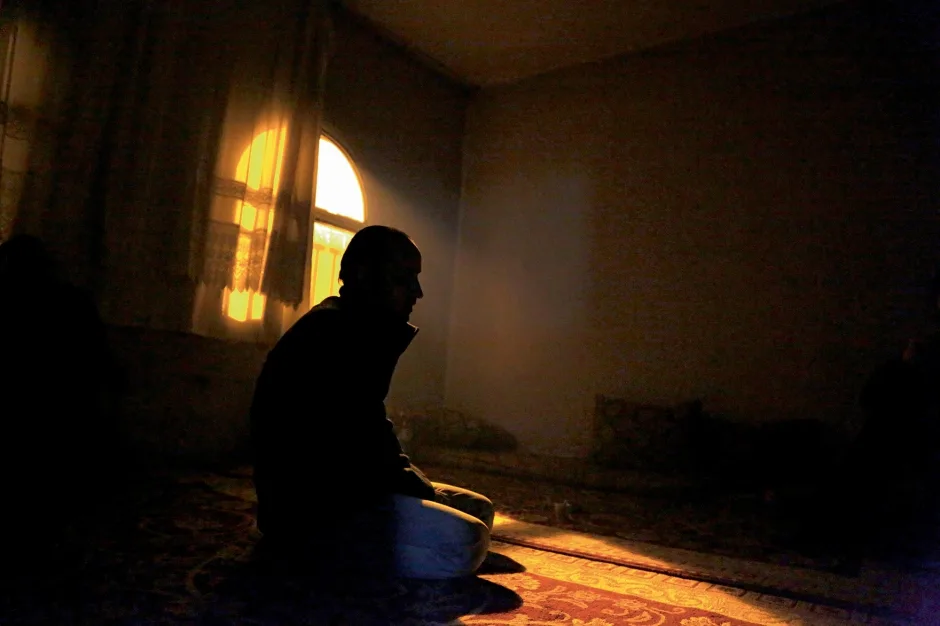
أبو علي أردني الجنسية يبلغ من العمر 38 عامًا وهو أحد أهم محاور تحقيقنا، يجلس في ظلام الغرفة ويرفع طوق سترته لكي يغطي وجهه حتى لا يتم التعرف عليه.

“إن الانضمام للدولة الإسلامية رحلة في اتجاه واحد فقط، تتلقى ترحيبًا وتشجيعًا رهيبًا بالبداية ولكن إن اكتشفوا بأن أحد لديه ميل للانشقاق سوف يُقطع رأسه على الفور، كنت طبيبًا على الجبهة في العراق قريبًا من الفلوجة، هناك رأيت الأمراء يأمرون المقاتلين بأن يقتلون زملاءهم الجرحى، هم يفضلون قتلهم على أن يصبحوا أسرى”.

صوته يرتجف ويتخلل كلامه الكثير من الصمت “كنت أيضًا حارس لسجن قريب من الرقة، كنت أعتقد أن هذه المهمة ستكون أفضل، ولكن كنت أسمع صراخ الناس من التعذيب، كان الأمر مرعبًا جدًا”، بالنسبة لأبي علي كان يأمل أن يجد الجنة الموعودة في أرض الخلافة، بالحقيقة لقد قضى خمسة أشهر في الجحيم لا ينسى ما رأى هناك؛ أحد زملائه مصلوبًا في الشارع بتهمة الإساءة للدين، أيضًا فتاتين قد تم أخذهن كسبايا وقتلهن بعد أن تم تقديهن لأميرعراقي بعد أن سئم منهن. 

رمي الناس في مكان يسمى الحوطة

بالنسبة لأبي حذيفة والذي يبلغ من العمر 28 عامًا وهو من الرقة فإن الانضمام إلى صفوف داعش شيء بديهي “في البداية كنت على يقين بأن الدولة الإسلامية هي الطريق الصحيح، في الرقة لم يعد هناك سرقات وأصبح لباس النساء محتشم ويتم تأدية الصلاة بأوقاتها، عاد الأمان للمدينة، كل شيء على ما يرام، إلى أن رأيت في نقطة مخصصة للتفتيش ما يتعرض له الناس من تعذيب إن لم يستطيعوا أن يقدموا وثائق تثبت هويتهم، رأيت العديد من المقاتلين الأجانب مسجونين بتهمة الخيانة بدون أدلة على ذلك أو إثباتات، رأيت كيف أن العدل يدار مع المحسوبيات وأن كبار الشخصيات في التنظيم والذين من المفترض أن يكونوا مثال للنقاء والزهد كانوا على عكس ذلك، فلديهم أغلى السيارات ويأكلون أفضل أنواع الطعام وعندما لا يريدون التدخين فإنهم يمنعونه عن الآخرين”.

أيضًا يوجد نساء في التنظيم وهن مسؤولات عن تحديد الفتيات اللواتي يجب عليهن أن يتزوجن، كان هناك مقاتل تونسي قرر أن يترك داعش قال “كنت ضد فكرة زواج  فتيات الرقة من المقاتلين الأجانب، إنها لا يريدونها كزوجة بل فقط متعة عابرة” وضع عائلته في مكان آمن ثم ذهب لتركيا سرًا بمساعدة ثوار الرقة.

أبو مارية 22 عامًا هو أيضًا من الرقة، يبحث عن الكلمات ليستطيع التعبيرعما يريد، انضم أيضًا للدولة الإسلامية لكي يطبق الشريعة في الأرض والذي يعتبره أهم شيء بالنسبة له، كان يحترم الدولة الإسلامية جدًا، حيث كان جنديًا بين صفوف الدولة يحترمها ويحترم زملاءه إلى أن رأى الجلادين وهم يذبحون ضحاياهم بالسكاكين سيئة الصنع والتي لم يشحذوها جيدًا فقط كي يزيدوا من عذاب ضحاياهم، وأيضًا لديه ماضي سيء معهم، يقول “كنا نرمي الأشخاص الذين تم قتلهم في مكان يسمى الحوطة أي الحفرة، مرة طلبت مني عائلة أن أستخرج جثة صحفي قد تم رميه هناك، ربطت جسدي بسيارة ونزلت للحفرة متكئًا على المعادن المثبتة سابقًا من قِبل علماء الآثار وهناك رأيت جثة لفتاة في فستان العرس مقطوعة الرأس قيل لي تم قتلها لأنها كانت متبرجة وغير متحجبة في يوم زفافها وتم الحكم على زوجها أيضًا بأنه نجس لأنه سمح لزوجته بذلك وعليه تم تنفيذ الحكم بالزوجين وإلقائهم في الحفرة”.

اتركهم هناك ليموتوا في سوريا!

استعاد ثوار سوريا جميع الفيديوهات على هواتف المنشقين من بينهم مقطع لأحد المدربين في الدولة الإسلامية وهو يعطي درسًا عن كيفية صناعة القنبلة وتفخيخ السيارات، هذا المقطع كان على الهاتف المحمول لشخص فرنسي قال إنه يريد أن يعود إلى بلده وإن لديه أوراقه وجواز سفره، وأكد أنه لن يعلم أحد في فرنسا بأنه كان في سوريا، ولكن وفقًا لعدة مصادر قد أكدت أن هذا الفرنسي تم اعتقاله من قِبل المخابرات التركية.

أولئك الذين تمكنوا من الفرار من داعش قد اختفوا بعد ذلك، وهم يعلمون أن داعش مثل المافيا ستطاردهم خارج حدودها لأنهم نكثوا بقسمهم وبالولاء لها.

بعيدًا عن الرقة يسرد أبو علي ذكرياته بأنه قد عاش مع جميع من لقزا حتفهم في معركة الشعيطات عندما تم ذبح “الجميع”: الجنود والمدنيين والرجال والنساء والأطفال، تم ذبح المئات في تلك المعركة، يضيف أبو شجاع أنه على تواصل مع 85 أو 90 مقاتلاً أوروبيًا يريدون الفرار والانشقاق وبالطبع يوجد غيرهم، اتصلنا بالعديد من السفارات ولكنهم لا يريدون مواطنيهم ورعاياهم ويكون ردهم دائمًا “اتركوهم هناك يموتون في سوريا”، إنهم يستمرون في ذبح الشعب السوري ولكن بالنسبة لهم لا يهم.

ومن جانبه يقول عقبة محمود والذي يبلغ 33عامًا وهو قائد عسكري من الرقة “ينبغي على الدول أن تتعاون معنا، من الممكن أن نساعدهم في تحديد المقاتلين الذين تم إرسالهم لتنفيذ هجمات إرهابية، ونحن نستطيع تقديم تقارير بأسماء المقاتلين الذين انشقوا عن داعش لوضعهم تحت المراقبة ووضعهم في مراكز إعادة الإصلاح والتأهيل لمساعدتهم”.

يقول أبو سفيان وهو المسؤول في القضايا الأكثر حساسية “نعلم أن مقاومة مملكة داعش لن تكون إلى الأبد، ولأننا نؤمن بالمستقبل والعدالة وبفضل الفاريين من داعش نجمع البراهين والوثائق عنهم”، ويضيف  لدينا على سبيل المثال قوائم بأسماء و مهام: جنود التنظيم , وموظفي الدواوين وحتى نساء وأرامل ضحاياهم. يخزن على حاسوبه المحمول لديه قاعدة بيانات وصور عن داعش، نحن نعرف من هم القادة وتحركاتهم، لدينا الصور التي تحدد المقاتلين السوريين والأجانب، فداعش منظمة جدًا، تستخرج هويات رسمية لأعضائها مثل أي دولة، نحن نمتلك نسخ من هذه الوثائق، ويوم ما سوف نقدم لجميع الدول وثائق عن رعاياهم الذين انضموا لداعش لكي يحاكموهم، وفي اليوم الذي سوف يصبح لدينا حكومة أيضًا هؤلاء المجرمون سوف يحاكمون على ما اقترفوا من جرائم”.

هذا المقال عن فيلم “داعش.. وشهادات الفارين”، والذي سيتم بثه في 15 مارس الساعة التاسعة بتوقيت باريس على ARTE وهو وثائقي لتوماس داندوا وفرنسوا تريجان.

المصدر: باريس ماتش

TAGGED: الانشقاق عن داعش ، الرقة ، المقاتلون في صفوف داعش ، المنشقون عن داعش ، تنظيم داعش
TAGGED: داعش
Download this article as PDF
Share this Article
Facebook Twitter Whatsapp Whatsapp Telegram Email Copy Link
باريس ماتش
By باريس ماتش مجلة إخبارية فرنسية أسبوعية تقوم بتغطية الشأن المحلي والدولي
Follow:
Next Article نون بوست The Stigma of “ISIS”: A Heavy Legacy Haunting Women and Children of Former Members

Read More

  • U.S. Regime‑Change Policies: Why They Are Destined to Fail U.S. Regime‑Change Policies: Why They Are Destined to Fail
  • The Gulf’s Balancing Act: Iran, Israel, and Hidden Links
  • Iraq–Turkey Oil Export Treaty: Why Did Ankara Cancel It After 52 Years?
  • Syria’s Northeast on Edge: QSD Between Ankara and Damascus
  • Has Europe Changed Its Stance on Israel… or Just Its Language?
part of the design
NoonPost Weekly Newsletter
dark

An independent media platform founded in 2013, rooted in slow journalism, producing in-depth reports, analysis, and multimedia content to offer deeper perspectives on the news, led by a diverse young team from several Arab countries.

  • Politics
  • Society
  • Rights & Liberties
  • Opinions
  • History
  • Sports
  • Education
  • Technology
  • Economy
  • Media
  • Arts & Literature
  • Entrepreneurship
  • Travel
  • Cinema & Drama
  • Food
  • Health
  • Culture
  • Latest Reports
  • Files
  • Long Reads
  • Interviews
  • Podcast
  • Interactive
  • Encyclopedia
  • In Pictures
  • About Us
  • Our Writers
  • Write for Us
  • Editorial Policy
  • Advanced Search
Some rights reserved under a Creative Commons license

Removed from favorites

Undo
Go to mobile version