NoonPost NoonPost

NoonPost

  • Home
  • Politics
  • Economy
  • Society
  • Culture
  • Files
  • Long Reads
  • Podcast
AR
Notification Show More
نون بوست
“There Are Nights I Can’t Close My Eyes”: How Gazans Are Living in Homes on the Brink of Collapse
نون بوست
From al-Jolani to Ahmad al-Shara: The Evolution of Syria’s New Leader
نون بوست
When Political Islam Receded in Egypt: Who Filled the Void?
نون بوست
An Extension of Genocide: Gaza’s Detainees Speak Out
نون بوست
A Tightrope Between Survival and Sovereignty: The Syrian Government Faces Normalization Pressures
نون بوست
American Aircraft Carriers: Has the Era of “100,000 Tons of Diplomacy” Ended?
نون بوست
U.S. Regime‑Change Policies: Why They Are Destined to Fail
نون بوست
Transformations of Israeli Judaism: Between the Victim Complex and the Colonizer’s Doctrine
نون بوست
The Gulf’s Balancing Act: Iran, Israel, and Hidden Links
نون بوست
Iraq–Turkey Oil Export Treaty: Why Did Ankara Cancel It After 52 Years?
نون بوست
Syria’s Northeast on Edge: QSD Between Ankara and Damascus
نون بوست
Has Europe Changed Its Stance on Israel… or Just Its Language?
NoonPost NoonPost
AR
Notification Show More
نون بوست
“There Are Nights I Can’t Close My Eyes”: How Gazans Are Living in Homes on the Brink of Collapse
نون بوست
From al-Jolani to Ahmad al-Shara: The Evolution of Syria’s New Leader
نون بوست
When Political Islam Receded in Egypt: Who Filled the Void?
نون بوست
An Extension of Genocide: Gaza’s Detainees Speak Out
نون بوست
A Tightrope Between Survival and Sovereignty: The Syrian Government Faces Normalization Pressures
نون بوست
American Aircraft Carriers: Has the Era of “100,000 Tons of Diplomacy” Ended?
نون بوست
U.S. Regime‑Change Policies: Why They Are Destined to Fail
نون بوست
Transformations of Israeli Judaism: Between the Victim Complex and the Colonizer’s Doctrine
نون بوست
The Gulf’s Balancing Act: Iran, Israel, and Hidden Links
نون بوست
Iraq–Turkey Oil Export Treaty: Why Did Ankara Cancel It After 52 Years?
نون بوست
Syria’s Northeast on Edge: QSD Between Ankara and Damascus
نون بوست
Has Europe Changed Its Stance on Israel… or Just Its Language?
Follow US

Iran Strikes Back: Containing Israel, Avoiding Washington

فريق التحرير
Noon Post Published 26 March ,2026
Share
نون بوست

Israel’s attack on Iran was rooted in the principle of the “shock and awe” strike—a cornerstone of its national security doctrine, developed since the founding of the state in recognition of its limited geographic depth and manpower compared to its neighbors.

This doctrine assumes that decisive outcomes are achieved only by initiating an offensive—swiftly and forcefully—to shatter the opponent’s cohesion and disrupt its leadership before it can mount an effective response.

Israel’s initial strike aimed to replicate the model it had executed with relative success in prior engagements. It simultaneously targeted the military-security leadership hierarchy, air defenses, ballistic missile launchers, and nuclear facilities—including assassinating scientists.

The intention was to cripple the command-and-control infrastructure, sever communication between political and military echelons, and disable vital components of Iran’s defense system.
نون بوست

However, this Israeli assumption faltered. Iran demonstrated a clear capacity to absorb the blow and recover swiftly by filling gaps, reestablishing communication lines, and shifting to emergency mode.

This rapid response blunted the impact of the Israeli strike and halted prematurely the euphoria within Israeli circles that had pinned hopes on a swift collapse of Iran’s structure.

Missile Saturation: Iran Tests Its Deterrence Strategy

On the evening of Friday, June 13, shortly after Israel’s strike, Iran launched a large-scale military response. Through its official news agency, it declared the “start of overwhelming Iranian retaliation,” firing hundreds of ballistic missiles toward deep Israeli territory.

The Iranian Revolutionary Guard Corps (IRGC) stated that the response was “decisive and precise,” targeting dozens of military bases and airfields “in three waves,” concentrating on central Israeli areas, including the greater Tel Aviv region.

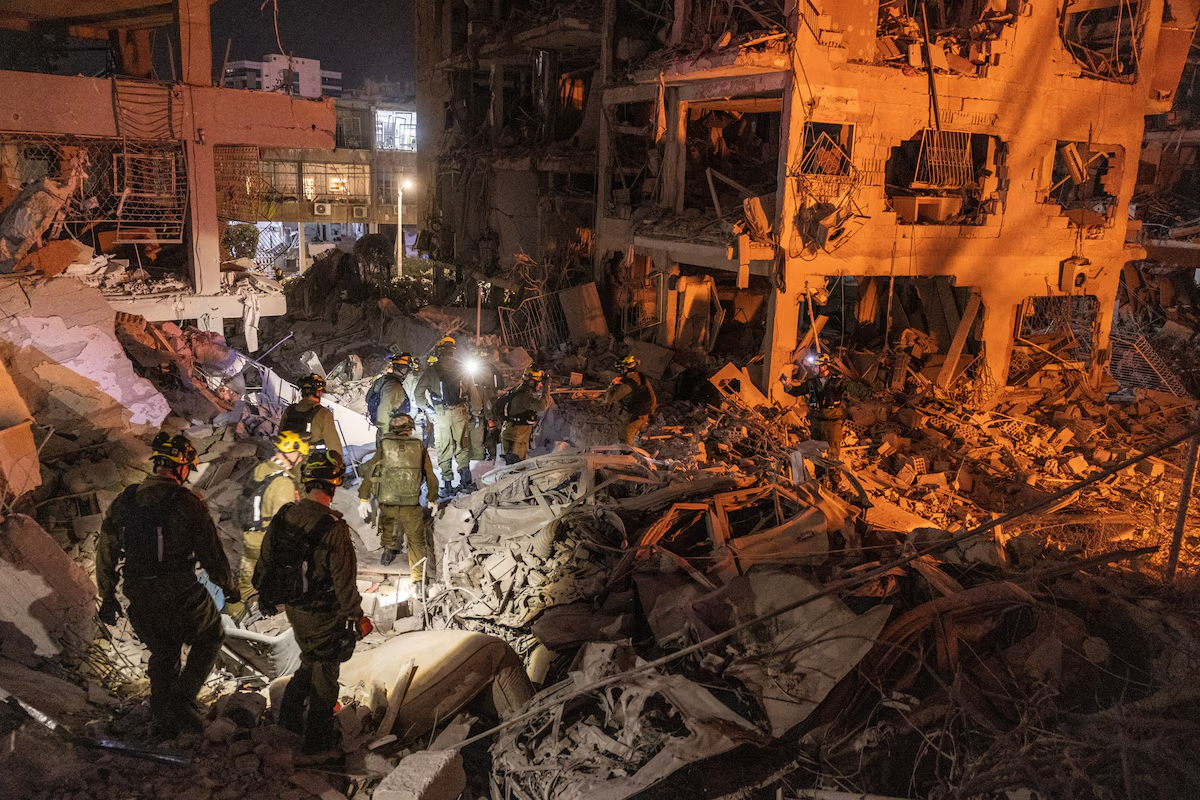
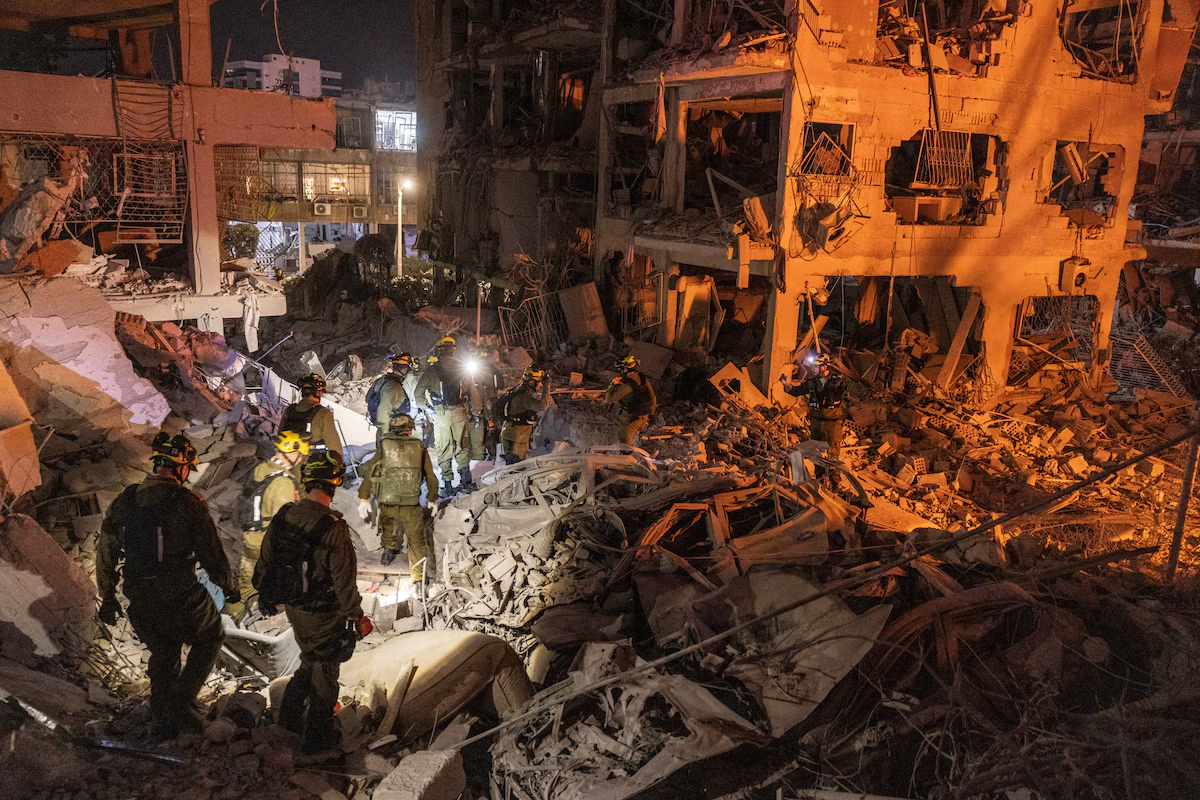
Footage after the attack revealed significant effects on Israeli homefront. With more than 200 missiles launched on the first day and around 80 on the next, Tel Aviv’s streets bore what Israeli officials called “unprecedented destruction.”

Symbolically, the strike on the Kiryat complex—the central hub of the Israeli military since 1948, housing the War Ministry and the underground “Gefen” command center—stood out.

This retaliation was a direct response to Israeli strikes on sensitive Iranian sites, such as the Defense Ministry, IRGC bases, and the assassination of the operational commander of the Khatam al-Anbiya headquarters.

Tactically, Iran’s strikes revealed a deliberate “missile saturation” strategy: multiple salvos of varying missile types, sizes, and speeds were used to overwhelm Israel’s air defenses and allow the heaviest, most precise missiles to penetrate and hit critical targets with minimal losses.

Despite Israel’s extensive efforts, supported by US defense systems—such as the US CENTCOM-affiliated THAAD batteries—these systems failed to intercept all projectiles, allowing a significant number to hit sensitive Israeli targets.

This round of Iranian retaliation shows a significant early conclusion: despite the intense and focused Israeli offensive aimed at vital military capabilities, Iran’s missile infrastructure remained operative and resilient.

Tehran’s pre-emptive protective measures mitigated the first strike and preserved its launch, control, and targeting capacities in one of the most sophisticated missile operations seen in the region.

Targeting Israel’s Urban Core and Breaking the “Safe Margin”

With the onset of Iran’s counterstrike, Tehran shifted to a strategy focused on hitting Israel’s urban centers—particularly Greater Tel Aviv—moving decisively toward “center strikes” rather than limited military targets. This shift was a tactical move intended to accumulate force and convert Israel’s vulnerabilities into leverage on its homefront.

On day one, major cities—Tel Aviv, Ramat Gan, Rishon LeZion—suffered heavy damage. According to Israeli media, nine buildings were destroyed in Ramat Gan, with hundreds more damaged across Gush Dan, hitting infrastructure and vehicles in the country’s economic heartland.

Channel 13 reported that “unprecedented destruction” forced Tel Aviv municipality to evacuate hundreds, while police declared multiple missile impact sites and a state of emergency for rescue forces.

On the second day, strikes continued on Bat Yam and Rehovot, resulting in nine deaths, over 200 wounded, and at least 35 missing, per Israeli homefront estimates.

In a symbolic blow, the Weizmann Institute in Rehovot sustained direct damage, with a laboratory fire—a scientifically strategic response to Israeli strikes on nuclear scientists and research centers.

Conflicts in the north included a focused missile strike on Haifa port, which hit an oil refinery, pipelines, and transport lines—a rebuttal to Israeli hits on the Kongan port in Iran’s Bushehr province and a signal that Tehran could target critical energy infrastructure.

These attacks reflect Iran’s determination to strike deep into Israeli territory, based on the assessment that targeting vital military infrastructure—airports, nuclear sites—risks failure amid advanced Israeli and US air-defense systems.

The more effective strategy, therefore, became “city bombing,” intended to strike the enemy’s homefront directly, triggering near-paralysis in the economy and daily life.

Iran relies in this strategy on two main factors:

  1. Israel’s homefront weakness—it was not built to endure warfare on its own soil but rather to export conflict. Sustained bombardment and structural damage disrupt Israeli society and erode public confidence in government and security institutions.

  2. Israel’s lack of strategic depth—concentrated strikes at its heart cause real paralysis in economic and civic mobility, inflicting enduring damage that is hard to swiftly repair. Vital energy and transport infrastructure lack sufficient protection against precise strikes.

By contrast, Iran—with 1,648,195 km², the 18th‑largest country—is geographically deep. It enjoys strategic depth and flexible maneuver options when faced with extensive strikes.

Although Israeli strikes hit air-defense and command sites, Iran’s resilience remains tied to its ability to protect strategic assets from full destruction or disruption of hostile strike effectiveness.

Are American Interests on the Target List?

A central question in strategic analysis is America’s role amid the escalating Iran–Israel confrontation. The US, until recently conducting indirect nuclear talks with Tehran, was not immune to the “misdirection” preceding Israel’s first strike.

While President Donald Trump quickly lauded the Israeli strike as “perfect,” asserting that Iran’s 60‑day deadline to reach a nuclear deal had expired, he later emphasized that Washington did not seek wide war, hoping instead to bring Iran back to the negotiating table.

Trump also claimed the US “had nothing to do with the Israeli strike on Iran,” adding that any Iranian attack on America would be met “with unprecedented maximum force.”

This apparent Discord in American messaging—praising the strike, urging restraint, and threatening force—reveals a structural ambivalence within US institutions about entering a new Middle East war, despite the deep strategic alliance with Israel. It reflects a dual desire: protect Israel without becoming ensnared in open conflict with Iran.

In this context, a US official told Al Jazeera that “the United States remains uninterested in military involvement alongside Israel in targeting Iranian nuclear sites,” expressing hope that Iran would return to negotiations and seek peace.

Similarly, Washington clarified early in the Iranian counterstrike that it was not engaged in offensive operations—but was integrated into joint air-defense systems protecting Israel. The US played a practical role by integrating defense coverage to safeguard the region.

One Iranian official told CNN that Iran “will respond firmly to any country that supports the Zionist regime,” implicitly alluding to US bases in the region potentially becoming direct targets if the confrontation escalates.

Such remarks suggest Tehran includes US interests in the region as potential targets—but is exercising strategic discipline, aware that direct confrontation with America would escalate beyond control and justify a major US strike on Iranian infrastructure, leveraging its superiority in air, missile, and technology systems amid factions within the US administration advocating for such action.

Conversely, Iran is treating the US–Israel alliance as a fixed reality while seeking to compartmentalize the theater of confrontation. By intensifying pressure on Israel and warning regional powers hosting US bases, Iran intends to prevent American escalation without provoking a regional conflict that could destabilize the broader geopolitical order.

Tehran’s undeclared threat to US interests is part of a preventive deterrence strategy designed to diminish direct US military backing for Israel—without provoking a justification for war.

This current confrontation between Iran and Israel is more than a military escalation—it represents a central clash in the project to reshape the Middle East’s balance of power. Israel’s goal extends beyond altering Iran’s nuclear trajectory: it seeks to neutralize Tehran’s influence or prompt regime collapse.

The decisive factor will be Iran’s ability to maintain its offensive capability and sustain pressure on Israel’s domestic front. If Tehran can keep applying high-caliber, sustained pressure, it will present an unprecedented challenge to Netanyahu’s government—leaving Israeli security institutions exposed to such prolonged internal bombing, with no sanctuary and no proximate political resolution in sight.

Download this article as PDF
Share this Article
Facebook Twitter Whatsapp Whatsapp Telegram Email Copy Link
فريق التحرير
By فريق التحرير تقارير يعدها فريق تحرير نون بوست.
Follow:
Previous Article نون بوست Where Does Syria Stand Amid the Iran–Israel Confrontation?
Next Article نون بوست Iran’s Fall or Israel 2.0? A New Middle East Emerges

Read More

  • U.S. Regime‑Change Policies: Why They Are Destined to Fail U.S. Regime‑Change Policies: Why They Are Destined to Fail
  • The Gulf’s Balancing Act: Iran, Israel, and Hidden Links
  • Iraq–Turkey Oil Export Treaty: Why Did Ankara Cancel It After 52 Years?
  • Syria’s Northeast on Edge: QSD Between Ankara and Damascus
  • Has Europe Changed Its Stance on Israel… or Just Its Language?
part of the design
NoonPost Weekly Newsletter

You May Also Like

U.S. Regime‑Change Policies: Why They Are Destined to Fail

U.S. Regime‑Change Policies: Why They Are Destined to Fail

إسراء سيد Esraa sayed 8 April ,2026
The Gulf’s Balancing Act: Iran, Israel, and Hidden Links

The Gulf’s Balancing Act: Iran, Israel, and Hidden Links

فريق التحرير Noon Post 8 April ,2026
Iraq–Turkey Oil Export Treaty: Why Did Ankara Cancel It After 52 Years?

Iraq–Turkey Oil Export Treaty: Why Did Ankara Cancel It After 52 Years?

فريق التحرير Noon Post 8 April ,2026

أزمة صحيفة زمان التركية: صحفية أم سياسية؟

فريق التحرير
Noon Post Published 8 March ,2016
Share
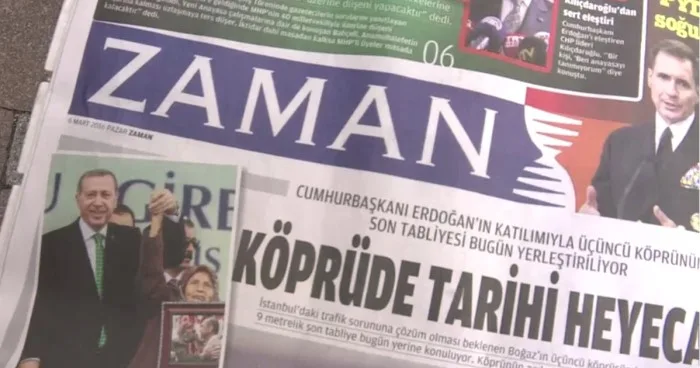
zaman1-700x368

اقتحمت الشرطة التركية الجمعة الماضية مبنى صحيفة “زمان” التركية المعارضة، وذلك تنفيذًا لأمر قضائي بوضعها تحت الوصاية القضائية على خلفية ارتباطها بما تُطلق عليه السلطات التركية “الكيان الموازي” الذي وضع قبل ذلك على قوائم الإرهاب.

الدعوة القضائية لإغلاق الصحيفة جاءت بناءً على طلب من المدعي العام التركي الذي طالب بإغلاق المؤسسة التي تصدر عنها الصحيفة بعدما ساق أدلة تفيد بارتباطها بالكيان الموازي المصنف كمجموعة إرهابية.

حيث أشار المدعي العام التركي  في بيان له أن مطبوعات الشركة المالكة للصحيفة تستخدم في دعم ما وصفه بـ “الإرهاب” وتمويله، وكذلك اتهمها بالتنسيق مع منظمة حزب العمال الكردستاني المصنفة “إرهابية” أيضًا، وذلك من أجل العمل على الإطاحة بالحكومة.

الشرطة التركية اضطرت لاقتحام مبني الصحيفة وسط تجمع العاملين الرافضين لقرار فرض الوصاية بعد عدم تمكن الوصاية القضائية من الدخول إلى مقر الصحيفة في بادئ الأمر، وهو ما تعاملت معه قوات الشرطة باستخدام الغاز المسيل للدموع وخراطيم المياه لتفريق المحتجين خارج المبنى، وقد تمكن بالفعل ثلاثة محامين أوصياء يتمتعون بكافة صلاحيات مجلس إدارة الصحيفة من الدخول إلى المبنى لتسيير شؤونها.

هذه الأزمة مع صحيفة “زمان” تأتي على خلفية أزمة سياسية أكبر بين جماعة كولن التابعة للداعية ورجل الأعمال التركي فتح الله كولن (مقيم بالولايات المتحدة) وبين الحكومة الحالية،  وجماعة كولن التي تُطلق عليها السلطات التركية اسم “الكيان الموازي” وتصنفها كمجموعة إرهابية متهمة بمحاولة التغلغل في مؤسسات الدولة وتدبير انقلاب على النظام، وقد اشتدت حدة المواجهات بين الجماعة والحكومة التركية منذ العام 2013 بعد ما عُرف بفضيحة الفساد المسربة لأعضاء في الحزب الحاكم “العدالة والتنمية”، وقد سبق وأن دخل الطرفان في تحالف سياسي قبل تصاعد التوتر بينهما.

لم تمر أيام على الاجراءات المتخذة ضد صحيفة زمان حتى كررتها السلطات التركية مع وكالة “جيهان” للأنباء، حيث أصدرت الوكالة بيانًا تؤكد فيه أن السلطات التركية فرضت الوصاية القضائية عليها هي الأخرى، وذلك في خطوة توسع من نطاق الحملة على مؤيدي جماعة كولن لا سيما في المؤسسات الصحفية، حيث يُذكر أنه في بداية الشهر الحالي أغلقت السلطات وكالات إعلام صودرت العام الماضي من شركة “كوزا إيبيك” القابضة وهي مجموعة مرتبطة بكولن أيضًا.

ردود أفعال غربية

أثارت خطوات فرض الوصاية على صحيفة زمان المعارضة – إحدى الصحف الأوسع انتشارًا في تركيا حيث يقدر توزيعها بنحو 650 ألف نسخة يوميًا – ردود أفعال غربية سلبية تجاه الحكومة التركية، حيث قال الرئيس الفرنسي فرنسوا هولاند في القمة الأوروبية المنعقدة بحضور تركيا، إن الاتحاد الأوروبي يجب أن ينتبه لحرية الصحافة في تركيا برغم حاجته لتعاون أنقرة لوقف تدفق اللاجئين إلى أوروبا.

وأضاف هولاند أثناء حضوره اجتماع عاجل للاتحاد الأوروبي مع رئيس الوزراء التركي أحمد داود أوغلو متعلق بأزمة اللاجئين، عندما وجه له سؤال يتعلق بتولي السلطات التركية إدارة صحيفة “زمان” اليومية قوله: “التعاون مع تركيا لا يعني ألا نكون منتبهين بشدة لحرية الصحافة هناك.،وأنا منتبه”.

فيما نددت واشنطن بفرض الحراسة القضائية على الصحيفة المعارضة، ودعت تركيا إلى احترام حرية الصحافة والقيم الديمقراطية، ومن جانب اتحاد الصحافيين الأوربيين فقد أكد في بيان رسمي له: أنه “لا يمكن أن يبقى الاتحاد الأوروبي صامتًا على المصادرة السياسية لصحيفة زمان ووكالة جيهان للأنباء“.

بينما رد رئيس الوزراء التركي أحمد داوود أوغلو على هذه الانتقادات بقوله: “العملية هي إجراء قانوني تمامًا، ويجب ألا يكون هناك شكوك حول حرية الصحافة في تركيا، لكن علينا أن نميز بين النشاط الصحفي، والأنشطة الأخرى المنفذة تحت غطاء صحفي”.

صحيفة زمان تعتزم مواصلة نشاطها بشكل جديد

هذا واعتزمت الصحيفة مواصلة الصدور كصحيفة يومية معارضة، في ألمانيا، بعد إغلاقها من قبل السلطات التركية، واقتحام مقرها في أنقرة والسيطرة عليه، وقد صرح سليمان باج، رئيس تحرير صحيفة “زمان ألمانيا”، أنه “اعتبارًا من اليوم سنصدر طبعة من زمان لا علاقة لها بزمان (في تركيا) لأن الحكومة سيطرت عليها بالقوة.”

وأضاف باج: “سنطبع صحيفة مستقلة.،لم نتطرق بعد لمسألة كيف سنقوم بذلك’ هذا تحد جديد لنا”.

المطبوعة الأصلية صدرت ولكن بشكل موالٍ للنظام

ما يُثير الشكوك حول أمر مصادرة الصحفية لأسباب قضائية من عدمه، هو تحول سياسة الصحيفة تمامًا من المعارضة إلى موالاة الحكومة بشكل فج بعد الوصاية القضائية، وهو ما يعطي رسالة أن النظام يقف خلف هذه الخطوة لأسباب سياسية وليس لأبعاد قضائية كما صرح رئيس الوزراء.

حيث صدرت طبعة جديدة من صحيفة زمان تتضمن مواد موالية للحكومة بعد يومين من وضع السلطات التركية يدها عليها، إذ نُشر في طبعة الجريدة الموالية للحكومة صورة للرئيس التركي رجب طيب أردوغان يرافقها عنوان “فرح تاريخي بشأن الجسر”، وجاء في الافتتاحية أن أردوغان سيدشن آخر جزء من الجسر الثالث على البوسفور والذي يوشك أن يجهز.

أزمة متعلقة بحريات الصحافة أم صراع سياسي؟

للوقوف حول خلفيات أكثر حول أزمة صحيفة زمان تواصل نون بوست مع الدكتور سعيد الحاج الباحث في الشؤون التركية لمحاولة فهم أبعاد القضية، وإذا ما كانت متعلقة بالصراع بين جماعة كولن والنظام أم صراع للنظام مع حرية الصحافة بشكل عام، وقد أكد الحاج في تصريحاته أن السياق العام لفرض وصاية على بعض الشركات، والتي يكون من ضمن أعمالها وسائل إعلام – قرارات قضائية متعلقة إما بفشل هذه المؤسسات في القيام بعملها (مثل بعض المصارف) أو بسبب اتهامها بمخالفات جنائية أو دستورية معينة، وهذا هو حال صحيفة “زمان” التي تم وضع اليد عليها أو وضعها تحت الوصاية من ضمن مؤسسات أخرى تابعة لشركة بويداق (Boydak Holding) لاتهامها بدعم “منظمة إرهابية” خارجة على القانون، والمقصود هنا القيادة المتنفذة لجماعة فتح الله كولن التي اتهمت بترتيب “انقلاب قضائي” على الحكومة من خلال تغلغلها في مؤسسات الدولة المختلفة.

مضيفًا أنه لا تعامل كل الصحف المعارضة في تركيا بهذه المعاملة، بل إن الصحف المعارضة هي الأكثر عددًا والأعلى صوتًا في تركيا،  وصحيح أن حالة حرية الإعلام ليست مثالية في تركيا، وأن بعض القيادات السياسية يضيقون ذرعًا أحيانًا كثيرة ببعض الإعلاميين ووسائل الإعلام، لكن “الاستهداف” أو المصادرة ليست سياسة متبعة مع من يعارض بشكل عام.

ويرى الدكتور سعيد الحاج مسألة ردود الأفعال العالمية، ومسألة تصنيف تركيا المتأخر في مؤشرات حرية الصحافة أنها محقة في جزء منها، ولكن في نفس الوقت فإنه يرى أن جزءًا كبيرًا من هذه الردود متحيزة، ليس فقط بتضخيم بعض الأخطاء والتجاوزات في تركيا (واختلاق بعضها الآخر) على حد وصفه، ولكن أيضًا عبر تجاهل الانتهاكات في دول أخرى والتركيز على تركيا تحديدًا.

وهذا أيضًا له أسبابه التي يراها الحاج أن من ضمنها الضغط على تركيا بسبب مواقفها السياسية، وأيضًا بسبب تقدمها بطلب عضوية للاتحاد الأوروبي مما يبرر ربما التركيز على أدائها ومحاسبتها وفق معايير مختلفة عن معايير بعض دول العالم الثالث.

كما وصّف الدكتور سعيد الحاج لنون بوست التعامل مع الملف الإعلامي بشكل عام من قبل النظام التركي، مؤكدًا أن جزءًا من هذا التعامل متعلق بتوصيف المواجهة مع جماعة كولن تحديدًا باعتبارها تهديدًا للدولة وتصنيفها كمنظمة إرهابية، فضلاً عن الدستور التركي (العسكري المعمول به منذ 1982) وما يتفرع عنه من قوانين تقدم تفسيرًا فضفاضًا للإرهاب ودعمه والترويج له بحسب وصفه، ضاربًا مثلًا بحالة الصحافييْن في صحيفة جمهوريت اللذيْن يُحاكمان بتهمة إفشاء أسرار عسكرية وتعريض أمن البلاد للخطر.

من ناحية أخرى يُضيف الحاج أنه ، من الصعب الجزم بأن كل ما يحصل من انتهاكات أو تعامل خشن مصدره قرار سياسي مركزي من الحكومة، بل قد يكون تصرفًا أمنيًا مستقلًا من المؤسسة الشرطية (رغم عدم خلو الأمر من مسؤولية الحكومة في المتابعة والمحاسبة)، وقد ظهر في بعض الأحيان أن بعض هذه التصرفات المبالغ فيها كانت مقصودة في بعض الأحداث لإحراج الحكومة وإظهارها بمظهر المعادي للحريات والصحافة.

واختتم الحاج تعليقه على الأزمة بقوله: “في اللحظة الحالية، تبدو الحكومة التركية في معركة حامية الوطيس داخليًا في مواجهة ما أسماه “الإرهاب” بما يشمل المواجهة مع حزب العمال الكردستاني و”الكيان الموازي” والمنظمات اليسارية المتطرفة، ولا تبدو الحكومة –من وجهة نظره- مكترثة بالمواقف الأوروبية والدولية التي يمكن أن تنتقدها أو تضغط عليها، ربما لأولوية وخطورة هذا الملف، وربما لإدراك أنقرة حاجة القارة الأوروبية لها حاليًا، وهو ما يفسر ردة الفعل الأوروبية الباهتة إزاء الملف، وربما للسببين معًا وأسباب أخرى غيرهما”.

أوضاع الصحافة في تركيا بعيدًا عن أزمة صحيفة زمان

ترى منظمات حقوقية دولية وعلى رأسها منظمة هيومن رايتس ووتش أن حالة حرية الصحافة في تركيا شهدت تراجعًا كبيرًا في تركيا بعدما كانت تشهد البلاد طفرة متقدمة في أوضاع حقوق الإنسان بشكل عام.

كما تندد المنظمات المهتمة بحرية الصحافة بالتعامل الحكومي مع ملف الصحافة في تركيا، مثل لجنة حماية الصحفيين بنيويورك، ومنظمة مراسلون بلا حدود بباريس، اللتين أصدرتا تقاريرًا تزعم أن تركيا سجنت من الصحفيين أكثر من أولئك الذين سجنتهم إيران والصين.

وكانت لجنة حماية الصحفيين قد أصدرت تقريرًا خاصًا بتركيا في العام 2012، ذكرت فيه أن 76 صحفيًا يقبعون في السجون التركية، بما في ذلك 61 منهم سُجِنوا بسبب عملهم الصحفي، وهو عدد كبير للغاية شكل صدمة لدى مراقبي الحريات الصحفية.

ومع ذلك تحاول الحكومة التركية على مدار السنوات الماضية تحسين صورتها في هذا المجال المتعلق بانضمامها للاتحاد الأوروبي الذي يشترط التقدم في مجال حقوق الإنسان بشكل عام لقبول تركيا في عضوية الاتحاد.

ووفق ترتيب منظمة “مراسلون بلا حدود” تحتل تركيا المرتبة الـ 149 من 180 دولة في مجال حرية الصحافة، وهو ما يجعل المعارضة التركية ومنظمات حقوقية غير حكومية تبدي قلقها إزاء وضع حرية الصحافة بالبلاد بشكل عام بعيدًا عن أزمة النظام الحالي مع جماعة كولن.

TAGGED: أزمة صحيفة زمان التركية ، التنظيم الموازي ، الحكومة التركية ، الصحافة في تركيا ، جماعة كولن
Download this article as PDF
Share this Article
Facebook Twitter Whatsapp Whatsapp Telegram Email Copy Link
فريق التحرير
By فريق التحرير تقارير يعدها فريق تحرير نون بوست.
Follow:
Next Article نون بوست The Stigma of “ISIS”: A Heavy Legacy Haunting Women and Children of Former Members

Read More

  • U.S. Regime‑Change Policies: Why They Are Destined to Fail U.S. Regime‑Change Policies: Why They Are Destined to Fail
  • The Gulf’s Balancing Act: Iran, Israel, and Hidden Links
  • Iraq–Turkey Oil Export Treaty: Why Did Ankara Cancel It After 52 Years?
  • Syria’s Northeast on Edge: QSD Between Ankara and Damascus
  • Has Europe Changed Its Stance on Israel… or Just Its Language?
part of the design
NoonPost Weekly Newsletter

You May Also Like

U.S. Regime‑Change Policies: Why They Are Destined to Fail

U.S. Regime‑Change Policies: Why They Are Destined to Fail

إسراء سيد Esraa sayed 8 April ,2026
The Gulf’s Balancing Act: Iran, Israel, and Hidden Links

The Gulf’s Balancing Act: Iran, Israel, and Hidden Links

فريق التحرير Noon Post 8 April ,2026
Iraq–Turkey Oil Export Treaty: Why Did Ankara Cancel It After 52 Years?

Iraq–Turkey Oil Export Treaty: Why Did Ankara Cancel It After 52 Years?

فريق التحرير Noon Post 8 April ,2026
dark

An independent media platform founded in 2013, rooted in slow journalism, producing in-depth reports, analysis, and multimedia content to offer deeper perspectives on the news, led by a diverse young team from several Arab countries.

  • Politics
  • Society
  • Rights & Liberties
  • Opinions
  • History
  • Sports
  • Education
  • Technology
  • Economy
  • Media
  • Arts & Literature
  • Entrepreneurship
  • Travel
  • Cinema & Drama
  • Food
  • Health
  • Culture
  • Latest Reports
  • Files
  • Long Reads
  • Interviews
  • Podcast
  • Interactive
  • Encyclopedia
  • In Pictures
  • About Us
  • Our Writers
  • Write for Us
  • Editorial Policy
  • Advanced Search
Some rights reserved under a Creative Commons license

Removed from favorites

Undo
Go to mobile version