NoonPost NoonPost

NoonPost

  • Home
  • Politics
  • Economy
  • Society
  • Culture
  • Files
  • Long Reads
  • Podcast
AR
Notification Show More
نون بوست
“There Are Nights I Can’t Close My Eyes”: How Gazans Are Living in Homes on the Brink of Collapse
نون بوست
From al-Jolani to Ahmad al-Shara: The Evolution of Syria’s New Leader
نون بوست
When Political Islam Receded in Egypt: Who Filled the Void?
نون بوست
An Extension of Genocide: Gaza’s Detainees Speak Out
نون بوست
A Tightrope Between Survival and Sovereignty: The Syrian Government Faces Normalization Pressures
نون بوست
American Aircraft Carriers: Has the Era of “100,000 Tons of Diplomacy” Ended?
نون بوست
U.S. Regime‑Change Policies: Why They Are Destined to Fail
نون بوست
Transformations of Israeli Judaism: Between the Victim Complex and the Colonizer’s Doctrine
نون بوست
The Gulf’s Balancing Act: Iran, Israel, and Hidden Links
نون بوست
Iraq–Turkey Oil Export Treaty: Why Did Ankara Cancel It After 52 Years?
نون بوست
Syria’s Northeast on Edge: QSD Between Ankara and Damascus
نون بوست
Has Europe Changed Its Stance on Israel… or Just Its Language?
NoonPost NoonPost
AR
Notification Show More
نون بوست
“There Are Nights I Can’t Close My Eyes”: How Gazans Are Living in Homes on the Brink of Collapse
نون بوست
From al-Jolani to Ahmad al-Shara: The Evolution of Syria’s New Leader
نون بوست
When Political Islam Receded in Egypt: Who Filled the Void?
نون بوست
An Extension of Genocide: Gaza’s Detainees Speak Out
نون بوست
A Tightrope Between Survival and Sovereignty: The Syrian Government Faces Normalization Pressures
نون بوست
American Aircraft Carriers: Has the Era of “100,000 Tons of Diplomacy” Ended?
نون بوست
U.S. Regime‑Change Policies: Why They Are Destined to Fail
نون بوست
Transformations of Israeli Judaism: Between the Victim Complex and the Colonizer’s Doctrine
نون بوست
The Gulf’s Balancing Act: Iran, Israel, and Hidden Links
نون بوست
Iraq–Turkey Oil Export Treaty: Why Did Ankara Cancel It After 52 Years?
نون بوست
Syria’s Northeast on Edge: QSD Between Ankara and Damascus
نون بوست
Has Europe Changed Its Stance on Israel… or Just Its Language?
Follow US

Iran’s Fall or Israel 2.0? A New Middle East Emerges

عماد عنان
Emad Anan Published 26 March ,2026
Share
نون بوست

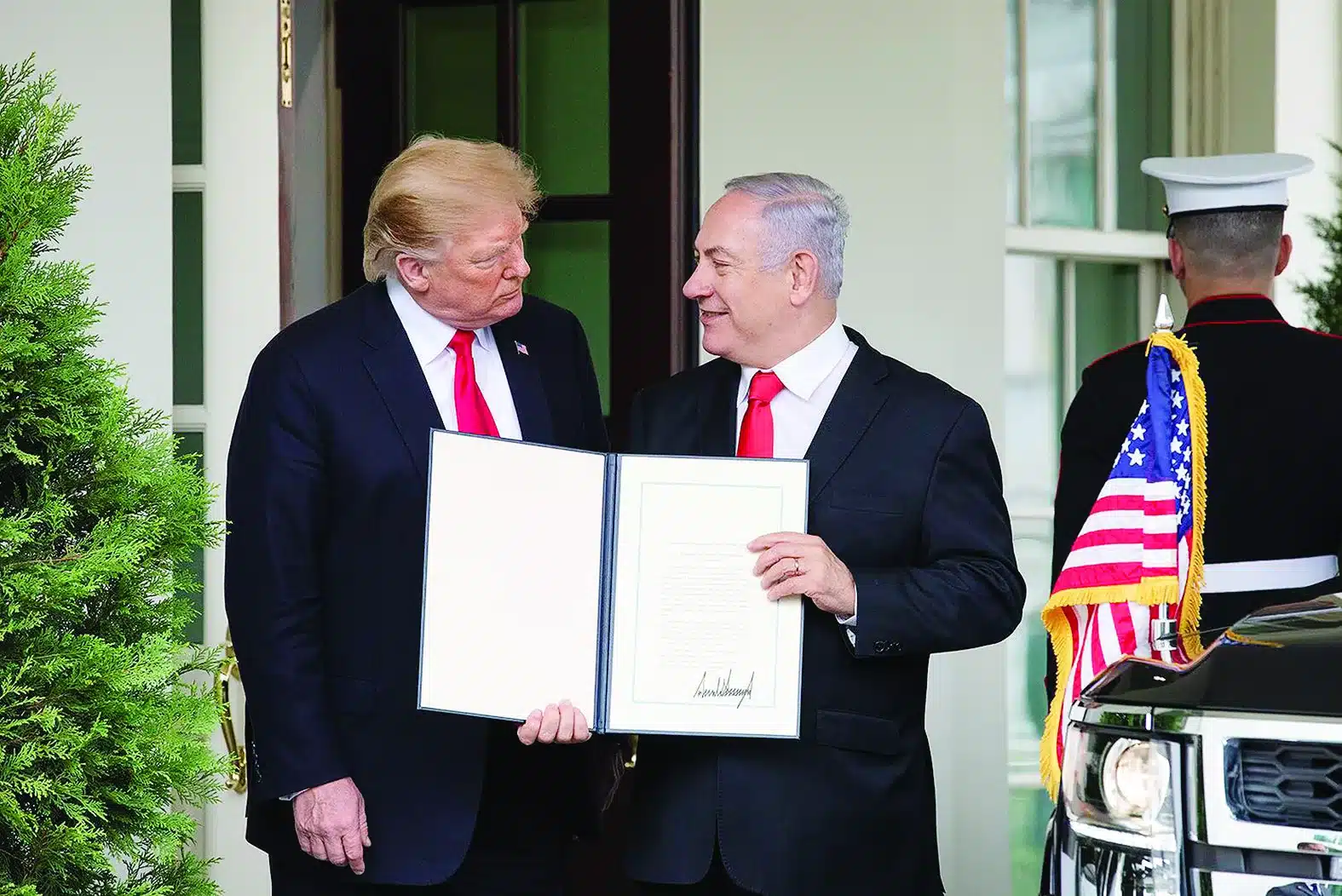
On December 17, 2024—just nine days after the fall of Bashar al‑Assad’s regime—Israeli Prime Minister Benjamin Netanyahu stood atop Mount Hermon in southern Syria and declared: “We are here to assess the situation and make a decision regarding Israeli deployment in this strategic location until another arrangement ensures Israel’s security.”

On March 5, 2025, he returned and announced openly: “We have changed the face of the Middle East.”

Neither Netanyahu nor his far-right allies in Israel, nor conservative hawks in the White House, nor the pro‑Israel lobby in Washington, has concealed their intentions to install a reimagined Middle East—one dismantled from its roots and rebuilt on firmer, deeper foundations in harmony with a renewed Israeli‑American axis.
نون بوست

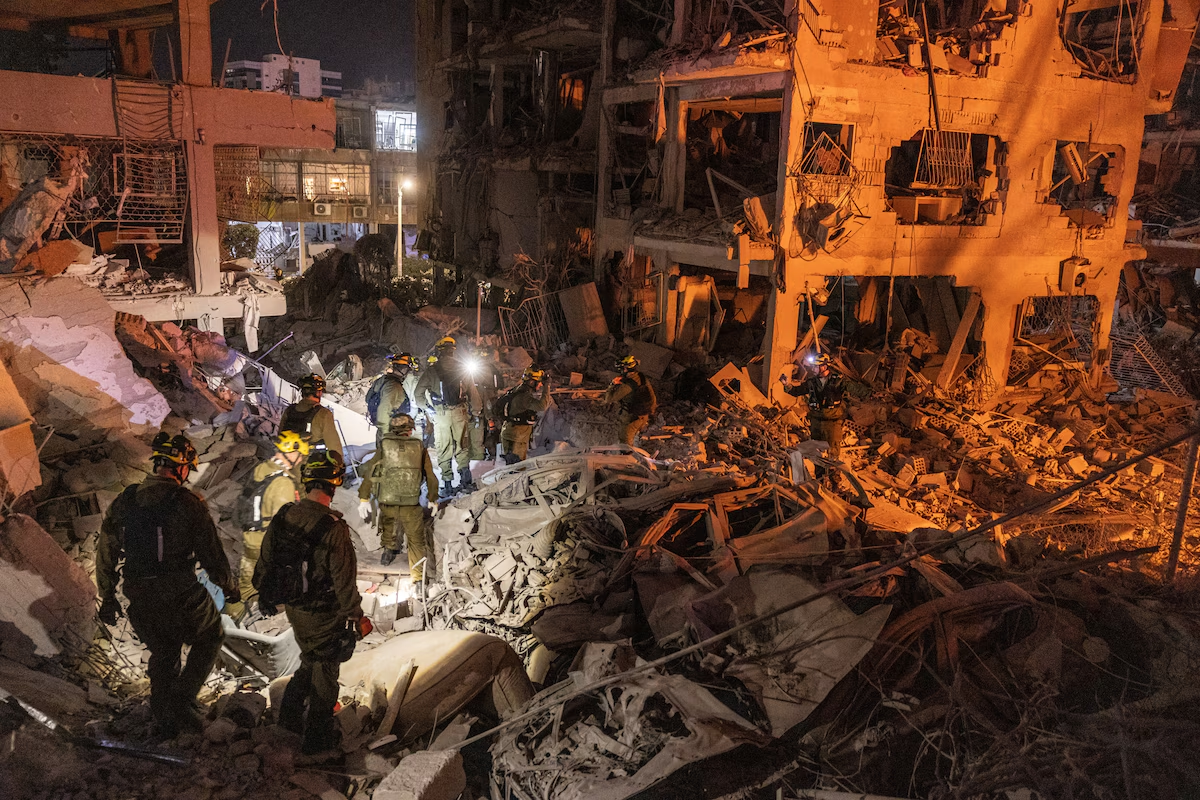
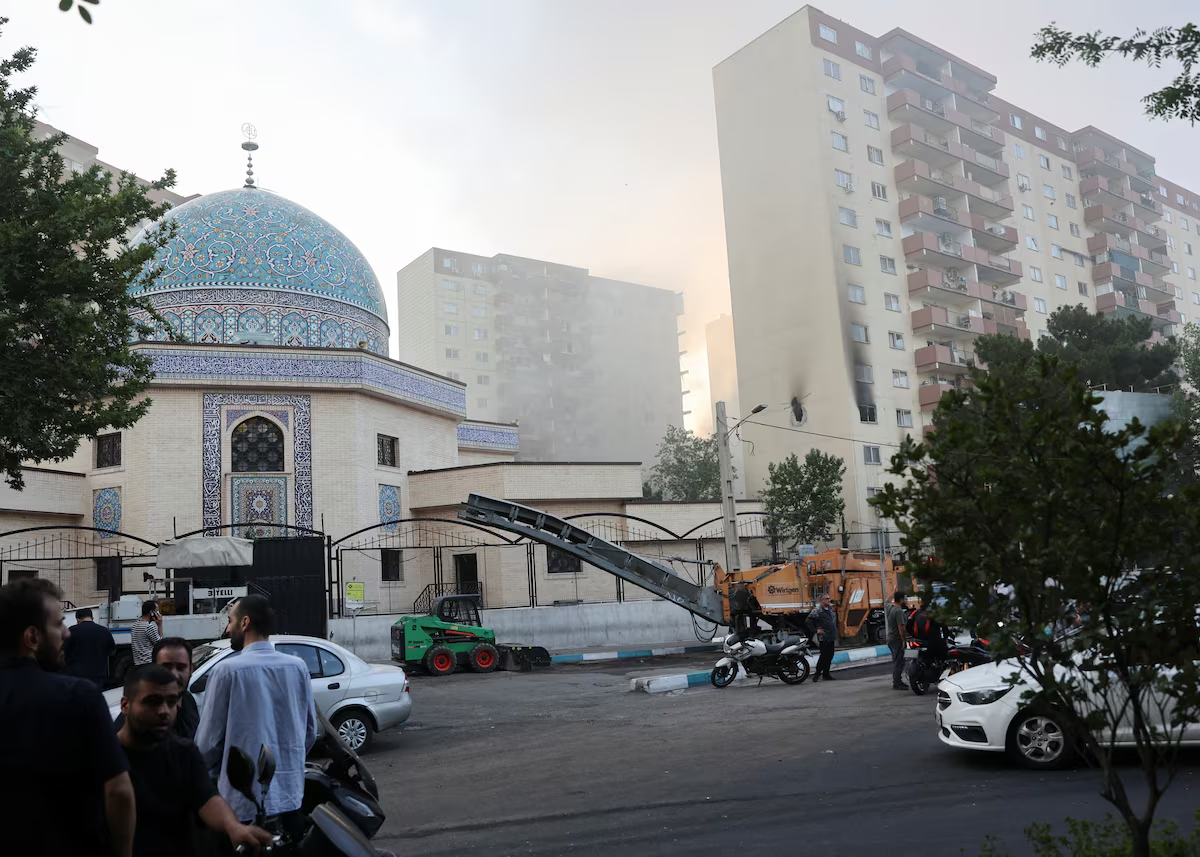
The current round of Israeli–Iranian escalation—regardless of its surface motivations—appears as the final act in preparations for this new Middle East. Architected by Zionist planners over decades, the outcome of this confrontation may determine whether the “Zionist‑American dream” is formally inaugurated or indefinitely postponed.

“Israel 2.0” – Reframing National Security

In April, Israel’s prestigious Meisgav Institute—founded in 2023 and headed by former national security advisor Meir Ben-Shabbat—publicly unveiled a strategic blueprint titled “Israel 2.0”. The detailed plan aims to catapult Israel into undisputed regional dominance, neutralizing both current and future adversaries.

The institute asserts that the October 7, 2023 attack served as a wake‑up call for Israel. It argues for a rapid recalibration: a comprehensive national reorganization, transformation of the Zionist-national myth, and a reboot of Israeli identity in preparation for coming decades.

The project outlines strategic objectives to be pursued in close coordination with the United States:

  • Eliminating the Iranian nuclear threat

  • Reaching agreements with Turkey on the new Middle Eastern geopolitical order and shared interests in Syria

  • Reinforcing peace accords with Egypt

  • Leveraging the moment for greater autonomy and initiative in shaping Israel’s northern region

  • Maintaining military pressure to dismantle the remnants of the Syrian army and expanding Israel’s presence along the Syrian border

A Clean Break: Blueprint for a New Middle East

In 1996, the seminal think‑tank memo A Clean Break: A New Strategy for Securing the Realm—drafted by leading American neoconservatives under the patronage of the U.S. Defense Department’s Richard Perle—laid the early groundwork for this vision.

Endorsed by major U.S.–Israeli experts, the plan pushed for absolute Israeli hegemony through the weakening, containment, or neutralization of regional powers.

Far from theoretical rhetoric, A Clean Break offered concrete policies: dismantling Iraq’s centralized systems, curbing Syria’s influence over Lebanon and Palestine, fragmenting strong Arab states, building Sunni alliances to counter Iran, and transforming the Arab–Israeli conflict into an administrable local dispute.

The ensuing U.S. interventions in Iraq (2003) and attempts to reshape regimes in the Middle East echoed its recommendations—contrasting sharply with earlier visions of peace-led cooperation.

Iran: The Final Obstacle

According to the Clean Break doctrine, Israel must abandon traditional peace negotiations with Palestinian or Arab states, including Iran. Soft diplomacy should yield to hard power—military, political, and subversive—to pressure hostile regimes into submission or irrelevance.

This shift became manifest with the October 7 Awakening operation, regarded by Israeli and Washington policymakers as a turning point. What followed were rapid, coordinated moves—militarily neutralizing Gaza’s capacity; sidelining Egypt, Jordan, Hezbollah, and a fragmented Syria through military operations and international instruments; and consolidating normalization through the Abraham Accords.

The stage was set to eliminate all regional opposition except for Iran and its Yemeni allies.

The recent escalation targeting Iran goes well beyond its nuclear ambitions. Israeli strikes have exposed vulnerabilities in Iran’s air defenses, making its skies a testing ground for Israeli aerial power. Netanyahu himself has called for an Iranian intifada and encouraged protests aimed at regime change—signaling a shift from containment to active regime subversion.

Strategically, this escalation also bolsters Israel’s negotiating position on Gaza, strengthening its hand as it crafts a new regional power balance favoring Israeli‑American will.

Regional Unease and Uncertainty

Despite the ideological gulf between Israel and the Arab states, leaders from Gulf countries to Islamabad are voicing concern. They argue that Iran serves as a key pillar of regional stability and deterrence.

A complete collapse of Iranian influence, they warn, would create a geopolitical vacuum rapidly filled by an emboldened Israel—shifting the balance of power irrevocably.

Saudi Arabia condemned the June 13 Israeli strike on Iranian targets; Pakistan officially backed Tehran, with its prime minister calling for unity among Muslim nations and its defense minister urging solidarity.

Chinese and Russian officials, meanwhile, have voiced economic concerns—warning that further escalation could jeopardize shared energy projects and threaten a multipolar world order.

This latest Israeli–Iranian escalation must be viewed as a defining moment in the Middle East’s evolution—a logistical and geopolitical inflection point. Far from merely a show of force, it represents the unfolding of a re‑engineered Middle East built on Israeli‑American hegemonic aspirations.

How regional powers and global actors respond in the coming weeks will determine whether this vision becomes reality—or is forced to retreat into the confines of ideological brinkmanship.
Download this article as PDF
Share this Article
Facebook Twitter Whatsapp Whatsapp Telegram Email Copy Link
عماد عنان
By عماد عنان كاتب صحفي وباحث في الإعلام الدولي
Follow:
Previous Article نون بوست Iran Strikes Back: Containing Israel, Avoiding Washington
Next Article نون بوست Israel on the Brink: A Turning Point for the Middle East

Read More

  • U.S. Regime‑Change Policies: Why They Are Destined to Fail U.S. Regime‑Change Policies: Why They Are Destined to Fail
  • The Gulf’s Balancing Act: Iran, Israel, and Hidden Links
  • Iraq–Turkey Oil Export Treaty: Why Did Ankara Cancel It After 52 Years?
  • Syria’s Northeast on Edge: QSD Between Ankara and Damascus
  • Has Europe Changed Its Stance on Israel… or Just Its Language?
part of the design
NoonPost Weekly Newsletter

You May Also Like

U.S. Regime‑Change Policies: Why They Are Destined to Fail

U.S. Regime‑Change Policies: Why They Are Destined to Fail

إسراء سيد Esraa sayed 8 April ,2026
The Gulf’s Balancing Act: Iran, Israel, and Hidden Links

The Gulf’s Balancing Act: Iran, Israel, and Hidden Links

فريق التحرير Noon Post 8 April ,2026
Iraq–Turkey Oil Export Treaty: Why Did Ankara Cancel It After 52 Years?

Iraq–Turkey Oil Export Treaty: Why Did Ankara Cancel It After 52 Years?

فريق التحرير Noon Post 8 April ,2026

كلمة السر: البيئة

حليمة نزار
حليمة نزار Published 9 March ,2016
Share
hjr

قبل عدة سنوات وبينما كنت أتابع العديد من البرامج الشبابية والدعوية، كنت أستمع إلى الكثير من المكالمات الهاتفية التي تبدأ على الشكل التالي: السلام عليكم يا دكتور، أنا كنت طالبًا متفوقًا في دراستي ثم ما لبثت أن تعرفت على مجموعة من الشبان لا قيمة للتعليم ولا للأخلاق في حياتهم، ولم آخذ وقتًا طويلًا في رفقتهم كي أكون مثلهم، فقلبت حياتي رأسًا على عقب وتغير سلوكي تجاه كل ما حولي، وذلك ما أثار غضب والديّ الذين طلبوا مني تغيير صحبتي وشرعوا بتذكيري بما كنت عليه سابقًا، فأحدثوا  في نفسي حسرةً ورغبةً في العودة لأول عهدي، فكيف لي أن أظل في رفقة أصدقائي هؤلاء وأن أعود كما كنت من قبل؟ فيأتي الرد: وفقك الله يا بني، فلتبتعد عنهم ولتدعو الله أن يهديك ويثبتك، الزم الذين إذا ما أذنبت نهوك، وإن أحسنت أسعدتك دعواتهم، ما جعل الله يا بني لرجل من قلبين في جوف واحد.

أذكر أني سمعت عددًا ليس بالقليل من شبيهات هذه المحادثات، ففي كل مرة يطرح الشبان والشابات أسئلتهم حول الصحبة السيئة تكون الإجابة بالإسراع بالابتعاد واختيار صالح الرفاق، وفي كل مرة أسمع فيها ذلك كنت أتساءل لماذا يطلب منّا الدعاة عادة فكّ رباط صداقة تعني لنا الكثير – رغم تأثيرها السلبي على حياتنا -، وطالما حدثتني نفسي أن ذلك فيه من التعالي على من تقاسمنا معهم ساعات جميلة، فمن الغرور أن نتركهم لأننا نسعى لنلتمس تحسنًا دينيًا أو دراسيًا في حياتنا.

كان هذا الانطباع منذ عدة سنوات، كنت أسمعه وأعرض عنه فورًا، أما اليوم فأجده أقرب السبل لعيش الحياة التي نحب دون منغصات، طبعًا هذا التصرف لا يتوقف فقط عند الخوف على حياة الفرد الدينية، وإنما يشمل كل جوانب الحياة.

“البيئة” هي كلمة السر في حياة كل منّا، فإن زرعت نباتًا جميلًا في بيئة لا تصلح للزراعة وبالغت في إصرارك على سقايته والتعهد برعايته فلن ينمو ولن يكبر، فالجذور لم تغرس في أساسٍ صحيح، كذلك نحن البشر إن لم نتواجد في البيئة التي تدفعنا للعمل والتحفيز فإننا وبلا شك سنقضي العمر متخبطين في محاولة لإيجاد تعريف واضح لأنفسنا.

قد يقضي الإنسان عمره كلّه ليعرف ما هي التربة التي ستخصب أفكاره فيها، والتي ستجعله يبدو متفردًا بين مجموعة كبيرة يتميز كل منها مع الآخر ويتميز عنه.

ولنا في رسول الله – عليه الصلاة والسلام – أسوة حسنة، وسيرة توجّهنا إلى حين لقاء وجه ربنا، فحين كان النبي في مكة المكرمة ظلّ عمه أبو طالب يدرأ عنه أذى قريش إلى أن وافته المنية، وبعد ذلك وحين اشتدّ بطشهم بالمسلمين، ومع تلقف قلوب أهل المدينة المنورة الإسلام وتبنيهم له، ما كان من النبي إلا أن دعا للهجرة إليها والبقاء فيها، وعندها أناخ المسلمون رحالهم هناك وبدأوا حياتهم الجديدة.

بالتأكيد هي ليست دعوة لهجران الأصدقاء الذين لا تشاركهم رؤيتهم للحياة، ولكنها دعوة للهجرة إلى حيث ينتمي عقلك وقلبك، إلى المكان والأشخاص الذين ستتقد همتك بهم، الذين ستألف أفكارك أفكارهم، وتودعهم همومك التي تشبه همومهم.

الاختلاف جميلٌ جدًا، والتعامل ولقاء كثير من الأشخاص من كافة الآراء والأديان والأحزاب يصقل ذاتك ويثري عقلك ويعطيك خبرة تفوق عمرك الحقيقي، ومن جانب آخر وجود أرواح تتشارك معهم الموقف ذاته تجاه حدث معين ليعبر كل منكم عنه بطريقته فتشكلون لوحةً تحكي عن قصة أو تشجب موقفًا لهو من أروع النعم التي تستوجب الحمد.

قد نصحو يومًا لنكتشف أننا في مكان لا يناسبنا، وبين أشخاص لا يجمع بيننا وبينهم سوى أن كلانا من بني آدم، لكن الوقوف عند هذا والتسليم به هو أول طريق لتقليل احترام ذواتنا التي تطلب منّا دائمًا أن نجد لها من تشاطره الألفة.

البيئة التي نريدها ليست ريفًا أو مدينة، ليست لونًا معينًا ولا لكنة متشابهة، لكنّها ما نخلقه بأيدينا ونضفي عليه لمساتنا، وكانوا في السابق إذا أرادوا مدارسة عالم قطعوا الصحراوات الشاسعة ولاقوا سقم السفر وعذاباته لكي يكونوا في المكان الذي يريدون، أما اليوم فنقدر أن نكون مع من نريد، ندرس ما نشاء ومتى نشاء وممن نشاء، ببضع ضغطات يمكننا أن نقرأ لأسلافنا في أي عصر، أن نكون معهم ولو بعد حين.

يمكننا أن نتابع الأشخاص الذين يلهموننا، أن نتجاذب معهم الأحاديث، ونختلف ونتفق في الرؤى، أن نكتشف الطريق الذي نود السير فيه لآخر نفس في حياتنا.

نزل الوحي بمكة، ونزلت أول آيات القرآن فيها، بها ولد عليه الصلاة والسلام وبها نشأ، لكنّه عندما وجد في المدينة المنورة بيئة ينمو فيها الإسلام ويخصب هاجر إليها، ففيها تشكلت نواة الدولة الإسلامية التي انطلقت بعد ذلك تجوب العالم شرقًا وغربًا.

ابحث عن مدينتك، هاجر إليها إن لم تخلق فيها وكن أخًا لمن ينصرك بها، حينها ستنير هذه المدينة قلبك ويطلع عليها البدر.

TAGGED: التراث الإسلامي ، السيرة النبوية ، الفكر الإسلامي ، المجتمع ، الهجرة
TAGGED: المجتمع
Download this article as PDF
Share this Article
Facebook Twitter Whatsapp Whatsapp Telegram Email Copy Link
حليمة نزار
By حليمة نزار طالبة جامعية سورية
Follow:
Next Article نون بوست The Stigma of “ISIS”: A Heavy Legacy Haunting Women and Children of Former Members

Read More

  • U.S. Regime‑Change Policies: Why They Are Destined to Fail U.S. Regime‑Change Policies: Why They Are Destined to Fail
  • The Gulf’s Balancing Act: Iran, Israel, and Hidden Links
  • Iraq–Turkey Oil Export Treaty: Why Did Ankara Cancel It After 52 Years?
  • Syria’s Northeast on Edge: QSD Between Ankara and Damascus
  • Has Europe Changed Its Stance on Israel… or Just Its Language?
part of the design
NoonPost Weekly Newsletter
dark

An independent media platform founded in 2013, rooted in slow journalism, producing in-depth reports, analysis, and multimedia content to offer deeper perspectives on the news, led by a diverse young team from several Arab countries.

  • Politics
  • Society
  • Rights & Liberties
  • Opinions
  • History
  • Sports
  • Education
  • Technology
  • Economy
  • Media
  • Arts & Literature
  • Entrepreneurship
  • Travel
  • Cinema & Drama
  • Food
  • Health
  • Culture
  • Latest Reports
  • Files
  • Long Reads
  • Interviews
  • Podcast
  • Interactive
  • Encyclopedia
  • In Pictures
  • About Us
  • Our Writers
  • Write for Us
  • Editorial Policy
  • Advanced Search
Some rights reserved under a Creative Commons license

Removed from favorites

Undo
Go to mobile version