
NoonPost NoonPost

NoonPost

  • Home
  • Politics
  • Economy
  • Society
  • Culture
  • Files
  • Long Reads
  • Podcast
AR
Notification Show More
نون بوست
“There Are Nights I Can’t Close My Eyes”: How Gazans Are Living in Homes on the Brink of Collapse
نون بوست
From al-Jolani to Ahmad al-Shara: The Evolution of Syria’s New Leader
نون بوست
When Political Islam Receded in Egypt: Who Filled the Void?
نون بوست
An Extension of Genocide: Gaza’s Detainees Speak Out
نون بوست
A Tightrope Between Survival and Sovereignty: The Syrian Government Faces Normalization Pressures
نون بوست
American Aircraft Carriers: Has the Era of “100,000 Tons of Diplomacy” Ended?
نون بوست
U.S. Regime‑Change Policies: Why They Are Destined to Fail
نون بوست
Transformations of Israeli Judaism: Between the Victim Complex and the Colonizer’s Doctrine
نون بوست
The Gulf’s Balancing Act: Iran, Israel, and Hidden Links
نون بوست
Iraq–Turkey Oil Export Treaty: Why Did Ankara Cancel It After 52 Years?
نون بوست
Syria’s Northeast on Edge: QSD Between Ankara and Damascus
نون بوست
Has Europe Changed Its Stance on Israel… or Just Its Language?
NoonPost NoonPost
AR
Notification Show More
نون بوست
“There Are Nights I Can’t Close My Eyes”: How Gazans Are Living in Homes on the Brink of Collapse
نون بوست
From al-Jolani to Ahmad al-Shara: The Evolution of Syria’s New Leader
نون بوست
When Political Islam Receded in Egypt: Who Filled the Void?
نون بوست
An Extension of Genocide: Gaza’s Detainees Speak Out
نون بوست
A Tightrope Between Survival and Sovereignty: The Syrian Government Faces Normalization Pressures
نون بوست
American Aircraft Carriers: Has the Era of “100,000 Tons of Diplomacy” Ended?
نون بوست
U.S. Regime‑Change Policies: Why They Are Destined to Fail
نون بوست
Transformations of Israeli Judaism: Between the Victim Complex and the Colonizer’s Doctrine
نون بوست
The Gulf’s Balancing Act: Iran, Israel, and Hidden Links
نون بوست
Iraq–Turkey Oil Export Treaty: Why Did Ankara Cancel It After 52 Years?
نون بوست
Syria’s Northeast on Edge: QSD Between Ankara and Damascus
نون بوست
Has Europe Changed Its Stance on Israel… or Just Its Language?
Follow US

Israel on the Brink: A Turning Point for the Middle East

أحمد الطناني
Ahmad Tanani Published 26 March ,2026
Share
نون بوست

A series of violent explosions rocked several Iranian cities, including Tehran, at dawn on Friday, following airstrikes carried out by Israeli occupation aircraft that targeted nuclear and military facilities, as well as residential neighborhoods in the Iranian capital.

The Israeli military described the operation as a “preemptive strike,” using the exact words of Israeli Defense Minister Yoav Gallant in his official announcement. The attack came after an explicit warning from U.S. President Donald Trump, indicating a possible imminent Israeli strike on Iran’s nuclear installations, signaling that a moment of confrontation was approaching.

The Israeli assault on Iran represents not only a major military escalation but also a critical turning point in the escalating regional confrontation. As a unilateral Israeli operation—without direct American involvement—it opens the door to complex scenarios, although Washington remains present, at least behind the scenes, through defensive and diplomatic support, foreshadowing a strategic inflection point in the region.
نون بوست
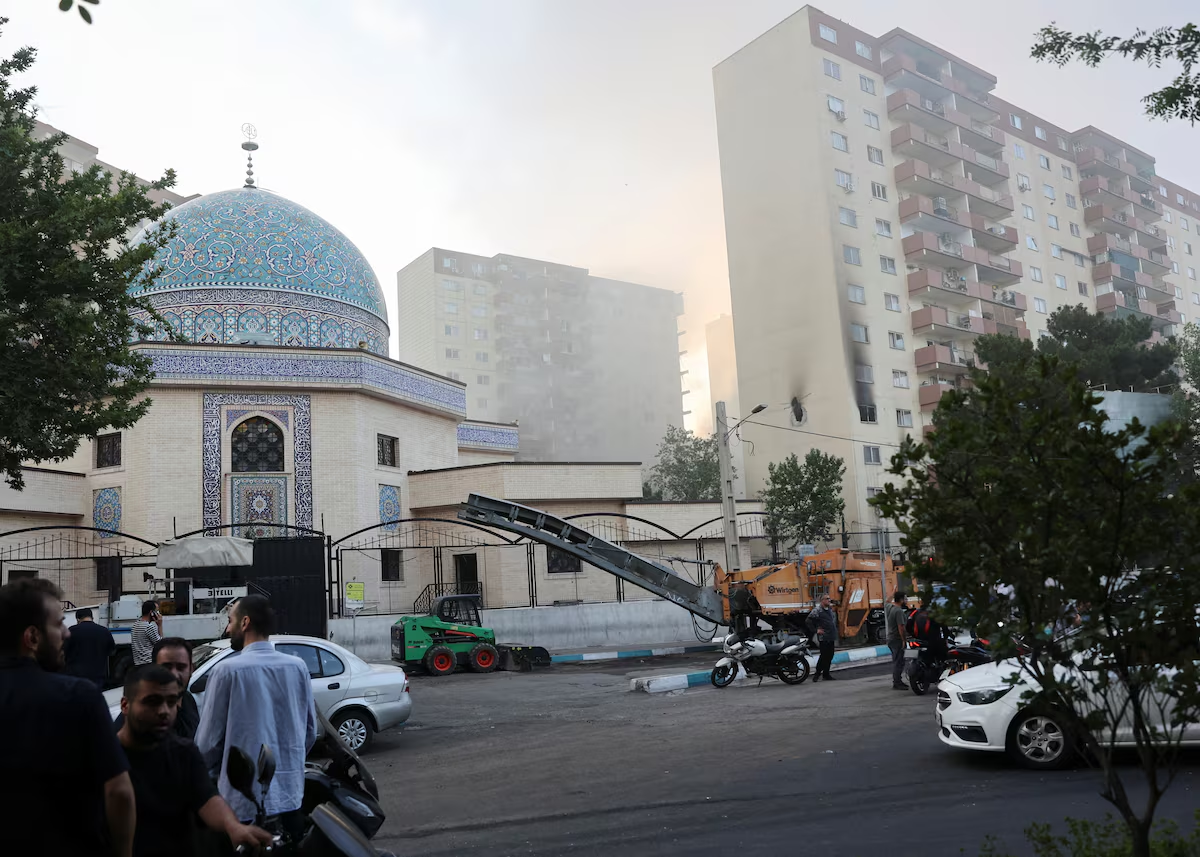
A damaged building following Israeli strikes, in Tehran, Iran, June 13, 2025. Majid Asghari Pour / West Asia News Agency (WANA) via Reuters.

Israel Enters the Point of No Return

Defense Minister Yoav Gallant announced the launch of a military operation against Iran, codenamed “Rising Lion,” alongside declaring a state of heightened alert on Israel’s home front in anticipation of an imminent Iranian response.

“In response to the preemptive strike Israel carried out against Iran, we expect Israel and its civilian population to be targeted by missiles and drones,” Gallant said in an official statement.

Prime Minister Benjamin Netanyahu said the attack targeted “leading Iranian nuclear scientists working on bomb development, as well as sites linked to their ballistic missile program.” He described Israel as living through a “decisive moment” and vowed that operations would continue “as long as necessary,” claiming Iran possessed enough enriched uranium to build nine nuclear bombs.

The Israeli military reported it had “completed the first phase of the operation” involving dozens of fighter jets striking “tens of military targets, including nuclear sites, in various parts of Iran.” An Israeli military official also confirmed the attack struck Iranian military commanders and that operations were ongoing.
نون بوست
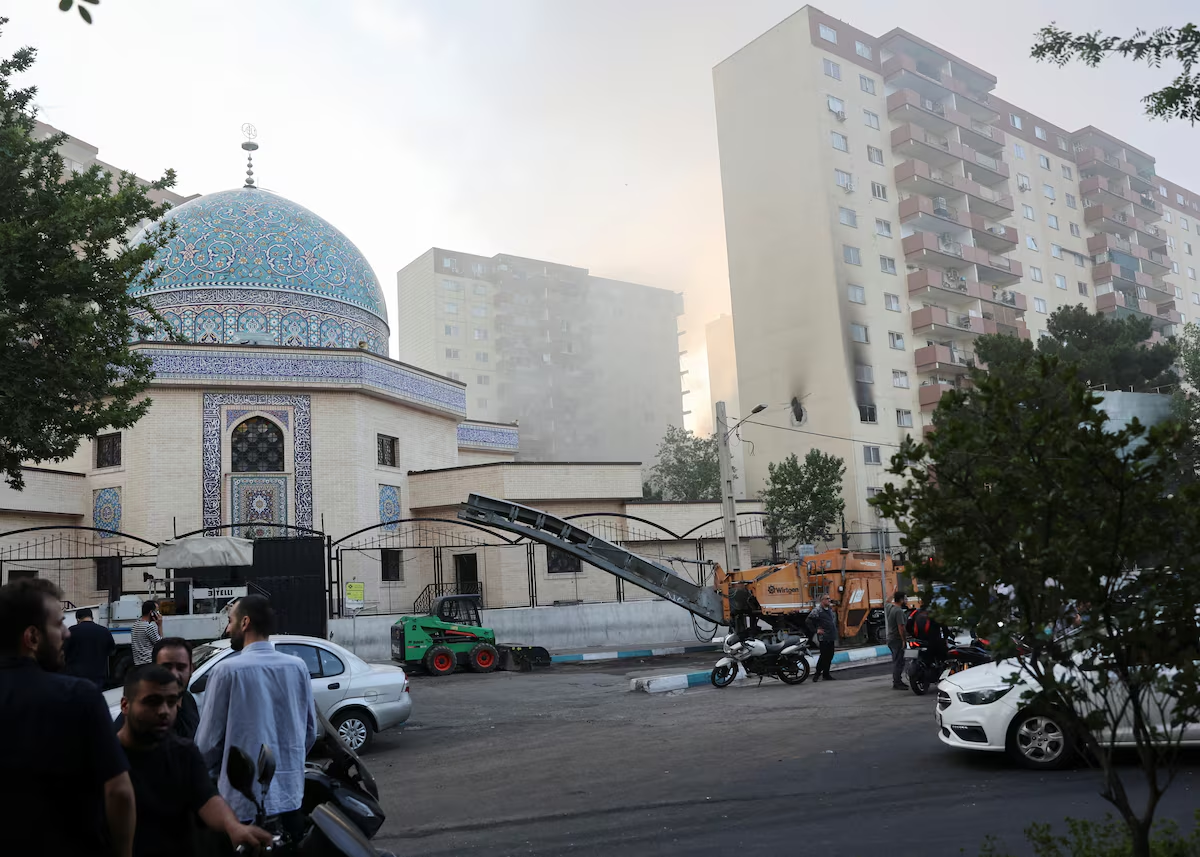
A damaged building in Tehran, Iran, following Israeli strikes, June 13, 2025. Majid Asghari Pour / West Asia News Agency (WANA) via Reuters.

Chief of Staff Eyal Zamir described the moment as the “point of no return,” stating, “We cannot wait any longer,” and warning that “anyone who dares challenge us will pay a dear price.” He added, “We fight this battle together, aiming to secure a safer future for Israel and its citizens.”

These statements make it clear that Israel views the attack not as a limited strike but as a strategic reset in its rules of engagement—one that could lead to broad escalation well beyond the initial air raid.

Assassinations: The Covert Dimension

Despite multiple signs suggesting an Israeli strike on Iran was possible, the scale, complexity, and surprise factor of this operation added a shocking element.

While the anticipated focus was on nuclear facilities, the strike was broader and more intricate than expected: it aimed not only at nuclear infrastructure but also at disrupting Iran’s military command structure.

Iranian television reported explosions in northeastern Tehran, specifically in the Mohallati district, home to top IRGC and military commanders. Footage showed smoke rising from the Lavizan neighborhood, housing key army, IRGC, and General Staff operations.

All inbound flights to Imam Khomeini International Airport were suspended, indicating the severity of the strikes.

A New York Times report states that Israel hit at least six military bases around Tehran—including the Parchin nuclear site—and that the wave of attacks appeared to include coordinated assassinations of senior military and scientific figures .
نون بوست
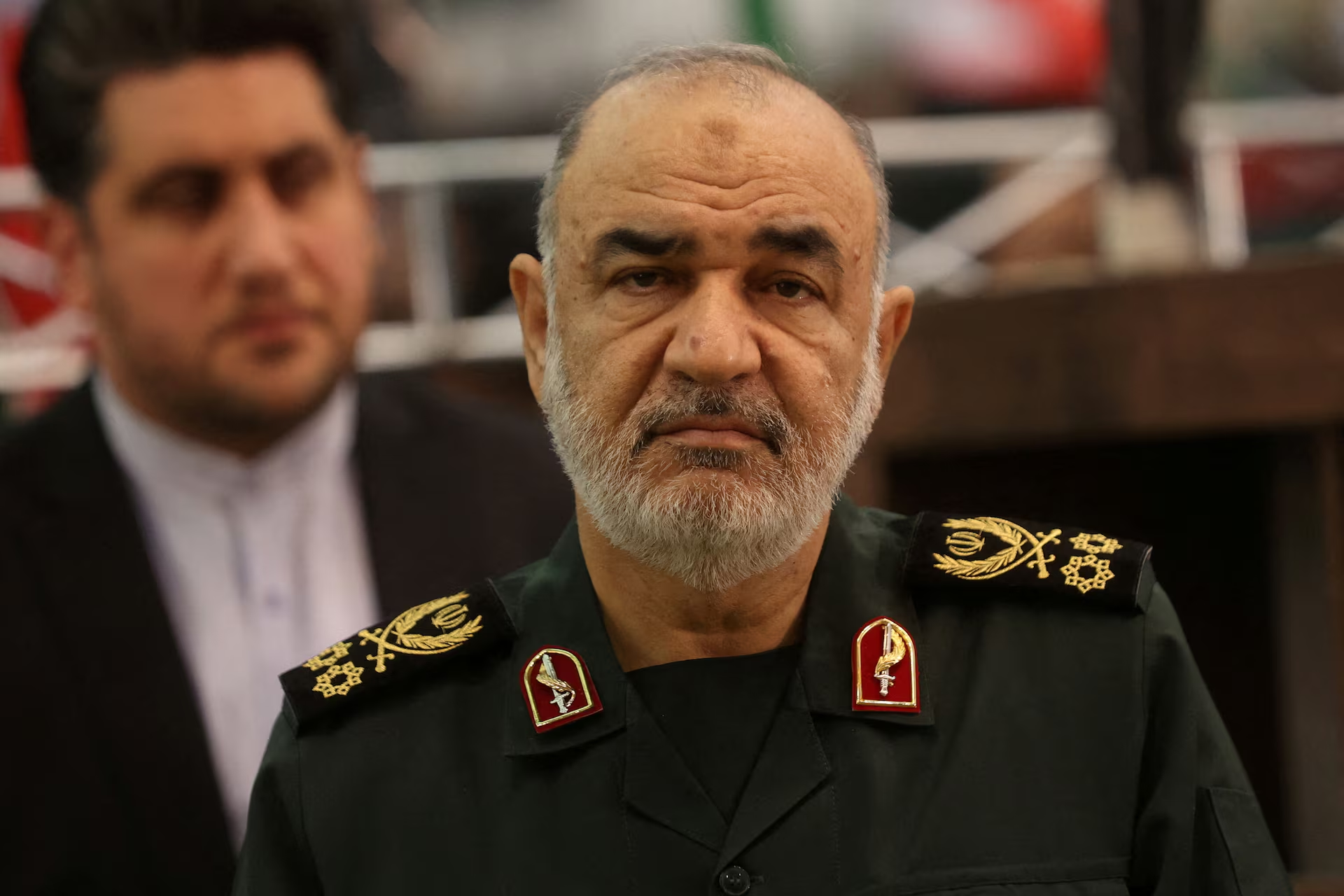
Major General Hossein Salami, Commander-in-Chief of Iran’s Islamic Revolutionary Guard Corps (IRGC). Majid Asghari Pour / West Asia News Agency (WANA) via Reuters.

Iranian media claimed the “Zionist entity” carried out targeted killings within the operation. Tasnim News, close to the IRGC, reported the assassination of IRGC commander-in-chief Major General Hossein Salami in a strike on the central command HQ.

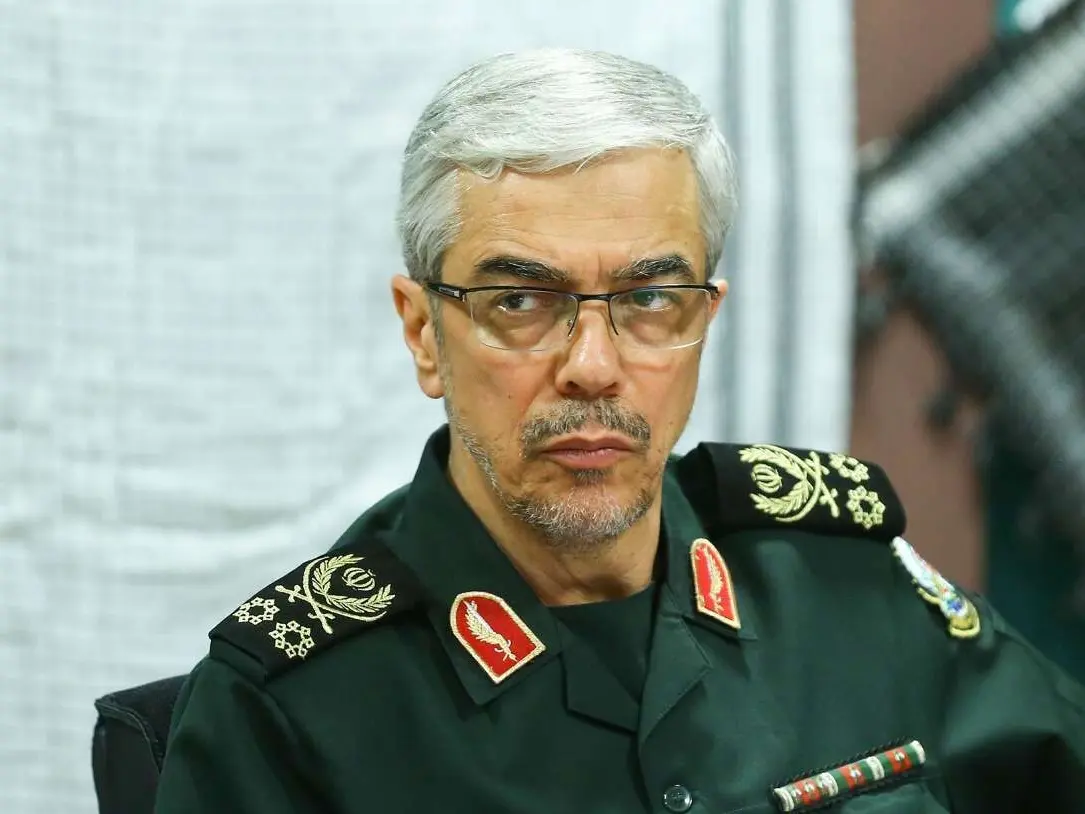
It also claimed the deaths of Fereydoun Abbasi, former head of Iran’s Atomic Energy Organization, Mahdi Tehranji, president of Azad University, and Major General Mohammad Bagheri, Chief of Staff of the Armed Forces, while the fate of other key figures remains unclear.

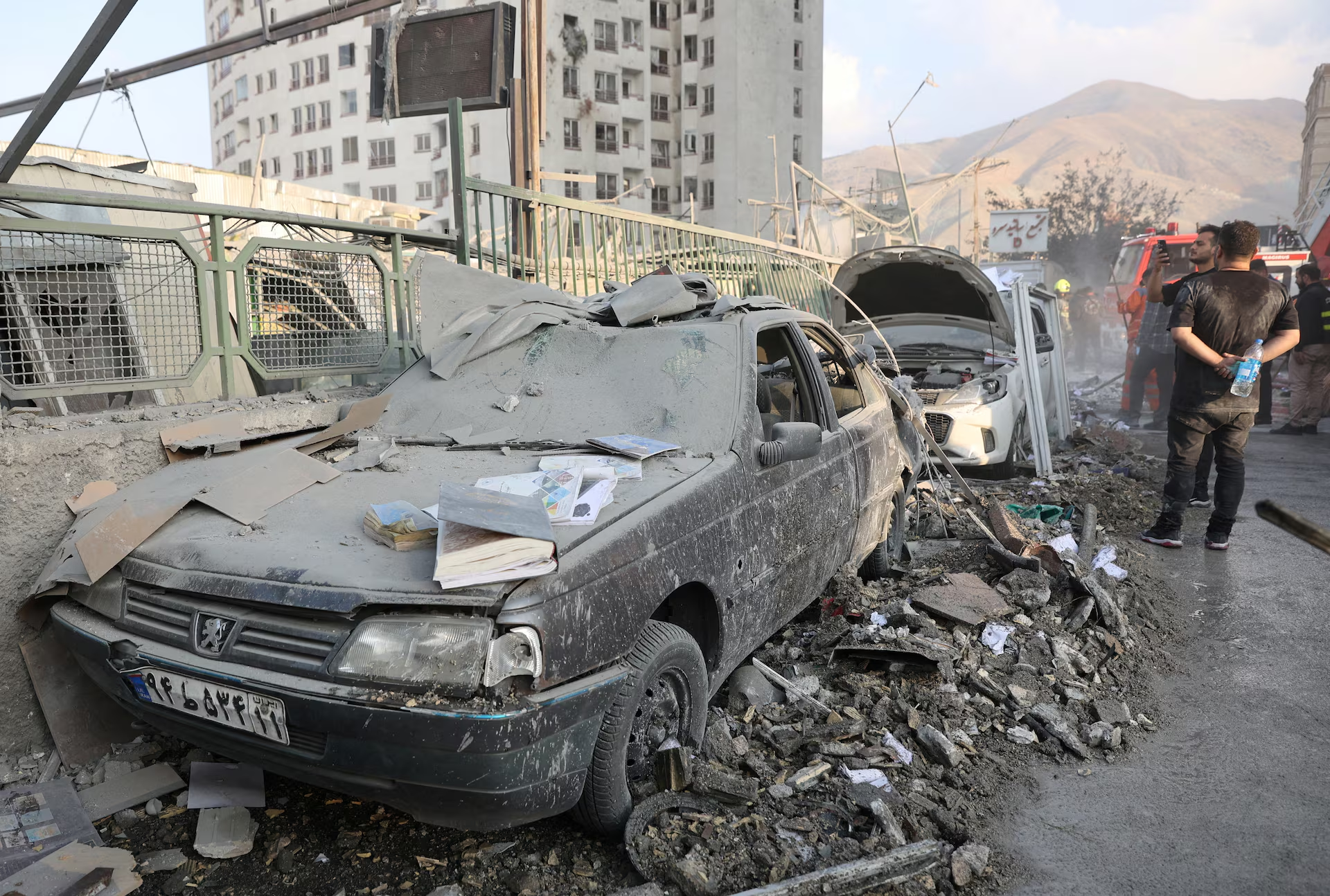
Further strikes reportedly ignited smoke at the Natanz nuclear facility in Isfahan Province; buildings in eastern Tehran were bombed, and explosions were heard in Kermanshah and Lorestan provinces—alongside reports of casualties.

According to an Israeli military source cited by Army Radio, Mossad executed sabotage operations deep within Iran against air-defense and strategic missile systems. Israeli journalist Barak Ravid told CNN that a senior official informed him of covert “sabotage operations” on heavily fortified Iranian sites .
نون بوست
Mohammad Bagheri

The scale of damage and the nature of the targets suggest Iranian preparations were insufficient for this level of threat—especially in the timing and focus on top leadership, which Iran did not anticipate. This contributed significantly to the success of the initial strike.

The United States: “We’re Not a Part of This… but!”

In the immediate aftermath of the Israeli attack, U.S. Secretary of State Marco Rubio issued a clarifying statement, asserting, “Israel acted unilaterally against Iran tonight. We are not a party to these strikes.” He emphasized that Washington had been warned in advance by Tel Aviv that the operation was “necessary for self-defense,” consistent with the Israeli account.

Rubio warned Iran against targeting U.S. facilities or personnel, stating: “Our top priority is the protection of U.S. forces,” and added firmly, “Let me be clear, Iran must not target U.S. interests or forces.”

This public distancing belies extensive preparatory activity by Washington ahead of the strike, which included evacuation of diplomatic staff and military dependents from U.S. posts in the Middle East—most notably from the U.S. embassy in Baghdad, as well as facilities in Kuwait and Bahrain.

U.S. military and embassy bases across the region were placed on high alert amid intelligence that a major Israeli operation was imminent.

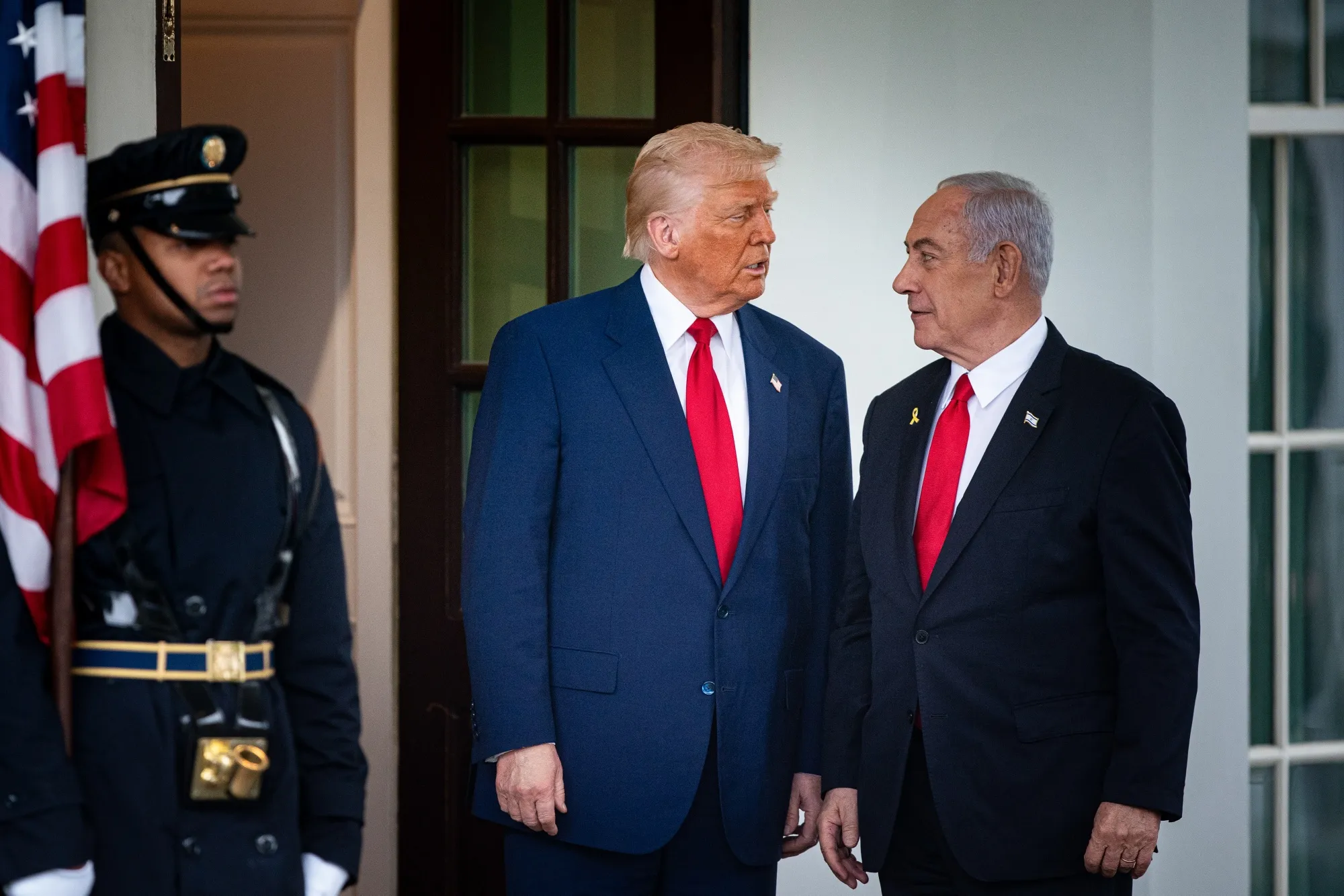
American diplomatic sources had described the situation hours before the strike as “the most dangerous in years,” and President Trump declared that the United States “will never allow Iran to acquire nuclear weapons.”
نون بوست
Donald Trump and Benjamin Netanyahu outside the West Wing of the White House, April 7. Photo: Al Drago / Bloomberg.

CBS reported that senior U.S. officials were told that “Israel is fully ready to execute a military operation against Iran” with expectations of an Iranian response targeting U.S. sites, particularly within Iraq .

Despite denying any direct role, the U.S. made no effort to stop the strike and did not pressure Tel Aviv to call it off. Ambassador Mike Huckabee stated, “I don’t expect Israel to attack Iran without U.S. green light, but in the end the decision is theirs,” suggesting implicit American approval.

Limited Strikes or Widening Regional War?

This surprise Israeli strike has placed the Middle East on a more volatile footing than any time in recent memory. While labeled a “preemptive strike,” Prime Minister Netanyahu clearly indicated that operations would continue “as long as necessary,” implying a multi-wave campaign targeting the structural pillars of Iran’s military strength.

The sharply defined objectives appear focused on neutralizing Iran’s nuclear program—or at least rolling it back by years—and disabling long-range ballistic missile capabilities, viewed by Israel as existential red lines.

The campaign does not currently aim to topple the Iranian regime or dismantle its governance structures—evident by the absence of strikes on civilian infrastructure—suggesting a tactical focus aimed at “response and deterrence” rather than total war.

By publicly distancing itself from the strikes, the U.S. aims to draw a line between its strategy and Israel’s actions—implicitly steering the Iranian response to avoid targeting U.S. interests.

Nonetheless, Washington remains the strategic anchor in Israel’s defense, underpinning the regional air-defense architecture through U.S. Central Command (CENTCOM), involving allied Arab states in integrated operations.

Iran has vowed “a decisive attack” against the “Zionist entity” in response. Supreme Leader Ali Khamenei affirmed the retaliation would be forthcoming but would be shaped by two main factors: the extent of damage inflicted by the initial strike and U.S. involvement if the conflict escalates .

Iranian options may mirror October 2024’s “True Promise 2” operation—rocket and hypersonic missile barrages designed to overwhelm Israeli defenses. However, the effectiveness will hinge on how severely Iran’s nuclear and missile infrastructure was damaged and the resilience of Israeli and U.S. defensive systems.
نون بوست
Damaged vehicles following Israeli strikes in Tehran, Iran, June 13, 2025. Majid Asghari Pour / West Asia News Agency (WANA) via Reuters.

Israel and the United States reportedly prepared for this kind of scenario by reinforcing regional air-defense networks and operational coordination—drawing lessons from earlier “True Promise” operations—and neutralizing Iran-backed proxies in Lebanon, Syria, Iraq, and Yemen to prevent multi-front escalation.

While the current dynamic might appear as a tit-for-tat exchange, the most dangerous scenario remains that this Israeli operation could catalyze a broader regional campaign, potentially culminating in decisive U.S. military action against the Iranian regime.

President Trump recently stated he is “more confident than ever that the U.S. military will restore American glory in the days ahead,” hinting at a looming strategic climax.

Taken together, it seems this Israeli attack may well be the opening salvo in the final phase of a region-wide realignment engineered by Israel and the United States—a moment Netanyahu described as “the perfect opportunity to achieve historic change in the balance of power.”

Download this article as PDF
Share this Article
Facebook Twitter Whatsapp Whatsapp Telegram Email Copy Link
أحمد الطناني
By أحمد الطناني كاتب وباحث في الشأن السياسي
Follow:
Previous Article نون بوست Iran’s Fall or Israel 2.0? A New Middle East Emerges
Next Article نون بوست Siberia: An Islamic Enclave at the Edge of the World

Read More

  • U.S. Regime‑Change Policies: Why They Are Destined to Fail U.S. Regime‑Change Policies: Why They Are Destined to Fail
  • The Gulf’s Balancing Act: Iran, Israel, and Hidden Links
  • Iraq–Turkey Oil Export Treaty: Why Did Ankara Cancel It After 52 Years?
  • Syria’s Northeast on Edge: QSD Between Ankara and Damascus
  • Has Europe Changed Its Stance on Israel… or Just Its Language?
part of the design
NoonPost Weekly Newsletter

You May Also Like

U.S. Regime‑Change Policies: Why They Are Destined to Fail

U.S. Regime‑Change Policies: Why They Are Destined to Fail

إسراء سيد Esraa sayed 8 April ,2026
The Gulf’s Balancing Act: Iran, Israel, and Hidden Links

The Gulf’s Balancing Act: Iran, Israel, and Hidden Links

فريق التحرير Noon Post 8 April ,2026
Iraq–Turkey Oil Export Treaty: Why Did Ankara Cancel It After 52 Years?

Iraq–Turkey Oil Export Treaty: Why Did Ankara Cancel It After 52 Years?

فريق التحرير Noon Post 8 April ,2026

هل يستفيد الاقتصاد التركي من جولات أردوغان الأخيرة

مناف قومان
مناف قومان Published 9 March ,2016
Share
vezirigana-650x366

لا يفتأ السيد رئيس الجمهورية التركية رجب طيب أردوغان يعود من جولة حتى يبدأ أخرى، فمنذ توتر العلاقات مع روسيا والرئيس يجول العالم شرقًا وغربًا لإيجاد أسواق لتصدير المنتجات التركيا عوضًا عن الأسواق الروسية، ولم يذهب الرئيس في جولة إلا والطائرة ممتلئة يرافقه فيها رجال أعمال واقتصاديين ووزراء لتوقيع العقود واقتناص الفرص الاستثمارية في البلاد التي يذهب إليها، فذهب الرئيس في زيارة رسمية في بداية شهر فبراير إلى كل من تشيلي والإكوادور والبيرو في سبيل تقوية الروابط الاقتصادية التركية وترسيخها مع دول أمريكا الجنوبية؛ إذ وصل حجم التبادل التجاري إلى 10 مليارات دولار عام 2014 لتتوسع التجارة بين تركيا ودول أمريكا بنسبة 800% على مدى سنوات العقد الماضي.

“غدا هو عيد ميلاد السيد الرئيس ألفا، وبهذه المناسبة أريد أن أقدم بشرى سارة لكم، ستقوم بلدية إسطنبول بإهداء العاصمة الغينية كوناكري 50 حافلة نقل داخلي وسيقومون بإجراء العناية اللازمة على الحافلات من الألف إلى الياء كما سيتم تدريب الطاقم الذي سنصطحبه معنا من هنا إلى تركيا وبعد الانتهاء من تدريبهم سيتم إرسال خمسين حافلة معهم إلى غينيا”.

كان هذا ختام زيارة الرئيس أردوغان لدولة غينيا عاقدًا عدة لقاءات مع الرئيس الغيني ألفا كوندي، حيث وقّع البلدان عدة اتفاقيات في مجالات مختلفة أبرزها الصحة والسياحة والطاقة والتعاون العسكري والكهرباء والتعدين والبيئة، وتم تأسيس مجلس أعمال مشترك بين البلدين، وشدد أردوغان على أن تركيا تريد أن تأتي إلى غينيا بروابط الإخوة فهي “دولة صديقة وشقيقة” لا “بالاستعمار كما فعل الغير في الماضي”، وأعلن أردوغان انطلاق رحلات الخطوط الجوية التركية من بلاده إلى غينيا بدءًا من يونيو  المقبل، وكانت غينيا هي ختام الجولة التي قام بها أردوغان إلى أفريقيا بدأها بساحل العاج وغانا ونيجيريا.

وحال عودة الرئيس ذهب أحمد داود أوغلو إلى إيران مطلع الأسبوع الماضي لمناقشة سبل زيادة التعاون الاقتصادي بين البلدين في المرحلة المقبلة وتم عقد لقاءات مشتركة بين رجال أعمال من البلدين، واصطحب أوغلو معه وفدًا اقتصاديًا ضم وزراء الاقتصاد والجمارك والتجارة والطاقة والشحن والمواصلات والتنمية والملاحة البحرية ومجموعة من رجال الأعمال، وأكد أوغلو أن بلاده تستهدف رفع حجم التبادل التجاري مع إيران من 10 إلى 30 مليار دولار في المرحلة المقبلة خصوصًا بعد رفع العقوبات عن طهران ونيتها جذب الاستثمارات الأجنبية إليها لتطوير اقتصادها الوطني، ولهذا سيتم افتتاح مركز تجاري تركي في طهران بهدف الحصول على مكانة أكثر قوة ونفوذًا في السوق الإيرانية بحسب رئيس مجلس المصدرين الأتراك وتتوقع تركيا تعزيز الشراكات الاقتصادية مع إيران في مجال تجارة التجزئة.

كما صرح داوود أوغلو خلال الزيارة “لقد ناقشنا رفع مستوى العلاقات الثنائية من أجل تعزيز التعاون في مجال الطاقة والخدمات المصرفية والنقل والسياحة وذلك سيمكننا أيضًا من حل الخلافات السياسية في المنطقة”.  

إلا أنه وبحسب محللين فإن الأسواق الجديدة التي تحاول تركيا جاهدة فتحها تواجه معها تحديات جمة أهمها البُعد الجغرافي؛ فالنجاح الذي حققته تركيا على الصعيد التجاري كان على مستوى آسيا وأوروبا القريبة من تركيا والتي تأثرت وتيرتها بعد الأزمة المالية التي ضربت المنطقة عام 2008 ومشاكل اقتصادية في اليونان وبلغاريا وأثرت على التجارة الخارجية فضلاً عن الاضطرابات الحاصلة في العراق وسوريا ودول عربية أخرى، إذن رحلات مكوكية تنطلق من تركيا إلى دول أفريقيا وإيران وأمريكا والدول العربية سعيًا منها لدرء الفجوة التجارية التي خلفتها الدول المجاورة مع تركيا.

الخبير الاقتصادي عبد الله كاراكوش المرافق لأردوغان في زيارته الأفريقية قال لموقع صحيفة “ميلييت” الإلكترونية إن الزيارة حملت أفق التعاون الاقتصادي مع القارة السمراء بعد تأثر الصادرات التركية نتيجة لما تمر به منطقة الشرق الأوسط_ التي تشكل سوقًا استهلاكيًا مهمًا لها_ من أزمات سياسية حادة، وقال أيضًا إن الدول الأفريقية تتشابه إلى حد كبير في الفرص الاستثمارية التي تعرضها، مؤكدًا أن هناك الكثير من المشاريع التي تقدمها هذه الدول ولكنها تحتاج إلى من يتعاون معها ويمدها بالخبرة والمعدات اللازمة لتحقق نهضتها الداخلية وتعود على الشركات الأجنبية المستثمرة بمردود جيد.

ويقدر التبادل التجاري بين القارة السمراء وتركيا منذ تولي داود أوغلو وزارة الخارجية عام 2009 بنحو 24.4 مليار دولار وتسعى تركيا لرفع حجم التبادل التجاري مع أفريقيا إلى 50 مليار دولار.

ولو استثنينا البُعد الجغرافي بين تركيا والقارة الأفريقية فإن هناك تحدٍ آخر وهو المنافسة المحتدمة مع الصين وفرنسا ودول أخرى كانت قد سبقت تركيا قبل سنوات إليها وبدأت بمشاريع استثمارية وتقدم معونات ومساعدات مالية وتظفر بالمشاريع الاستثمارية الدسمة هناك.

والجدير بالذكر أنه بحسب الأرقام الصادرة عن وزارة الجمارك والتجارة الخارجية فقد سجلت الصادرات التركية ارتفاعًا خلال شهر فبراير الماضي بنسبة 3.25% مقارنة بالفترة نفسها من العام الماضي، حيث قدرت قيمة المواد المصدرة 12.414 مليار دولار في حين تراجعت الواردات من الخارج بنسبة 7.66% مقارنة مع الشهر نفسه من العام الماضي حيث قدرت قيمة الواردات 15.580 مليار دولار وعليه فقد تراجع عجز الميزان التجاري الخارجي بنسبة 34.71% خلال الشهر الماضي.   

علما أن الصادرات التركية شهدت تراجعا بنسبة 8.7% العام الماضي حيث بلغت 144 مليار دولار للعام 2015 مقارنة بالعام 2014 الذي وصلت فيه حجم الصادرات 157.6 مليار دولار، فهل تثمر زيارات أردوغان المتفرقة لدول العالم بتحسين هذه الأرقام على المدى المتوسط.

من الواضح أن تركيا تحاول إعادة بوصلتها الاقتصادية لردم الانخفاض الحاصل في اقتصادها العام الماضي من خلال عمل شبكة علاقات تجارية واسعة النطاق مع دول العالم سواء قربت أو بعدت المسافة الجغرافية، كما تحاول في هذه الانطلاقة أن تكون براغماتية إلى حد ما حيث سعت للتقرب من إيران وزيادة أواصر التعاون الاقتصادي بين البلدين على الرغم من الاختلافات السياسية الجوهرية بينهما في الملف السوري.

TAGGED: اقتصاد تركيا ، جولات أردوغان الاقتصادية ، زيادة أردوغان إلى دول أمريكا الجنوبية ، زياردة أردوغان إلى افريقيا
TAGGED: الاقتصاد التركي
Download this article as PDF
Share this Article
Facebook Twitter Whatsapp Whatsapp Telegram Email Copy Link
مناف قومان
By مناف قومان كاتب سوري، ماجستير اقتصاد سياسي في الشرق الأوسط
Follow:
Next Article نون بوست The Stigma of “ISIS”: A Heavy Legacy Haunting Women and Children of Former Members

Read More

  • U.S. Regime‑Change Policies: Why They Are Destined to Fail U.S. Regime‑Change Policies: Why They Are Destined to Fail
  • The Gulf’s Balancing Act: Iran, Israel, and Hidden Links
  • Iraq–Turkey Oil Export Treaty: Why Did Ankara Cancel It After 52 Years?
  • Syria’s Northeast on Edge: QSD Between Ankara and Damascus
  • Has Europe Changed Its Stance on Israel… or Just Its Language?
part of the design
NoonPost Weekly Newsletter
dark

An independent media platform founded in 2013, rooted in slow journalism, producing in-depth reports, analysis, and multimedia content to offer deeper perspectives on the news, led by a diverse young team from several Arab countries.

  • Politics
  • Society
  • Rights & Liberties
  • Opinions
  • History
  • Sports
  • Education
  • Technology
  • Economy
  • Media
  • Arts & Literature
  • Entrepreneurship
  • Travel
  • Cinema & Drama
  • Food
  • Health
  • Culture
  • Latest Reports
  • Files
  • Long Reads
  • Interviews
  • Podcast
  • Interactive
  • Encyclopedia
  • In Pictures
  • About Us
  • Our Writers
  • Write for Us
  • Editorial Policy
  • Advanced Search
Some rights reserved under a Creative Commons license

Removed from favorites

Undo
Go to mobile version