NoonPost NoonPost

NoonPost

  • Home
  • Politics
  • Economy
  • Society
  • Culture
  • Files
  • Long Reads
  • Podcast
AR
Notification Show More
نون بوست
“There Are Nights I Can’t Close My Eyes”: How Gazans Are Living in Homes on the Brink of Collapse
نون بوست
From al-Jolani to Ahmad al-Shara: The Evolution of Syria’s New Leader
نون بوست
When Political Islam Receded in Egypt: Who Filled the Void?
نون بوست
An Extension of Genocide: Gaza’s Detainees Speak Out
نون بوست
A Tightrope Between Survival and Sovereignty: The Syrian Government Faces Normalization Pressures
نون بوست
American Aircraft Carriers: Has the Era of “100,000 Tons of Diplomacy” Ended?
نون بوست
U.S. Regime‑Change Policies: Why They Are Destined to Fail
نون بوست
Transformations of Israeli Judaism: Between the Victim Complex and the Colonizer’s Doctrine
نون بوست
The Gulf’s Balancing Act: Iran, Israel, and Hidden Links
نون بوست
Iraq–Turkey Oil Export Treaty: Why Did Ankara Cancel It After 52 Years?
نون بوست
Syria’s Northeast on Edge: QSD Between Ankara and Damascus
نون بوست
Has Europe Changed Its Stance on Israel… or Just Its Language?
NoonPost NoonPost
AR
Notification Show More
نون بوست
“There Are Nights I Can’t Close My Eyes”: How Gazans Are Living in Homes on the Brink of Collapse
نون بوست
From al-Jolani to Ahmad al-Shara: The Evolution of Syria’s New Leader
نون بوست
When Political Islam Receded in Egypt: Who Filled the Void?
نون بوست
An Extension of Genocide: Gaza’s Detainees Speak Out
نون بوست
A Tightrope Between Survival and Sovereignty: The Syrian Government Faces Normalization Pressures
نون بوست
American Aircraft Carriers: Has the Era of “100,000 Tons of Diplomacy” Ended?
نون بوست
U.S. Regime‑Change Policies: Why They Are Destined to Fail
نون بوست
Transformations of Israeli Judaism: Between the Victim Complex and the Colonizer’s Doctrine
نون بوست
The Gulf’s Balancing Act: Iran, Israel, and Hidden Links
نون بوست
Iraq–Turkey Oil Export Treaty: Why Did Ankara Cancel It After 52 Years?
نون بوست
Syria’s Northeast on Edge: QSD Between Ankara and Damascus
نون بوست
Has Europe Changed Its Stance on Israel… or Just Its Language?
Follow US

“The Steadfastness Convoy”: A Civilian Lifeline to Break Gaza’s Siege – What Do We Know About It?

يمان الدالاتي
Yaman Dalati Published 26 March ,2026
Share
نون بوست

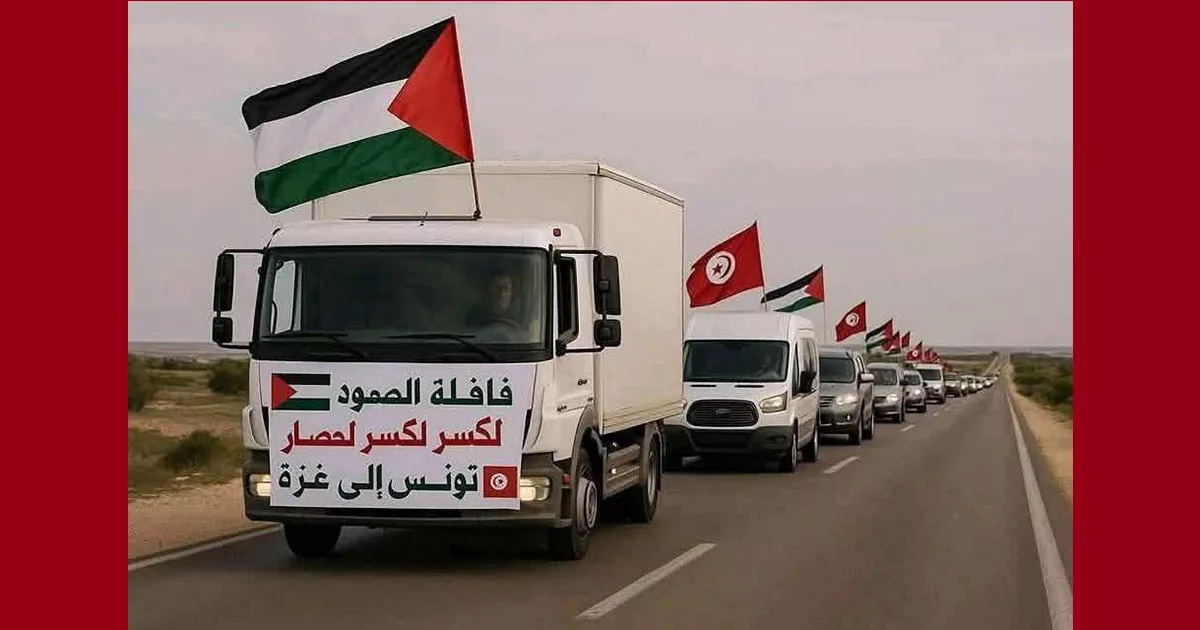
After the ship Madeleine jolted the world’s conscience during its brief yet powerful mission, drawing attention to the plight of over two million people living under Israeli occupation, a new overland initiative has emerged. The “Steadfastness Convoy” has departed from Tunisia in a historic bid to challenge the blockade on Gaza, heading toward the Egyptian-Palestinian border.

This comes as hopes for meaningful international intervention to halt Israel’s 18-month-long military assault have all but faded.

The land convoy is a clear expression of the Arab peoples’ rejection of the ongoing apathy toward Gaza and a reminder that official Arab silence does not reflect the will of the people.

This convoy marks the first of many initiatives within a broad international civilian movement involving more than 30 countries. It is organized in partnership with the Freedom Flotilla Coalition, the Global March to Gaza, and the Coordinating Committee for Joint Action for Palestine, representing a serious effort to end Gaza’s years-long isolation.
نون بوست

What is the “Steadfastness Convoy”?

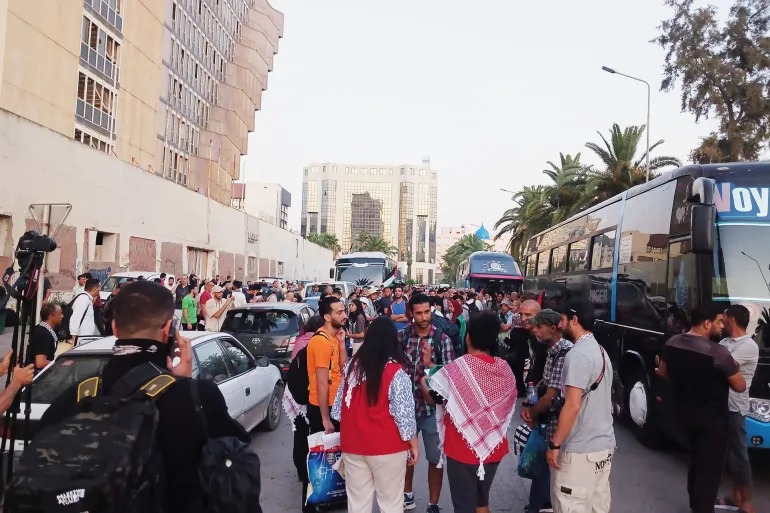
Launched from Tunisia in June, this North African convoy includes activists, doctors, journalists, and representatives of civil society organizations from Algeria, Tunisia, Morocco, Libya, and Mauritania. Their goal: to break the Gaza blockade and demonstrate practical solidarity with the people of the besieged enclave.

Unlike typical aid missions, the convoy does not carry relief supplies. Instead, it delivers a political and civil resistance message—emphasizing that government silence does not equate to public consent.

The convoy plans to hold its ground for several days at the Rafah border crossing, demanding an end to the blockade and the entry of thousands of tons of food and medical aid currently stuck at the crossing.

It comprises 12 large buses and 100 vehicles and forms part of a broader civil movement across more than 30 countries, in partnership with the Freedom Flotilla Coalition, the Global March to Gaza, and the Coordinating Committee for Joint Action for Palestine.

What is its route?

The convoy is set to travel overland from Tunisia through Libya and into Egypt, where it will be joined by other convoys arriving by air from various European countries.

Its path runs along the Mediterranean coast, passing through Tripoli, Misrata, Sirte, Benghazi, and Tobruk before entering Egypt via the Salloum border crossing on June 12. It will then proceed to Cairo and aims to reach the Rafah crossing by June 15.

Who is participating?

Over 200 individuals—including independent activists, parliamentarians, lawyers, and human rights advocates—are part of the convoy, supported by the Tunisian General Labor Union, the Red Crescent, and the Tunisian Medical Council.

In total, around 1,300 civilians with all necessary travel documents have joined.

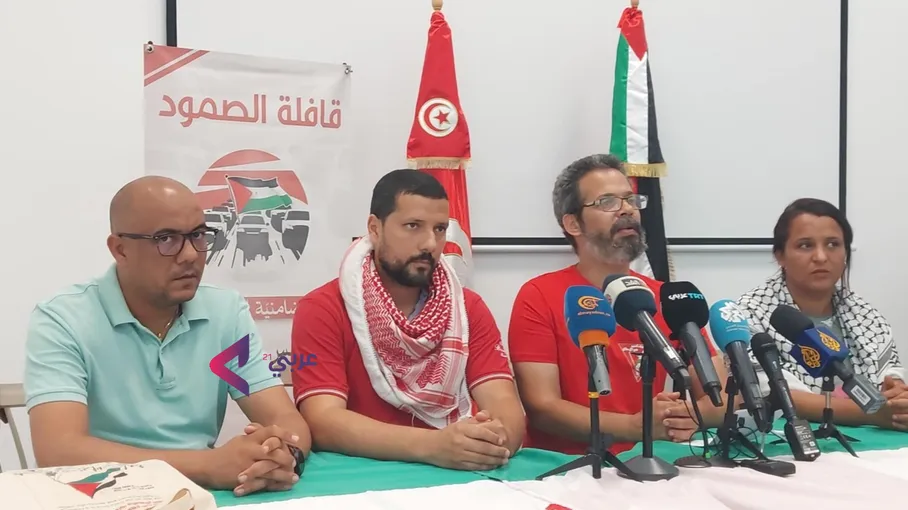
Wael Nawar, one of the convoy’s official spokespersons, explained that the initial list of participants included 7,000 people. However, thousands of young applicants under the age of 35 were unable to secure parental permission, reducing the final number.

Nawar emphasized, “The Steadfastness Convoy is not the end, but the beginning of a sustained campaign to reconnect Gaza with the outside world through a permanent human bridge, with Tunisia as one of its key pillars.”
نون بوست

International positions and diplomatic coordination

International organizations, including the United Nations, have voiced support for civilian initiatives along Gaza’s borders. Some have called for high-level diplomatic delegations to accompany the convoys through Rafah.

Groups like the International Federation for Human Rights have proposed organizing a “diplomatic-humanitarian convoy” to accompany the mission with official representatives from multiple governments, aiming to facilitate aid delivery and increase pressure on Israel to lift the blockade.

Dr. Mohamed Amine Ben Nour, head of the convoy’s medical committee, reported a positive official response from authorities in Tunisia, Libya, and Egypt. He described a constructive meeting with the Egyptian ambassador in Tunis and said Egyptian officials had acknowledged the humanitarian and peaceful nature of the convoy.

Preparations and early coordination

Convoy organizers have been in contact with the Egyptian embassy in Tunisia, though no official decision has yet been issued regarding entry into Egyptian territory.

The Tunisian Journalists Syndicate has urged Libyan and Egyptian authorities to facilitate the convoy’s passage, underscoring the importance of the initiative. It also called on the Tunisian government to provide the necessary logistical support and pledged to work with partners to ensure the convoy’s success in breaking the siege and supporting Palestinian resistance.

The parliamentary bloc “Let the People Triumph” also declared full support for the convoy, describing it as part of the broader struggle for dignity and sovereignty. It urged the Tunisian authorities to offer administrative and logistical assistance and called on lawmakers to fast-track legislation criminalizing normalization with Israel.
نون بوست

Yahya Sari, the convoy’s administrative officer, told the German Press Agency that symbolic acts of solidarity—like social media activism or street protests—are no longer enough.

“It’s time to move to field-based solidarity through peaceful and humanitarian convoys that seriously aim to break the siege on Gaza and reflect global public support for the Palestinian cause,” he said.

The “Steadfastness Convoy” and the Madeleine vessel are both part of the same international civilian campaign, involving over 30 countries and supported by the Freedom Flotilla Coalition, the Global March to Gaza, and the Coordinating Committee for Joint Action for Palestine.

This initiative continues despite Israeli attempts to suppress such actions, including the interception of the Madeleine by Israeli naval commandos on the morning of Monday, June 9. The vessel, carrying 12 international activists, was en route to Gaza’s shores when it was seized—another sign of Israel’s determination to block all grassroots Arab and international efforts to support Gaza.

Download this article as PDF
Share this Article
Facebook Twitter Whatsapp Whatsapp Telegram Email Copy Link
يمان الدالاتي
By يمان الدالاتي صحفية ومحررة في موقع نون بوست
Follow:
Previous Article نون بوست “Rafael”: A Weapon That Feeds on Wars and Thrives on the Blood of Genocide
Next Article نون بوست Between Bullets and Politics… How Armed Groups Exploded Kashmir’s Chronic Conflict

Read More

  • U.S. Regime‑Change Policies: Why They Are Destined to Fail U.S. Regime‑Change Policies: Why They Are Destined to Fail
  • The Gulf’s Balancing Act: Iran, Israel, and Hidden Links
  • Iraq–Turkey Oil Export Treaty: Why Did Ankara Cancel It After 52 Years?
  • Syria’s Northeast on Edge: QSD Between Ankara and Damascus
  • Has Europe Changed Its Stance on Israel… or Just Its Language?
part of the design
NoonPost Weekly Newsletter

You May Also Like

U.S. Regime‑Change Policies: Why They Are Destined to Fail

U.S. Regime‑Change Policies: Why They Are Destined to Fail

إسراء سيد Esraa sayed 8 April ,2026
The Gulf’s Balancing Act: Iran, Israel, and Hidden Links

The Gulf’s Balancing Act: Iran, Israel, and Hidden Links

فريق التحرير Noon Post 8 April ,2026
Iraq–Turkey Oil Export Treaty: Why Did Ankara Cancel It After 52 Years?

Iraq–Turkey Oil Export Treaty: Why Did Ankara Cancel It After 52 Years?

فريق التحرير Noon Post 8 April ,2026

“أين سيارتي المرسيدس؟” .. السيسي يفقد دعم أغنياء مصر

ديكلان والش
ديكلان والش Published 11 March ,2016
Share
مطعم في القاهرة

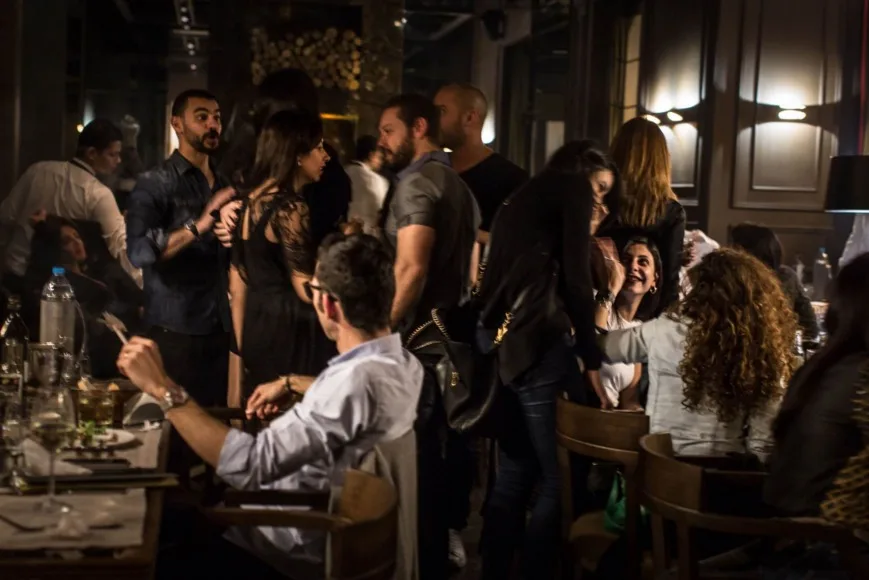
في الجامعة الأمريكية في القاهرة “ركن غوتشي”، يقف فيه أبناء الأغنياء من الطلاب، الذين يصلون بالسيارات الباذخة إلى الجامعة، ويتبادلون الحديث عن آخر صرعات الموضة التي اشتروها من الخارج، لكن هذه الأيام يشعر هؤلاء الأغنياء بثقل الأزمة الاقتصادية.

وجاء في تقرير أعده ديكلان وولش لصحيفة “نيويورك تايمز”، أن زياد محمد (19 عاما)  الطالب في كلية إدارة الأعمال، عبر عن دهشته عندما زار محلا لعرض السيارات وبيعها، واكتشف أن سيارته المفضلة “مرسيدس بنز” لن تكون متوفرة قبل 18 شهرا، وقال إنه لا يهتم بالسياسة “طالما لم تؤثر علي”، لكنه أضاف: “هذه مشكلة والأشياء تزداد غلاء”.

ويعلق وولش بأن “أثرياء مصر كانوا من بين أشد المؤيدين للرئيس عبد الفتاح السيسي عندما سيطر على السلطة عام 2013، وفضلوا الاستقرار والقمع القاسي للإسلاميين، حتى لو جاء على حساب الحريات المدنية، لكنّ ولاءهم في محل امتحان اليوم، حيث يشل النقص الحاد في العملة الأجنبية التجارة، ويعرقل عملية استيراد البضائع الكمالية، وأدى ذلك كله إلى موجة غير عادية من النقد للسيسي”.

وتشير الصحيفة إلى تعليق المذيع المعروف إبراهيم عيسى، الذي قال: “هذا هو الجديد، معاناة الأغنياء”، لافتة إلى أن عيسى هو واحد من أهم مؤيدي السيسي، لكنه نشر في الآونة الأخيرة نقدا حادا لسياسات الرئيس، وقال إنه لم يعد هناك أحد مرتاحا في مصر، لا طبقة ولا سكانا  “من الاسكندرية إلى الصعيد، لم يرض السيسي أحدا”.

ويلفت التقرير إلى الإجراءات الحكومية التي حددت استخدام المصريين لبطاقات الائتمان وشراء العملة الأجنبية، وبدأ رجال الأعمال بالحصول على الدولار الأمريكي من السوق السوداء، حيث ارتفع سعره بنسبة 20% في الأشهر الماضية، وفي الوقت ذاته تواجه العائلات الغنية زيادة في الأسعار وانتظارا طويلا لشراء سياراتها المفضلة، وقلقا حول طريقة الحصول على الدولار أو اليورو للسفر إلى الخارج، أو تحويلها لأبنائهم الذين يدرسون في الجامعات الأجنبية.

ويذكر الكاتب أنه في مقهى “يو بريستو”، فإن حديث معظم الرواد كان عن الدولار، وينقل عن مستشارة تعليمية قولها إن “الناس قلقون”، وهناك ترقب مما سيحصل بعد”.

وتعلق الصحيفة بأن أزمة العملة التي كانت موضوع عناوين الأخبار “حمى الدولار”، هي إحدى المشكلات التي تواجه السيسي، الذي يواجه نقدا لانتهاكات حقوق الإنسان التي قامت بها قواته الأمنية، حيث بدا التوتر واضحا في خطابه الأخير، الذي تهجم فيه على نقاده، وطلب من المصريين ألا يسمعوا كلام أحد غيره.

ويبين التقرير، أن اللهجة العاطفية والمتغطرسة للسيسي أدت إلى موجة نقد له على مواقع التواصل الاجتماعي، مشيرا إلى عرض السيسي لبيع نفسه، وقيام شخص بوضعه على “إي بي”، حيث عرض مشتر شراءه بـ 100 ألف دولار قبل أن يتم إغلاق الصفحة.

ويجد وولش أن الاستهزاء بالرئيس بهذه الطريقة خطير في مصر، خاصة أن العديد من نقاده يقبعون في السجون، مستدركا بأن الأغاني والتعليقات التي استلهمت من الخطاب تظهر المدى الذي بهتت فيه “الهالة” التي كانت تحيط بالرئيس.

وتورد الصحيفة أن مسؤولي الحكومة يدافعون عن السيسي، من خلال إلقاء اللوم على عوامل خارجية، مثل تراجع السياحة نتيجة لتحطم الطائرة الروسية في تشرين الأول/ أكتوبر فوق سيناء؛ نتيجة قنبلة زرعت على متنها، وقال وزير السياحة إن انخفاض الزوار لمصر كلف الخزينة المصرية 1.3 مليار دولار.

ويفيد التقرير بأن دعم دول الخليج، التي منحت السيسي 30 مليار دولار في العامين الأولين من السيطرة على السلطة، توقف، وأن المال الخليجي لم يعد يصل إلا بالقطارة، كما أن انخفاض أسعار النفط أثر في تحويلات المصريين العاملين في الخارج، وأثر بالضرورة على حركة السفن في قناة السويس، حيث افتتح السيسي تفريعة في الصيف الماضي كلفت 8 مليارات دولار.
 
ويقول وولش عن تأثير الأزمة الاقتصادية على الأغنياء إن “الأثرياء يشكلون نسبة قليلة جدا من سكان مصر البالغ عددهم 90 مليون نسمة، حيث تعيش نسبة 26% تحت خط الفقر، بحسب أرقام الأمم المتحدة، ويعيش الأغنياء في بيوتهم المسورة، التي تحيط بالقاهرة، بعيدا عن البنية التحتية المتهالكة والفقر المدقع.”

وتستدرك الصحيفة بأن الذي يعاني من الأزمة هو الشركات، سواء كانت كبيرة أم صغيرة، فشركة “جنرال موتورز” لديها مصنع في مصر، إلا أنها أوقفت الإنتاج لعدم قدرتها على استيراد قطع الغيار التي تريدها، وهددت خطوط الطيران الأجنبية بوقف رحلاتها إلى مصر؛ لأن الإجراءات الجديدة تمنعها من تحويل الأرباح من فرق تحويل العملة، وتوقفت شركة الخطوط الجوية البريطانية عن بيع التذاكر بالعملة المصرية.

وينقل التقرير عن رجال أعمال في نادي الجزيرة الرياضي في الزمالك شكاواهم من عدم قدرتهم على دفع الرسوم الدراسية لأبنائهم في المدارس الخاصة، التي عادة لا تقبل إلا الدولار أو اليورو، ويقول رجل أعمال: “فقد السيسي الشعبية بين الطبقة العليا من المجتمع”، وأضاف أن السيسي قدم “قصة” جيدة، لكنه لم يتبعها بإجراءات عملية.

وينوه الكاتب إلى تغير نبرة مذيعي البرامج التلفزيونية، الذين كانوا من أشد المتحمسين للسيسي، فقد عبر يوسف الحسيني من “أون تي في” عن كراهيته لخطاب السيسي في قاعة الجلاء، ويقول: “بدا معزولا وغاضبا، ولم يمض عليه سوى 20 شهرا حتى يشعر بالعزلة”، مشيرا إلى أن الخطاب لم يكن هو السبب الرئيسي في تراجع شعبية الرئيس، بل بسبب اعتقال وسجن صحفي وروائي بتهمة الإساءة للدين، وعندما أطلقت الشرطة النار على سائق سيارة وقتلته بعد شجار حول الأجرة، خرجت الجماهير إلى الشوارع متحدية قوانين منع التظاهر.

وتذهب الصحيفة إلى أنه رغم وجود من يدافع عن السيسي، باعتباره حاجزا ضد الفوضى، إلا أن النخبة الثرية التي صوتت له بدأت تشعر بثمن قرارها.

وتختم “نيويورك تايمز” تقريرها بالإشارة إلى أن وولش التقى طالبة تخرجت من الجامعة الأمريكية في القاهرة، ويملك والدها فندقا في البحر الأحمر، هو فارغ من النزلاء تقريبا، وتبحث عن عمل في دبي، وتقول: “لا يوجد أي شيء إيجابي في الأفق”.

المصدر: نيويورك تايمز / تقرير عربي 21

TAGGED: الأغنياء في مصر ، الاقتصاد المصري ، الانقلاب العسكري في مصر
TAGGED: انقلاب مصر
Download this article as PDF
Share this Article
Facebook Twitter Whatsapp Whatsapp Telegram Email Copy Link
ديكلان والش
By ديكلان والش مدير مكتب النيويورك تايمز في القاهرة.
Follow:
Next Article نون بوست The Stigma of “ISIS”: A Heavy Legacy Haunting Women and Children of Former Members

Read More

  • U.S. Regime‑Change Policies: Why They Are Destined to Fail U.S. Regime‑Change Policies: Why They Are Destined to Fail
  • The Gulf’s Balancing Act: Iran, Israel, and Hidden Links
  • Iraq–Turkey Oil Export Treaty: Why Did Ankara Cancel It After 52 Years?
  • Syria’s Northeast on Edge: QSD Between Ankara and Damascus
  • Has Europe Changed Its Stance on Israel… or Just Its Language?
part of the design
NoonPost Weekly Newsletter
dark

An independent media platform founded in 2013, rooted in slow journalism, producing in-depth reports, analysis, and multimedia content to offer deeper perspectives on the news, led by a diverse young team from several Arab countries.

  • Politics
  • Society
  • Rights & Liberties
  • Opinions
  • History
  • Sports
  • Education
  • Technology
  • Economy
  • Media
  • Arts & Literature
  • Entrepreneurship
  • Travel
  • Cinema & Drama
  • Food
  • Health
  • Culture
  • Latest Reports
  • Files
  • Long Reads
  • Interviews
  • Podcast
  • Interactive
  • Encyclopedia
  • In Pictures
  • About Us
  • Our Writers
  • Write for Us
  • Editorial Policy
  • Advanced Search
Some rights reserved under a Creative Commons license

Removed from favorites

Undo
Go to mobile version