NoonPost NoonPost

NoonPost

  • Home
  • Politics
  • Economy
  • Society
  • Culture
  • Files
  • Long Reads
  • Podcast
AR
Notification Show More
نون بوست
“There Are Nights I Can’t Close My Eyes”: How Gazans Are Living in Homes on the Brink of Collapse
نون بوست
From al-Jolani to Ahmad al-Shara: The Evolution of Syria’s New Leader
نون بوست
When Political Islam Receded in Egypt: Who Filled the Void?
نون بوست
An Extension of Genocide: Gaza’s Detainees Speak Out
نون بوست
A Tightrope Between Survival and Sovereignty: The Syrian Government Faces Normalization Pressures
نون بوست
American Aircraft Carriers: Has the Era of “100,000 Tons of Diplomacy” Ended?
نون بوست
U.S. Regime‑Change Policies: Why They Are Destined to Fail
نون بوست
Transformations of Israeli Judaism: Between the Victim Complex and the Colonizer’s Doctrine
نون بوست
The Gulf’s Balancing Act: Iran, Israel, and Hidden Links
نون بوست
Iraq–Turkey Oil Export Treaty: Why Did Ankara Cancel It After 52 Years?
نون بوست
Syria’s Northeast on Edge: QSD Between Ankara and Damascus
نون بوست
Has Europe Changed Its Stance on Israel… or Just Its Language?
NoonPost NoonPost
AR
Notification Show More
نون بوست
“There Are Nights I Can’t Close My Eyes”: How Gazans Are Living in Homes on the Brink of Collapse
نون بوست
From al-Jolani to Ahmad al-Shara: The Evolution of Syria’s New Leader
نون بوست
When Political Islam Receded in Egypt: Who Filled the Void?
نون بوست
An Extension of Genocide: Gaza’s Detainees Speak Out
نون بوست
A Tightrope Between Survival and Sovereignty: The Syrian Government Faces Normalization Pressures
نون بوست
American Aircraft Carriers: Has the Era of “100,000 Tons of Diplomacy” Ended?
نون بوست
U.S. Regime‑Change Policies: Why They Are Destined to Fail
نون بوست
Transformations of Israeli Judaism: Between the Victim Complex and the Colonizer’s Doctrine
نون بوست
The Gulf’s Balancing Act: Iran, Israel, and Hidden Links
نون بوست
Iraq–Turkey Oil Export Treaty: Why Did Ankara Cancel It After 52 Years?
نون بوست
Syria’s Northeast on Edge: QSD Between Ankara and Damascus
نون بوست
Has Europe Changed Its Stance on Israel… or Just Its Language?
Follow US

A Long Journey to the Sacred House: Why Palestinian Citizens of Israel Missed Mecca for 30 Years

سجود عوايص
Sujoud Awais Published 26 March ,2026
Share
نون بوست

In the wake of the 1948 Nakba, Palestinians found themselves just three lunar months away from the Hajj season. Yet amid the devastation of displacement, the depth of loss, and Israel’s seizure of most of their homeland—with only a small fraction managing to stay—the only urgent religious duty on their minds was to return to their ancestral homes.

However, the Zionist militias, more organized and battlefield-savvy, booby‑trapped return routes with explosive devices and executed retaliatory terror, severing families and fragmenting Palestinian communities into Christian, Muslim, Druze, Circassian, Bedouin. They imposed a military regime that stripped Palestinians of their identity—national, cultural, and religious.

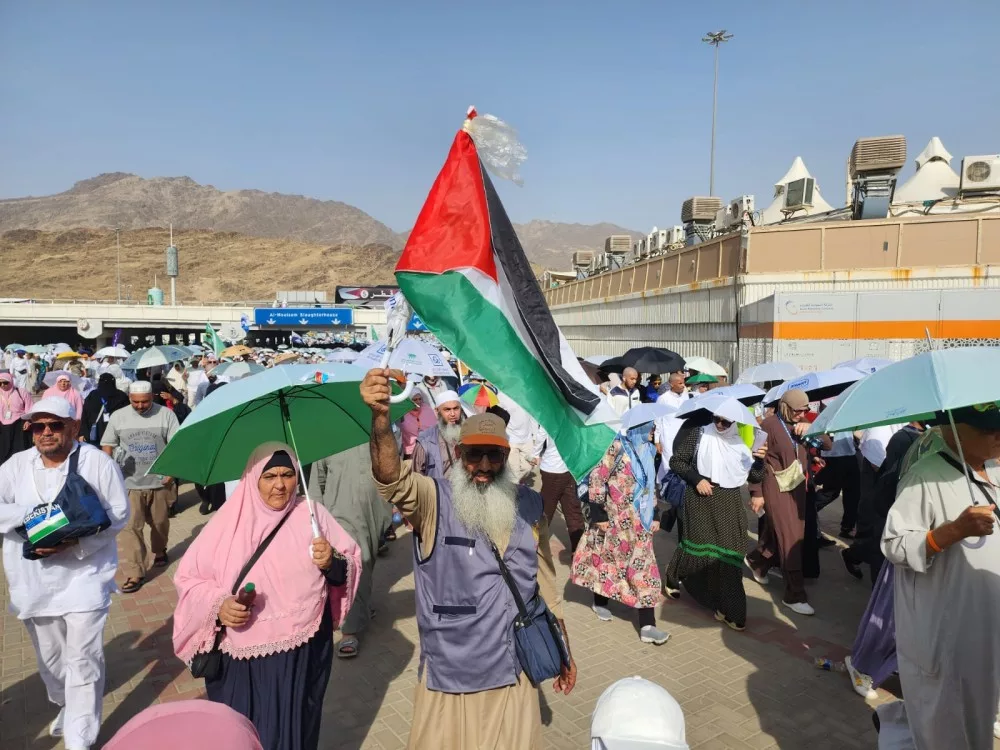
Soon, public display of the Palestinian flag became a crime, attending mosques became outlawed, celebrating Islamic holidays was forbidden, and traveling abroad for Hajj turned into a one‑way endeavor. Arab states, hostile to Israel’s new reality, tightened border access, leaving Palestinian citizens under Israeli rule completely isolated from the broader Arab and Islamic world. Their aspiration to perform Hajj remained a distant dream—one that lingered for decades.
نون بوست

“Palestinian-Israeli” on the Threshold of Mecca

Days after the Nakba, some 160,000 Palestinians—out of 1.4 million—were forcibly absorbed into the nascent Israeli state. This demographic upheaval continued with the 1949 Armistice, but another form of catastrophe followed: the onset of military law, which lasted nearly two decades. Under this regime, Palestinians were deprived of gathering for weddings, mourning rituals, mosque congregations, Ramadan rites, Eid celebrations—and the Hajj.

Israeli authorities early on sought to isolate Palestinians by issuing them limited-travel Israeli travel documents, unrecognized by most countries, including Saudi Arabia. Arab states, refusing to normalize relations, closed their borders to those holding these documents—even devout Muslims. Thus, Palestinians from “48” were entirely barred from Arab nations, including Saudi Arabia.

While they circumvented Israeli university restrictions by studying abroad, Hajj remained unique: irreproducible anywhere but Mecca. Without rutas via Israel, and with Saudi Arabia upholding pan-Arab solidarity, pilgrims with Israeli passports were turned away.
نون بوست
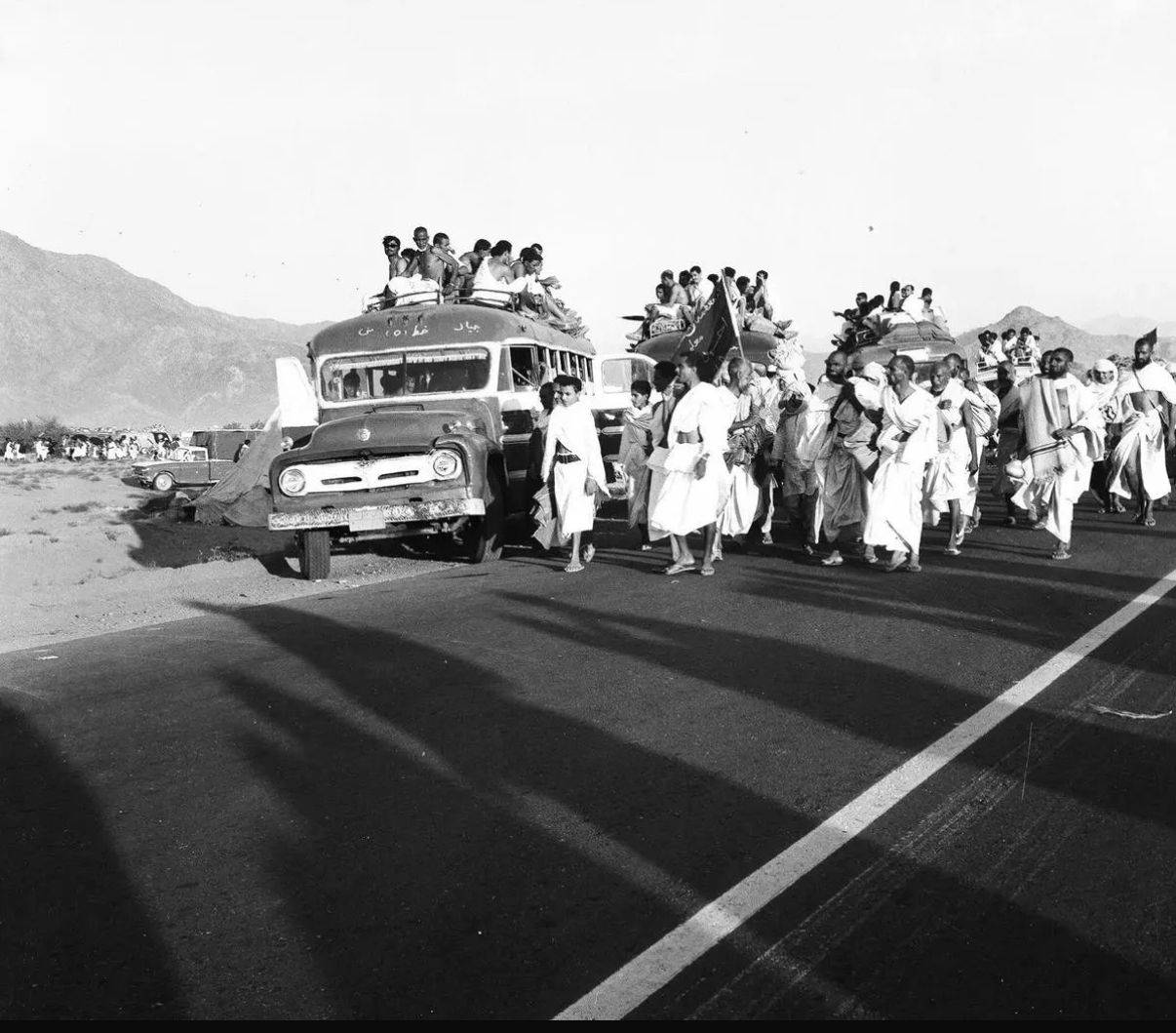
The routes taken by pilgrims in the past to reach the Holy Land

But in 1978, a breakthrough occurred. Through channels including Sheikh Abdullah Nimr Darwish, Jordan’s Ministry of Awqaf, and Turkey, Saudi Arabia agreed to allow Palestinian citizens of Israel to perform Hajj.

Israel and King Hussein of Jordan signed an agreement placing pilgrims under Jordanian guardianship: Jordan would issue special travel documents and coordinate pilgrim logistics via licensed religious tourism agencies. The initial delegation was designated special by King Hussein’s order.

Hajj Under Oslo’s Shadow

Even after that relief, pilgrims—still chaperoned by Jordan—faced burdens. Flights to Jordan cost around US$600 and land travel through Israeli checkpoints took at least 24 hours. Nonetheless, Jordanian-issued passports opened doors. Pilgrims were housed with the Jordanian mission in Mecca, Medina, Arafat, and Mina; they received medical and spiritual services from Jordanian delegations.
نون بوست
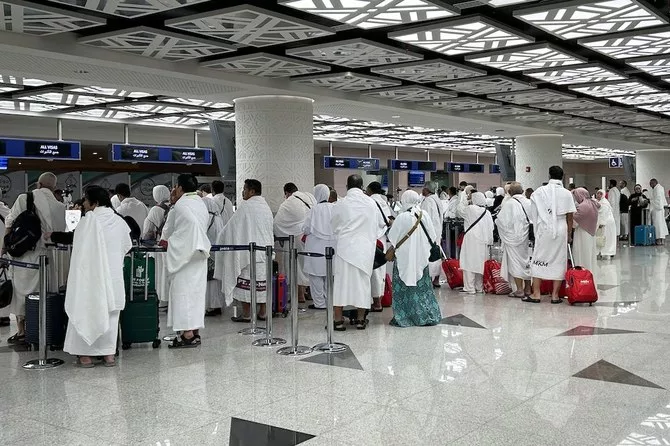
Pilgrims wait to pass through passport control upon arrival at Jeddah International Airport on June 10, 2024, to perform the annual Hajj pilgrimage in Mecca. (AFP)

Following the Oslo Accords in 1994, the Palestinian Authority assumed responsibility for West Bank and Gaza pilgrims. In 1995, an official Palestinian Hajj delegation included Palestinians from inside Israel, traveling on Israeli passports supplemented by PA permits, enjoying services equal to what they had under the Jordanians.

But obstacles remained: quotas were low, travel agents inflated prices, and administrative control oscillated between the Ministry of Awqaf and the Hajj Authority. As a result, most continued relying on Jordanian-tourist facilitated arrangements.

Hajj as a Trojan Horse for Normalization?

Unlike other forms of normalization, Saudi-Israeli overtures over Hajj emerged through facilitating pilgrims—a backdoor route. But in 2018, Saudi Arabia barred holders of “temporary” Jordanian passports, affecting about 4,500 Palestinian citizens, signaling a shift. Critics saw this as a nudge toward normalization: no objection to those with permanent Israeli passports, but denying others. Hajj costs soared to ₪29,700 (~US$8,493).

In early 2020, Prime Minister Netanyahu announced plans to fly pilgrims directly from Ben-Gurion Airport in Israel to Saudi Arabia; Likud leaders proposed fares capped at ₪5,000. Palestinians in Israel protested. Then Israeli Interior Minister Aryeh Deri announced visa issuance for “Israelis”—Jewish or Palestinian—to Saudi Arabia, echoing Trump-era state visits from Israel to Saudi Arabia.
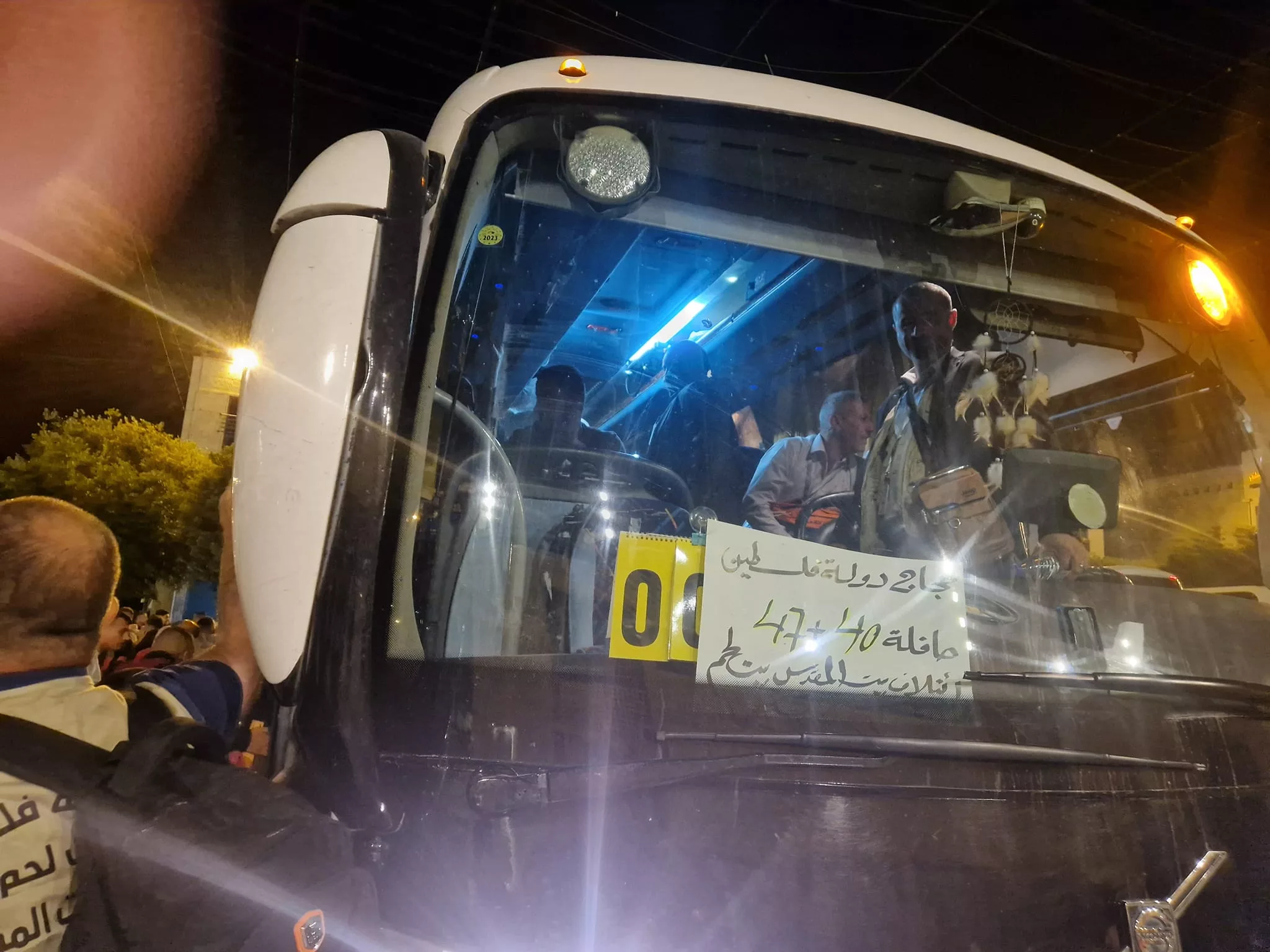
نون بوست
During the farewell of pilgrims to the Holy House of God from Manger Square in Bethlehem in 2024.

Gulf countries, particularly the UAE and Bahrain, began opening services for travel from Israel. Yet final transfer of pilgrim administration from Jordan to Israel stalled. Then the October 7, 2023 war obliterated these emerging normalization hopes.

Today, Palestinians in Israel still gain access to Hajj—but at high cost, under Jordanian auspices, and under political strings. Saudi Arabia insists “religious space must be apolitical,” yet Hajj remains one of the kingdom’s strongest geopolitical instruments—used to reinforce its influence—where “piety serves politics.”

Download this article as PDF
Share this Article
Facebook Twitter Whatsapp Whatsapp Telegram Email Copy Link
سجود عوايص
By سجود عوايص باحثة في قضايا الإعلام الفلسطيني والقانون الدولي الإنساني.
Follow:
Previous Article نون بوست Between Bullets and Politics… How Armed Groups Exploded Kashmir’s Chronic Conflict
Next Article نون بوست Bashkortostan: A Republic Rich in Culture and Resources, Impoverished by Russian Domination

Read More

  • U.S. Regime‑Change Policies: Why They Are Destined to Fail U.S. Regime‑Change Policies: Why They Are Destined to Fail
  • The Gulf’s Balancing Act: Iran, Israel, and Hidden Links
  • Iraq–Turkey Oil Export Treaty: Why Did Ankara Cancel It After 52 Years?
  • Syria’s Northeast on Edge: QSD Between Ankara and Damascus
  • Has Europe Changed Its Stance on Israel… or Just Its Language?
part of the design
NoonPost Weekly Newsletter

You May Also Like

U.S. Regime‑Change Policies: Why They Are Destined to Fail

U.S. Regime‑Change Policies: Why They Are Destined to Fail

إسراء سيد Esraa sayed 8 April ,2026
The Gulf’s Balancing Act: Iran, Israel, and Hidden Links

The Gulf’s Balancing Act: Iran, Israel, and Hidden Links

فريق التحرير Noon Post 8 April ,2026
Iraq–Turkey Oil Export Treaty: Why Did Ankara Cancel It After 52 Years?

Iraq–Turkey Oil Export Treaty: Why Did Ankara Cancel It After 52 Years?

فريق التحرير Noon Post 8 April ,2026

ارتفاع نسق التعاون الأمني والعسكري بين تونس والجزائر

فريق التحرير
Noon Post Published 13 March ,2016
Share
tunis-algeria-tadreeb9999

أرجع الهجوم الأخير الذي نفذه إرهابيون ضد أهداف أمنية وعسكرية في مدينة بنقردان الحدودية جنوب تونس وأسفر عن مقتل عشرات الإرهابيين وإلقاء القبض على آخرين، مسألة التنسيق الأمني والعسكري بين تونس والجزائر إلى سلم اهتمامات البلدين الجارتين.

وتؤكد بعض المعطيات تسارع التنسيق بين تونس والجارة الجزائر على الحدود تخوفًا من موجة تسرب الإرهابيين وتسللهم إلى الداخل مستغلين إمكانية ارتفاع منسوب هجرة الليبيين.

وأكد وزير الدولة، وزير الشؤون الخارجية والتعاون الدولي الجزائري، رمطان لعمامرة، أن التنسيق الأمني في مجال مكافحة الإرهاب “مستمر” بين الجزائر وتونس، وصرح السيد لعمامرة على هامش الحفل الذي نظم على شرف المرأة الجزائرية بمناسبة إحياء اليوم العالمي للمرأة والذي ترأسه الوزير الأول عبد المالك سلال، أن التنسيق الأمني بين الجزائر وتونس مستمر، مضيفًا أن “كفاحنا مشترك في هذا الصدد سواء على مستوى المنطقة أو الساحة الدولية”.

بدوره دعا وزير الداخلية الجزائري نور الدين بدوي، أول أمس الخميس، إلى ضرورة رفع درجة التنسيق الأمني بين الجزائر وتونس لمواجهة مخاطر الإرهاب عقب الاعتداءات الإرهابية التي تعرضت لها مدينة بنقردان الإثنين الماضي.

وقال نورالدين بدوي في تصريحات صحفية “هناك تنسيق أمني مستمر بين الجزائر وتونس في مجال مكافحة الإرهاب، لكن ما حدث بمدينة بنقردان يستدعي من البلدين المزيد من الحيطة والحذر من خلال تعزيز المجهودات المشتركة وخاصة من حيث توسيع دائرة تبادل المعلومات الأمنية من أجل مواجهة مثل هذا النوع من المخاطر التي باتت تهدد استقرار كامل المنطقة”.

من جهته أكد وزير الخارجية التونسي خميس الجهيناوي، لدى زيارته الأخيرة إلى الجزائر، أن “التنسيق المشترك بين البلدين متقدم جدًا في شأن الملف الأمني الخطير”، مشيرًا إلى وجود تطابق في وجهات النظر فيما يتصل بالطريقة المثلى لتسوية الأزمة الليبية بعيدًا عن التدخل العسكري.

وفي السياق نفسه، ثمن وزير الدفاع التونسي فرحات الحرشاني أهمية التعاون بين تونس والجزائر، مؤكدًا أن التنسيق بين البلدين يجري على أحسن وجه وبلغ أعلى مستوياته.

ومن بين أوجه التعاون بين البلدين إعداد قاعدة بيانات حول أسماء المشتبه بهم من مواطني البلدين في ليبيا ومن العائدين إليها من بؤر التوتر في العراق وسوريا وغيرها.

خاصة وأن المعلومات الاستخباراتية تشير إلى أن هناك الآلاف من التونسيين والجزائريين المنتمين إلى داعش وبعض التنظيمات الإرهابية الأخرى إلى جانب بعض الخلايا الإرهابية النائمة المتواجدة بتونس والتي تعمل الحكومة على محاربتها عسكريًا وأمنيًا.

وبحسب ما أكده وزير الدفاع التونسي فرحات الحرشاني فإن جزءًا مهمًا من هؤلاء الأفراد تونسيون ويعدون بالآلاف وجانب كبير منهم في سورية وآخر في ليبيا قدموا من سورية بعد الضربات الأجنبية لهذا البلد وفق معلومات استخباراتية.

من جهته أكد رئيس جمعية البحوث والدراسات لاتحاد المغرب الكبير حبيب حسن اللولب أن خطر داعش يتطلب مزيدًا من التنسيق على المستوى العسكري والمخابراتي والأمني وتبادل المعلومات بين تونس والجزائر، رغم أنه اليوم في المستوى المطلوب، فقد جنب المنطقة المغاربية التدخل العسكري الأوروبي والأمريكي وحلف شمال الأطلسي بليبيا، وجنبها آثارًا مدمرة وكارثة إنسانية.

وقال الجيش الجزائري أمس الجمعة إنه قتل ثلاثة إرهابيين قرب مدينة الوادي بشرق البلاد وضبط كميات كبيرة من الأسلحة بينها ستة صواريخ مضادة للطائرات.

وقالت وزارة الدفاع في بيان إن بين القتلى في العملية التي نفذت في ساعة متأخرة يوم الخميس المتشدد البارز كامل عربية الذي لعب دورًا في الصراع الذي شهدته الجزائر في تسعينات القرن العشرين.

وأكد الجيش في البيان الذي أوردته وكالة أنباء الجزائر أنه ضبط ستة صواريخ مضادة للطائرات من نوع ستينجر وحزامين ناسفين وثلاث قاذفات صواريخ محمولة على الكتف وأكثر من 20 بندقية.

وفي ظل المخاوف المتصاعدة من خطر تسلل مسلحين من ليبيا، عززت السلطات التونسية دفاعها ببناء ساتر ترابي وخندق مائي على طول 250 كيلومترًا مع ليبيا، كما عزز الجيش قواته بدعوة جزء من جند الاحتياط وفتح باب التجنيد للشباب مقابل منح شهرية.

وقد قامت القوات العسكرية للبلدين خلال الفترة السابقة ببرمجة مناورات جوية مشتركة بين قوات البلدين تحسبًا لإمكانية تأزم الأوضاع عبر الحدود، في حال قيام القوى الغربية بتدخل عسكري في ليبيا من أجل محاربة تنظيم داعش، الذي بات يسيطر على مساحات شاسعة من التراب الليبي.

فيما أكدت مصادر أمنية أن هدف هذه المناورات التصدي لتهديدات محتملة من قبل تنظيم الدولة الاسلامية في ليبيا.

تشمل هذه التدريبات طائرات مقاتلة حربية، وترتكز في المثلث الصحراوي الواقع في أقصى جنوب الحدود البرية بين تونس والجزائر، والتي تلتقي مع حدود ليبيا، ويبعد عن البحر المتوسط بـ800 كيلومتر وعن العاصمة الجزائرية بـ1000 كيلومتر.

تأتي أهمية التنسيق الاستثنائي الجزائري التونسي، من منطلق الوضعية الإقليمية الجيوسياسية والجيوإستراتيجية الشديدة التعقيد التي تميز المنطقة، بسبب انتشار الحركات الإرهابية في ليبيا ودول الساحل الإفريقي من جهة، ونتيجة لأطماع القوى الغربية التي تتنافس من أجل بسط نفوذها على ليبيا، التي تزخر أرضها بالكثير من الخيرات الطبيعية وفي مقدمها النفط والغاز من جهة أخرى.

TAGGED: الإرهاب في الجزائر ، الإرهاب في تونس ، التعاون التونسي الجزائري ، تنظيم داعش ، تنظيم داعش في ليبيا
TAGGED: المغرب العربي
Download this article as PDF
Share this Article
Facebook Twitter Whatsapp Whatsapp Telegram Email Copy Link
فريق التحرير
By فريق التحرير تقارير يعدها فريق تحرير نون بوست.
Follow:
Next Article نون بوست The Stigma of “ISIS”: A Heavy Legacy Haunting Women and Children of Former Members

Read More

  • U.S. Regime‑Change Policies: Why They Are Destined to Fail U.S. Regime‑Change Policies: Why They Are Destined to Fail
  • The Gulf’s Balancing Act: Iran, Israel, and Hidden Links
  • Iraq–Turkey Oil Export Treaty: Why Did Ankara Cancel It After 52 Years?
  • Syria’s Northeast on Edge: QSD Between Ankara and Damascus
  • Has Europe Changed Its Stance on Israel… or Just Its Language?
part of the design
NoonPost Weekly Newsletter
dark

An independent media platform founded in 2013, rooted in slow journalism, producing in-depth reports, analysis, and multimedia content to offer deeper perspectives on the news, led by a diverse young team from several Arab countries.

  • Politics
  • Society
  • Rights & Liberties
  • Opinions
  • History
  • Sports
  • Education
  • Technology
  • Economy
  • Media
  • Arts & Literature
  • Entrepreneurship
  • Travel
  • Cinema & Drama
  • Food
  • Health
  • Culture
  • Latest Reports
  • Files
  • Long Reads
  • Interviews
  • Podcast
  • Interactive
  • Encyclopedia
  • In Pictures
  • About Us
  • Our Writers
  • Write for Us
  • Editorial Policy
  • Advanced Search
Some rights reserved under a Creative Commons license

Removed from favorites

Undo
Go to mobile version