






NoonPost NoonPost

NoonPost

  • Home
  • Politics
  • Economy
  • Society
  • Culture
  • Files
  • Long Reads
  • Podcast
AR
Notification Show More
نون بوست
“There Are Nights I Can’t Close My Eyes”: How Gazans Are Living in Homes on the Brink of Collapse
نون بوست
From al-Jolani to Ahmad al-Shara: The Evolution of Syria’s New Leader
نون بوست
When Political Islam Receded in Egypt: Who Filled the Void?
نون بوست
An Extension of Genocide: Gaza’s Detainees Speak Out
نون بوست
A Tightrope Between Survival and Sovereignty: The Syrian Government Faces Normalization Pressures
نون بوست
American Aircraft Carriers: Has the Era of “100,000 Tons of Diplomacy” Ended?
نون بوست
U.S. Regime‑Change Policies: Why They Are Destined to Fail
نون بوست
Transformations of Israeli Judaism: Between the Victim Complex and the Colonizer’s Doctrine
نون بوست
The Gulf’s Balancing Act: Iran, Israel, and Hidden Links
نون بوست
Iraq–Turkey Oil Export Treaty: Why Did Ankara Cancel It After 52 Years?
نون بوست
Syria’s Northeast on Edge: QSD Between Ankara and Damascus
نون بوست
Has Europe Changed Its Stance on Israel… or Just Its Language?
NoonPost NoonPost
AR
Notification Show More
نون بوست
“There Are Nights I Can’t Close My Eyes”: How Gazans Are Living in Homes on the Brink of Collapse
نون بوست
From al-Jolani to Ahmad al-Shara: The Evolution of Syria’s New Leader
نون بوست
When Political Islam Receded in Egypt: Who Filled the Void?
نون بوست
An Extension of Genocide: Gaza’s Detainees Speak Out
نون بوست
A Tightrope Between Survival and Sovereignty: The Syrian Government Faces Normalization Pressures
نون بوست
American Aircraft Carriers: Has the Era of “100,000 Tons of Diplomacy” Ended?
نون بوست
U.S. Regime‑Change Policies: Why They Are Destined to Fail
نون بوست
Transformations of Israeli Judaism: Between the Victim Complex and the Colonizer’s Doctrine
نون بوست
The Gulf’s Balancing Act: Iran, Israel, and Hidden Links
نون بوست
Iraq–Turkey Oil Export Treaty: Why Did Ankara Cancel It After 52 Years?
نون بوست
Syria’s Northeast on Edge: QSD Between Ankara and Damascus
نون بوست
Has Europe Changed Its Stance on Israel… or Just Its Language?
Follow US

Missiles from Daraa to the Golan: 7 Questions to Understand What Happened in Southern Syria

عماد عنان
Emad Anan Published 26 March ,2026
Share
نون بوست

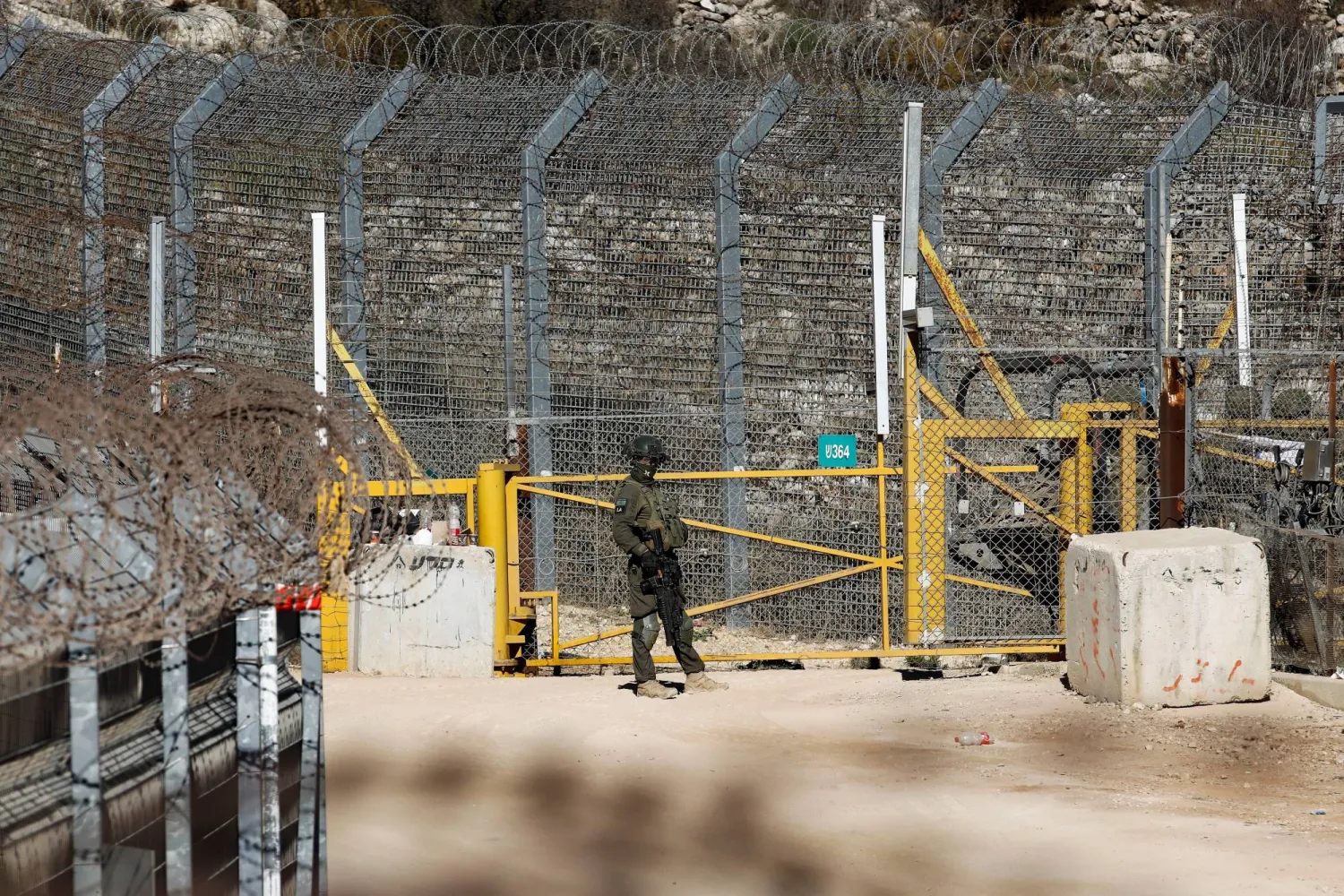
The launch of two rockets from inside Syria toward the occupied Golan Heights has stirred significant controversy and unleashed a wave of speculation. The incident comes at a particularly sensitive time for the new Syrian administration, which has cast doubt on the nature of the attack—reportedly the first of its kind since the fall of the Assad regime in December 2024.

According to Israel’s Channel 12, the rockets were launched from Syria’s Daraa province. At least two Grad missiles landed in open areas in the southern Golan. The Israeli military confirmed that it had detected at least one rocket falling in two separate locations in southern Golan, noting through a spokesperson that “after alarms sounded in Hispin and Ramat Magshimim, two rockets were detected crossing from Syrian territory into Israeli territory and landed in open fields.”

A militant group calling itself the “Martyr Mohammed Deif Brigades” claimed responsibility for the attack, prompting questions about the group’s emergence and its potential impact on the regional landscape. Israeli Defense Minister Yisrael Katz held Syrian President Ahmad al-Shara directly responsible for the rocket fire, stating that “he is accountable for any threat or attack against the State of Israel” and vowing a “comprehensive response soon.”
نون بوست

Indeed, Israel’s retaliation came swiftly. The Israeli army shelled the Yarmouk Basin in western rural Daraa with heavy artillery. The military issued a statement saying its warplanes had bombed Syrian regime weapons in southern Syria, claiming, “the Syrian regime is responsible for the current situation in Syria and will continue to bear the consequences if hostile actions persist from its territory.”

Given the public nature of the operation, the speed of Israel’s response, and the fact that Syria’s new administration has been adopting a diplomatic approach to its neighbors—Israel included—while rapidly opening up to the United States and re-engaging with the region and the world, many questions arise. Chief among them: who executed the attack, who benefits from it, and what are the likely consequences?

What kind of weapons were used?

The Israeli army noted that the rockets were of the Russian-made Grad type—easily operable and widely distributed. These 122mm rockets, developed in the 1950s, are capable of launching volleys from multiple platforms. Their use suggests the existence of fully operational rocket launch systems inside Syria.

The Grad system includes several variants: the original BM-21, equipped with 40 launch tubes; the BM-21V, with 12 tubes; the BM-21B, which has 36 tubes and uses larger warheads; and the more modern Prima (9A51), introduced in the early 1990s with 50 launch tubes.

How did such rockets enter Syria?

Given their advanced launch platforms, these rockets are not easily accessible to non-state groups. Four plausible scenarios emerge regarding their entry into Syria:

  1. Smuggled in via Hezbollah or Iraqi routes under Iranian directive.

  2. Transferred by Palestinian factions from Lebanon amid rising pressure to disarm.

  3. Acquired from Syrian army stockpiles following the regime’s collapse.

  4. Introduced covertly by Israeli forces, possibly for future strategic use—though this is considered less likely.

Who carried out the operation?

A newly declared group, the “Martyr Mohammed Deif Brigades,” claimed responsibility. Announced on May 31, 2025, the group identifies itself as a revolutionary Palestinian faction resisting Israeli occupation.

In a Telegram statement, they positioned themselves as heirs to Hamas founders such as Sheikh Ahmad Yassin, Abdul Aziz al-Rantisi, and Mohammed Deif, vowing to fight Israeli forces with no mercy.

The group’s rapid action—less than three days after its creation—and the use of Grad rockets raise serious questions about its true capabilities and backing, especially as Hamas has distanced itself from the group.

Could other actors be involved?

Though the brigades claimed responsibility, three other forces may be implicated:

  • Palestinian armed factions: Some remnants of former Hamas-aligned units remain in Syria and could have orchestrated or supported the attack.

  • Pro-Iranian militias: Loyal to the ousted Assad regime and connected to Hezbollah and Tehran, these groups may have acted on Iranian orders to destabilize the region.

  • Israeli intelligence: While controversial, some suggest Israel may have facilitated the attack to justify continued military presence in Syria.

Who stands to gain?

Three key actors benefit from this escalation:

  • Iran: Still reeling from Assad’s fall, Tehran may seek to undermine warming ties between Damascus and Washington, or to reaffirm its influence in Syria by provoking Israel.

  • Assad loyalists: Could be trying to derail the revolution by engineering conflict and discrediting the new government.

  • Israel: Syria’s regional reintegration and diplomatic thaw have weakened Israel’s justification for military action. This incident offers a convenient rationale for continued operations in southern Syria.

All three share a vested interest in derailing Syria’s diplomatic momentum with the West and dragging it back into military entanglements.

Who is the biggest loser?

The clear loser is Syria’s new administration. Such incidents jeopardize its strategy of diplomatic neutrality and de-escalation, especially at a time when it seeks to stabilize the domestic front.

A statement from Syria’s Foreign Ministry cast doubt on the incident’s authenticity, noting that no verification had yet been made and accusing unnamed actors of destabilizing the region for their own interests. The ministry reiterated President al-Shara’s position: Syria does not and will not pose a threat to its neighbors.

It condemned the Israeli strikes on Daraa as a blatant violation of Syrian sovereignty that escalates regional tensions at a time when de-escalation is urgently needed.

Is the Syrian administration responsible?

Israeli Defense Minister Katz’s accusation of direct responsibility contradicts the public position of the Syrian government, which has consistently emphasized its commitment to non-interference and peaceful regional integration—even floating the possibility of normalization with Israel.

Furthermore, Israel has actively hindered Syrian attempts to restore full control over the south, limiting the Syrian military’s ability to disarm rogue elements. With Israel maintaining de facto dominance in the region, responsibility for any attacks from southern Syria arguably lies more with Tel Aviv than with Damascus.

As US Senator Joe Wilson stated on X: “For the Syrian government to honor its commitments to President Trump, the Ministry of Defense must have access across the country. Syrian officials have made it clear Syria poses no threat to Israel. Restrictions on security forces will be exploited.”

Download this article as PDF
Share this Article
Facebook Twitter Whatsapp Whatsapp Telegram Email Copy Link
عماد عنان
By عماد عنان كاتب صحفي وباحث في الإعلام الدولي
Follow:
Previous Article نون بوست Bashkortostan: A Republic Rich in Culture and Resources, Impoverished by Russian Domination
Next Article نون بوست Karachay-Cherkessia: A Forgotten Republic Grappling with Identity, Poverty, and Russian Dominance

Read More

  • U.S. Regime‑Change Policies: Why They Are Destined to Fail U.S. Regime‑Change Policies: Why They Are Destined to Fail
  • The Gulf’s Balancing Act: Iran, Israel, and Hidden Links
  • Iraq–Turkey Oil Export Treaty: Why Did Ankara Cancel It After 52 Years?
  • Syria’s Northeast on Edge: QSD Between Ankara and Damascus
  • Has Europe Changed Its Stance on Israel… or Just Its Language?
part of the design
NoonPost Weekly Newsletter

You May Also Like

U.S. Regime‑Change Policies: Why They Are Destined to Fail

U.S. Regime‑Change Policies: Why They Are Destined to Fail

إسراء سيد Esraa sayed 8 April ,2026
The Gulf’s Balancing Act: Iran, Israel, and Hidden Links

The Gulf’s Balancing Act: Iran, Israel, and Hidden Links

فريق التحرير Noon Post 8 April ,2026
Iraq–Turkey Oil Export Treaty: Why Did Ankara Cancel It After 52 Years?

Iraq–Turkey Oil Export Treaty: Why Did Ankara Cancel It After 52 Years?

فريق التحرير Noon Post 8 April ,2026

الحراك الطلابي في العراق وثورة القمصان البيض

ميس الرمضاني
ميس الرمضاني Published 14 March ,2016
Share
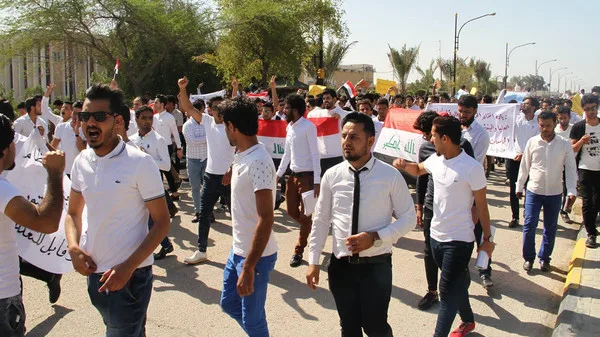
c6a7778a-c324-47f7-bd0a-0cccd43fcb9f_16x9_600x338

لطالما كان للحراك الطلابي دور إيجابي في نهضة وتوعية المجتمعات، ولطالما سار الحراك الطلابي جنبًا إلى الجنب مع الثورات، لا بل وكان من أطلقها في كثير من الأحيان في تاريخنا المعاصر، يتزامن اليوم الحراك الطلابي في العراق مع الحراك الشعبي.

من يحرك الحراك الطلابي؟

كان لاتحاد الطلبة العام الدور الأكبر في أغلب التظاهرات والفعاليات الطلابية المختلفة التي حدثت في هذا العام الدراسي والأعوام السابقة، وبحسب تصريحات فائز قاسم عضو مكتب سكرتارية الاتحاد لنون بوست فإن” للاتحاد دور بارز في الحراك الطلابي، لصلته بغالبية مرافق التعليم في العراق، فيكون لأعضاء الاتحاد دور قيادي تارة،ودور مساعد تارة أخرى”.

إن اتحاد الطلبة العام في جمهورية العراق، منظمة طلابية مستقلة تعني بالشأن الطلابي ورفع المستوى الثقافي للطلبة، تأسس في 14 أبريل 1948، في مؤتمر علني، وتشكلت هيئاته عبر انتخابات جرت في معظم كليات، معاهد، وثانويات العراق، ولا يزال إلى يومنا هذا فاعلاً.

يُنظِم الاتحاد فعاليات ثقافية مختلفة على مدار العام الدراسي، فيعني بإقامة ندوات تثقيفية وحلقات مناقشة كتب وإصدار دوريات ثقافية ومختلف الفعاليات والأنشطة التي تساهم برفع الوعي الطلابي.

متى بدأ الحراك الطلابي؟

يعتقد الأغلبية أن مظاهرات الشباب بدأت في مدينة السماوة جامعة المثنى تحديدًا بعد طرد وزير التعليم العالي من الجامعة ورشق موكبه بالحجارة، ثم انتقلت المظاهرات بعد ذلك إلى عموم جامعات العراق، إلا أن هذا التصور خاطئ.

قد تكون حادثة طرد الوزير هي الأبرز لكنها ليست الأولى، بل امتداد لاعتصامات ومظاهرات سلمية بدأت منذ بداية العام الدراسي الحالي 2015/2016 ولا تزال مستمرة إلى الآن.

في العاشرة من صباح الثلاثاء الموافق 24 نوفمبر 2015، بدأ اعتصام طلبة وأساتذة معهد الفنون الجميلة للبنين والبنات أمام مبنى معهد الفنون الجميلة للبنين، احتجاجًا منهم على قرار توحيد جنس الكوادر التدريسية والطلاب، انتقل الاعتصام إلى داخل المعهد ثم عُطِل الدوام الرسمي وأُخرِجَ المُعتصِمون إلى الساحة المجاورة للمعهد بعد أن حدثت اشتباكات خفيفة بين قوات الأمن والمعتصمين.

في يوم الإثنين المصادف 7 ديسمبر 2015، تظاهر الطلاب من خريجي جامعات أوكرانيا أمام بوابة وزارة التعليم العالي، مطالبين الوزارة بتقييم شهاداتهم، وذلك على خلفية قرار صدر بعدم الاعتراف بشهادات الجامعات الأوكرانية الذي فوجئ الطلاب به، علمًا بأن الطلاب  والذين يقدر عددهم بـ 200 طالب قد حصلوا على موافقات رسمية وفق ضوابط وزارة التعليم العالي وإدارة البعثات قبل بدئهم الدراسة في أوكرانيا.

 أما في يوم الأربعاء 9 ديسمبر 2015، نظم العشرات من طلاب كلية الإعلام اعتصامًا في جامعة بغداد، احتجاجًا منهم على تردي الخدمات في الأقسام الداخلية، وذلك بعد نشوب حريق داخل مساكن الطلبة والذي أدى إلى 30 حالة اختناق وخسائر مادية كبيرة بحسب ما أفادت مصادر شرطة محلية في العاصمة بغداد.

في يوم الجمعة 22 يناير 2016، تم تعطيل الدوام وبدأ طلبة قسم هندسة البرمجيات إضرابًا مفتوحًا في كلية الإمام الصادق في بغداد، وذلك بعد إصدار قرار يفيد بأن قسمهم ليس قسمًا هندسيًا بعد الآن، تم تشكيل لجنة ومقابلة الجهات الرسمية لتوضيح موقف الطلبة ليرد عليهم أحد الموظفين أنهم غير تابعين للهندسة ولا للعلوم لحين صدور قرارات أخرى، مما دفع بالطلبة للإضراب.

ما هي ثورة القمصان البيض؟

في صباح 25 فبراير 2016، احتشدَ طلاب جامعة المثنى أمام بوابة الجامعة من الداخل، وما إن دخل موكب السيد وزير التعليم العالي حسين الشهرستاني  بوابة الجامعة، حتى استقبله الطلاب بهتاف “ارجع ما عندك شي” و”فاشل .. فاشل” أثناء رشقه بالحجارة وقناني المياه؛ مما اضطره إلى الانسحاب والمغادرة في سابقة لم تشهدها جامعات العراق من قبل.

كانت هذه الحادثة شرارة لحراك طلابي كبير في عموم جامعات العراق، فانطلقت بعدها المظاهرات الموحدة للطلبة بما سمي فيما بعد “ثورة القمصان البيض”.

“الحراك الأخير هو نتيجة لتراكمات سابقة ولدتها سوء الإدارة والتخبط في الوقت الحالي وعلى مدى الدورات الانتخابية السابقة، القرارات الارتجالية غير المدروسة، والفساد المالي والإداري أهم سمات المرحلة”.

في اليوم التالي انطلقت موجة مظاهرات كبرى في عموم جامعات العراق مطالبة بإصلاح الواقع التعليمي، القضاء على رموز الفساد، وإبعاد وزارتي التعليم العالي والتربية عن المحاصصة الطائفية في توزيع الوزارات، انتفض الطلاب في جامعات البصرة، الحلة، ذي قار، واسط والكوفة، تم بعد ذلك نقل المظاهرات إلى العاصمة بغداد عن طريق أعضاء اتحاد الطلبة العام في جامعة المستنصرية، تلتها جامعات بغداد وباب المعظم.

دور اتحاد الطلبة في الحراك الطلابي؟

منذ بداية العام الدراسي وللاتحاد دور بارز في أغلب التظاهرات والحراك الطلابي:

“إننا نسهر على متابعة الحراك الطلابي وقضايا الطلاب من خلال مواقع التواصل الاجتماعي، ونعمل على تنسيق وإطلاق التظاهرات مع الطلبة الناشطين”.

في المرحلة التي سبقت ثورة القمصان البيض كانت الحركات الطلابية متفرقة وبمطالب تخص فئات مختلفة في كل مرة، فيكون للاتحاد إما دور قيادي، كما حصل في إعتصام طلبة الفنون الجميلة، وإما دور مساعد، كما حدث في مظاهرة الطلبة من خريجي الجامعات الأوكرانية، حيث تولى الاتحاد التغطية الإعلامية وتسليط الضوء على المظاهرة، وهكذا.

في مرحلة الشرارة الأولى للثورة – زيارة الوزير – كان الاتحاد على علم بالزيارة قبل يومين، وكان الطلاب قد شكلوا لجنة لمقابلة الوزير من ضمنها 2 من أعضاء الاتحاد، بعد ملاحظة سخط الطلاب والمناخ العام بدأ الحشد للمظاهرة وتشجيع الطلبة على المشاركة.

عند اشتعال الثورة في اليوم التالي وانضمام جامعات العراق للمظاهرات، كان الاتحاد قد انتهى من التنسيق مع النشطاء وحشد الطلبة، بالإضافة لصياغة المطالب المشتركة لكافة المظاهرات، حيث إن لجميع المظاهرات مطالب مشتركة بالإضافة لمطالب خاصة تتباين من جامعة إلى أخرى.

المطالب المشتركة للثورة

– إبعاد وزارة التعليم العالي ووزارة التربية عن المحاصصة الطائفية، وتعيين ذوي الكفاءة والخبرة والنزاهة في مختلف مفاصل ادارة العملية التعليمية والتربوية للنهوض بواقع التعليم.

– عقد مؤتمر وطني لمناقشة الأسباب التي أدت إلى التراجع الحاد في المنظومة التعليمية، وبناء إستراتيجية واضحة المعالم لإصلاح المؤسسات التعليمة والتربوية.

– الإصغاء لمطالب الطلبة، وعدم كبت الحريات الطلابية: حيث إن الدستور يكفل للمواطنين حرية التعبير عن الرأي، وكافة مظاهر الاحتجاج السلمي.

– إيقاف ترهيب الطلبة والأساتذة المنادين بالإصلاح والتعاطي مع مطالبهم بروح ديمقراطية.

– دعم الطلبة من خلال صرف المنحة المالية المقرة، وخفض أجور الدراسات المسائية والأهلية.

مالذي تحقق إلى الآن؟

“المطالب لم تحقق بعد، والحراك مستمر، نستعد لإطلاق عدد من المظاهرات في الأسبوع القادم”.

على الرغم من عدم تنفيذ أي من المطالب الأساسية، إلا أن الطلاب تمكنوا من انتزاع بعض الانتصارات هنا وهناك:

– في بداية العام الدراسي، نجح طلاب المعهد بمنع تنفيذ قرار عزل الكوادر التدريسية وتوحيد الجنس للأساتذة والطلبة.

– في 1 مارس 2016 تم الإفراج عن الدكتور باسم السماوي على خلفية مظاهرة مهيبة ضمت آلاف الطلبة من جامعة المثنى على خلفية اعتقال الأستاذ باسم السماوي أحد رؤوس التظاهرات في محافظة المثنى.

– في 7 مارس 2016 بعد تظاهرة لطلبة جامعة المصطفى اعتراضًا على إيقاف الدوام من الإدارة ومنع الطلبة من الدخول لحين دفع الأقساط المالية، استجابت الجامعة سريعًا وأدخلت جميع الطلبة.

– في 10 مارس 2016 بعد شهر ونصف من الإضراب عن الدوام، ويومين من الاعتصام المفتوح؛ نال طلبة جامعة الإمام الصادق/ قسم هندسة البرمجيات اعتراف الوزارة بقسمهم كقسم هندسي.

على الهامش

محاولات التسقيط المعنوي وتشويه الطلبة موجودة منذ اليوم الأول، هناك محاولات مباشرة تمثلت بتصريحات البعض أن المتظاهرين مدسوسون أو أنهم أتباع النظام البعثي البائد، وغيرها من التهم المعلبة التي تطلق على الجميع عندما تستدعي الضرورة.

محاولات أخرى أكثر ذكاءً من وسائل الإعلام تمثلت بتشويه مطالب الطلبة، فنرى إحدى الفضائيات الكبيرة تختصر مطالب الطلبة بتغيير الوزير حصرًا، وكأن المطلب تغيير شخوص لا أنظمة، تعزو محطة ثانية سبب استياء الطلبة من الوزارة لفرض الزي الموحد في الجامعات.

“لا توجد آذان صاغية لهذه الشائعات فالحقيقة واضحة، ومطالب الطلبة جاءت لحاجة موضوعية ملحة”.

لا يخفى على القارئ أن الحراك الطلابي تزامن مع الحراك الشعبي والمظاهرات في المنطقة الخضراء في بغداد، وعلى الرغم من كون المظاهرات الطلابية مستقلة، غير مسيسة – إلى الآن – إلا أن نتائجها لا بد أن تتأثر بما يحدث في الساحة ككل.

TAGGED: أطياف المجتمع العراقي ، الحراك الطلابي ، الحراك الطلابي في جامعات العراق
TAGGED: الحراك العراقي
Download this article as PDF
Share this Article
Facebook Twitter Whatsapp Whatsapp Telegram Email Copy Link
ميس الرمضاني
By ميس الرمضاني مترجمة، ناشطة تطوعية، بكالوريوس تربية إنجليزي
Follow:
Next Article نون بوست The Stigma of “ISIS”: A Heavy Legacy Haunting Women and Children of Former Members
part of the design
NoonPost Weekly Newsletter
dark

An independent media platform founded in 2013, rooted in slow journalism, producing in-depth reports, analysis, and multimedia content to offer deeper perspectives on the news, led by a diverse young team from several Arab countries.

  • Politics
  • Society
  • Rights & Liberties
  • Opinions
  • History
  • Sports
  • Education
  • Technology
  • Economy
  • Media
  • Arts & Literature
  • Entrepreneurship
  • Travel
  • Cinema & Drama
  • Food
  • Health
  • Culture
  • Latest Reports
  • Files
  • Long Reads
  • Interviews
  • Podcast
  • Interactive
  • Encyclopedia
  • In Pictures
  • About Us
  • Our Writers
  • Write for Us
  • Editorial Policy
  • Advanced Search
Some rights reserved under a Creative Commons license

Removed from favorites

Undo
Go to mobile version