NoonPost NoonPost

NoonPost

  • Home
  • Politics
  • Economy
  • Society
  • Culture
  • Files
  • Long Reads
  • Podcast
AR
Notification Show More
نون بوست
“There Are Nights I Can’t Close My Eyes”: How Gazans Are Living in Homes on the Brink of Collapse
نون بوست
From al-Jolani to Ahmad al-Shara: The Evolution of Syria’s New Leader
نون بوست
When Political Islam Receded in Egypt: Who Filled the Void?
نون بوست
An Extension of Genocide: Gaza’s Detainees Speak Out
نون بوست
A Tightrope Between Survival and Sovereignty: The Syrian Government Faces Normalization Pressures
نون بوست
American Aircraft Carriers: Has the Era of “100,000 Tons of Diplomacy” Ended?
نون بوست
U.S. Regime‑Change Policies: Why They Are Destined to Fail
نون بوست
Transformations of Israeli Judaism: Between the Victim Complex and the Colonizer’s Doctrine
نون بوست
The Gulf’s Balancing Act: Iran, Israel, and Hidden Links
نون بوست
Iraq–Turkey Oil Export Treaty: Why Did Ankara Cancel It After 52 Years?
نون بوست
Syria’s Northeast on Edge: QSD Between Ankara and Damascus
نون بوست
Has Europe Changed Its Stance on Israel… or Just Its Language?
NoonPost NoonPost
AR
Notification Show More
نون بوست
“There Are Nights I Can’t Close My Eyes”: How Gazans Are Living in Homes on the Brink of Collapse
نون بوست
From al-Jolani to Ahmad al-Shara: The Evolution of Syria’s New Leader
نون بوست
When Political Islam Receded in Egypt: Who Filled the Void?
نون بوست
An Extension of Genocide: Gaza’s Detainees Speak Out
نون بوست
A Tightrope Between Survival and Sovereignty: The Syrian Government Faces Normalization Pressures
نون بوست
American Aircraft Carriers: Has the Era of “100,000 Tons of Diplomacy” Ended?
نون بوست
U.S. Regime‑Change Policies: Why They Are Destined to Fail
نون بوست
Transformations of Israeli Judaism: Between the Victim Complex and the Colonizer’s Doctrine
نون بوست
The Gulf’s Balancing Act: Iran, Israel, and Hidden Links
نون بوست
Iraq–Turkey Oil Export Treaty: Why Did Ankara Cancel It After 52 Years?
نون بوست
Syria’s Northeast on Edge: QSD Between Ankara and Damascus
نون بوست
Has Europe Changed Its Stance on Israel… or Just Its Language?
Follow US

Karachay-Cherkessia: A Forgotten Republic Grappling with Identity, Poverty, and Russian Dominance

فريق التحرير
Noon Post Published 26 March ,2026
Share
نون بوست

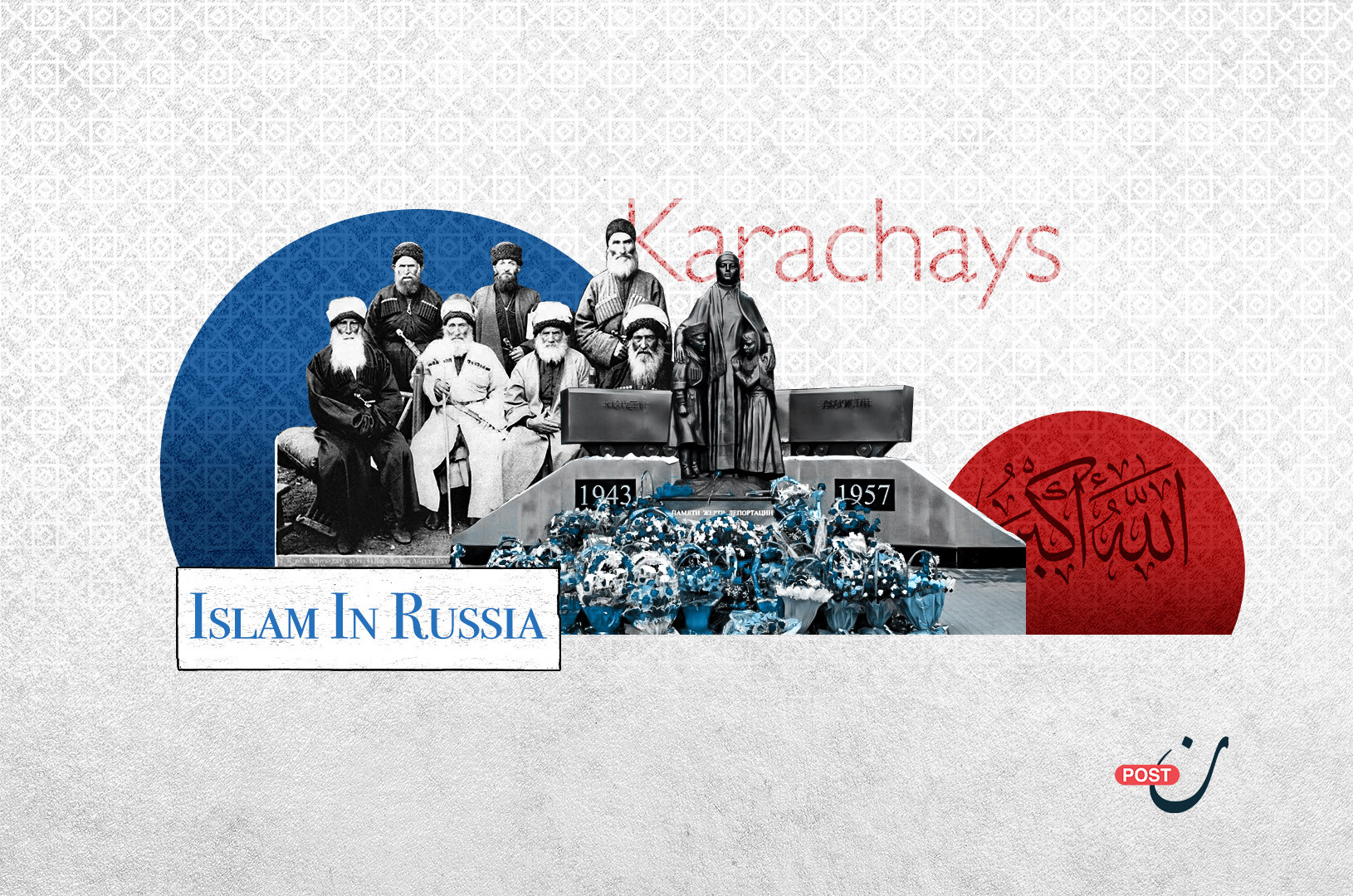
Nestled in the northwestern Caucasus, Karachay-Cherkessia spans 14,300 square kilometers, bordered by Krasnodar Krai to the west, Kabardino-Balkaria to the southeast, and Stavropol Krai to the northeast. Its southern frontier traces the Caucasus Mountains, adjoining Georgia and Abkhazia.

This article is part of our series “Islamic Homelands in Russia,” which delves into the histories of Siberia and the North Caucasus republics—Chechnya, Ingushetia, Dagestan, Kabardino-Balkaria, Karachay-Cherkessia—as well as Tatarstan and Bashkortostan.

These regions, home to approximately 25 million Muslims, are examined through their social, religious, and political landscapes, all under the overarching influence of Russian authority.
نون بوست

Ethnic and Religious Mosaic

Despite its modest size, Karachay-Cherkessia is among the most ethnically and religiously diverse areas in the North Caucasus. The republic recognizes five official languages: Russian, Kabardian Circassian, Abaza, Karachay-Balkar, and Nogai.

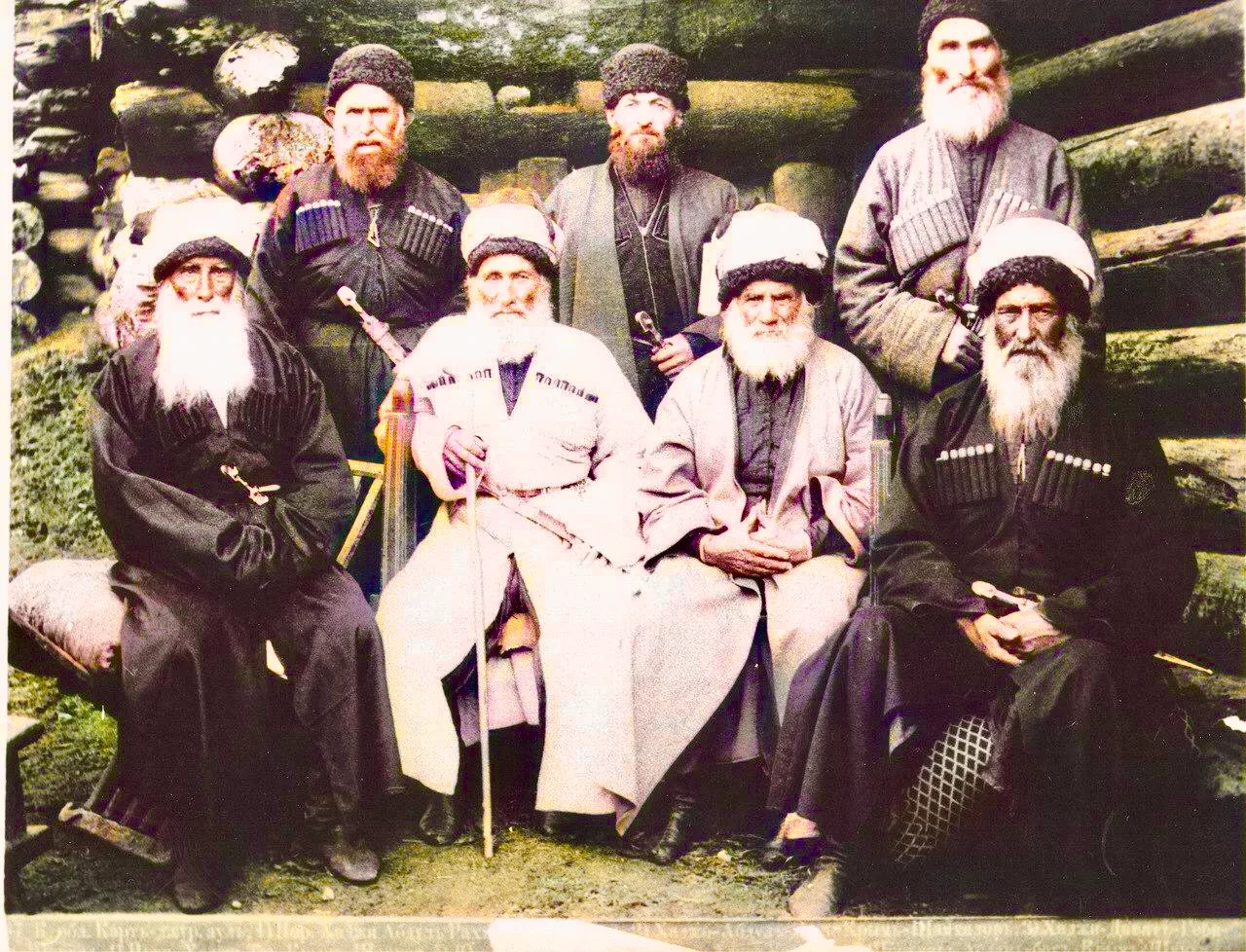
As of the 2024 census, the population stands at 468,400, with Karachays comprising 44.38%, Russians 27.55%, Circassians 13%, and others 15%. Muslims, predominantly Hanafi Sunnis, make up 64% of the populace, while 13% adhere to the Russian Orthodox Church.

Ethnic groups are geographically distinct: Karachays inhabit the eastern highlands, Circassians the lowlands, and Russians the western plains. This segregation extends to administrative divisions, reflecting the republic’s complex ethnic tapestry.
نون بوست

Karachay-Cherkessia mirrors Kabardino-Balkaria in its ethnic composition but in reverse; while Circassians dominate Kabardino-Balkaria, Karachays are the majority here. Both Karachays and Balkars share Turkic roots and language, yet Soviet-era policies artificially divided them into separate republics during the 1930s.

Natural Wealth Amidst Socioeconomic Struggles

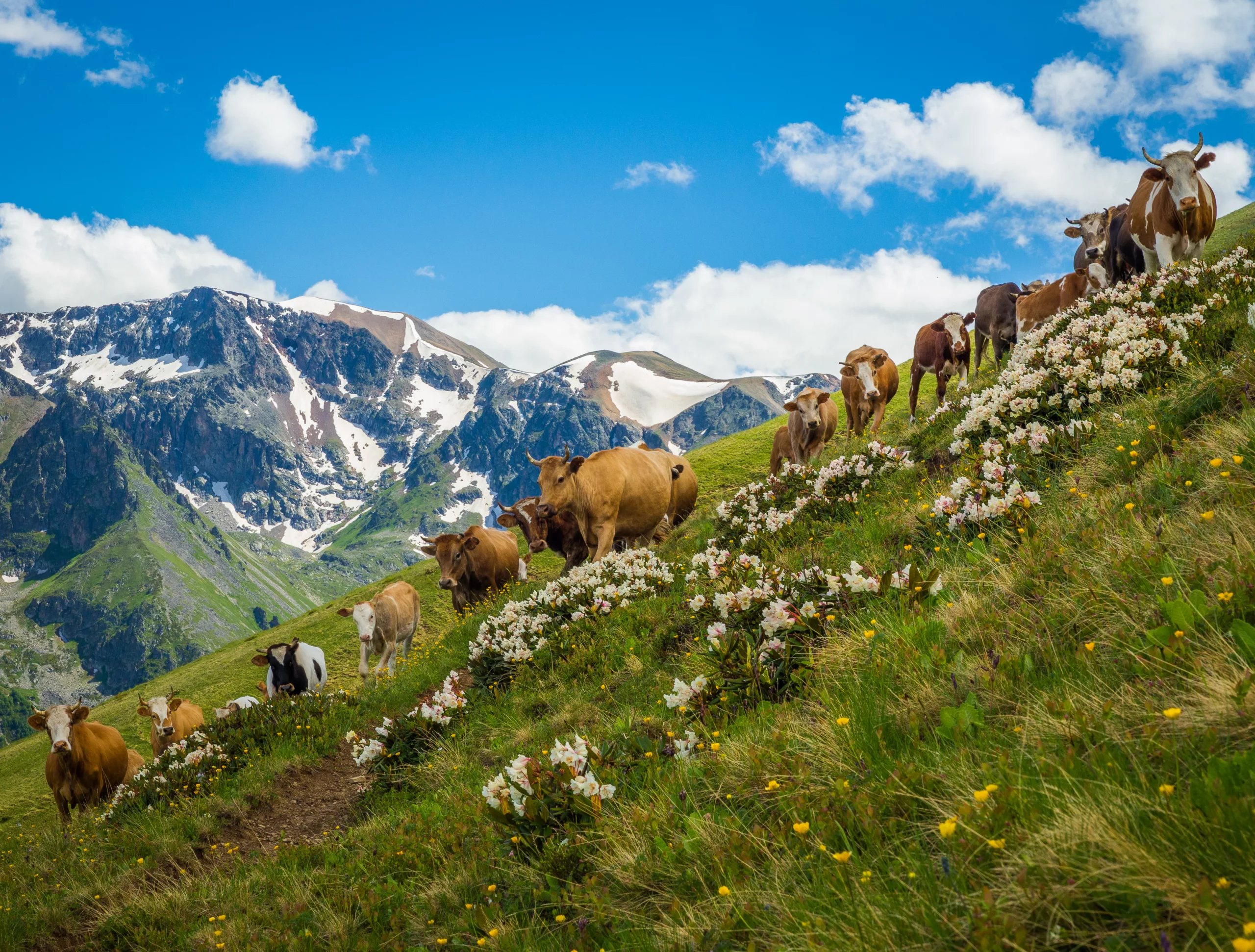
The republic boasts abundant natural resources—gold, marble, coal, clay—and a rich hydrological network with 172 rivers and 130 lakes. Forests, diverse flora, and fertile lands support agriculture and livestock. Mountains cover 80% of the territory, making it a haven for eco-tourism.

However, beneath this natural bounty lies a deep socioeconomic crisis. Widespread poverty, corruption, and unemployment plague the region, with 25% of residents living below the poverty line. Declining birth rates, rising mortality, and emigration exacerbate the demographic decline, as skilled workers leave for central Russia and Europe.

Russia capitalizes on the region’s economic hardships, offering up to 2 million rubles (€20,300) to young men who enlist to fight in Ukraine. Notably, Karachay-Cherkessia lacks an airport and direct rail links to Moscow, underscoring its infrastructural neglect.
نون بوست

Traditional clan structures remain influential, with Karachays dominating government roles. Circassians and Abaza, though minorities, maintain well-organized communities. Ethnic tensions persist, occasionally erupting into conflicts and highlighting the fragile interethnic relations shaped by historical grievances and Soviet-imposed boundaries.

Historical Trajectory

The Mongol invasions in the 13th century and Timur’s campaigns in the 14th devastated the region. Islam spread through Ottoman and Crimean Tatar influence, gradually supplanting Christianity. In the 15th century, the Karachay principality emerged, later falling under Russian control after the 1828 Battle of Khasaouk.

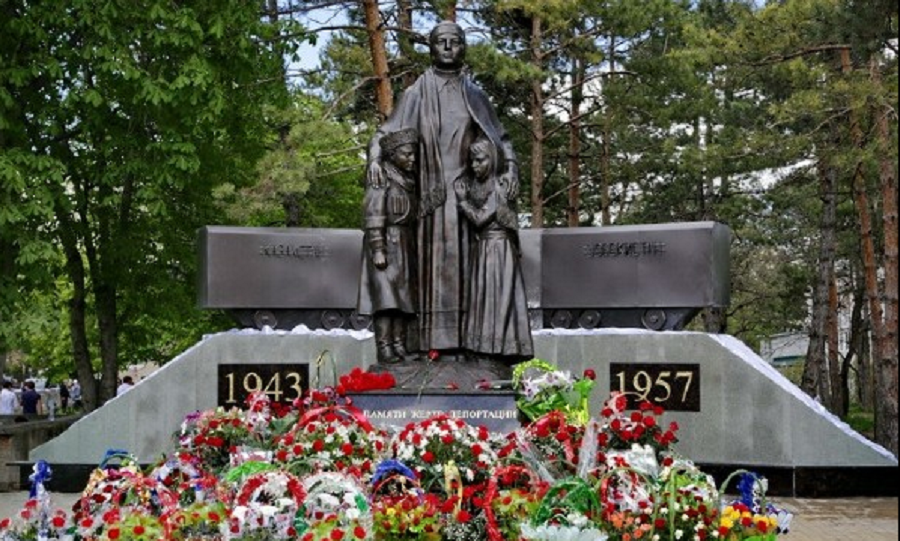
During World War II, Stalin accused the Karachays of collaborating with Nazis, leading to the 1943 deportation of nearly 70,000 individuals to Central Asia under Operation Seagull. Approximately 19% perished during exile.

The Karachay Autonomous Oblast was dissolved, and its territories redistributed. In 1957, survivors were allowed to return, only to find their homes occupied and their lands altered, fueling long-standing resentment.

Post-Soviet Challenges

By 1989, Karachay-Cherkessia was an autonomous region within Stavropol Krai, with a complex ethnic mix: 42% Russians and Cossacks, 31% Karachays. Infrastructure remained outdated, and environmental degradation was rampant. Land disputes, especially between Karachays and Cossacks, intensified.
نون بوست
A memorial for the deported Karachays in Karachay-Cherkessia.

In 1990, Karachays declared autonomy, seeking to separate from Cherkessia and unite with Balkaria. Circassians, comprising about 12% of the population, advocated for joining Kabardino-Balkaria. Despite a 1992 referendum opposing division, ethnic tensions and sporadic violence persisted throughout the 1990s.

Religious Landscape Under Russian Oversight

The 1990s saw the rise of Islamic movements, with some Karachays adopting Salafism after fighting alongside Chechens. This led to clashes with traditional religious authorities.

Today, Salafi groups face suppression under the guise of anti-extremism, with Moscow controlling religious appointments and online content. Recent bans on the niqab are perceived as broader efforts to curb Islamic expression.

Additionally, Russian policies aim to marginalize native languages. Amendments to the constitution prioritize Russian in education, relegating indigenous languages to secondary status. Russian dominates official institutions and media, further eroding cultural identities.

While separatist activities have waned compared to neighboring regions, Karachay-Cherkessia continues to grapple with the legacies of Soviet repression, economic marginalization, and cultural suppression.

Despite limited media attention, the republic’s quest for identity and autonomy remains a poignant chapter in the broader narrative of Russia’s diverse and complex federation.

Download this article as PDF
Share this Article
Facebook Twitter Whatsapp Whatsapp Telegram Email Copy Link
فريق التحرير
By فريق التحرير تقارير يعدها فريق تحرير نون بوست.
Follow:
Previous Article نون بوست Missiles from Daraa to the Golan: 7 Questions to Understand What Happened in Southern Syria
Next Article نون بوست Kabardino-Balkaria: Orbiting in Russia’s Axis of Oppression

Read More

  • U.S. Regime‑Change Policies: Why They Are Destined to Fail U.S. Regime‑Change Policies: Why They Are Destined to Fail
  • The Gulf’s Balancing Act: Iran, Israel, and Hidden Links
  • Iraq–Turkey Oil Export Treaty: Why Did Ankara Cancel It After 52 Years?
  • Syria’s Northeast on Edge: QSD Between Ankara and Damascus
  • Has Europe Changed Its Stance on Israel… or Just Its Language?
part of the design
NoonPost Weekly Newsletter

You May Also Like

U.S. Regime‑Change Policies: Why They Are Destined to Fail

U.S. Regime‑Change Policies: Why They Are Destined to Fail

إسراء سيد Esraa sayed 8 April ,2026
The Gulf’s Balancing Act: Iran, Israel, and Hidden Links

The Gulf’s Balancing Act: Iran, Israel, and Hidden Links

فريق التحرير Noon Post 8 April ,2026
Iraq–Turkey Oil Export Treaty: Why Did Ankara Cancel It After 52 Years?

Iraq–Turkey Oil Export Treaty: Why Did Ankara Cancel It After 52 Years?

فريق التحرير Noon Post 8 April ,2026

ارتفاع ضحايا تفجير أنقرة إلى 37 قتيلًا وتلميحات بتورط الكردستاني

فريق التحرير
Noon Post Published 14 March ,2016
Share
137406533816

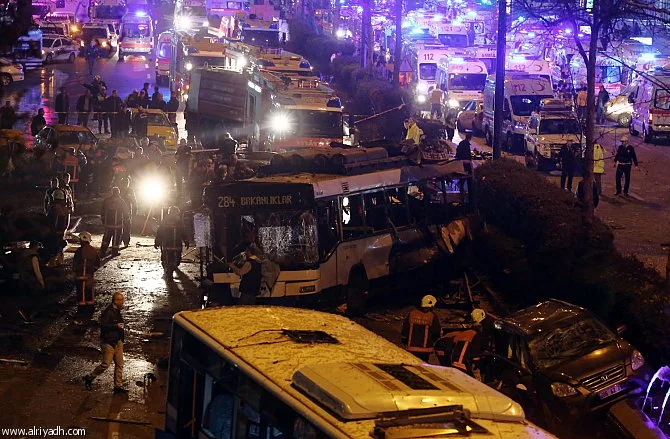
أعلن وزير الصحة التركي محمد مؤذن أوغلو ارتفاع عدد ضحايا تفجير العاصمة التركية أنقرة البارحة إلى 37، من بينهم منفذ أو منفذا الهجوم، وقد كان انفجار هز وسط العاصمة التركية بالأمس بمنطقة كيزلاي عبر سيارة مفخخة كانت تستهدف سيارة لشرطة مكافحة الشغب قبل أن تنفجر بين حافلتين لنقل الركاب.

https://youtu.be/eOgRvQ2pK5Q

المعلومات الواردة تُشير إلى وقوع إصابات لنحو 125 شخص، 19 منهم في حالة حرجة بالإضافة إلى تحطم عشر حافلات، وقد ذكرت وكالة رويترز للأنباء نقلاً عن مسؤول أمني تركي أن الدلائل الأولية تشير إلى أن ‫‏هجوم أنقرة نفذه حزب العمال الكردستاني أو جماعة تابعة له، لكن وزير الداخلية التركي أكد فيما بعد أن لديهم دلائل وقرائن واضحة حول منفذي الهجوم إلا أنهم ينتظرون انتهاء التحقيقات لإعلان كل شئ.

فيما جاءت هذه التصريحات في مؤتمر صحفي برفقة وزير الداخلية أفكان آلا ووزير العدل بكير بوزداغ عقب اجتماع أمني عُقد بعد التفجير برئاسة رئيس الوزراء أحمد داود أوغلو في مقر الحكومة بالعاصمة أنقرة.

يأتي هذا الانفجار بعد أقل من شهر على هجوم بسيارة ملغومة في وسط أنقرة أسفر عن مقتل 29 شخصًا. وقد أعلن مقاتلون أكراد “صقور حرية كردستان” مسؤوليتهم عن الهجوم حينذاك، لترتفع عدد التفجيرات التي استهدفت العاصمة أنقرة إلى ثلاثة تفجيرات في أقل من خمسة شهور.

هذا التفجير استهدف العاصمة التركية في كبرى ميادينها الرئيسية قرب محطة للحافلات ومخرج للمترو، وهي رسالة لا يمكن تغافلها إذ انتقلت الاستهدافات الإرهابية في تركيا من مرحلة التنفيذ العشوائي إلى الاستهداف المركز على المناطق الحيوية كتفجير منطقة مسجد السلطان أحمد، والتفجير قبل الآخير الذي استهدف منطقة بالقرب من رئاسة الأركان التركية.

من ناحيته أشار رئيس الوزراء التركي أحمد داود أوغلو إلى أن المعطيات والدلائل الأولية من مكان التفجير وتحليل المعلومات الاستخباراتية، تؤكد ضلوع حزب العمال الكردستاني وفق ما ذكرته وكالة الأناضول.

وأضاف أوغلو -الذي أجل زيارته المقررة إلى الأردن- أن تفجير أنقرة “استهدف تركيا وأمنها ووحدتها وديمقراطيتها”، متوعدًا منفذي التفجير “بعقاب شديد”.

من جانبه قال الرئيس التركي رجب طيب أردوغان إن بلاده أصبحت هدفًا “للهجمات الإرهابية” في السنوات الأخيرة بسبب الاضطرابات التي تعيشها المنطقة.

هذا وقد حظرت السلطات التركية النشر فيما يتعلق بالتفجير، وقررت إدارة الاتصالات السلكية واللاسلكية التركية حظر الوصول إلى جميع الصور والمشاهد للضحايا والجرحى التي تنشر على وسائل التواصل الاجتماعي.

سارعت المعارضة التركية لانتقاد الآداء الأمني للحكومة لكن بادرت بإدانة التفجير الإرهابي وعلى رأسهم حزب الشعوب الديمقراطي التركي، وحزب الشعب الجمهوري.

دلائل التفجير تؤكد أن منفذيه سعوا لإيقاع أكبر عدد من الضحايا من خلال إحداث التفجير بين حافلات مكتظة بالمدنيين، وقد أتى التفجير الأخير في سياق الإعلان عن نهاية العملية الأمنية الحكومية ضد متمردي حزب العمال الكردستاني جنوب البلاد وهو ما يعد له دلالة ربما تشعل الأوضاع مرة أخرى.

https://youtu.be/gJVJqy50XZs

هذا وقد أعلنت رئاسة الأركان التركية صباح اليوم استهداف الجيش التركي لمواقع تابعة لحزب العمال الكردستاني شمالي العراق، فيما يبدو ردًا سريعًا على تفجيرات الأمس.

#عاجل #تركيا: رئاسة الأركان تعلن قصفها مواقع تابعة لحزب العمال الكردستاني شمالي #العراق pic.twitter.com/YfVaAnowWd

— نون بوست (@NoonPost) March 14, 2016

TAGGED: الأمن في تركيا ، الإرهاب ، الجيش التركي ، الحكومة التركية ، تفجير أنقرة
Download this article as PDF
Share this Article
Facebook Twitter Whatsapp Whatsapp Telegram Email Copy Link
فريق التحرير
By فريق التحرير تقارير يعدها فريق تحرير نون بوست.
Follow:
Next Article نون بوست The Stigma of “ISIS”: A Heavy Legacy Haunting Women and Children of Former Members

Read More

  • U.S. Regime‑Change Policies: Why They Are Destined to Fail U.S. Regime‑Change Policies: Why They Are Destined to Fail
  • The Gulf’s Balancing Act: Iran, Israel, and Hidden Links
  • Iraq–Turkey Oil Export Treaty: Why Did Ankara Cancel It After 52 Years?
  • Syria’s Northeast on Edge: QSD Between Ankara and Damascus
  • Has Europe Changed Its Stance on Israel… or Just Its Language?
part of the design
NoonPost Weekly Newsletter

You May Also Like

U.S. Regime‑Change Policies: Why They Are Destined to Fail

U.S. Regime‑Change Policies: Why They Are Destined to Fail

إسراء سيد Esraa sayed 8 April ,2026
The Gulf’s Balancing Act: Iran, Israel, and Hidden Links

The Gulf’s Balancing Act: Iran, Israel, and Hidden Links

فريق التحرير Noon Post 8 April ,2026
Iraq–Turkey Oil Export Treaty: Why Did Ankara Cancel It After 52 Years?

Iraq–Turkey Oil Export Treaty: Why Did Ankara Cancel It After 52 Years?

فريق التحرير Noon Post 8 April ,2026
dark

An independent media platform founded in 2013, rooted in slow journalism, producing in-depth reports, analysis, and multimedia content to offer deeper perspectives on the news, led by a diverse young team from several Arab countries.

  • Politics
  • Society
  • Rights & Liberties
  • Opinions
  • History
  • Sports
  • Education
  • Technology
  • Economy
  • Media
  • Arts & Literature
  • Entrepreneurship
  • Travel
  • Cinema & Drama
  • Food
  • Health
  • Culture
  • Latest Reports
  • Files
  • Long Reads
  • Interviews
  • Podcast
  • Interactive
  • Encyclopedia
  • In Pictures
  • About Us
  • Our Writers
  • Write for Us
  • Editorial Policy
  • Advanced Search
Some rights reserved under a Creative Commons license

Removed from favorites

Undo
Go to mobile version