NoonPost NoonPost

NoonPost

  • Home
  • Politics
  • Economy
  • Society
  • Culture
  • Files
  • Long Reads
  • Podcast
AR
Notification Show More
نون بوست
“There Are Nights I Can’t Close My Eyes”: How Gazans Are Living in Homes on the Brink of Collapse
نون بوست
From al-Jolani to Ahmad al-Shara: The Evolution of Syria’s New Leader
نون بوست
When Political Islam Receded in Egypt: Who Filled the Void?
نون بوست
An Extension of Genocide: Gaza’s Detainees Speak Out
نون بوست
A Tightrope Between Survival and Sovereignty: The Syrian Government Faces Normalization Pressures
نون بوست
American Aircraft Carriers: Has the Era of “100,000 Tons of Diplomacy” Ended?
نون بوست
U.S. Regime‑Change Policies: Why They Are Destined to Fail
نون بوست
Transformations of Israeli Judaism: Between the Victim Complex and the Colonizer’s Doctrine
نون بوست
The Gulf’s Balancing Act: Iran, Israel, and Hidden Links
نون بوست
Iraq–Turkey Oil Export Treaty: Why Did Ankara Cancel It After 52 Years?
نون بوست
Syria’s Northeast on Edge: QSD Between Ankara and Damascus
نون بوست
Has Europe Changed Its Stance on Israel… or Just Its Language?
NoonPost NoonPost
AR
Notification Show More
نون بوست
“There Are Nights I Can’t Close My Eyes”: How Gazans Are Living in Homes on the Brink of Collapse
نون بوست
From al-Jolani to Ahmad al-Shara: The Evolution of Syria’s New Leader
نون بوست
When Political Islam Receded in Egypt: Who Filled the Void?
نون بوست
An Extension of Genocide: Gaza’s Detainees Speak Out
نون بوست
A Tightrope Between Survival and Sovereignty: The Syrian Government Faces Normalization Pressures
نون بوست
American Aircraft Carriers: Has the Era of “100,000 Tons of Diplomacy” Ended?
نون بوست
U.S. Regime‑Change Policies: Why They Are Destined to Fail
نون بوست
Transformations of Israeli Judaism: Between the Victim Complex and the Colonizer’s Doctrine
نون بوست
The Gulf’s Balancing Act: Iran, Israel, and Hidden Links
نون بوست
Iraq–Turkey Oil Export Treaty: Why Did Ankara Cancel It After 52 Years?
نون بوست
Syria’s Northeast on Edge: QSD Between Ankara and Damascus
نون بوست
Has Europe Changed Its Stance on Israel… or Just Its Language?
Follow US

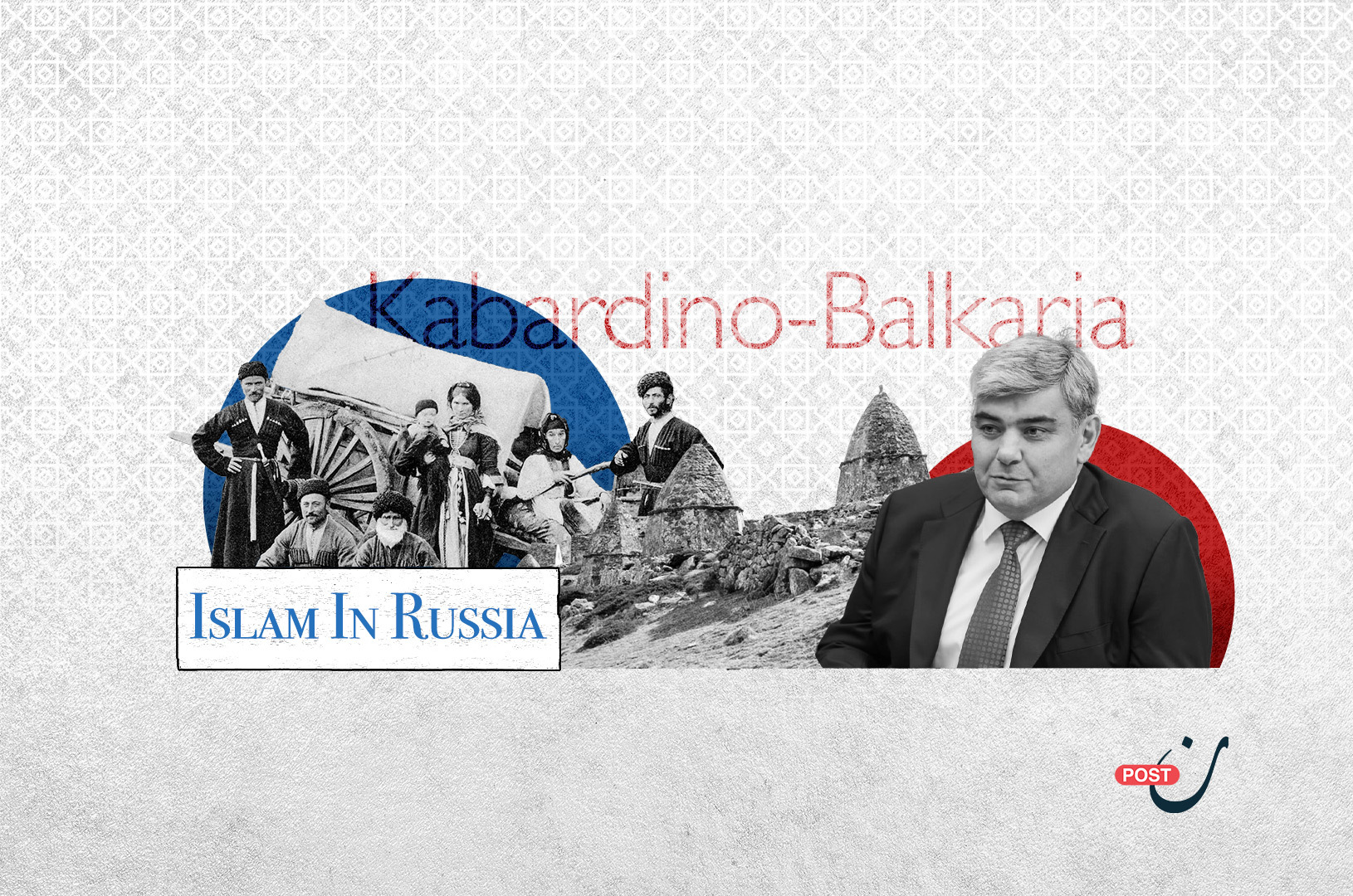
Kabardino-Balkaria: Orbiting in Russia’s Axis of Oppression

أحمد سيف النصر
Ahmed Seif EL-Nasr Published 26 March ,2026
Share
نون بوست

Nestled in the heart of the North Caucasus, Kabardino-Balkaria spans 12,500 square kilometers and stretches across 696 kilometers of borders. To its south lies Georgia, while Stavropol Krai borders it from the north. North Ossetia lines its east and southeast, and to the west is Karachay-Cherkessia. The republic is home to some of the world’s greatest glaciers.

Kabardino-Balkaria is a young republic with a population of about 900,000, comprising three primary ethnic groups. The Kabardians, who make up 57% of the population, inhabit the plains. Ethnic Russians constitute 23%, while the Balkars—a Turkic-speaking highland people—represent 13%.

The rest are from various other ethnic backgrounds. The majority of Kabardians and Balkars are Sunni Muslims adhering to the Hanafi school of jurisprudence.

This article is part of the “Lands of Islam in Russia” series, which explores the history of Siberia and the Muslim-majority republics of the North Caucasus—Chechnya, Ingushetia, Dagestan, Kabardino-Balkaria, and Karachay-Cherkessia—as well as Tatarstan and Bashkortostan.

Together, these regions are home to an estimated 25 million Muslims.
نون بوست

Behind Bars

Kabardino-Balkaria holds significant geopolitical importance for Russia as a vital transit point in the North Caucasus. Geographically, the region is divided into 33% plains, 16% uplands, and 51% mountainous terrain.

It boasts rich natural resources, a robust agricultural sector, and considerable livestock. With over 3,300 plant species, around 100 mineral springs, and more than 100 lakes, its industrial sector accounts for roughly 60% of its income.

Residents work in traditional crafts, agriculture, and livestock breeding—including horses, cattle, goats, and sheep. Carpet weaving remains a prominent craft in the mountains. In recent years, Kabardino-Balkaria has also become a notable tourist destination.
نون بوست
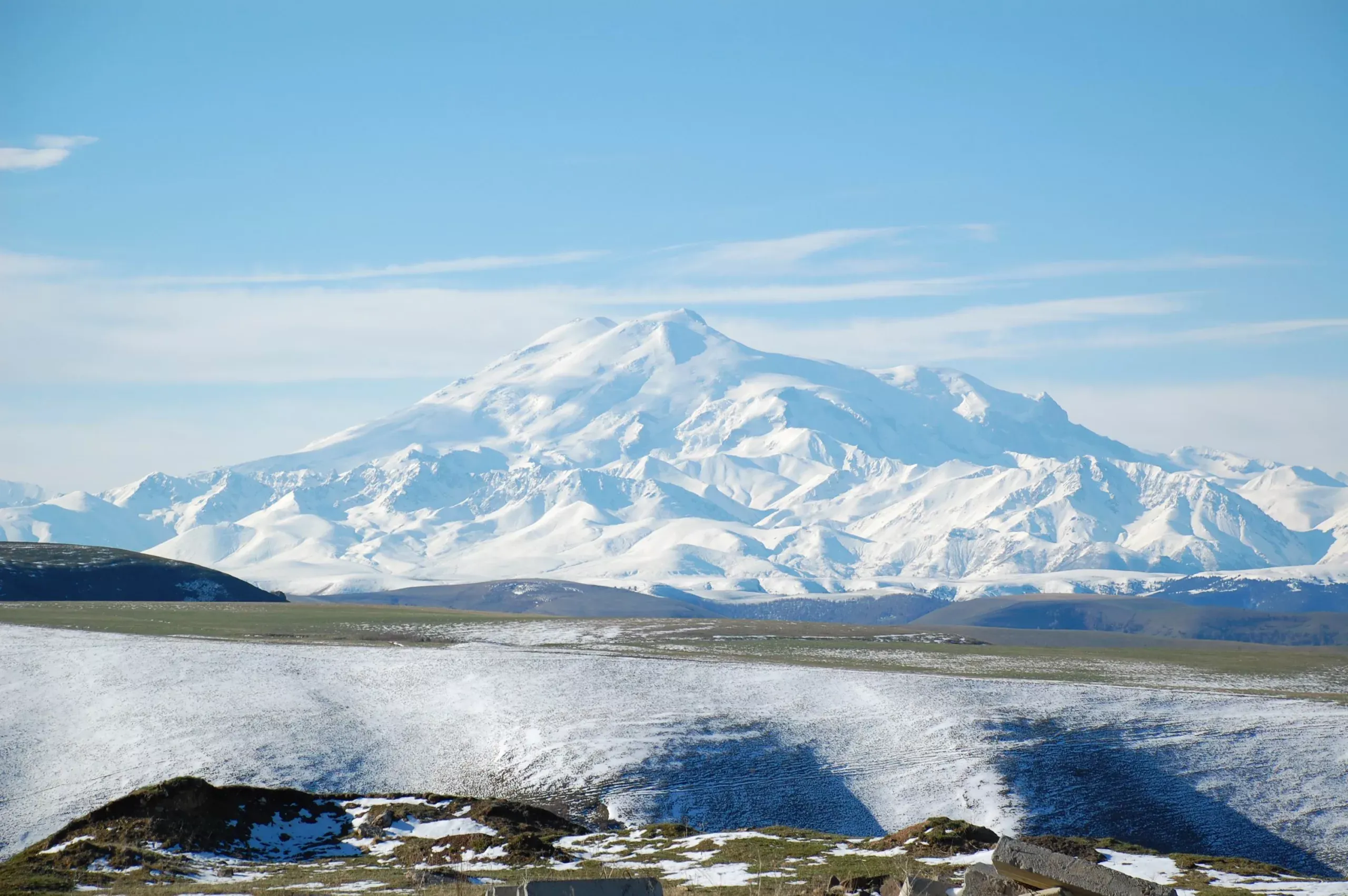
Mount Elbrus — the highest peak in the Caucasus Mountains, as well as in Russia and Europe.

Since the early 2000s, Islamic activity has flourished, marked by a rise in mosques and religious institutions. Religion has gained a renewed role, particularly among younger generations often referred to as “New Muslims.”

Despite its potential, the republic suffers from severe socio-economic challenges—plummeting living standards, high unemployment, rampant corruption, and organized crime. These issues render Kabardino-Balkaria one of the poorest regions in the Russian Federation, even though its resources could ensure prosperity.

A primary reason for the unemployment crisis is the near-total exclusion of local farmers from land lease opportunities. Although 55% of the territory is arable, most of this land has been leased long-term—49 years with renewal rights—to officials and their relatives from other Russian regions, bypassing local citizens.

Beyond poverty and disenfranchisement, Moscow has spent the last 25 years systematically dismantling the republic’s national identity. Under the pretext of combating separatism, it has targeted Kabardians and Balkars alike. Russia fans the flames of ethnic tensions between them while avoiding meaningful political or economic reform.
نون بوست
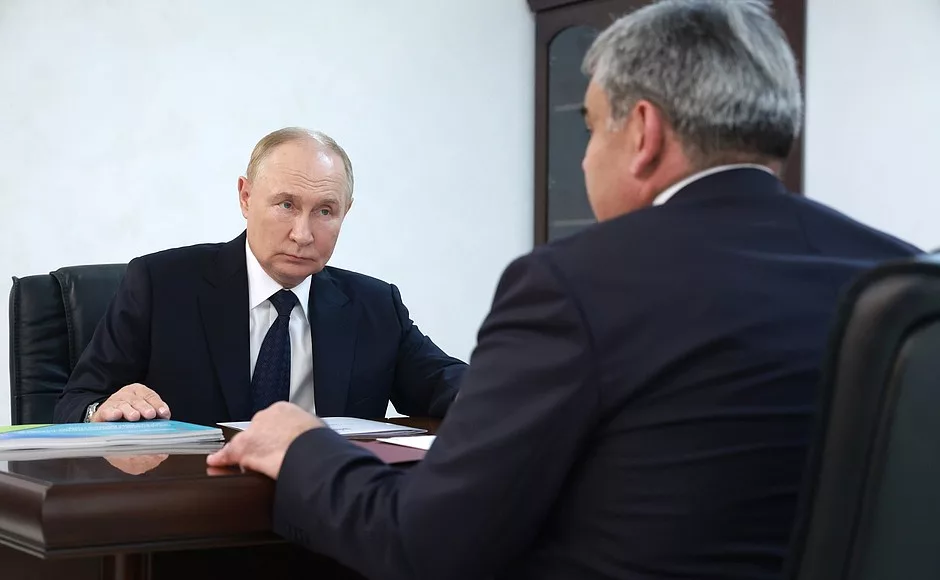
Putin with Kazbek Kokov, the head of Kabardino-Balkaria.

Today, Russian is the official language, with Kabardian and Balkar recognized as secondary. However, both are discriminated against, absent from official documentation, commerce, and governance. Few people speak them fluently.

Russian is now compulsory in schools, and primary schools that once taught in Kabardian or Balkar have been shut down. At best, these native tongues are reduced to a single weekly hour in public education.

The republic is littered with monuments honoring Russian figures who led oppressive campaigns against indigenous populations. Streets bear the names of Bolshevik leaders and military officers. Each September, Kabardino-Balkaria is compelled to celebrate the 450th anniversary of what Moscow calls its “voluntary accession” to Russia.

In reality, there have been minor separatist movements in the region. Some Balkars have sought their own republic, while Kabardians have expressed desires for independence from Moscow. Although these efforts haven’t reached the scale seen in other North Caucasus republics, recent years have witnessed an uptick in violence.

Jihadist ideology has also gained traction. Official reports suggest around 200 citizens joined ISIS. Russian security forces continue to launch lethal raids and mass arrests under the banner of combating “separatists and terrorists.”

Land and Traditions

Kabardians and Balkars are indigenous peoples of the North Caucasus. The Kabardians belong to the Circassian ethnic group, originally consisting of 18 tribes. Only 10 remain today, most living outside their ancestral lands and identifying as Adyghe.

Despite Russian-imposed divisions that categorized Circassians into four distinct administrative units, they are one people. As of the 2021 census, their total population in Russia stood at 751,487.

The Balkars, neighbors to the Kabardians, are a small Turkic tribe dwelling in the central Caucasus mountains, numbering about 71,000. They share ethnic ties with the Karachay.

Historically, the Balkars lived in highland villages, while Kabardians farmed the plains and raised livestock. Though they speak different languages, the two communities have coexisted and traded for centuries.
نون بوست

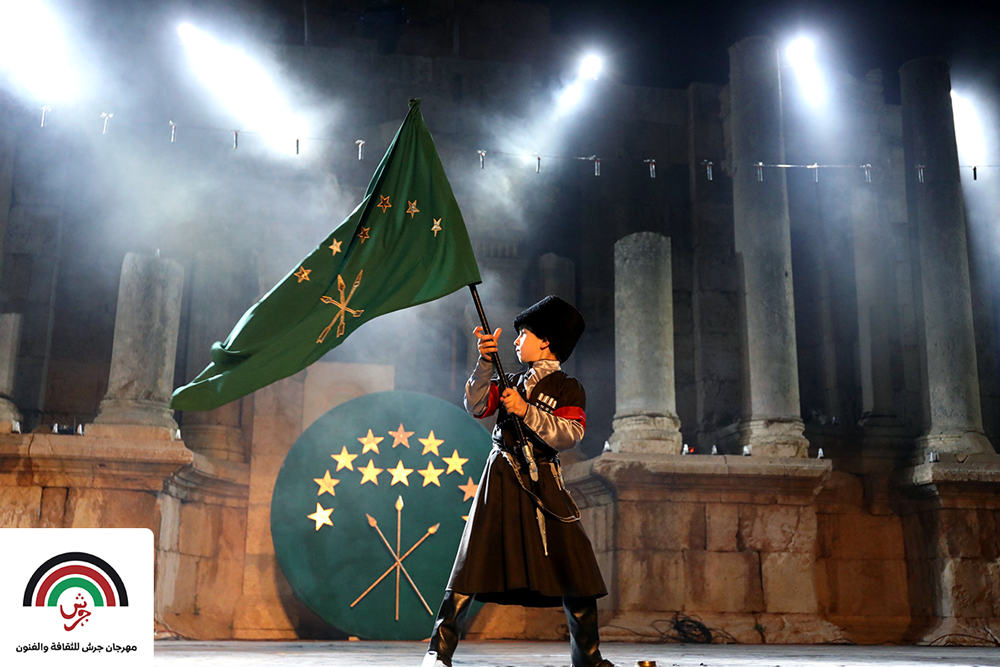
Social life in Kabardino-Balkaria was long governed by customs and traditional councils. These councils handled war, peace, land disputes, family conflicts, and national affairs, which were discussed by the nobility.

The Kabardian language, a Circassian dialect, was originally written in Arabic, later switched to Latin, and finally Cyrillic in 1936. The Balkar language followed a similar path, transitioning to Cyrillic in 1939.

The Kabardians were initially pagan, later influenced by Christianity. Islam spread among them in the 16th century through Ottoman and Crimean Tatar contact, especially via Black Sea ports. By the early 19th century, most Kabardians were Hanafi Sunni Muslims.

The Balkars adopted Islam in the 18th century through their relationship with the Circassians.

Historically, both groups relied on agriculture and livestock—especially horses, prized for their speed and agility, and even used by imperial armies. The Kabardians cultivated the best pastures between Mount Elbrus and the upper Malka and Kuma rivers.
نون بوست

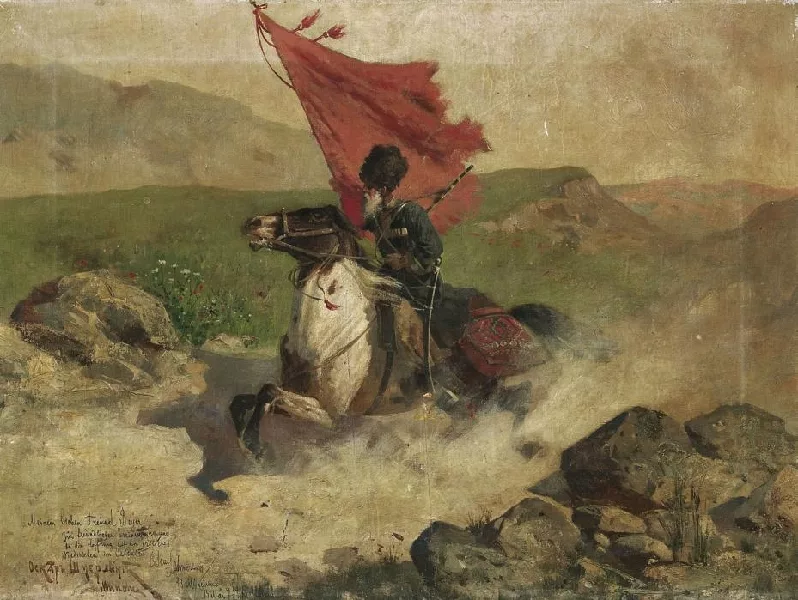
Among Circassians, no figure is more revered than Prince Inal the Great, who unified the Circassians between 1427 and 1453 after the Mongol invasion. His state stretched from the Don River to the Caucasus and from the Black Sea and Crimea to Chechnya.

He divided Circassia into regions, one of which was Kabardia. After his death, Kabardia became independent.

Empire-Building: The First Encounter

Kabardia’s internal strife among princely families led to its division into Greater and Lesser Kabardia in the late 16th century. Facing repeated attacks from the Crimean Khanate, Kabardian prince Temryuk Idar allied with Russia in 1557, marrying his daughter to Tsar Ivan IV.

This alliance deterred Crimean threats and maintained equal relations with Russia until the mid-18th century.

The 1739 Treaty of Belgrade between Russia and the Ottoman Empire acknowledged Kabardia as a neutral buffer state. However, under Empress Catherine II, Russia began fortifying Kabardia’s northern border. In 1763, it built the Mozdok fortress to facilitate occupation and settlement.

The Ottomans protested the move in 1764, and Kabardian nobles petitioned Saint Petersburg to demolish the fortress, but their plea was rejected. In 1769, Russia launched its first military campaign into Kabardia.
نون بوست

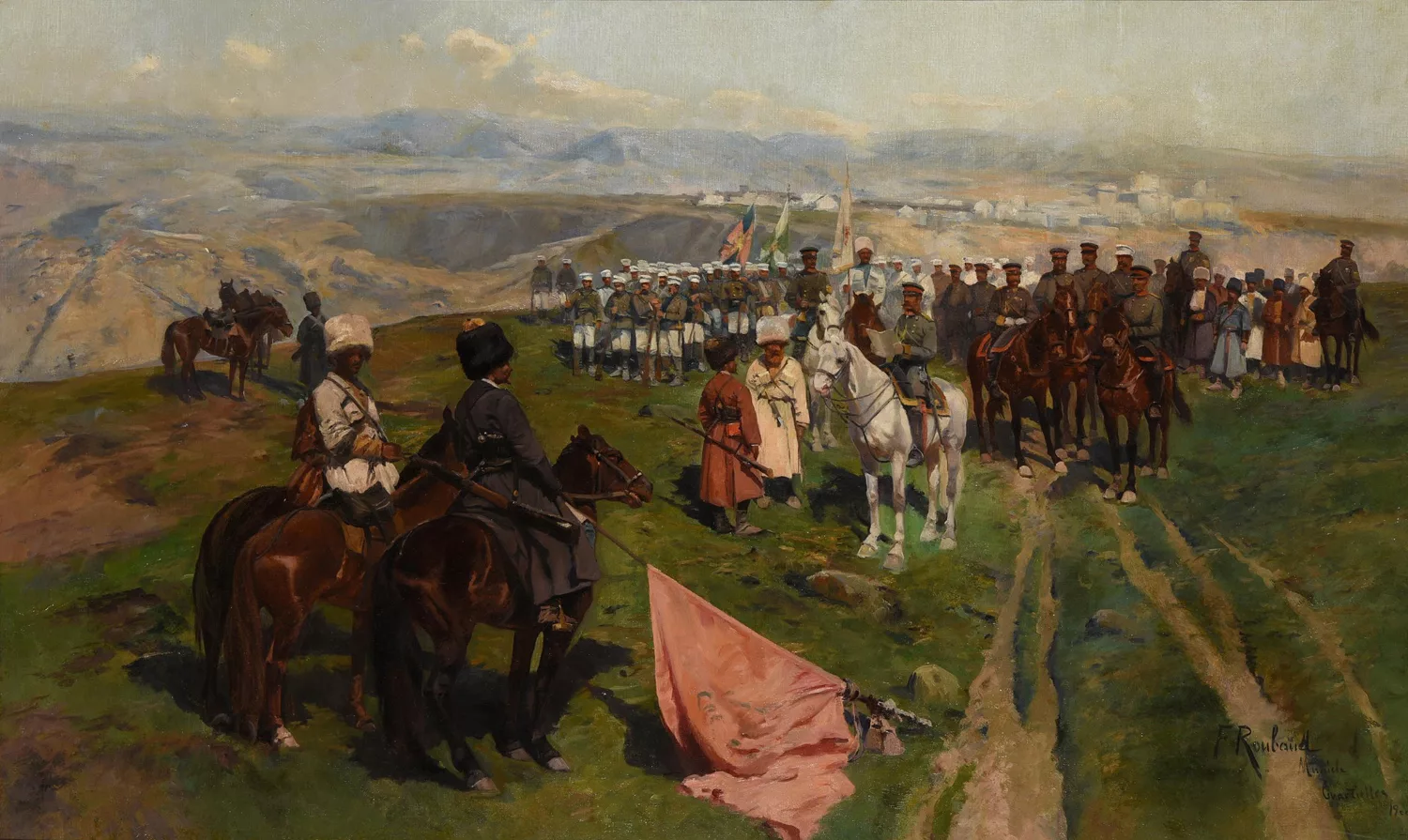
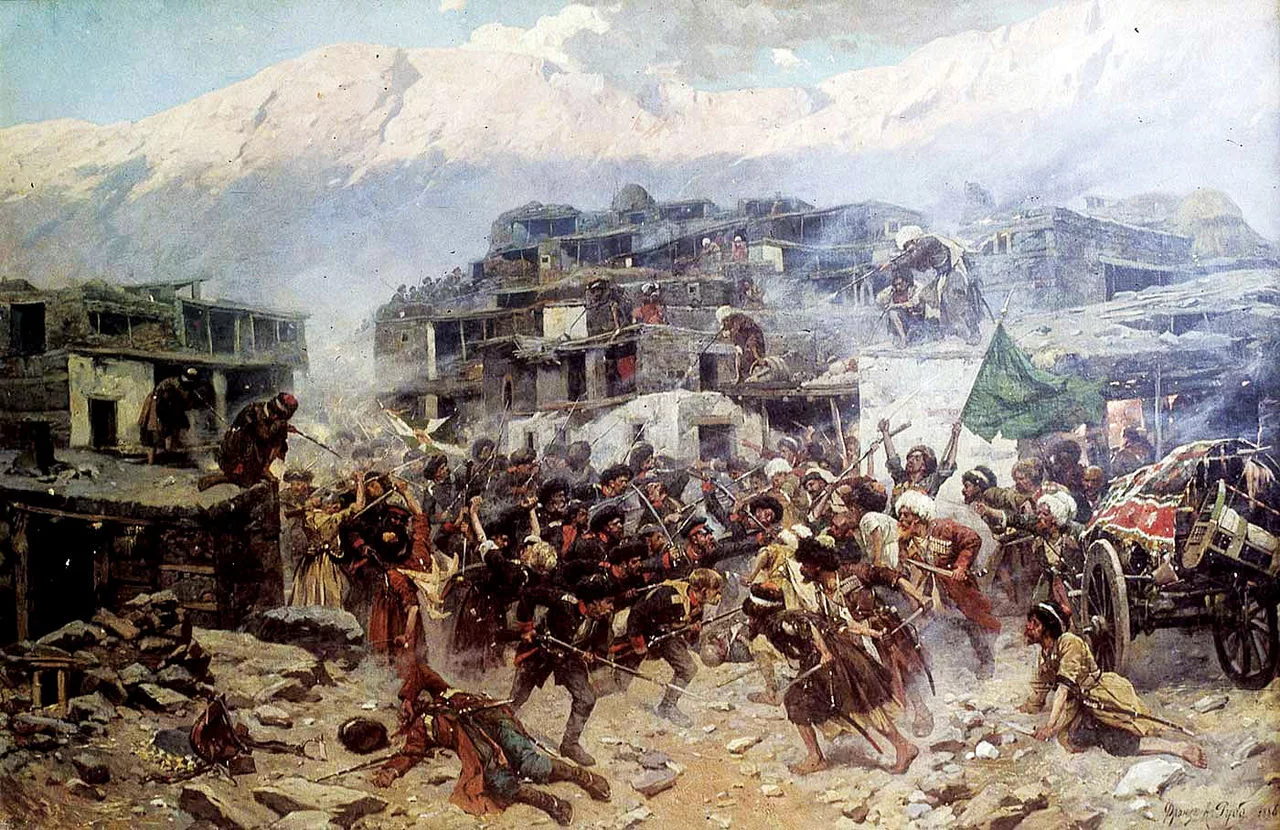
During the Russo-Turkish War (1768–1774), Kabardian nobles welcomed Ottoman forces. Alongside Crimeans and Ottomans, they attacked Russian positions, including Mozdok. But Russia ultimately prevailed and annexed Kabardia.

Expecting future Ottoman conflicts, Russia fortified the North Caucasus with military bases and resettled Cossacks, sparking widespread Circassian rebellion. From 1777 onward, Kabardian armies launched coordinated raids against Russian garrisons. They forged alliances with neighboring Caucasian communities such as Chechens and Dagestanis.

Though initially successful, Russian forces crushed the resistance by late 1779, redrawing borders to restrict Kabardian movement, severing their access to vital lands and pastures.
نون بوست

Following another Russo-Turkish victory (1787–1793), Russia replaced Islamic courts in Kabardia with ones based on Russian law, provoking a mass uprising. It was crushed in May 1805, but Moscow begrudgingly reinstated the Islamic judicial system.

The Final Conquest: Plague and Deportation

The early 19th century brought demographic catastrophe to Kabardia. A devastating plague decimated 90% of the population, reducing it from 350,000 to just 50,000 by 1818. Historian Ian Lanzilotti notes this cleared the path for Russia’s complete conquest of Kabardia.

General Yermolov, the architect of the final occupation, praised the plague’s effect, saying:

“The plague was our ally—it weakened the Kabardians so much that they could no longer muster a defense. Otherwise, our army would have been in grave danger.”

Yermolov’s strategy involved building fortresses, resettling Ossetians and Cossacks, and displacing Kabardians. This dismantled their independence and ruined their livestock-based economy.

By the late 1820s, Kabardia was firmly under Russian control. After a century-long war, from 1862 to 1864, Russia exiled about 90% of the Circassians—including thousands of Kabardians. Their descendants now live across the Middle East, particularly in Turkey, Syria, and Jordan.

Many Kabardian pastures were left unused, prompting Balkar settlers to utilize them. This later fueled disputes as Kabardians sought to reclaim ancestral lands. Ossetian and Slavic settlers also moved in, further complicating land ownership.

The Soviet Republic of Kabardino-Balkaria

In 1912–1913, Kabardia witnessed a short-lived uprising against Tsar Nicholas II. Following the February Revolution of 1917, the North Caucasus intelligentsia formed a political movement to represent mountain peoples. In May 1917, delegates gathered in Vladikavkaz and proclaimed a federal republic.

Kabardia declared independence and joined the Mountainous Republic of the North Caucasus, which lasted until 1924. But both the Red and White Russian factions viewed this republic as an obstacle and worked jointly to crush it.
نون بوست
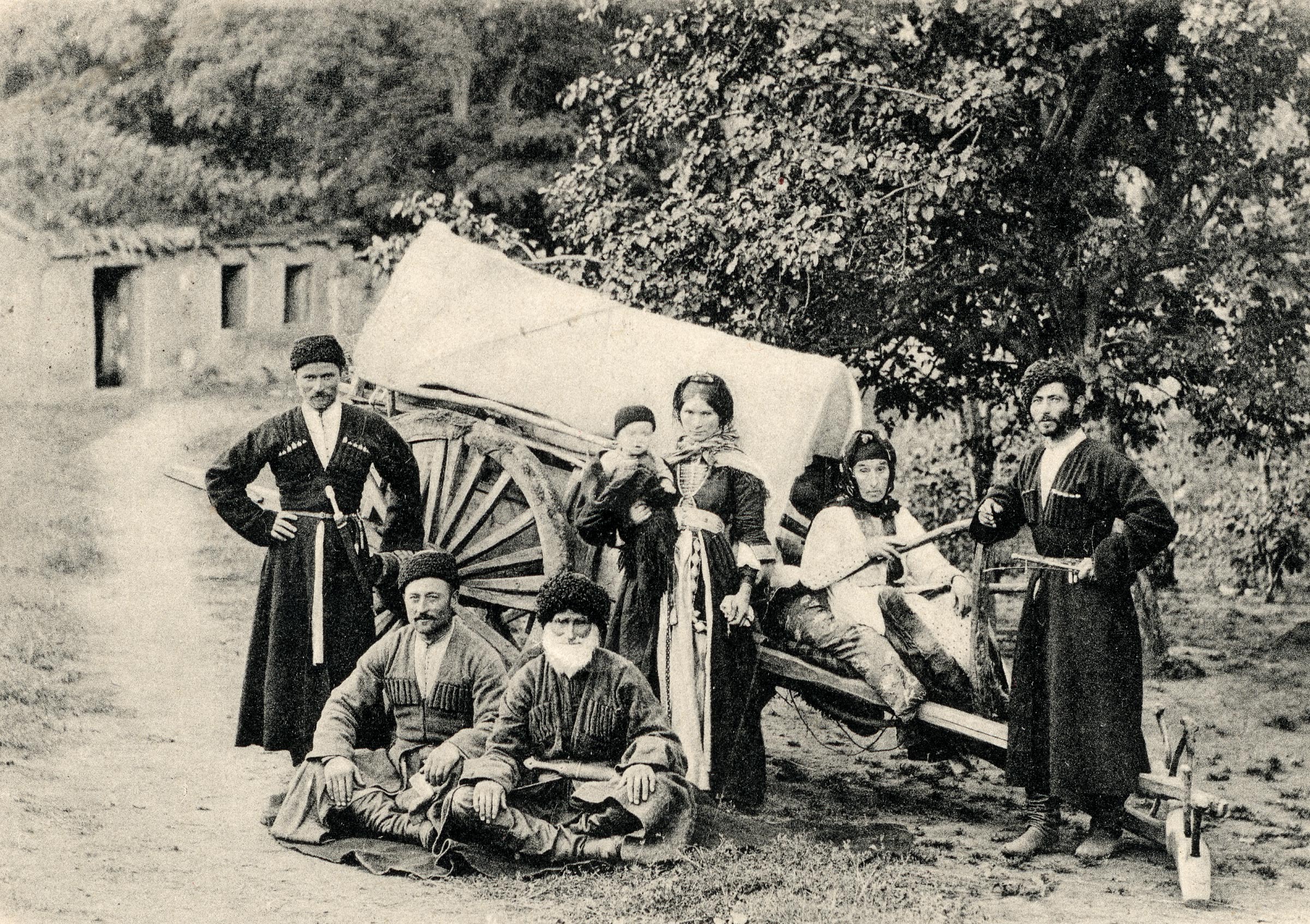
A Kabardian family in the early 20th century.

After the Russian Civil War, Moscow split Kabardia and Balkaria into two ethnic-based territories. Yet local leaders agreed on a compromise—shared governance and land—which led to the formation of a unified administrative region: the Kabardino-Balkarian Autonomous Region.

In 1928, the Kabardians revolted against Soviet repression, but the uprising was crushed. Stalin’s systematic purges in the 1920s and ’30s decimated Islamic institutions, shuttering schools, courts, and religious education. By 1961, only 13 mosques remained in the republic.

Despite the Kabardians’ and Balkars’ sacrifices during WWII, Stalin accused the Balkars of collective treason. On March 8, 1944, Soviet forces stormed the highland villages, announcing immediate deportation. Resistance was met with bullets.
نون بوست
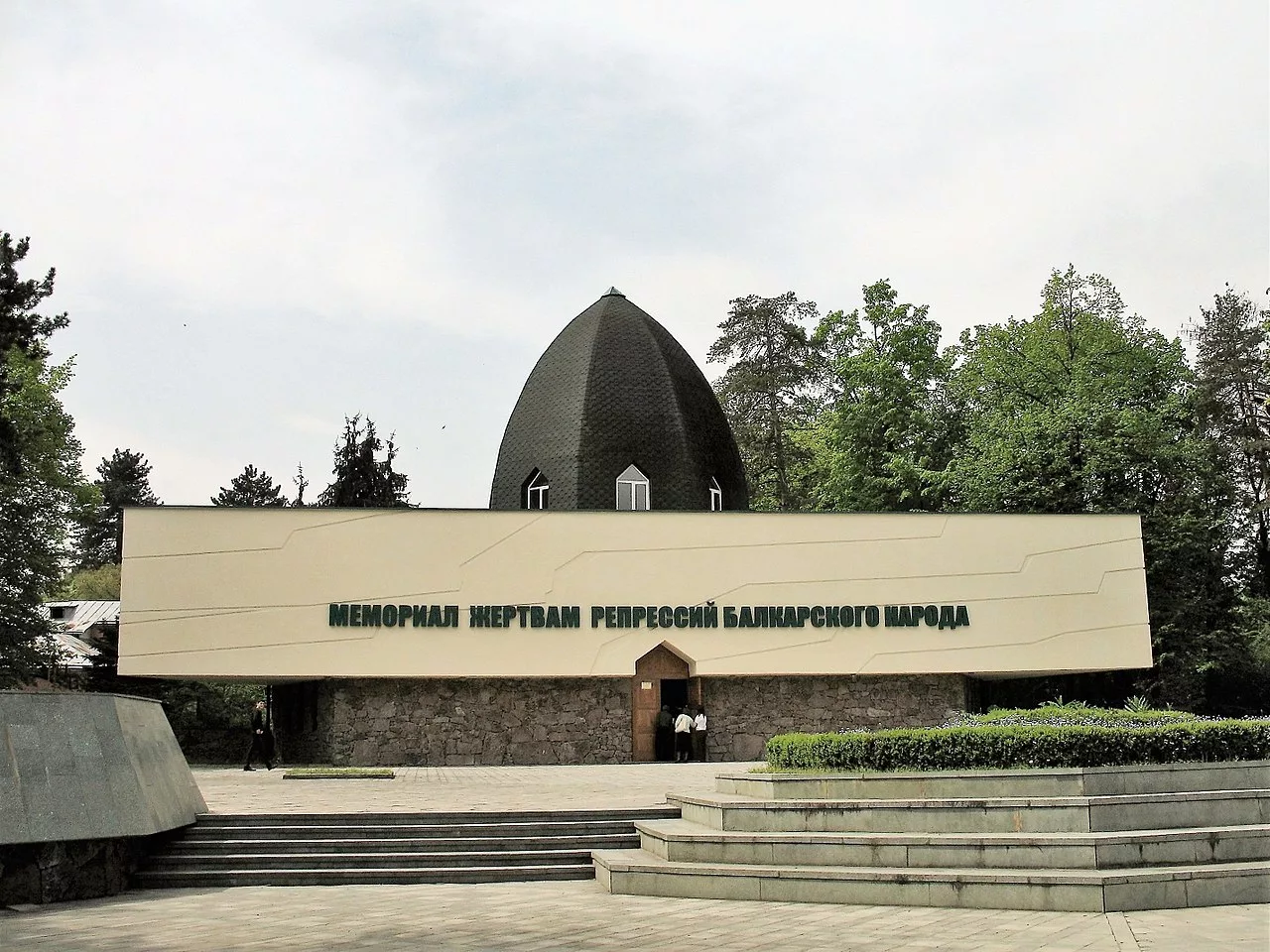
Memorial to the victims of the Balkar deportation.

Roughly 37,713 Balkars and 2,000 Kabardians were forced into cattle cars and sent to desolate steppes in Kazakhstan and Kyrgyzstan. Northeastern Kabardia was handed to North Ossetia, another portion to Georgia. The Balkars’ name was struck from the republic’s title.

As one of the smallest and most vulnerable Caucasian ethnicities, the Balkars suffered heavily—Soviet figures suggest that 20% died in exile. In 1957, Khrushchev allowed their return and restored the republic’s original name.

Kabardino-Balkaria After the Soviet Union

Following the USSR’s collapse, Kabardino-Balkaria declared sovereignty in 1991. Tensions between Kabardians and Balkars quickly flared over disputed lands. In December 1991, Balkars voted to form a separate republic. Ultimately, both groups agreed to remain unified under Russian federation control.

Since independence, the republic has had four presidents: Valery Kokov (1992–2005), Arsen Kanokov (2005–2013), Yury Kokov (2013–2018), and Kazbek Kokov (2018–present).

Valery Kokov ruled through 2005 and adhered strictly to Putin’s centralization agenda, suppressing Islamic movements. His successor, Arsen Kanokov, initially appointed for his integrity, adopted even more authoritarian measures and aligned closely with Moscow’s elite.

With mounting unrest, the Kremlin replaced Kanokov in 2013 with General Yury Kokov. While Yury successfully suppressed Islamist militancy, his heavy-handed tactics exacerbated ethnic tensions, leading to his resignation in late 2018.

That year, the Kremlin installed Kazbek Kokov, a civilian leader, who pledged to ease tensions, promote national cohesion, and improve the investment climate.

Nevertheless, Kabardino-Balkaria remains tightly controlled by Moscow. Putin continues to rely heavily on military and security apparatuses. Even in the absence of active conflict, deep-rooted grievances remain among Kabardians and Balkars—resentful of Russia’s dominion over their history and present.

Download this article as PDF
Share this Article
Facebook Twitter Whatsapp Whatsapp Telegram Email Copy Link
أحمد سيف النصر
By أحمد سيف النصر كاتب وصحفي مصري
Follow:
Previous Article نون بوست Karachay-Cherkessia: A Forgotten Republic Grappling with Identity, Poverty, and Russian Dominance
Next Article نون بوست Sisi Opens Tehran’s Gate: Diplomatic Maneuver or a New Regional Realignment?

Read More

  • U.S. Regime‑Change Policies: Why They Are Destined to Fail U.S. Regime‑Change Policies: Why They Are Destined to Fail
  • The Gulf’s Balancing Act: Iran, Israel, and Hidden Links
  • Iraq–Turkey Oil Export Treaty: Why Did Ankara Cancel It After 52 Years?
  • Syria’s Northeast on Edge: QSD Between Ankara and Damascus
  • Has Europe Changed Its Stance on Israel… or Just Its Language?
part of the design
NoonPost Weekly Newsletter

You May Also Like

U.S. Regime‑Change Policies: Why They Are Destined to Fail

U.S. Regime‑Change Policies: Why They Are Destined to Fail

إسراء سيد Esraa sayed 8 April ,2026
The Gulf’s Balancing Act: Iran, Israel, and Hidden Links

The Gulf’s Balancing Act: Iran, Israel, and Hidden Links

فريق التحرير Noon Post 8 April ,2026
Iraq–Turkey Oil Export Treaty: Why Did Ankara Cancel It After 52 Years?

Iraq–Turkey Oil Export Treaty: Why Did Ankara Cancel It After 52 Years?

فريق التحرير Noon Post 8 April ,2026

هكذا استعملت السعودية أهم أسلحتها ضد نفسها

أندرو سكوت
أندرو سكوت Published 14 March ,2016
Share
13cooper-master675

ترجمة وتحرير نون بوست

خلال نصف القرن الماضي، كان الاقتصاد العالمي مرهونًا بدولة واحدة فقط، المملكة العربية السعودية؛ حيث سمحت لها احتياطياتها النفطية الهائلة وانتاجها غير المُستغل بلعب دور هائل كمنتج مسيطر على أسواق النفط، يفيضها أو يستنزفها وفق أهوائه.

كان الحظر النفطي الذي فرض بين عامي 1973 و1974 أول دليل على أن آل سعود مستعدون لتحويل أسواق النفط إلى سلاح اقتصادي؛ ففي أكتوبر من عام 1973، أوقف تحالف من الدول العربية بقيادة المملكة العربية السعودية فجأة شحنات النفط إلى الغرب ردًا على دعم أمريكا لإسرائيل خلال حرب أكتوبر (أو حرب يوم الغفران كما يسميها كيان الاحتلال)، وحينها تضاعف سعر برميل النفط بمعدل أربع أضعاف بسرعة هائلة، وأدت الصدمة الناتجة على الاقتصادات الغربية التي تعتمد على النفط إلى حصول ارتفاع حاد في تكاليف المعيشة ومعدلات البطالة وتنامي السخط الاجتماعي.

في ذاك الوقت قال وزير الخارجية الأمريكي، هنري كيسنجر لنائبه برنت سكوكروفت بغضب: “لو كنت الرئيس لقلت للعرب أن يذهبوا بنفطهم إلى الجحيم”، ولكن الرئيس آنذاك، ريتشارد نيكسون، لم يكن في موقف يسمح له بالإملاء على السعوديين.

نحن في الغرب، نسينا الدروس المستفادة من عام 1974، ويرجع ذلك جزئيًا إلى تغيّر اقتصاداتنا وصيرورتها أقل ضعفًا، ولكن السبب الرئيسي خلف نسياننا يرجع لكوننا لم نعد هدفًا رئيسيًا في أنظار السعوديين؛ والنبوءات التي كانت تقول بأن إنتاج النفط العالمي سيصل الى ذروته في نهاية المطاف، محققًا ارتفاع دائمًا في أسعار النفط، لم تتحقق، كما لم تعد أزمات النفط اليوم تنجم عن تحركات أسعار النفط الخام بل جراء السياسة الإقليمية البحتة، مما فتح الباب لاستهلال حروب النفط في القرن الـ21 واستمرارها على قدم وساق.

في السنوات الأخيرة، أوضح السعوديون بما لا يدع مجالًا للشك أنهم ينظرون إلى أسواق النفط باعتبارها خط مواجهة حاسم في معركة المملكة السنية ضد منافستها الشيعة، إيران، والتكتيك الذي استخدمته المملكة، المتمثل بإغراق السوق النفطية منخفضة الأسعار بفائض من براميل النفط، هو بمثابة حرب بوسائل اقتصادية؛ فالتلاعب بتجارة النفط يعادل تقريبًا إسقاط قنبلة على الطرف المنافس.

في عام 2006، حذّر نواف عبيد، وهو مستشار أمني سعودي، من أن الرياض مستعدة لتخفيض أسعار النفط لـ”خنق” الاقتصاد الإيراني، وبعد ذلك بعامين، قام السعوديون بذلك فعلًا، بغية إعاقة قدرة طهران على دعم الميليشيات الشيعية في العراق ولبنان وأماكن أخرى.

ومن ثم، وفي عام 2011، أوضح الأمير تركي الفيصل، الرئيس السابق للاستخبارات السعودية، لمسؤولي حلف شمال الأطلسي بأن الرياض مستعدة لإغراق السوق لإثارة القلاقل داخل إيران، وبعد ثلاث سنوات، ضرب السعوديون مرة أخرى، ولم يغلقوا صنبور ضخ النفط.

ولكنهم هذه المرة بالغوا للغاية في استعمال السلاح الذي يقبع بين أيديهم؛ فعندما اتخذ المسؤولون السعوديون خطوتهم في خريف عام 2014، مستفيدين من اتخام السوق النفطي مسبقًا، كانوا بلا شك يأملون بأن انخفاض أسعار سيقوض صناعة النفط الصخري الأمريكية التي كانت تتحدى الهيمنة السعودية على السوق، ولكن الغرض الرئيسي من الخطوة كان يتمثل بتصعيب سبل الحياة بالنسبة لطهران، حيث يقول عبيد: “إيران تتعرض لضغوط اقتصادية ومالية لم يسبق لها مثيل وذلك في خضم محاولتها الحفاظ على اقتصادها في ظل معاناتها من العقوبات الدولية”.

البلدان المنتجة للنفط، وخاصة تلك التي تشبه روسيا في شبه انعدام تنوع مواردها الاقتصادية، تؤسس ميزانياتها بناء على عدم انخفاض أسعار النفط تحت عتبة معينة، فإذا تهاوت الأسعار لما دون هذا المستوى، تلوح أزمة انهيار مالية سيئة في أفق هذه الدول، وبالتالي، كان السعوديون يتوقعون بأن الانخفاض الحاد في أسعار النفط لن يسفر عن تقويض صناعة النفط الصخري الأمريكية فحسب، وإنما سيؤدي إلى تقويض اقتصادات إيران وروسيا أيضًا، مما سينعكس بدوره على إضعاف مقدرتهما على دعم حلفائهما وأتباعهما، سيّما في العراق وسوريا.

نجح هذا التكتيك بصورة مذهلة في الماضي، حيث تواجه شاه إيران بهذا السيناريو القاتم في عام 1977 عندما غمر السعوديون سوق النفط لكبح جماح النفوذ الإيراني، وعلى الرغم من أن إغراق السوق النفطية في عام 1977 لم يكن السبب الوحيد للثورة الإيرانية، إلا أنه كان بالتأكيد عامًلا مساعدًا على زعزعة حكم الشاه، الأمر الذي تزامن مع شن ه آية الله روح الله الخميني هجومه الساحق ليستبدل النظام الملكي الموالي للغرب بدولة ذات نظام ديني، ومن هذا المنطلق يمكننا القول بأن أسواق النفط أذكت صعود الإسلام السياسي.

بالإضافة إلى ما تقدم، ساعدت أسعار النفط أيضًا على وضع حد للحرب الباردة، فحينها كان الاتحاد السوفييتي، تمامًا كخلفه الروسي اليوم، منتجًا عالميًا للطاقة يعوّل بشكل كبير على عائدات النفط والغاز، وما بين عامي 1985و1986، أدى قرار السعوديين لإغراق السوق بالنفط، والذي يعتقد البعض بأنه جاء استجابة لطلب إدارة ريغان، إلى انهيار في الأسعار، مما أدخل الاقتصاد السوفييتي في حالة من الفوضى العارمة.

“يمكن أن تُعزى بداية الانحدار في جدول انهيار الاتحاد السوفييتي الزمني لتاريخ 13 سبتمبر 1985″، كتب الخبير الاقتصادي الروسي إيغور غايدار، وتابع: “في هذا التاريخ أعلن الشيخ أحمد زكي يماني، وزير النفط في المملكة العربية السعودية، بأن النظام الملكي قرر إجراء تغييرات جذرية على سياسته النفطية”.

تعوّل روسيا اليوم بنصف كامل إيراداتها الحكومية على النفط والغاز، وحتى لو عاد سعر النفط إلى 40 دولارًا للبرميل، بعد سقوطه لمرتين لما دون الـ 30 دولار في وقت سابق من هذا العام، فإن هذا السعر سيبقى يشكل “سيناريو خطير” على روسيا، وفقًا لميخائيل ديميترييف، نائب وزير الاقتصاد الروسي السابق؛ فالتضخم في روسيا بلغ خانة العشرات العام الماضي، وصندوقها ثروتها السيادية، الذي أنقذ بعض الشركات الروسية من محنتها، يتم استنزافه بشكل مطرد، كما أن إغلاق المصانع أضحى يغذي الاضطرابات العمالية.

لسوء الحظ بالنسبة للرئيس فلاديمير بوتين، تزامنت الأزمة المالية مع التدخلات العسكرية الروسية في شرق أوكرانيا وسوريا، وإذا ساء وضع الاقتصاد الروسي بشكل أكبر، وشعر بوتين بانحصاره في خانة صعبة، سيبحث حينها عن سبل لإلهاء الشعب الروسي من خلال الشعارات المستفزة للالتفاف حول علم الدولة، وسيسعى كذلك لإحداث ذعر في أسواق النفط العالمية.

آثار الصدمة ضربت بالفعل بعض منتجي النفط مثل فنزويلا، التي دمرتها عائدات النفط المفقودة، وهي بلاد تعتمد بـ95% من عائدات اقتصادها على النفط، حيث تنبأ صندوق النقد الدولي بوصول معدلات التضخم في فنزويلا إلى 720% هذا العام، وهو تذكير قاسٍ لما قد يحصل في بلدان تعتمد اعتمادًا كبيرًا على سعر غير مستقر لسلعة واحدة فقط؛ فاليوم يبدو الرئيس نيكولاس مادورو تحت رحمة الأسواق النفطية التي تدفع كل يوم نظامه المترنح إلى شفير الهاوية.

أما نيجيريا، وهي دولة أخرى منتجة للنفط، فقد استنفدت أموالها تقريبًا، مما أعاق حملة الرئيس محمدو بخاري ضد المتشددين الإسلاميين في حركة بوكو حرام في شمال شرق البلاد، وعلاوة على ذلك، أدى انخفاض أسعار النفط إلى اهتزاز آسيا الوسطى أيضًا، حيث أعربت أذربيجان وكازاخستان عن رغبتهما بالاستفادة من عمليات الإنقاذ في حالات الطوارئ التي قد يعرضها صندوق النقد الدولي وغيره من المقرضين.

على نطاق الشرق الأوسط، عرقل انخفاض عائدات النفط قدرة العراق على شن حربها ضد داعش، أما منتجي النفط في الخليج، كقطر والإمارات العربية المتحدة، فقد قدروا الخسائر الجماعية بمبلغ يقارب 360 مليار دولار كخسارة في إيرادات الصادرات في العام الماضي، ومثل هذه الفجوة الكبيرة في الميزانية تطرح مشاكل الحفاظ على النظام في الداخل في الوقت الذي تنخرط فيه هذه البلدان في حروب الوكالة في سوريا واليمن، وتدعم حلفاءها الذين يعانون من ضائقة مالية، كمصر.

ومن ثم هناك المملكة العربية السعودية ذاتها، حيث تشير كافة الدلائل إلى أن المسؤولين السعوديين لم يتوقعوا بأن انخفاض الأسعار سيتجاوز عتبة الـ60 دولارًا للبرميل، فضلًا عن أن المملكة لم تتوقع بتاتًا أن تفقد سيطرتها على الأسعار وتخسر مكانتها كمسيطر على سعر النفط داخل منظمة البلدان المصدرة للبترول، أوبك؛ فبصرف النظر عن التصريحات الحالمة للوزراء السعوديين، باءت جهود المملكة في الشهر الماضي لعقد اتفاق مع روسيا وفنزويلا وقطر لتقييد العرض ورفع الأسعار بالفشل.

علاوة على ذلك، حذّر صندوق النقد الدولي من أنه إذا لم يتم كبح جماح الإنفاق الحكومي فإن السعودية ستفلس بحلول عام 2020، وفجأة، باشر البلد الذي يتمتع بأكبر احتياطي عالمي من الذهب الأسود يتطلع لاقتراض مليارات الدولارات من المقرضين الأجانب، واستجاب الملك سلمان للأزمة بوعود التقشف وزيادة الضرائب وخفض الدعم على شعبه المعتاد على سخاء الدولة وصدقاتها.

هذا الوضع يثير التساؤلات حول التماسك الداخلي في المملكة، في ظل اتخاذ الملك لقرار تحمل عبء الأمن الإقليمي في منطقة الشرق الأوسط من خلال انخراطه بالمعارك والحروب على جبهتين منفصلتين؛ فبالمختصر، تعاني المملكة من تزايد معدلات المديونية الداخلية المتلازم مع فرط الإرهاق المالي في الخارج.

وفي الوقت عينه، ومن خلال إبرامها للاتفاق النووي التاريخي، خرجت إيران من تحت وطأة العقوبات الاقتصادية، ولن يصعب على الرياض أن تدرك بأن هذا الوضع سيضيف منتجًا نفط آخر إلى السوق العالمية التي لم تعد قادرة على السيطرة عليها.

تبدو أوضاع عدم الاستقرار والبؤس الاقتصادي ضمن الدول الصغيرة المنتجة للنفط، كنيجيريا وأذربيجان، مرشحة للاستمرار، ولكن هذا الأضرار تعد ثانوية حقًا، كون القصة الحقيقية تتمثل بالكيفية التي استعملت فيها السعودية أهم أسلحتها لتضر بنفسها.

المصدر: نيويورك تايمز

TAGGED: أزمة النفط ، الانهيار الاقتصادي السعودي ، النفط السعودي ، انهيار أسعار النفط
Download this article as PDF
Share this Article
Facebook Twitter Whatsapp Whatsapp Telegram Email Copy Link
أندرو سكوت
By أندرو سكوت مؤلف كتاب "ملوك النفط: كيف غيّرت الولايات المتحدة وإيران والمملكة العربية السعودية ميزان القوى في الشرق الأوسط" والكتاب المنتظر "سقوط السماء: البهلويون والأيام الأخيرة لإمبراطورية إيران".
Follow:
Next Article نون بوست The Stigma of “ISIS”: A Heavy Legacy Haunting Women and Children of Former Members

Read More

  • U.S. Regime‑Change Policies: Why They Are Destined to Fail U.S. Regime‑Change Policies: Why They Are Destined to Fail
  • The Gulf’s Balancing Act: Iran, Israel, and Hidden Links
  • Iraq–Turkey Oil Export Treaty: Why Did Ankara Cancel It After 52 Years?
  • Syria’s Northeast on Edge: QSD Between Ankara and Damascus
  • Has Europe Changed Its Stance on Israel… or Just Its Language?
part of the design
NoonPost Weekly Newsletter

You May Also Like

U.S. Regime‑Change Policies: Why They Are Destined to Fail

U.S. Regime‑Change Policies: Why They Are Destined to Fail

إسراء سيد Esraa sayed 8 April ,2026
The Gulf’s Balancing Act: Iran, Israel, and Hidden Links

The Gulf’s Balancing Act: Iran, Israel, and Hidden Links

فريق التحرير Noon Post 8 April ,2026
Iraq–Turkey Oil Export Treaty: Why Did Ankara Cancel It After 52 Years?

Iraq–Turkey Oil Export Treaty: Why Did Ankara Cancel It After 52 Years?

فريق التحرير Noon Post 8 April ,2026
dark

An independent media platform founded in 2013, rooted in slow journalism, producing in-depth reports, analysis, and multimedia content to offer deeper perspectives on the news, led by a diverse young team from several Arab countries.

  • Politics
  • Society
  • Rights & Liberties
  • Opinions
  • History
  • Sports
  • Education
  • Technology
  • Economy
  • Media
  • Arts & Literature
  • Entrepreneurship
  • Travel
  • Cinema & Drama
  • Food
  • Health
  • Culture
  • Latest Reports
  • Files
  • Long Reads
  • Interviews
  • Podcast
  • Interactive
  • Encyclopedia
  • In Pictures
  • About Us
  • Our Writers
  • Write for Us
  • Editorial Policy
  • Advanced Search
Some rights reserved under a Creative Commons license

Removed from favorites

Undo
Go to mobile version