NoonPost NoonPost

NoonPost

  • Home
  • Politics
  • Economy
  • Society
  • Culture
  • Files
  • Long Reads
  • Podcast
AR
Notification Show More
نون بوست
“There Are Nights I Can’t Close My Eyes”: How Gazans Are Living in Homes on the Brink of Collapse
نون بوست
From al-Jolani to Ahmad al-Shara: The Evolution of Syria’s New Leader
نون بوست
When Political Islam Receded in Egypt: Who Filled the Void?
نون بوست
An Extension of Genocide: Gaza’s Detainees Speak Out
نون بوست
A Tightrope Between Survival and Sovereignty: The Syrian Government Faces Normalization Pressures
نون بوست
American Aircraft Carriers: Has the Era of “100,000 Tons of Diplomacy” Ended?
نون بوست
U.S. Regime‑Change Policies: Why They Are Destined to Fail
نون بوست
Transformations of Israeli Judaism: Between the Victim Complex and the Colonizer’s Doctrine
نون بوست
The Gulf’s Balancing Act: Iran, Israel, and Hidden Links
نون بوست
Iraq–Turkey Oil Export Treaty: Why Did Ankara Cancel It After 52 Years?
نون بوست
Syria’s Northeast on Edge: QSD Between Ankara and Damascus
نون بوست
Has Europe Changed Its Stance on Israel… or Just Its Language?
NoonPost NoonPost
AR
Notification Show More
نون بوست
“There Are Nights I Can’t Close My Eyes”: How Gazans Are Living in Homes on the Brink of Collapse
نون بوست
From al-Jolani to Ahmad al-Shara: The Evolution of Syria’s New Leader
نون بوست
When Political Islam Receded in Egypt: Who Filled the Void?
نون بوست
An Extension of Genocide: Gaza’s Detainees Speak Out
نون بوست
A Tightrope Between Survival and Sovereignty: The Syrian Government Faces Normalization Pressures
نون بوست
American Aircraft Carriers: Has the Era of “100,000 Tons of Diplomacy” Ended?
نون بوست
U.S. Regime‑Change Policies: Why They Are Destined to Fail
نون بوست
Transformations of Israeli Judaism: Between the Victim Complex and the Colonizer’s Doctrine
نون بوست
The Gulf’s Balancing Act: Iran, Israel, and Hidden Links
نون بوست
Iraq–Turkey Oil Export Treaty: Why Did Ankara Cancel It After 52 Years?
نون بوست
Syria’s Northeast on Edge: QSD Between Ankara and Damascus
نون بوست
Has Europe Changed Its Stance on Israel… or Just Its Language?
Follow US

The Colonized Face and Its Resistance: Why Does Israel Engrave Its Symbols on Palestinian Bodies?

عبد الحميد أحمد
Ahmed Abdelhalim Published 26 March ,2026
Share
نون بوست

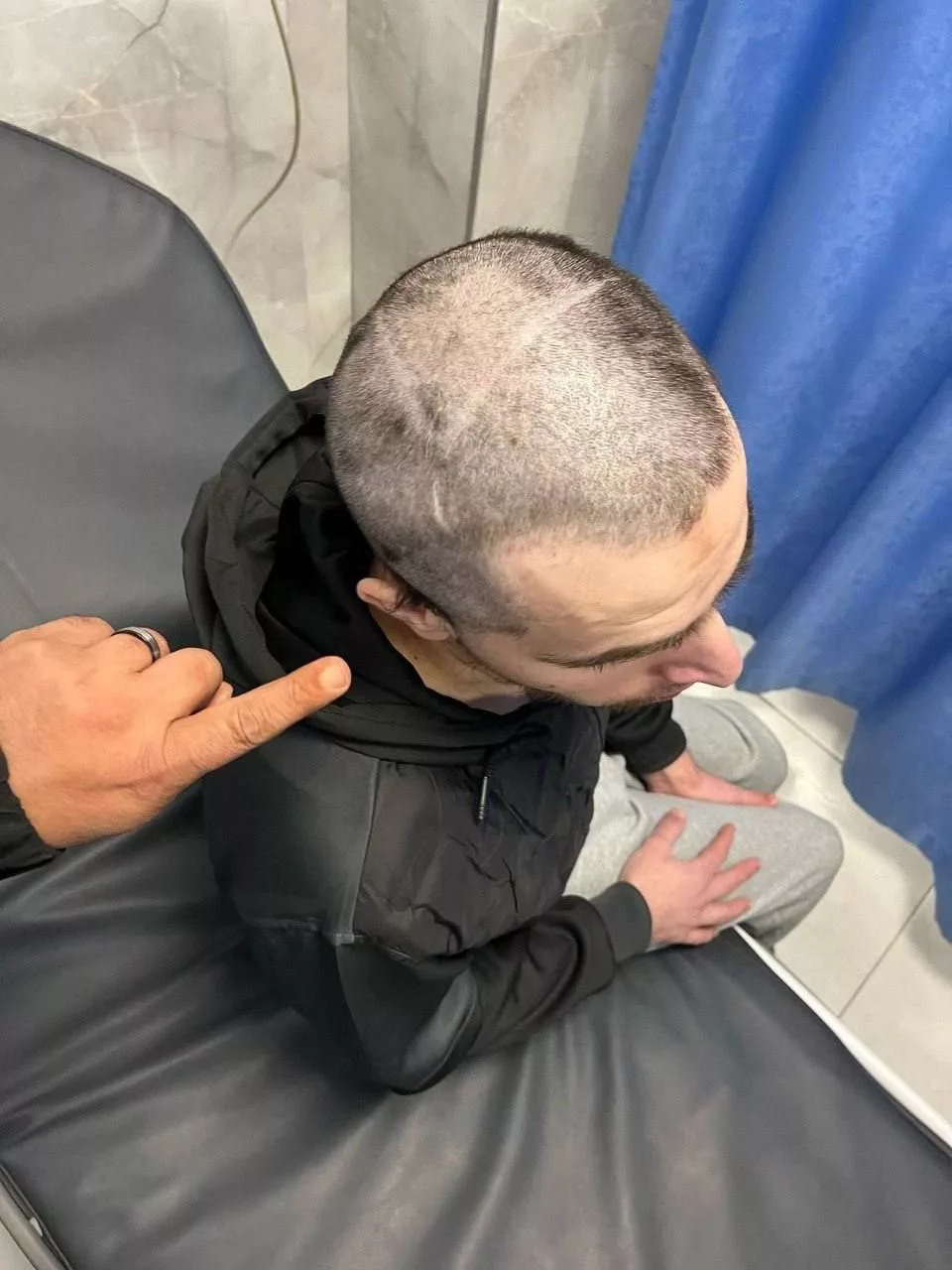
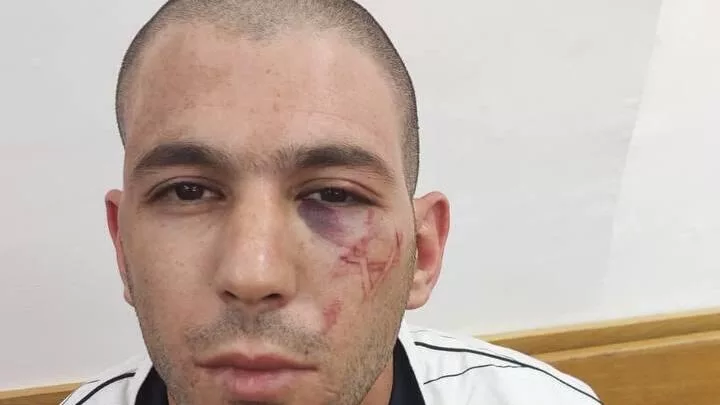
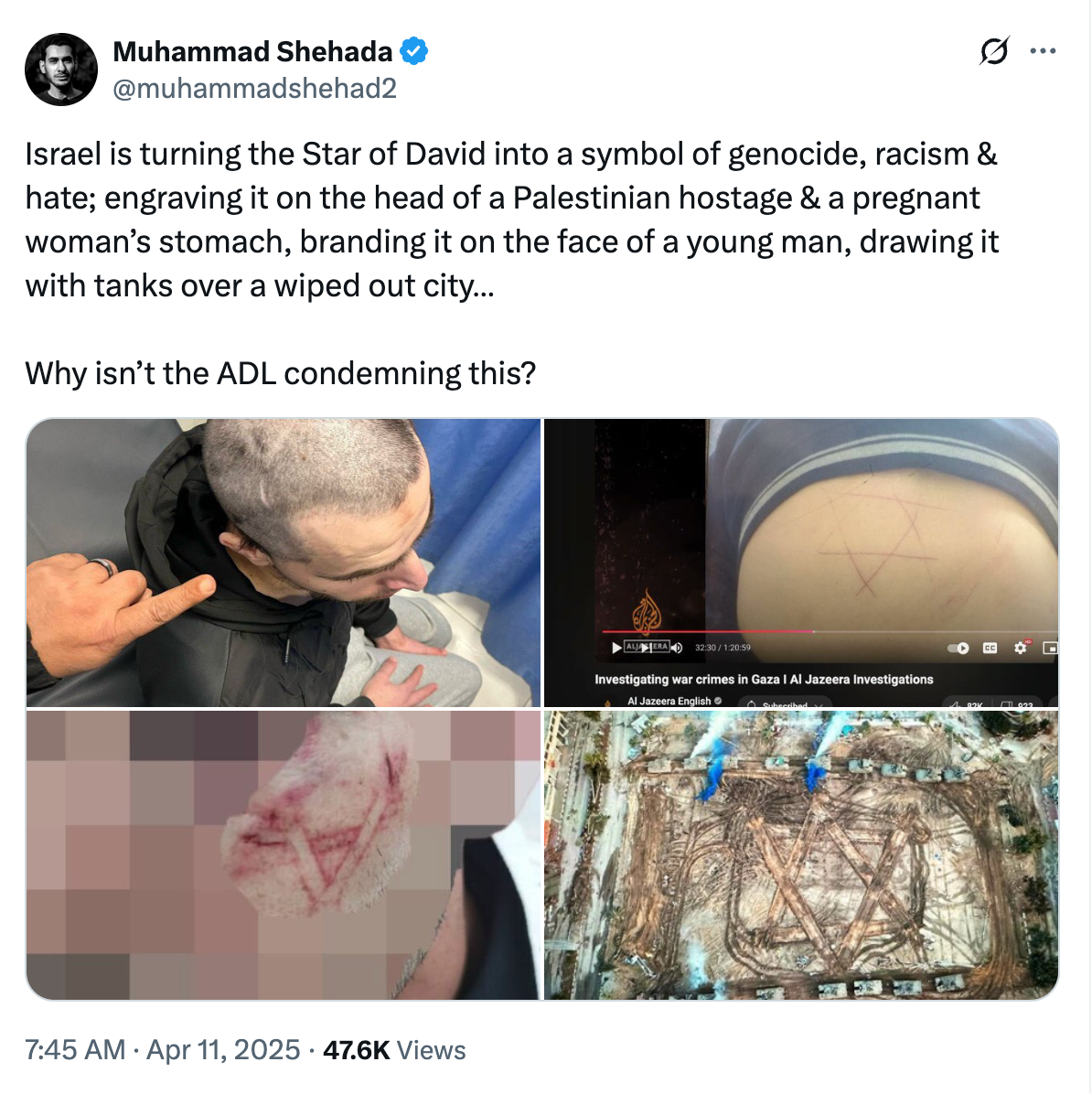
In early April, Israel released Palestinian prisoner Musab Qatawi. Upon his release, his head was shaved, and a Star of David had been crudely etched onto his scalp with a sharp instrument by Israeli soldiers. This was not an isolated incident. Nearly two years earlier, a similar case was reported when the same symbol was carved onto the face of detainee Urwah Sheikh Ali.

This recurring pattern raises urgent questions: Why does Israel inscribe the Star of David onto the bodies of Palestinian detainees—onto their heads and faces? From this inquiry, we pivot to a broader contemplation of the masked face in Palestinian resistance.

Beyond its evident security purpose, the mask carries humanistic and philosophical dimensions—an aesthetic and cultural form of defiance. For the human face, with all its representational power, lies at the core of the colonial conflict between oppressor and oppressed.
نون بوست

The Face as the Victor’s Identity

The Israeli colonial imagination seeks to erase the identity of the Palestinian “other.” This erasure is central to the settler-colonial mindset—one that became even more explicit after October 7. Inside Israel’s prison system, especially since far-right politician Itamar Ben Gvir assumed the post of National Security Minister in 2022, Palestinian prisoners endure a relentless hellscape.

The prison authorities impose deeply humiliating physical practices designed to dismantle the prisoner’s mental framework, eroding their resistance and reducing them to beings without identity or agency—unable to think beyond Israeli dominance.
نون بوست
Urwah Sheikh Ali

Among these acts of degradation is the carving of the Star of David into the heads and faces of released Palestinian prisoners—perhaps others whose images have not yet surfaced. The choice of location—the head and face—is no accident. The face is more than flesh; it is the vessel of Palestinian identity and defiance. Even in captivity, it reflects dignity and resilience.

Before the moment of liberation, Israel seeks to brand these faces with its own identity—replacing Palestinian features with the mark of the colonizer. It is an eternal symbolic punishment: a scar of shame and humiliation engraved onto the body. The message is unmistakable: “If you resist me with your body in an effort to expel mine from your land, I will leave my identity on your body—for eternity.”

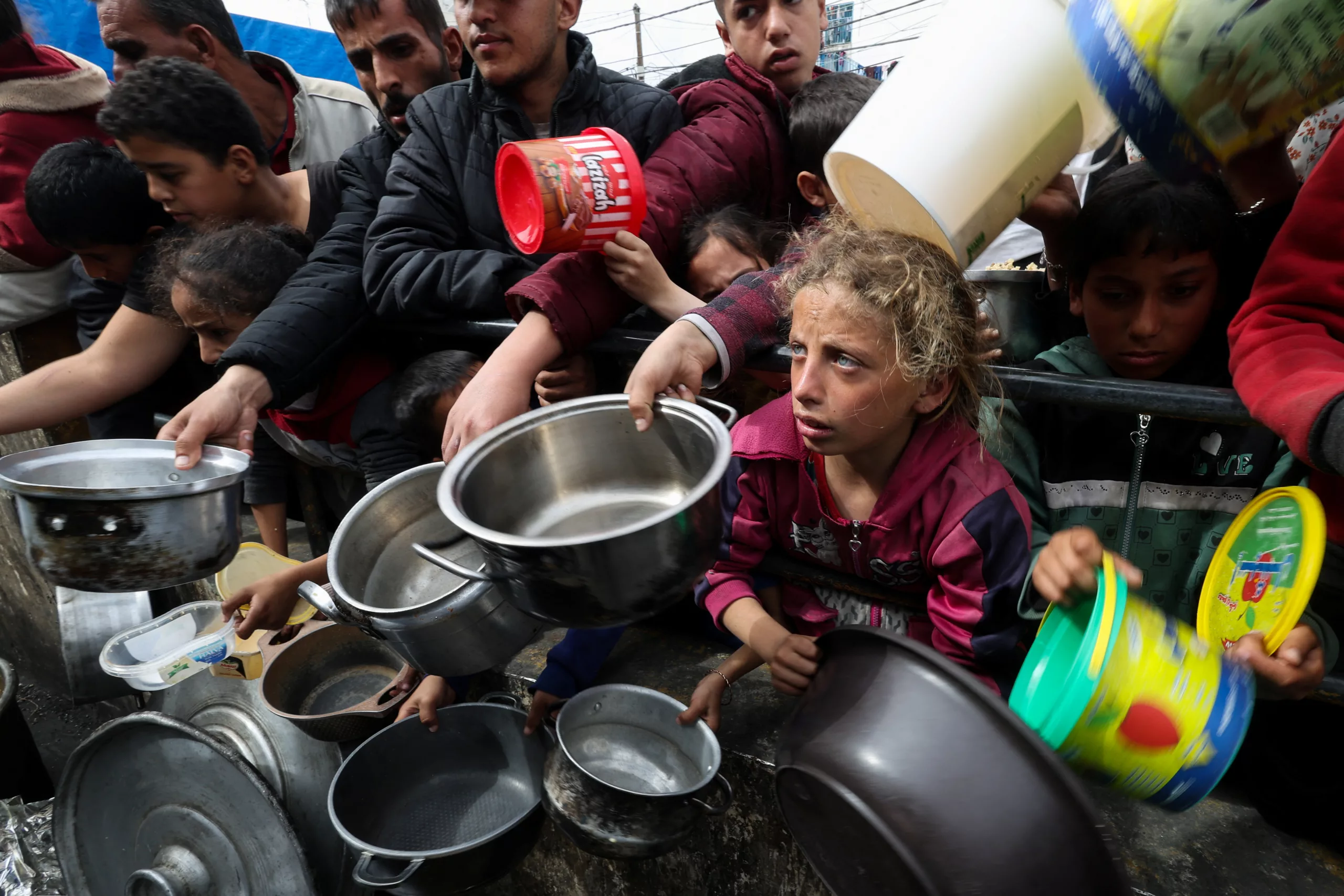
Another facet of Israel’s exterminatory policy, especially evident in Gaza, is starvation—a tactic that degrades both body and face. By obstructing humanitarian aid, food, and medicine, Israel has inflicted not only death by hunger but visible physical emaciation.

The face of Gaza has changed—its features now gaunt, afraid, tearful, and devoid of hope. Israel punishes the Palestinian face even without a scalpel, through exhaustion, hunger, and terror.
نون بوست
Palestinians, accompanied by their children, wait for meals prepared by charity kitchens in Rafah, southern Gaza Strip, February 13, 2024. Photo: Ibrahim Abu Mustafa – Reuters.

Bombings and drone shrapnel have also mutilated countless faces, leaving permanent disabilities—turning the Gazan visage into a reflection of war and genocide.

These tactics aren’t limited to Gaza. In September 2024, an explosion of “pager” devices in Lebanon caused hundreds of facial disfigurements, underscoring that Israel’s violations of human facial sanctity know no geographic bounds.

The Masked Face and the Colonizer’s Insecurity

Historically, the mask has served varied functions—security, warfare, medicine, art, labor. Thieves, surgeons, actors, revolutionaries, and soldiers all mask their faces—for protection, anonymity, or performance.

In the Palestinian context, the mask transcends security needs. It serves to escape not only Israeli surveillance but also the colonizer’s own constructed image of the Palestinian face. This image is far from neutral—it is dehumanized by design, crafted to justify the total invasion of the Palestinian body, starting with the face.

In Israeli eyes, the Palestinian face is not simply foreign—it is threatening, incompatible with their conception of what a “human” face looks like.
نون بوست
Israeli forces have turned the Star of David into a tool of violence—engraving it on Palestinian prisoners’ bodies and marking it with tanks over Gaza’s ruins.

The Palestinian face thus carries a dual existential charge. It is the face of the “other,” inherently unequal to the Israeli self. The dynamic becomes binary: the colonizer’s face versus the colonized’s; superiority versus inferiority.

The more the Palestinian face resembles that of the Israeli, the more it is perceived as a threat—unclassifiable, unsettling. When it diverges, it is seen as an empty vessel, stripped of vitality.

Yet in philosopher Emmanuel Levinas’s framing of the face-to-face encounter, the presence of the other’s face is a prerequisite for humanity itself: “The face reflects human formation and gives it a personal dimension; it completes this formation through the presence of the other.”

Here, the mask protects against the violence of naming, against racialized perceptions, and against identity theft. It becomes, paradoxically, a more authentic expression of Palestinian resistance.

Thus, the masked face of the Palestinian fighter holds profound symbolic meaning. Beyond obscuring identity to evade arrest by either Israeli forces or complicit Palestinian authorities, it erases the colonizer’s imposed facial architecture. To Israeli eyes, the Palestinian face is always a lesser face.

And so, the face disappears—reduced to a blank canvas without nose, lips, or cheeks. No longer can it be violated or classified. The masked Palestinian seems to say: “When you saw my face, you dehumanized me. You tortured and killed me. You etched your colonial symbols onto my scalp. Now, I deny you that face. I have erased it—and with it, your colonial logic.”
نون بوست
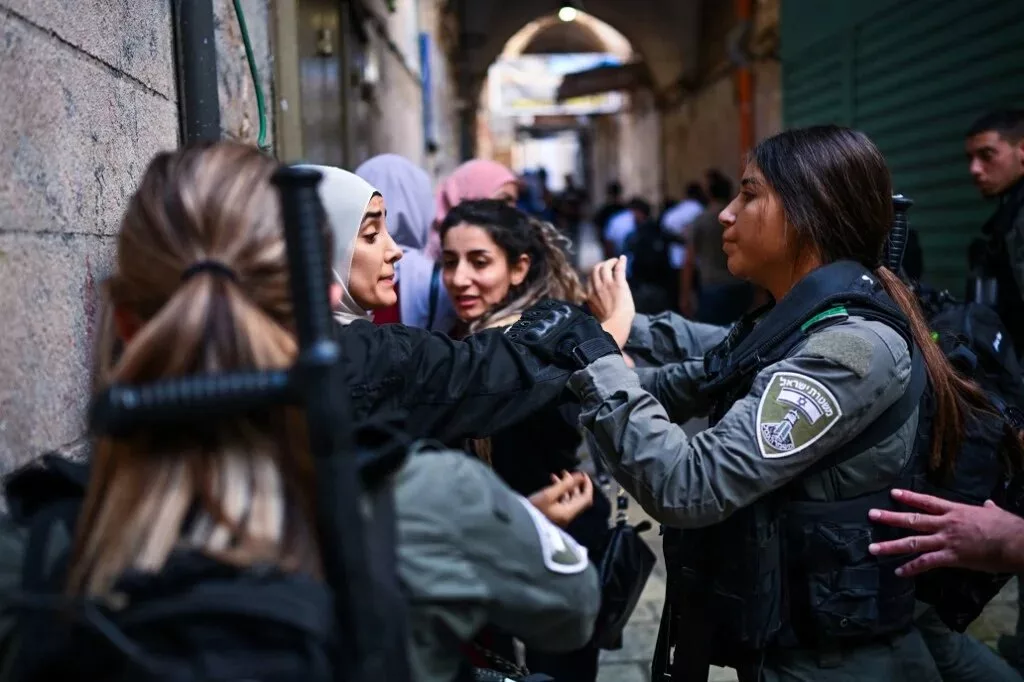
A Palestinian woman is confronted by Israeli security forces in Jerusalem’s Old City as she heads to Friday prayers on October 13, 2023. (Associated Press)

What remains, however, are the eyes. The eyes of resistance. Eyes that see their oppressor and are seen in return—but no longer with fear. These are eyes that flash and vanish, track and engage, defy and confront. They are not merely biological organs; they are weapons of resistance—unyielding, sharp, alert.

This narrative of facial resistance was recently illustrated when masked Palestinian fighters, dressed in military gear, handed over Israeli detainees to Red Cross officials. The message was clear: they are still here, resisting a war of extermination.

Unlike Israel’s branding of Palestinian prisoners with Stars of David, the Palestinian fighters made no attempt to mark the bodies of Israeli captives—no keffiyeh prints, no Palestinian flags, no symbols of the enemy’s identity.

This contrast reveals something essential: the Palestinian struggle is not for dominance over bodies, but for sovereignty over land. Since the 1948 Nakba, Palestinian land has been colonized by foreign settlers. In its latest war on Gaza, Israel has extended its colonization from land to face, carving its symbol onto both.

As in Palestine, so in anti-colonial movements worldwide—from fedayeen in Egypt, Syria, Lebanon, and Jordan, to the People’s Army in Vietnam, the Zapatistas in Mexico, the Tamil Tigers in Sri Lanka, the Sandinistas in Nicaragua, and the Japanese Red Army. All wore masks.

Their reasons and colors varied, but the intent was singular: to evade both surveillance and imposed identity.

Their resistance was, in part, a resistance of the face—an act of defiance against the face the colonizer tried to impose. The response: a masked face that cannot be possessed.

Download this article as PDF
Share this Article
Facebook Twitter Whatsapp Whatsapp Telegram Email Copy Link
عبد الحميد أحمد
By عبد الحميد أحمد صحيفة الرأي العام السودانية
Follow:
Previous Article نون بوست The Russian Yoke and the Disappearance of the Tatar Nation
Next Article نون بوست The Burning Pearl of the Caucasus

Read More

  • U.S. Regime‑Change Policies: Why They Are Destined to Fail U.S. Regime‑Change Policies: Why They Are Destined to Fail
  • The Gulf’s Balancing Act: Iran, Israel, and Hidden Links
  • Iraq–Turkey Oil Export Treaty: Why Did Ankara Cancel It After 52 Years?
  • Syria’s Northeast on Edge: QSD Between Ankara and Damascus
  • Has Europe Changed Its Stance on Israel… or Just Its Language?
part of the design
NoonPost Weekly Newsletter

You May Also Like

U.S. Regime‑Change Policies: Why They Are Destined to Fail

U.S. Regime‑Change Policies: Why They Are Destined to Fail

إسراء سيد Esraa sayed 8 April ,2026
The Gulf’s Balancing Act: Iran, Israel, and Hidden Links

The Gulf’s Balancing Act: Iran, Israel, and Hidden Links

فريق التحرير Noon Post 8 April ,2026
Iraq–Turkey Oil Export Treaty: Why Did Ankara Cancel It After 52 Years?

Iraq–Turkey Oil Export Treaty: Why Did Ankara Cancel It After 52 Years?

فريق التحرير Noon Post 8 April ,2026

تونس تطلق حملة وطنية لمقاومة الارهاب

فريق التحرير
Noon Post Published 18 March ,2016
Share
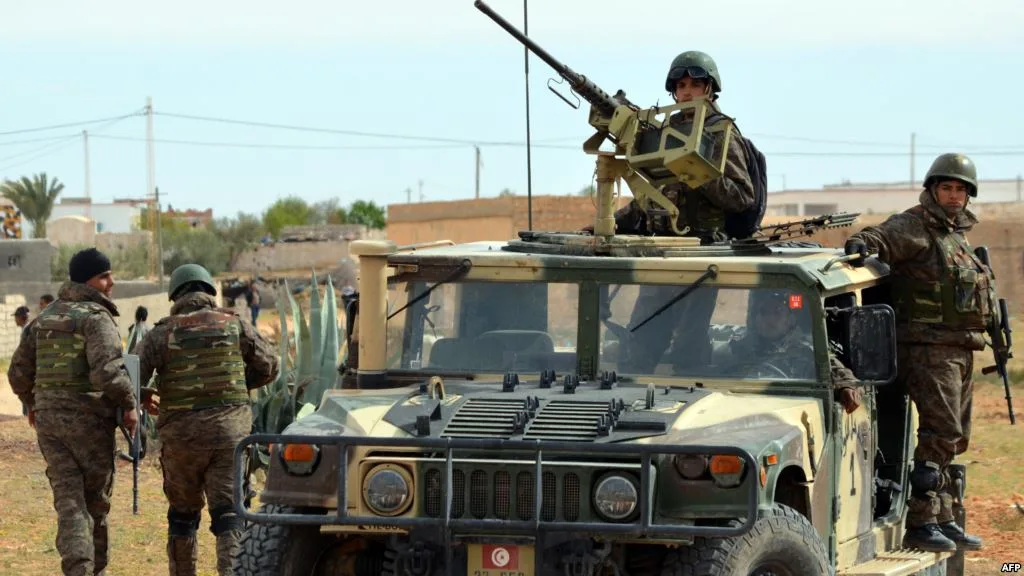
a5956868-f0d3-4a6a-8e3a-b9ace2c13817_cx0_cy10_cw0_mw1024_s_n_r1

تسعى تونس الى القيام بحملة وطنية لمكافحة الارهاب, في ضل تواصل الهجمات الارهابية التي تستهدف قوات امنها و جيشها و السياح القادمين اليها, وارتفاع الفكر المتطرف بين شبانها.

وأعلنت وزارة الشؤون الدينية التونسية أمس الخميس إطلاق حملة تستمر سنة كاملة لمقاومة الفكر المتطرف الذي “غزا” شباب البلاد.على أن تبدأ الحملة التي تحمل شعار “غدوة خير” (غدا افضل) اليوم الجمعة.

وأكد  وزير الشؤون الدينية التونسية محمد خليل خلال مؤتمر صحفي قدم خلاله “الحملة الوطنية لمكافحة الارهاب” التي ستنفذها وزارته  اختراق الشباب التونسي  من خلال الأنترنت.

وشدد الوزير على ضرورة ” بناء قلعة افتراضية تحمي شبابنا وفكرهم من الإرهاب وتدنيس الفكر الديني” لافتا الى ان حملة وزارته ستركز بالخصوص على التواصل عبر الانترنت مع هذه الفئة.

و سيتم اطلاق بوابة الكترونية لنشر القيم الاسلامية الصحيحة  باعتماد المنهج الزيتوني المعتدل (اشارة الى منهج علماء جامع الزيتونة) , ضمن هذه الحملة بالإضافة الى موقع الكتروني متطور ومرتبط بمختلف المواقع الاجتماعية، للتفاعل والمواكبة الى جانب إرساء مركز نداء للإنصات والاجابة عن تساؤلات الشباب حول قضايا الاسلام.

ومن المنتظر ان تنتج الوزارة في اطار الحملة الوطنية لمكافحة الارهاب برامج اسبوعية تحسيسية اضافية ضد الارهاب  لبثها عبر الاذاعات والقنوات التلفزية التونسية.

كما ستعمل الحملة على تكثيف الدروس الدينية بالجوامع والمساجد وتنظيم لقاءات بالشباب في النوادي وسائر الفضاءات المتاحة لطرح القضايا التي يروج لها الفكر المتطرف, بالإضافة الى تخصيص ورشات استماع و نقاش مع المسجونين في السجون التونسية المتهمين بقضايا الارهاب.

وقال المدير العام للسجون والإصلاح, صابر الخليفي, إن التطرف يهدد السجون التونسية مع ارتفاع عدد المساجين المتورطين في قضايا إرهابية وانتشار مظاهر التشدد والعنف.

وصرح المدير بأن عدد السجناء المتهمين في قضايا إرهابية داخل السجون التونسية يقارب الألفين.

وقال مدير السجون “نستعد لإطلاق حزمة من الإصلاحات بالتعاون مع وزارة العدل. كما بدأنا في تمرير خطاب مضاد لهذه الجماعات“.

وفي سياق متصل قال وزير الشؤون الخارجية التونسية خميّس الجهيناوي، إن بلاده عازمة على وضع خطة مشتركة، مع بلدان جنوب الصحراء الإفريقية لمكافحة الإرهاب.

وأفاد الوزير التونسي، أمس الخميس، في تصريحات للصحفيين على هامش لقاء جمعه بسفراء بلدان إفريقيا جنوب الصحراء، إنه سيتم “إرساء تشاور مستمر مع هذه البلدان، وإحياء الأطر القانونية الموجودة بيننا وبين هذه البلدان، وأيضا في مجال تبادل المعلومات والخبرات والتكوين“.

وأضاف “القارة الإفريقية بالذات متعرضة لهجمات إرهابية، ورأيتم ما وقع مؤخراً في كوت ديفوار وبوركينافاسو وفي مالي، وهذا يستدعي منا بطبيعة الحال التعاون الثنائي بيننا وبين هؤلاء البلدان“.

و بيّن الجهيناوي أن “هذه البلدان، جزء منها لديها حدود مع ليبيا، وهي مصدر للخطر على ليبيا، وعلينا.

من جهة أخرى سيتم اليوم بمناسبة إحياء الذكرى الأولى للهجوم الدموي الذي استهدف متحف باردو بالعاصمة التونسية وخلف 22 قتيلا من بينهم 21 سائحا أجنبيا وعون أمن إزاحة الستار عن لوحة فسيفسائية عملاقة تجسد صور الضحايا الذين سقطوا في الهجوم المسلح على المتحف قبل عام.

ونحت حرفيون اللوحة على الطراز الروماني بمدينة الجم التاريخية (200 كلم جنوب شرق العاصمة) على مساحة تبلغ 5ر27 متر مربع.

وقال عبد اللطيف المليح، رئيس جمعية “كلنا باردو” (مدنية)، إن الجدارية “رُصفت من قطع الموزاييك الأصلي الرفيع، وتضمنت رسالة معبرة عن ثقافة شعب تونس وعظمة تاريخه، وردَّ اعتبارٍ لضحايا العملية الإرهابية، ومداواة لجراح أناس كانوا ضحايا دون سبب“. 

وبدأت أعمال تصميم وإنجاز الجدارية، في يناير الماضي، بمبادرة من جمعية “كلنا باردو”، وساهم أكثر من 120 حرفيًا في تصميم لوحاتها، التي تمت صناعتها في عدة ورشات بمدينة “الجم” (محافظة المهدية/ شرق)، وبلغ طول الجدارية 12.5 مترًا، وعرضها 2.40 مترًا، وسيتم تثبيتها لاحقًا بمدخل متحف باردو، في مدينة باردو، التابعة للعاصمة تونس، بمناسبة الذكرى السنوية الأولى لاعتداء متحف باردو الإرهابي، الذي وقع العام الماضي. 

وسيكشف المنظمون أيضا عن لوحة ثانية تجسد صورة الكلب الضحية في الأحداث ” بياب “، وهو أحد كلاب الرعي الألمانية المدربة لدى فرقة مكافحة الارهاب.

ولعب ” بياب ” دورا مهما في انقاذ العشرات من السياح الرهائن المحتجزين داخل المتحف قبل أن يقتل برصاص المسلحان.

وخصصت وزارة الثقافة في تونس عروضا موسيقية في متحف باردو بمناسبة إحياء ذكرى الهجوم بين يومي 20 و24 من الشهر الجاري أبرزها عرض “معزوفة باردو” للموسيقار الفرنسي هنري بوبال.

وتواجه تونس خطر انتشار الجماعات الإرهابية المسلحة التي تنفذ عمليات تستهدف فيها الأمنيين والعسكريين والسياح، وكان آخرها عملية بن قردان الحدودية مع ليبيا، واستهدفت، بداية الأسبوع الماضي، ثكنات عسكرية وأمنية، قُتل فيها العشرات، وأفادت بيانات رسمية صادرة عن الحكومة، أنها كانت محاولة لإقامة “إمارة داعشية” جديدة في المدينة.

وفي اطار التعاون الاقليمي قال وزير الدفاع التونسي فرحات الحرشاني، الأربعاء خلال استقباله الأمين العام المساعد للناتو المكلف بالشؤون السياسية وسياسة الأمن، تراسيفولس تاري ستاما توبولوس، في مقر وزارته بالعاصمة تونس ، إنه “من الضروري أن تستفيد تونس، من خبراء حلف شمال الأطلسي “ناتو” في مجالات التدريب، والاستعلامات، ومراقبة الحدود، ومكافحة الإرهاب.

وأبرز وزير الدفاع التونسي، أهمية دعم التعاون وتطويره، مع حلف الناتو، بما يستجيب للتحديات الأمنية التي تعيشها البلاد“. 

و في ذات السياق قالت وزارة الخارجية التونسية، إن “كل من وزراء خارجية ليبيا، والجزائر، ومصر، والسودان، وتشاد، والنيجر، إلى جانب مسئولين آخرين، سيشاركون في اجتماع دول جوار ليبيا، الذي ستستضيفه العاصمة تونس، يوم الإثنين المقبل“.
وأضافت الخارجية في بيان صادر عنها، أنه ”في إطار الحرص على مواصلة التشاور والتنسيق القائم بين دول جوار ليبيا (تونس والجزائر ومصر والسودان والتشاد والنيجر) حول تطورات الأوضاع في هذا البلد الشقيق، تحتضن تونس يوم 22 (آذار) مارس 2016، اجتماعًا وزاريًا لتلك الدول، يخصّص لبحث السبل الكفيلة بدعم العملية السياسية ومعاضدة جهود إعادة الأمن والاستقرار إلى الدولة الشقيقة”.
وأكد البيان أنه سيشارك في هذا الاجتماع إضافة إلى وزراء خارجية دول الجوار، الأمين العام لجامعة الدول العربية، وممثلين عن الاتحاد الإفريقي، والاتحاد الأوروبي، والممثل الخاص للأمين العام رئيس بعثة الأمم المتحدة للدعم في ليبيا، مارتن كوبلر“.
ويسبق اللقاء، اجتماع تحضيري على مستوى كبار الموظفين في 21 مارس/ آذار الجاري، وفقًا للبيان نفسه.

وذكرت مصادر أمنية واعلامية بمحافظة الكاف شمال غرب تونس ، أن السلطات الجزائرية دفعت مؤخرا بتعزيزات عسكرية وأمنية كبرى على طول الشريط الحدودي مع تونس، وذلك تحسبا لإمكانية حصول أي عمل إرهابي، ومن أجل إفشال أي مخططات محتملة للمجموعات الإرهابية المتحصنة بالتضاريس الجبلية والغطاء الغابي لأكثر المناطق الحدودية.

وأوضحت المصادر، أن السلطات الجزائرية حركت عدة قطع عسكرية مدعومة بعتاد عسكري ووحدات من جيش البر في اتجاه الحدود، وخاصة على مستوى المعابر الحدودية المتلاصقة أوالقريبة بعضها من بعض، على غرار مركز أم الطبول الجزائري بالقرب من طبرقة، حسبما ذكرت اليوم الاربعاء وكالة تونس افريقيا (وات).

وتنفذ طائرات حربية جزائرية باستمرار طلعات جوية على كامل الشريط الحدودي مع تركيز أنظمة دفاعية وأنظمة رادار للكشف عن كل التحركات المشبوهة.

وقامت السلطات التونسية، من جنبها، بتدعيم نقاط المراقبة، وكثفت من تفتيش العربات بمداخل المدن، إلى جانب تكثيف الدوريات الأمنية على طول الشريط الحدودي بين البلدين، مع تنسيق فوري وجيد مع السلطات الجزائرية على المستويين الأمني والعسكري.

ونفى وزير الداخلية التونسي الهادي مجدوب مطلع هذا الاسبوع وجود قوات خاصة أجنبية في تونس على عكس ما ورد بوسائل اعلام بريطانية.

وقال الوزير التونسي انه لا وجود لقوات بريطانية خاصة أو أي قوات أجنبية في تونس كما لم يكن هناك تعاون مع قوات حلف شمال الاطلسي ( الناتو) في عمليات مكافحة الارهاب التي شهدتها مدينة بن قردان مؤخرا.

وكانت صحيفة “ميرور” البريطانية أوردت أبناء عن مشاركة عدد محدود من القوات البريطانية الخاصة في تقديم الدعم للجيش التونسي أثناء المواجهات التي شهدتها مدينة بن قردان مع شن مسلحي تنظيم داعش لهجوم ارهابي على مقرات أمنية وعسكرية في الجهة.

وذكرت الصحيفة ان 15 من الخبراء العسكريين و30 عنصرا من القوات الخاصة قدمت اسنادا لوجستيا للقوات التونسية في كيفية التصدي للعناصر الارهابية التي كانت تخطط لإعلان إمارة اسلامية في بن قردان.

وانضم اكثر من 5500 تونسي غالبيتهم تتراوح اعمارهم بين 18 و35 عاما، الى تنظيمات جهادية في الخارج لا سيما في سوريا والعراق وليبيا، بحسب تقرير

واشار تقرير  نشرته في يوليو/تموز الماضي مجموعة العمل التابعة للأمم المتحدة حول استخدام المرتزقة  الى انضمام أكثر من 5500 تونسي الى التنظيمات الارهابية خاصة في سوريا والعراق وليبيا .

وأكد التقرير ان عدد المقاتلين التونسيين في هذه التنظيمات “هو بين الأعلى ضمن الاجانب الذين يسافرون للالتحاق بمناطق النزاع“.

TAGGED: الارهاب في تونس ، التدخل الاجنبي في تونس
Download this article as PDF
Share this Article
Facebook Twitter Whatsapp Whatsapp Telegram Email Copy Link
فريق التحرير
By فريق التحرير تقارير يعدها فريق تحرير نون بوست.
Follow:
Next Article نون بوست The Stigma of “ISIS”: A Heavy Legacy Haunting Women and Children of Former Members

Read More

  • U.S. Regime‑Change Policies: Why They Are Destined to Fail U.S. Regime‑Change Policies: Why They Are Destined to Fail
  • The Gulf’s Balancing Act: Iran, Israel, and Hidden Links
  • Iraq–Turkey Oil Export Treaty: Why Did Ankara Cancel It After 52 Years?
  • Syria’s Northeast on Edge: QSD Between Ankara and Damascus
  • Has Europe Changed Its Stance on Israel… or Just Its Language?
part of the design
NoonPost Weekly Newsletter

You May Also Like

U.S. Regime‑Change Policies: Why They Are Destined to Fail

U.S. Regime‑Change Policies: Why They Are Destined to Fail

إسراء سيد Esraa sayed 8 April ,2026
The Gulf’s Balancing Act: Iran, Israel, and Hidden Links

The Gulf’s Balancing Act: Iran, Israel, and Hidden Links

فريق التحرير Noon Post 8 April ,2026
Iraq–Turkey Oil Export Treaty: Why Did Ankara Cancel It After 52 Years?

Iraq–Turkey Oil Export Treaty: Why Did Ankara Cancel It After 52 Years?

فريق التحرير Noon Post 8 April ,2026
dark

An independent media platform founded in 2013, rooted in slow journalism, producing in-depth reports, analysis, and multimedia content to offer deeper perspectives on the news, led by a diverse young team from several Arab countries.

  • Politics
  • Society
  • Rights & Liberties
  • Opinions
  • History
  • Sports
  • Education
  • Technology
  • Economy
  • Media
  • Arts & Literature
  • Entrepreneurship
  • Travel
  • Cinema & Drama
  • Food
  • Health
  • Culture
  • Latest Reports
  • Files
  • Long Reads
  • Interviews
  • Podcast
  • Interactive
  • Encyclopedia
  • In Pictures
  • About Us
  • Our Writers
  • Write for Us
  • Editorial Policy
  • Advanced Search
Some rights reserved under a Creative Commons license

Removed from favorites

Undo
Go to mobile version