



Amid the hostility toward the Zionist project implanted by the West to serve its strategic interests at the heart of the Middle East, successive US administrations have consistently sought to shield Israel from both near and distant threats.
A cornerstone of this protective strategy has been maintaining Israel’s so-called “Qualitative Military Edge (QME),” which encompasses military-technical superiority as well as dominance in intelligence, technology, and communications—a doctrine that dates back to the Lyndon B. Johnson era in the 1960s.
Beyond overt military support, the United States has often waged wars on Israel’s behalf in the Middle East. These ranged from soft power tactics such as sanctions on Israel’s traditional adversaries, to direct interventions and proxy wars. In many cases, Washington disguised its direct involvement, carefully cultivating a public image of clean hands.
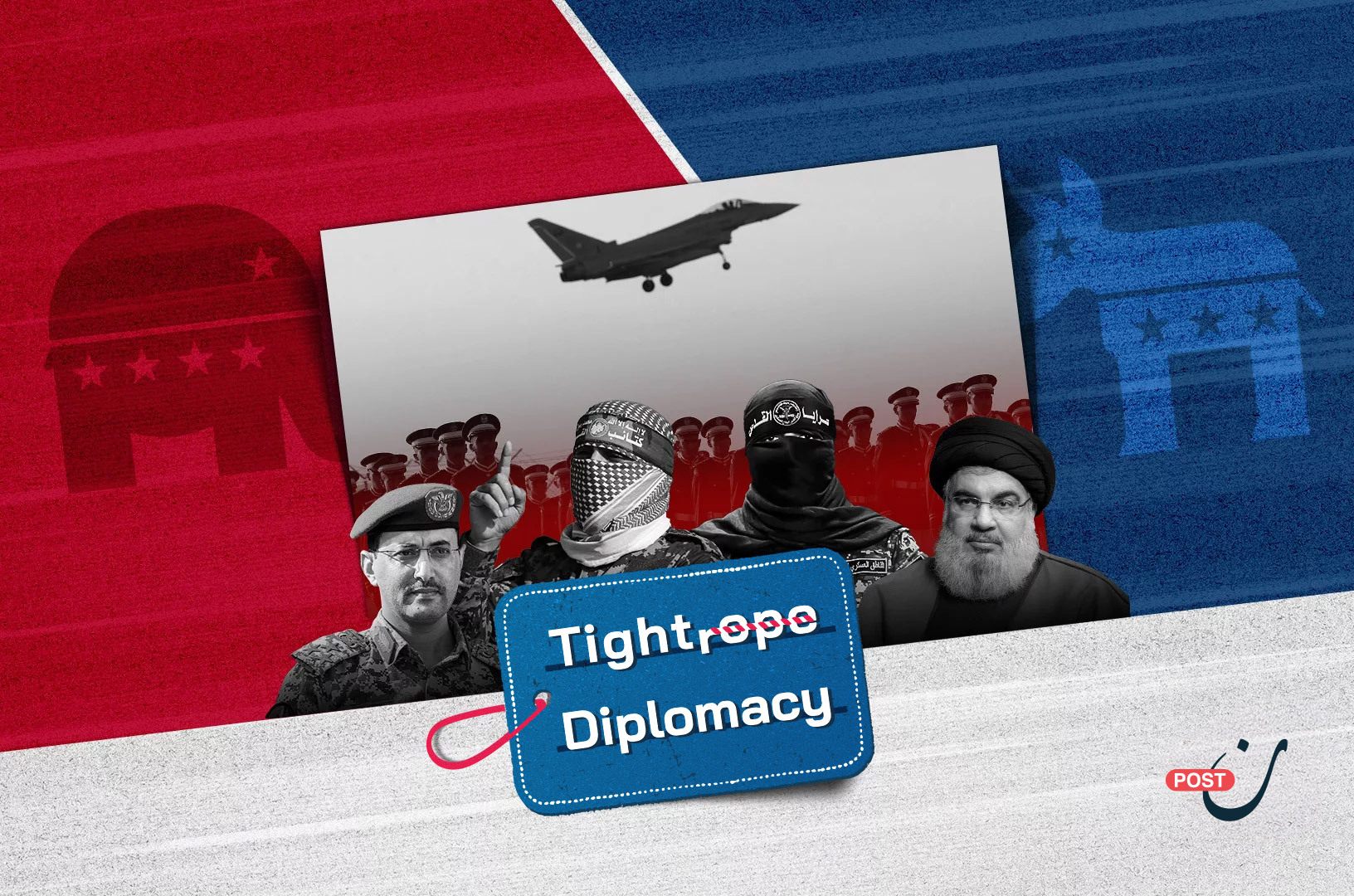
This article examines how US administrations—from Democrat Bill Clinton in the 1990s to Joe Biden, who is now poised to hand over the reins to Donald Trump—have dealt with what Washington labels Israel’s regional adversaries, particularly Iran and its allies.
Without passing judgment on the legitimacy of the various groups operating in the region or their actual hostility toward the Zionist project, the article maps out the American antagonism shaped by a mixture of US strategic interests and the primacy of Israeli security. It also questions the real differences between Democratic and Republican approaches to handling these adversaries.
Clinton and the Architecture of Regional Hostility
During his presidency in the 1990s, Bill Clinton pursued two parallel tracks to support the Zionist project: promoting a peace process that culminated in the Oslo Accords, and combating what his administration framed as rampant “Middle Eastern terrorism,” which it claimed jeopardized the peace process between Israel and the Palestinian Authority (formerly the PLO).
The Clinton administration laid the groundwork for modern US policy on what it termed “Islamic terrorism,” shifting focus from the older narrative of “Arab terrorism” historically associated with the PLO and pan-Arab groups opposing Zionism in Palestine.
As pan-Arab nationalism waned, a new form of terrorism tied to the religious identity of regional populations and governments took its place, largely shaped by the Iranian Revolution, the rise of Khomeini, and the emergence of religiously inspired armed groups like Hezbollah, Hamas, Islamic Jihad, and the Mujahideen Brigades.
The US terror list grew increasingly convoluted, lumping together a wide array of actors deemed threats to American interests abroad, regardless of their actual agendas or aims. Still, groups and nations seen as jeopardizing Israeli security remained top targets.
In 1993, the Clinton administration compiled a list of state sponsors of terrorism, which extended beyond sanctions to anyone supporting them. The list included Iran, Syria, Sudan, Libya, and Iraq, alongside Cuba and North Korea. Afghanistan was later added as an eighth.
Clinton’s “soft war” strategy included sweeping legislation to criminalize and defund governments considered terror sponsors, including Executive Orders 12947 and 39, incorporated into the 1996 Anti-Terrorism and Effective Death Penalty Act. The Iran-Libya Sanctions Act penalized any entity doing business with either state or any party engaging with them, citing threats to US and Israeli interests.
In early 1998, Clinton issued Presidential Decision Directive 62, emphasizing protection against unconventional threats like cyberattacks and asymmetric terrorism. As expected, Israel was named a core partner in implementing this directive.
Post-Cold War, Clinton’s focus shifted to Iraq and Iran—regimes viewed as deviations from the American vision for a stable Middle East. His administration amplified threats posed by these states to encourage Arab nations toward normalization with Israel under the policy of “dual containment.”
Clinton imposed strict sanctions on Saddam Hussein’s regime, including no-fly zones and arms embargoes. Simultaneously, the administration supported opposition forces like the Iraqi National Congress in preparation for George W. Bush’s later invasion.
The infamous “oil-for-food” program further constrained Iraq’s economic autonomy. Though framed as humanitarian aid, it was essentially a tool to curtail Iraq’s military capability and ensure its diminished threat to Israel.
In 1999, Clinton created the Interagency Working Group on Gulf Security (IWG), which coordinated with local allies to counter emerging threats from Iraq and Iran, thereby laying groundwork for the 2003 invasion.
Libya also faced heavy scrutiny under Clinton, accused of hosting the Abu Nidal Organization (ANO), blamed for attacks on Israelis and Americans. The US severed aid and pressured the Gaddafi regime to crack down on the group.
Despite favoring diplomacy over direct conflict, Clinton’s administration covertly undermined regimes threatening US and Israeli interests through sanctions, support for opposition groups, and strategic alliances.
In counter-terrorism reports, the administration credited regional allies like Jordan, Egypt, and Saudi Arabia with curbing extremism, while continually spotlighting Iran’s obstruction of the Israeli-Palestinian peace process—an enduring concern for future administrations.
Bush Jr. and the ‘Axis of Evil’ Doctrine
George W. Bush’s tenure marked a sharp turn toward direct military involvement in the Middle East, under the banner of the “Global War on Terror.” Although the immediate trigger was the September 11 attacks, pro-Israel lobbying groups in Washington were instrumental in steering US foreign policy toward wars that aligned with Israeli security objectives.
Many in the US dubbed this campaign “the war for Israel,” as its strategic outcomes clearly benefited Tel Aviv. Not only did it eliminate regional adversaries like Saddam Hussein, but it also bolstered Israel’s position during the 2006 war with Hezbollah and operations against Palestinian factions following the Second Intifada.
Bush Jr. introduced the term “Axis of Evil,” initially naming Iraq, Iran, and North Korea as threats to global security due to their support for terrorism or pursuit of weapons of mass destruction. Over time, this list expanded to include groups like Hamas and Hezbollah.
Critics argued that Bush abandoned any pretense of impartiality, openly siding with Israel and treating its enemies as America’s own. This alignment was evident from his first National Security Council meeting, and became policy through military aid to Ariel Sharon during the Second Intifada, and sanctions against the democratically elected Hamas government in 2006.
Washington bolstered the Fatah-led Palestinian Authority in the West Bank as a counterweight to Hamas in Gaza, even as it enforced Executive Order 13224 to curb terrorist financing. Bush’s administration also maintained close ties with US allies like Egypt, Jordan, and Saudi Arabia, viewing them as partners in the war on terror, while pursuing regime change in Iraq under UN Resolution 1441.
Iraq’s failure to fully comply with disarmament demands provided the pretext for war, with strong backing from Israel. The US campaign targeted not only Saddam’s regime but also militias like Iran-backed Mahdi Army, perceived as threats to Israel.
Libya’s WMD program also came under fire, though Gaddafi’s post-invasion surrender of weapons led to a thaw in relations. However, tensions with Iran remained high, particularly after Tehran resumed uranium enrichment in 2005 and continued its support for Hezbollah and Hamas.
Responding to these challenges, Bush imposed a series of UN-backed sanctions on Iran, freezing assets and restricting trade and military dealings. Washington also moved to destabilize Iranian influence through civil society initiatives and economic pressure on the Revolutionary Guard Corps.
A sweeping campaign targeted Hezbollah after the 2006 war, combining sanctions and proxy warfare via Lebanese rivals. Between 2006 and 2008, the US supplied $400 million in aid to the Lebanese Armed Forces, making Beirut the second-largest recipient of US military assistance after Israel.
Obama and the Diplomacy of Proxy Wars
Barack Obama’s presidency marked a shift from direct confrontation to strategic containment, especially with Iran. His administration capitalized on regional upheavals—the Arab Spring, and the rise of Gulf states as Iranian rivals—to reshape US engagement.
Initially, Obama toughened sanctions on Iran’s nuclear program, securing UN Security Council Resolution 1929 with support from Russia and China. Parallel deals with Canada, the EU, Japan, South Korea, and Australia further isolated Iran economically.
The administration passed key legislation like the Comprehensive Iran Sanctions, Accountability, and Divestment Act of 2010 and Section 1245 of the National Defense Authorization Act, targeting Iran’s oil and banking sectors.
Regionally, Obama tightened the noose around Hezbollah’s financial networks, culminating in the 2015 Hezbollah International Financing Prevention Act. However, his administration then pivoted toward diplomacy, culminating in the 2015 Joint Comprehensive Plan of Action (JCPOA), signed with Iran and six world powers.
The deal imposed strict limits on Iran’s nuclear activities in exchange for sanction relief. Inspectors gained access to Iranian sites, and Tehran began dismantling parts of its nuclear infrastructure. Iran regained access to over $100 billion in frozen assets.
Despite providing Israel with unprecedented military and technological aid—including the $38 billion, 10-year military assistance agreement—Obama’s Iran policy drew sharp criticism from pro-Israel factions, who accused him of emboldening Tehran and its proxies.
Yet, the administration maintained terrorism-related sanctions and denied aid to any Palestinian unity government including Hamas, per Section 7040 of the 2014 Consolidated Appropriations Act and the Palestinian Anti-Terrorism Act of 2006.
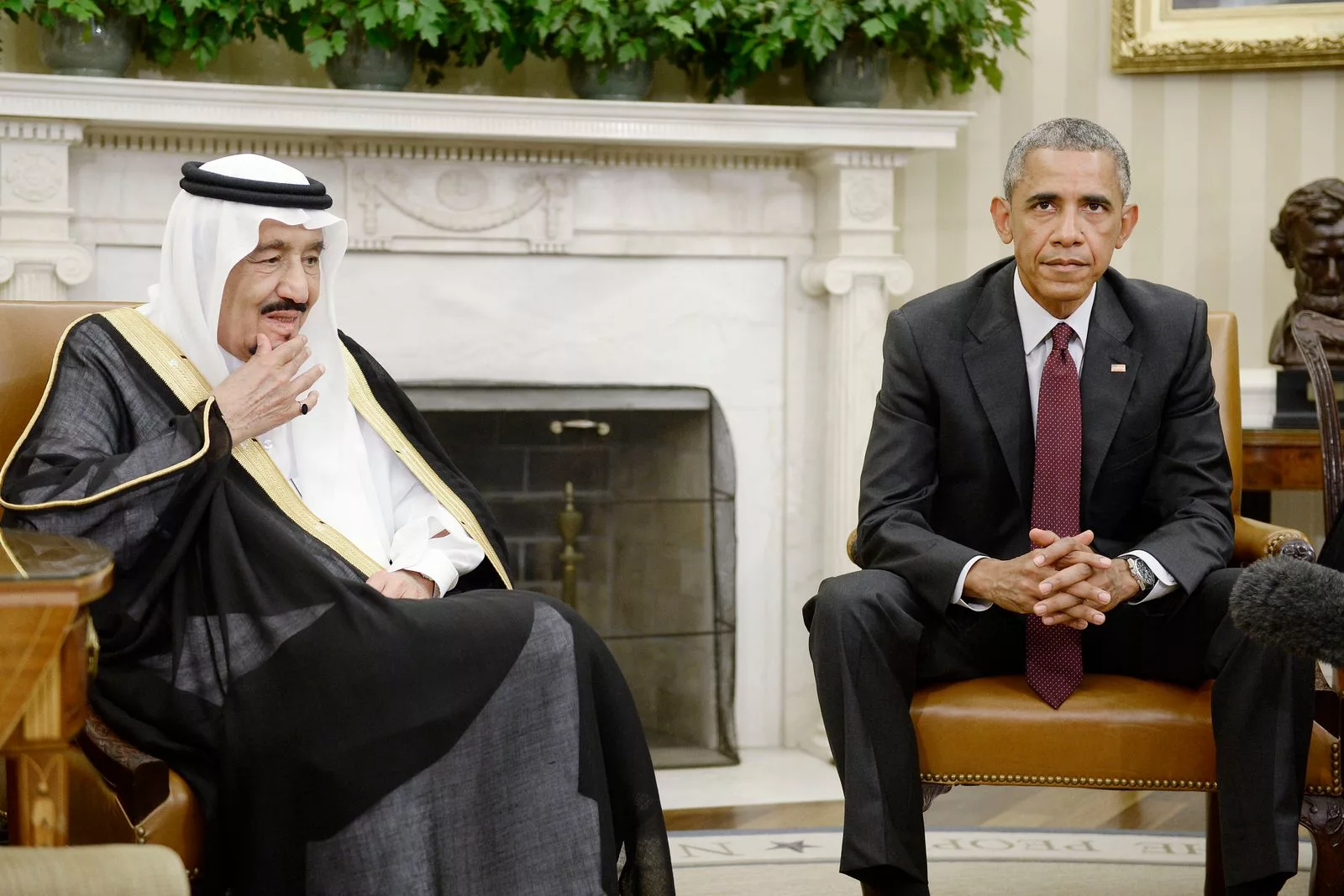
Obama also waged covert and proxy wars benefiting Israel’s security interests. Under the Timber Sycamore program (revealed in 2016), the CIA, with Arab intelligence partners—especially from the Gulf—trained and armed “moderate” Syrian rebels in 2012–2013.
While the program ostensibly aimed to curb Iranian influence and Hezbollah’s support for Assad, its covert goal was to eliminate any Islamist revolutionary dominance in Syria—ultimately reinforcing Israeli security.
Similarly, Obama supported the Saudi and Emirati-led war against Yemen’s Houthi rebels and backed anti-Iranian militias in Iraq as part of his anti-terror and Middle East reshaping efforts.
Trump and the ‘Maximum Pressure’ Doctrine
Donald Trump’s presidency marked a stark realignment in US Middle East policy, aligning unambiguously with Benjamin Netanyahu’s government. Trump embraced Israel’s far-right agenda, moving the US embassy to Jerusalem, slashing aid to Palestinians, and endorsing settlement expansion.
Trump unilaterally withdrew from the JCPOA in 2018, declaring it a failure to curb Iranian ambitions. His administration reinstated and expanded sanctions, targeting Iran’s oil, petrochemical, and financial sectors.
The White House linked sanctions relief to Iran halting support for proxies like Hezbollah and the Houthis—a demand Tehran rejected, escalating regional tensions.
Trump concluded his term with the assassination of Quds Force commander Qassem Soleimani in January 2020—a unilateral action bypassing Congress. Trump justified it as preemptive self-defense against Iran’s threats to US allies.
His administration aggressively targeted Hezbollah’s financial infrastructure. In coordination with Gulf states, Washington imposed sanctions on over 60 individuals and entities accused of financing terrorism. Hezbollah’s Shura Council members were among those blacklisted.
Sanctions extended to Iran-aligned groups such as Kataib Hezbollah, Hamas, Palestinian Islamic Jihad, and other militant factions operating across Iraq, Syria, Lebanon, and the Gulf. Washington accused Iran of channeling over $700 million to Hezbollah and $100 million each to Hamas and Islamic Jihad in 2020 alone.
The US designated additional proxies like the Houthis, Asaib Ahl al-Haq, Harakat Hezbollah al-Nujaba, Liwa Zainabiyoun, Fatemiyoun Division, Saraya al-Ashtar, and Saraya al-Mukhtar, imposing sweeping sanctions on them and their leaders.
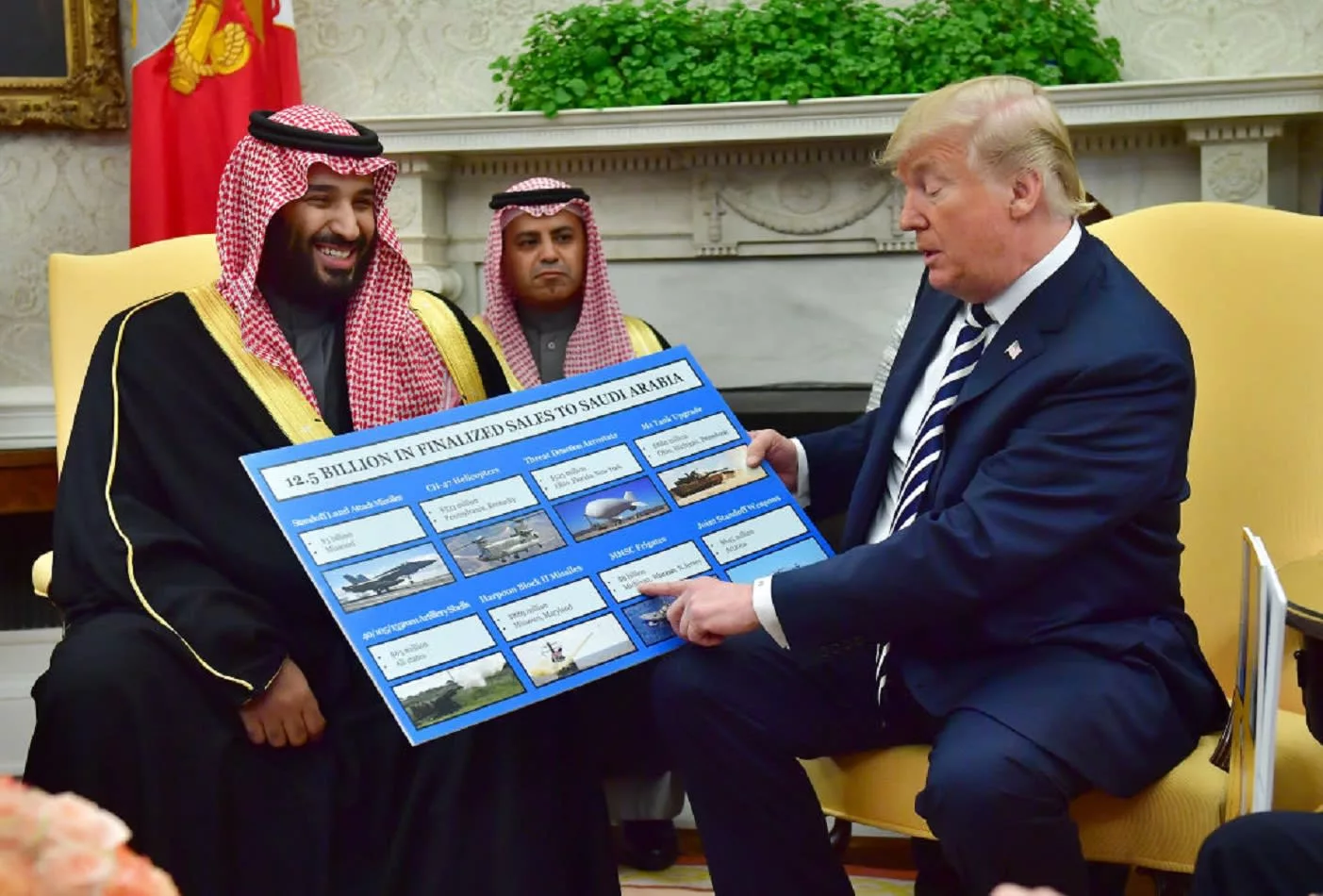
Meanwhile, Trump strengthened ties with Saudi Arabia, sealing multi-billion-dollar arms deals and vetoing legislation to end US support for the Saudi-led war in Yemen. He also pressured Riyadh to join the Abraham Accords.
His administration increased intelligence and logistical backing for Saudi efforts against the Houthis and reclassified the group as a foreign terrorist organization, restricting its financial networks and imposing travel bans.
Biden and the Chaos of Inertia
Joe Biden inherited a foreign policy mired in Trump-era disruptions. Critics said his administration merely returned to Obama-era norms rather than forging new paths, especially on Iran and Israel.
Despite Republican accusations of softness on Iran, UN arms and missile embargoes on Tehran expired in October 2020—before Biden took office—per JCPOA provisions.
Biden’s attempts to revive the JCPOA stalled, despite initial overtures and limited sanctions relief—such as releasing $20 billion in Iranian assets in 2023–2024 in exchange for prisoner swaps and humanitarian aid.
Simultaneously, the administration maintained select sanctions on Iran’s drone and missile programs, particularly those linked to Hamas, Hezbollah, and the Houthis, who conducted attacks against Israel before the October 7, 2023 Al-Aqsa Flood operation.
However, US policy oscillated between hesitant engagement and condemnation of Iran’s proxies, revealing a lack of coherent vision. This uncertainty alarmed regional allies, especially Israel and Saudi Arabia, fearing Iranian resurgence.
Washington’s ambivalence ended after Iran’s April 2024 attack on Israel. The US retaliated with sanctions on Iran’s defense ministry, Revolutionary Guard, and missile programs. After a second Iranian assault in October, sanctions expanded to oil, finance, and key economic sectors.
The Biden administration also escalated pressure on Hezbollah, targeting its financial networks in Lebanon and abroad, following increased attacks on Israel. Similar crackdowns hit Hamas post-October 7, 2023.
The Houthis, briefly removed from the US terror list, were redesignated as a terrorist group amid their Red Sea offensives in support of Gaza. Sanctions followed on their arms suppliers and financiers.
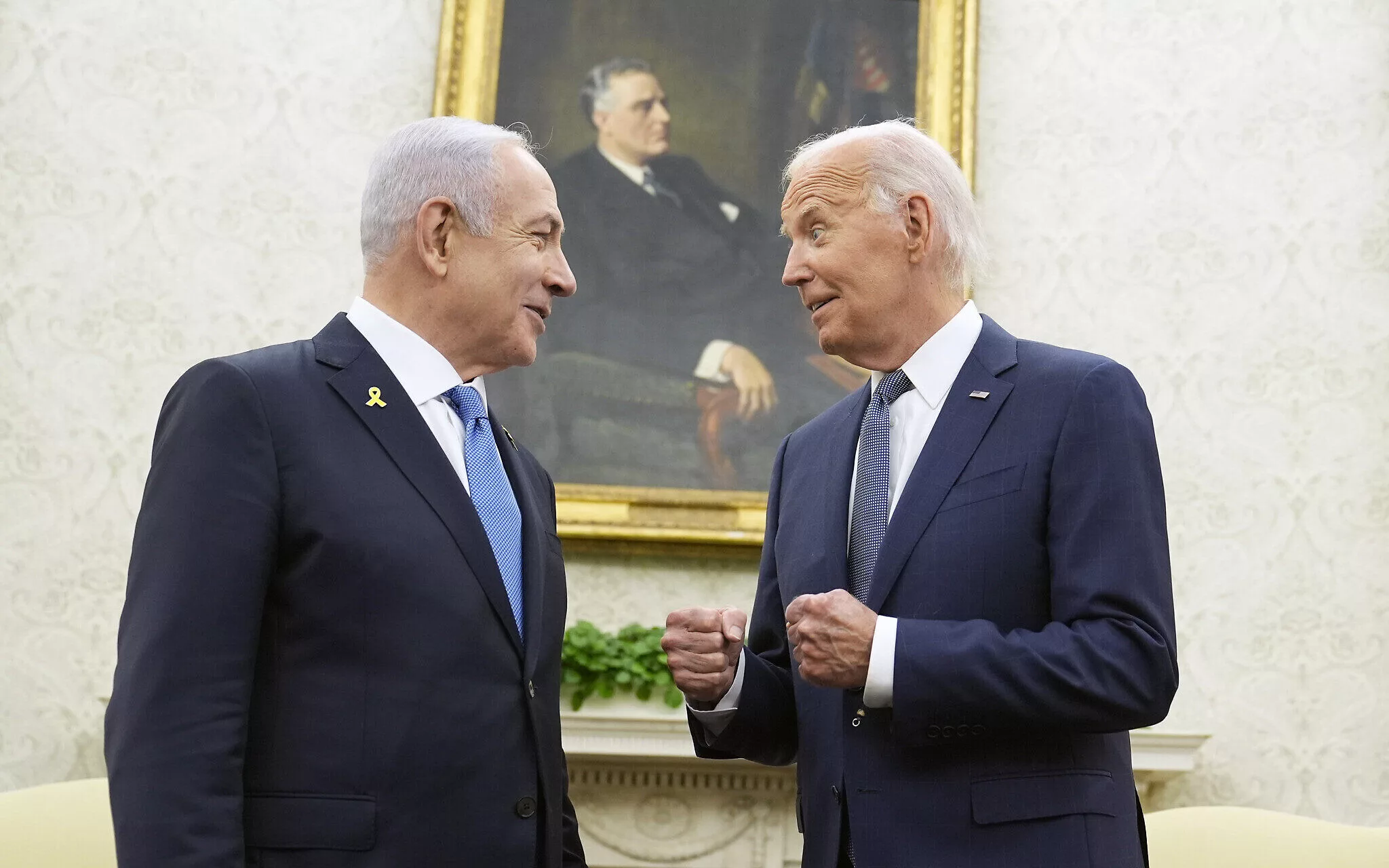
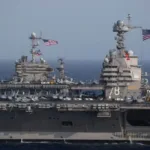
By early 2025, Biden’s administration had imposed over 600 sanctions on individuals and entities tied to Iran and its regional proxies. The US also ramped up direct military engagement, deploying carriers, aircraft, and troops against Hezbollah, Hamas, and the Houthis.
Biden redirected US forces in Iraq and Syria, previously focused on ISIS, to confront Iran-backed groups like Kataib Hezbollah, citing their support for Hamas.
This intervention, though not officially declared war, shattered Biden’s Middle East agenda, which aimed to crown the Abraham Accords with Saudi normalization. The Gaza and Lebanon conflicts drew the US deeper into regional military entanglements.
America’s adversarial map in the Middle East remains inextricably linked to Israeli security and US energy interests. Whether through economic sanctions, international lobbying, or direct and proxy wars, Washington’s policies have varied by administration—but the strategic objectives have remained consistent.
Now, with Trump poised to return, uncertainty looms over the region. The Republican agenda promises a potentially radical redefinition of alliances and confrontations in a Middle East transformed over the last four years.