






NoonPost NoonPost

NoonPost

  • Home
  • Politics
  • Economy
  • Society
  • Culture
  • Files
  • Long Reads
  • Podcast
AR
Notification Show More
نون بوست
“There Are Nights I Can’t Close My Eyes”: How Gazans Are Living in Homes on the Brink of Collapse
نون بوست
From al-Jolani to Ahmad al-Shara: The Evolution of Syria’s New Leader
نون بوست
When Political Islam Receded in Egypt: Who Filled the Void?
نون بوست
An Extension of Genocide: Gaza’s Detainees Speak Out
نون بوست
A Tightrope Between Survival and Sovereignty: The Syrian Government Faces Normalization Pressures
نون بوست
American Aircraft Carriers: Has the Era of “100,000 Tons of Diplomacy” Ended?
نون بوست
U.S. Regime‑Change Policies: Why They Are Destined to Fail
نون بوست
Transformations of Israeli Judaism: Between the Victim Complex and the Colonizer’s Doctrine
نون بوست
The Gulf’s Balancing Act: Iran, Israel, and Hidden Links
نون بوست
Iraq–Turkey Oil Export Treaty: Why Did Ankara Cancel It After 52 Years?
نون بوست
Syria’s Northeast on Edge: QSD Between Ankara and Damascus
نون بوست
Has Europe Changed Its Stance on Israel… or Just Its Language?
NoonPost NoonPost
AR
Notification Show More
نون بوست
“There Are Nights I Can’t Close My Eyes”: How Gazans Are Living in Homes on the Brink of Collapse
نون بوست
From al-Jolani to Ahmad al-Shara: The Evolution of Syria’s New Leader
نون بوست
When Political Islam Receded in Egypt: Who Filled the Void?
نون بوست
An Extension of Genocide: Gaza’s Detainees Speak Out
نون بوست
A Tightrope Between Survival and Sovereignty: The Syrian Government Faces Normalization Pressures
نون بوست
American Aircraft Carriers: Has the Era of “100,000 Tons of Diplomacy” Ended?
نون بوست
U.S. Regime‑Change Policies: Why They Are Destined to Fail
نون بوست
Transformations of Israeli Judaism: Between the Victim Complex and the Colonizer’s Doctrine
نون بوست
The Gulf’s Balancing Act: Iran, Israel, and Hidden Links
نون بوست
Iraq–Turkey Oil Export Treaty: Why Did Ankara Cancel It After 52 Years?
نون بوست
Syria’s Northeast on Edge: QSD Between Ankara and Damascus
نون بوست
Has Europe Changed Its Stance on Israel… or Just Its Language?
Follow US

Baghdad’s New Administrative Capital: A Modernization Milestone or a Renewed Political Crisis?

طه العاني
Taha Alane Published 26 March ,2026
Share
نون بوست

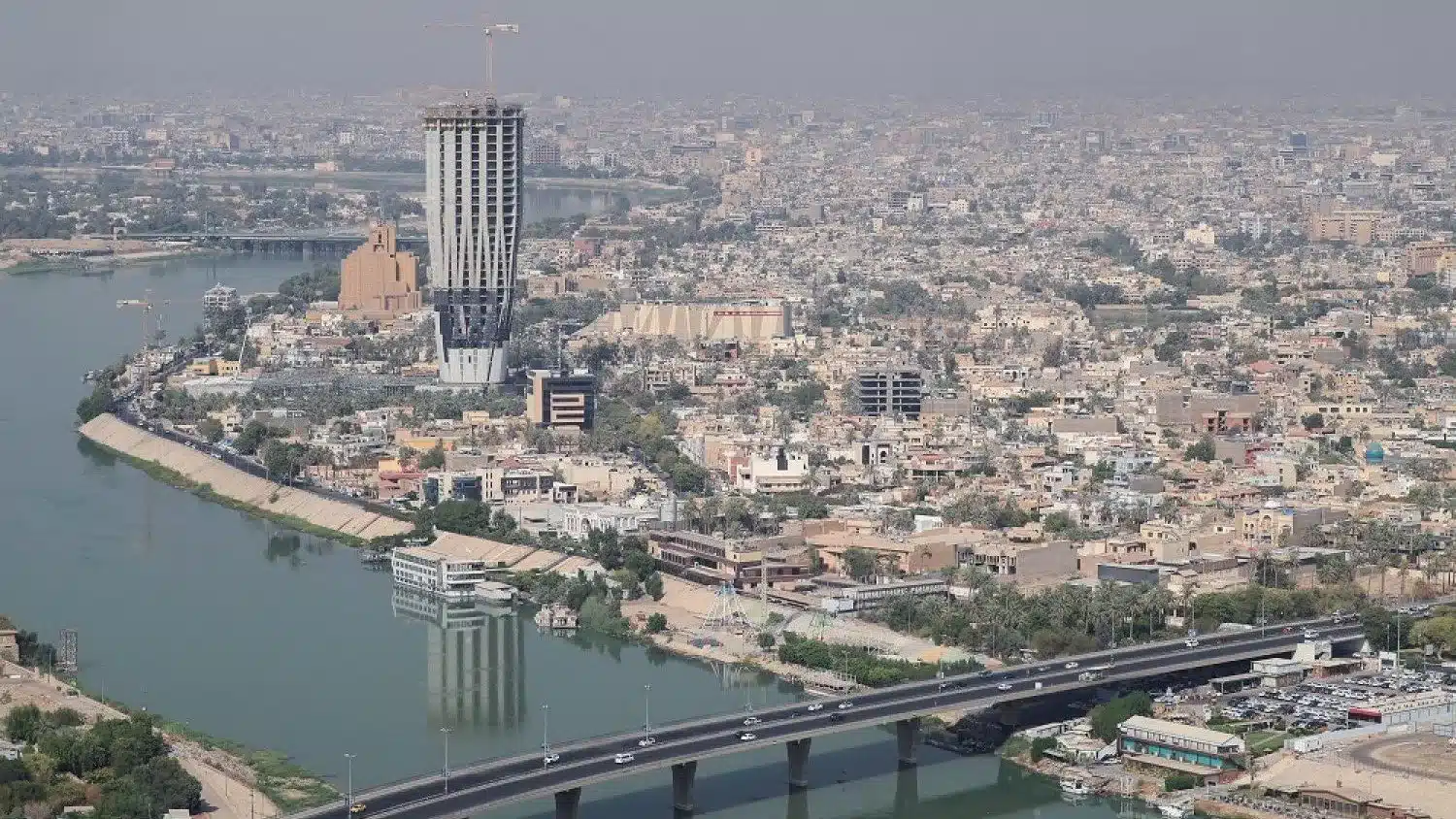
The proposed New Administrative Capital project in Baghdad is presented as an ambitious urban initiative aimed at modernizing infrastructure and reshaping the city’s urban landscape. By allocating integrated spaces for each ministry within a modern infrastructure framework, the project promises a fresh start for Iraq’s capital. However, serious questions surround the endeavor—ranging from land ownership and economic feasibility to political and social challenges, along with fears that its motivations may be sectarian, potentially aiming to alter the region’s demographic makeup.
نون بوست

A Bold Urban Vision

The Iraqi government is moving forward with the administrative capital project as part of a broader vision to revamp the urban environment and expand development across the country.

The Ministry of Construction, Housing, and Municipalities announced that four Egyptian companies have submitted proposals to develop the new administrative capital in Nahrawan, Baghdad—signaling a clear governmental shift toward introducing a new urban model in Iraq.

Engineer Hamed Abdul Hamed, head of the New Cities Authority at the ministry, told the official Al-Sabah newspaper on February 5 that the Egyptian firms have substantial experience in building new cities and administrative capitals, both in Iraq and Egypt.

He added that the ministry is still reviewing the proposals and holding meetings with company representatives to select the most suitable bid. The project requires meticulous planning to designate ministry sites and ensure a smooth transition of government operations.

The plan allocates 50 dunams (approximately 12.35 acres) for each ministry and envisions a modern infrastructure with highways and advanced transportation systems.

Egypt hopes to replicate its success in building a new capital outside Cairo—a project executed through a blend of local and international firms.

While Egypt’s expertise could significantly bolster Baghdad’s project, its success hinges on overcoming Iraq’s administrative, political, and financial hurdles and ensuring a clear vision, avoiding the pitfalls that may prevent full replication of the Egyptian model.

Unresolved Questions and Lingering Concerns

Despite the grand ambitions of this multi-billion-dollar endeavor, key unresolved issues cast doubt on its priorities and feasibility in light of Iraq’s ongoing economic and social challenges.

Even with the value of Egyptian experience, serious questions remain about whether that model aligns with Iraq’s unique landscape of socio-economic struggles.

Though the project appears feasible on paper, its greatest challenge lies in whether it can genuinely serve the public, not just government institutions—especially given the urgent need to improve the quality of life in existing neighborhoods across Baghdad.

Engineer Hamed noted that the initiative is part of a broader governmental agenda to establish 52 future cities across Iraq. While this vision is expansive, it raises concerns about financing mechanisms, project sustainability, and the government’s capacity to balance new development with the rehabilitation of existing urban centers.

There is no doubt the project marks a bold step toward redrawing Iraq’s urban map. Yet, its success will depend on how well it addresses the real challenges citizens face and whether it fits within a comprehensive vision for sustainable development—or merely becomes a symbolic project that adds further strain on the nation.

Obstacles to Ambition

The long-stalled capital project faces a range of challenges threatening its realization, from inadequate infrastructure and financial hurdles to political and security complexities that may destabilize its implementation.

Political and security analyst Raad Hashim highlights disputes over the site location as a major issue, noting a lack of clarity in the project’s preliminary planning.

The continued ambiguity over land designation raises legal and administrative complications, with fears of ownership disputes lingering due to longstanding land conflicts dating back to 2003—many of which are fueled by tribal and political entanglements.

Although the project is seen as a significant urban leap, the ongoing location controversy threatens to derail its progress. A lack of transparency in land allocation could seriously hamper execution.

Politically, the project lacks consensus. The proposed location has sparked sectarian and political tensions, with Hashim questioning why the project was announced without prior political agreement, especially given the multi-billion-dollar contracts at stake, which inevitably attract political interest.

Observers also warn that the project’s timing—just ahead of elections—suggests it may be politically motivated, used to rally party support in exchange for future benefits.

From a practical standpoint, Baghdad’s congestion may warrant a new capital. Yet, the proposed site’s distance could pose difficulties for vulnerable populations such as the elderly, given the country’s inadequate public transportation system.

Government institutions stand to benefit most from the project, which would streamline inter-ministerial coordination. But whether the average Iraqi citizen will see tangible benefits remains uncertain.
نون بوست
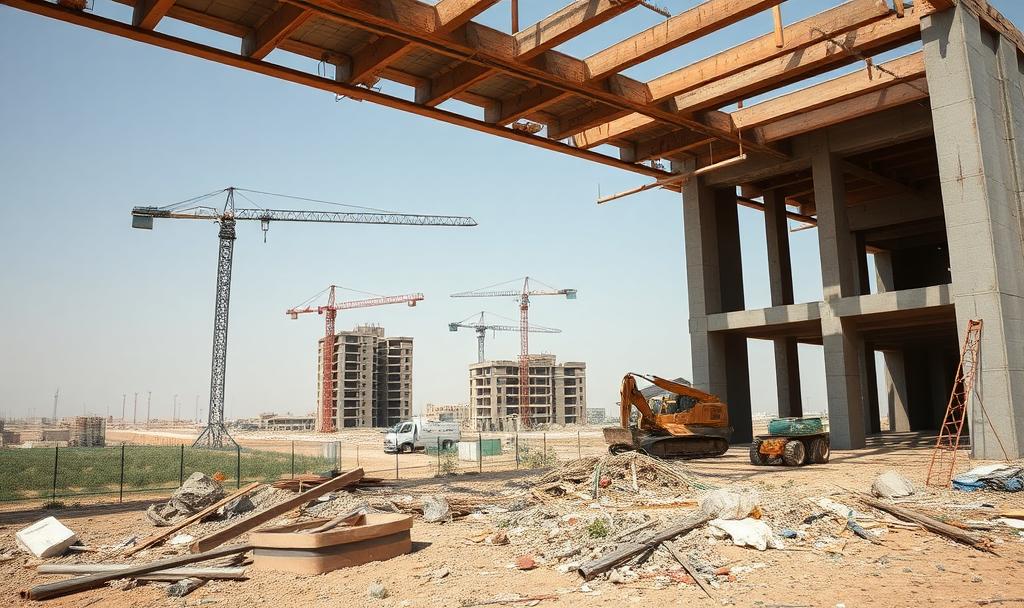
Years of delays, funding shortages, and political gridlock have hampered Iraq’s ability to realize major infrastructure projects like the new capital.

Despite Egypt’s proven capacity in similar ventures, Hashim argues the real challenge lies within Iraq itself—bureaucracy and endemic corruption continue to hinder development. Success depends not only on the competence of the executing firms but also on the government’s ability to provide a transparent, corruption-free environment.

Financially, the project faces daunting challenges. As the current government nears the end of its term, securing necessary funding is uncertain. Many fear the project could meet the fate of past ventures that stalled due to administrative changes and inconsistent support. Delays could also trigger legal disputes with contractors, threatening its continuity.

Hashim concludes that the project still lacks a holistic vision to guarantee its success beyond Iraq’s political and economic instability. Without genuine political consensus and a clear economic strategy, this grand initiative risks becoming another burden compounding the country’s crises.

A Resurging Controversy

A prior attempt to launch a similar capital project near Baghdad Airport in 2021 ignited political and public outrage. Critics accused the government of using the venture as a smokescreen for corrupt land deals that undermined national interests.

The initiative, which aimed to allocate 106,000 dunams for investment, faced backlash from political blocs and affected residents, many of whom hold official deeds dating back decades.

At the time, the Iraqi Decision Alliance and Azm Coalition declared the project a threat to private property and demographic stability, warning of potential forced displacement and population changes. They called on parliament and the judiciary to intervene.

Parliament Speaker Mahmoud al-Mashhadani warned that the 2021 project—named Al-Rafeel City—could heighten Sunni community fears, urging the prime minister to avoid actions that might stir political and societal discord.

Mashhadani questioned the logic of building a new city at the expense of existing communities, saying the project was incomplete and lacked proper legal and planning criteria.

Opponents fear the project is part of a larger plan to engineer demographic changes around Baghdad, particularly in light of past disputes over land rights and displacement in areas like Jurf al-Sakhar and Tarmiyah.

Political analyst Abdulqader al-Nayel argues the project is not truly aimed at urban progress but rather serves as a political tool to alter the demographics of Baghdad’s Sunni Arab belt.

In an interview with Noon Post, Nayel claimed that since the US invasion, a regional-backed agenda has sought to forcibly remove Sunni Arabs from Baghdad—first through assassinations and arrests, then through projects masked as urban development.

He also voiced fears that sectarian motives could lead to the resettlement of non-Baghdadi Iraqis—or even foreign nationals—in strategic areas. He pointed to the alleged naturalization of thousands of Pakistanis, Afghans, and Iranians as evidence.

These concerns, he asserted, are grounded in reality, citing numerous depopulated Sunni-majority cities like Jurf al-Sakhar, Aziz Balad, Yathrib, and others across Diyala and Anbar.
نون بوست
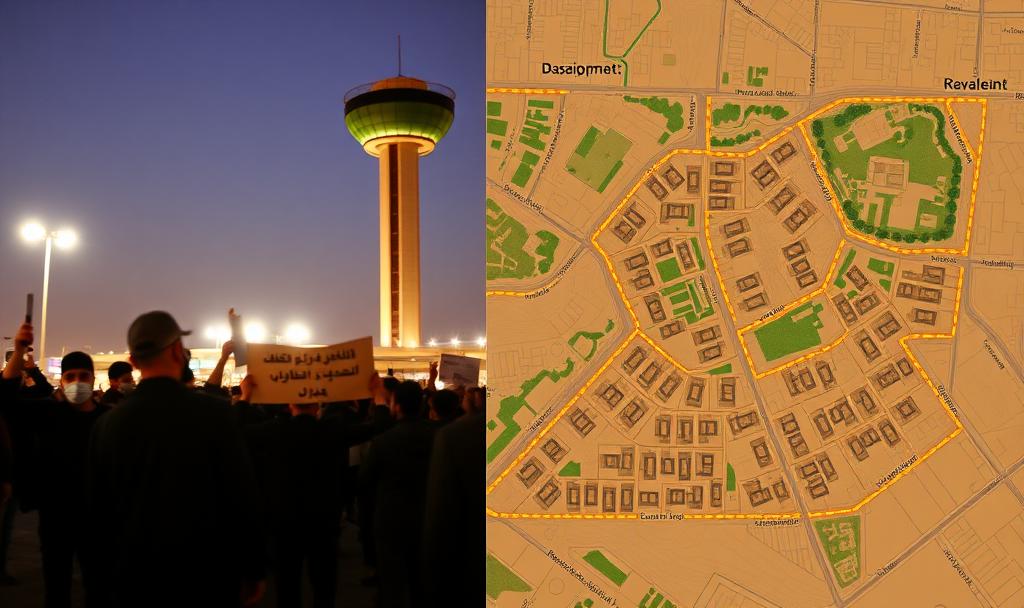
Proposals to develop land around Baghdad Airport in 2021 met fierce resistance, with residents and lawmakers accusing the government of corruption and land grabs.

To prevent demographic manipulation, Nayel suggested that such projects prioritize housing for local residents and involve regional and international architectural firms in a transparent process. He stressed the importance of preserving green and agricultural lands around Baghdad.

He further called for legislation restricting residency in Baghdad to its original inhabitants, citing the strain caused by internal migration from villages and marshlands.

Separately, Suha Dawood Najar, head of the National Investment Commission, acknowledged in a TV interview that legal loopholes in the investment law allow land to be sold at extremely low prices—fueling suspicions of corruption.

While Iraq urgently needs major development initiatives, the real challenge is to balance growth with the protection of residents’ rights—a test that will ultimately determine the project’s fate.

A Necessary Step Forward?

Some observers, however, argue that Baghdad’s New Administrative Capital is a much-needed solution to the city’s chaotic urban sprawl.

Political analyst Ali al-Baydar told Noon Post the project could help reshape Iraq’s international image by presenting a more modern and organized capital.

He emphasized that the project’s success depends on strict oversight, engaging reputable construction firms with strong global track records, and ensuring transparency and quality standards.

Al-Baydar also highlighted the importance of security around construction zones to prevent political or criminal interference, and the need for clear communication with the public regarding every step of implementation.

He believes that Iraq can draw on successful examples from countries like Egypt and Turkey—not only through partnerships with their firms but also by leveraging local expertise to monitor progress.

As for fears of demographic engineering, al-Baydar dismissed them as misplaced, arguing that such shifts are driven by political and military power, not urban development projects. On the contrary, he said, the project could increase property values and stimulate economic activity in the targeted areas.

Download this article as PDF
Share this Article
Facebook Twitter Whatsapp Whatsapp Telegram Email Copy Link
طه العاني
By طه العاني صحفي عراقي.
Follow:
Previous Article نون بوست Overt and Covert Policies: How Washington Handled Israel’s Adversaries
Next Article نون بوست Mechanisms of Redemption from Holocaust Shame: A Psychoanalytical View of Germany’s Bias Toward “Israel”

Read More

  • U.S. Regime‑Change Policies: Why They Are Destined to Fail U.S. Regime‑Change Policies: Why They Are Destined to Fail
  • The Gulf’s Balancing Act: Iran, Israel, and Hidden Links
  • Iraq–Turkey Oil Export Treaty: Why Did Ankara Cancel It After 52 Years?
  • Syria’s Northeast on Edge: QSD Between Ankara and Damascus
  • Has Europe Changed Its Stance on Israel… or Just Its Language?
part of the design
NoonPost Weekly Newsletter

You May Also Like

U.S. Regime‑Change Policies: Why They Are Destined to Fail

U.S. Regime‑Change Policies: Why They Are Destined to Fail

إسراء سيد Esraa sayed 8 April ,2026
The Gulf’s Balancing Act: Iran, Israel, and Hidden Links

The Gulf’s Balancing Act: Iran, Israel, and Hidden Links

فريق التحرير Noon Post 8 April ,2026
Iraq–Turkey Oil Export Treaty: Why Did Ankara Cancel It After 52 Years?

Iraq–Turkey Oil Export Treaty: Why Did Ankara Cancel It After 52 Years?

فريق التحرير Noon Post 8 April ,2026

حزب الله الخاسر الأكبر من الصفقة النووية الإيرانية

جوناثان شانزر
جوناثان شانزر Published 23 March ,2016
Share
schanzer_irandealsbiggest_kids

ترجمة وتحرير نون بوست

قد يكون القرار الذي تم اتخاذه بفك تجميد أكثر من 100 مليار دولار من الأصول الإيرانية المعلقة كجزء من الاتفاق النووي ما بين إيران ودول الست في الصيف الماضي أسوأ أمر دهم مجموعة حزب الله الإرهابية اللبنانية منذ سنوات.

بشكل طبيعي، أشاد حزب الله علنًا بأخبار الاتفاق النووي الإيراني وفك تجميد الأصول، تبعاً لكون إيران تقدم نحو 100 إلى 200 مليون دولار بشكل مساعدات مالية للمجموعة في كل عام، واليوم، وعلى خلفية تخفيف العقوبات على إيران، قد تجد الأموال الإيرانية طريقها بشكل أكثر كثافة إلى معقل حزب الله في وادي البقاع، والذي قد يعمل على تحويلها إلى أسلحة جديدة، برامج تدريب، وغيرها من الأصول العسكرية.

ولكن على الرغم من ذلك، تأتي فرحة حزب الله بازدياد تمويله الإيراني في وقت قرر فيه الخصوم في الخليج العربي معاقبة المجموعة لإذكائها الحروب الطائفية في المنطقة؛ فموقف حزب الله على خطوط الجبهة في سوريا، حيث يدعم الديكتاتور السوري المحاصر والوكيل الإيراني بشار الأسد، لم يمر دون ملاحظة، وبذات القدر لم يمر قيام الحزب بدعم المتمردين الحوثيين في اليمن، وهم وكلاء إيرانيون آخرون يسعون لإسقاط الحكومة المدعومة من السنة، بدون ملاحظة أيضًا.

في وقت سابق من هذا الشهر، وإبان شجبه لأنشطة حزب الله المزعزعة للاستقرار في جميع أنحاء المنطقة لسنوات، فرض مجلس التعاون الخليجي أخيرًا عقوبات على الجماعة واصفًا إياها بأنها منظمة ارهابية، واتخذ التدابير اللازمة لتجميد أصولها، وجاء ذلك في أعقاب تدابير مماثلة اُتخذت من قِبل المملكة العربية السعودية والبحرين، حيث عنونت الصحف بخبر قيام الرياض أيضًا بوقف مساعداتها الممنوحة للحكومة اللبنانية البالغة 3 مليار دولار، أن الأخيرة، وفق وجهة النظر السعودية، أضحت اليوم مُسيطر عليها بالكامل من قِبل حزب الله بدون رجعة، كما أعلنت جامعة الدول العربية في يوم الجمعة الماضي تصنيف حزب الله كمنظمة إرهابية، في تطور مذهل بالنظر إلى أن الحزب تلقى إشادات كبيرة وشعبية هائلة في جميع أنحاء العالم العربي لإجباره إسرائيل على الانسحاب من جنوب لبنان في عام 2000 ولمحاربته إياها الند للند في الحرب التي استمرت شهرًا كاملًا في عام 2006.

لا مندوحة من القول بأن قرار إدراج حزب الله ضمن القائمة السوداء لم يتمتع بإجماع كافة الدول السنية، فالعراق ولبنان على سبيل المثال كانتا أقل حماسة لقرار الإدراج، إلا أن اجتماع جامعة الدول العربية أوضح بأن معظم الدول العربية سوف تحذو حذو دول مجلس التعاون الخليجي وتحرم المجموعة من استخدام قطاعاتها المصرفية وقطاع أعمالها.

خضع حزب الله أيضًا لمعاملة مماثلة في وقت سابق ضمن الغرب، حيث تمت تسميته كجماعة إرهابية، بطريقة أو بأخرى، ضمن أستراليا، كندا، فرنسا، هولندا، نيوزيلندا، المملكة المتحدة، الولايات المتحدة، والاتحاد الأوروبي، وفي غضون ذلك، أصدر الكونجرس الأمريكي تشريعًا لتعزيز جهود وزارة الخزانة لتعقب الأصول المالية للحزب في جميع أنحاء العالم من خلال تخويله فرض عقوبات ثانوية ضد المؤسسات والهيئات المالية التي تتعامل مع حزب الله.

الصورة:

نون بوست

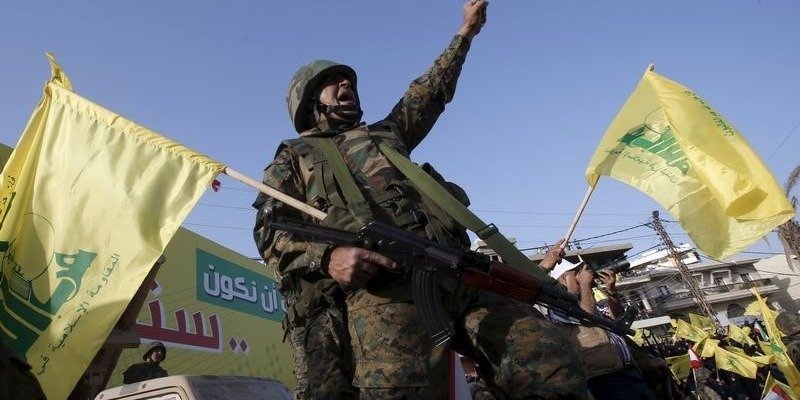
رد فعل أحد أعضاء حزب الله أثناء كلمة زعيم حزب الله حسن نصر الله على شاشة خلال خطاب متلفز في مهرجان الاحتفال بعيد المقاومة والتحرير، في النبطية بـ24 مايو 2015.

عل صعيد آخر، وعلى الرغم من أن الرئيس الروسي فلاديمير بوتين لا يتمتع  بالكثير من القواسم المشتركة مع واشنطن في هذه الأيام، إلا أنه يبدو مستوعبًا حدود سياسات بلاده عندما يتعلق الأمر باستفادة حزب الله؛ ففي وقت سابق من هذا الشهر، أوقف الرجل القوي الروسي، وفق ما ذكرته التقارير، شحنة متجهة إلى إيران تحمل صورايخ أرض-جو إس 300 S-300 المتطورة، والتي تعتبر أصولًا عسكرية قد تغير قواعد اللعبة لوقف أي هجوم محتمل على المنشآت النووية الإيرانية، حيث أدلى بوتين بهذه الخطوة بعد ورود تقارير من الإستخبارات الإسرائيلية بقيام طهران بتمرير الصواريخ الروسية القديمة، إس 22 SA-22، لحزب الله.

وبالحديث عن إسرائيل، فإن الأخيرة تتمتع بالطبع بأكبر مصلحة شخصية لتقويض وطحن حزب الله؛ فعلى مر السنين، تبادل الجانبان ضربات قوية في معرض حروب متعددة، كما وتبدو إسرائيل مستاءة من أنه وفي الحرب المقبلة سيكون الحزب مجهزًا بشكل أفضل من ذي قبل بفضل تخفيف العقوبات الإيرانية، حيث قام القادة العسكريون الإسرائيلون مؤخرًا برفع تقديراتهم للصواريخ التي يمتلكها حزب الله من 100,000 صاروخ إلى 150,000 صاروخ.

ظهرت العديد من التقارير مؤخرًا التي تشير إلى أن إسرائيل تخطط لممارسة عمل عسكري سريع ضد حزب الله في الصراع المقبل، وأكد كبار المسؤولين في إسرائيل ذلك، مضيفين بأنه ونظرًا لزيادة الواردات التي من المفترض أن يحصل عليها حزب الله جرّاء الاتفاق النووي مع إيران، أضحت المجموعة تشكل اليوم التحدي العسكري الأكثر دهمًا وعجالة بالنسبة للجيش الإسرائيلي، الذي يعترف بأن حزب الله ليس مجرد منظمة إرهابية بل قوة عسكرية بكل ما تحمله الكملة معنى، حيث يعد أقوى من 90% من جيوش العالم، وذلك لحيازته لأكثر من 40,000 جنديًا تحت السلاح، أنظمة دفاع جوي، أنفاق للقوات الخاصة (الكوماندور)، وطائرات بدون طيار، وعلى الرغم من أن مثل هذه الأمور نادرًا ما يتم ذكرها صراحة، إلا أن توجيه ضربة إسرائيلية استباقية مفاجئة، من شأنها أن تحرم حزب الله من بعض هذه المزايا، ليست أمرًا بعيد الاحتمال.

ولكن حتى في ظل تصاعد احتمالات ضربة الحرب الإسرائيلية، يحارب حزب الله بشراسة، معولًا على العطاءات الإيرانية، في سوريا واليمن، وتلك الحروب ألقت بآثارها السلبية والمدمرة على المجموعة، حيث تشير التقارير الواردة من سوريا بأن حزب الله نشر ما بين 6000 إلى 8000 مقاتلًا في الحرب، وفقد بالفعل حوالي 1300 محاربًا منهم.

أخيرًا، وعلى الرغم من عزله وإثخانه بالجراح، يشن حزب الله هجومًا عنيفًا على السعوديين والإسرائيليين، شاجبًا ما أسماه بـ”المؤامرة الصهيو- وهابية”، ولكن ما حصل ليس مؤامرة؛ فالحزب اكتسب بجدارة هؤلاء الأعداء، وهم ملتزمون بكل طاقاتهم لمنع الجماعة من اكتساب المزيد من القوة نتيجة لقرار تخفيف العقوبات على إيران غير المتوقع، ومن الواضح بشكل متزايد بأنهم ليسوا وحدهم في هذا القرار.

المصدر: فورين أفيرز

TAGGED: الاتفاق النووي الإيراني ، العقوبات الخليجية على حزب الله ، تجميد أصول حزب الله ، حزب الله ، فك تجميد الأصول الإيرانية
TAGGED: حزب الله
Download this article as PDF
Share this Article
Facebook Twitter Whatsapp Whatsapp Telegram Email Copy Link
جوناثان شانزر
By جوناثان شانزر محلل سابق لشؤون تمويل الإرهاب في وزارة الخزانة الأمريكية.
Follow:
Next Article نون بوست The Stigma of “ISIS”: A Heavy Legacy Haunting Women and Children of Former Members

Read More

  • U.S. Regime‑Change Policies: Why They Are Destined to Fail U.S. Regime‑Change Policies: Why They Are Destined to Fail
  • The Gulf’s Balancing Act: Iran, Israel, and Hidden Links
  • Iraq–Turkey Oil Export Treaty: Why Did Ankara Cancel It After 52 Years?
  • Syria’s Northeast on Edge: QSD Between Ankara and Damascus
  • Has Europe Changed Its Stance on Israel… or Just Its Language?
part of the design
NoonPost Weekly Newsletter
dark

An independent media platform founded in 2013, rooted in slow journalism, producing in-depth reports, analysis, and multimedia content to offer deeper perspectives on the news, led by a diverse young team from several Arab countries.

  • Politics
  • Society
  • Rights & Liberties
  • Opinions
  • History
  • Sports
  • Education
  • Technology
  • Economy
  • Media
  • Arts & Literature
  • Entrepreneurship
  • Travel
  • Cinema & Drama
  • Food
  • Health
  • Culture
  • Latest Reports
  • Files
  • Long Reads
  • Interviews
  • Podcast
  • Interactive
  • Encyclopedia
  • In Pictures
  • About Us
  • Our Writers
  • Write for Us
  • Editorial Policy
  • Advanced Search
Some rights reserved under a Creative Commons license

Removed from favorites

Undo
Go to mobile version