














The suffering of Gaza’s population is intensifying at an alarming pace under an ever-tightening blockade that has strangled the territory for over three months following the complete closure of border crossings and the halt of essential humanitarian aid. The situation deteriorated further with the resumption of Israel’s war in March, plunging the entire enclave into a state of famine.
Since March 2, Israel has shut all crossings to humanitarian aid, including food and medical supplies, triggering a rapid decline in already dire humanitarian conditions. While some international organizations have made limited attempts to mitigate the crisis, the blockade’s effects continue to reach every corner of the Strip.
This is the most severe case of starvation since the beginning of the war, now engulfing the entire territory from north to south. The systematic use of aid as a political bargaining chip and tool of extortion only worsens the population’s suffering, forcing them toward coercive options that could ultimately alter Gaza’s demographic makeup.
Empty Warehouses and Hollow Bellies
Even during declared lulls, Israel has manipulated the humanitarian protocol, obstructing the entry of vital food supplies and exacerbating long-standing hunger. These restrictions have crippled efforts to stockpile essential goods in preparation for further closures, compounding the impact of the current blockade.
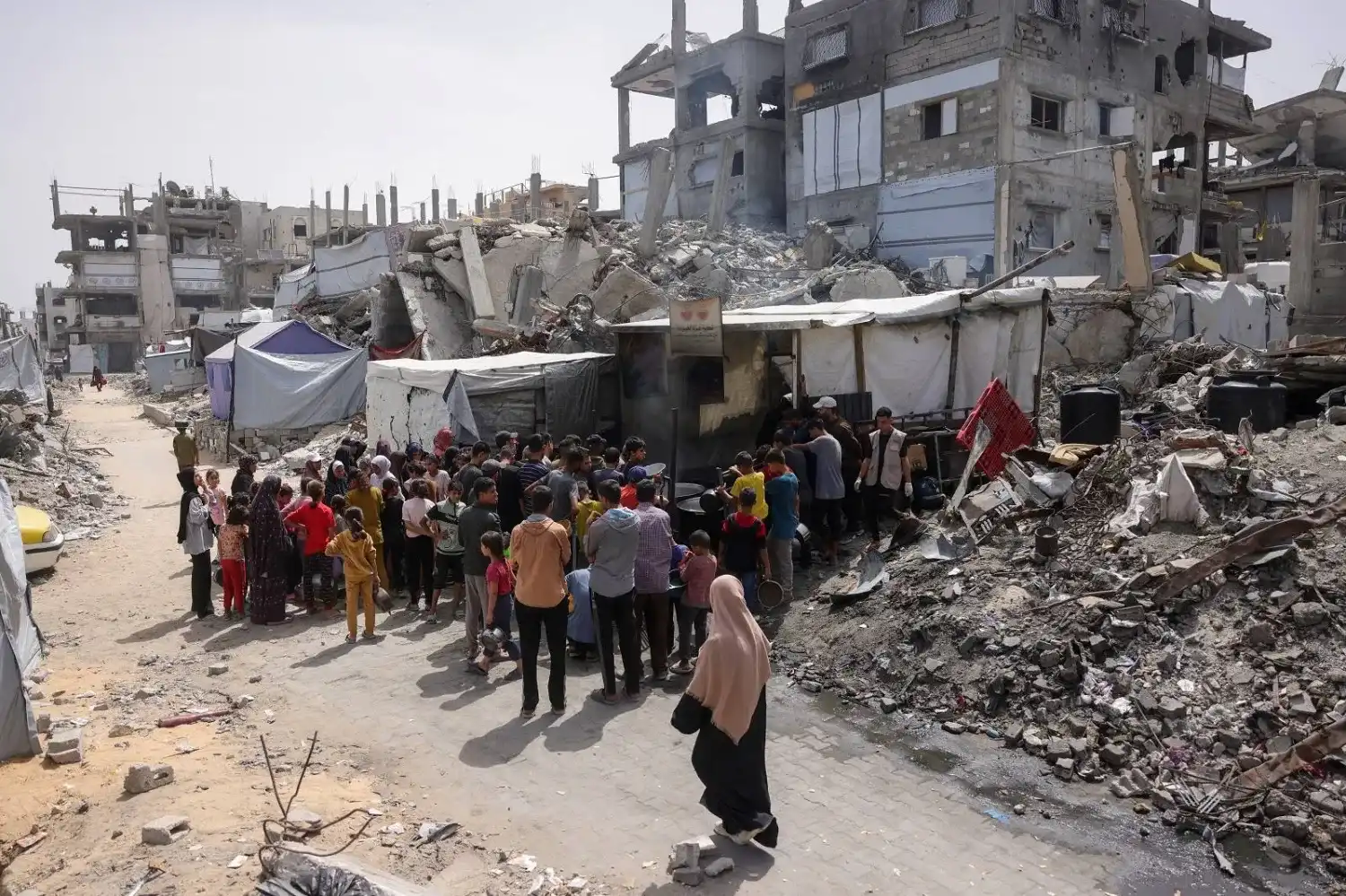
UN agencies have since reported a dramatic depletion of critical supplies. Chief among them is the World Food Programme (WFP), which previously operated major community kitchens and bakeries providing hot meals to the needy. By the end of April, the WFP announced it had run out of food stocks, flour, and other essential materials, forcing the shutdown of lifesaving relief projects.
In a formal statement, the WFP—recognized as the world’s largest humanitarian organization—stressed that Gaza is now enduring the longest aid blockade in its history, further devastating already fragile markets and food systems.
The closures have led to a staggering rise in food prices—up to 1,400% higher than during previous ceasefires. The WFP also warned of severe shortages of basic goods, raising deep concerns for vulnerable groups such as children under five, pregnant and breastfeeding women, and the elderly.
Similarly, the United Nations Relief and Works Agency for Palestine Refugees (UNRWA) confirmed in mid-April that its warehouses were empty and that tens of thousands in Gaza were going hungry. The agency stressed that unhindered access for humanitarian and commercial goods had become an urgent necessity.
UNRWA’s Media Office Director Inas Hamdan described the crisis as “one of the worst and most unprecedented humanitarian disasters,” adding that Gaza has never before experienced such prolonged disruptions to basic life-sustaining supplies needed by two million people.
The UN High Commissioner for Human Rights echoed this assessment, declaring the Israeli blockade a form of collective punishment—and warning that starvation is being used as a weapon of war.
In early May, Palestinian Prime Minister Mohammad Mustafa officially declared Gaza a “famine zone,” noting that the humanitarian crisis had reached an intolerable level.
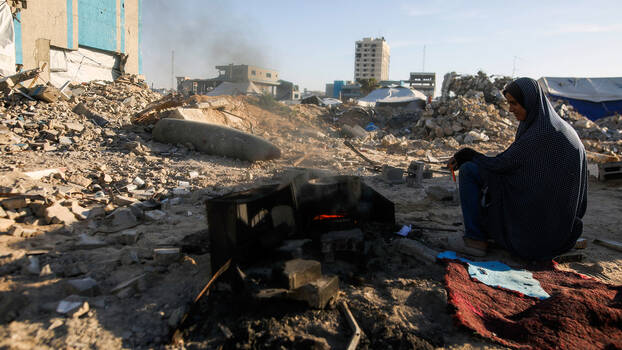
With a population of 2.4 million, Gaza’s residents now rely almost entirely on humanitarian aid for food. According to the World Bank, the 20-month war has plunged the population into extreme poverty, stripping them of livelihoods as homes and vital infrastructure are systematically destroyed.
A Multi-Layered Tragedy and Slow Death
The Government Media Office in Gaza reports shocking civilian casualties directly linked to the blockade. Over the 80 days since the crossings were closed, at least 58 people have died from acute malnutrition, with an additional 242 deaths due to combined shortages of food and medicine—most of them elderly.
More than 26 kidney patients have died for lack of nutritional and medical care, and over 300 pregnant women have suffered miscarriages due to the absence of essential nutrients.
Starvation has become a calculated method of collective punishment. From indiscriminate bombings to the collapse of the healthcare system, the war’s brutality extends to the slow, agonizing death of civilians denied food and water.
Sarraj Jamal, a young man from Gaza City, told Noon Post: “The constant fear of being starved, the daily search just to feed your family, and the thought that your loved ones may soon go without even a scrap of bread—that’s a nightmare no one should live.”
Jamal added that going to the market has become a torment: “Prices are insane. A single sack of flour costs $800—over $1,000 with cash payment surcharges.”
Umm Hassan, a displaced woman from al-Bureij now sheltering in western Deir al-Balah, shared: “Some foods are now just memories—we haven’t seen them in months. We used to dream of meat; now we dream of flour and regular bread.”
She explained how families have been forced to repurpose pasta as flour, or even bake lentil bread to meet basic nutritional needs.
Gaza’s residents have long resorted to unconventional survival tactics—using barley and animal feed during previous blockades. Today, people are innovating again: grinding beans, recycling pasta—anything to fill empty stomachs. But as demand for these substitutes grows, prices soar, perpetuating the cycle of scarcity.
Commenting on Israeli-American plans for Gaza, Abdullah Qeshta, displaced from Rafah, said: “They say Rafah will be the hub for aid distribution. That doesn’t comfort us. It only deepens our despair, as returning home now feels like a vanishing dream.”
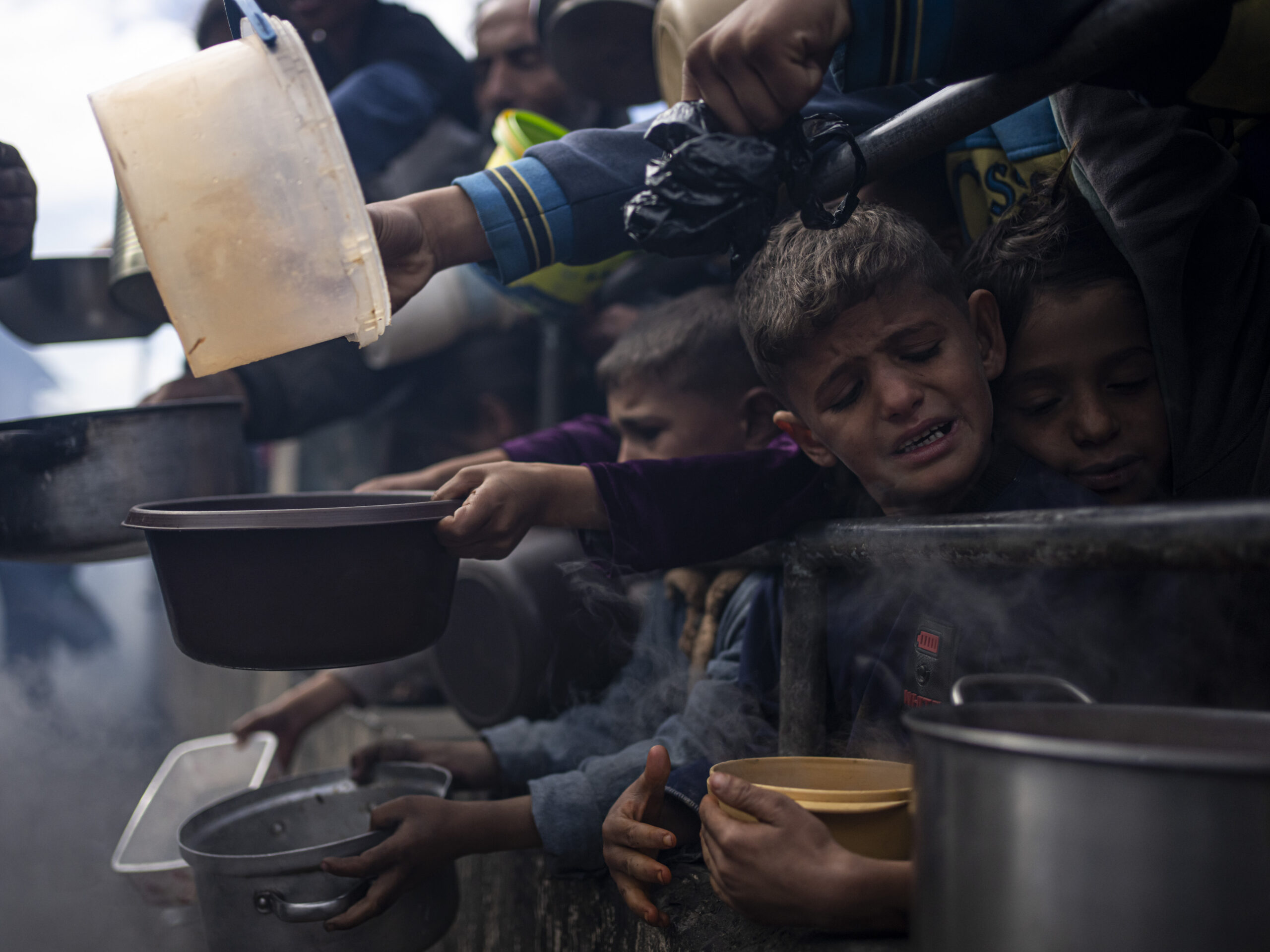
He added: “Our biggest heartbreak is for our children. We do everything to keep at least one loaf of bread in the tent. It’s a grueling task. We’ve had to ration food by schedule—children eat first, and adults fend for themselves.”
This multi-layered catastrophe, inflicted on Gaza’s population, starkly illustrates the cruelty of this siege and forced starvation. It demands immediate moral and humanitarian action from the international community.
Noise Without Action
As UN agencies continue to warn of imminent famine in Gaza, international criticism has grown louder—particularly from European countries. Yet, despite increasingly forceful rhetoric, no substantial change has materialized.
Nineteen countries—including Australia, Japan, Canada, and EU member states—have warned of looming famine amid stalled aid deliveries and Israel’s continued blockade, which has now lasted over two months.
In response to Israeli claims that aid is entering Gaza, UNRWA strongly condemned the minimal amounts delivered, insisting that the scale of humanitarian needs requires massive, sustained support. UNRWA Commissioner-General Philippe Lazzarini declared: “Israel is weaponizing hunger for political and military gain. Gaza needs unrestricted, large-scale support—now.”
The European Union reiterated its call for the immediate entry of humanitarian and medical aid, stating that current aid flows are “a drop in the ocean.” The UK, France, and Canada jointly issued a statement opposing the expansion of Israeli military operations, warning that the current aid volume is “grossly insufficient.”
Tellingly, many of these same countries—who last year condemned the invasion of Rafah—have participated in symbolic gestures to deflect moral responsibility.
These gestures included highly publicized airdrops of limited aid, hailed in the media as major acts of relief—despite delivering barely any assistance to those starving under fire from land, sea, and air.
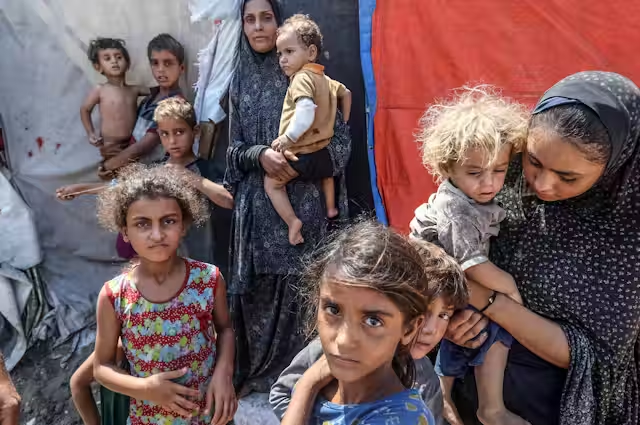
Today, even these symbolic actions have faded. In their place, we see only more statements—none of which have put food in a hungry mouth or silenced a crying child.
Meanwhile, the United States, Israel’s main backer in the war on Gaza, has unveiled a plan to distribute aid—largely repackaging Israel’s own security strategy. The goal appears to be turning humanitarian relief into a tool for forced displacement, allowing Israel to manipulate aid to reshape Gaza’s population and political future.
The State Department has echoed previous Biden administration positions, tolerating the ongoing war as long as Palestinians receive the bare minimum of “calories” needed to survive while waiting for US-made bombs to end their lives.
This global chorus of concern, absent meaningful action, amounts to little more than a hoarse whisper in the face of mass suffering. Gaza’s people remain trapped under siege and starvation, waiting for the world to do more than speak.


