








NoonPost NoonPost

NoonPost

  • Home
  • Politics
  • Economy
  • Society
  • Culture
  • Files
  • Long Reads
  • Podcast
AR
Notification Show More
نون بوست
“There Are Nights I Can’t Close My Eyes”: How Gazans Are Living in Homes on the Brink of Collapse
نون بوست
From al-Jolani to Ahmad al-Shara: The Evolution of Syria’s New Leader
نون بوست
When Political Islam Receded in Egypt: Who Filled the Void?
نون بوست
An Extension of Genocide: Gaza’s Detainees Speak Out
نون بوست
A Tightrope Between Survival and Sovereignty: The Syrian Government Faces Normalization Pressures
نون بوست
American Aircraft Carriers: Has the Era of “100,000 Tons of Diplomacy” Ended?
نون بوست
U.S. Regime‑Change Policies: Why They Are Destined to Fail
نون بوست
Transformations of Israeli Judaism: Between the Victim Complex and the Colonizer’s Doctrine
نون بوست
The Gulf’s Balancing Act: Iran, Israel, and Hidden Links
نون بوست
Iraq–Turkey Oil Export Treaty: Why Did Ankara Cancel It After 52 Years?
نون بوست
Syria’s Northeast on Edge: QSD Between Ankara and Damascus
نون بوست
Has Europe Changed Its Stance on Israel… or Just Its Language?
NoonPost NoonPost
AR
Notification Show More
نون بوست
“There Are Nights I Can’t Close My Eyes”: How Gazans Are Living in Homes on the Brink of Collapse
نون بوست
From al-Jolani to Ahmad al-Shara: The Evolution of Syria’s New Leader
نون بوست
When Political Islam Receded in Egypt: Who Filled the Void?
نون بوست
An Extension of Genocide: Gaza’s Detainees Speak Out
نون بوست
A Tightrope Between Survival and Sovereignty: The Syrian Government Faces Normalization Pressures
نون بوست
American Aircraft Carriers: Has the Era of “100,000 Tons of Diplomacy” Ended?
نون بوست
U.S. Regime‑Change Policies: Why They Are Destined to Fail
نون بوست
Transformations of Israeli Judaism: Between the Victim Complex and the Colonizer’s Doctrine
نون بوست
The Gulf’s Balancing Act: Iran, Israel, and Hidden Links
نون بوست
Iraq–Turkey Oil Export Treaty: Why Did Ankara Cancel It After 52 Years?
نون بوست
Syria’s Northeast on Edge: QSD Between Ankara and Damascus
نون بوست
Has Europe Changed Its Stance on Israel… or Just Its Language?
Follow US

The Philadelphia Tunnel Is Not the First: How Israel Wages Its War with a Torrent of Lies

إسراء سيد
Esraa sayed Published 26 March ,2026
Share
نون بوست

“I personally examined this image, and what the public doesn’t see is that it’s not 20 meters underground, but just one meter deep. It’s a covered water passage beneath a street, covered with soil. Someone took a photo, stirred up a fuss, and created a media frenzy. But in the end, no weapons passed under the Philadelphia Corridor.”

With these words, former Israeli Defense Minister Yoav Gallant exposed a new scandal regarding a supposedly massive tunnel beneath the Philadelphia Corridor in Rafah, southern Gaza on the border with Egypt. But this uncovered falsehood was far from the only one pushed by the Israeli army during its war on Gaza.

Over more than a year and a half, Israel’s record has been riddled with lies and disinformation campaigns—meant to save face, justify military action, and delegitimize Palestinian resistance—only to be exposed through international reports, Israeli and global media, or internal contradictions.
نون بوست

The Tunnel Lie: A Manufactured Image

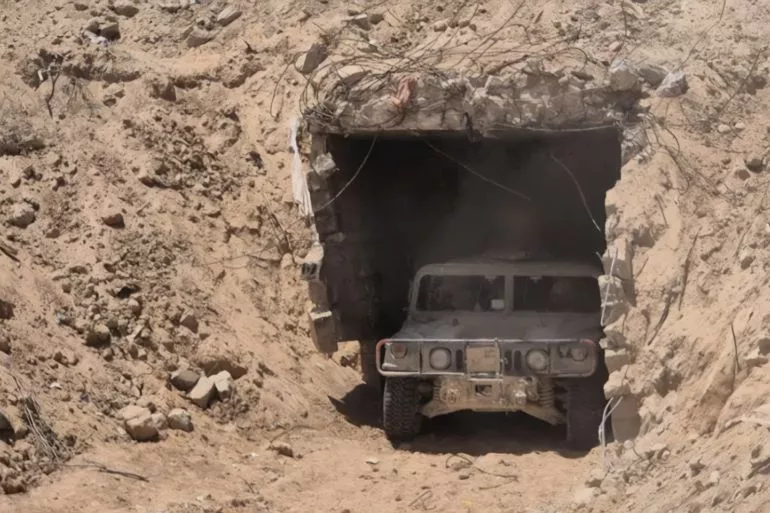
The campaign began with the deliberate release of a photo by the Israeli military on August 14, claiming to show a massive, multi-story Palestinian resistance tunnel in Rafah. Described as a major discovery, it was said to be tens of meters deep and three floors high.

But Yoav Gallant, who resigned from the Knesset in January after being dismissed from the Defense Ministry, debunked the claim on Israeli broadcaster Kan. He admitted that what was found was a shallow trench just one meter deep—nothing more than a stormwater drain.
نون بوست
A photo published by the Israeli army of a massive tunnel that does not actually exist beneath the Philadelphia Corridor.

His confession revealed a broader strategy: fabricating stories about tunnels to suggest weapons were being smuggled from Egypt, thereby justifying continued Israeli control over the Philadelphia Corridor and stalling a prisoner exchange deal with Hamas.

The Paramedics Massacre: An Anatomy of Deceit

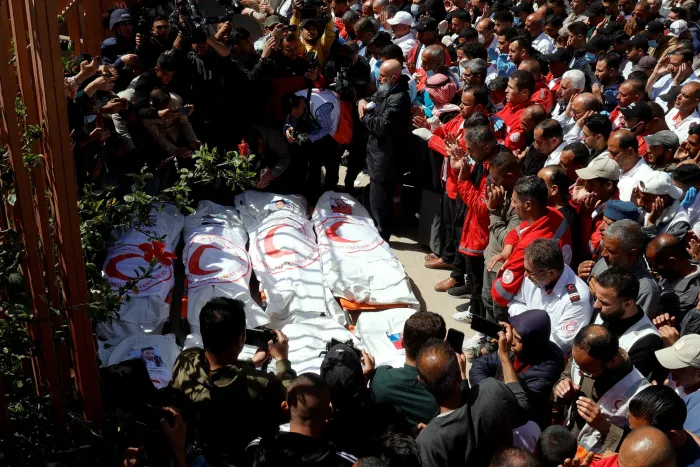
Gallant’s revelation was just one in a string of exposed lies. Another came with the killing of 15 Palestinian civil defense and Red Crescent paramedics on March 23 in Rafah’s Tel al-Sultan neighborhood, known now as the “Paramedics Massacre.”

The Israeli narrative claimed the convoy included Hamas members and that ambulances lacked lights, sirens, or protected uniforms—allegedly giving soldiers grounds to open fire.

But video evidence published by The New York Times, recorded by a medic before his death, disproved these claims. The Israeli army was forced to retract its account and reopen an investigation, blaming “false testimonies” by soldiers.

Even the internal investigation was riddled with half-truths: the army admitted “professional failures,” denied executing medical crews, and dismissed evidence of handcuffed victims with gunshot wounds to the head and chest.
نون بوست
The funeral procession of Palestinian Civil Defense and Red Crescent personnel deliberately killed by the Israeli army.

Israeli media told a different story. Haaretz reported that Israeli forces fired on the ambulances at point-blank range for over three minutes, repeatedly reloading, even as paramedics attempted to identify themselves.

Some bodies were found in a mass grave. The army’s internal probe appeared more about managing PR than uncovering the truth.

This mirrored earlier incidents: in February 2024, Israel blamed stampedes for the “Flour Massacre” on al-Rashid Street, only to later admit to shooting into the crowd. In April, it assassinated seven World Central Kitchen aid workers, then chalked it up to an “operational mistake.”

The Human Shield Myth

In October 2023, the Israeli army circulated a video claiming Hamas leader Yahya Sinwar hid in a tunnel with his family ahead of Operation Al-Aqsa Flood, abandoning civilians and using them as human shields.

The truth, however, was far different. Sinwar ultimately fought above ground, leading resistance operations until his death.

While Israel brands its military as “the most moral army in the world,” evidence shows it has used Palestinian civilians as human shields: forcing detainees to wear IDF uniforms, clear rubble with bare hands, and enter suspect buildings.

The Israeli military eventually admitted to violating humanitarian law and pledged an investigation—claims that echo its documented use of human shields during the Second Intifada.

False Assassinations

On December 3, 2023, Israel claimed to have killed Haitham al-Hawajri, commander of the al-Shati Battalion, sharing his photo and declaring his battalion destroyed. But in February 2024, Hawajri appeared alive, escorting an Israeli hostage handover to the Red Cross and later attending a funeral for fallen resistance fighters.

Similarly, in May 2024, Israel said it had killed Hussein Fayyad, commander of the Beit Hanoun Battalion, during a tunnel strike in Jabalia. But in January, he was seen alive at the site where Israeli soldiers were killed. Again, the military blamed “faulty intelligence.”

Fabricated Narratives in Gaza Hospitals

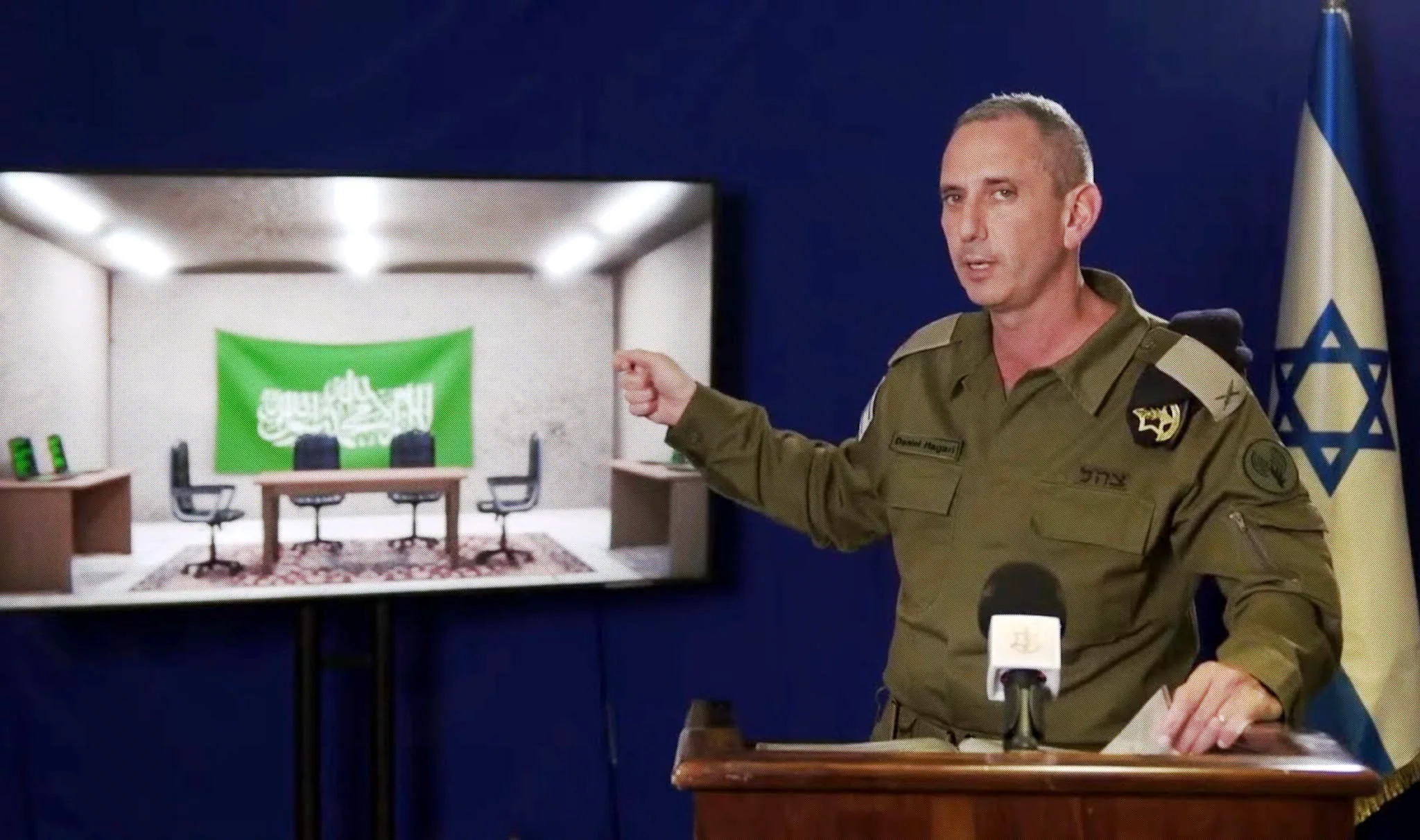
On Day 20 of the war, IDF spokesperson Daniel Hagari stood in front of a map, claiming Hamas operated from underneath al-Shifa Hospital. Fifteen days later, Israeli forces stormed the hospital, evacuated it, and called it a triumph.

But critics say the operation was about stopping doctors from counting casualties and forcing Gazans to flee.

A now-deleted video from army spokesman Jonathan Conricus showed weapons “discovered” in an MRI room, along with a laptop allegedly showing an Israeli hostage. The video was edited and reuploaded within an hour, with key elements removed.

CNN and BBC journalists later entered al-Shifa under Israeli escort and found no conclusive evidence. CNN noted inconsistencies in weapon placement. BBC said they weren’t allowed to interview anyone.

Israeli analyst Yossi Melman dismissed the claims: “No command center, no hostages, no Hamas leadership.”

The IDF later claimed it had discovered a tunnel—again debunked by a Palestinian engineer who showed it was an ordinary conduit for power cables.

Similar falsehoods were pushed about al-Rantisi Hospital and the al-Ahli Arab Hospital massacre. In the latter case, Israel claimed a misfired Islamic Jihad rocket caused the carnage. President Biden repeated the claim—despite mounting evidence to the contrary.

Visual forensics revealed a blast consistent with Israeli airstrikes. Activists cited The Wall Street Journal, reporting that an MK-84 bomb—recently supplied by the U.S.—was likely used.

Videos cited by Israeli accounts as proof turned out to be years old. One tweet by Netanyahu’s digital spokesperson openly admitted Israel had struck the hospital—only to be deleted and replaced with a denial.

The World Health Organization confirmed that al-Ahli was among 20 hospitals ordered to evacuate. A hospital doctor said plainly: “Israel threatened to bomb hospitals—and then did.”

Lies the West Wants to Believe

In the fog of war, Israel pushed some of its most extreme falsehoods. Claims that Hamas beheaded 40 babies and raped women spread across Western media, adopted by leaders including President Biden.

But no evidence ever emerged. The “beheading” claim was traced to a single settler. Journalists and military officials eventually admitted the stories couldn’t be verified.

CNN’s Sara Sidner, who reported the beheading allegation, later apologized: “I wasn’t accurate. I didn’t verify properly.” Even Biden’s administration walked back his statements, saying he had merely “heard” them from Israelis.

The IDF itself later admitted it had found no evidence of rape during the October 7 attacks.

A Culture of Deception

It’s no surprise that an army committing mass atrocities would also lie. But as journalist Jonathan Cook points out, the difference with Israel is that deceit isn’t a tactic—it’s foundational to a colonial regime that began with the myth of “a land without a people.”

That myth enabled mass expulsions and continues to sustain an apartheid reality.

Today, media complicity allows Israeli lies to flourish—even as they are repeatedly disproven. The goal isn’t truth; it’s to win the narrative war, especially after failing to achieve victory on the ground.

But Israel’s disinformation machine increasingly looks amateurish—just like its intelligence failures before October 7.

Download this article as PDF
Share this Article
Facebook Twitter Whatsapp Whatsapp Telegram Email Copy Link
إسراء سيد
By إسراء سيد صحفية وباحثة في مجال الإعلام السياسي
Follow:
Previous Article نون بوست “The Times of Israel”: The Zionist Narrative Reoccupying the Arab Imagination
Next Article نون بوست Militarizing Religious Discourse: Is This What Sisi Means by “Renewal”?

Read More

  • U.S. Regime‑Change Policies: Why They Are Destined to Fail U.S. Regime‑Change Policies: Why They Are Destined to Fail
  • The Gulf’s Balancing Act: Iran, Israel, and Hidden Links
  • Iraq–Turkey Oil Export Treaty: Why Did Ankara Cancel It After 52 Years?
  • Syria’s Northeast on Edge: QSD Between Ankara and Damascus
  • Has Europe Changed Its Stance on Israel… or Just Its Language?
part of the design
NoonPost Weekly Newsletter

You May Also Like

U.S. Regime‑Change Policies: Why They Are Destined to Fail

U.S. Regime‑Change Policies: Why They Are Destined to Fail

إسراء سيد Esraa sayed 8 April ,2026
The Gulf’s Balancing Act: Iran, Israel, and Hidden Links

The Gulf’s Balancing Act: Iran, Israel, and Hidden Links

فريق التحرير Noon Post 8 April ,2026
Iraq–Turkey Oil Export Treaty: Why Did Ankara Cancel It After 52 Years?

Iraq–Turkey Oil Export Treaty: Why Did Ankara Cancel It After 52 Years?

فريق التحرير Noon Post 8 April ,2026

8 طرق للتعامل مع الأفكار السلبية عند الأطفال

ريني جين
ريني جين Published 4 April ,2016
Share
الإمارات تضاعف معاناة أطفال ليبيا

ترجمة حفصة جودة

“لا تقلق، كن سعيدًا”.

“لقد كبرت، لا تبك”.

“تظاهر بأنها غير حقيقية حتى تصبح غير حقيقية حقًا”

منذ الصغر، تعلمنا التعامل مع المشاعر والأفكار السلبية عن طريق سحقها أو تحويلها لشيء أكثر إيجابية، وللأسف، كثير من تلك الجهود كانت تؤدي إلى تجنب المشاعر الصعبة.

عندما نحاول أن نتجنب جزءًا من طبيعة الحالة الإنسانية مثل (الحزن، الألم، الغيرة، الغضب، وغيرهم) فهذا لا يجعل تلك المشاعر تختفي، وبدلاً من ذلك، نفقد الرسائل التي ستصلنا من تلك المشاعر، ويصبح التجاهل محدِّد حياتنا العاطفية.

ما الذي يمكن أن نفعله بدلاً من ذلك؟ لنعلم أطفالنا التعايش مع مشاعرهم السلبية المزعجة والاستماع إلى رسائلها الهامة، فبدلاً من تغيير عواطفهم، يجب أن يتعلم الأطفال تغيير علاقتهم مع تلك المشاعر، إليكم 8 طرق للقيام بذلك:

تخيل أن هذه الأفكار مثل القطارات

تصوّر أن هذه الأفكار تأتي وتذهب، عندما يكون لديك مشاعر وأفكار سلبية، تصور أنها تأتي من محطة ما في عقلك، وعندما تتوقف، قد تشعر بأحاسيس مختلفة في جسدك بأكمله، وفي بعض الأحيان هذه المشاعر تُشعرك بالانزعاج، لكنها مثل القطار، تتحرك مرة أخرى.

صافح أفكارك

تخيّل أنه يتم تقديمك لمئات الأشخاص، كل شخص يمثل فكرة سواء كانت إيجابية أو سلبية، وكل فكرة ترغب في أن تخبرك اسمها، لكن لا شيء من هذه الأفكار سيدوم طويلاً.

تخيل أنك واقف هناك، تصافح هؤلاء الناس، دعهم يقولون أسماءهم وقل لهم “تشرفت بمقابلتك” ثم اسمح لهم بالذهاب، إذا أرادت إحدى الأفكار أن تعود وتصافحك مرة أخرى أخبرها أنك ستتحدث معها لاحقًا، ولكن يجب أن تلتقي بالبقية أولاً.

اظبط جهاز التوقيت

الأفكار والمشاعر السلبية تشعرنا بالانزعاج، لكن يمكننا أن نتعلم التسامح مع هذا الألم لمدة قصيرة، اظبط المؤقت على دقيقة واحدة، وتخيل أنك تمسك ببالون الفكر أو العاطفة في يدك، انظر إليه من جميع الجوانب وقم بدراسته عن كثب.

اكتب مشاعرك

عبر عن مشاعرك وأفكارك في دفتر خاص بك، ويمكن أن نطلق عليه “جريدة المشاعر”.

اعط لأفكارك وزنًا وبُعدًا (كأنها شيء ملموس)

تصور أن الفكرة السلبية شيئًا تمسكه بيديك، جرب أن تزنها، أن تفكر كيف تشعر وكيف تبدو، وهل يمكنها القفز؟ كيف ستبدو لو قمت بإسقاطها، ما لونها؟

امنح أفكارك صوتًا صغيرًا

تخيل أن شعورًا مثل الحزن عبارة عن مخلوق صغير له صوت رقيق جدًا ويحاول أن يخبرك شيئًا ما، يجب أن تكون هادئًا جدًا جدًا لتستمع لما يقوله وتكرره مرة أخرى.

تصور أن أفكارك مثل الغيوم

بعض هذه الأفكار رقيقة وعالية، وبعضها قاتمة ومنخفضة، وبعضها تمطر فوق رأسك، لكنها جميعًا تتحرك باستمرار، قم بتحديد أي هذه الأفكار قاتمة ومنخفضة، وأيها رقية وعالية، وأيها منتفخة وبيضاء.

اجلس وتنفس مشاعرك

اغمض عينيك واستكشف الإحساس الجسدي لمشاعرك، إذا وجدتها في صدرك، على سبيل المثال، فقم بالتنفس واخرجها من صدرك.

المصدر: هافنغتون بوست

TAGGED: الأطفال ، الأفكار ، الأفكار السلبية ، المشاعر السلبية
TAGGED: الأسرة والطفل
Download this article as PDF
Share this Article
Facebook Twitter Whatsapp Whatsapp Telegram Email Copy Link
ريني جين
By ريني جين مدربة حياة، حاصلة على الماجستير في علم النفس الإيجابي التطبيقي
Follow:
Next Article نون بوست The Stigma of “ISIS”: A Heavy Legacy Haunting Women and Children of Former Members

Read More

  • U.S. Regime‑Change Policies: Why They Are Destined to Fail U.S. Regime‑Change Policies: Why They Are Destined to Fail
  • The Gulf’s Balancing Act: Iran, Israel, and Hidden Links
  • Iraq–Turkey Oil Export Treaty: Why Did Ankara Cancel It After 52 Years?
  • Syria’s Northeast on Edge: QSD Between Ankara and Damascus
  • Has Europe Changed Its Stance on Israel… or Just Its Language?
part of the design
NoonPost Weekly Newsletter
dark

An independent media platform founded in 2013, rooted in slow journalism, producing in-depth reports, analysis, and multimedia content to offer deeper perspectives on the news, led by a diverse young team from several Arab countries.

  • Politics
  • Society
  • Rights & Liberties
  • Opinions
  • History
  • Sports
  • Education
  • Technology
  • Economy
  • Media
  • Arts & Literature
  • Entrepreneurship
  • Travel
  • Cinema & Drama
  • Food
  • Health
  • Culture
  • Latest Reports
  • Files
  • Long Reads
  • Interviews
  • Podcast
  • Interactive
  • Encyclopedia
  • In Pictures
  • About Us
  • Our Writers
  • Write for Us
  • Editorial Policy
  • Advanced Search
Some rights reserved under a Creative Commons license

Removed from favorites

Undo
Go to mobile version