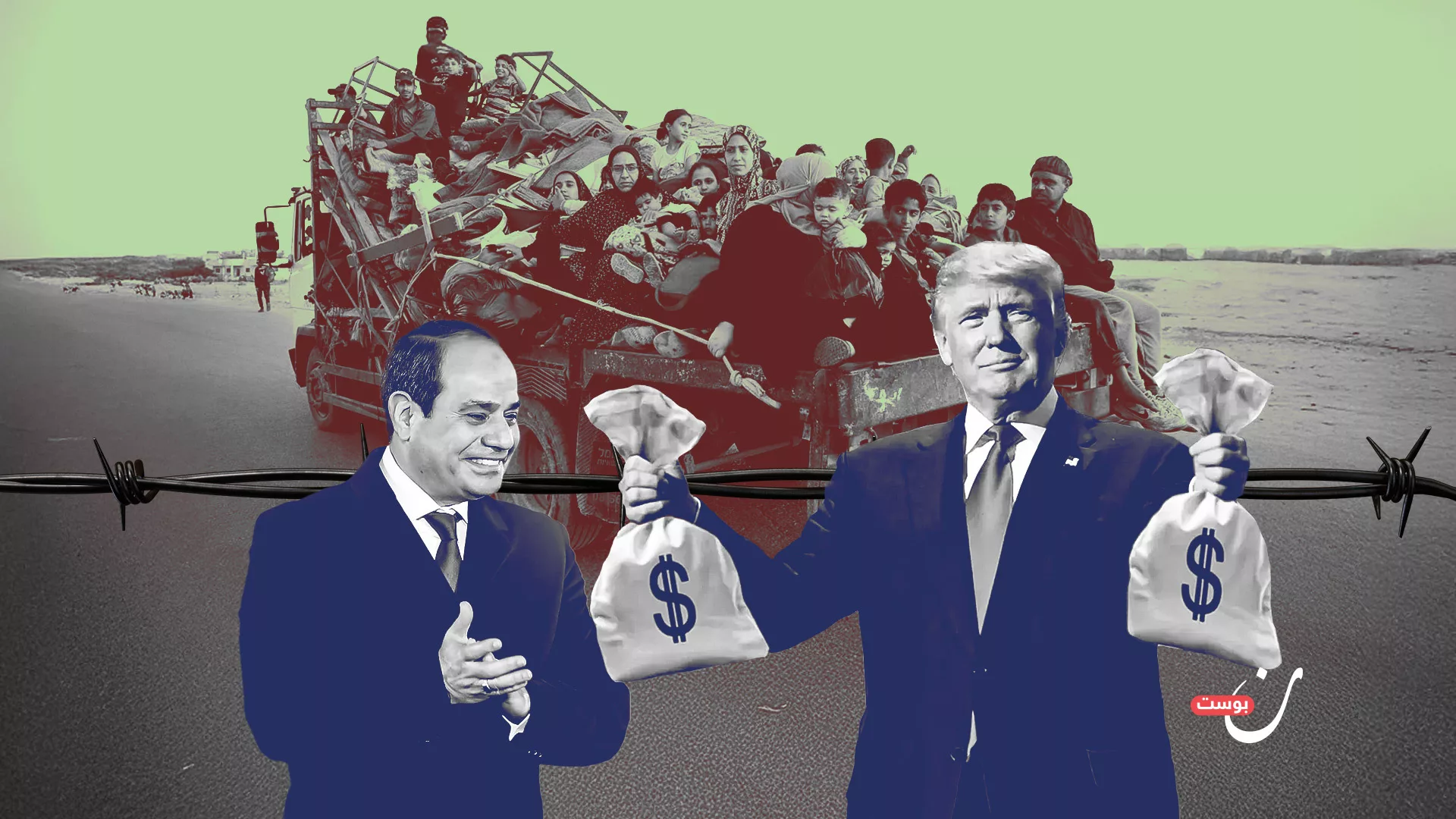
At the end of January, in a televised address attended by a wide array of media outlets, Egyptian President Abdel Fattah el-Sisi delivered a historic speech that stirred public sentiment. With resolute body language and eloquent delivery, he unequivocally rejected any external schemes to engineer demographic change in Gaza following the completion of a prisoner exchange deal between Hamas and Israel.
Sisi defended the Palestinian right to establish an independent state along the June 4, 1967 borders with East Jerusalem as its capital, coexisting alongside Israel. He invoked the poignant image of displaced Gazans rushing back to the ruins of their northern homes the moment a ceasefire was declared—highlighting the deep-rooted bond between Palestinians and their land.
He reminded listeners of the “historic injustice” endured by Palestinians, stressing Egypt’s refusal to take part in a new chapter of suffering for a people already devastated by more than 70 years of displacement. His position resonated with Egyptian and regional public opinion, which has long stood firmly with the Palestinian cause.
Subsequently, Egypt’s Foreign Ministry issued a series of eloquent statements echoing the president’s stance, adapting to developments on the ground. These declarations earned Sisi rare praise from significant segments of the Egyptian public, who—for perhaps the first time—felt he was speaking their language and upholding their values.
This stance inspired such nationalistic fervor that some elites and opposition figures called for setting aside political differences to unite behind the government in resisting what they described as the “American-Israeli alliance” hostile to Egyptian interests.
Yet, despite the emotional resonance of this rare alignment between public opinion and state power—defending a moral cause against an arrogant external adversary—a sober analysis of reality, free from propaganda and rhetorical flourish, might not lead to the same conclusion.
Learned Helplessness
During Israel’s brutal campaign on Gaza—backed by unprecedented U.S. military and intelligence support—following the October 7 attack, Egypt’s official response was marked by what political psychologists would term “learned helplessness.”
This term refers to a paradoxical state where an actor, despite having the means and justification to act decisively, deliberately chooses to appear powerless.
In Egypt’s case, this manifested in the state’s early and persistent compliance with Israeli demands, even as Gaza—a densely populated strip with deep historical, geographical, and religious ties to Egypt—was subjected to medieval-style annihilation using modern weaponry.
Rather than leveraging Egypt’s regional clout to rein in Israel’s assault and opening the Rafah border crossing fully for humanitarian aid, Cairo capitulated to threats that aid convoys would be bombed if they bypassed Israeli logistical restrictions.
According to Israel’s Channel 12, the Israeli government informed Egypt that any aid or commercial movement through Rafah would be subject to Israeli approval and warned of airstrikes on non-compliant convoys. This effectively throttled the flow of aid to Gaza throughout the war.
A telling illustration of Egypt’s self-imposed paralysis came when Egyptian Health Minister Khaled Abdel Ghaffar, without shame, explained the state’s failure to admit large numbers of wounded Palestinians by citing Israeli-imposed limitations.
President Sisi himself openly admitted that Israeli airstrikes on the Palestinian side of Rafah—at least four times—had halved the volume of Egyptian aid trucks entering Gaza.
He argued that the misery endured in Gaza should serve as a lesson for Egyptians to temper their social and economic demands, suggesting that Egyptians should be grateful they are not in Gaza’s position.
Egypt’s sovereign authorities also failed to protest when Israeli and Western military aircraft—some from Italy—conducted surveillance missions over Gaza using Egyptian airspace.
A 2024 investigative report by Arabic Post, based on open-source flight tracking data, revealed that an Israeli Air Force Boeing 707 spy plane violated Egyptian airspace more than 100 times over four months, flying up to 172 kilometers into the Sinai.
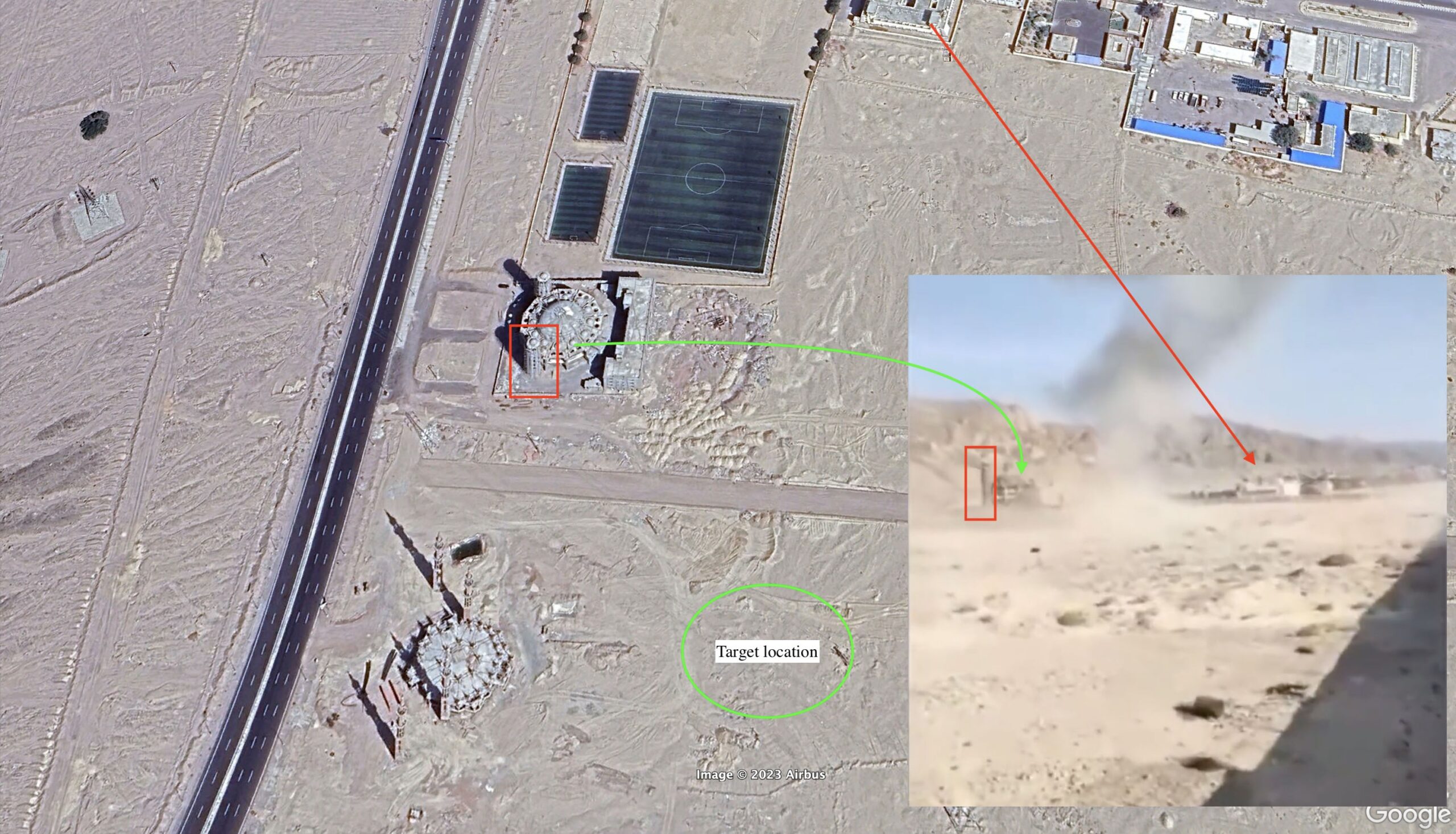
Such docility seemed to embolden Israeli aggressions—not only against Palestinians in Gaza but also toward Egyptian sovereignty. This culminated in May 2024 when Israel expanded its ground operation into Rafah, obliterating the Palestinian side of the Rafah crossing, effectively shutting it down from the Egyptian side as well.
Israeli forces then occupied the Salah al-Din corridor—known as the Philadelphi Route—violating the 2005 agreements, with their firepower spilling over into Egyptian Rafah, killing Egyptian soldiers. In a moment that captured this audacity, Netanyahu posed triumphantly near the Egyptian border, legs crossed, flanked by his military.
Egyptian academic Mahmoud Hadhoud wrote at the time that Israel had succeeded in severing Cairo’s historic influence in Gaza—at least temporarily—calling for an immediate, forceful Egyptian response, including severing diplomatic and economic ties. But no such response came.
Complicity in Genocide?
“Egyptians will not forget who stood with them and who stood against them,” Sisi declared during his 2014 presidential campaign when asked about Hamas.
According to Yehuda Balanga of Bar Ilan University, writing in Maariv during the 2014 Gaza war, “Sisi wants Hamas to fall. Egypt under him, unlike under Mubarak or Morsi, has cracked down harshly on Gaza’s Muslim Brotherhood, cutting off weapons routes by destroying tunnels.”
In Bob Woodward’s book The War, released amid the 2023 Gaza conflict, Sisi reportedly told U.S. Secretary of State Antony Blinken that his main concern was maintaining peace with Israel and preventing Rafah from becoming a gateway for “agitators” targeting Israel from Egyptian soil.
It seems that what encouraged Donald Trump to propose his Gaza displacement plan wasn’t just Egypt’s non-confrontational stance, regardless of the cost to its strategic interests. It was also Cairo’s continued efforts to nourish its economic ties with Israel even during the height of the war.

Under Sisi, Egypt did not merely endure Israeli violations—it elevated bilateral economic and political relations to levels surpassing even pre-war norms.
This is borne out by shipping records, trade figures, and investigative reports covering the 15 months of war: trade between Egypt’s northern ports—Arish, Port Said, Damietta, and Alexandria—and Israeli ports like Ashdod and Haifa flourished, particularly in foodstuffs. One Tel Aviv-based firm, Opal Gozy Ltd., imported 57 food products from five Egyptian brands during the conflict.
Some may argue that these were private deals, detached from state policy. Yet these shipments cleared Egyptian ports under governmental supervision, while Cairo maintained full diplomatic and trade ties with Tel Aviv during a genocidal war.
More significantly, Egypt’s government itself ramped up energy imports from Israel during the war. In October 2024, Cairo signed a deal to boost its Israeli gas imports by nearly 20 percent, reaching over 1 billion cubic feet per day by November—strengthening Israel’s dollar reserves.
Military collaboration also deepened. Israeli surveillance aircraft flew over Sinai. In October 2024, Egypt’s military pier at Alexandria received the Catherine MV, a German-flagged ship carrying 150 tons of explosives destined for Israel—after being rejected by several European and African ports.
Selling the Sacred for Dollars
“I swear by God, if I could be sold, I’d sell myself,” Sisi once said at a youth forum in 2016, describing how everything—even the presidency—could be put up for sale if it would help Egypt survive economically.
He has repeatedly emphasized that anyone wanting influence in Egypt must foot the bill for its massive state expenditures, estimated at $100 billion annually.
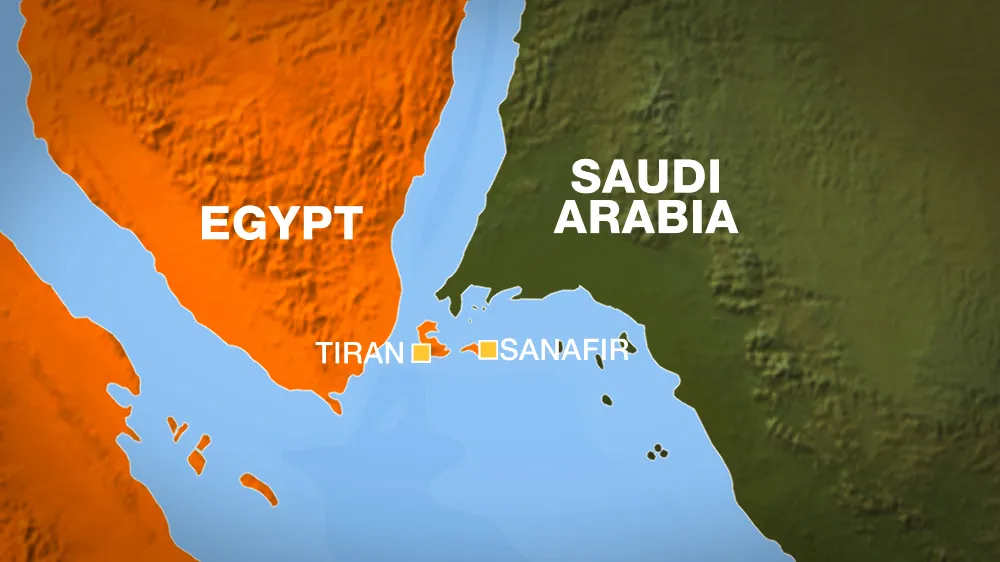
That ethos of financial desperation has defined Sisi’s decade in power. In 2016, Egypt handed over sovereignty of the strategic Red Sea islands of Tiran and Sanafir to Saudi Arabia in exchange for aid. In 2023, it sold the 185-million-square-meter Ras al-Hekma Mediterranean strip to the UAE for $30 billion.
This extractive, “disaster capitalism” approach has shaped Cairo’s response to the Gaza war. Egypt profited not only from maritime trade with Israel but also from the suffering of fleeing Gazans.
“Hala,” a company owned by Ibrahim al-Arjani—head of the Sinai Tribal Union and a close Sisi ally—charged affluent Gazans $5,000 per person to enter Egypt, cash upfront, no paperwork. A Sky News investigation found that Hala earned $2 million in one day from 246 crossings. Al-Argani later claimed this was for VIP services.
Roughly 200,000 Gazans reportedly used Hala’s services to flee, according to Palestine’s ambassador to Cairo.
In March 2024, Egypt secured over €7 billion in EU aid for curbing irregular migration—some of it tied to hosting refugees from Gaza.
The takeaway: Egypt profits doubly—first from elite smuggling through Hala, and then from Western cash for containing displacement.
Naturally, it strains credulity to suggest that a regime willing to relinquish sovereignty over strategic national territories in exchange for urgent financial rescue packages would now stand firm in defending what, to many, remains “a neighbor’s land.”
This reality has not gone unnoticed in Washington. For Donald Trump—a man notorious for exploiting financial vulnerabilities to secure political deals—Egypt’s economic desperation and proven willingness to compromise sovereignty present a historic opportunity.
There is precedent. In the aftermath of the Camp David Accords, under President Mubarak, Egypt joined the U.S.-led coalition to liberate Kuwait in 1991 in exchange for debt relief, during a financial crisis that threatened state stability.

Today, Trump’s camp is reportedly considering similar leverage. Reports suggest discussions of using military aid as a bargaining chip to pressure Cairo into greenlighting a resettlement plan for Gaza, in exchange for massive debt forgiveness. With Egypt’s foreign debt reaching $155 billion—even by conservative estimates—the conditions are ripe for a repeat of history.
The Erasure of Egyptian Rafah
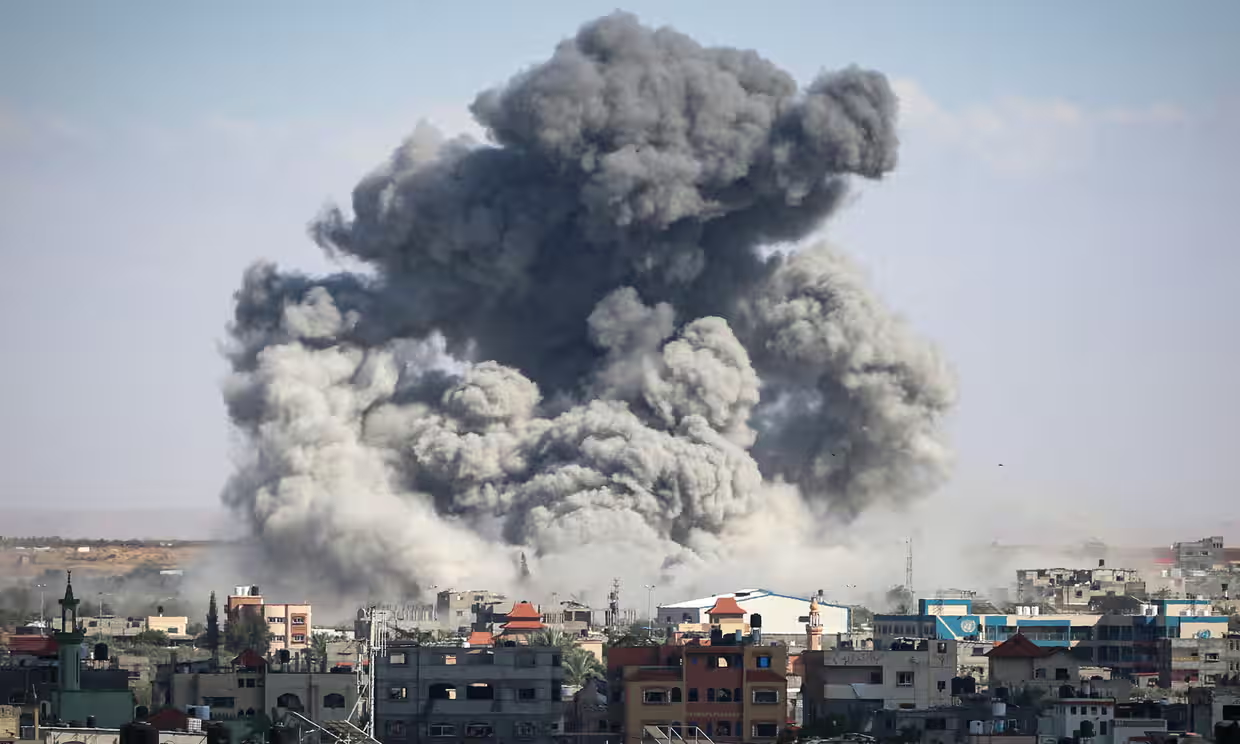
Media outlets and social platforms have broadcast the near-total devastation of Rafah on the Palestinian side, following the Israeli ground incursion in May 2024. The city has been all but wiped from the map.
Yet what has received far less attention is the earlier erasure of Rafah on the Egyptian side of the border—under the guise of Egypt’s “war on terror” in Sinai, which lasted from 2013 to 2021.
This erasure took the form of forced displacement at gunpoint, demolition of homes, logistical blockades, and the construction of militarized zones—fortified with barriers, checkpoints, prisons, and restricted mobility. It erased the city’s original identity under the pretense of protecting civilians, simplifying the geography for military operations.
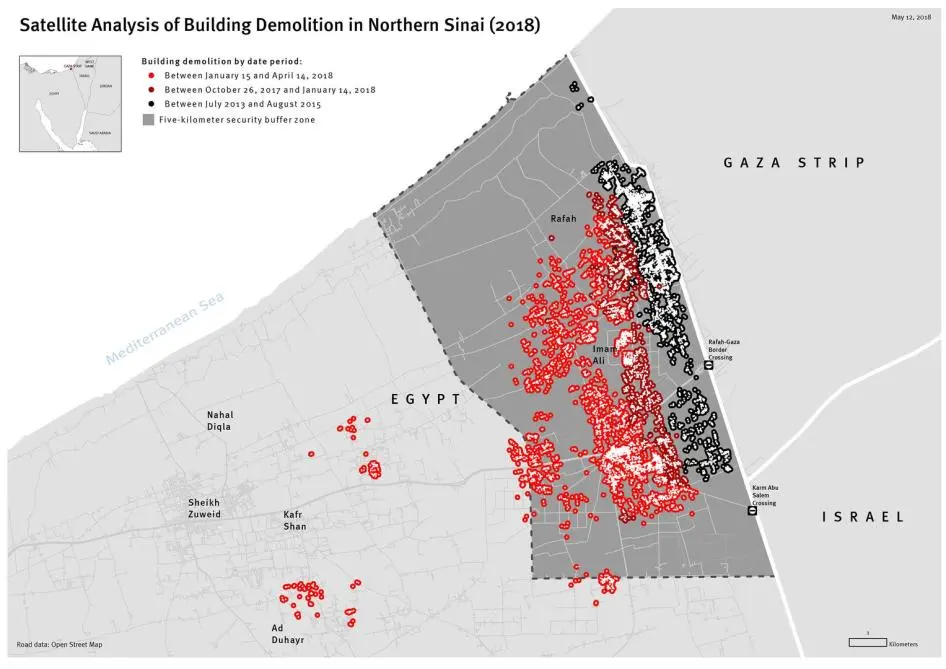
According to Sinai for Human Rights, the Egyptian government carried out two large-scale demographic engineering campaigns in North Sinai. The first, in 2014, displaced nearly 100,000 Rafah residents across 80 square kilometers—approximately a quarter of Gaza’s size.
The second took place in 2021, after active combat operations had subsided. Framed as a security-investment initiative, it expanded the buffer zone to 2,655 square kilometers under Presidential Decree No. 421.
Human Rights Watch documented that, between late 2013 and mid-2020, Egyptian security forces demolished at least 12,500 homes and razed 4,300 acres of farmland—even before the buffer zone’s official expansion.
These campaigns were accompanied by economic displacement. In places like Arish and its airport, civilian economic activity was banned, and valuable properties were seized by the military without compensation or the possibility of return.
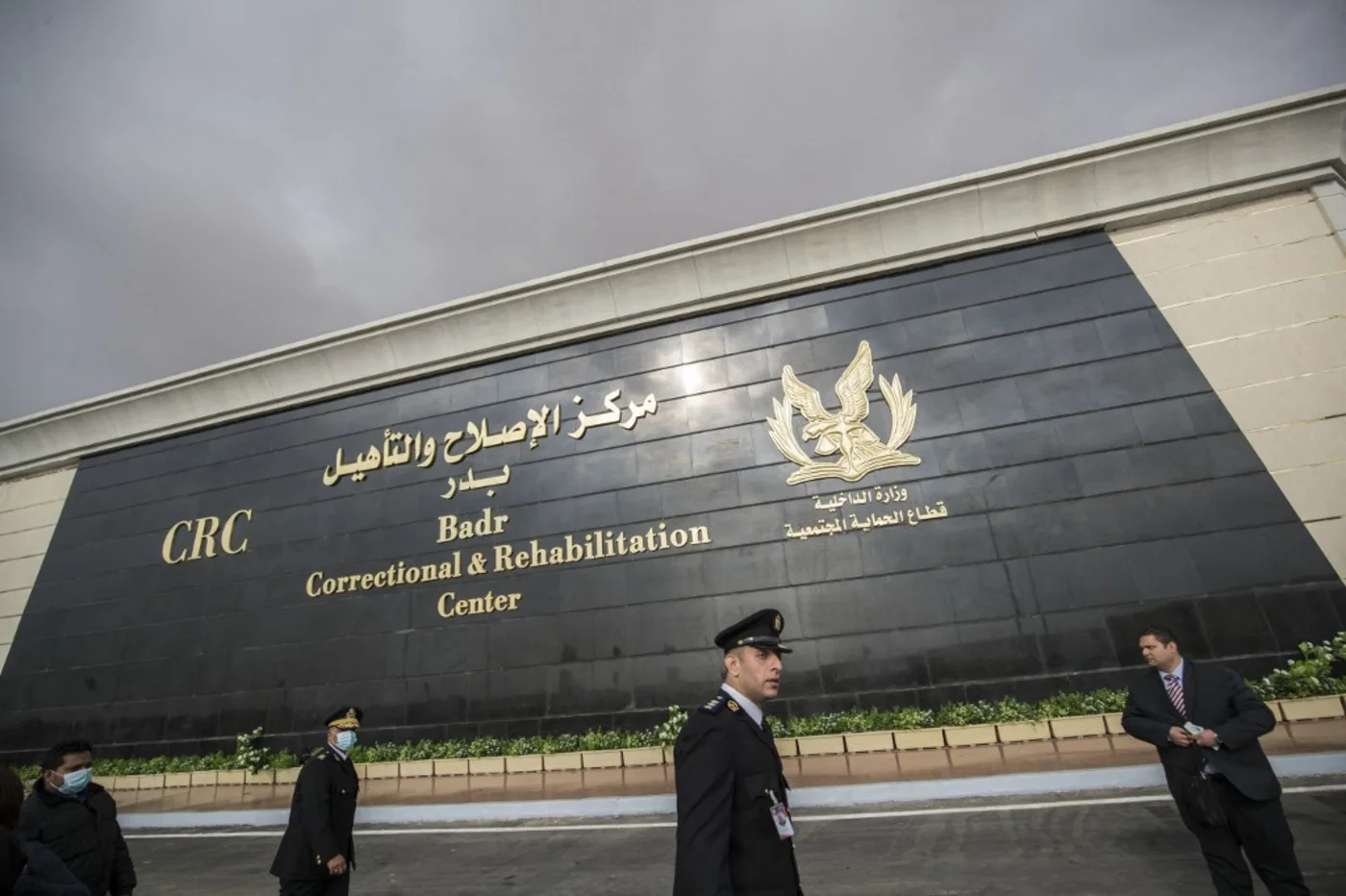
The recently constructed Gefgafa prison in North Sinai, built by the Armed Forces Engineering Authority, covers 6 square kilometers and holds 20,000 inmates—equivalent to the population of the town of al-Hasana, where it’s located. It stands as a stark example of the militarization of border cities, despite the end of insurgent activity.
Residents have been denied the right to return, with military trials and long prison sentences handed to community leaders who protested their forced displacement. Most of the region’s valuable economic assets—including Arish Port, Arish Airport, Lake Bardawil, and tens of thousands of fertile acres—have since been transferred to military-affiliated entities like the “Future of Egypt” authority and the National Service Projects Organization.
Given this, it would be naive to separate what happened in Egyptian Rafah from the demographic restructuring of Palestinian Rafah. The connection is not only one of strategic inspiration but of legitimization. When critics decry the immorality of forced displacement, proponents can simply cite Egypt’s own “counterterrorism” rationale for similar actions—recasting the narrative in terms of national security and civilian protection.
Trump’s Leverage Over “His Favorite Dictator”
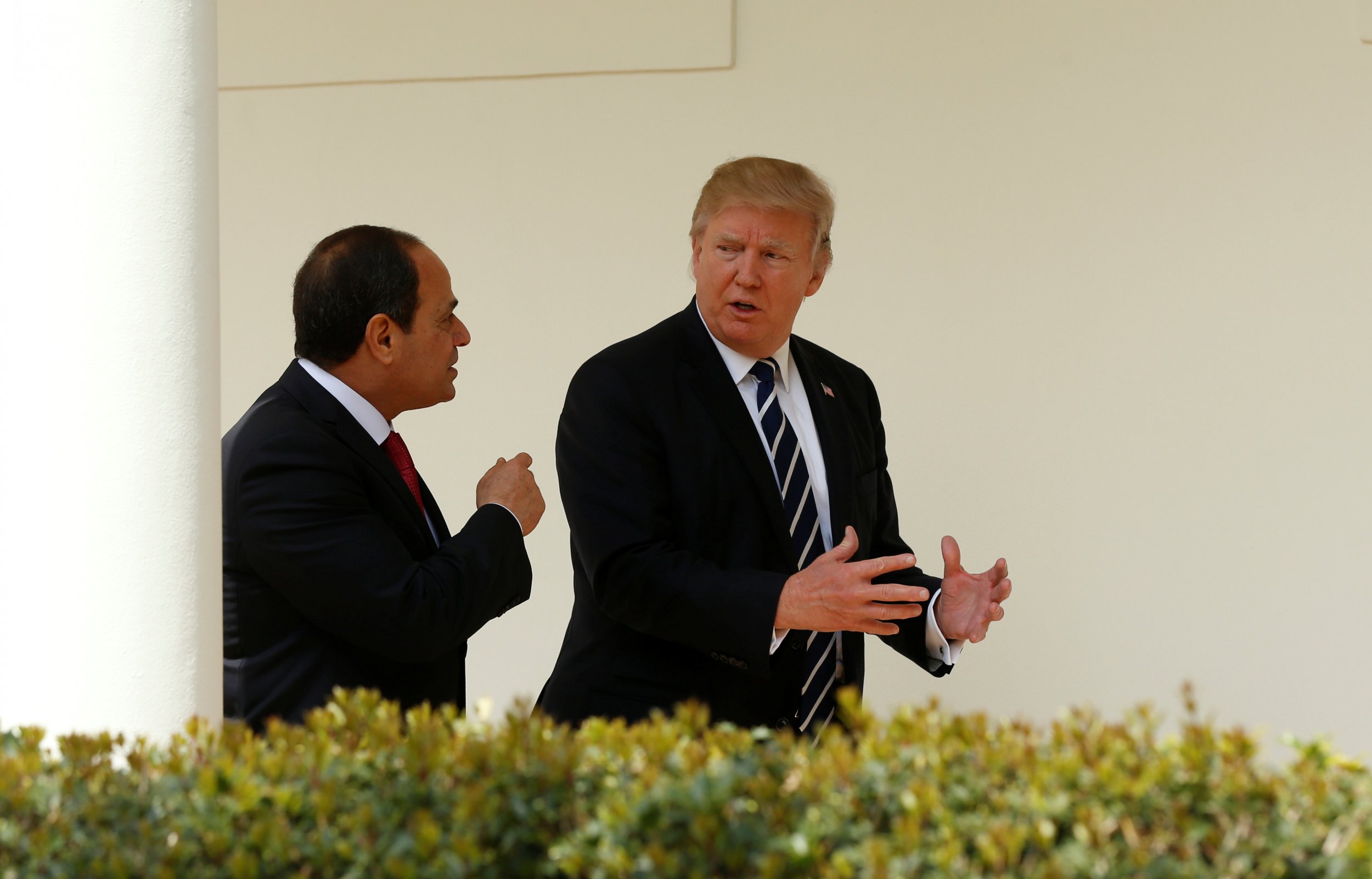
“In the Deal of the Century, I’ll be a strong supporter of President Trump’s vision,” Sisi declared during a press conference alongside Trump in his first presidential term.
Trump has always prided himself on cultivating “personal relationships” with world leaders to advance his agenda. It’s a plausible explanation for the confidence he expressed in persuading both the Egyptian president and Jordan’s king to support a reconfiguration of Gaza along economic and security lines.
There’s also precedent for coordinated deception. After the U.S. recognized Jerusalem as Israel’s capital and moved its embassy, Egypt’s official response was fierce. But leaked recordings later revealed intelligence officers instructing Egyptian media figures to downplay the announcement, indicating that Cairo’s outrage was performative—aimed at placating domestic anger without jeopardizing relations with Washington.
Trump himself joked at a rally that Arab leaders issued scathing statements about the embassy move, only to soften dramatically in private phone calls with him.
A 2022 Washington Post investigation revealed that Sisi had allegedly funded Trump’s 2016 campaign with $10 million, delivered in cash shortly before the election. The transaction reportedly occurred during a private meeting between the two men.
Moreover, Sisi is reported to have offered Palestinian Authority President Mahmoud Abbas a proposal to resolve the Palestinian issue permanently by expanding Gaza into northern Sinai—allocating 1,600 square kilometers for a demilitarized Palestinian state. This claim was made by Israeli general Aryeh Eldad in a 2017 piece for Maariv.
The Hollowing Out of Civil Society
Even if one assumes good faith behind Egypt’s public rejection of displacement plans, the state faces a critical problem of its own making: a complete loss of credibility among its citizens. Years of authoritarian governance have eroded the regime’s ability to mobilize society, leaving it ill-equipped to resist foreign pressure.
In the past three years, Sisi has repeatedly tried to rally public support—whether through direct appeals, patriotic campaigns, logistical inducements, or veiled threats. The results have been embarrassingly underwhelming.
During the December 2023 presidential election, a state-orchestrated show of support in Matrouh Province turned into an anti-regime protest, with crowds chanting against military rule and tearing down campaign posters.
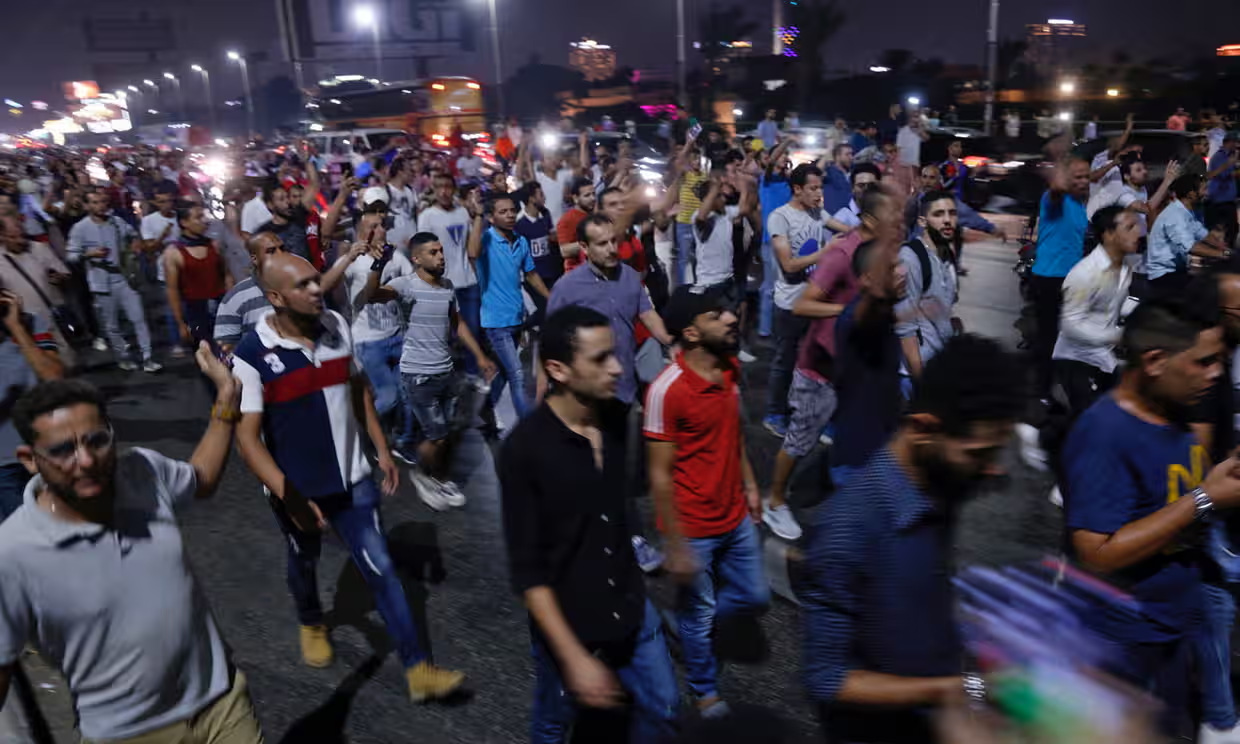
Sisi failed to secure meaningful public backing in the wake of the October 7 attacks. After meeting German Chancellor Olaf Scholz, he implicitly sought a popular mandate to resist external pressure—only to be met with public apathy.
Even a staged rally at the Rafah crossing, meant to demonstrate national opposition to Trump’s Gaza proposal, was lackluster. The crowd consisted mostly of regime-affiliated party members and members of the pro-Sisi Sinai Tribal Union. Their numbers were thin, their impact negligible.
Pro-regime media personality Ibrahim Eissa criticized these orchestrated efforts, noting that such hollow displays lack political weight—especially since U.S. observers are well aware of how they’re manufactured. Buses of civil servants and paid attendees lured by free meals and leave days do not impress policymakers in Washington.
A Willingness to Compromise?
Publicly, Sisi insists that Egypt opposes the displacement of Palestinians and remains committed to the historic constants of the Palestinian cause: a two-state solution based on the 1967 borders with East Jerusalem as the Palestinian capital.
He has repeated this line in international forums, including before the UN General Assembly.
Yet behind this seemingly firm stance lies a troubling list of concessions—all of which undermine the very statehood Egypt claims to support:
-
Promoting a demilitarized Palestinian state – undermining the very concept of sovereignty in modern international law, especially given Israel’s nuclear capabilities and expansionist ambitions.
-
Endorsing displacement in principle – even suggesting Palestinians be relocated to Israel’s Negev desert during the war. While technically still within historic Palestine, this proposal marked a dangerous precedent.
-
Framing statehood as a counter-extremism tool – pitching a Palestinian state to Israel as a means to eradicate Islamist ideology, aligning with Israel’s own interests.
-
Acquiescing to Jerusalem’s fate – accepting, behind closed doors, the U.S. decision to recognize a unified Jerusalem as Israel’s capital.
-
Offering parts of Sinai for Palestinian relocation – not just during Trump’s first term, but even earlier, during the Obama years, according to Israeli military intelligence officer Moti David in 2016.
Sisi has even suggested sending Egyptian troops to serve as peacekeepers between Israel and a disarmed Palestinian entity—an idea embedded in various “day after” Israeli plans, such as Yair Lapid’s proposal.
The ultimate picture is this: a devastated Gaza rendered uninhabitable, vast tracts of depopulated Sinai, and a president known for surrendering national assets and flattering the United States—all while overseeing a fragile, debt-ridden regime.
Even if Trump’s extreme scenario of mass displacement and territorial annexation fails to materialize, a less dramatic but equally dangerous alternative may prevail: reconstruction in exchange for disarmament and the dismantling of Gaza’s resistance infrastructure.
Israel could accept this deal, as it would relieve it of the burdens of occupation and reconstruction, while ensuring a demilitarized Gaza—a strategic win post-October 7.
In the end, the gulf between Sisi’s rhetoric and his regime’s actual policies is best summed up by an Egyptian proverb:
“I believe what you say… until I see what you do.”