


NoonPost NoonPost

NoonPost

  • Home
  • Politics
  • Economy
  • Society
  • Culture
  • Files
  • Long Reads
  • Podcast
AR
Notification Show More
نون بوست
“There Are Nights I Can’t Close My Eyes”: How Gazans Are Living in Homes on the Brink of Collapse
نون بوست
From al-Jolani to Ahmad al-Shara: The Evolution of Syria’s New Leader
نون بوست
When Political Islam Receded in Egypt: Who Filled the Void?
نون بوست
An Extension of Genocide: Gaza’s Detainees Speak Out
نون بوست
A Tightrope Between Survival and Sovereignty: The Syrian Government Faces Normalization Pressures
نون بوست
American Aircraft Carriers: Has the Era of “100,000 Tons of Diplomacy” Ended?
نون بوست
U.S. Regime‑Change Policies: Why They Are Destined to Fail
نون بوست
Transformations of Israeli Judaism: Between the Victim Complex and the Colonizer’s Doctrine
نون بوست
The Gulf’s Balancing Act: Iran, Israel, and Hidden Links
نون بوست
Iraq–Turkey Oil Export Treaty: Why Did Ankara Cancel It After 52 Years?
نون بوست
Syria’s Northeast on Edge: QSD Between Ankara and Damascus
نون بوست
Has Europe Changed Its Stance on Israel… or Just Its Language?
NoonPost NoonPost
AR
Notification Show More
نون بوست
“There Are Nights I Can’t Close My Eyes”: How Gazans Are Living in Homes on the Brink of Collapse
نون بوست
From al-Jolani to Ahmad al-Shara: The Evolution of Syria’s New Leader
نون بوست
When Political Islam Receded in Egypt: Who Filled the Void?
نون بوست
An Extension of Genocide: Gaza’s Detainees Speak Out
نون بوست
A Tightrope Between Survival and Sovereignty: The Syrian Government Faces Normalization Pressures
نون بوست
American Aircraft Carriers: Has the Era of “100,000 Tons of Diplomacy” Ended?
نون بوست
U.S. Regime‑Change Policies: Why They Are Destined to Fail
نون بوست
Transformations of Israeli Judaism: Between the Victim Complex and the Colonizer’s Doctrine
نون بوست
The Gulf’s Balancing Act: Iran, Israel, and Hidden Links
نون بوست
Iraq–Turkey Oil Export Treaty: Why Did Ankara Cancel It After 52 Years?
نون بوست
Syria’s Northeast on Edge: QSD Between Ankara and Damascus
نون بوست
Has Europe Changed Its Stance on Israel… or Just Its Language?
Follow US

“We Are Fighting a Relentless Battle for Survival”: An Interview with Gaza Municipality Spokesperson

أحمد الطناني
Ahmad Tanani Published 26 March ,2026
Share
نون بوست

Since its founding in 1893, the Gaza Municipality has been one of the oldest Palestinian municipal institutions, tasked with managing the affairs of the city and serving its residents through various historical junctures—despite the turbulence of politics, occupation, and successive wars. Over the decades, the municipality has weathered immense challenges, from military incursions and assaults to sieges and crippling resource shortages. Yet no crisis has matched the scale of the catastrophe triggered by Israel’s war on Gaza, which began on October 7, 2023.

Since that date, Gaza City has become a primary target of Israel’s relentless military campaign and suffocating siege. For months, the city has endured unrelenting bombardment and direct strikes, resulting in massive destruction of infrastructure and vital facilities. The humanitarian situation is dire, with the near-total collapse of basic services amid one of the most severe emergencies in Gaza’s modern history.

Still, the Gaza Municipality has persisted in its mission, operating under extraordinary circumstances with severely limited resources, trying to provide a bare minimum of services. This is all taking place as hundreds of thousands of displaced people crowd into residential neighborhoods, exacerbating environmental, health, and financial crises.

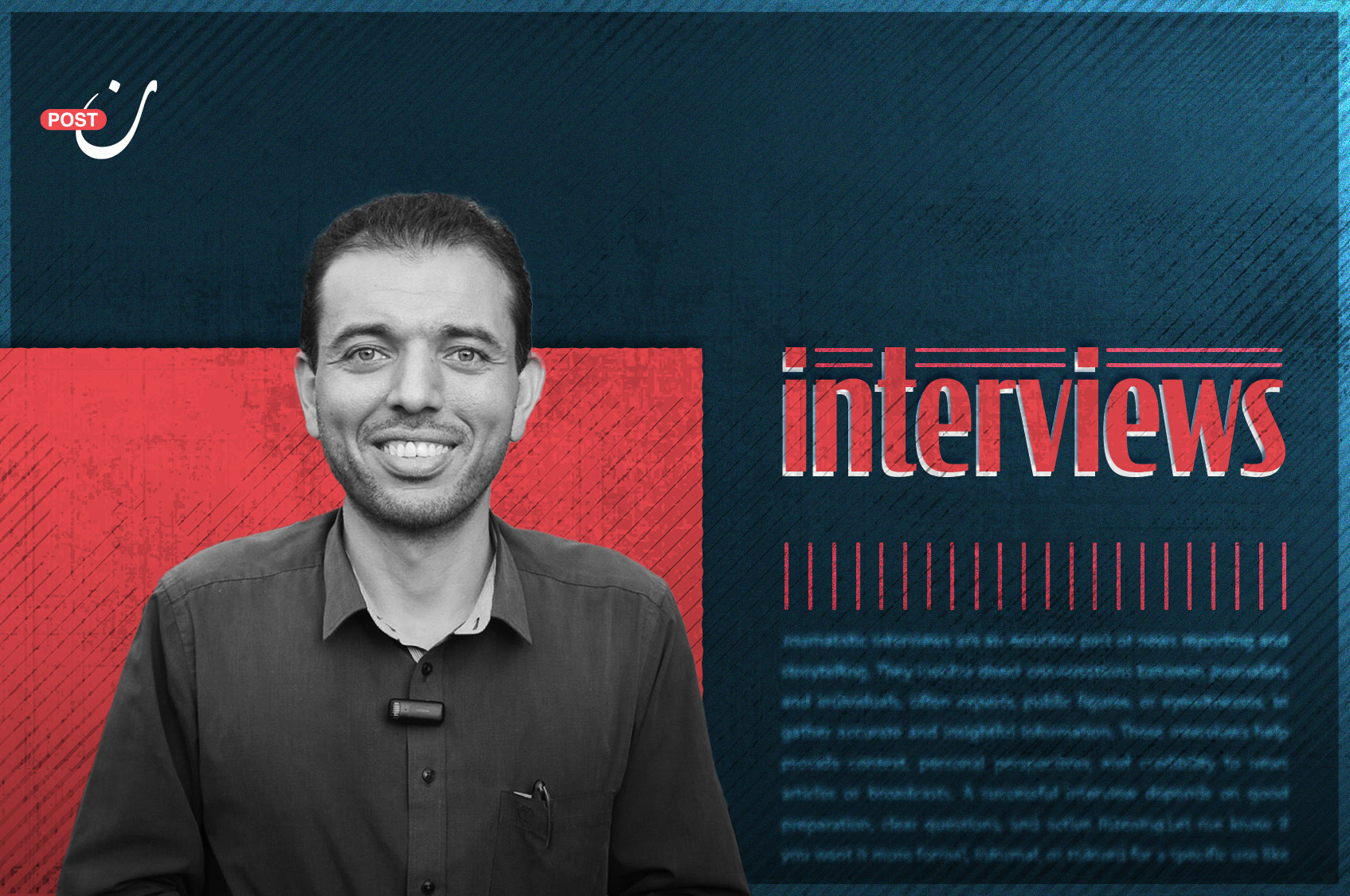
In this exclusive interview with NoonPost, Assem Al-Nabeeh, spokesperson for the Gaza Municipality, offers a detailed look at the situation on the ground. He shares figures on the scale of destruction, outlines the daily challenges municipal teams face amid a lack of international support, and discusses emergency response plans, coordination with international institutions, and the prospects for reconstruction.
He also delivers urgent appeals to the international community.
نون بوست

To begin with, how would you describe the state of Gaza’s infrastructure after months of continuous assault? Which sectors have been hit the hardest?

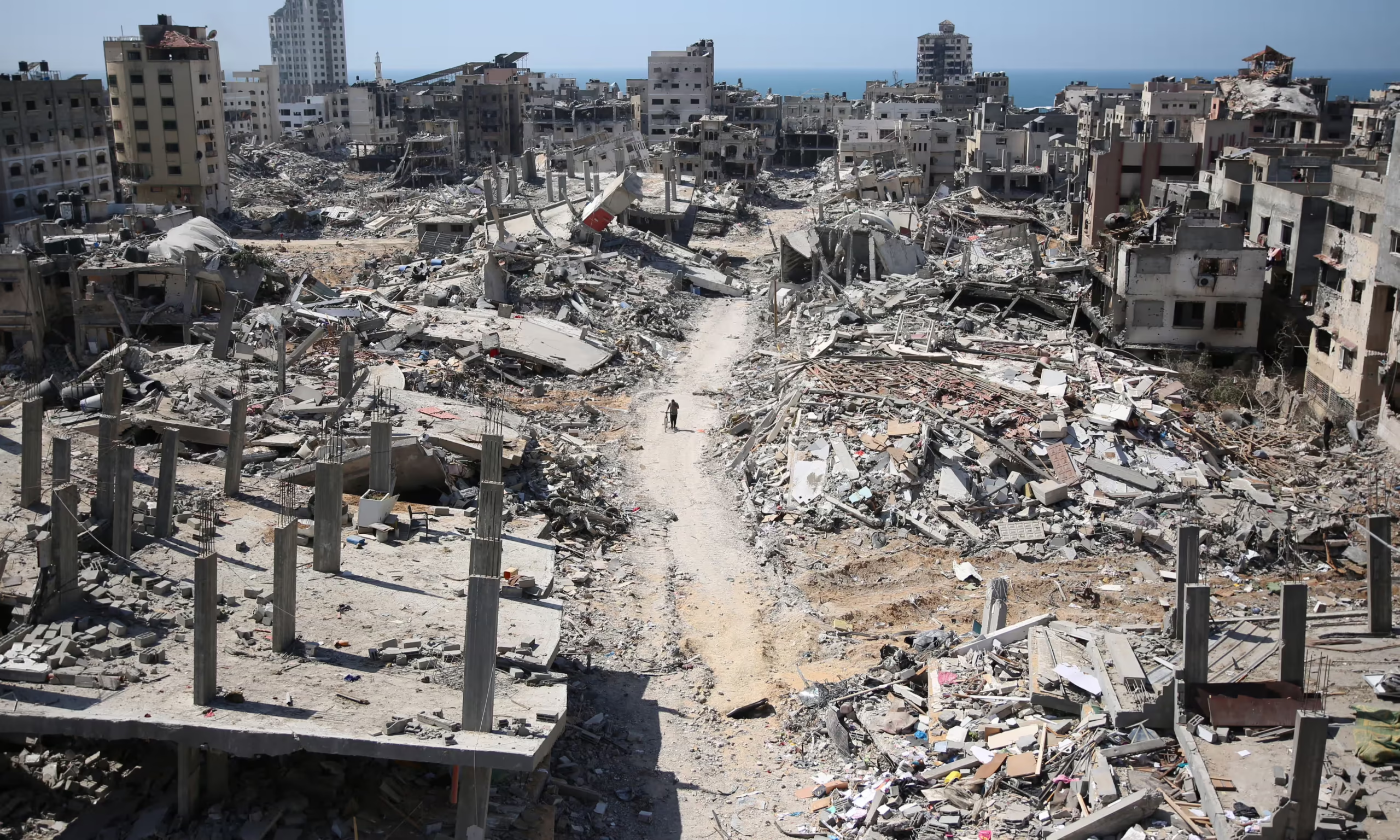
Frankly, Gaza City is suffering from widespread destruction of its infrastructure and critical facilities as a result of the ongoing war.

By the numbers: damage has affected more than 800 kilometers of roads and streets. Over 75% of the municipality’s central water wells have been damaged. More than 100,000 linear meters of water networks and 175,000 linear meters of sewage networks have been affected.

All of the city’s sewage pumps and treatment stations have sustained damage to varying degrees, ranging from partial to total destruction. The damage hasn’t been limited to public services; it has also affected cultural centers, the central archive, and public parks.

In practice, we can say that nearly all of the city’s municipal infrastructure has been either completely destroyed or partially damaged.

Despite the vast destruction and collapse of service networks, the Gaza Municipality has continued its operations over the past months. How have you managed to maintain daily functions under such extreme conditions?

Despite the intense bombing and the widespread collapse of Gaza’s infrastructure, the municipality never ceased its essential duties. Our teams continued their work under fire and in exceptionally complex conditions, operating around the clock to provide basic services, despite severe security risks and minimal resources.

The municipality established four urgent priorities to guide its efforts amid the humanitarian disaster:

  1. Securing water access by reactivating damaged wells and conducting minimal repairs to crippled water networks, despite the fact that over 75% of the city’s wells have been destroyed.

  2. Waste collection and removal from crowded neighborhoods to prevent the spread of disease.

  3. Emergency sewage repairs, given that major damage to treatment stations and pumps poses a direct environmental hazard.

  4. Clearing roads and streets blocked by debris to allow movement and ensure ambulances and civil defense teams can reach affected areas.

All of this is happening while over 85% of the municipality’s heavy and mid-range vehicles and equipment have been destroyed, making every operation a logistical challenge. Despite this, our staff have continued working with extremely limited capabilities, supported in part by community efforts and volunteer coordination, to preserve the minimum necessities of life in this devastated city.
نون بوست
Buildings reduced to rubble around the al-Shifa hospital in April 2024. AFP/Getty Images

What are the most pressing financial challenges facing the Gaza Municipality today? Have you received any assistance to cover operational or emergency needs?

The financial crisis is among the most severe challenges we face. It didn’t start with the war but has worsened dramatically since the onset of the genocide in late 2023.

The collapse of the economy and the halt of most productive and service activities have led to an almost complete loss of municipal revenue. This has left us unable to meet even the most basic financial obligations.

Since the beginning of the war, municipal employees—including emergency teams who have worked without pause since October 2023—have not received their salaries. They are not granted any of their rights or entitlements, surviving only on small advances that barely meet minimal living expenses, especially amid soaring prices and worsening humanitarian conditions.

While the municipality has received some limited aid in recent months—notably through waste management support projects that helped pay sanitation workers—this assistance is minuscule relative to the scale of the disaster and does not address the core financial crisis.

Currently, the municipality relies almost entirely on emergency aid from humanitarian and development organizations. But these interventions fall far short of covering operational costs or emergency and maintenance projects, leaving us in an extremely difficult position and threatening our ability to continue delivering essential services.

From an environmental perspective, what are the risks stemming from damaged sewage systems and uncollected waste? How are you handling these public health threats given the limited resources?

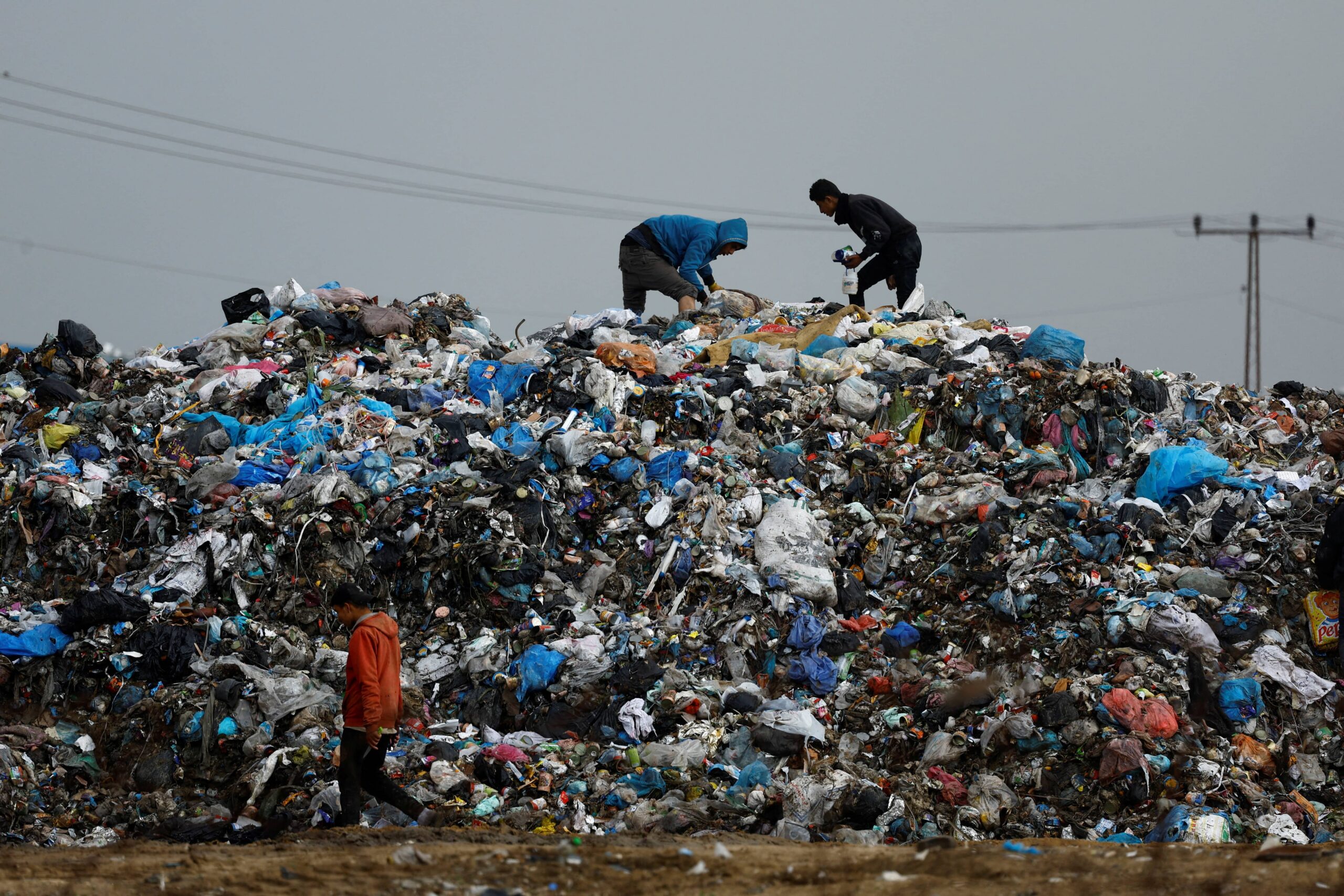
The city is facing a full-blown environmental and public health disaster. Over 170,000 tons of waste are piled up across Gaza’s streets and neighborhoods because we lack the equipment and fuel to remove it.

In addition, massive amounts of sewage have leaked into streets and residential areas, posing a serious threat. For example, the Sheikh Radwan basin, which was designed to collect only rainwater, has now been heavily contaminated with sewage. It poses a dual threat: flooding of surrounding residential and shelter areas, and contamination of the underground aquifer—currently the only source of water available to residents.

The accumulated waste is also an environmental and health catastrophe, attracting rodents and insects and posing a risk of leachate seeping into the soil, which further threatens the aquifer and increases disease risk.

Since the start of the war, we have been trying to implement emergency interventions to mitigate the disaster. We are working to unblock sections of the sewage system and move limited waste collection vehicles into the most heavily affected areas. But these efforts are insufficient. Over 85% of our heavy and mid-range equipment has been destroyed, and we face acute shortages of fuel, disinfectants, and essential tools.

In short, we are doing everything we can with what little we have. But we urgently need coordinated international assistance to avoid a full-blown health catastrophe—especially as summer approaches and risks multiply if the situation is not addressed promptly.
نون بوست
dump sites in Gaza. REUTERS

With tens of thousands of displaced people now crowded into Gaza’s residential neighborhoods, how is the municipality addressing this massive humanitarian and social challenge?

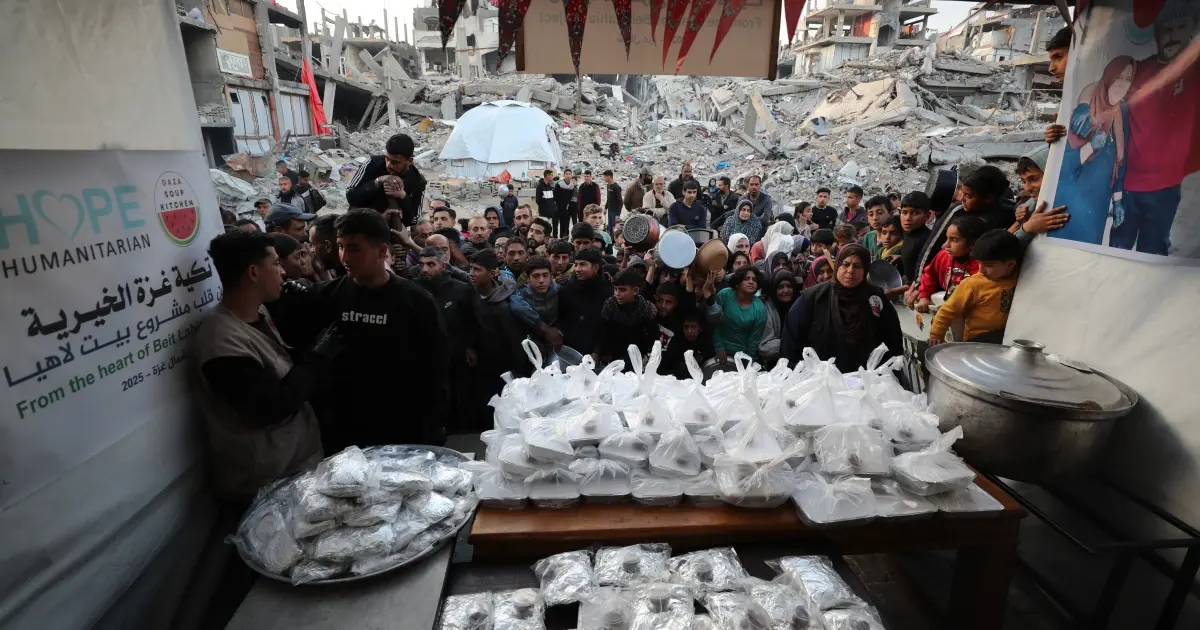
There’s no doubt that the mass displacement of people from northern Gaza into Gaza City has created an unprecedented strain on basic services, which were already critically depleted by the war. For example, only 40% of the city currently receives water, and even that is irregular and limited. As the number of displaced people increases, the pressure on these fragile networks intensifies.

The crowding of tens of thousands of families into central Gaza’s streets and neighborhoods has compounded the crisis, overwhelming both infrastructure and our already exhausted municipal teams. Most of the displaced lack adequate shelter, living in tents or open areas in densely populated districts, heightening health risks.

One particularly dire concern is that a major displacement site lies near an informal waste dump, posing a severe threat of disease outbreaks in the absence of an effective public health system.

We are doing what we can with our remaining personnel—conducting limited clean-up operations near displacement sites and delivering minimal water supplies—but resources are painfully scarce. We urgently need international support to provide safe shelter and bolster vital services that are buckling under the weight of this crisis.

We understand the immense suffering of the displaced, and we are doing our utmost to ease their plight. But the scale of the disaster far exceeds the municipality’s capacity.
نون بوست
Palestinians wait in line to receive hot food at Jabalia refugee camp in Gaza on March 4, 2025. © 2025 Mahmoud ssa/Anadolu via Getty Images

Does the municipality have emergency response plans in place to address the current crisis? What kind of coordination exists with local and international organizations?

Yes, the Gaza Municipality has pre-prepared emergency response plans, developed in coordination with most international organizations operating in the sector. These plans identify detailed needs, documented and described with technical precision.

We have submitted comprehensive lists of daily fuel requirements for critical infrastructure, the heavy equipment needed to clear rubble and open roads, as well as maintenance tools and operating materials required to maintain minimal services.

We’ve emphasized to our international partners that these are not luxury items, but basic survival necessities for hundreds of thousands of people.

Before the January ceasefire agreement, we received promises from several international bodies that these needs would be met, and that the entry of equipment and materials would be facilitated. But unfortunately, nothing has materialized. No equipment has arrived. No fuel or maintenance materials have been delivered. We continue operating in unbearable conditions, with dwindling resources and exhausted personnel.

Still, we are actively maintaining coordination with all relevant entities and working to keep these plans updated, in the hope that this coordination will translate into real, tangible support. The situation can no longer endure further delays or empty promises.

Have any international or regional bodies contacted you to discuss reconstruction and rehabilitation plans for Gaza’s infrastructure? Has the municipality been invited to participate in future planning?

We are constantly reaching out to relevant international and regional stakeholders. We have submitted detailed plans and proposals outlining our vision for rebuilding Gaza, including guiding principles and local perspectives on reconstruction.

We’ve shared these documents with numerous international organizations and have expressed our full readiness to play a central role in any future planning processes.

We now await serious engagement from donors and the international community. We insist that any future reconstruction efforts must be aligned with the urgent needs of the people on the ground.
نون بوست
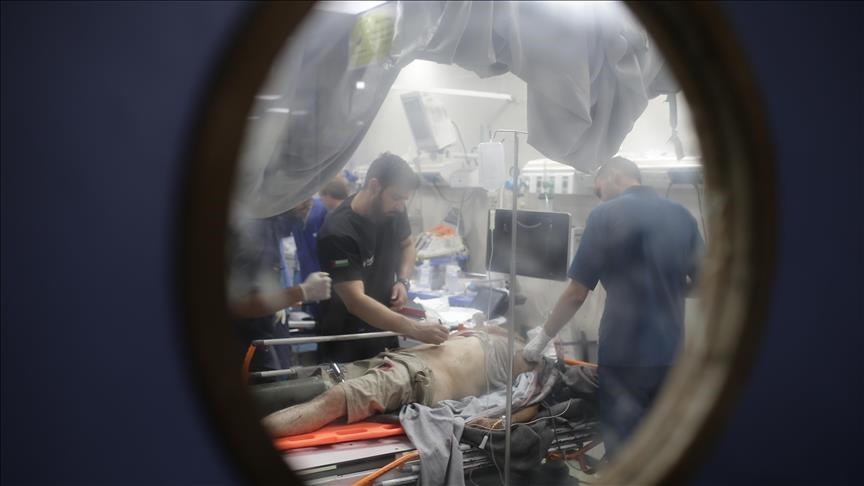
Injured Palestinians, including children, are brought to Nasser Hospital for medical treatment following the Israeli army attack to the eastern Khan Yunis, Gaza on July 22, 2024.

Finally, what messages would you like to convey to the international community and humanitarian organizations, given the collapse of basic services and the growing suffering of Gaza’s residents?

Our message today is the same one we’ve been repeating since the war began—only now it is more urgent than ever: We implore the international community and humanitarian organizations to act swiftly and decisively to deliver the equipment, machinery, and materials Gaza so desperately needs, especially the heavy machinery required for emergency response.

We urgently need this equipment to clear blocked roads, repair water and sewage networks, collect and remove waste, and carry out debris removal, which continues to obstruct movement and exacerbate environmental and health hazards.

We also stress the need to bring in maintenance materials, fuel, and to restore power sources—particularly electricity. Prolonged outages paralyze essential services and worsen the public health and humanitarian crisis.

It has been more than 17 months since the crisis began. Every day of delay deepens the catastrophe. What we need now is real, immediate action—not more deferred promises.

Download this article as PDF
Share this Article
Facebook Twitter Whatsapp Whatsapp Telegram Email Copy Link
أحمد الطناني
By أحمد الطناني كاتب وباحث في الشأن السياسي
Follow:
Previous Article نون بوست How Sisi’s Policies Paved the Way for Trump’s Gaza Displacement Plan
Next Article نون بوست Media Bias and Judicial Narratives: Comparing the Coverage of Marine Le Pen and Ekrem İmamoğlu

Read More

  • U.S. Regime‑Change Policies: Why They Are Destined to Fail U.S. Regime‑Change Policies: Why They Are Destined to Fail
  • The Gulf’s Balancing Act: Iran, Israel, and Hidden Links
  • Iraq–Turkey Oil Export Treaty: Why Did Ankara Cancel It After 52 Years?
  • Syria’s Northeast on Edge: QSD Between Ankara and Damascus
  • Has Europe Changed Its Stance on Israel… or Just Its Language?
part of the design
NoonPost Weekly Newsletter

You May Also Like

U.S. Regime‑Change Policies: Why They Are Destined to Fail

U.S. Regime‑Change Policies: Why They Are Destined to Fail

إسراء سيد Esraa sayed 8 April ,2026
The Gulf’s Balancing Act: Iran, Israel, and Hidden Links

The Gulf’s Balancing Act: Iran, Israel, and Hidden Links

فريق التحرير Noon Post 8 April ,2026
Iraq–Turkey Oil Export Treaty: Why Did Ankara Cancel It After 52 Years?

Iraq–Turkey Oil Export Treaty: Why Did Ankara Cancel It After 52 Years?

فريق التحرير Noon Post 8 April ,2026

هل تُعد عمان حقًا بلدًا مستقرًا في المنطقة المضطربة؟

مادلين ميلر
مادلين ميلر Published 11 April ,2016
Share
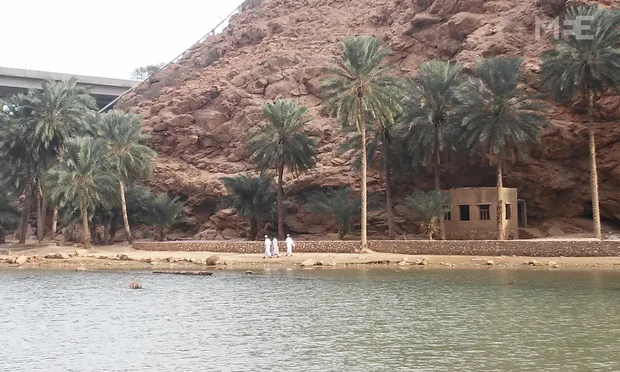
20160103_153710

ترجمة وتحرير نون بوست

“في علم بلادنا، اللون الأخضر يرمز للزراعة، الأحمر يمثل ما مررنا به، الحروب وطرد البرتغاليين، واللون الأبيض يرمز للسلام، نحن الآن بلد مسالم”، قال لي الدليل العماني ونحن نسير على طول الطريق الصخرية الوعرة في جبل شمس.

لم تكن هذه بالتأكيد أول ولا آخر مرة أسمع فيها عبارة السلام في سلطنة عمان؛ فالسكينة والهدوء تبدو صورة صعبة الفهم ضمن أمة متاخمة لحرب اليمن ومحصورة ما بين التوترات المضطرمة ما بين المملكة العربية السعودية السنية وإيران الشيعية، كما أن التوليفة العمانية تبدو وكأنها محكومة بالفشل، حيث تضم البلاد ثلاث طوائف إسلامية مختلفة، الإباضية والسنة والشيعة، ومجموعة أنساب متعددة، العربية والإفريقية والبلوشية والهندية، فضلًا عن مليوني شخص من العمالة الوافدة من آسيا وأوروبا.

لكن ومع ذلك، فوجئت حقًا بالسلاسة التي يبدو عليها نسيج المجتمع العماني متعدد الطوائف؛ ففي مسقط، يتنزه الرجال والنساء العمانيون على طول الشاطئ بأثوابهم وعباءاتهم التقليدية، متجنبين السياح الإيطاليين والألمان الذي يتشمسون بلباس السباحة البيكيني والسراويل القصيرة.

يمكنك أن ترى الأزواج العمانيين يلعبون الريشة الطائرة على رصيف الشاطئ، في الوقت الذي يستمتع فيه الرجال العرب والأفارقة والباكستانيون بلعبة الحواليس التقليدية، ويتزامن ذلك مع ذهاب الأقلية الشيعية إلى المسجد الشيعي الذي يقع في واجهة كورنيش مطرح الصاخب، كما يمكنك أن ترى العمانيين الأثرياء الشباب وهم يتمتعون بالمشروبات الكحولية البارزة على طاولاتهم في الفنادق، في الوقت الذي يرفض فيه أغلبية القاطنين قفل سياراتهم، لإصرارهم على أن الجرائم أمر نادر الحدوث.

نون بوست

مجموعة من الرجال يستمتعون بلعبة حواليس التقليدية

على عكس الجارة اليمنية التي تمتلك أحد أعلى معدلات الموت نتيجة للإرهاب في العالم ومؤشر إرهاب عالمي يبلغ 7.6، وعلى النقيض أيضًا من المملكة العربية السعودية التي تنتج ثاني أكبر عدد من المقاتلين الأجانب وتمتلك مؤشر إرهاب عالمي يبلغ 4، تتمتع عمان بمؤشر يبلغ 0، دلالة على عدم تأثير الإرهاب في البلاد.

“نحن نحب السلام، فعائلتي إباضية، وابنتي تزوجت من شيعي، ولا توجد خلافات حقيقية بيننا”، قال لي عامل عماني في الميناء بفخر تام.

“إذا ارتكب أحد العمانيين جرمًا؛ فلا يهم الخلفية التي ينحدر منها، فنحن متفقون جميعًا على وجوب عقابه”، قال دليلي العماني.

نون بوست

أحد الأمثلة الناجحة التي يجب على السعودية أن تطمح إليها هي عمان حيث تعيش ثلاث طوائف في تناغم، لا أحد يريد يوتيبيا أو ديمقراطية مزدهرة.

كما يشير بائع المجوهرات في مطرح، ينحدر أساسًا من كشمير الهندية، بأنه يستمتع بالحياة في عمان منذ 30 عامًا، ويقول: “إنه الشعب العماني، إنهم ودودون للغاية ولطفاء”، ويتفق عاملان في أحد المقاهي من بنغلاديش وسري لانكا مع الصائغ، فعلى الرغم من أنهما يشتاقان لبلادهما، إلا أنهما يجدان عمان كمكان آمن ومريح ومرحّب للغاية، علمًا بأن هذا النوع من المشاعر يقف في تناقض صارخ مع المشاعر التي بثها لي العاملون في مجال الضيافة عندما التقيتهم أثناء دراستي في قطر.

حكم السلطان قابوس

على الرغم مما تقدم، إلا أن عمان نادرًا ما كانت تاريخيًا بلدًا موحدًا، خاصة عندما أزاح قابوس بن سعيد والده، السلطان سعيد بن تيمور، ليصبح سلطان البلاد في عام 1970، وعلى الرغم من أنه شخصية يستحيل ربما أن تلتقيها، إلا أنك تستطيع أن تلمس وجود السلطان قابوس في كل مكان من أنحاء سلطنة عمان؛ فصوره، الكبيرة والصغيرة، تزين واجهات المتاجر، أبواب السيارات، ردهات الفنادق، واجهات المحلات، وسطوح المكاتب.

“عمان الخمسينيات، دولة القرون الوسطى، اختفت كالحلم” بعد اعتلاء السلطان قابوس للحكم، كما كتب كاتب الرحلات اللامع جان موريس؛ فالبلاد حينها عانت من مستويات مروعة من المرض والفقر، ولم تكن تضم إلا طريقًا معبدًا واحدًا بطول 10 كيلومترات، مستشفى خاص واحد، ثلاث مدارس ابتدائية، بدون شبكة الكهرباء، فضلًا عن أن العمانيين الأوفر حظًا من التعليم كانوا يعيشون بالغالب كمغتربين في الخارج.

بالنسبة للكثير من العمانيين، وخاصة الجيل الأكبر سنًا، تبدو هذه الأيام المظلمة كشبح يطارد ذاكرتهم الجماعية؛ ففي طريقي إلى الحمرا، وهي بلدة صغيرة على بعد ساعة من العاصمة، توقفت أنا ودليلي السياحي في قرية مهجورة، حيث تم ذبح معظم سكان البلدة لتعاونهم مع الإمام في تنظيم الثورة ضد حكم السلطان تيمور المدعوم من بريطانيا، وحينها باشر دليلي بوصف أسلوب حياة عائلته وقريته قبل 40 عامًا، عندما كان بقاؤهم يعتمد على صيد الأرانب والطيور، مقارنة مع اليوم، حيث تعمل شقيقته كمدرّسة للغة الإنجليزية ويعمل هو في مجال السياحة.

تم الاعتراف بعمان اليوم من قِبل برنامج الأمم المتحدة الإنمائي كإحدى البلدان التي تتمتع بأعلى محرك مؤشر التنمية البشرية في السنوات الـ40 الماضية، حيث يتشابه تطورها في هذا المجال مع الصين وكوريا الجنوبية، ويتم الإشارة إلى هذا التحول الكبير في البلاد بشكل متواضع خلال الاحتفال السنوي بيوم النهضة، وهو اليوم الذي اعتلى فيه السلطان قابوس على العرش.

شجاعته الظاهرة، حنكته في القيادة الدبلوماسية الشرق أوسطية، وبراغماتيته في السياسة الخارجية، جميع ذلك أكسب قابوس الإعجاب والاحترام الدوليين؛ فعمان، على سبيل المثال، هي الدولة الخليجية الوحيدة التي رفضت الانضمام للتحالف الذي تقوده السعودية في اليمن، كما نصح السلطان قابوس كلًا من إسرائيل وفلسطين لنزع فتيل التوتر، ولعب دورًا أساسيًا في تسهيل المحادثات النووية بين إيران والولايات المتحدة.

الكثير من السكان العرب وسكان جنوب شرق آسيا يشاركون على صفحاتهم أعجوبة سلطان عمان، خاصة أولئك الذين يشعرون بالخيانة جرّاء وعود ثمار الديمقراطية الكاذبة؛ فمثلًا عندما تحدثت إلى عامل باكستاني في عمان عن وطنه، ارتعد وقال: “باكستان ليست جيدة، لدينا ديمقراطية، ولكن الوضع سيء للغاية، عمان دولة جيدة، إنهم يتمتعون بالسلام، إنهم ليسوا عنيفين”.

نون بوست

كمواطن لبناني، أقول خذوا “ديمقراطية” لبنان وأعطونا حاكمًا كقابوس عمان.

ولكن ما هي التكلفة؟

مع ذلك، يبدو المشهد الخاوي من أي انتقادات في عمان والقاعدة غير المتنازع عليها التي يحتلها السلطان في الأعين الدولية غير مقنع ولا مريح، “الصورة العامة السياحية والتقدمية في سلطنة عمان تخفي خلفها واقعًا مختلفًا للغاية” يقول راديدجا نيمار، مدير الشؤون القانونية في منطقة الخليج عن منظمة الكرامة، وهي منظمة مستقلة لحقوق الإنسان مقرها بجنيف، ويتابع: “لا يوجد عمليًا أي مساحة لحرية التعبير”.

نون بوست

كتابات على جدران نزوى

خلال زيارته لسلطنة عمان في عام 2014، وجد المقرر الخاص للأمم المتحدة المعني بالحق في حرية التجمع السلمي، السيد كياي، بأن “ثقافة الصمت والخوف السائدة تؤثر على أي شخص يريد أن يتكلم ويعمل من أجل الإصلاحات في عمان”، كما أن الفصل السطحي ما بين السلطتين التنفيذية القضائية يضع النشطاء والصحفيين الذين يتجرأون على الانتقاد أو السؤال في وضع خطير.

القوانين الجنائية الواسعة النطاق، بما في ذلك حظر أي مطبوعة “تؤدي إلى الفتنة أو تمس بأمن الدولة أو تسيء إلى كرامة الإنسان أو حقوقه” (المادة 31 من النظام الأساسي في سلطنة عمان)، وإهانة أو الإساءة لحقوق أو سلطة السلطان (المادة 126 من قانون العقوبات)، تخول الحكومة صلاحيات عقابية تعسفية واسعة، حيث تقرر منفردة الشخص الذي يتوجب اعتقاله، والشخص الذي ينبغي أن يبقى معتقلًا، للمدة التي تراها ملائمة، كما تُحظر أي تجمعات خاصة لأكثر من تسعة أشخاص بدون الاستحصال على موافقة السلطات، وكذلك يحظّر تكوين العلاقات مع المنظمات الأجنبية.

محمد الفزاري، هو مواطن عماني عانى من الأعمال الانتقامية لانتقاده الحكومة ومطالبته بالحرية المدنية والسياسية، وكأحد المشاركين في احتجاجات الربيع العربي لعام 2011، احتج الفزاري مطالبًا بتحقيق الديمقراطية، تأسيس برلمان حقيقي يتمتع بسلطة تشريعية، وضع دستور تعاقدي جديد، تحقيق الشفافية والفصل بين السلطات، وفي أعقاب ذلك، واجه الفزاري على مدار عامي 2012 و 2013، اعتقالات واستجوابات تعسفية عديدة، بما في ذلك اتهامه بـ”إهانة السلطان” والانخراط في “تجمع غير قانوني”.

في عام 2013، أسس الفزاري صحيفة المواطن، وهي مجلة إخبارية مستقلة تُعنى بشأن المجتمع العماني، وبعد ذلك أصبحت حياته صعبة للغاية، كما يقول؛ ففي أغسطس 2014، أُلقي القبض عليه “لأسباب تخصه شخصيًا” بعد مطالبته العمانيين للتحدث مع المقرر الخاص للأمم المتحدة لحرية التجمع، السيد كياي، خلال زيارته لعمان.

بعد نداءات عاجلة من قِبل منظمات حقوق الإنسان، بما في ذلك مؤسسة الكرامة، أُطلق سراح الفزاري قبل أيام من زيارة كياي ووُضع تحت المراقبة الصارمة، ولكن بعد أشهر، وعندما حاول السفر من المطار، تمت مصادرة وثائق هويته ومنعه من السفر إلى الخارج، والغرض الرئيسي من مصادرة وثائق السفر، كما يقول نيمار “منعه من السفر والحصول على صفة لاجئ، وأيضًا لمعاقبته، لأنه وبدون أوراقه ستصبح أنشطته داخل البلاد محدودة للغاية”.

بالمحصلة، تمكّن الفزاري من الهروب من عمان دون أوراقه ويعيش حاليًا كلاجئ سياسي في بريطانيا، وبسبب الاعتقالات الأخيرة والاستجوابات التي خضع لها الصحفيون الآخرون في صحيفة المواطن الذين يعيشون في عمان، اضطرت الصحيفة للتوقف عن النشر في 14 يناير من عام 2016.

الصحفيون ليسوا الفئة الوحيدة التي تُحرم من إبداء الرأي؛ فطالب الماري، وهو عضو في مجلس شورى السلطان، يقضي حاليًا حكمًا بالسجن لمدة أربع سنوات بتهمة “الإضرار بهيبة الدولة”، بعد فشل عدة محاولات للتدخل من قِبل خبراء من الأمم المتحدة لإطلاق سراحه، علمًا بأن الماري كان يحتج ضد آثار التلوث بالبتروكيماويات على مجتمعه المحلي في عام 2013، ومثل هذا الاعتقال سيلطخ بالتأكيد جدية جائزة اليونسكو الدولية للسلطان قابوس لحماية البيئة.

تبريرات

في عام 2014، استجاب الرئيس التنفيذي لشركة دريم لاب، نيكولاس ماينكورت، لملفات التجسس التي نشرتها ويكيلياكس التي تشير إلى تورط الشركة السويسرية وشركة المراقبة البريطانية، غاما غروب، في تركيب معدات مراقبة للتجسس على الإنترنت في عمان، بقوله: “عمان هي البلد الأكثر تقدمًا في العالم العربي … على الشاطئ ترى النساء يلبسون زي البحر البيكني، وكون عمان ليست ديمقراطية غربية والسلطان يستطيع نقض قرارات البرلمان لا يجعلها بلدًا سيئًا”.

بشكل مماثل، طرحت الحكومة العمانية تبريرات مشابهة ردًا على تقرير حرية التجمع الذي أصدره كياي، حيث أوضحت بأن الحكومة العمانية تفضل “الراحة العامة على الاضطراب، السلام والهدوء على الشغب”.

ولكن مع ذلك، أكد كياي بأن ضمان الحقوق المدنية والسياسية وتحقيق الاستقرار لا يستبعدان بعضهما بعضًا، “حقوق الإنسان هي الأساس لتحقيق استقرار حقيقي ومستدام” قال كياي، وتابع محذرًا: “عندما تفشل الحكومة في توفير منفذ للمشاعر الشعبية، فإنها تضيع فرصة ثمينة لجس نبض الأمة، وتخلق على نحو فعال وعاء ضغط مغلق من شأنه أن ينفجر في نهاية المطاف محدثًا عواقب وخيمة”.

أخيرًا، ومع وصول السلطان قابوس إلى سن الشيخوخة، ومعاناته من مرض السرطان، وفي ظل عدم وجود أبناء أو أحفاد له ليرثوا العرش، يبدو أفق المستقبل في عمان ضبابيًا على نحو متزايد، فهل يمكن لعمان أن تتحمل وصول حاكم مستبد آخر، خاصة وأنه سيفتقر للصلات المباشرة مع السلطان قابوس؟ أم أن الحالة العمانية الخاصة ستبقى، كما يتوقع كياي، تقبع كقنبلة موقوتة في ظل استمرار الصمت؟

المصدر: ميدل إيست آي

TAGGED: الأمان ، الاستقرار ، الداخل العماني ، الربيع العربي ، السلطان قابوس
Download this article as PDF
Share this Article
Facebook Twitter Whatsapp Whatsapp Telegram Email Copy Link
مادلين ميلر
By مادلين ميلر صحفية مستقلة مهتمة بشؤون الشرق الأوسط والقانون الدولي والصحافة الاستقصائية.
Follow:
Next Article نون بوست The Stigma of “ISIS”: A Heavy Legacy Haunting Women and Children of Former Members

Read More

  • U.S. Regime‑Change Policies: Why They Are Destined to Fail U.S. Regime‑Change Policies: Why They Are Destined to Fail
  • The Gulf’s Balancing Act: Iran, Israel, and Hidden Links
  • Iraq–Turkey Oil Export Treaty: Why Did Ankara Cancel It After 52 Years?
  • Syria’s Northeast on Edge: QSD Between Ankara and Damascus
  • Has Europe Changed Its Stance on Israel… or Just Its Language?
part of the design
NoonPost Weekly Newsletter

You May Also Like

U.S. Regime‑Change Policies: Why They Are Destined to Fail

U.S. Regime‑Change Policies: Why They Are Destined to Fail

إسراء سيد Esraa sayed 8 April ,2026
The Gulf’s Balancing Act: Iran, Israel, and Hidden Links

The Gulf’s Balancing Act: Iran, Israel, and Hidden Links

فريق التحرير Noon Post 8 April ,2026
Iraq–Turkey Oil Export Treaty: Why Did Ankara Cancel It After 52 Years?

Iraq–Turkey Oil Export Treaty: Why Did Ankara Cancel It After 52 Years?

فريق التحرير Noon Post 8 April ,2026
dark

An independent media platform founded in 2013, rooted in slow journalism, producing in-depth reports, analysis, and multimedia content to offer deeper perspectives on the news, led by a diverse young team from several Arab countries.

  • Politics
  • Society
  • Rights & Liberties
  • Opinions
  • History
  • Sports
  • Education
  • Technology
  • Economy
  • Media
  • Arts & Literature
  • Entrepreneurship
  • Travel
  • Cinema & Drama
  • Food
  • Health
  • Culture
  • Latest Reports
  • Files
  • Long Reads
  • Interviews
  • Podcast
  • Interactive
  • Encyclopedia
  • In Pictures
  • About Us
  • Our Writers
  • Write for Us
  • Editorial Policy
  • Advanced Search
Some rights reserved under a Creative Commons license

Removed from favorites

Undo
Go to mobile version