



NoonPost NoonPost

NoonPost

  • Home
  • Politics
  • Economy
  • Society
  • Culture
  • Files
  • Long Reads
  • Podcast
AR
Notification Show More
نون بوست
“There Are Nights I Can’t Close My Eyes”: How Gazans Are Living in Homes on the Brink of Collapse
نون بوست
From al-Jolani to Ahmad al-Shara: The Evolution of Syria’s New Leader
نون بوست
When Political Islam Receded in Egypt: Who Filled the Void?
نون بوست
An Extension of Genocide: Gaza’s Detainees Speak Out
نون بوست
A Tightrope Between Survival and Sovereignty: The Syrian Government Faces Normalization Pressures
نون بوست
American Aircraft Carriers: Has the Era of “100,000 Tons of Diplomacy” Ended?
نون بوست
U.S. Regime‑Change Policies: Why They Are Destined to Fail
نون بوست
Transformations of Israeli Judaism: Between the Victim Complex and the Colonizer’s Doctrine
نون بوست
The Gulf’s Balancing Act: Iran, Israel, and Hidden Links
نون بوست
Iraq–Turkey Oil Export Treaty: Why Did Ankara Cancel It After 52 Years?
نون بوست
Syria’s Northeast on Edge: QSD Between Ankara and Damascus
نون بوست
Has Europe Changed Its Stance on Israel… or Just Its Language?
NoonPost NoonPost
AR
Notification Show More
نون بوست
“There Are Nights I Can’t Close My Eyes”: How Gazans Are Living in Homes on the Brink of Collapse
نون بوست
From al-Jolani to Ahmad al-Shara: The Evolution of Syria’s New Leader
نون بوست
When Political Islam Receded in Egypt: Who Filled the Void?
نون بوست
An Extension of Genocide: Gaza’s Detainees Speak Out
نون بوست
A Tightrope Between Survival and Sovereignty: The Syrian Government Faces Normalization Pressures
نون بوست
American Aircraft Carriers: Has the Era of “100,000 Tons of Diplomacy” Ended?
نون بوست
U.S. Regime‑Change Policies: Why They Are Destined to Fail
نون بوست
Transformations of Israeli Judaism: Between the Victim Complex and the Colonizer’s Doctrine
نون بوست
The Gulf’s Balancing Act: Iran, Israel, and Hidden Links
نون بوست
Iraq–Turkey Oil Export Treaty: Why Did Ankara Cancel It After 52 Years?
نون بوست
Syria’s Northeast on Edge: QSD Between Ankara and Damascus
نون بوست
Has Europe Changed Its Stance on Israel… or Just Its Language?
Follow US

Media Bias and Judicial Narratives: Comparing the Coverage of Marine Le Pen and Ekrem İmamoğlu

يمان الدالاتي
Yaman Dalati Published 26 March ,2026
Share
نون بوست

A Paris criminal court has convicted far-right leader Marine Le Pen of embezzling public funds, following revelations that she and her party, between 2004 and 2016, had operated an illicit scheme to channel European Parliament funds into the coffers of the National Front — rebranded in 2018 as the National Rally. According to the court, the party falsely employed European parliamentary assistants who, in reality, were working for the party rather than the EU legislature.

French prosecutors have called for a harsh sentence: five years in prison, two of which would be served, a €300,000 fine, and a five-year ban from running for public office. The prosecution argued that Le Pen led a “highly organized system” that systematically exploited the European Parliament as a funding source for her political movement.

Le Pen, however, rejected the charges, accusing the authorities of launching a “nuclear bomb” against her party — a metaphor suggesting that the real aim of the trial was to derail her 2027 presidential ambitions. The French judiciary, for its part, underscored the independence of its decision, noting that the ruling was “strictly judicial, not political,” and was issued by a panel of three impartial judges.

This article offers a critical comparative reading of how European media outlets have covered the Le Pen case in France versus the case of Ekrem İmamoğlu in Turkey. The two cases share notable similarities in timing and substance, providing a unique lens through which to examine the European media’s purported neutrality in reporting on politically charged events.

Disparities in Media Coverage

A detailed comparison of leading Arabic-language European media platforms — including BBC Arabic, CNN Arabic, France 24, and Deutsche Welle — reveals stark contradictions and a double standard in how the two cases were presented.

In the case of İmamoğlu, BBC Arabic and CNN Arabic rushed to deliver emotionally charged coverage, framing the mass arrests and protests in Istanbul as a dramatic turning point threatening the future of Turkish democracy. Their reporting emphasized police raids, media suppression, and consistently portrayed President Recep Tayyip Erdoğan as an authoritarian leader undermining democratic institutions — a narrative in line with their ongoing criticism of his government.
نون بوست

By contrast, the tone shifted markedly when these same outlets covered Le Pen. The drama gave way to a more reserved, analytical approach, treating the matter as a strictly legal and domestic French issue. Despite the far-reaching implications for the European far right, both outlets approached the story as a procedural affair rather than a political reckoning.

France 24, meanwhile, devoted exceptional attention to the İmamoğlu case, publishing no fewer than 23 extended news features — most exceeding 800 words — within just two weeks. These reports focused heavily on the long-standing rivalry between Erdoğan’s ruling party and İmamoğlu’s Republican People’s Party, lending the coverage a combative political dimension that suggested a historical power struggle more than a legal matter.

In its coverage of Le Pen, France 24 maintained similar volume but confined its analysis to the legal and domestic political ramifications, emphasizing electoral consequences and in-depth political commentary without veering into broader ideological battles.

Deutsche Welle’s coverage was arguably the least balanced. Despite the confirmed charges against İmamoğlu and a noticeable decline in public protests, the outlet continued publishing daily long-form analyses (often over 800 words), insisting that the case was part of a personal vendetta between Erdoğan and his political adversaries. This ongoing editorial stance further widened the gap between its treatment of Turkish versus French political affairs.

Language and Framing

An examination of the language used by these media outlets further reveals a pronounced discrepancy — one that borders on overt bias. While coverage of İmamoğlu was steeped in emotive and politically charged rhetoric, the Le Pen case was reported in markedly neutral and restrained tones.

BBC Arabic and CNN Arabic repeatedly referred to İmamoğlu as “Erdoğan’s strongest opponent” and framed his legal troubles as an attack on the Turkish opposition. They went as far as using phrases like “Erdoğan, the narcissistic despot,” injecting a personal and confrontational edge into their reporting.

France 24 and Deutsche Welle adopted similarly dramatic terminology in their coverage of the Turkish case, using words like “repression,” “disappearance,” “violence,” and “authoritarianism” at unusually high frequencies. They also heavily emphasized Turkey’s media restrictions, portraying them as oppressive measures — with little acknowledgment of the government’s justification that the restrictions aimed to curb misinformation and fabricated videos unrelated to the protests.
نون بوست

France 24, in particular, claimed that “Turkish authorities face a wave of international condemnation and growing warnings about deteriorating fundamental freedoms,” without offering sufficient context on why the government took such measures.

Deutsche Welle went further still, romanticizing the protests by portraying them as part of a youthful revolution. Headlines included statements like “Turkish youth fear for their future,” and “Not just İmamoğlu — dozens of Turkish politicians are behind bars,” followed by rhetorical calls such as “Where are the intellectuals’ voices?” — all designed to stir public sentiment.

The network also introduced the European Union as a potential diplomatic counterweight, suggesting it could influence Turkish domestic politics. One recent article, titled “Why Is the EU Cautious in Condemning Turkey’s Crackdown?” directly blamed Erdoğan for “freezing Turkey’s accession to the European family.”

Conversely, the same outlets abandoned such dramatic flair when reporting on Le Pen. Their tone was restrained and their language bureaucratic, sticking to neutral formulations and straightforward news reporting.

Political Instrumentalization of Justice

Ultimately, the difference in coverage lies less in the facts of each case and more in how media platforms choose to frame them — and to what ends.

In France, Le Pen’s conviction was presented as a milestone in the fight for European democracy, a symbolic victory against the rise of the far right. The trial was framed not as political persecution but as a necessary step in safeguarding republican values and combating corruption — implicitly benefiting centrist and liberal parties ahead of the next elections.

In Turkey, however, İmamoğlu’s arrest was portrayed from the outset as a politically motivated act — a “character assassination” of a prominent opposition figure, and a calculated move to eliminate a likely presidential contender. The event was not just reported; it was editorialized as an existential threat to Turkey’s democratic future, raising doubts about the integrity of the entire electoral process.

نون بوست

Here, the media stepped beyond its traditional role as observer, acting instead as a powerful player shaping outcomes and molding public perception. While the French judiciary was afforded the benefit of impartiality and its ruling hailed as a triumph for justice, its Turkish counterpart was immediately cast under suspicion — judged not by its rulings but by the political context in which it operates.

In doing so, the media did not merely report on the trials — it rendered judgment.

Download this article as PDF
Share this Article
Facebook Twitter Whatsapp Whatsapp Telegram Email Copy Link
يمان الدالاتي
By يمان الدالاتي صحفية ومحررة في موقع نون بوست
Follow:
Previous Article نون بوست “We Are Fighting a Relentless Battle for Survival”: An Interview with Gaza Municipality Spokesperson
Next Article نون بوست “We Are Working Tirelessly to Reach Every Missing Child”: An Interview with Dr. Raghdaa Zidan

Read More

  • U.S. Regime‑Change Policies: Why They Are Destined to Fail U.S. Regime‑Change Policies: Why They Are Destined to Fail
  • The Gulf’s Balancing Act: Iran, Israel, and Hidden Links
  • Iraq–Turkey Oil Export Treaty: Why Did Ankara Cancel It After 52 Years?
  • Syria’s Northeast on Edge: QSD Between Ankara and Damascus
  • Has Europe Changed Its Stance on Israel… or Just Its Language?
part of the design
NoonPost Weekly Newsletter

You May Also Like

U.S. Regime‑Change Policies: Why They Are Destined to Fail

U.S. Regime‑Change Policies: Why They Are Destined to Fail

إسراء سيد Esraa sayed 8 April ,2026
The Gulf’s Balancing Act: Iran, Israel, and Hidden Links

The Gulf’s Balancing Act: Iran, Israel, and Hidden Links

فريق التحرير Noon Post 8 April ,2026
Iraq–Turkey Oil Export Treaty: Why Did Ankara Cancel It After 52 Years?

Iraq–Turkey Oil Export Treaty: Why Did Ankara Cancel It After 52 Years?

فريق التحرير Noon Post 8 April ,2026

كيف نستخدم سناب شات؟

أليساندرا رام
أليساندرا رام Published 12 April ,2016
Share
maxresdefault

ترجمة حفصة جودة

لقد خمنا أنك لا تستخدم “سناب شات”، بالتأكيد قمت بتحميله، وربما أرسلت صورة أو اثنين لأصدقائك، ثم اعتقدت بأنك فعلت كل ما هو ممكن، لكن أتعلم، هذا لأنك لم تكتشف استخدامات سناب شات الحقيقية، لذا أعطيته ظهرك، وهززت كتفيك وقلت باستنكار”حسنًا، إنه مناسب لهؤلاء المراهقين من جيل الألفية” ثم تلوم ذاتك على جهلك التكنولوجي.

حسنا، إليك الآتي: تستطيع أن تستخدم “سناب شات” وسوف تحبه بالتأكيد.

نون بوست

في الحقيقة، الآن هو أفضل الأوقات، فقد أعلنت الشركة مؤخرًا عن عدد من الخصائص الجديدة، كجزء مما تسميه “شات 2.0″، هذه التحديثات تتضمن الدردشة الصوتية والمرئية، والتسجيل الصوتي والملصقات وعدد من التغييرات في واجهة المستخدم، وبينما كان يتم النظر إلى “سناب شات” على أنه منصة عابرة لتواصل ما قبل المراهقة والصور المثيرة التي تختفي بعد عدة ثوان، قامت هذه التغييرات بنقل الشركة إلى مساحة تنافسية أوسع تتضمن “كيك” و”واتس آب” و”سكايب” و”فيس تايم”، وفي ضوء هذه التحديثات سوف نقدم لكم دليلًا مفيدًا لفهم “سناب شات”.

تحذير: سناب شات من أكثر التطبيقات إدمانًا (ففي شهر فبراير صدر تقرير يقول بأن مستخدمي سناب شات يشاهدون حوالي 8 مليار فيديو يوميًا) ومن هذا المنطلق، قد تجد أنك تعيش حياتك من خلال كاميرا هاتفك المحمول.

الإعداد

لقد جلسنا مع إحدى الزميلات في فريق “وايرد” والتي لديها “سناب – فوبيا” لنبين لها سبب كل هذه الضجة، هل شعرت بالإثارة؟ في الحقيقة لا، لقد بدت متوترة بشدة، إذا حدث ذلك معك لا تقلق، إنه رد فعل طبيعي، “سناب شات” لا يمكن تفريقه عن السحر ومن حقك أن تخشاه.

أولًا: تأكد من أن يكون اسمك مرحًا على “سناب شات”، فبخلاف إنستجرام، لن تكون قادرًا على تغيير اسمك مرة أخرى، لذا اختره بحكمة! (لقد استغرق الأمر من زميلتنا 20 دقيقة لتقرر الاسم، وقد وعدناها أننا لن نخبره لأحد).

ثانيًا: قم بضبط الإعدادات من خلال الضغط على الشبح الموجود أعلى الشاشة، يليه أيقونة تشبه الترس أعلى يمين الشاشة، ومن هنا يمكنك إدارة معلوماتك الشخصية: من يستطيع رؤية منشوراتك، أو يتواصل معك، أو يتمكن من الوصول لحسابك باستخدام رقم الموبايل، يجب أن تتأكد من تشغيل الفلتر في الإعدادات، من قائمة الإدارة.

نون بوست

مصطلحات

سناب شات، هو في الأصل، تطبيق مراسلة، لكنه تطبيق يستخدم لغته الخاصة، لا تدع لغته تلك توقفك، فالأمر سهل.

سناب (Snap): تعني لقطة، وهي عبارة عن الصورة أو مقطع الفيديو الذي ترسله لأصدقائك، تقوم هذه اللقطة بتدمير نفسها ذاتيًا، حيث تختفي بعد 10 ثواني من مشاهدتها.

القصة (Story): هي عبارة عن عدة لقطات ترسلها لأصدقائك ويمكنهم مشاهدتها خلال 24 ساعة، والقصة مستمرة فعند انتهاء صلاحية إحدى اللقطات، تظل اللقطات الأحدث متاحة للعرض.

سناب سكور (Snap score): يبدو أن الكثيرين لا فكرة لديهم حول كيفية حساب النقاط، حسنًا، طبقًا لسناب شات، فهي عبارة عن عدد اللقطات التي قمت بإرسالها واستقبالها، والقصص التي نشرتها.

سناب ستريك (Snap Steak): إذا قمت بإرسال عدة لقطات لنفس الصديق، عدة أيام متتالية، فأنت تسخدم سناب ستريك.

سكرين شوت (Screen Shot): كنت تفكر في إمكانية بقاء اللقطة لمدة أطول؟ حسنًا، هذه هي مهمة سكرين شوت، ويتم إخطارك عندما يتم حفظ لقطتك، سواء كانت شخصية أو ضمن القصة.

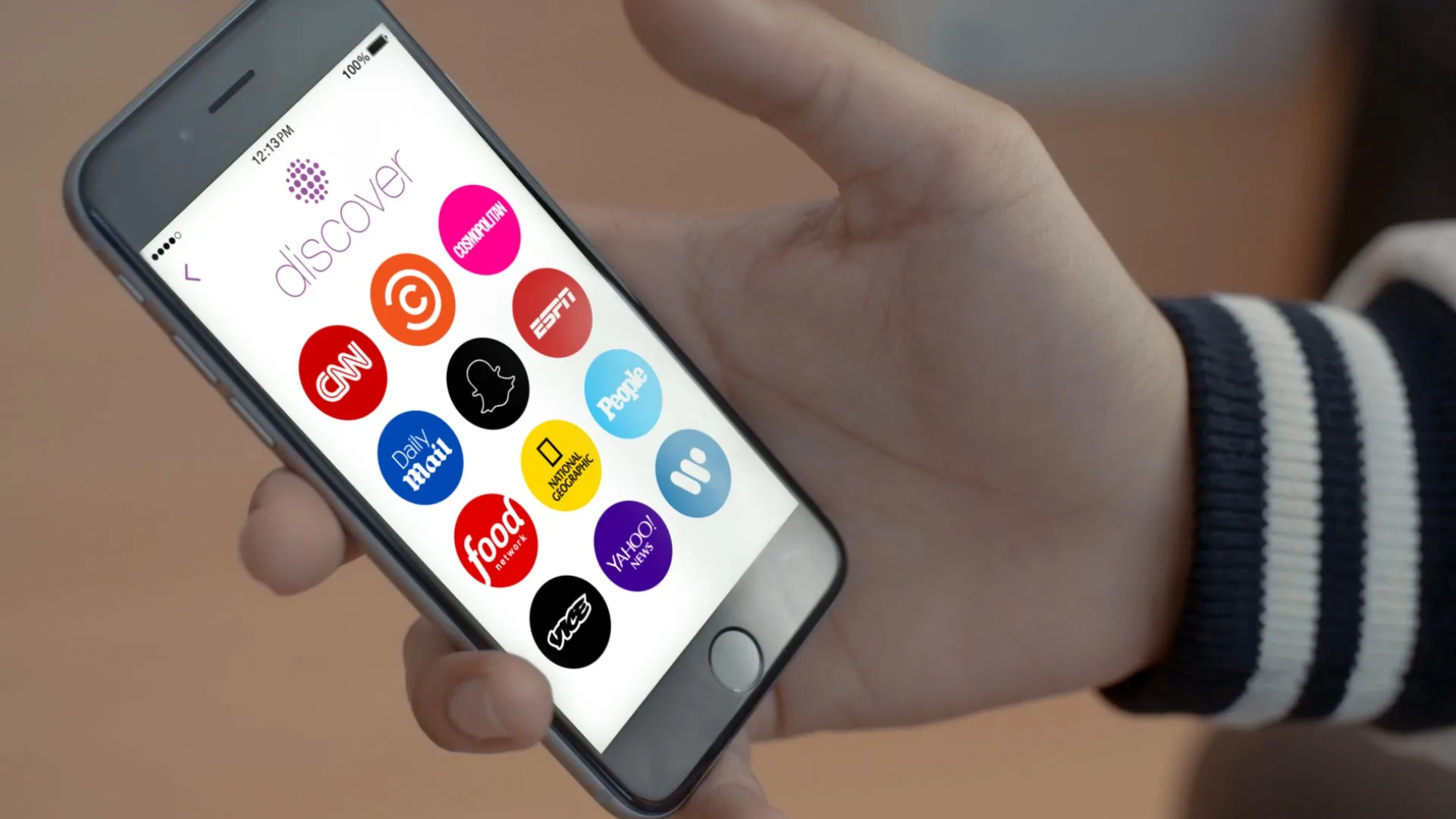
ديسكفر (Discover): هذه هي القنوات التي يقوم الناشرون بإنشائها من أجل الجماهير- مثل، أسبن، فود نتوورك، كوميدي سنترال، وغيرهم.

الإعادة (Replay): يمكنك تكرار اللقطة الأخيرة مرة واحدة في اليوم، لذا استخدم تلك الخاصية بحكمة.

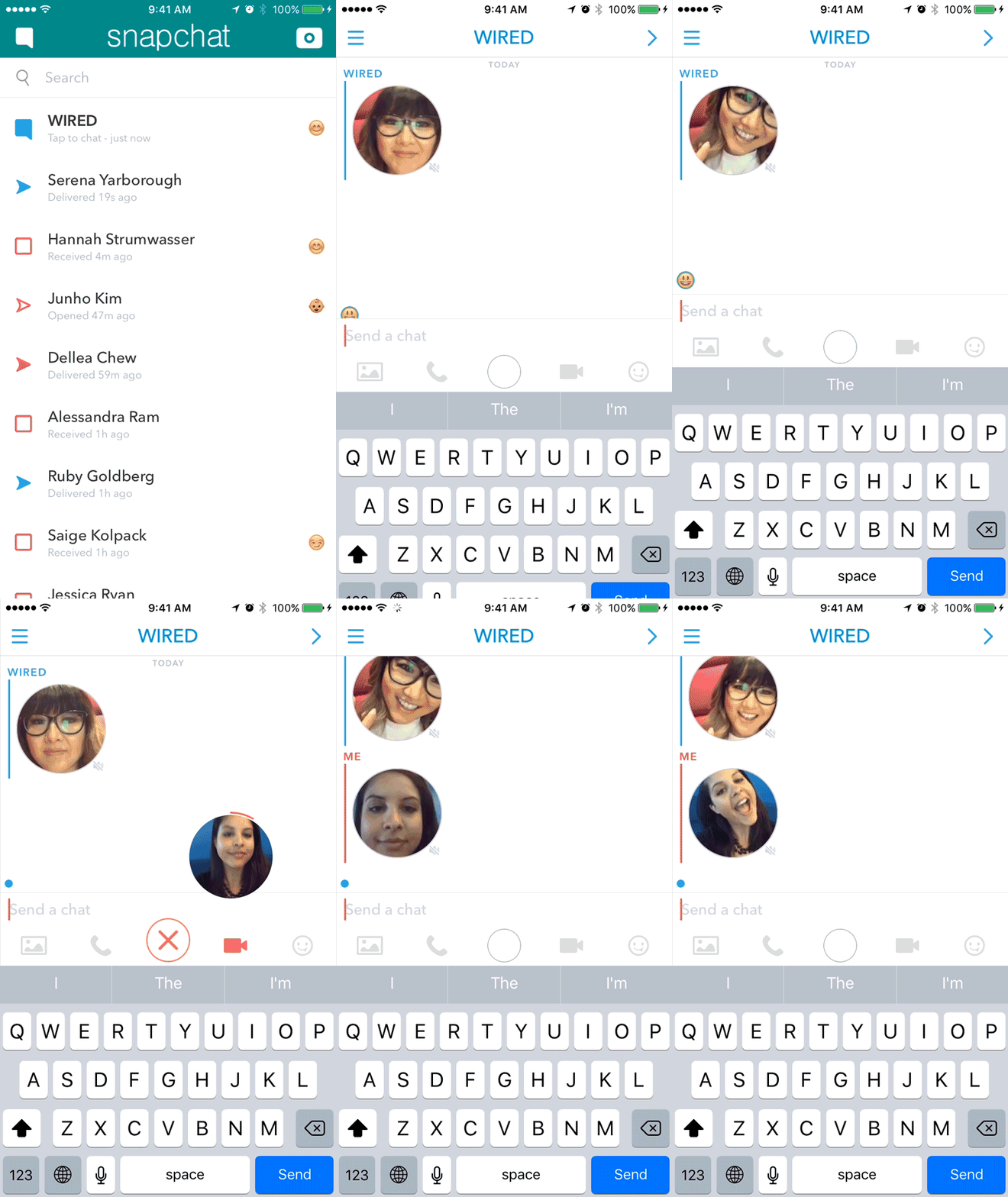
الدردشة (Chat): وهي الخاصية التي تسمح للمستخدمين بالتواصل عن طريق الرسائل الخاصة.

هنا (Here): وهي خاصية داخل الدردشة تتيح بث مقاطع صوت أو فيديو مباشرة أثناء الدردشة.

سناب شات .. الدرس الأول:

“أشعر وكأن عمري 100 عام، بالكاد أستطيع التعامل مع الرسائل النصية” (الاسم محجوب).

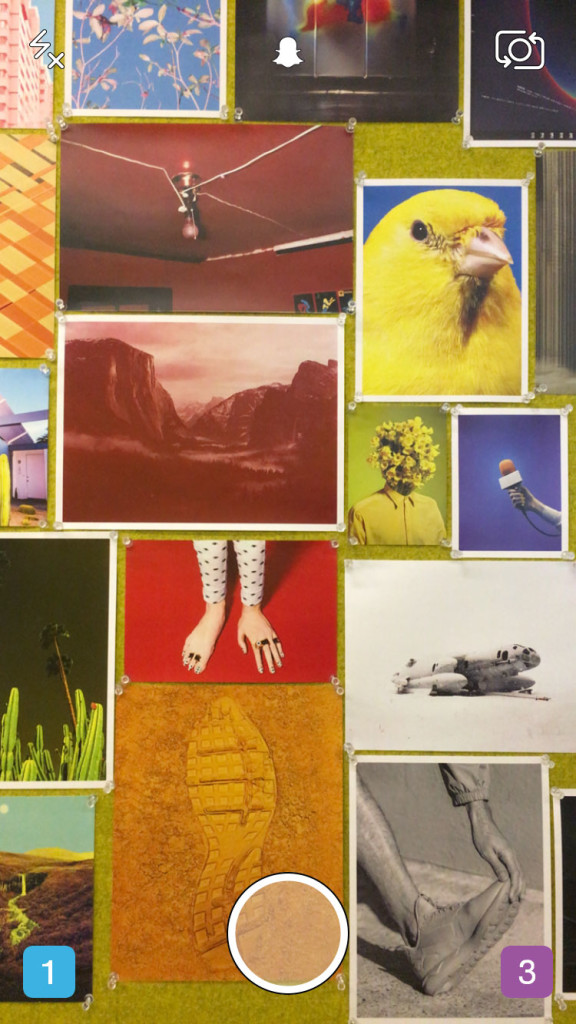
يتميز سناب شات بثلاث شاشات: الشاشة الرئيسية التي تظهر بمجرد تشغيل التطبيق وتحتوي على الكاميرا، عند الضغط على الدائرة منتصف أسفل الشاشة يمكنك التقاط صورة، وعند الضغط بشكل مستمر تقوم بتسجيل فيديو (لمدة عشر ثوان كحد أقصى)، تمامًا مثل كاميرا الهاتف أو إنستجرام، يمكنك التبديل بين الكاميرا الأمامية والخلفية عند طريق الضغط على المربع أعلى يمين الشاشة (أو الضغط مرتين متتاليتين في أي مكان على الشاشة).

نون بوست

بالنسبة للشاشة الثانية والثالثة، فالأيقونة أسفل الشاشة جهة اليسار تأخذك إلى شاشة الدردشة، أما الأيقونة جهة اليمين فتأخذك إلى شاشة القصص، وإذا كانت ذاكرتك ضعيفة، يمكنك تحريك الشاشة يمينًا ويسارًا.

عندما تقوم بالتقاط صورة حينها يبدأ المرح.

قم بتشغيل الفلتر، ثم اذهب جهة اليسار لمشاهدة التركبيات المختلفة التي تستطيع وضع صورتك عليها، ويمكنك استخدام فلترين في اللقطة الواحدة وذلك باختيار الفلتر الأول ثم الضغط بإصبعك للأسفل بشكل مستمر ثم التحرك يمينًا ويسارًا بينما إصبعك ما زال في نفس المكان.

قم بالرسم أو الكتابة أو إضافة ملصقات تعبيرية على اللقطة الخاصة بك، عن طريق الضغط على حرف “تي” أو القلم الرصاص أو أيقونة الملصقات أعلى يمين الشاشة، يمكنك تغيير لون النص من سلسلة ألوان الطيف (مستخدمي الأندرويد لديهم لوحة ألوان إضافية شفافة ليست متاحة لمستخدمي آي فون).

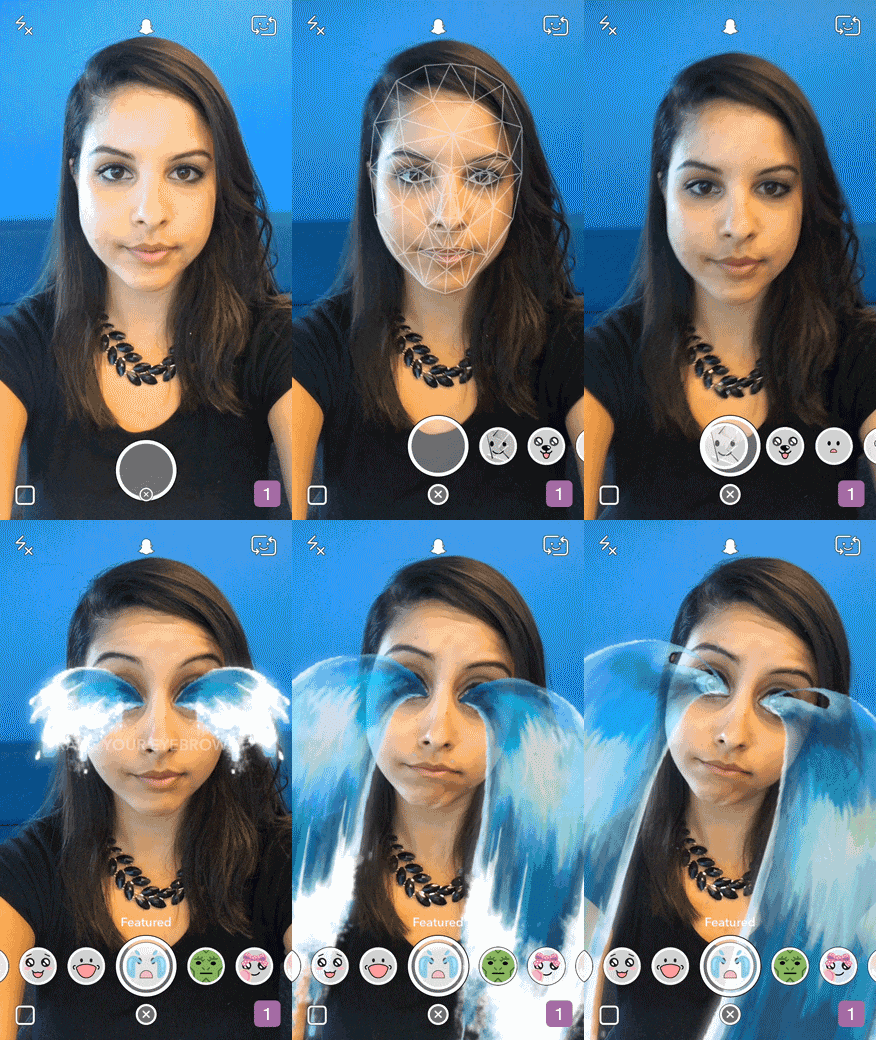
يقوم سناب شات باستخدام برنامج التعرف على الأوجه، لتطبيق تأثيرات الفرح أو الرعب على أي وجه (وأحيانًا الحيوانات)، قم بتركيز الكاميرا على الوجه الذي ترغب في تغييره، اضغط واستمر في الضغط على الوجه حتى تظهر لك شبكة عنكبوتية تشبه الرسوم البيانية، والآن، ارفع إصبعك، وقم بالاختيار من بين العدسات المختلفة أسفل الشاشة، يمكنك استخدام تلك الخيارات في عمل ماكياج كامل أو وضع آذان ولسان كلب، أو جمجمة بأعين جاحظة، يمكنك أيضًا مبادلة الأوجه مع صديق، لكننا لسنا مسؤولين عن الكوابيس التي قد يسببها.

نون بوست

الخصائص الجديدة

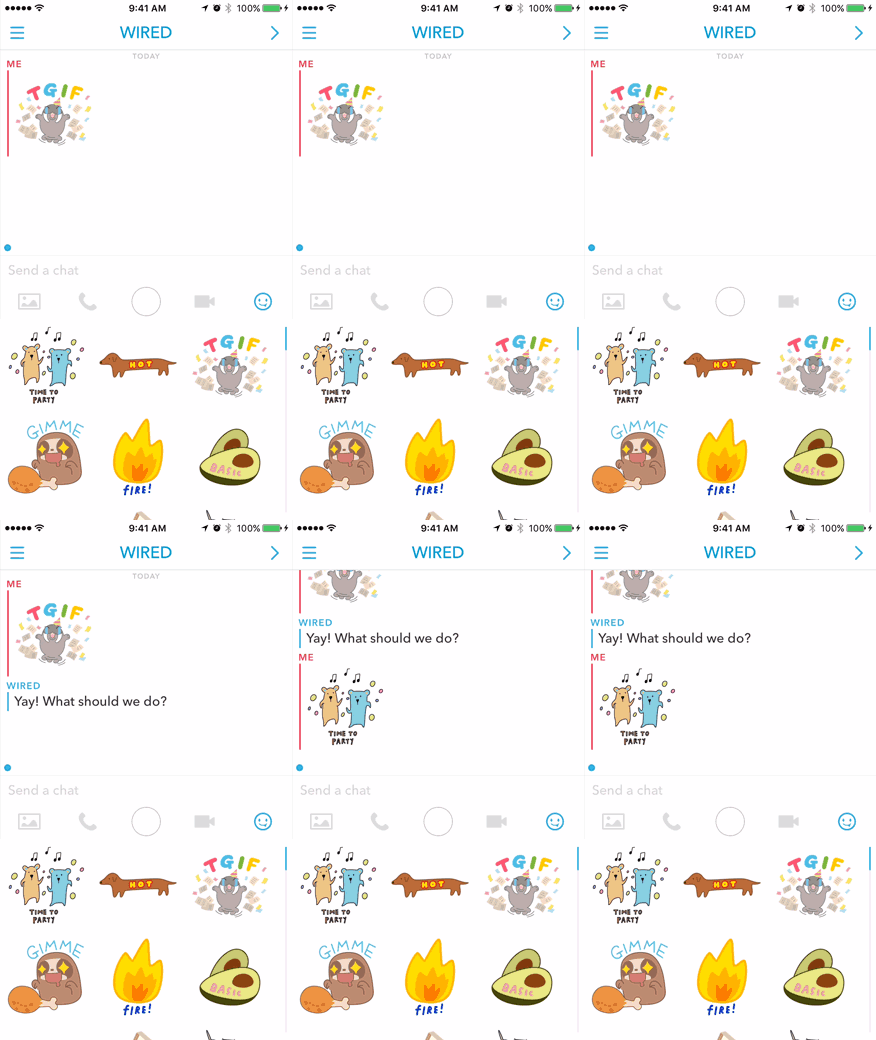
الصور: بالضغط على أيقونة الصور أعلى لوحة المفاتيح، يمكنك إرسال عدة صور لأصدقائك مرة واحدة.

المكالمات الصوتية: بالضغط على أيقونة الهاتف، يستطيع أصدقائك استقبال تنبيه بمكالمتك على هاتفهم، ويمكنهم الرد أو تجاهل الاتصال، يمكنك أيضًا أن تترك رسالة صوتية، ياله من جنون!

مكالمة فيديو: تتيح لك أيقونة كاميرا الفيديو الدردشة المرئية مع أصدقائك مباشرة، مثل سكايب، وبمجرد الرد تستطيع إرسال رسالة نصية أو صورة أو تسجيل صوتي في نفس المكالمة، يمكنك أيضًا إرسال تسجيل فيديو مدته 10 ثوان، لاستخدام هذا النوع من الرسائل، قم بالضغط على أيقونة الهاتف أو الكاميرا فوق لوحة المفاتيح للتسجيل، وبمجرد أن ترفع إصبعك سوف يتم إرسال تسجيلك تلقائيًا.

الملصقات: تتيح لك أيقونة الوجوه على اليمين، الاختيار من بين 297 ملصقًا كرتونيًا.

نون بوست

تشغيل القصص تلقائيًا:في كل مرة تنتهي فيها من مشاهدة قصة، سوف تعمل القصة التالية تلقائيًا، اضغط للاستمرار أو مرر الشاشة جهة اليسار لتخطي الشخص التالي أو قم بالسحب للأسفل للخروج.

حسنًا، هذا هو كل شيء قريبًا، لكن علينا أن نعترف أن زميلتنا لم تتأثر كما كنا نتوقع، لقد قالت “كان هذا مسليًا، لكنني لا أملك وقتًا لذلك”، هذا هو الجزء الأفضل، لا أحد ليه وقت وهذا ما يجعله تطبيق المراسلة الكامل.

المصدر: وايرد

TAGGED: إنستجرام ، الإنترنت ، سناب شات ، وسائل التواصل الاجتماعي
TAGGED: علوم وتكنولوجيا
Download this article as PDF
Share this Article
Facebook Twitter Whatsapp Whatsapp Telegram Email Copy Link
أليساندرا رام
By أليساندرا رام محررة بموقع وايرد
Follow:
Next Article نون بوست The Stigma of “ISIS”: A Heavy Legacy Haunting Women and Children of Former Members

Read More

  • U.S. Regime‑Change Policies: Why They Are Destined to Fail U.S. Regime‑Change Policies: Why They Are Destined to Fail
  • The Gulf’s Balancing Act: Iran, Israel, and Hidden Links
  • Iraq–Turkey Oil Export Treaty: Why Did Ankara Cancel It After 52 Years?
  • Syria’s Northeast on Edge: QSD Between Ankara and Damascus
  • Has Europe Changed Its Stance on Israel… or Just Its Language?
part of the design
NoonPost Weekly Newsletter
dark

An independent media platform founded in 2013, rooted in slow journalism, producing in-depth reports, analysis, and multimedia content to offer deeper perspectives on the news, led by a diverse young team from several Arab countries.

  • Politics
  • Society
  • Rights & Liberties
  • Opinions
  • History
  • Sports
  • Education
  • Technology
  • Economy
  • Media
  • Arts & Literature
  • Entrepreneurship
  • Travel
  • Cinema & Drama
  • Food
  • Health
  • Culture
  • Latest Reports
  • Files
  • Long Reads
  • Interviews
  • Podcast
  • Interactive
  • Encyclopedia
  • In Pictures
  • About Us
  • Our Writers
  • Write for Us
  • Editorial Policy
  • Advanced Search
Some rights reserved under a Creative Commons license

Removed from favorites

Undo
Go to mobile version