








In February 2026, an unprecedented alarm was sounded in Kuwaiti-Lebanese relations after Kuwait long known for its financial support to Lebanon during times of crisis placed eight private Lebanese hospitals on its “terrorism list.”
The decision was issued by the Committee for the Implementation of United Nations Security Council Resolutions at Kuwait’s Ministry of Foreign Affairs, specifically under regulations related to “counterterrorism” and the “non-proliferation of weapons of mass destruction.”
Lebanese ministries were caught off guard by the move, while Israeli media outlets seized on the development to promote claims of Hezbollah infrastructure embedded within Lebanon’s healthcare sector allegations that remain unsupported by evidence. This report answers the central questions surrounding the decision, its background, and its potential ramifications.
What Are the Details of Kuwait’s Move?
Kuwait circulated a directive through its Ministry of Foreign Affairs adding eight Lebanese hospitals to its counterterrorism list.
The targeted hospitals are:
-
Sheikh Ragheb Harb University Hospital in Nabatieh
-
Salah Ghandour Hospital in Bint Jbeil
-
Al-Amal Hospital in Baalbek
-
Saint George Hospital in Hadath
-
Dar Al-Hikma Hospital in Baalbek
-
Al-Batoul Hospital in Hermel
-
Al-Shifa Hospital in Khaldeh
-
Al-Rassoul Al-Aazam Hospital near Beirut International Airport
The decision mandates the immediate freezing of funds and economic resources owned by these hospitals and prohibits any individual or institution in Kuwait from providing them with money or services.
What Lies Behind the Decision?
According to Kuwaiti newspapers, the measure falls within Kuwait’s implementation of UN Security Council resolutions “related to combating terrorism.”
The body authorized to issue such decisions is the Committee for the Implementation of UN Security Council Resolutions adopted under Chapter VII.
The committee may designate an entity either on its own initiative or at the request of foreign or domestic authorities if there are “reasonable grounds” to believe that the entity is involved in “committing or financing terrorist acts.”
What Is Hezbollah’s Connection?
Kuwaiti sources linked the step to alleged financing networks tied to Hezbollah operating inside Lebanon and exploiting medical institutions for money laundering.
Most of the listed hospitals are located in southern Lebanon, the Bekaa Valley, and Beirut’s southern suburbs areas widely considered Hezbollah strongholds.
In October 2025, Kuwaiti authorities dismantled a terrorism-financing network that allegedly used a pharmacy inside a private hospital as a front for smuggling medication and transferring funds to a banned organization.
Kuwaiti sources had also linked the move to Hezbollah-associated financing networks in Lebanon.
In June 2025, Kuwait imposed sanctions on Al-Qard Al-Hassan, a Hezbollah-affiliated financial association, reflecting an escalating trajectory in efforts to curb funding channels.
Some of the hospitals such as Salah Ghandour Hospital in Bint Jbeil—are managed by the Islamic Health Committee, an entity affiliated with Hezbollah. Kuwait accuses Hezbollah of operating financing networks and organizing cells within its territory.
What Does the Decision Mean for Kuwait and Lebanon?
Within Kuwait, banks and companies are required to freeze all assets owned or managed by the designated hospitals and to block any financial transfers or services.
Article 23 of the regulation prohibits any person within Kuwait or any Kuwaiti national abroad from providing financial resources or services to listed entities. Article 24 obliges implementing authorities to report the freeze within 24 hours.
The freeze does not extend to accrued interest on frozen accounts. In practical terms, donations or contracts involving Kuwaiti entities and these hospitals will cease. Lebanese expatriates working in Kuwait may also face difficulties transferring funds to these institutions.
In Lebanon, however, these hospitals constitute essential facilities in marginalized areas. Freezing their resources risks placing additional strain on an already fragile healthcare system.
There are concerns that the measure could obstruct remittances from expatriates and Gulf-based donations upon which some hospitals rely. Lebanese banks may also sever ties with the designated institutions for fear of falling afoul of Kuwaiti sanctions.
How Did Lebanon Respond?
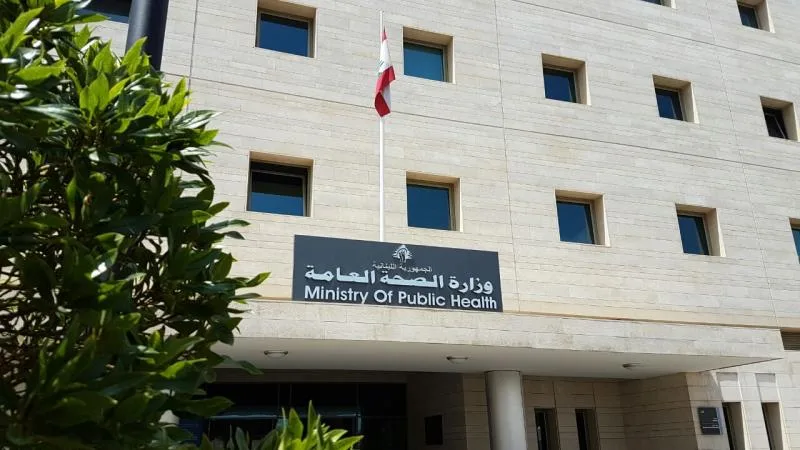
Lebanon’s Ministry of Public Health expressed profound surprise at the decision, stating it had received no prior notification. The ministry emphasized that the hospitals in question are legally registered, form an integral part of Lebanon’s healthcare system, and provide treatment to all citizens without discrimination.
The ministry announced it would engage Kuwaiti authorities to present “the correct facts” and safeguard the health system, describing the designation as “unprecedented and inconsistent with Kuwait’s historic support for Lebanon.”
It also underscored that Kuwait has long been a key partner in healthcare projects and that the decision represents a precedent requiring clarification.
The ministry further stressed that the hospitals concerned operate outside any political affiliation and that any accusation should proceed through transparent judicial channels.
How Did Israeli Media Exploit the Move?
Hebrew-language media outlets used the decision as a propaganda tool. The Times of Israel reported that the hospitals are located in “Hezbollah strongholds,” noting that Bint Jbeil home to Salah Ghandour Hospital was targeted by Israeli bombardment during the 2024 war.
i24NEWS pointed out that some hospitals are situated in Beirut’s southern suburbs and in southern regions that experienced Israeli strikes, while acknowledging that the Kuwaiti circular did not mention Hezbollah.
Israeli media sought to portray the decision as proof that Hezbollah uses hospitals “for military purposes”—the same claim invoked by Tel Aviv to justify targeting medical facilities in 2024.
For instance, Israel alleged in 2024 that a Hezbollah cash-and-gold bunker was located beneath Al-Sahel Hospital in Beirut, a claim that was never substantiated. Notably, that hospital does not appear on Kuwait’s list.
What Legal Steps Are Available?
Under Kuwaiti regulations, institutions may be designated at the request of another state or on the committee’s own initiative.
The law does not outline a clear appeals process. However, listed institutions may approach Kuwaiti authorities through diplomatic channels to present evidence establishing their legal standing.
Conversely, Kuwaiti entities implementing the freeze must notify the committee within 24 hours.
This may open the door to a subsequent review if Lebanon can demonstrate that the hospitals have no link to military activities. Lebanon could also turn to the Gulf Cooperation Council or the Arab League to seek political mediation.
Are There Broader Regional Dimensions?
Kuwait’s move is widely viewed within the context of a broader Gulf trend aimed at tightening financial pressure on Hezbollah. Since 2016, Gulf states have designated the group a “terrorist organization” and imposed sanctions on its institutions and service arms.
Gulf security agencies have also intensified efforts against affiliated cells. In October 2025, Kuwait dismantled a financing network that allegedly used a hospital pharmacy as a front for smuggling medication and transferring funds. The following month, authorities arrested 18 individuals suspected of financial ties to Hezbollah.
The decision also coincided with Israeli accusations that Hezbollah uses hospitals for military purposes claims Tel Aviv sought to amplify prior to bombing medical facilities.
Where Could This Lead?
If Kuwait does not present clear evidence linking the hospitals to military activities, the decision could evolve into a source of political tension with Lebanon, particularly given the historically cooperative financial ties between the two countries.
Conversely, Kuwait may leverage the move to intensify pressure on Hezbollah and encourage the Lebanese state to take action against its financial institutions.


