















Arab relations with Syria took a new turn on January 5, 2026, with Egypt announcing the signing of two memoranda of understanding to supply natural gas and petroleum derivatives to Damascus marking the first such deal since the outbreak of the Syrian uprising 14 years ago.
This development comes at a time when Syria is grappling with a severe energy crisis after years of war and sanctions. It raises the question: is this simply an emergency intervention to salvage the country’s faltering electricity sector, or does it signal a strategic move to open an economic lifeline that reconnects Damascus with the Arab world?
Details of the New Agreement
Egypt’s Ministry of Petroleum announced that it had signed two memoranda of understanding with Syria’s Ministry of Oil and Mineral Resources to cooperate in the following areas:
-
Supplying Syria with natural gas for electricity generation
-
Meeting Syria’s needs for petroleum derivatives
-
Exploring cooperation in rehabilitating Syria’s gas and oil infrastructure
According to the Egyptian statement, the gas will be delivered to Syria either:
-
Via Floating Storage Regasification Units (FSRUs) anchored offshore
-
Or through existing gas pipeline networks

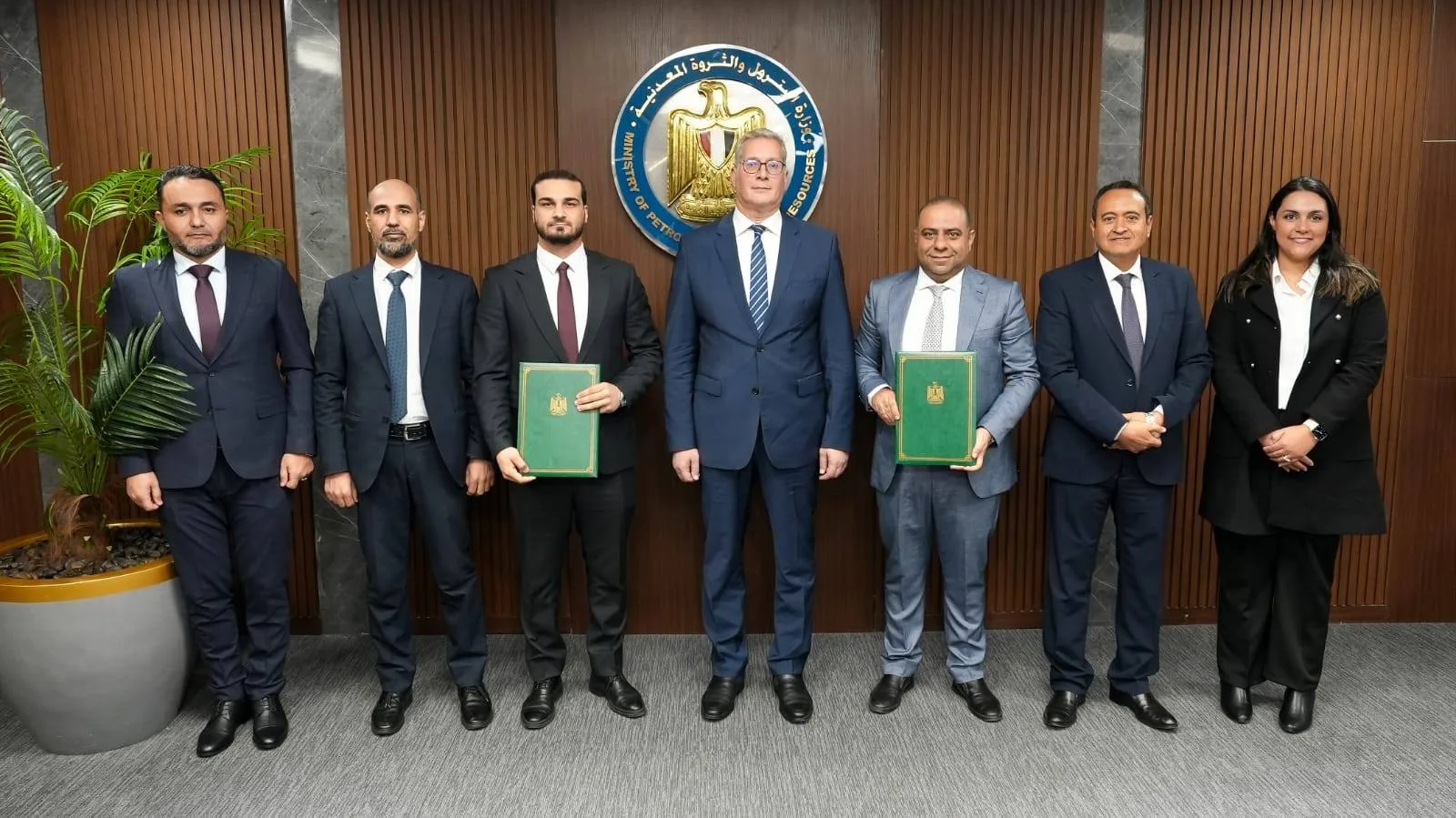
While the agreements remain preliminary with no details disclosed regarding financial value or supply volume they mark the first such cooperation between Cairo and Damascus in the energy sector since before the war. Observers see the move as a significant indicator of Syria’s accelerating reintegration into the Arab fold.
Emergency Relief or the Start of Economic Reintegration?
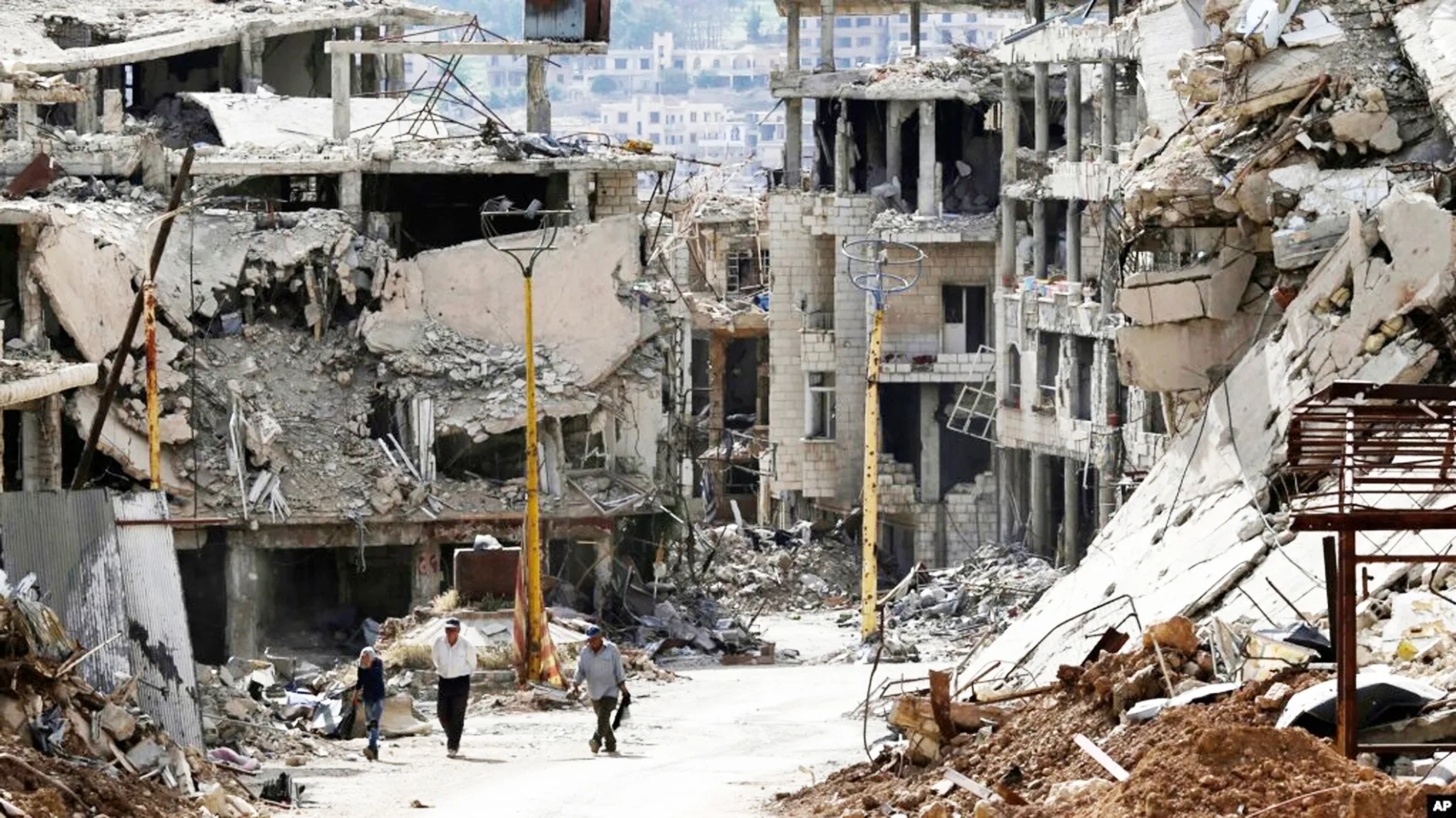
There is little doubt that Syria’s crippling electricity crisis was a major driver behind this step. Years of war and neglect have decimated the country’s energy infrastructure, rendering it incapable of meeting even basic needs.
In many parts of the country, Syrians receive less than three hours of electricity per day due to prolonged outages and weak transmission caused by fuel shortages and defunct power stations.
Currently, Syria generates only a fraction of its electricity needs, with power stations and transmission lines severely damaged and fuel supplies critically low after 14 years of conflict. This has forced the government to enforce strict rationing, with long daily blackouts.
In this context, Egyptian gas could serve as a vital fuel source to reactivate some idle power plants and alleviate the burden on civilians. Yet the implications go beyond the immediate power supply this is also a strategic move toward economically reintegrating Syria with its neighbors after years of isolation.
Energy agreements are increasingly seen as a vehicle for breaking diplomatic stalemates. They offer a platform for strengthening political ties through economic cooperation. Other Arab states have taken similar steps, including:
-
Saudi Arabia providing a 2025 oil grant of 1.65 million barrels of crude to improve the operation of Syrian refineries
-
Jordan pledging last year to connect its electrical grid with Syria and begin supplying electricity once transmission lines are restored
-
Turkey beginning in March 2025 to supply gas to Syria, funded by Qatar, providing up to 400 megawatts of electricity daily
-
Qatar funding the delivery of Azerbaijani gas via Turkey to Syria, with a new gas pipeline inaugurated in Kilis Province in summer 2025
Infrastructure Obstacles
Despite the political momentum behind these deals, significant logistical and infrastructural challenges stand in the way of implementing them on the ground.
Syria’s energy transport networks gas pipelines and electrical grids have been heavily damaged by the war. Estimates suggest that over 70% of Syria’s power generation stations and transmission lines have been either destroyed or severely degraded due to conflict and years of neglect.
The country’s overall grid capacity has dropped to less than a quarter of its pre-war level. This means that delivering Egyptian (or any) gas to its final destinations within Syria will require major repairs to pipelines and internal distribution networks.
Earlier in the past decade, Egypt, Jordan, Syria, and Lebanon agreed on a project to extend the Egyptian gas pipeline to Syria and onward to Lebanon. However, the outbreak of the Syrian conflict stalled its implementation.
Talk of reviving the project resurfaced in 2021 as part of a broader plan to help Lebanon secure energy via Syrian territory. Indeed, a June 2022 agreement was signed to transport 650 million cubic meters of Egyptian gas annually to Lebanon via Syria to ease its electricity crisis.
That deal included repairs to sections of the pipeline within Syria and ensured their operability, suggesting that parts of the Arab Gas Pipeline infrastructure may now be relatively ready for use.
Still, for this new Syrian agreement, Egypt and Damascus will need to ensure the integrity of secondary pipeline connections linking the main gas line or floating terminals—to power stations across the country. This presents a solvable but time-consuming and investment-heavy engineering challenge.
Alternatively, the Egyptian plan may rely on liquefied natural gas (LNG) shipments instead of onshore pipelines, especially if ground infrastructure proves slow to rehabilitate.
In that case, Egypt home to LNG export terminals on the Mediterranean could ship liquefied gas to a Syrian port equipped with an FSRU to regasify the LNG and feed it into the local network. However, this method would require technical upgrades at Syrian ports and possibly the leasing of expensive specialized vessels.
Likewise, transporting petroleum derivatives would require a fleet of land-based tankers or sea carriers to deliver fuel from Egypt to Syria via Jordan or across the Mediterranean necessitating careful logistical planning and border coordination to ensure safe and efficient delivery.
The Agreement’s Impact on Syria
Domestically, if implemented as intended, the agreement could have a tangible effect on the daily lives of Syrians. Injecting additional gas into the power grid could bring more turbines back online and extend the number of hours households and facilities receive electricity.
When Turkey’s Energy Minister, Alparslan Bayraktar, launched the Azerbaijani gas project for Syria, he estimated that the imported gas would power a plant capable of generating up to 1,200 megawatts enough to supply electricity to around 5 million homes.
Though Syria’s needs far exceed this, any increase from the current output about 2,000 megawatts compared to 7,500 before the war would undoubtedly ease the country’s daily struggle with darkness and reliance on costly private generators.
Moreover, the availability of petroleum products like diesel through official channels could help curb the runaway prices on the black market, which have burdened Syrians, especially during winter.
From a broader economic perspective, diversifying energy sources may reduce Syria’s dependency on specific allies and expand its roster of international partners.
In sum, Egypt’s move to supply Syria with gas and petroleum carries multifaceted significance. On one hand, it offers immediate relief to the country’s battered electricity sector and the people enduring its collapse.
On the other, it sends a powerful political signal: Damascus is rapidly reclaiming its place in the Arab world, with energy and infrastructure cooperation paving the way for broader regional reintegration.


