












In Gaza, where life teeters on the edge of catastrophe, a harrowing humanitarian tragedy unfolds through the voices of pregnant women battling hunger and illness. With fragile lives growing inside them, they endure a relentless nightmare—bodies worn down by siege and spirits crushed under a bleak reality that threatens the very future of their children.
For Samah Sukkar, 32, now in her ninth month of pregnancy, this was supposed to be a time of joyful anticipation—choosing soft baby clothes, colorful toys, and preparing for a safe delivery. But in Gaza, the reality has been upended. Hunger and Israeli airstrikes are not just headlines; they are a daily menace devouring her every hope.
A mother of four, Samah is suffering from severe malnutrition that has stunted her unborn baby’s growth, reducing its weight to under three kilograms. Her doctor recommended a cesarean section to save both lives.
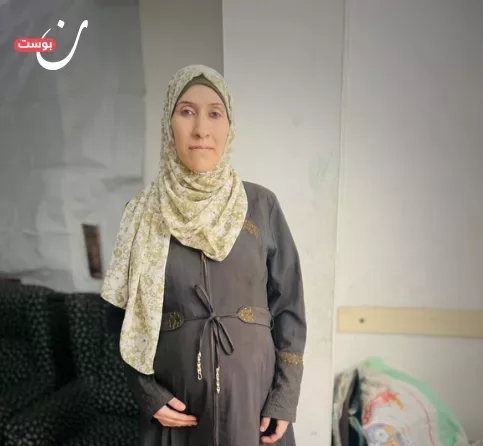
Speaking to Noon Post with a broken heart, she says, “I had decided not to get pregnant during this war, knowing how harsh things would be. But birth control has vanished entirely because of the siege.”
Her voice weak and body aching from starvation, Samah adds, “All I get is a plate of lentils and a piece of bread each day. My only wish is that meat, eggs, and cheese make it into Gaza—to save us pregnant women and our babies from the specter of death.”
She lives in constant turmoil, fearing for both her life and that of her child. Her dreams have turned to ash, crushed by psychological stress that has even delayed her delivery.
Mounting Health Complications
In a similarly heart-wrenching scene, Rawaan Abu Al-Einin, in her twenties and seven months pregnant, gently touches her pale belly. Unlike her previous pregnancy, she now feels the heavy toll of malnutrition—her fetus is visibly smaller, and she suffers from severe anemia with a hemoglobin level of just 8.
Fighting back tears, Rawaan tells Noon Post, “The lack of food has severely impacted my blood levels. Our only daily meal, if we’re lucky, is lentils—because we simply can’t afford anything else.”
With a heavy heart, she continues, “I pray every day that I can make it through the last two months and give birth once the war ends. The fear is constant: What will my delivery be like? Will there be a hospital bed for me? How will I even get there?”
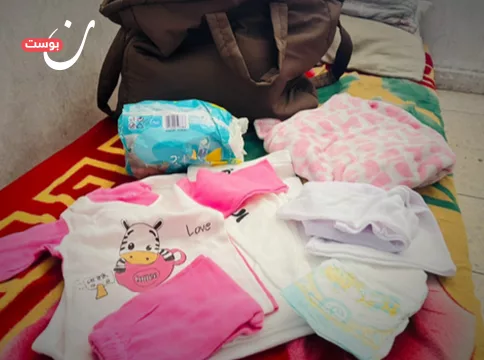
As most medical centers have been rendered inoperative by repeated Israeli strikes, Rawaan barely receives basic care. Her only wish is for some meat, eggs, and milk to prevent her baby from being born with deformities or illnesses. She hasn’t even managed to prepare a hospital bag, and her solitary lentil meal is consumed with dread as the psychological burden crushes every maternal dream.
Nibal Al-Sayyed, 32, is one of thousands of pregnant women in Gaza battling malnutrition and the mental anguish of possibly giving birth to unhealthy babies.
She tells Noon Post that the early months of her pregnancy were relatively manageable due to a temporary truce that allowed some access to food. “But once the crossings closed and I started losing weight, I had to go to the hospital to check on myself and the baby.”
Tests revealed severe health complications: low blood sugar, low blood pressure, anemia, magnesium deficiency, and dangerously low vitamin B12 levels. “The baby is underweight because I don’t have access to appropriate food for a pregnant woman,” she says with concern. “Trying to overcome these challenges is exhausting and terrifying.”
And it’s not just about nutrition. The contaminated water delivered by trucks is beginning to affect her kidneys and stomach. Nibal fears a premature birth—not only for herself and the baby but also for her four-year-old daughter, who too is malnourished and vitamin-deficient. “The fear has doubled,” she says.
“Natural childbirth requires physical strength, and afterward a mother needs proper nourishment. If food isn’t available, how can we breastfeed? We pregnant and non-pregnant women alike suffer from fatigue, and formula is nowhere to be found. All of this is deeply worrying and affects my mental health.”
According to the World Health Organization, 90% of pregnant and breastfeeding women in Gaza suffer from severe malnutrition. The lack of medical supplies prevents them from receiving the care they desperately need.
Gaza’s Government Media Office reports that over 60,000 pregnant women are struggling to secure even minimal food, as essential vitamins and supplements become increasingly scarce—raising the risk of fetal deformities.
In June, the UN Office for the Coordination of Humanitarian Affairs warned of escalating health risks facing some 55,000 pregnant women in Gaza, including miscarriages, stillbirths, and babies born severely malnourished.
Dr. Samar Shalabi, an obstetrician and gynecologist, describes the situation as catastrophic. Gaza’s pregnant women, she says, are dealing with malnutrition, anemia, and vitamin deficiencies. “Malnutrition leads many women to miscarry,” she tells Noon Post. “Some have hemoglobin levels as low as 7, and this impacts the fetus too—causing underdevelopment, deformities, or requiring neonatal intensive care.”
After childbirth, mothers face devastating health and psychological challenges, often unable to produce milk due to dehydration. “A mother is torn,” she says, “between trying to nourish herself to breastfeed or finding scarce formula for her baby.”
Dr. Shalabi concludes: “We try to support these women with vitamins and basic care, but it’s not enough—especially without meat, cheese, vegetables, and fruit. The only solution is to open the crossings and save them from this imminent threat.”
A Reality Fraught With Fear
Dr. Diaa Abu Aoun, a psychologist, says the constant fear of childbirth under bombardment creates immense mental strain. Pregnant women in Gaza now live with compounded anxiety—fear for themselves and for the life growing inside them.
“They live in a state of hyper-alertness,” he explains. “They expect the worst at any moment: Will they give birth under bombardment? Will the hospital be open? Will there be care available during labor? And will they be able to nourish the baby afterward?”
These unrelenting questions breed chronic anxiety, sleep disorders, and a sense of helplessness. “It affects their emotional stability and how they relate to the pregnancy itself,” he adds. “Many women no longer feel joy about being pregnant—they see it as a burden or even a threat.”
Dr. Abu Aoun stresses that the plight of Gaza’s pregnant women is dire. War has denied thousands access to basic maternal care, especially with hospitals bombed or shut down, and medical staff and supplies severely limited.
“The challenges are enormous—from chronic fear and stress to the lack of food and clean water. Some are even giving birth in overcrowded shelters lacking the bare minimum of safety.”
Nutritional deficiencies are among the most dangerous issues. The lack of proteins, vitamins, and essential minerals like iron and folic acid poses immediate threats: anemia, premature birth, low birth weight, and even miscarriage.
He adds that malnourished fetuses are at risk of delayed cognitive and physical development and chronic disease post-birth. Meanwhile, the mothers face fragile health in the absence of medical care.
Other challenges include a collapsed health system, mobility restrictions, lack of medical personnel, and scarce medications and supplies.
Depression and stress don’t just affect mental health—they trigger real physiological changes, he explains, like high blood pressure (preeclampsia), weakened immunity, early labor contractions, and reduced blood flow to the fetus. Long-term, this can result in severe postpartum depression, especially when social and psychological support is unavailable.


